


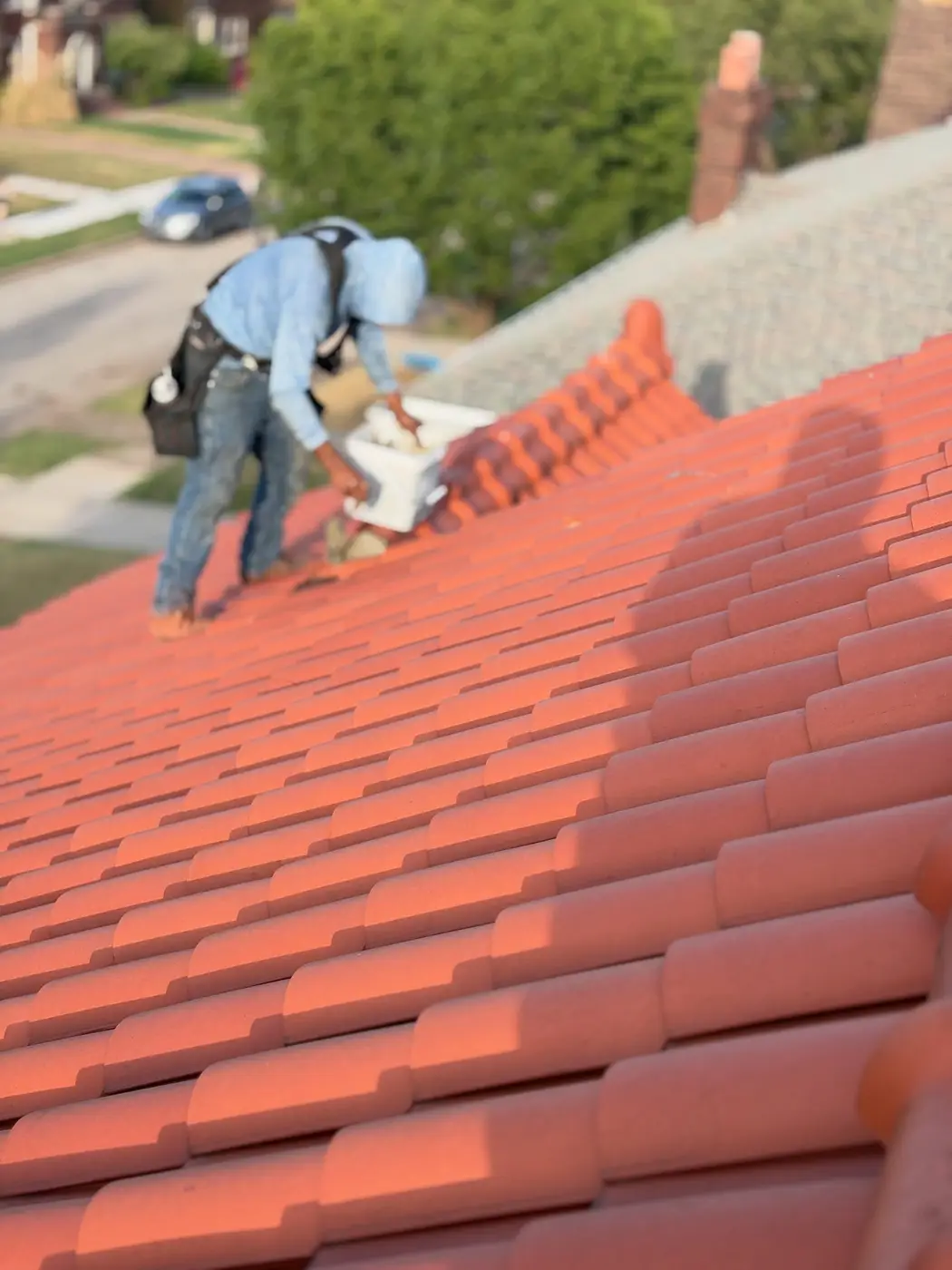
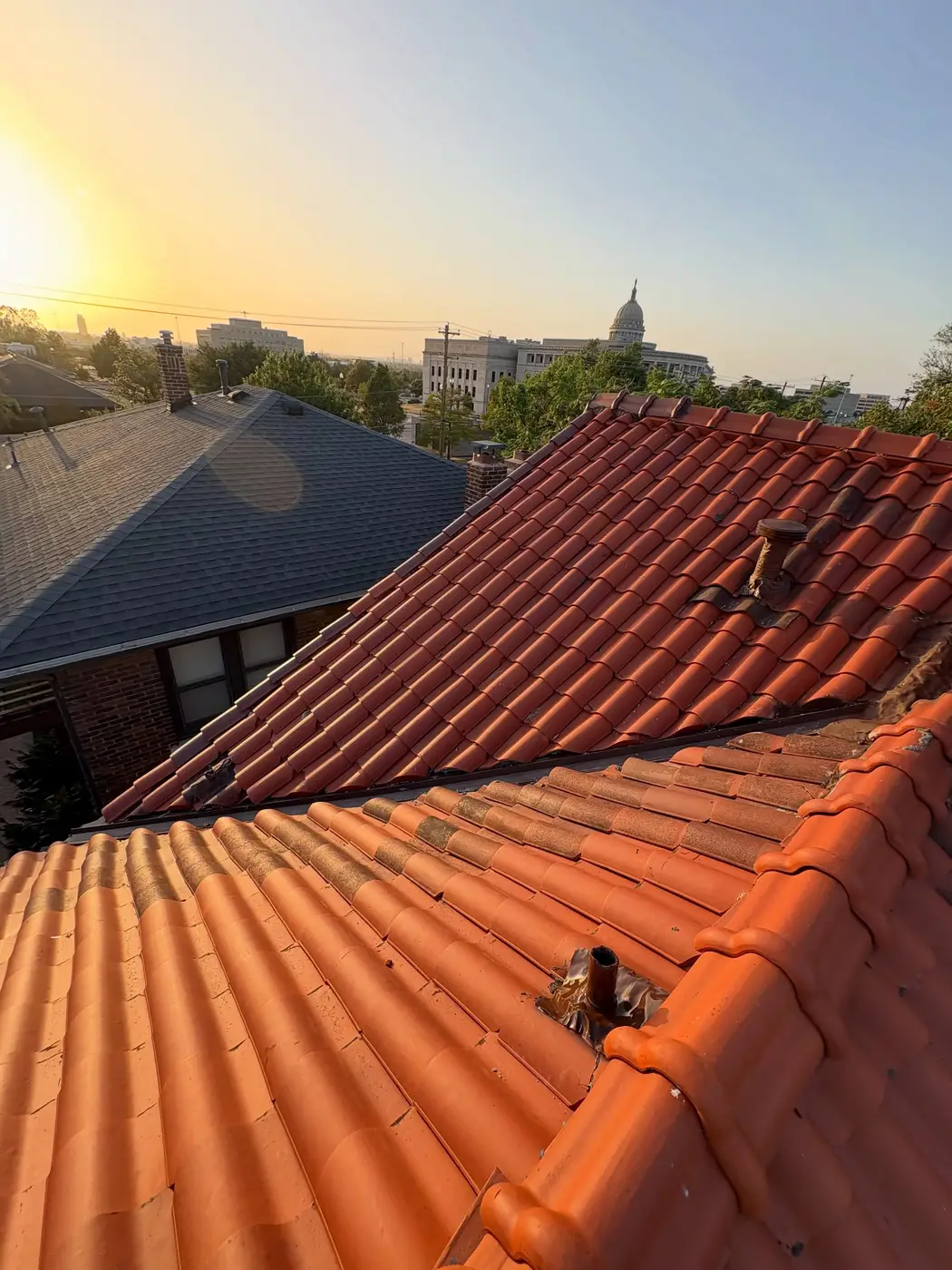
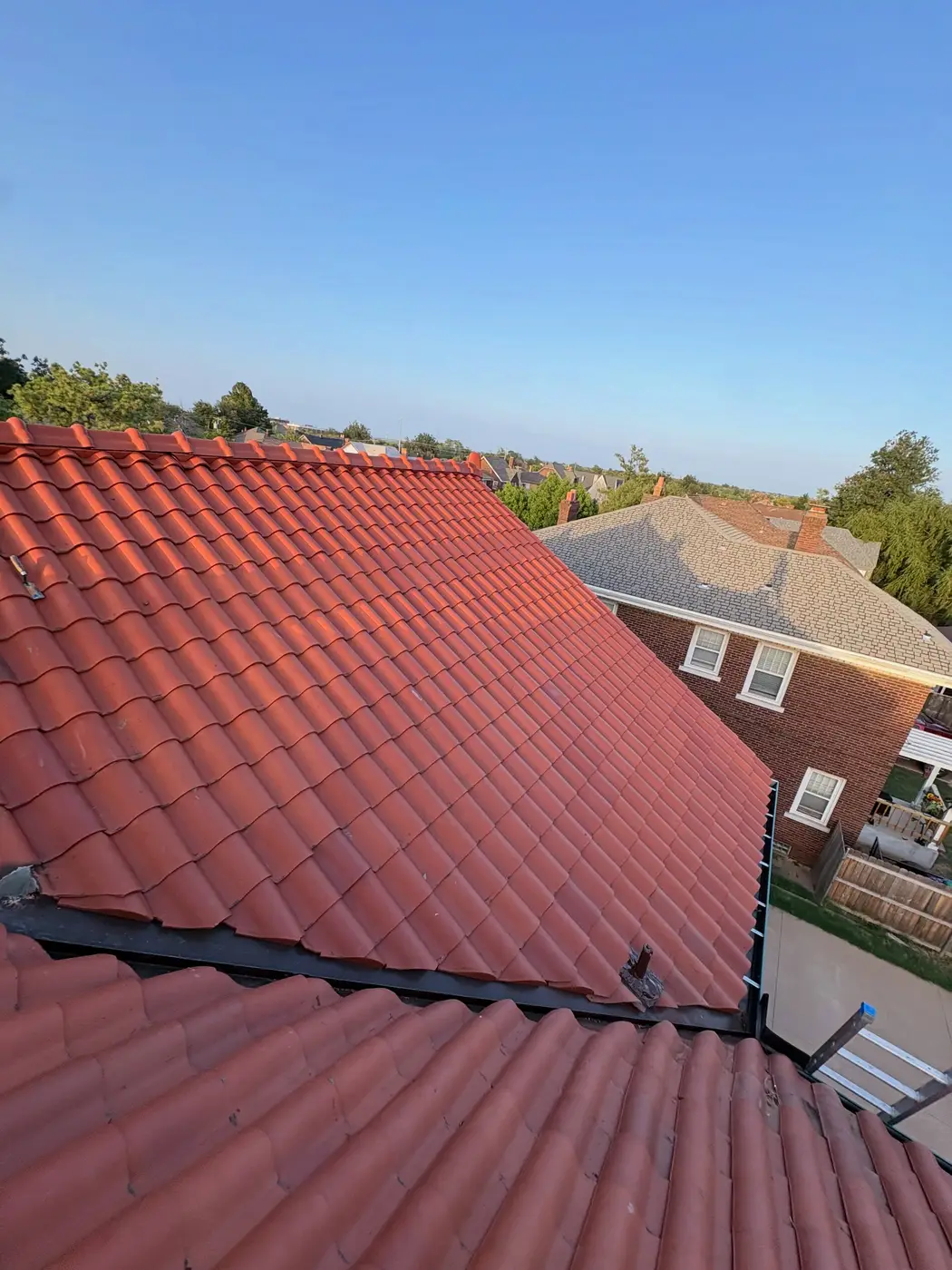
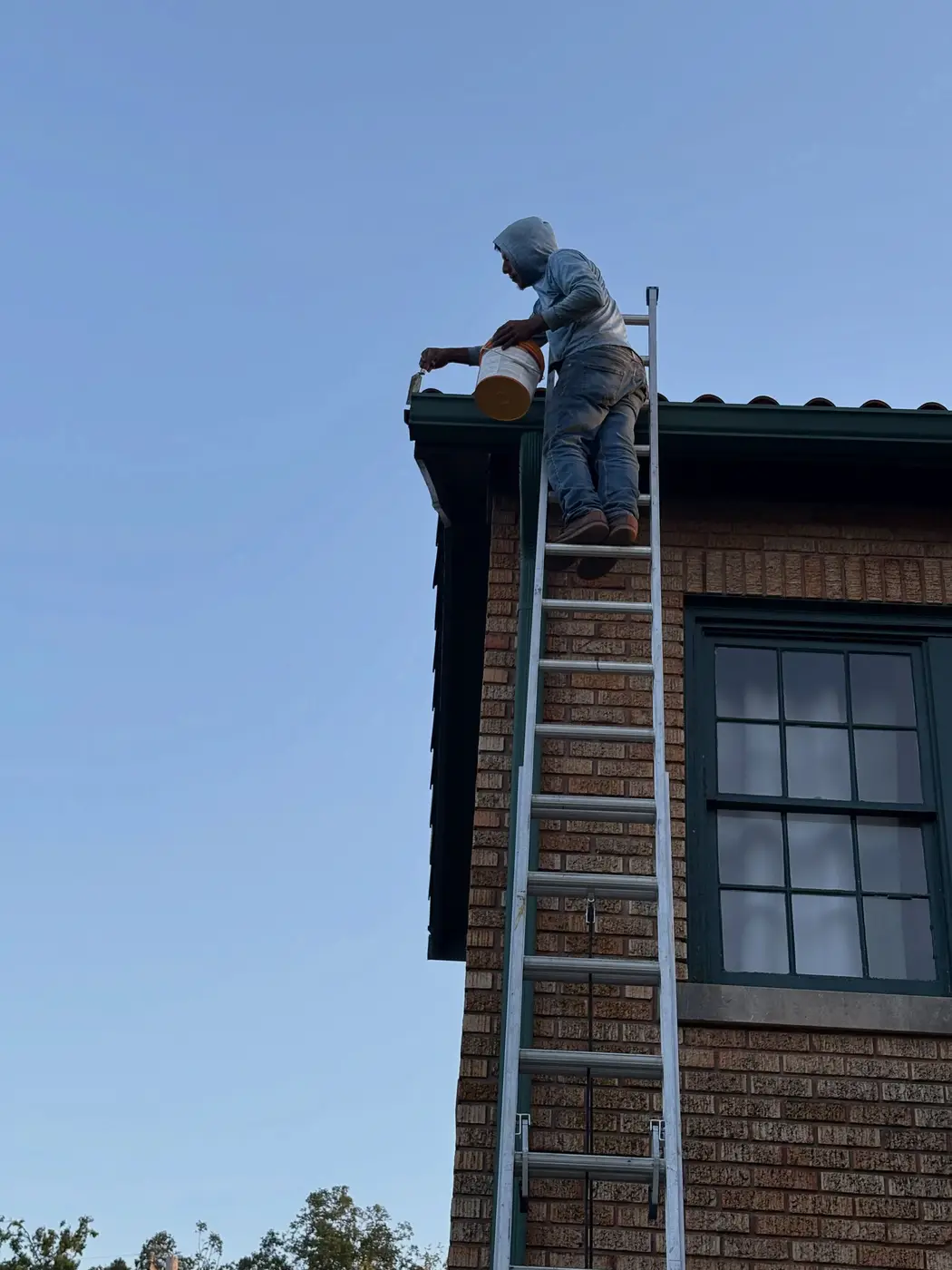
Often, if it's sound. Tiles are numbered or sorted as they come off, then cracked pieces are replaced.

Asphalt Shingle Roofing
Metal Roofing
Standing Seam Metal Roof
Metal Roof Retrofit
Clay Tile Roofing
Concrete Tile Roofing
Slate Roof Repair
Wood Shake Roofing
All Services
Clay tile is a signature of many of Tulsa's historic homes. The tiles can last a very long time, but the underlayment beneath them usually wears out first, and that's often what causes leaks.
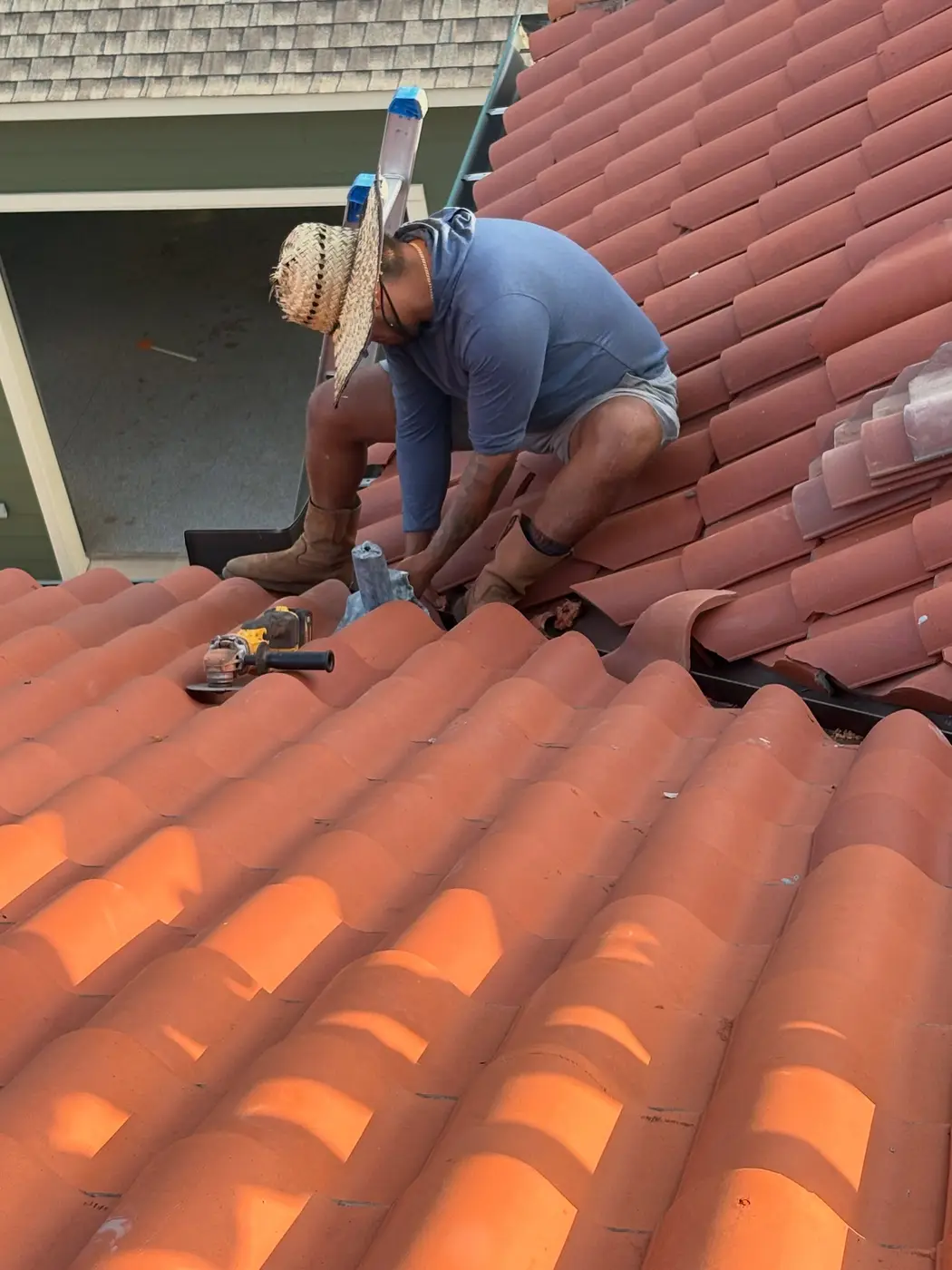
We can remove tile, replace the underlayment and flashing, then reinstall sound tile with matching replacements where needed. It's careful, slow work, and walking the roof the wrong way can break more tile than the storm did.
Common signs we check for:
- Cracked or slipped tiles
- Leaks despite intact tile
- Aged underlayment and flashing
- Hail-chipped tiles
- Historic home restoration
- Earlier mismatched repairs
How the work gets done
Careful Inspection
We inspect tile and flashing while avoiding additional breakage.
Source the Tile
Salvaged or new tile is matched for profile and color.
Renew the Layers
Underlayment, battens and flashing are replaced as needed.
Reset the Tile
Tiles are reinstalled and fastened to current practice.
Typical Cost
Individual tile repairs start around $500. Lift-and-relay work often runs $12 to $22 per square foot, and new clay roofs often $18 to $35.
These are planning ranges for the Tulsa area, not a quote. Your written estimate is based on the actual roof.
Request an EstimateClay Tile Roofing prices
Planning ranges for the Tulsa area, updated November 2026. They include typical labor and materials, but they are not a quote. Your written estimate is based on an inspection of the actual job. See every category on our price list.
Why homeowners choose clay tile
Clay tile has been used on roofs for centuries, and it still has a look nothing else fully copies. It keeps its color for decades, resists fire and insects, and can last well beyond most other roofing materials. In Tulsa, you will see it on Mediterranean and Spanish-style homes and on some of the older neighborhoods in the Maple Ridge and Brookside areas. Those older roofs often have historic profiles that are part of the character of the home.
The trade-offs are weight and cost. Clay tile weighs far more than shingles, so the framing has to support it, and the upfront price sits near the top of the roofing market. Tiles can also crack under foot traffic or hail impact, so repairs must be handled carefully.
Tile profiles and finishes
Tile style has a big effect on how the roof reads from the street. It is also a factor when matching existing materials during a repair.
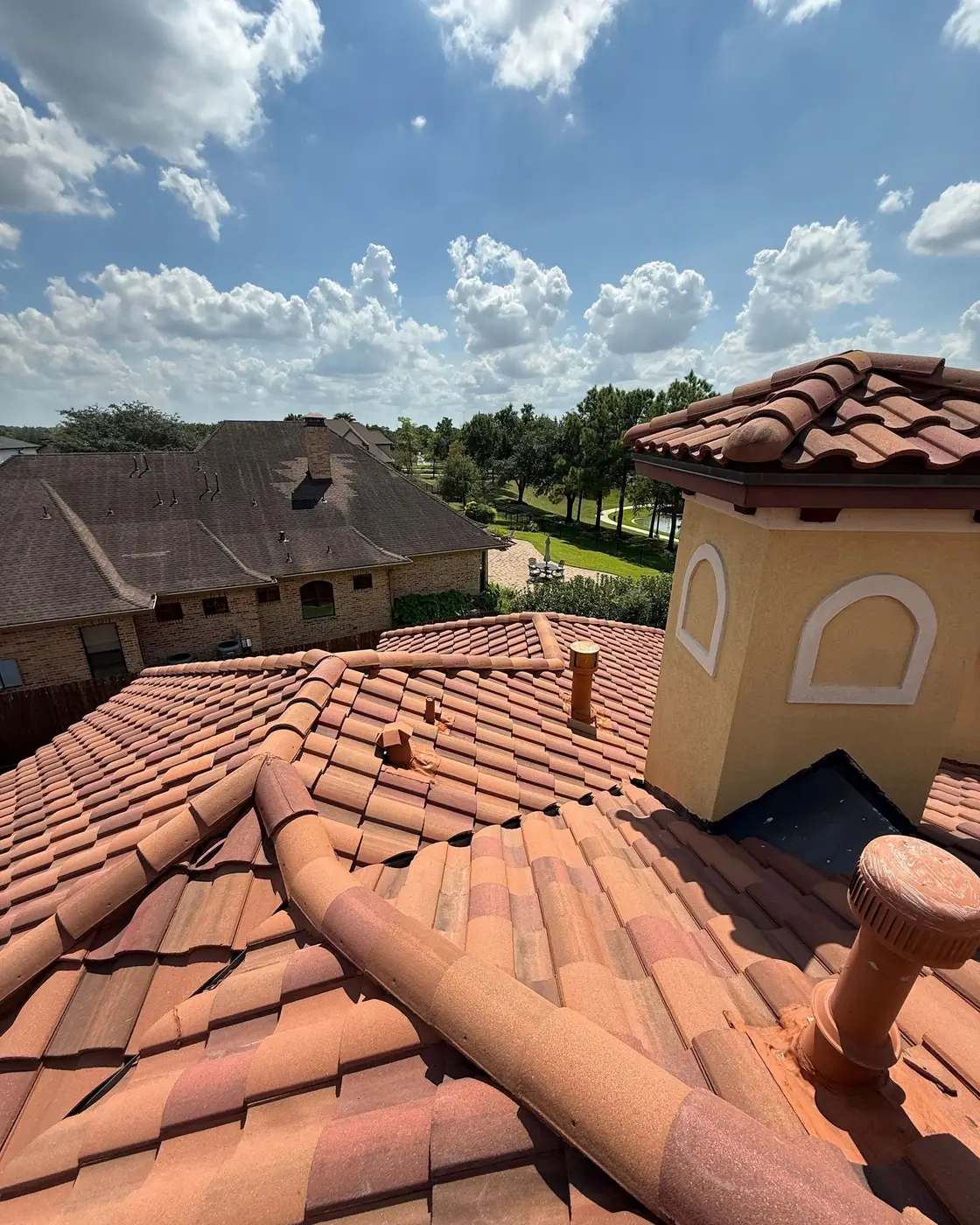
- Barrel or mission (S-tile): the classic curved look of Spanish and Mediterranean homes.
- French and interlocking tile: flatter profiles with cleaner lines.
- Flat shingle tile: a subtle look suited to some Tudor and English-style homes.
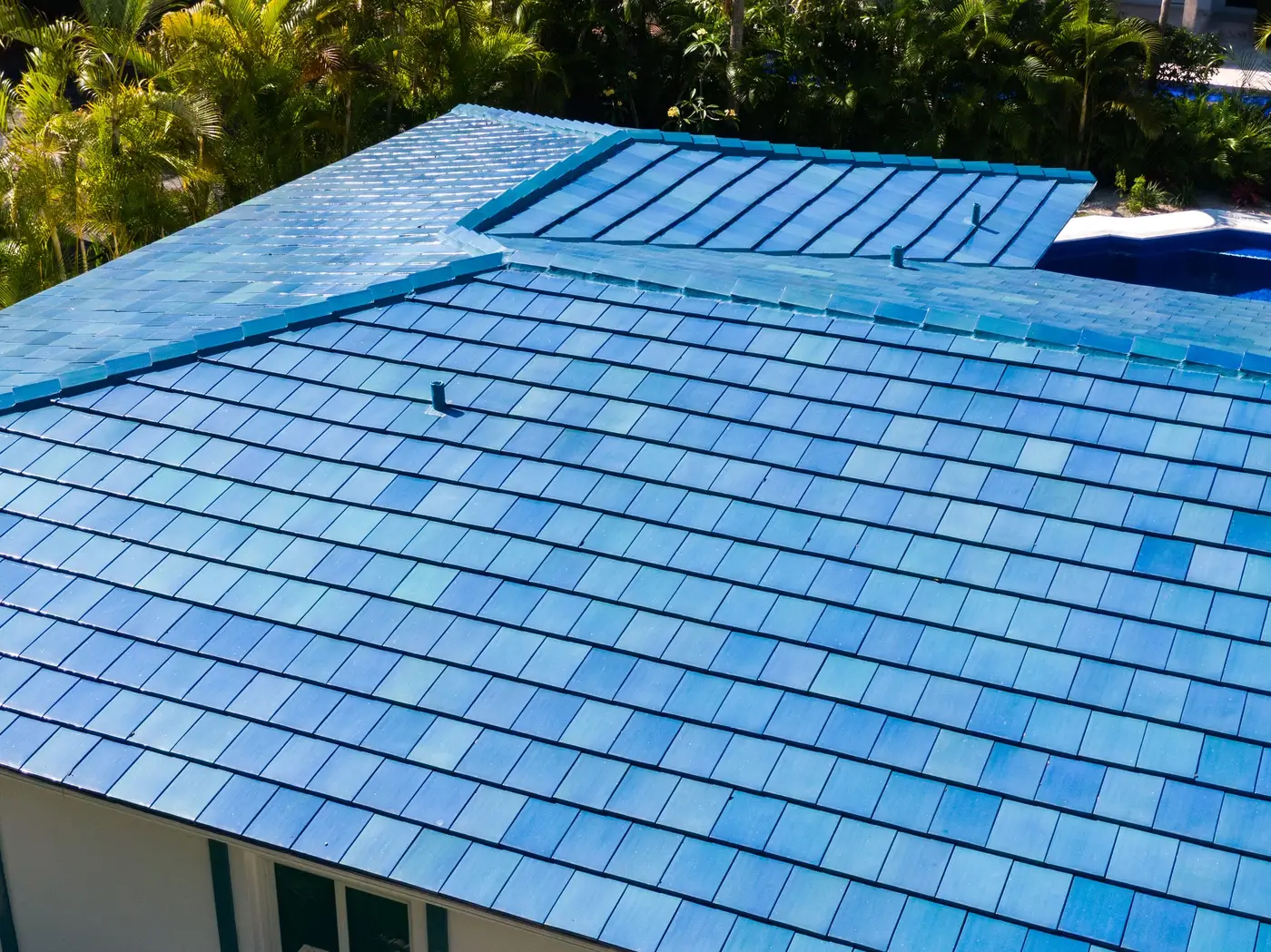
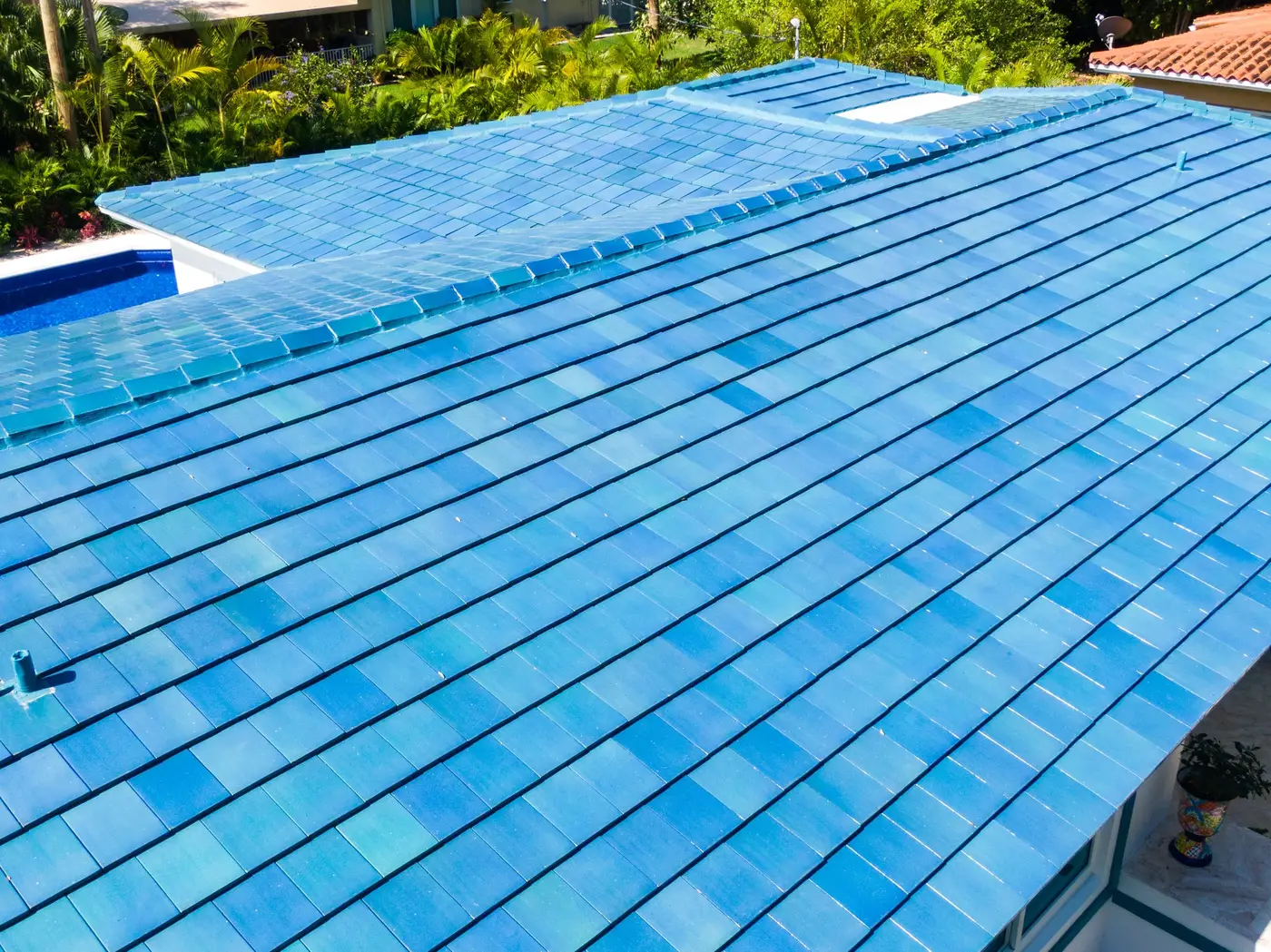
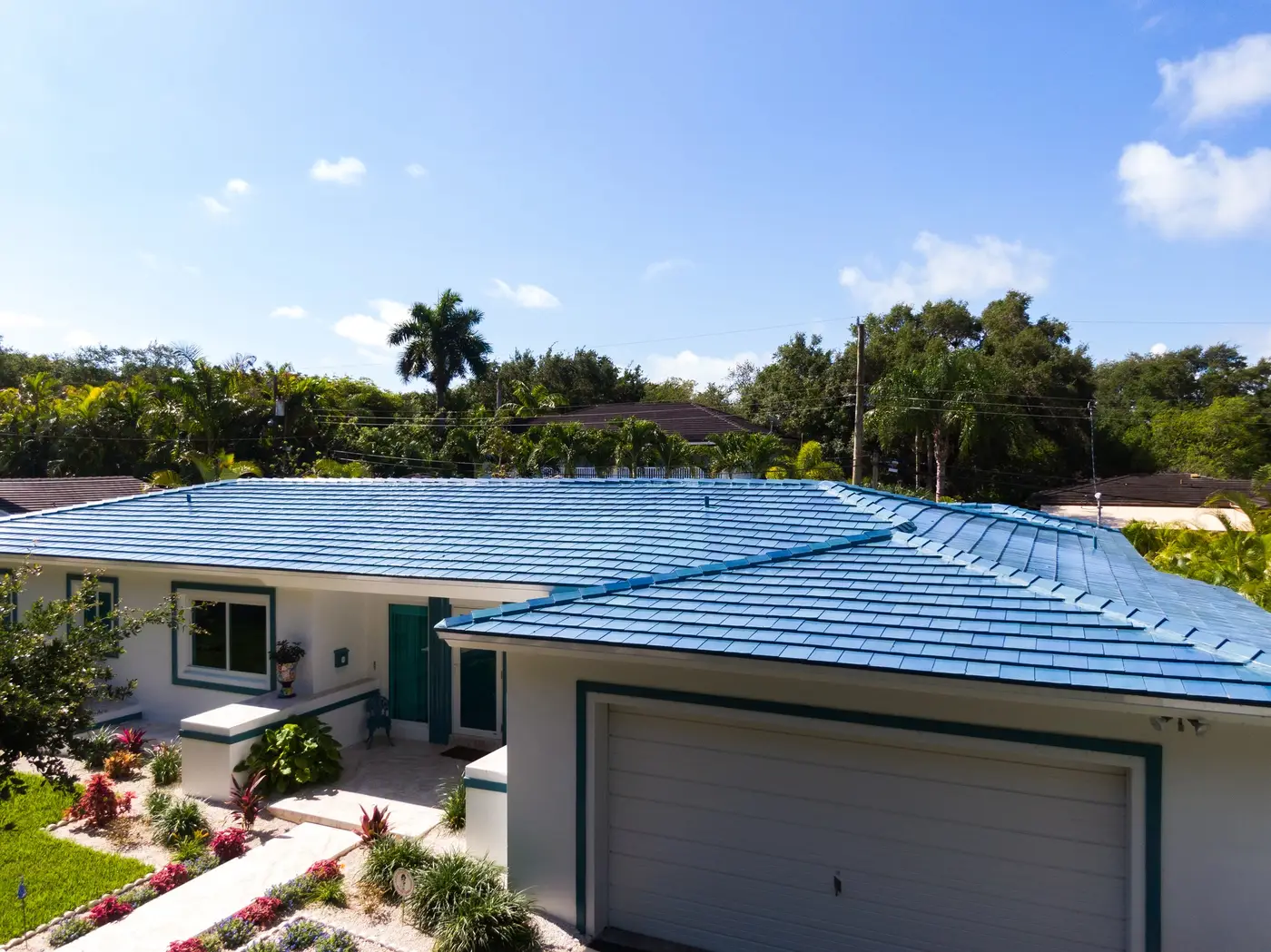
- Glazed tile: a fired-on color with a sheen, including blues and greens seen on statement roofs.
- Natural terracotta and blended colors: warm tones that deepen with age.
The layer that actually keeps water out
This surprises many owners: the tile sheds most of the water, but the underlayment beneath it is what waterproofs the roof. Clay tiles can last many decades, but older felt underlayment often wears out much sooner. When a tile roof starts leaking with no broken tiles in sight, this is often why. The fix is a lift-and-relay, in which we remove tiles, keep and number them where practical, replace the underlayment and battens, repair flashing and reinstall the tile. That approach gives you a watertight roof with your original tile and is much cheaper than a new tile roof.
Clay tile repairs we do
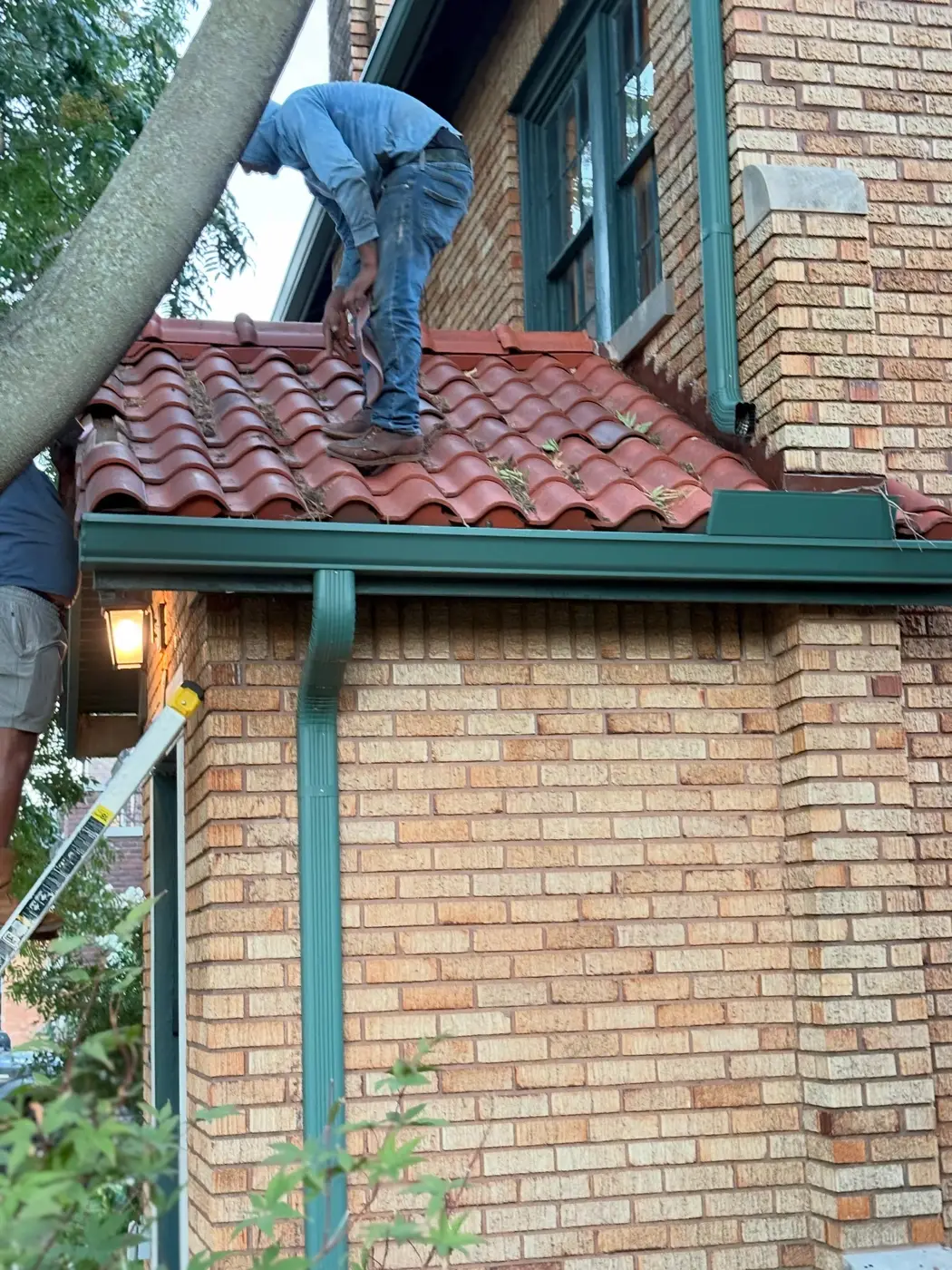
Tile work takes care, because a careless step can break more than it fixes. We walk only on safe areas and use proper supports. The most common repairs include:
- Replacing cracked, slipped or missing tiles.
- Re-securing ridge and hip tiles and renewing mortar or using a dry-set system.
- Rebuilding valleys and flashing, including chimney and wall flashing.
- Fixing vent and penetration leaks, often with new lead or soft metal flashing.
- Sourcing matching tile. Salvage yards and specialty makers can help when a profile is out of production.
- Hail assessments, as impact fractures can be hard to see from the ground.
Ask anyone working on your clay roof how they will walk on it. If you have a leak, read about roof leak repair, or see concrete tile roofing if your tile turns out to be concrete rather than clay.
Clay roofs and Oklahoma weather
Heat is not a problem for clay, and tile's air gap helps reduce heat transfer into the attic. Hail is a different matter. Large stones can crack tiles, so inspection after major storms is worthwhile. See hail damage roof repair for how we document it. Freeze-thaw cycles also matter in northeast Oklahoma, as water absorbed by porous tile can cause spalling. If you are buying new tile, choose a product rated for freeze-thaw conditions. Ask about attachment too, since wind clips and fasteners help keep tiles in place in strong storms.
Related services
Tile is one of several long-lasting options when you are planning a roof replacement. If you want a similar look at a lower material cost, compare it with concrete tile. A leak under old tile is often an underlayment problem, so also see roof leak repair, and for a broader look at home roofs see residential roofing.
Recent clay tile roofing projects
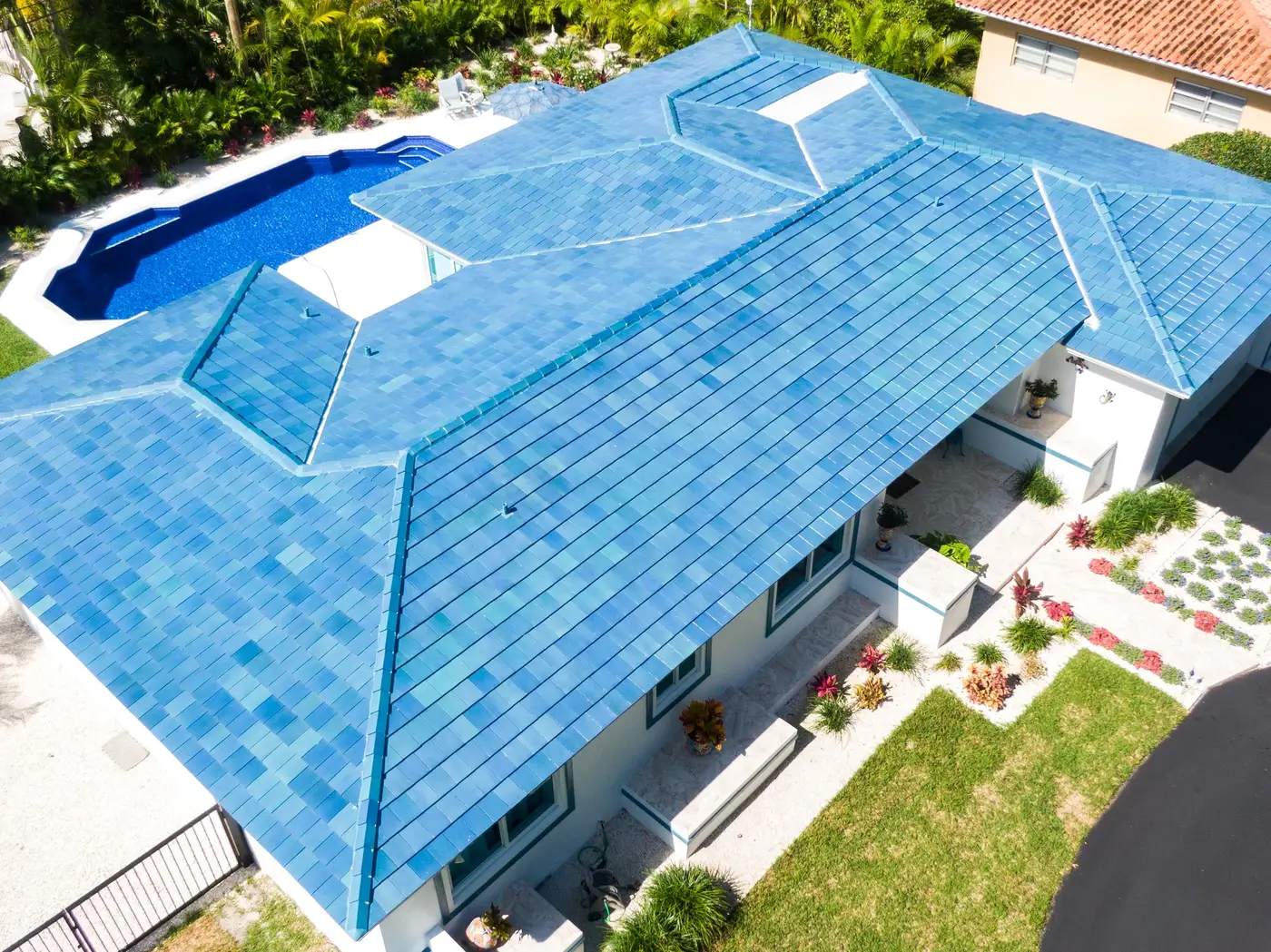
Blue Glazed Tile Roof on a Ranch Home
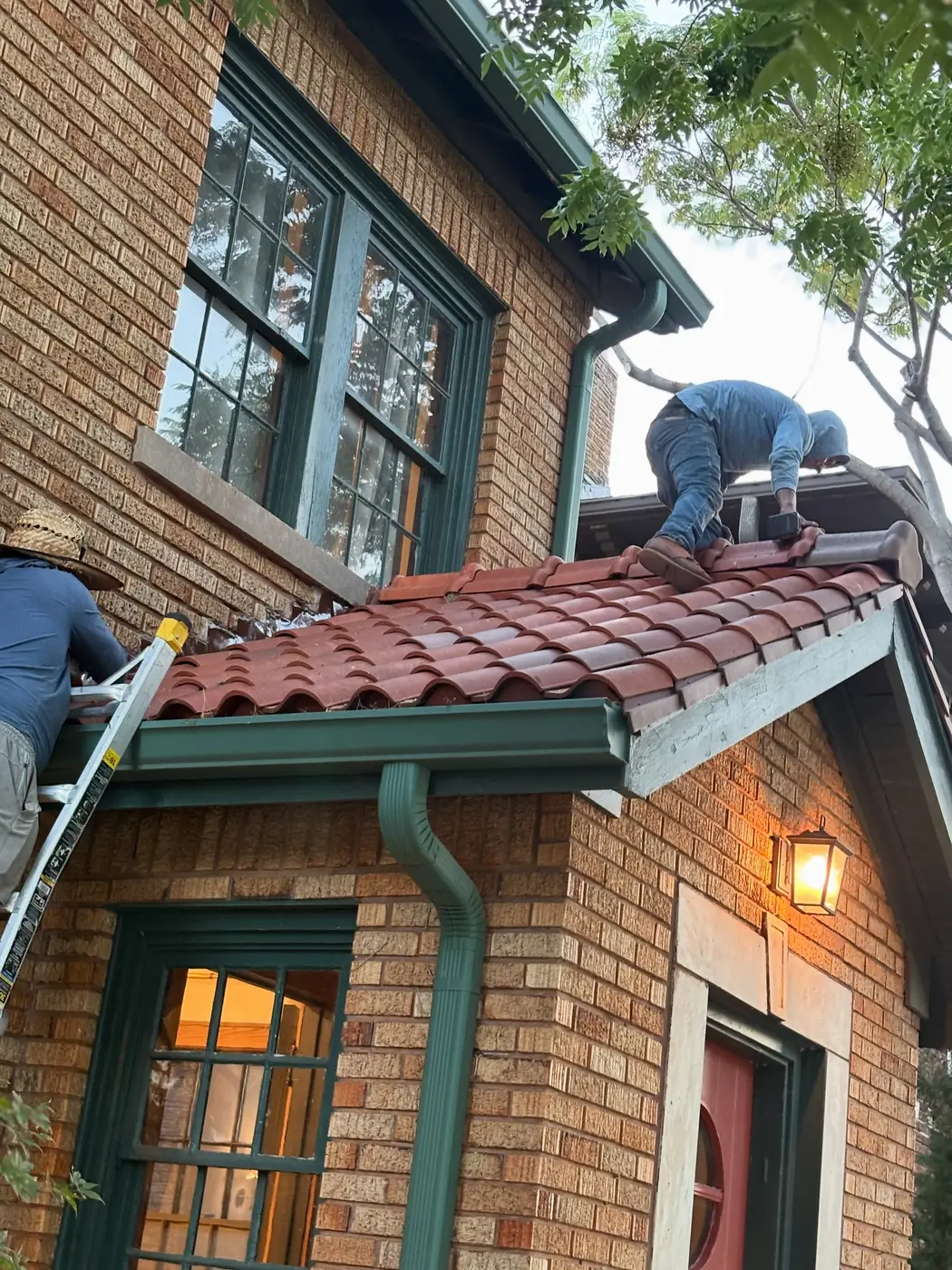
Terracotta Tile Repair on a Brick Home
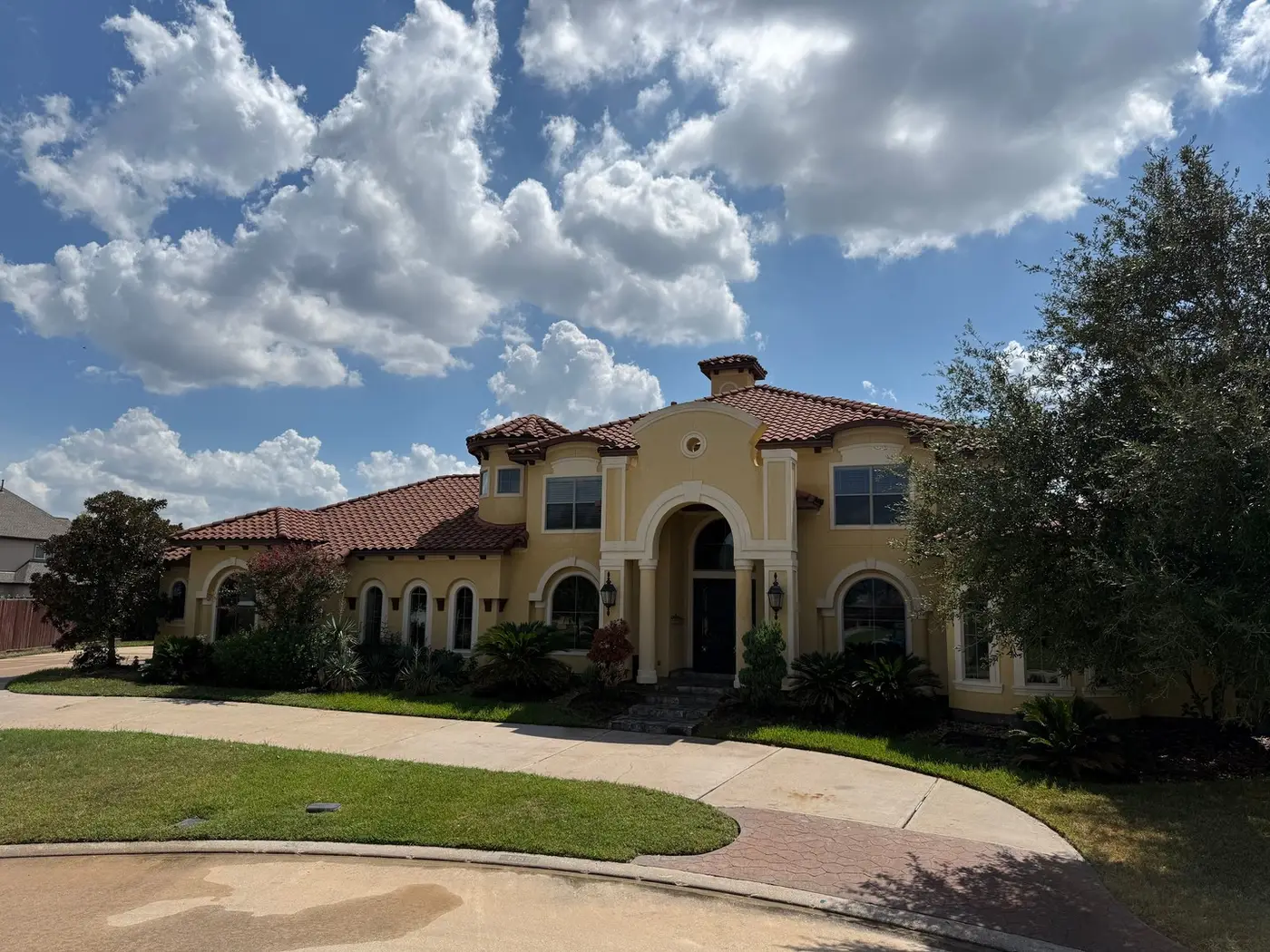
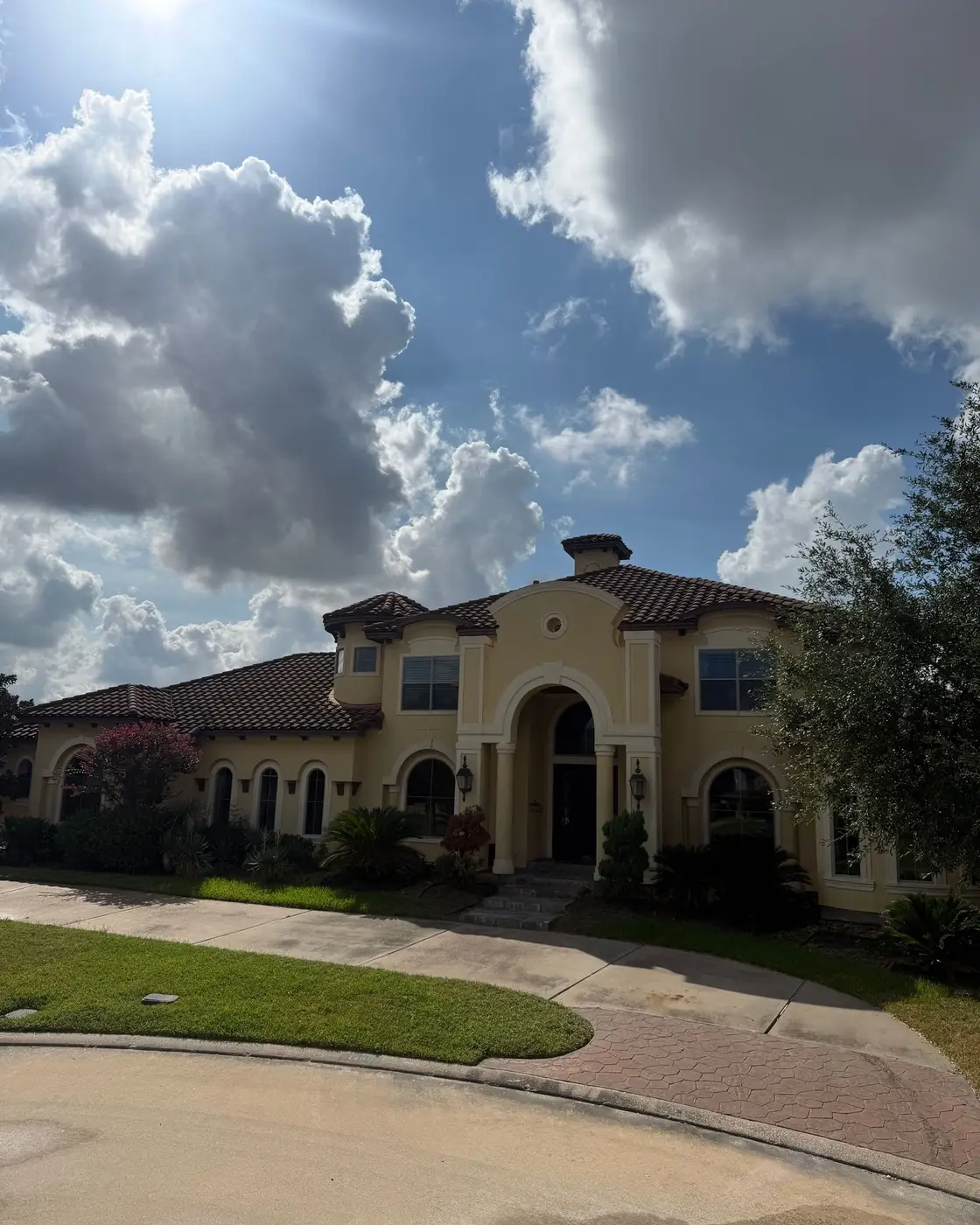
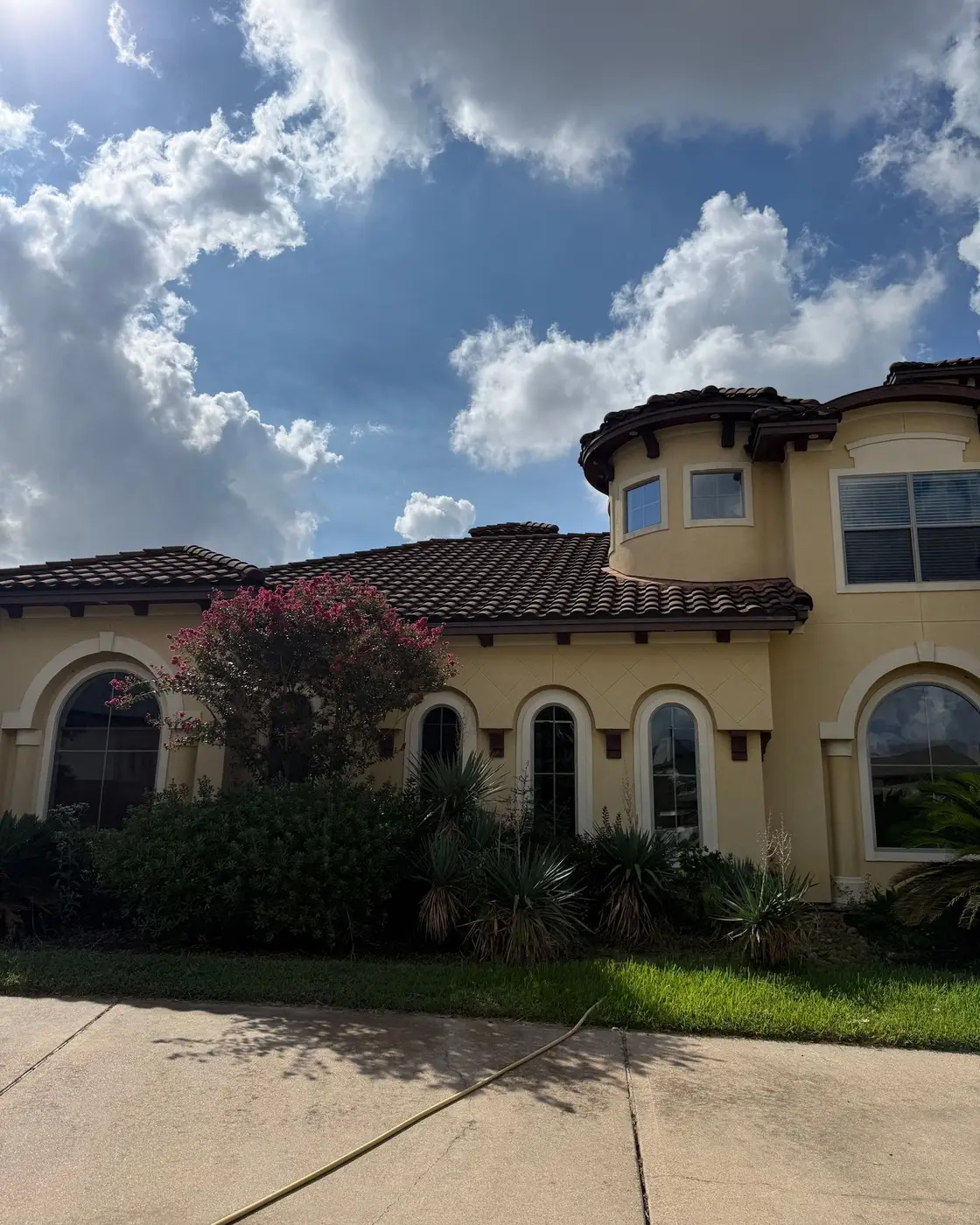
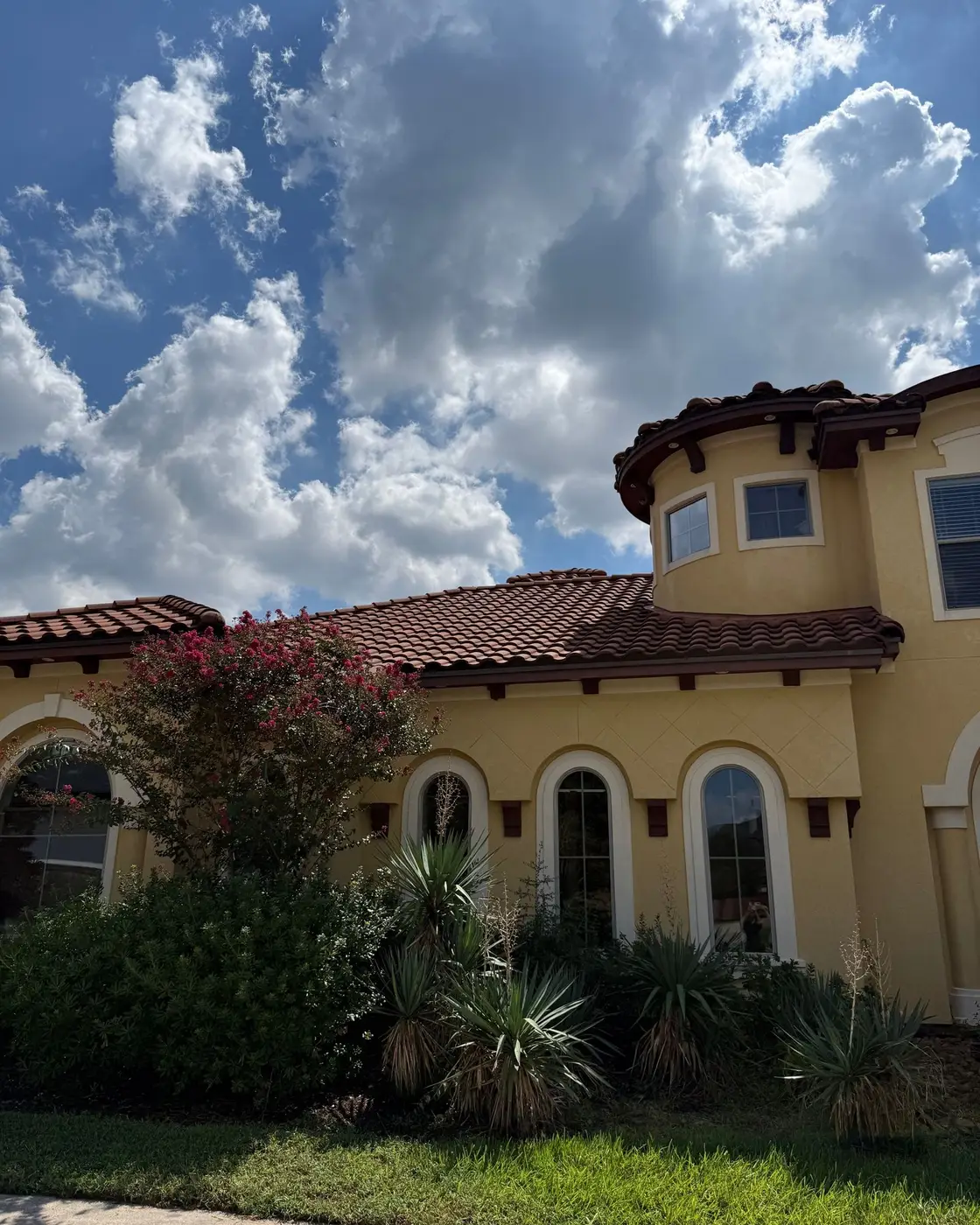
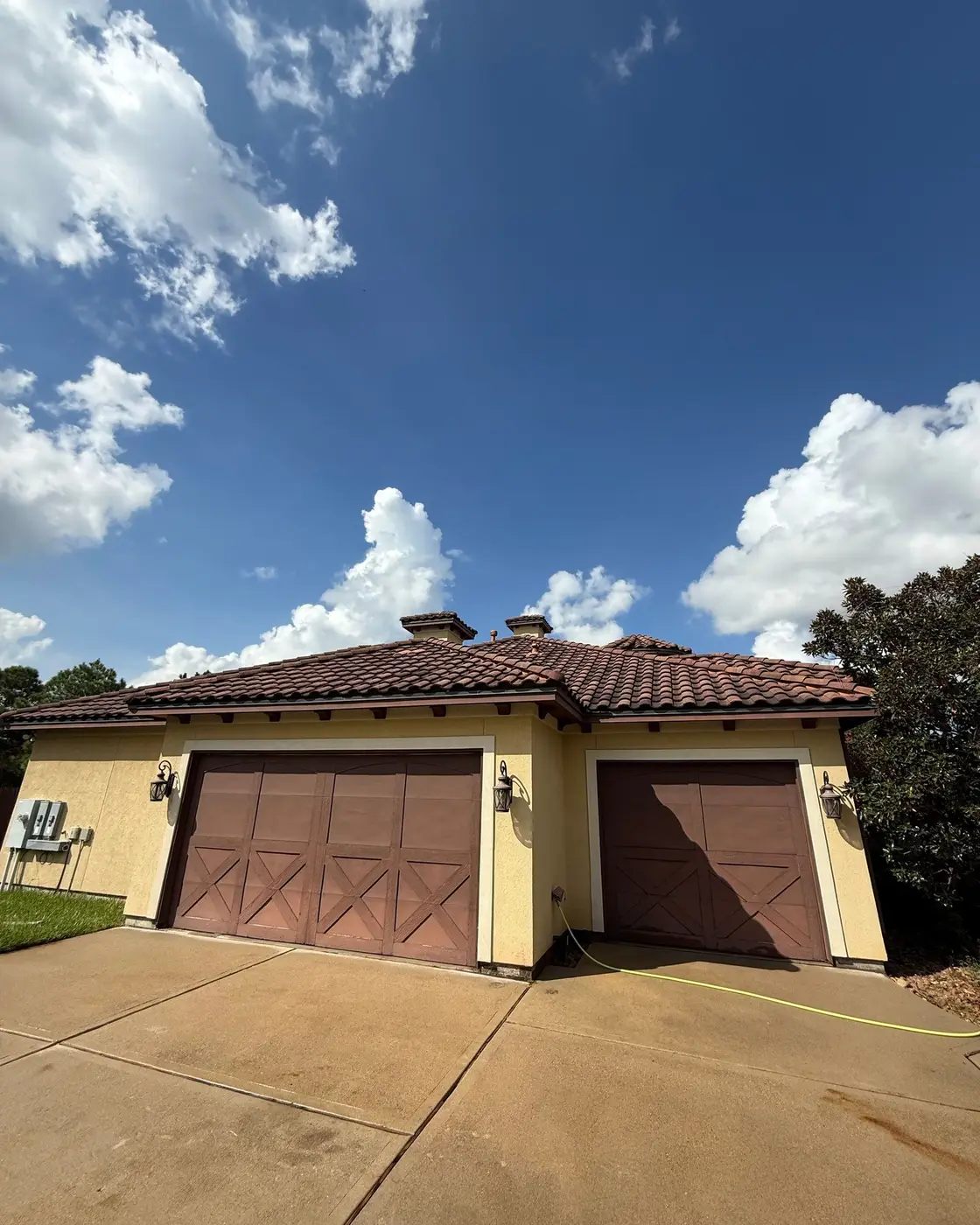
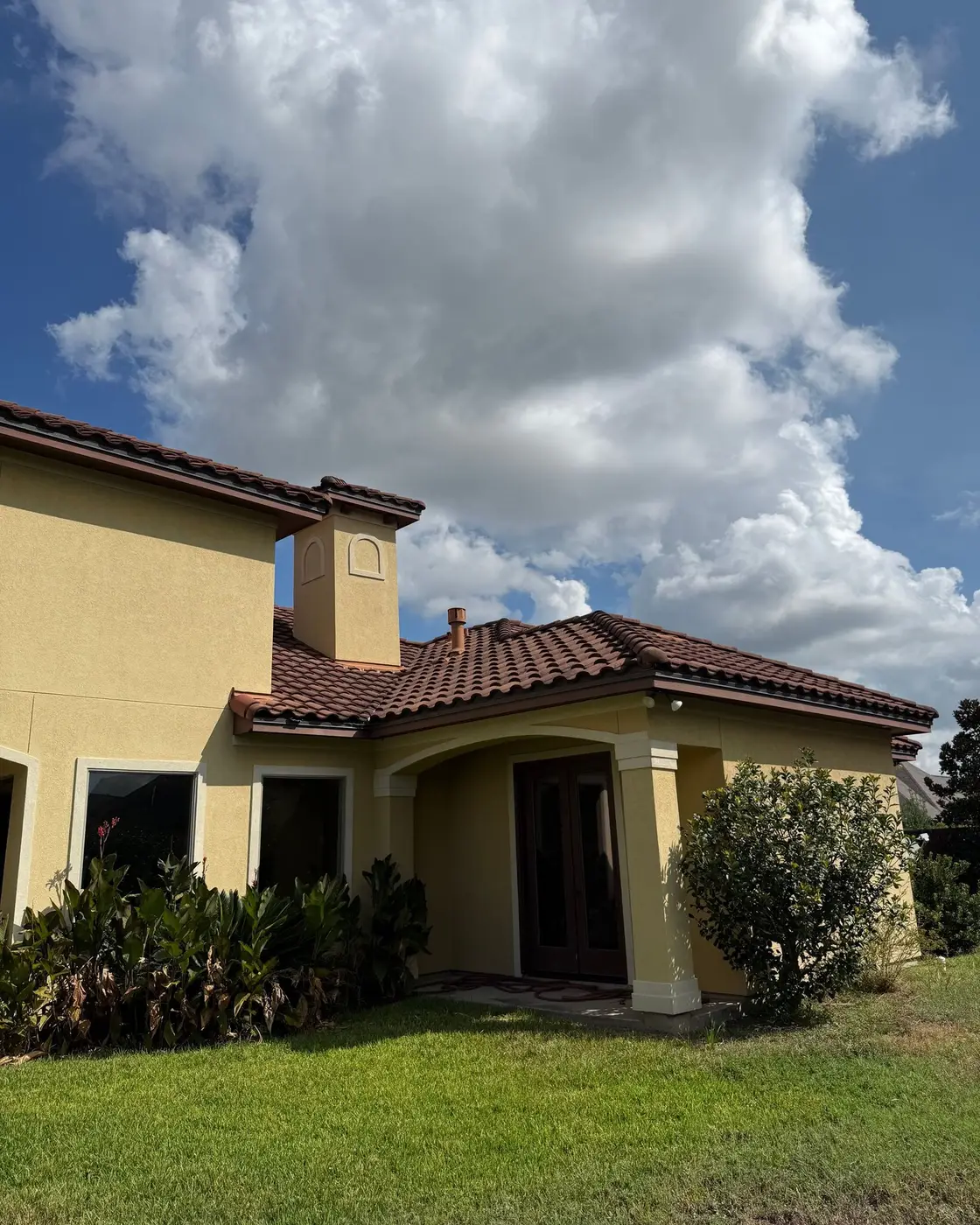
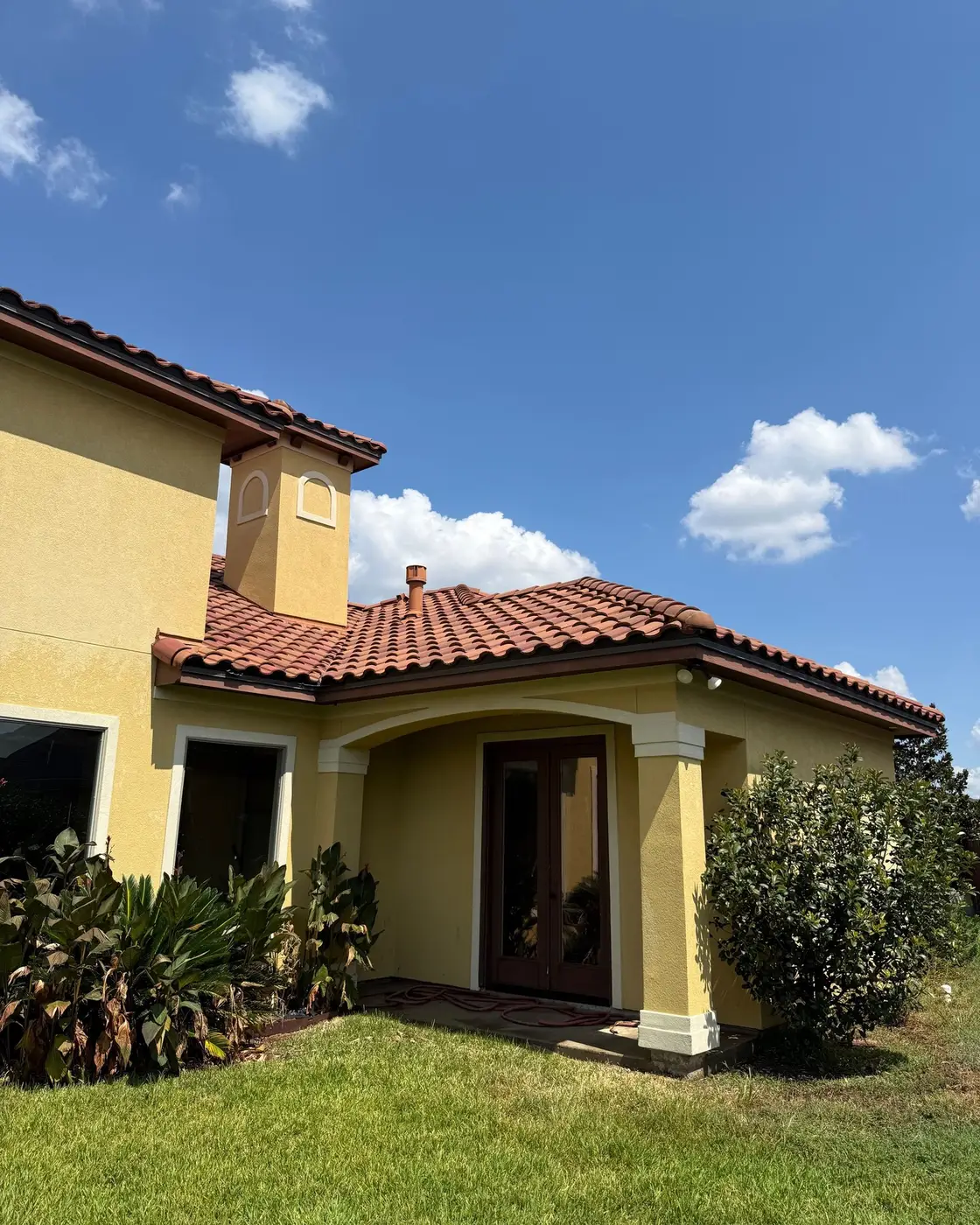
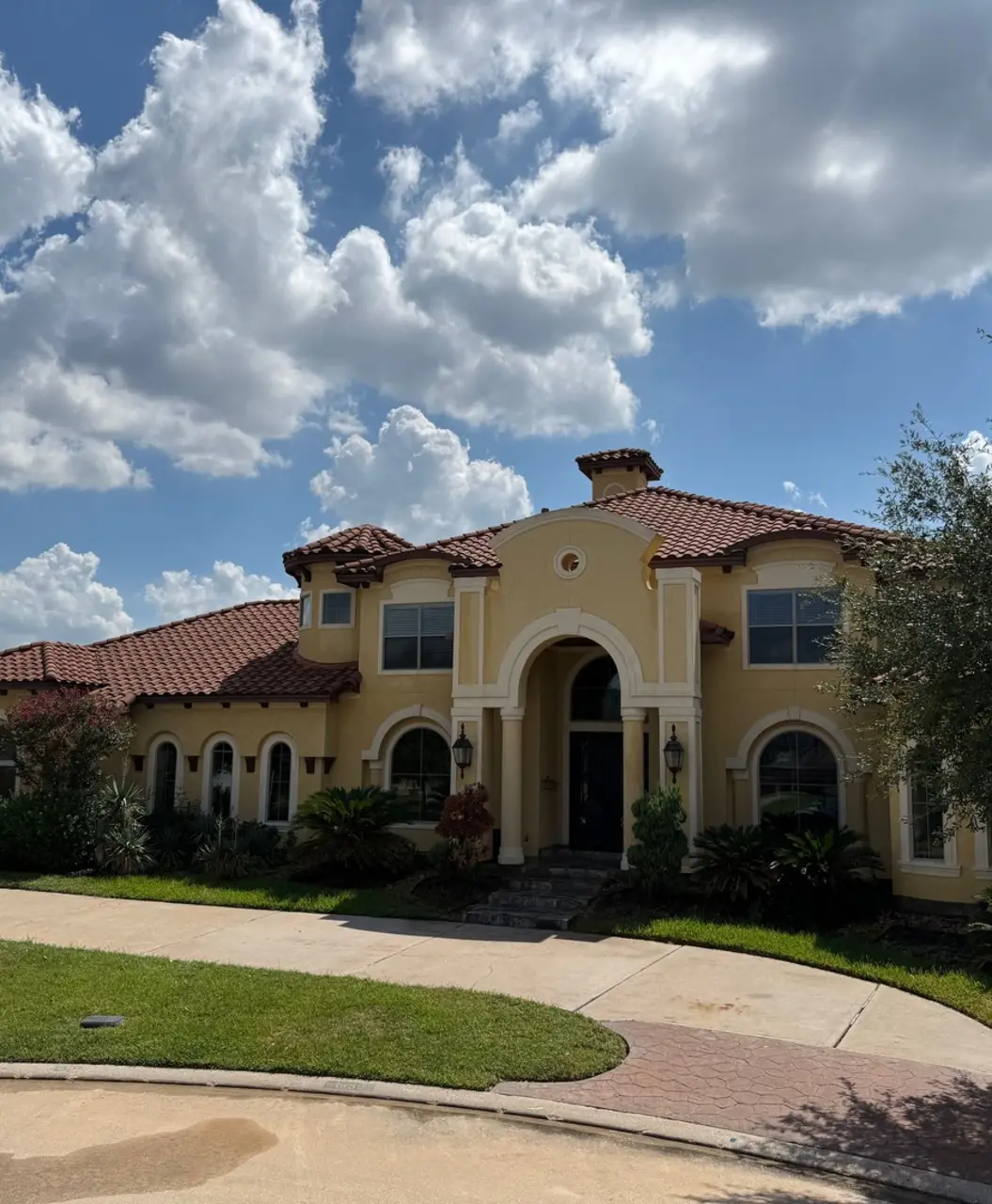
Spanish Tile Roof on a Stucco Estate
See all of our roofing projects
Frequently asked questions
Can old tile be reused?
Is my structure strong enough for tile?
Existing tile roofs usually were framed for that load. Switching from shingles to tile requires a structural check first.
Can you walk on a tile roof?
Only with care and technique. Please don't let anyone walk on it who hasn't worked with tile before.
How much does a clay tile roof cost in Tulsa?
Individual tile repairs start around $500. Lift-and-relay work often runs $12 to $22 per square foot, and new clay roofs often cost $18 to $35.
How long does a clay tile roof last?
The tile itself can last 50 to 100 years when properly made and installed. Underlayment often needs replacing much sooner, sometimes after about 20 to 30 years.
Can my house support a clay tile roof?
It depends on the framing. If the home did not originally have tile, a structural review may be needed since clay is much heavier than shingles.
Can you match my old tiles?
Often, through manufacturers and salvage sources, though older profiles and colors can be difficult to find. Tiles from hidden areas can sometimes be moved to visible spots.