

It depends on your insurer and claim history. Your agent can explain how a claim could affect your policy before you file.

Hail Damage Roof Repair
Storm Damage Restoration
Roof Insurance Claim Help
Roof Inspection
Water Damage Restoration
All Services
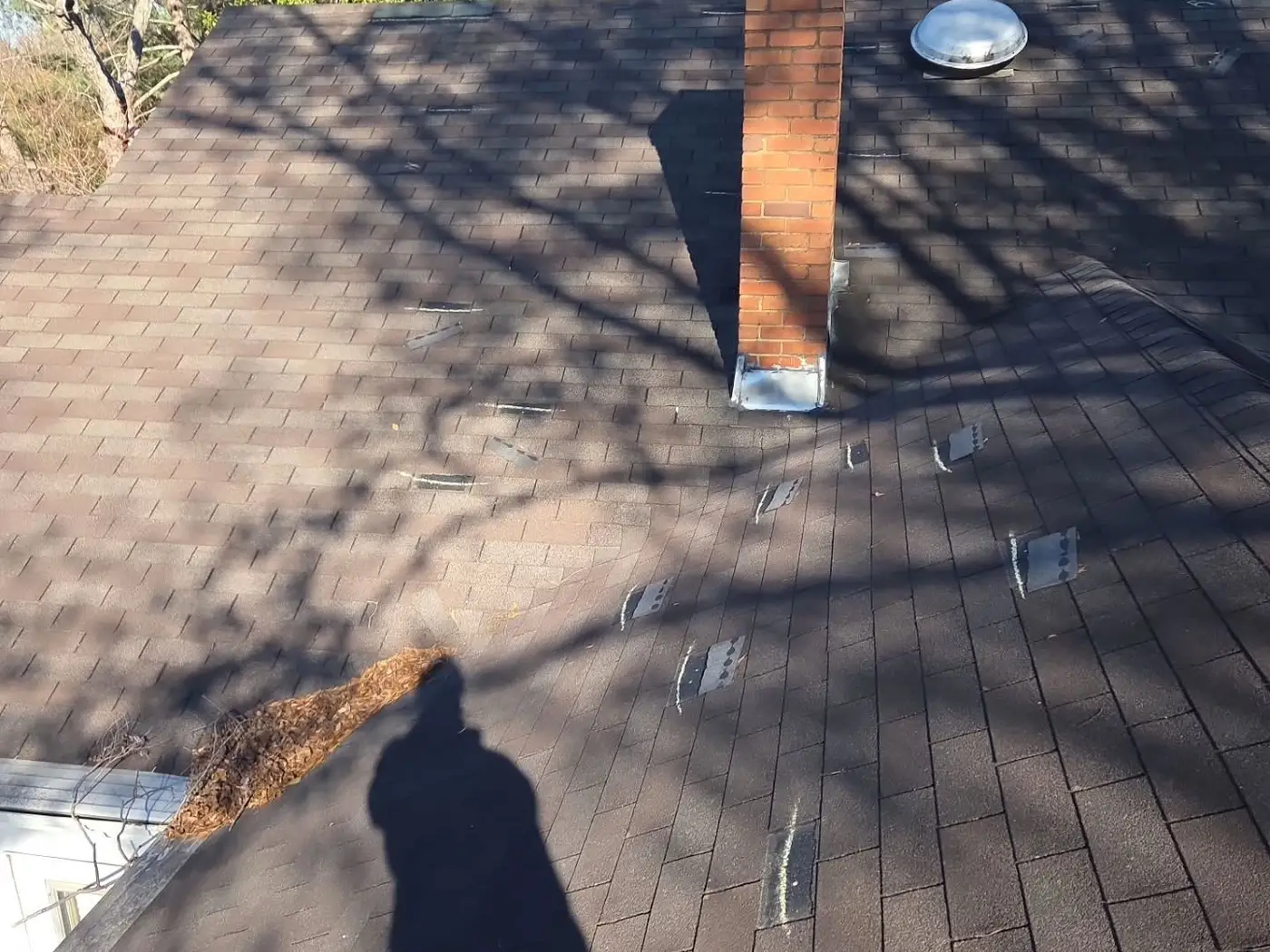
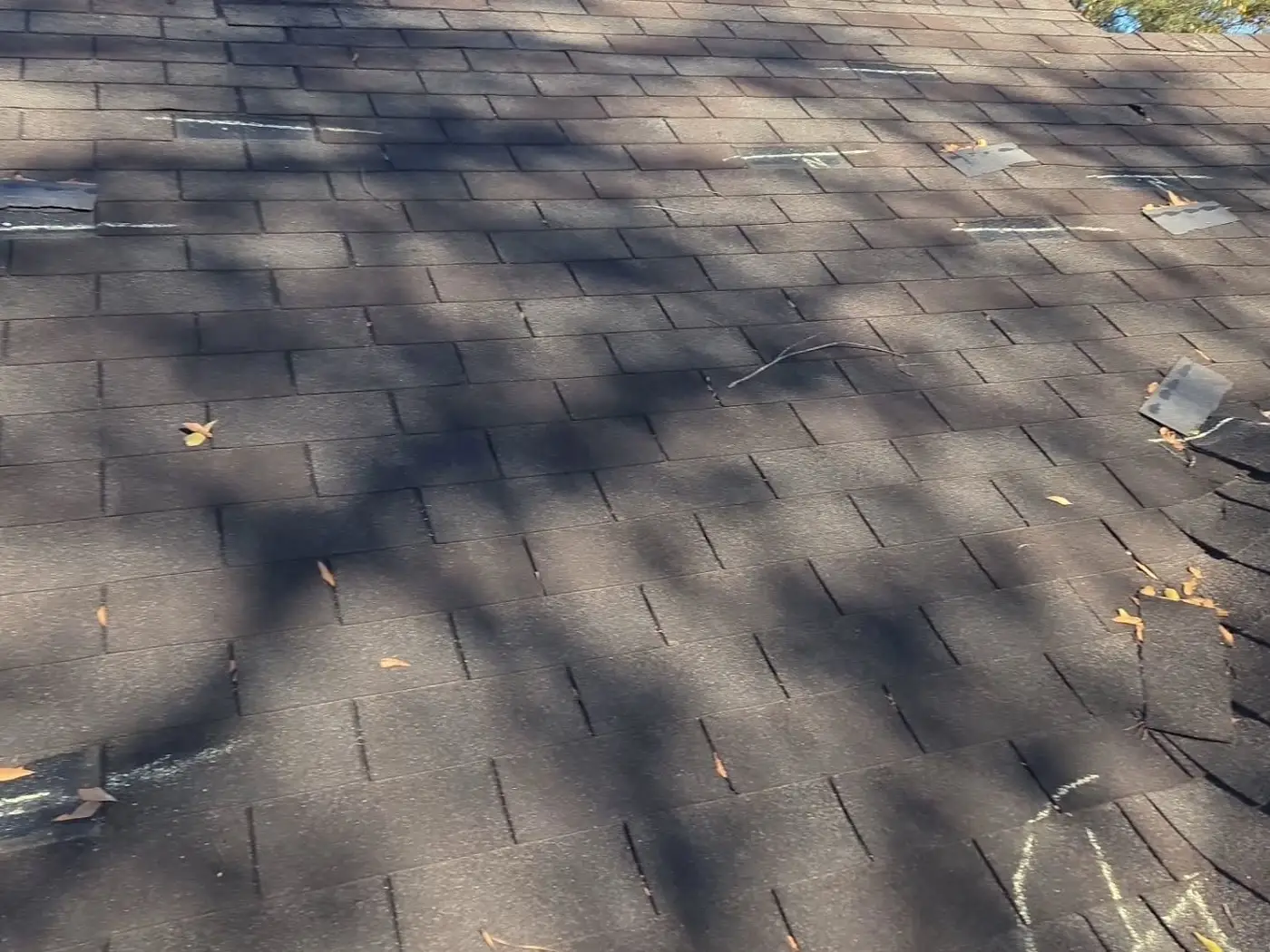
Filing a roof claim can feel confusing, especially right after a storm. Our part is practical: document the damage accurately, prepare a clear scope, and be on the roof when your adjuster inspects it, if you would like.
We are roofers rather than public adjusters, so we can't negotiate your claim or interpret your policy for you. We can explain what we found and supply the documentation that helps your carrier assess the damage fairly.
Common signs we check for:
- Recent hail or wind event
- Neighbors filing claims
- Dented vents and gutters
- Unsure whether to file
- Adjuster visit coming up
- Insurance scope that seems incomplete
How the work gets done
Inspection
We assess the roof and tell you what we see, including if damage seems too light to claim.
Documentation
You receive photos and notes to share with your carrier.
Adjuster Meeting
If you ask, we attend and point out what we documented.
Scope Review
We compare the approved scope with the work the roof actually requires.
Typical Cost
Under a covered claim you typically pay your deductible, and the carrier pays according to your policy. Oklahoma homeowners should expect to pay their own deductible.
These are planning ranges for the Tulsa area, not a quote. Your written estimate is based on the actual roof.
Request an EstimateRoof Insurance Claim Help prices
Planning ranges for the Tulsa area, updated November 2026. They include typical labor and materials, but they are not a quote. Your written estimate is based on an inspection of the actual job. See every category on our price list.
How a roof claim works, step by step
Claims go more smoothly when you know the order of events. Most follow this path:
- Inspection: we document damage with photos, test squares and measurements so you can decide if a claim makes sense.
- Filing: you contact your carrier with the storm date and receive a claim number.
- Adjuster visit: the carrier sends an adjuster, and we can attend to walk the roof together.
- Estimate: the carrier issues a scope and payment summary, often called the statement of loss.
- Review: we compare the estimate against the actual roof and flag missing items for you.
- Supplement: where items were missed, documented requests go to the carrier for review.
- Work and closeout: repairs are completed, and you submit the final invoice and photos if your policy requires them.
Our guide on how a claim works in Oklahoma covers these stages in more detail.
Understanding your policy
A few terms decide what you will actually pay. It is worth finding them on your declarations page before filing:
- Wind and hail deductible: many Oklahoma policies use a percentage of dwelling coverage rather than a flat amount. On a $300,000 home, 2% means $6,000.
- Replacement cost value (RCV): pays to replace the roof, usually in two payments with holdback released after completion.
- Actual cash value (ACV): pays the depreciated value, so older roofs receive less and you cover the gap.
- Roof schedules: some policies pay a set percentage based on the age of the roof.
- Cosmetic exclusions: some policies do not cover dents on metal roofs if function is not affected.
- Code upgrade coverage: this can pay for items current code requires but the old roof did not have.
Your agent can explain how these apply. We are a roofing contractor rather than a public adjuster or an attorney, so we help with documentation but we do not negotiate your coverage.
Should you file a claim?
Not every storm calls for a claim. If the repair costs less than your deductible, filing may gain you nothing and still appear on your claim history. A small amount of scattered damage on a newer roof may be better handled as a roof repair. On the other hand, widespread hail across most slopes usually justifies a closer look at your coverage. We give you the photos and our honest read before you decide, and an inspection does not commit you to filing. See hail damage roof repair and wind damage repair for how we assess each type of loss.
If the claim is denied or too low
A denial or a low estimate is not always the end of the conversation. Read the letter to see the exact reason, as it may concern roof age, wear, cosmetic damage or the storm date. If something factual was missed, you can ask for a re-inspection and provide photos, weather data and measurements. A contractor can supply documentation, but disputes over coverage belong with you and your carrier. If you need further help, the Oklahoma Insurance Department handles consumer complaints, and a licensed public adjuster or attorney can advise on your rights.
Rules a contractor should follow
Your deductible is your responsibility. Be wary of anyone offering to waive it or hide it in the invoice, because that can create problems for you as well as the contractor. Get the scope and price in writing, know your right to cancel, and never sign over benefits you do not understand. We stick to documenting the damage, doing the work in the agreed scope and invoicing what was actually done. For more on vetting a roofer, read how to choose a roofing contractor in Oklahoma.
Related services
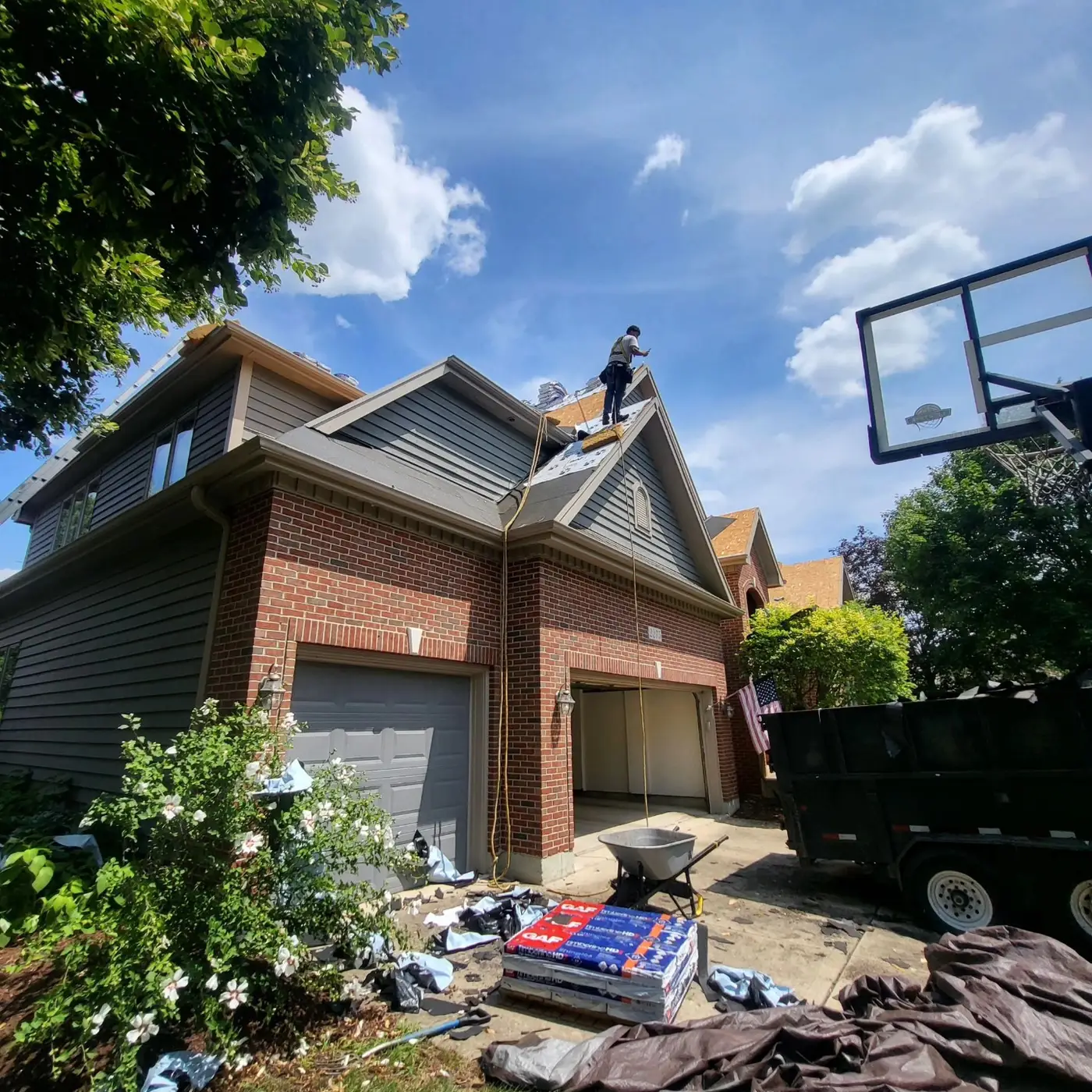
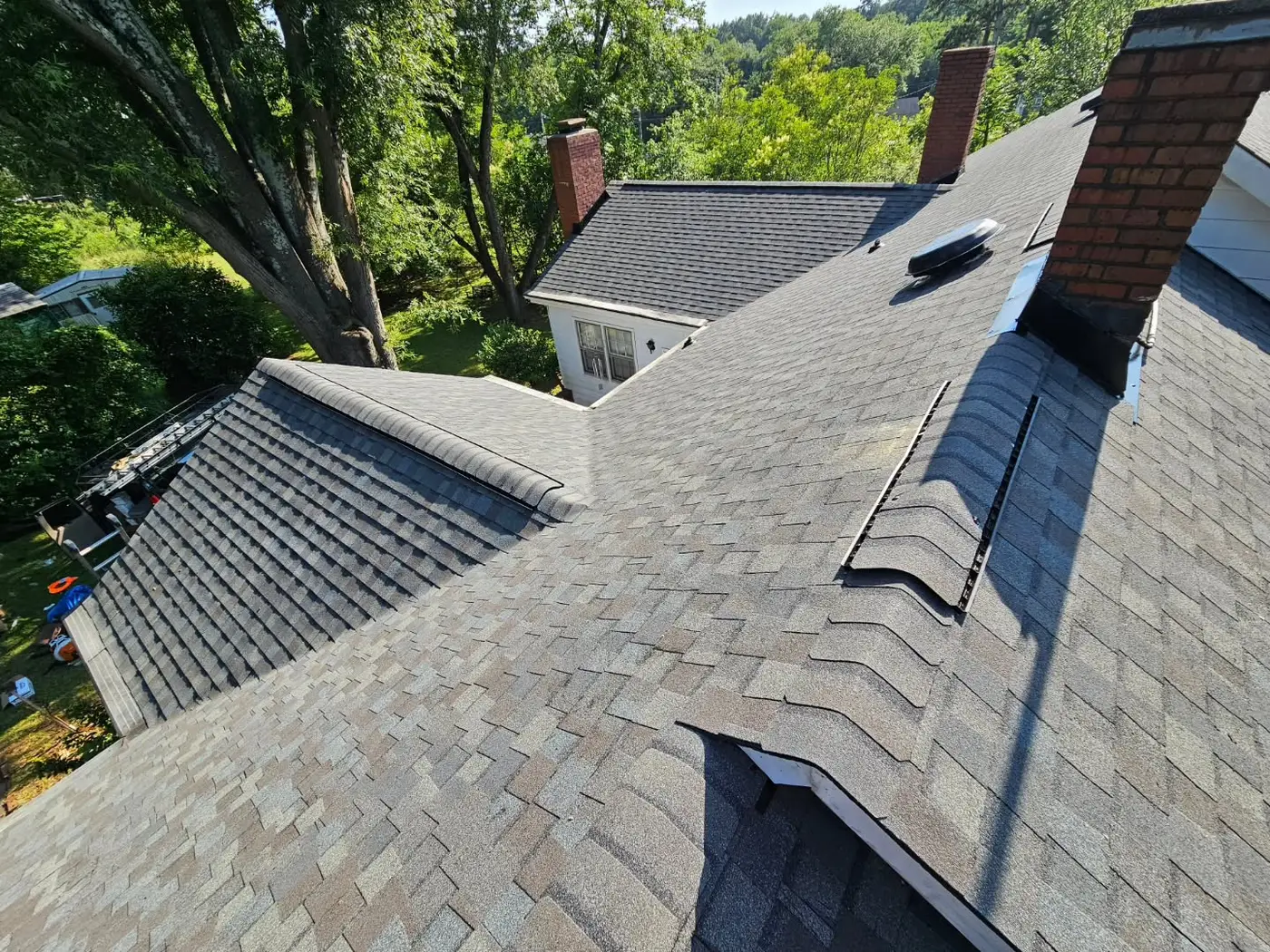
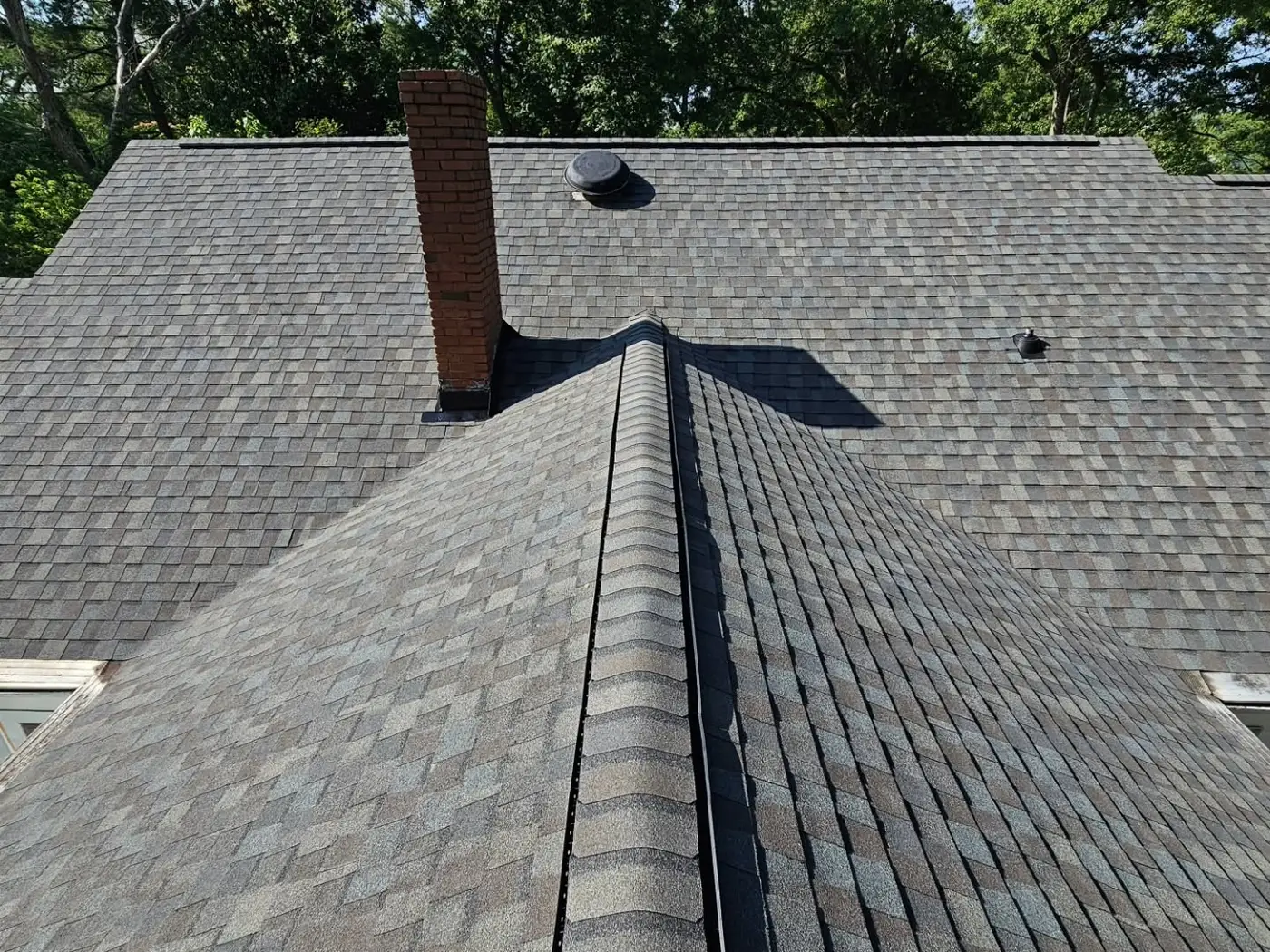
Most claims we document involve hail damage to a roof or a wider storm damage restoration project. It starts with a roof inspection with photos, and the approved work is usually a roof replacement or a smaller roof repair.
Recent roof insurance claim help projects
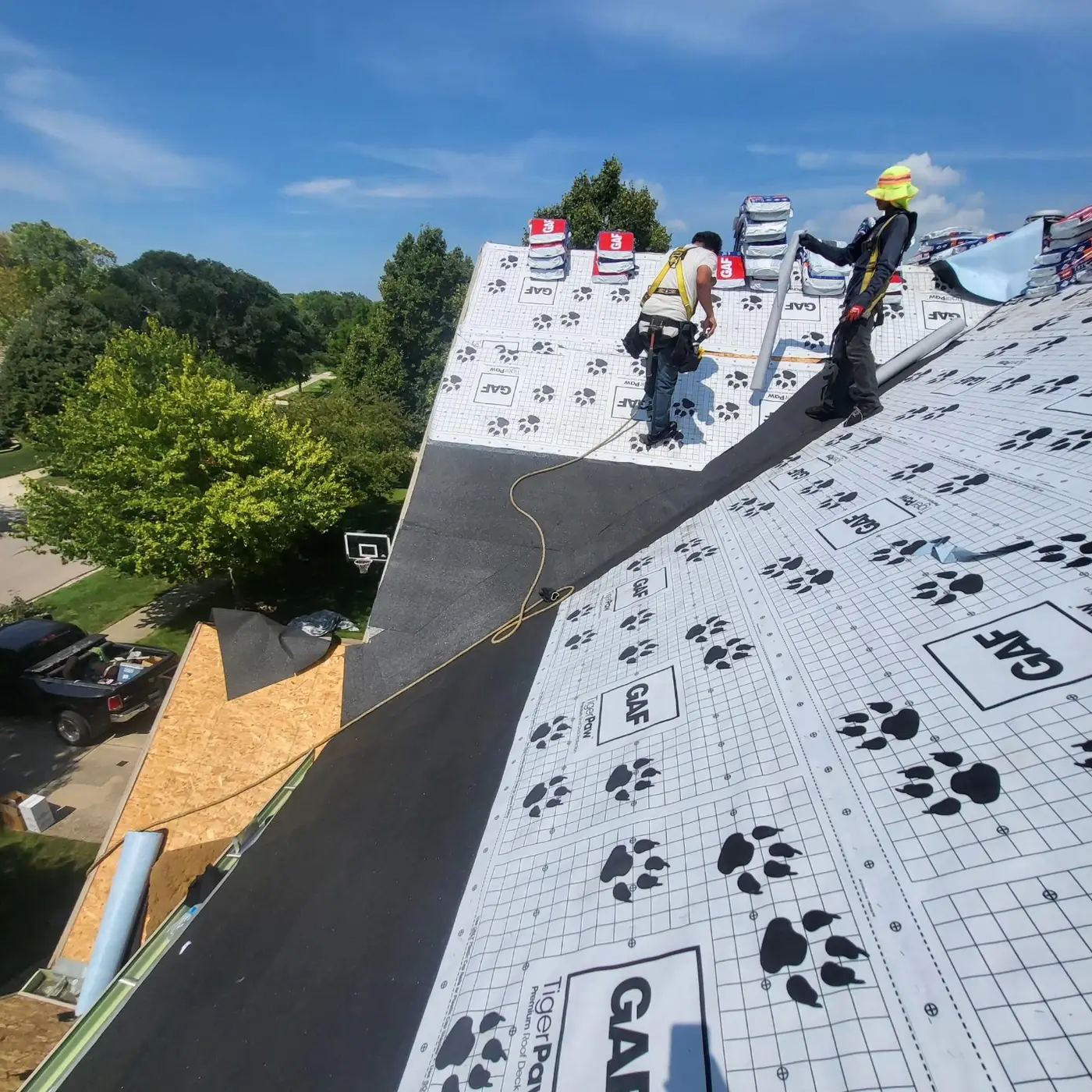
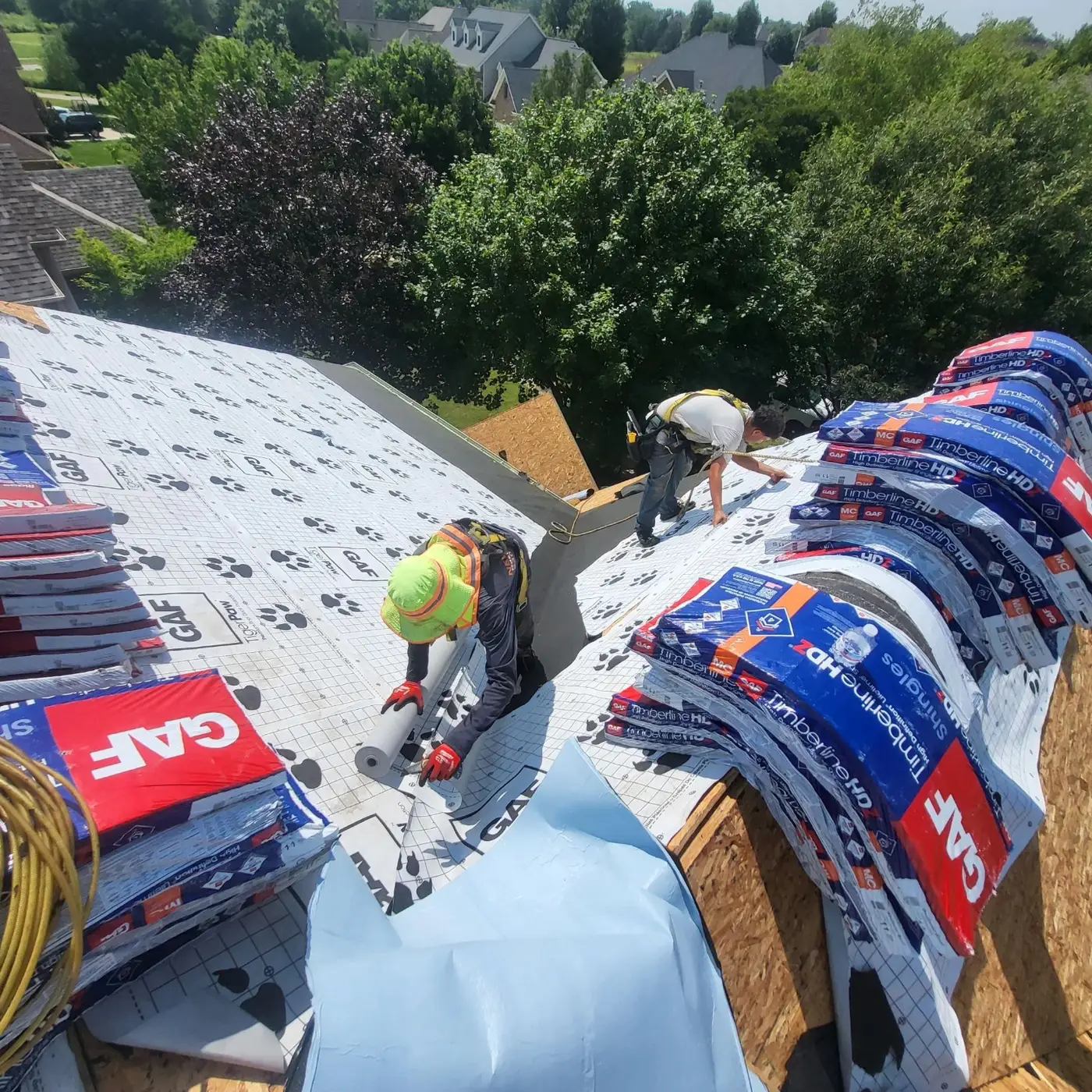
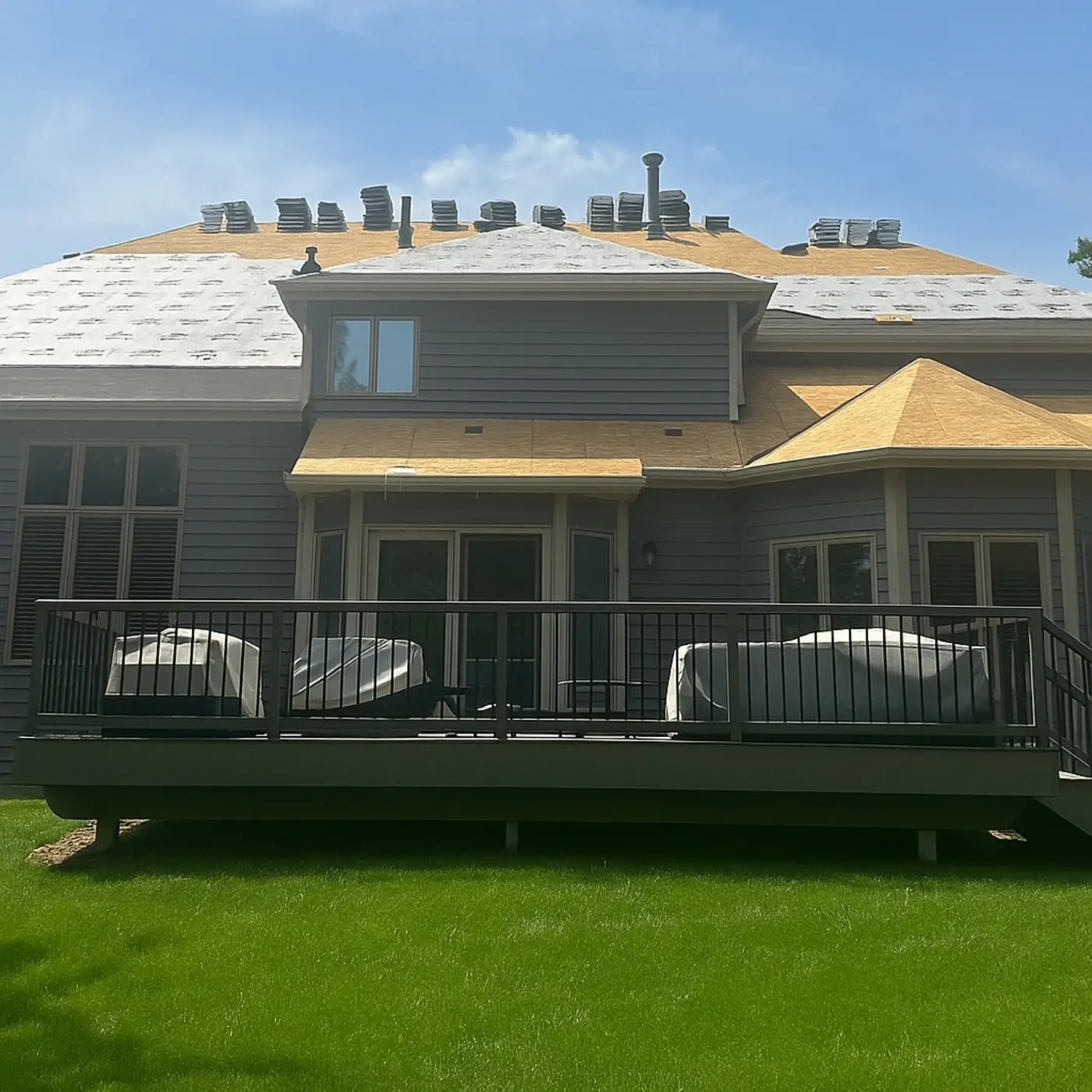
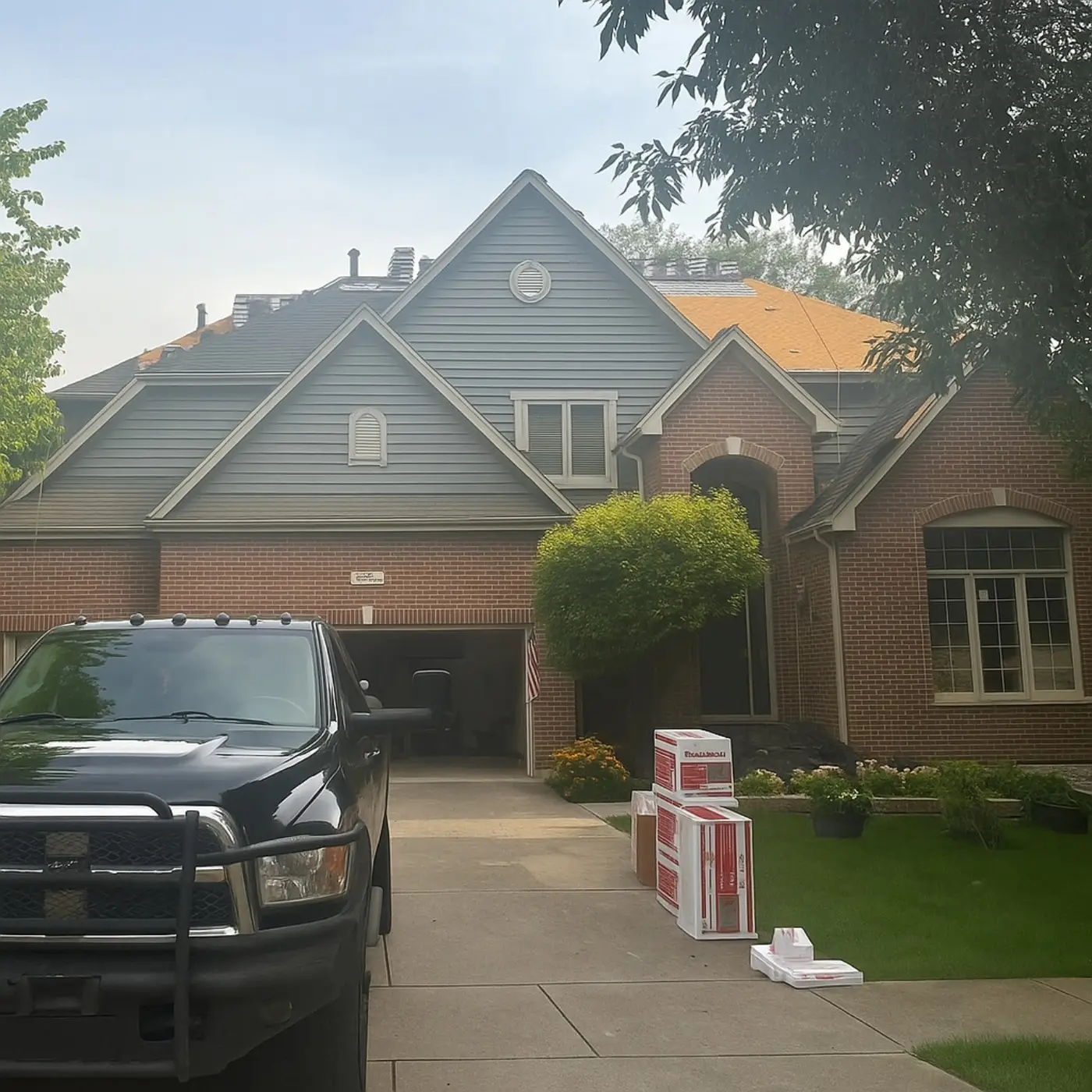
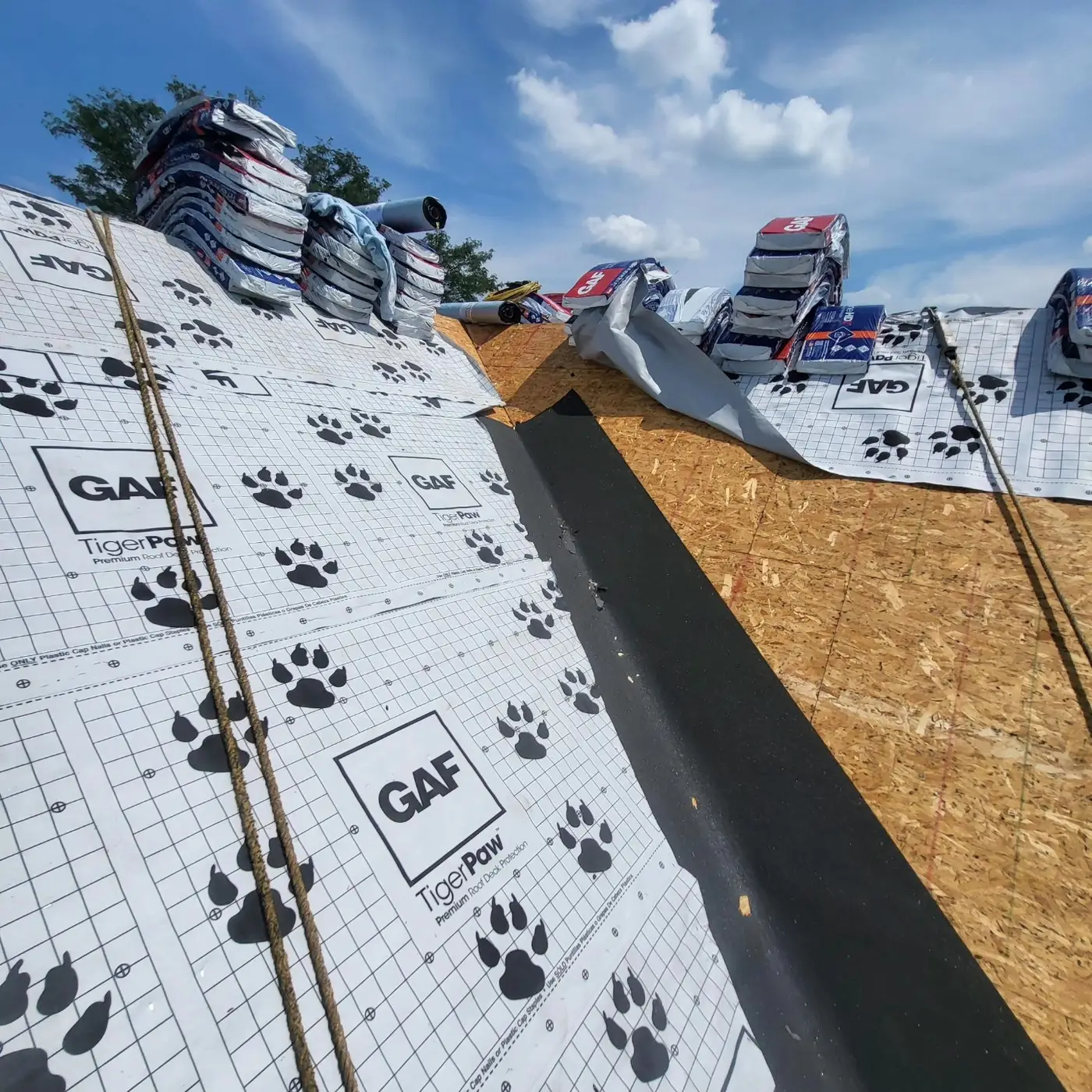
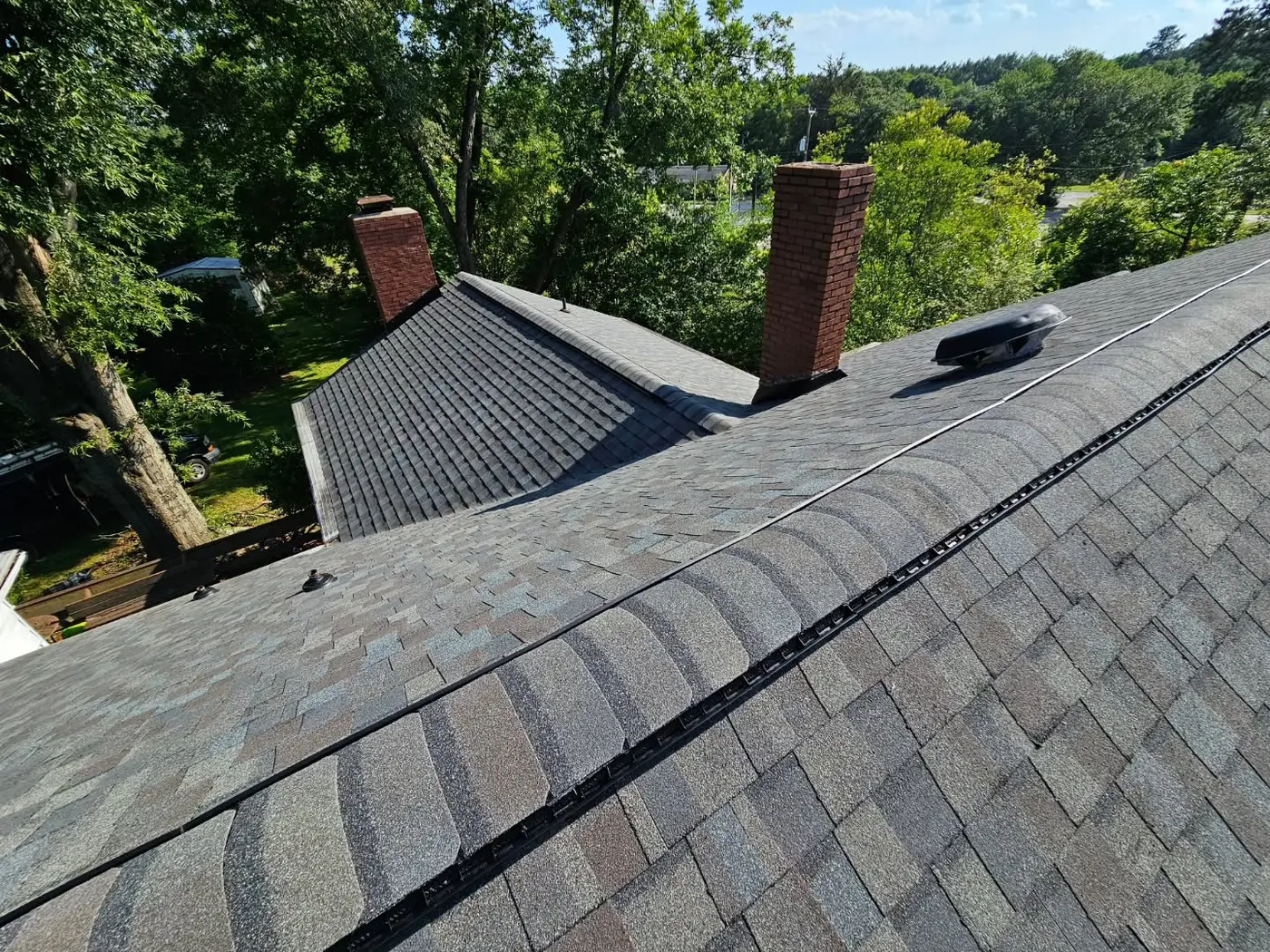
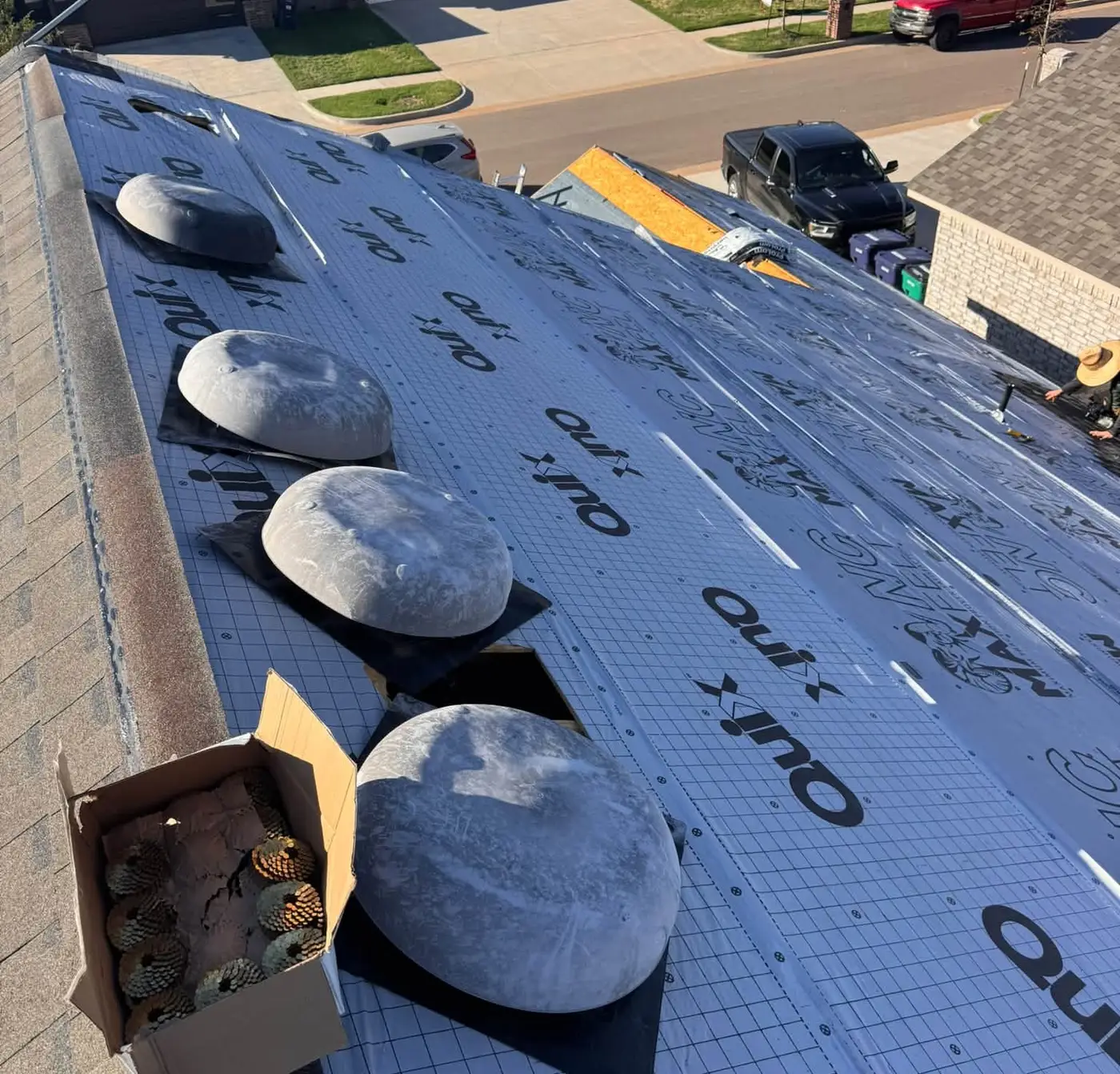
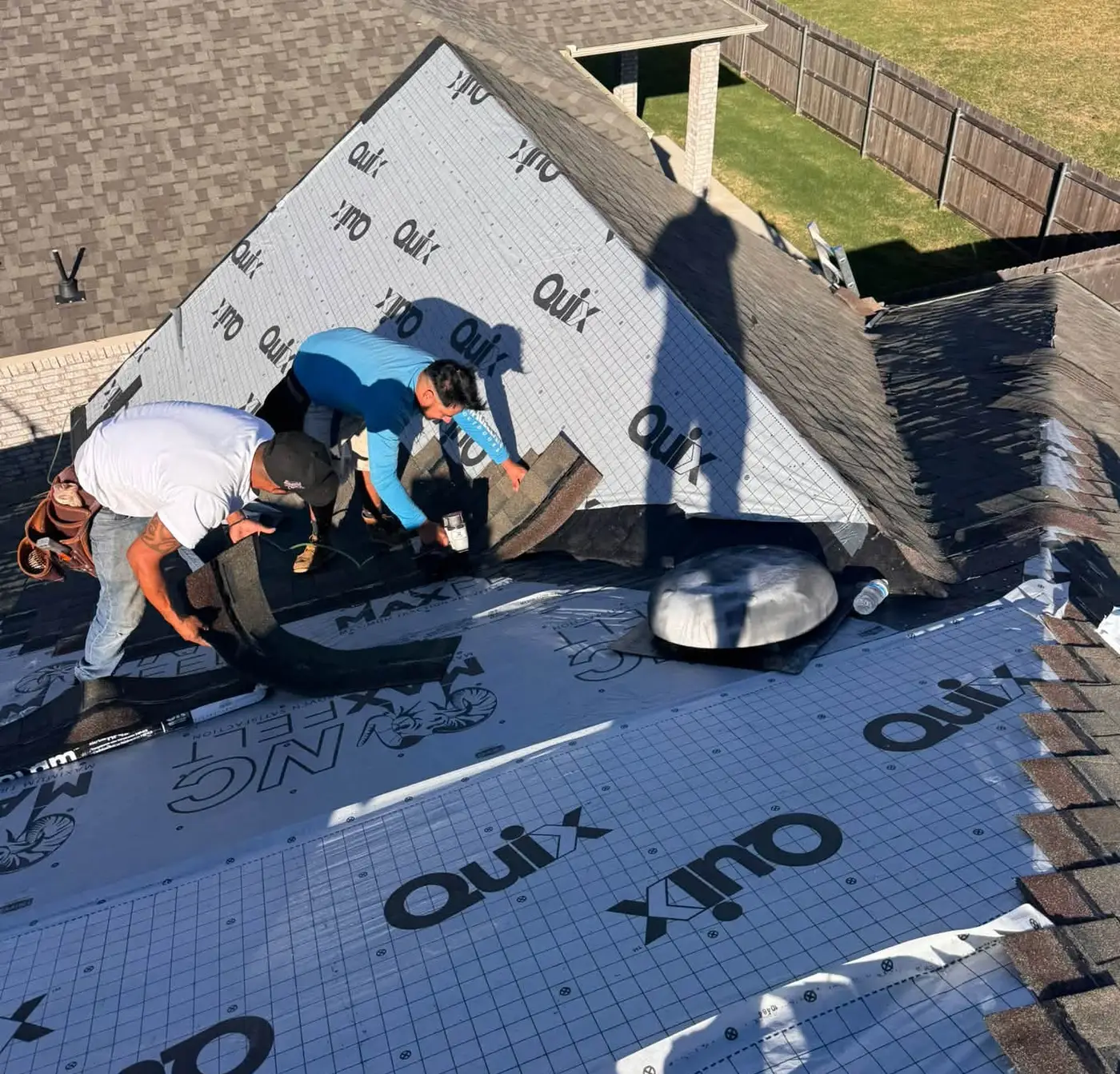
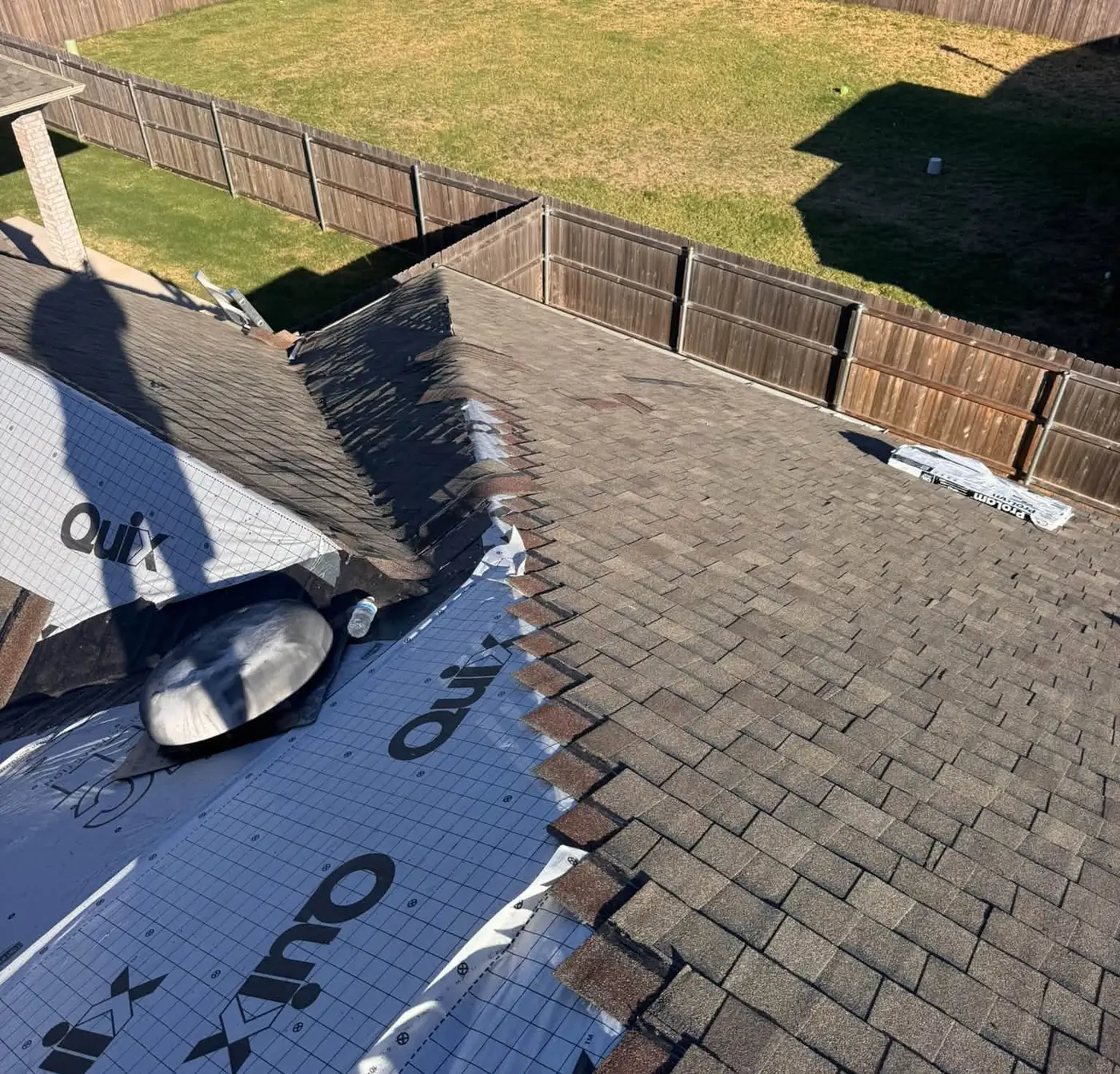
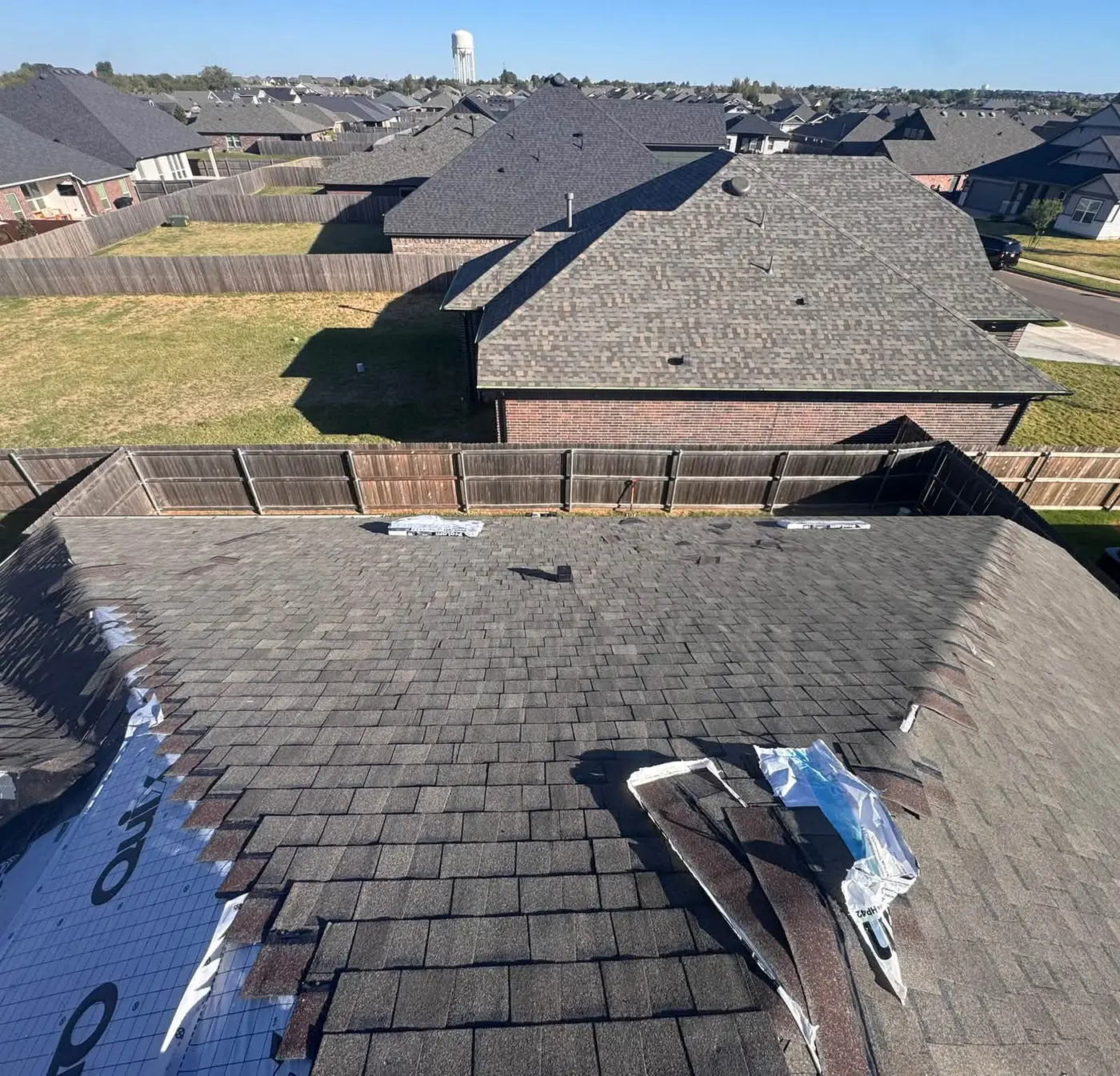
Claim Re-Roof with Full Synthetic Underlayment
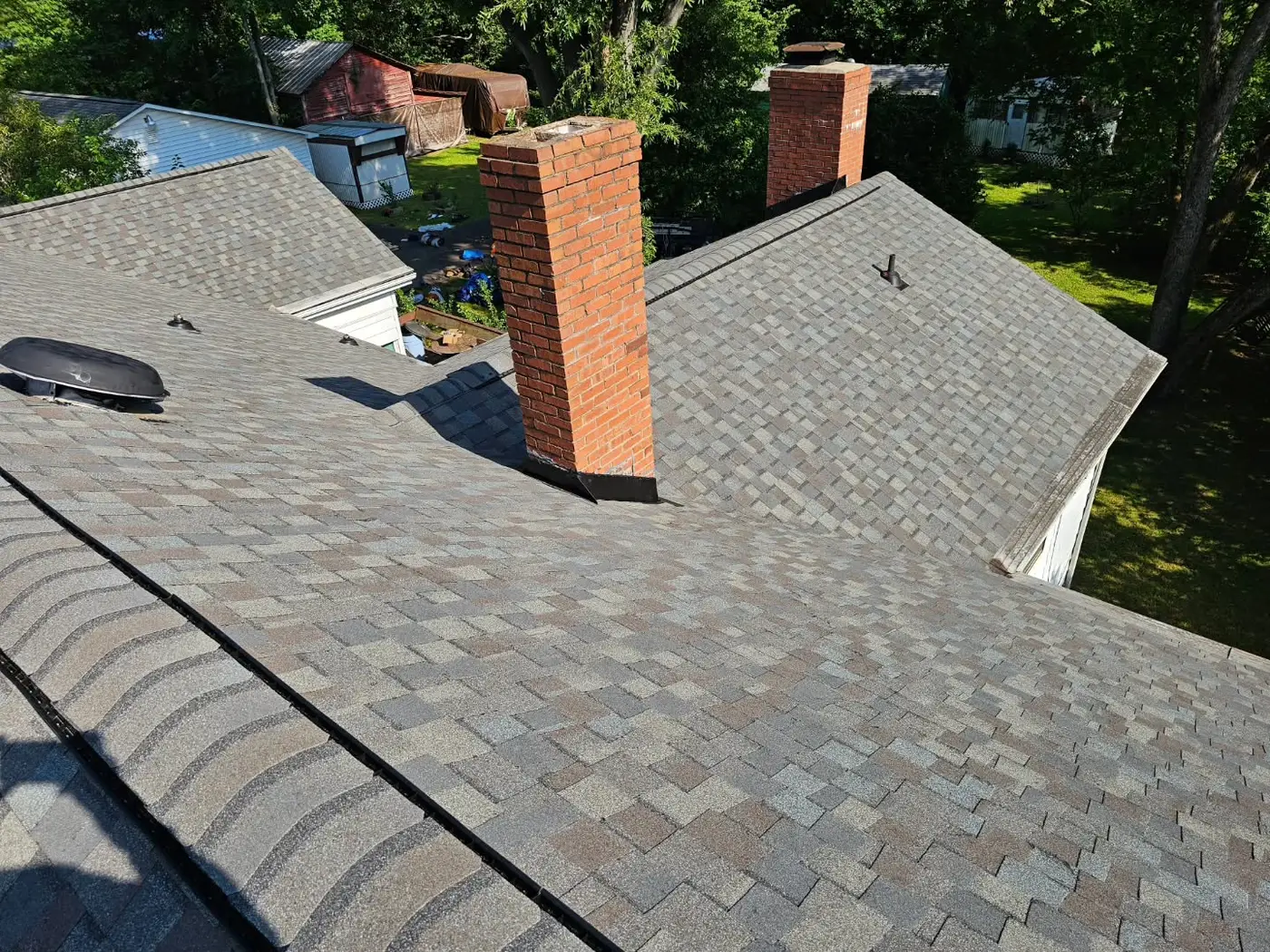
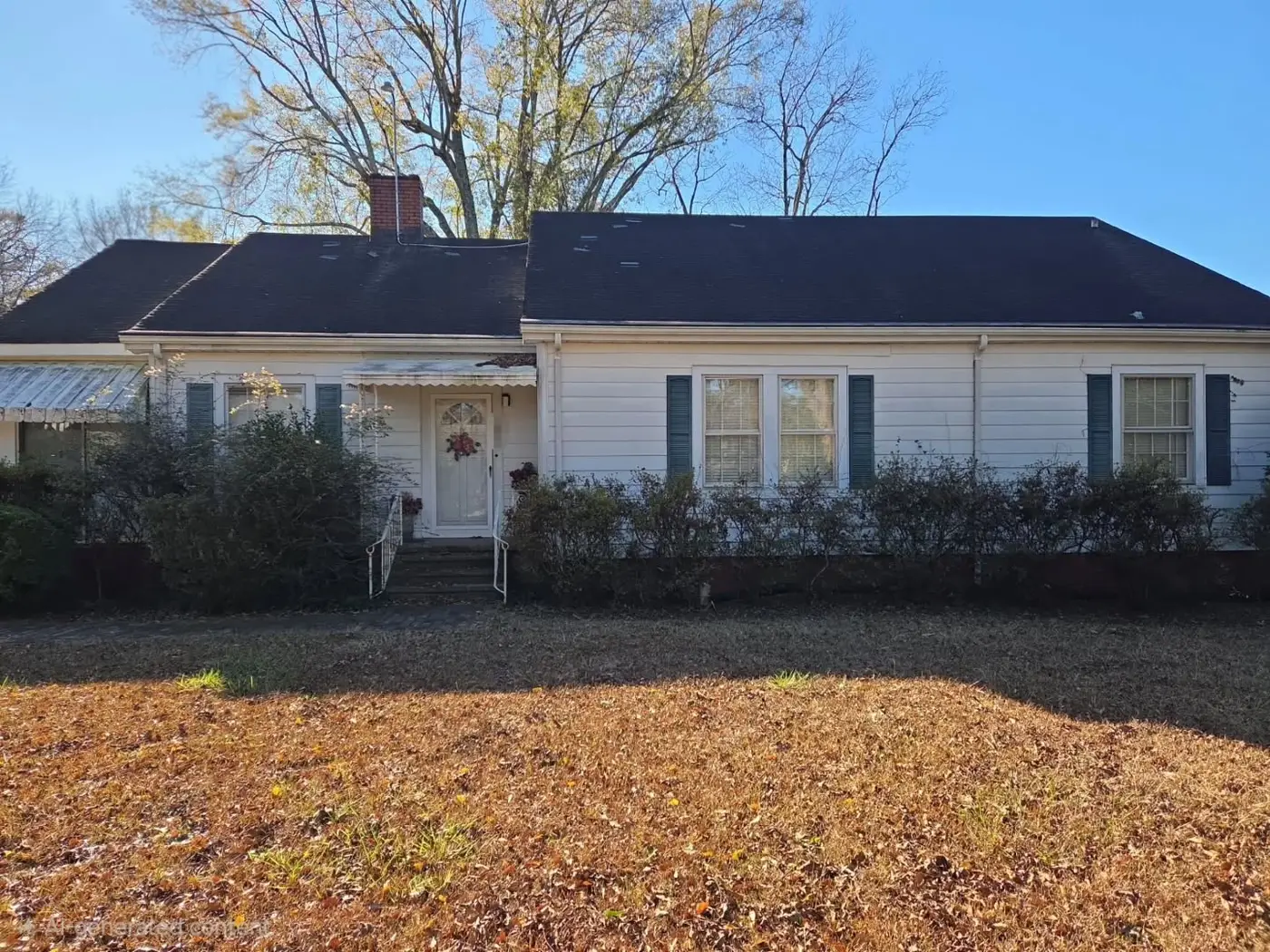
Shingle Replacement on a Two-Chimney Home
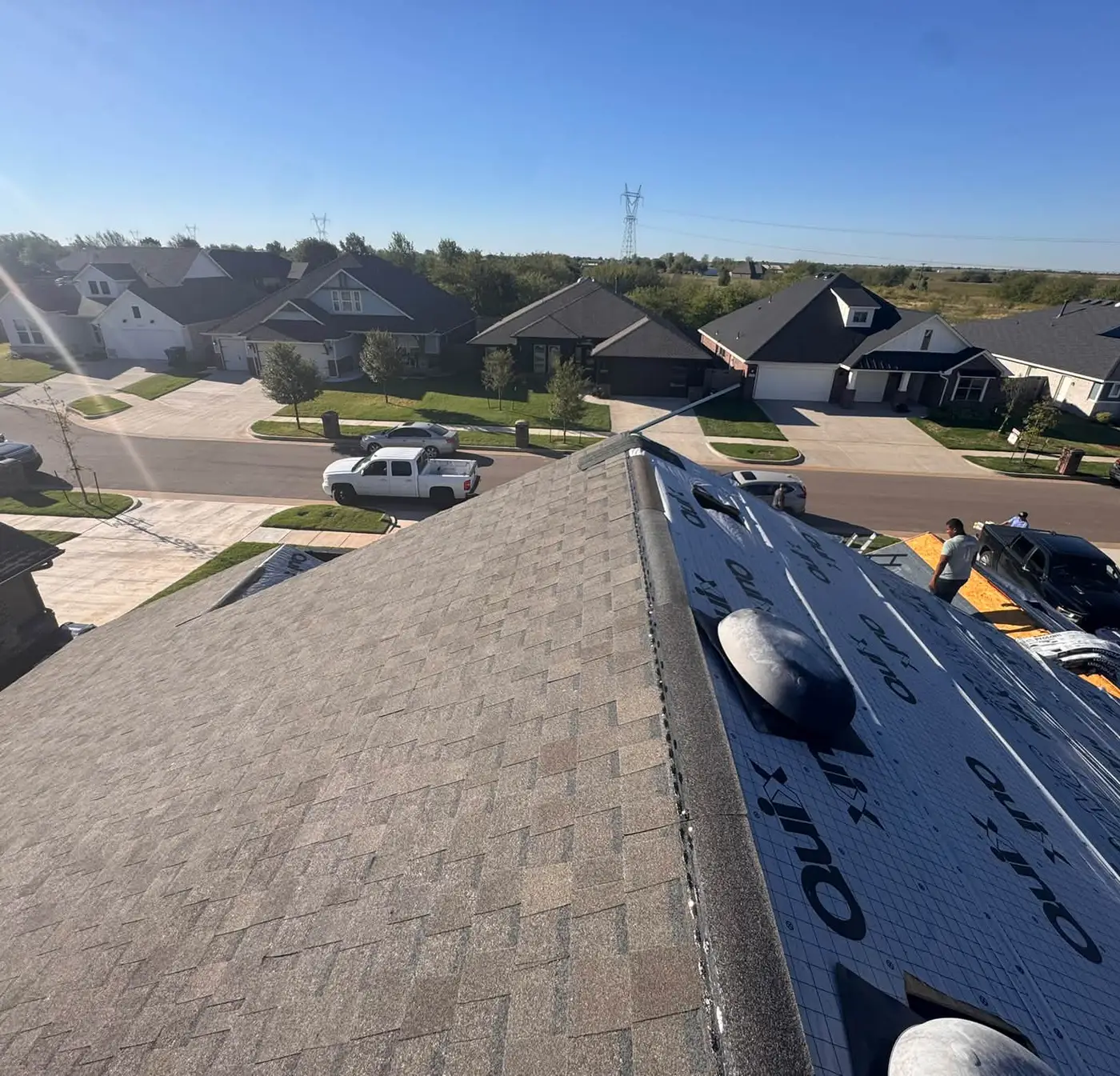
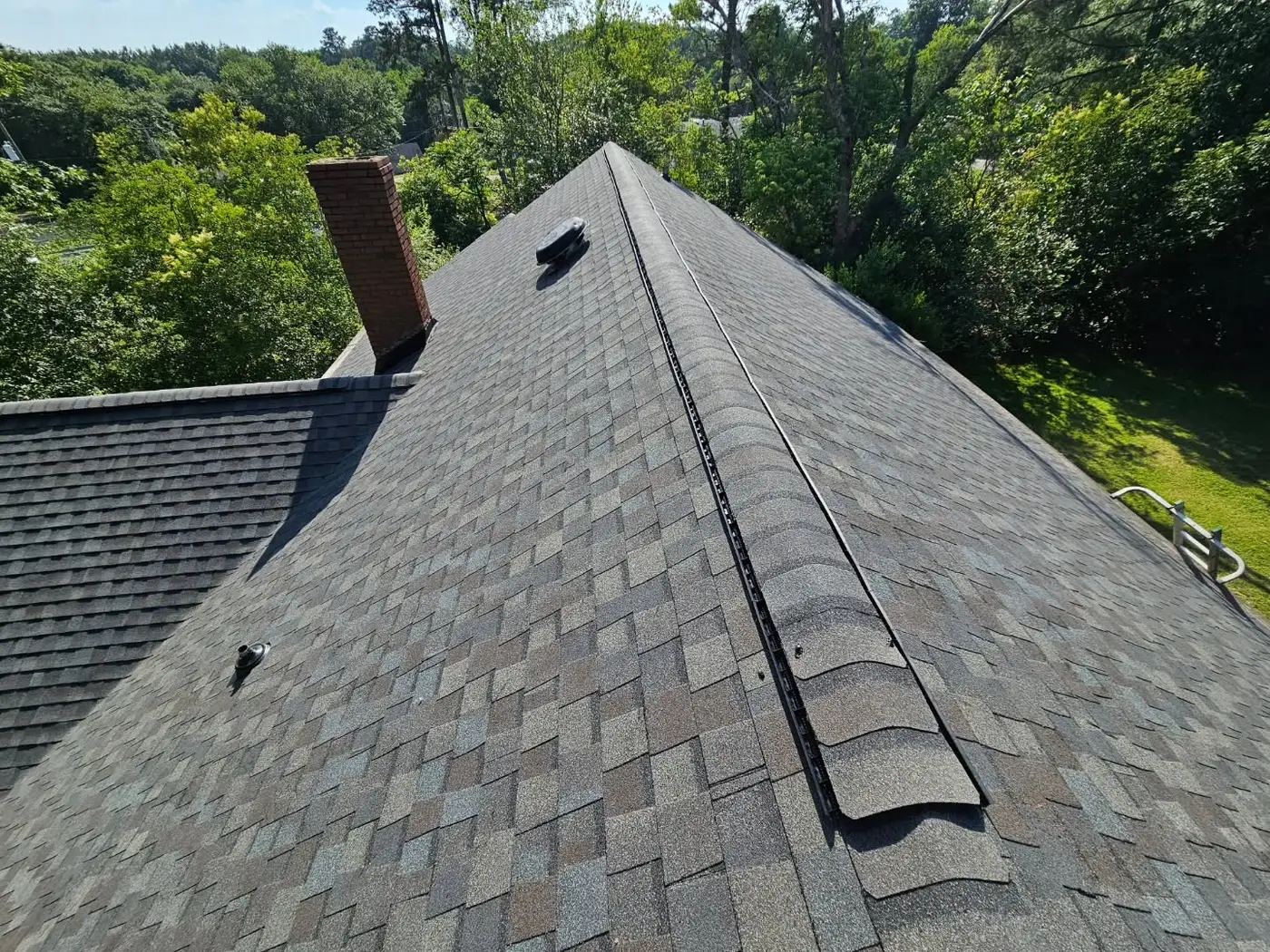
Re-Roof with New Attic Vents and Underlayment
See all of our roofing projects
Frequently asked questions
Will filing a claim raise my rates?
What is the difference between RCV and ACV?
Replacement cost value generally pays to replace the roof, often after a depreciation holdback is released. Actual cash value subtracts depreciation for age. Your declarations page says which you have.
How much will I pay out of pocket on a roof claim?
Usually your deductible, plus any upgrades you choose and any depreciation your policy does not pay back. A percentage deductible can be several thousand dollars, so check your declarations page.
Can a contractor pay my deductible?
No. You should expect to pay your own deductible. Offers to waive or absorb it are a warning sign, and they can create legal and insurance problems.
How long does a roof claim take?
A simple claim may settle within a few weeks, while busy storm seasons or supplements can take longer. Responding quickly to your adjuster and providing complete documents helps.
Do I have to use my insurance company's roofer?
Usually you can choose your own contractor, but check your policy. Compare written scopes and make sure the contractor can work from the approved estimate.