

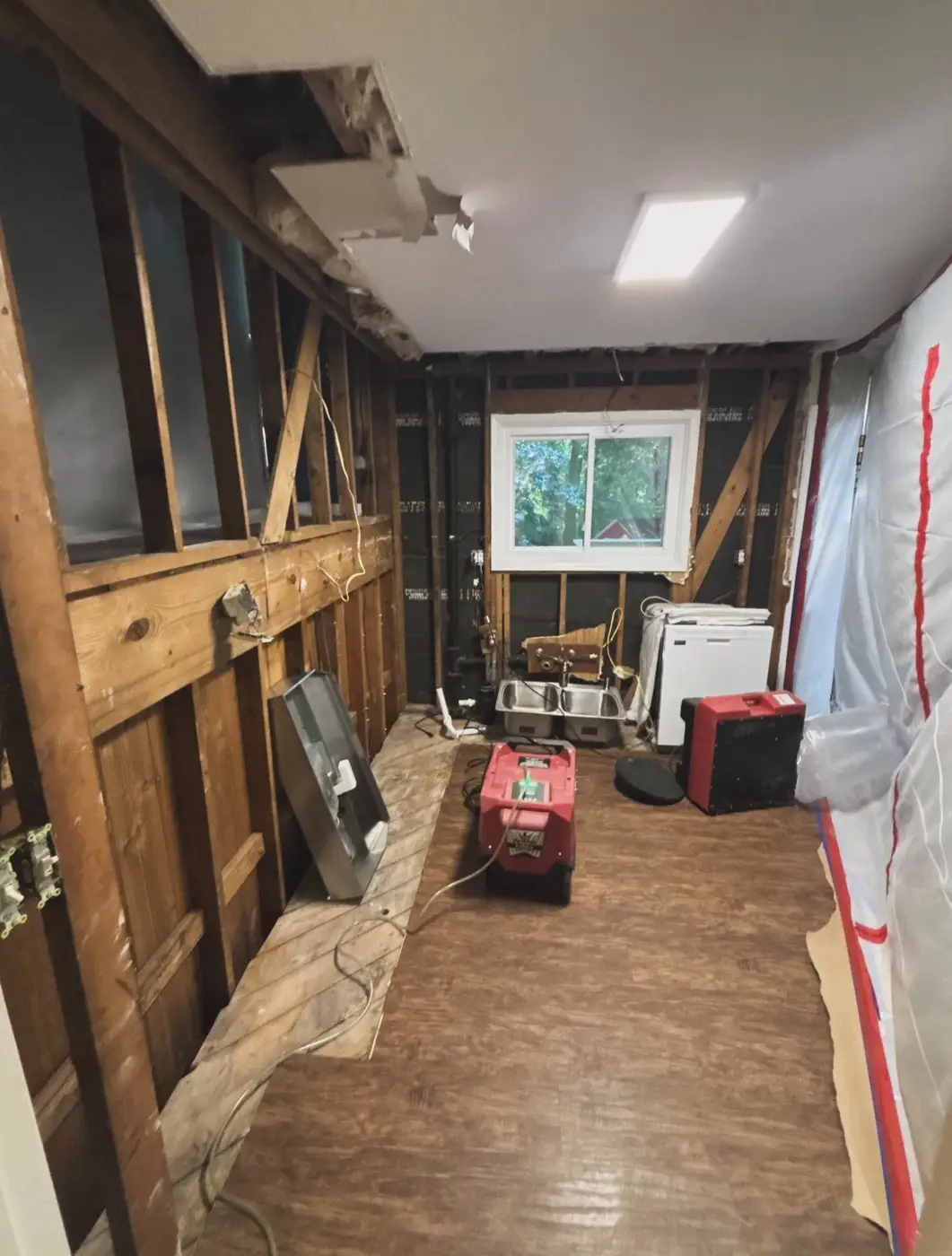
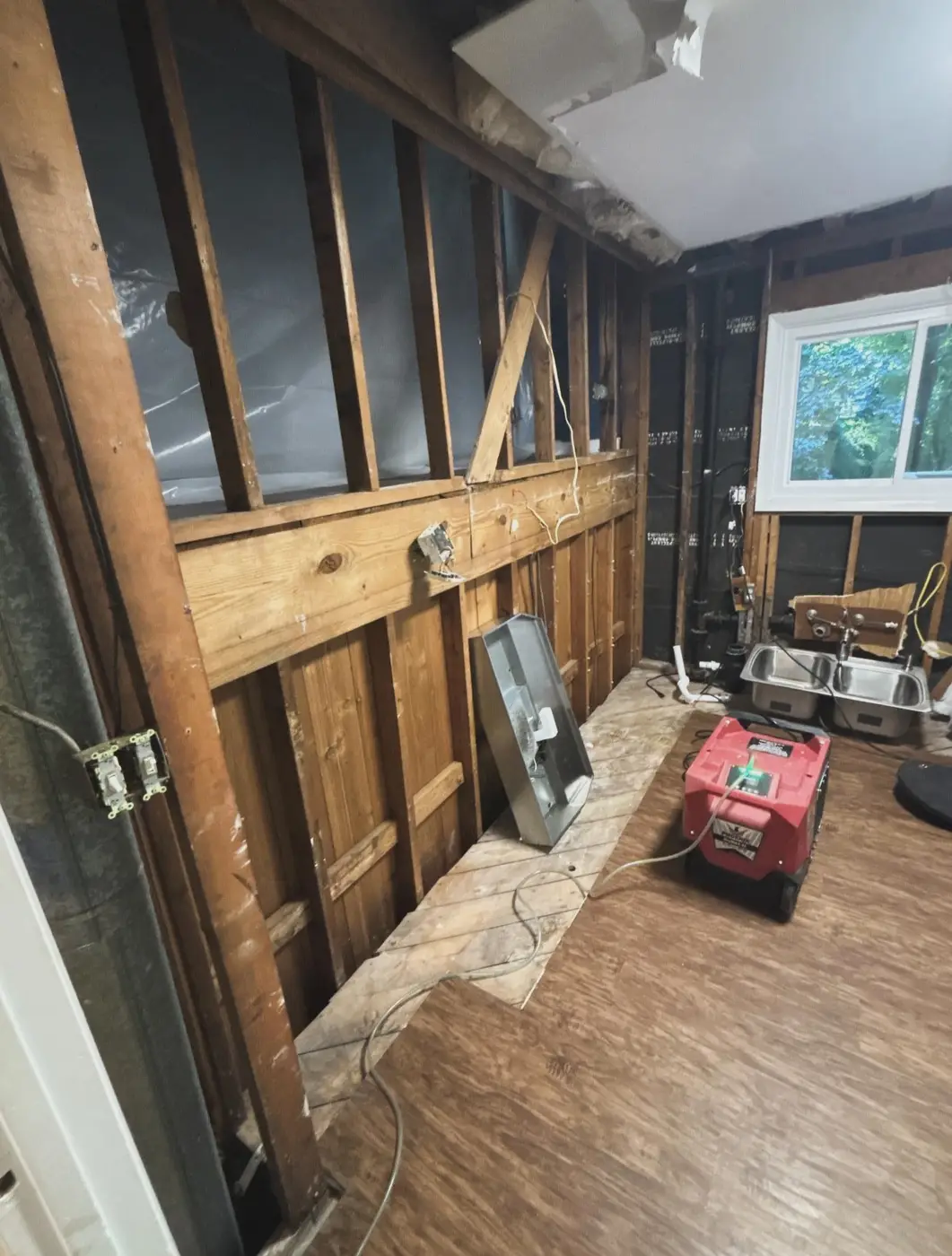
As soon as possible. Mold can begin growing within about 24 to 48 hours in damp materials, so starting early limits how much must be removed.

Hail Damage Roof Repair
Storm Damage Restoration
Roof Insurance Claim Help
Roof Inspection
Water Damage Restoration
All Services
When a roof leak reaches the inside of a house, fixing the roof is only half the job. Wet insulation and drywall can hold moisture long after the ceiling looks dry, and that hidden dampness is what causes the lasting problems.
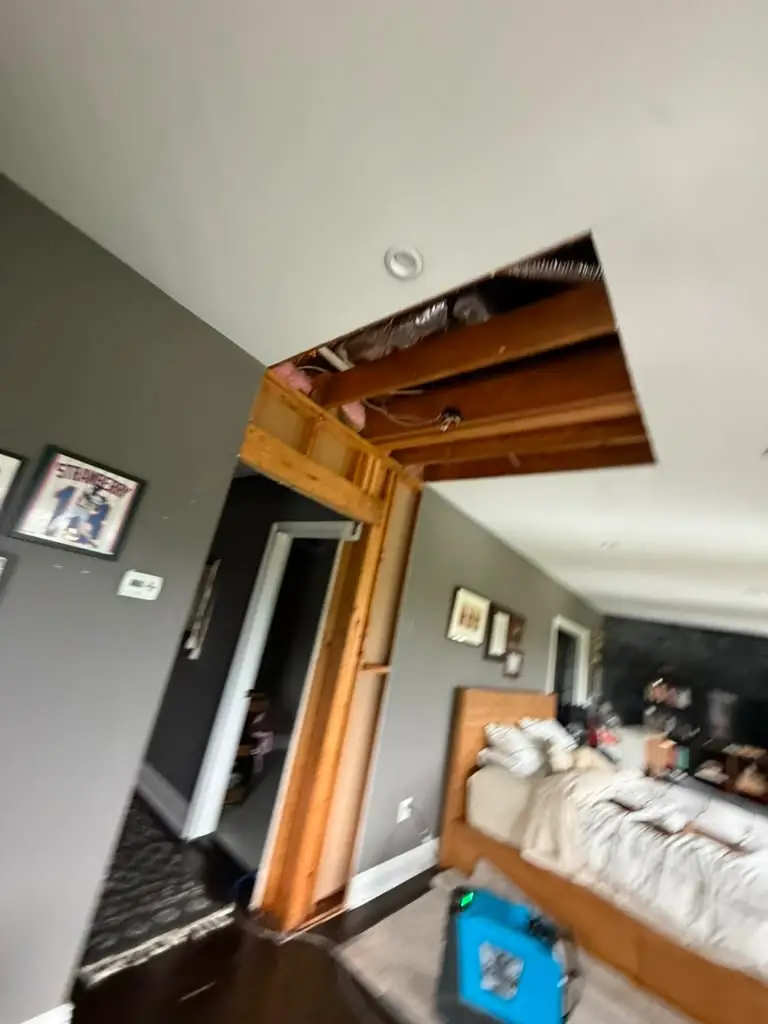
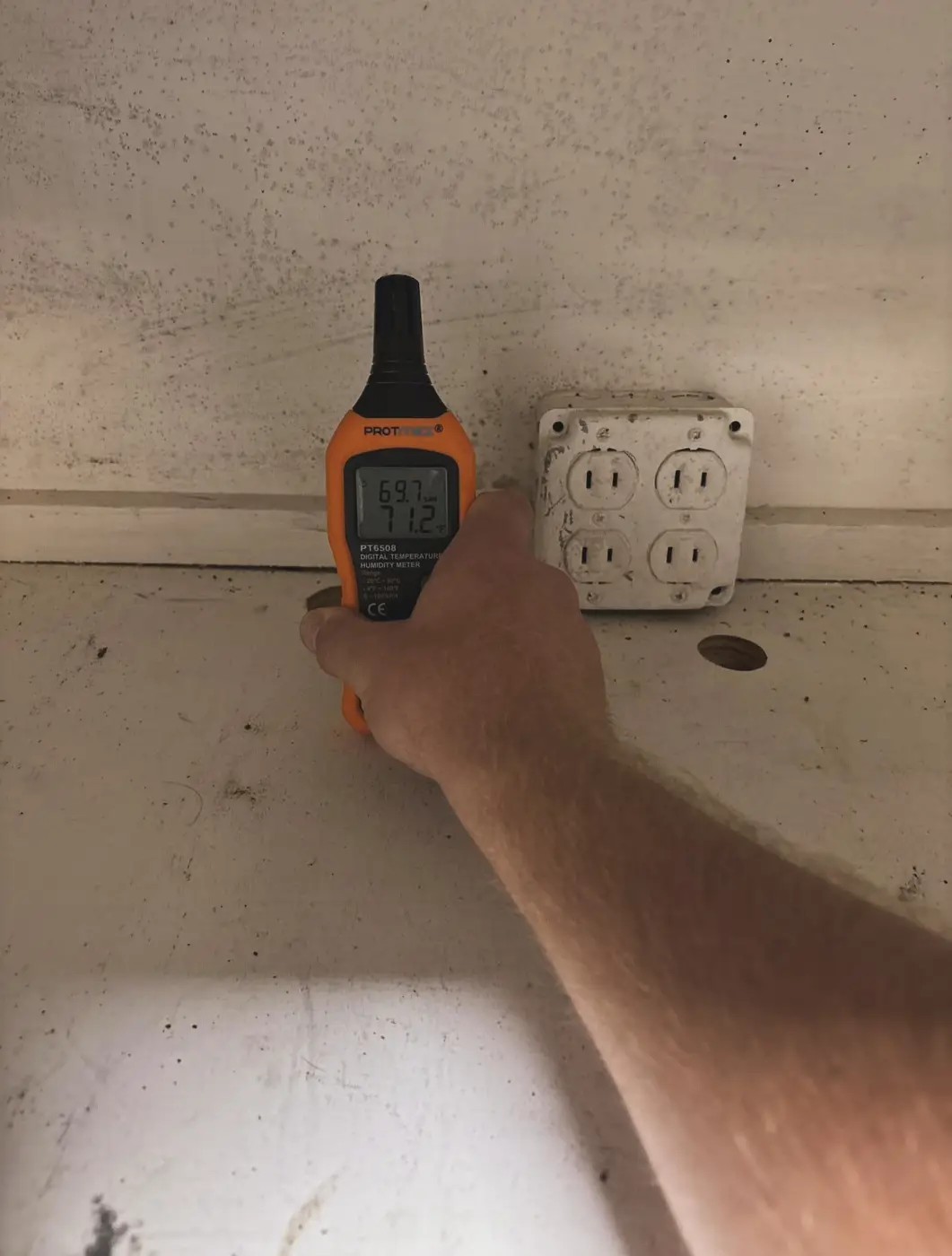
We stop the leak, measure moisture with a meter, remove materials that can't be dried, and dry out the structure before anything is closed back up. Rebuilding comes last, once readings confirm the area is ready.
Common signs we check for:
- Sagging or stained ceiling drywall
- Wet attic insulation
- Bubbling paint and swollen trim
- Damp flooring near an exterior wall
- Musty odors after a leak
- Visible mold-like growth
How the work gets done
Stop the Source
The roof or plumbing source gets addressed first.
Measure Moisture
Meters map how far the water traveled.
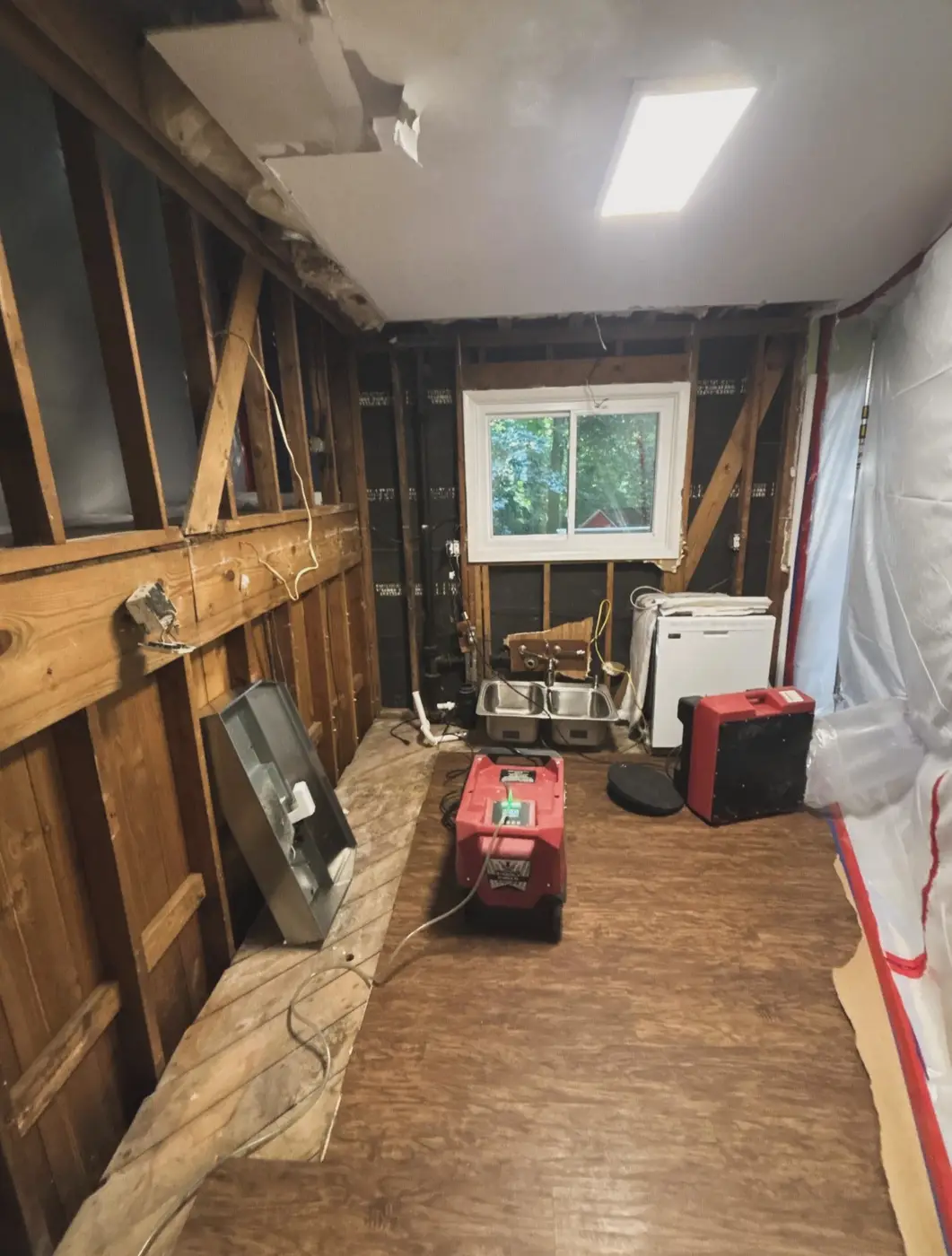
Dry Out
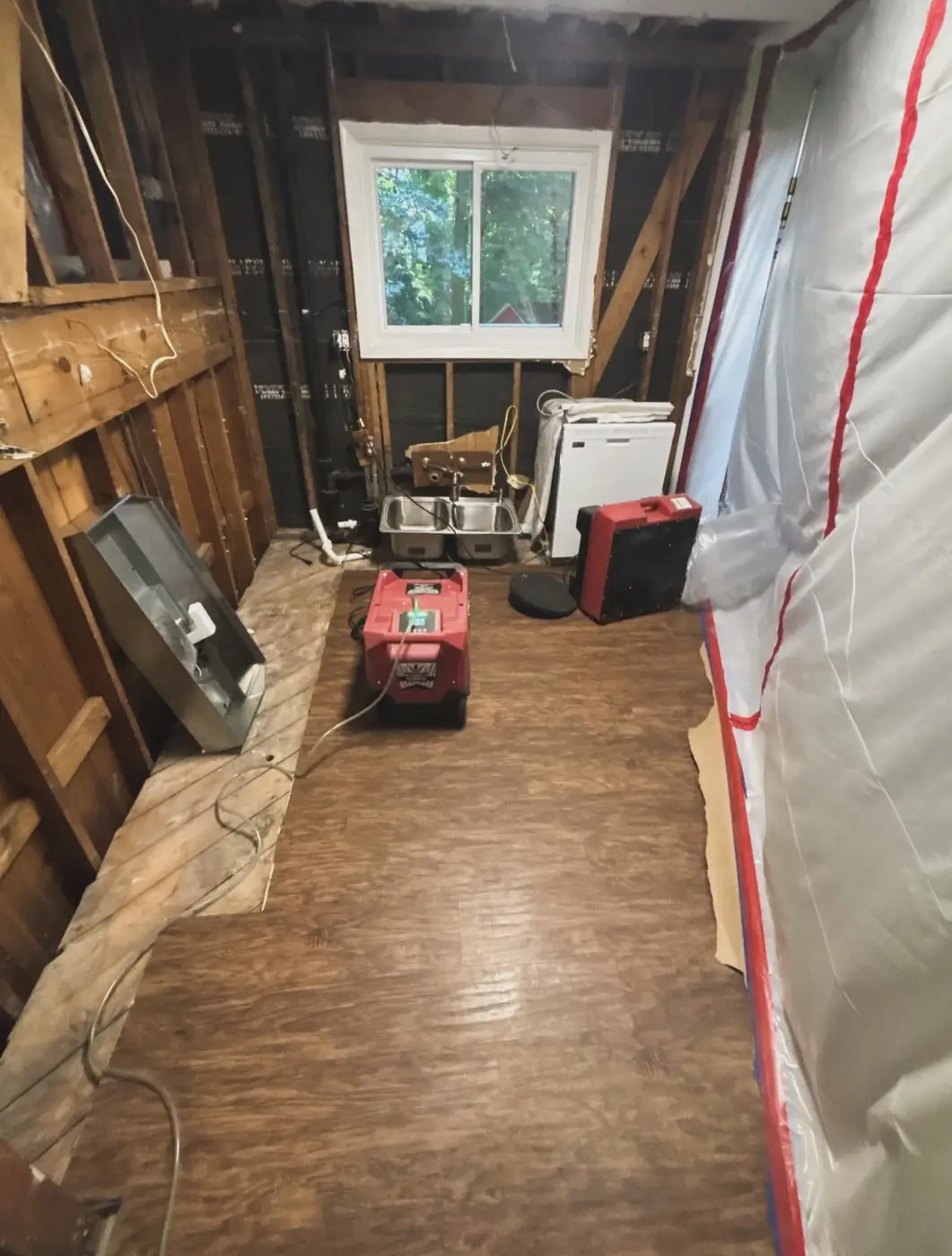
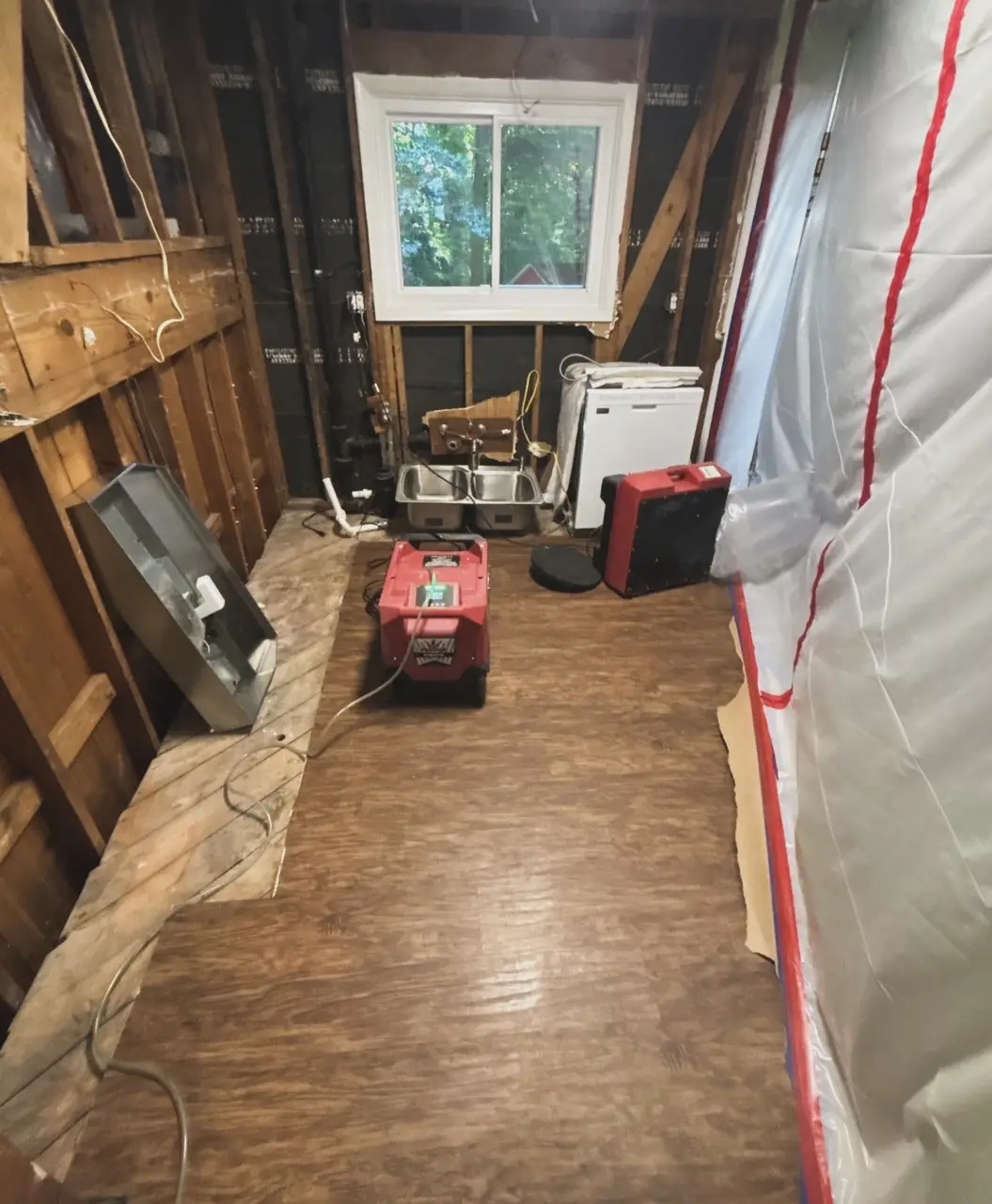
Wet materials are removed and air movers and dehumidifiers run.
Rebuild
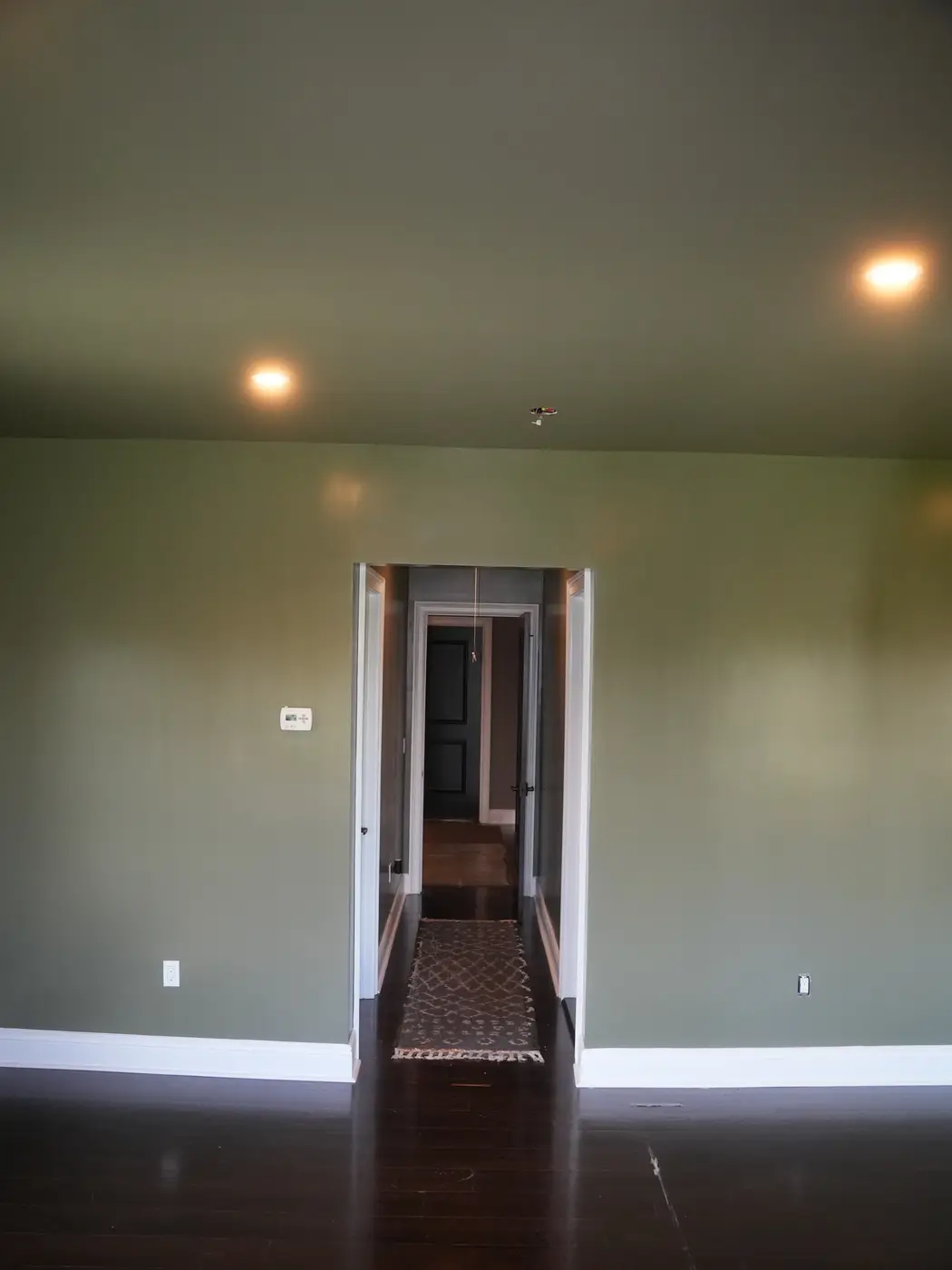
Insulation, drywall, paint and trim are restored after readings are clear.
Typical Cost
Small ceiling repairs may run $800 to $3,000. Multi-room drying and rebuild work commonly reaches $5,000 to $20,000.
These are planning ranges for the Tulsa area, not a quote. Your written estimate is based on the actual roof.
Request an EstimateWater Damage Restoration prices
Planning ranges for the Tulsa area, updated November 2026. They include typical labor and materials, but they are not a quote. Your written estimate is based on an inspection of the actual job. See every category on our price list.
What we do for roof-related water damage
Water from a roof leak follows framing, soaks insulation and collects where you do not see it. Drying the visible stain alone leaves the larger problem behind. Our work focuses on stopping the source, drying the structure and rebuilding what cannot be saved.
- Stop the source with a temporary repair or a permanent roof leak repair.
- Map moisture using meters and thermal imaging where needed.
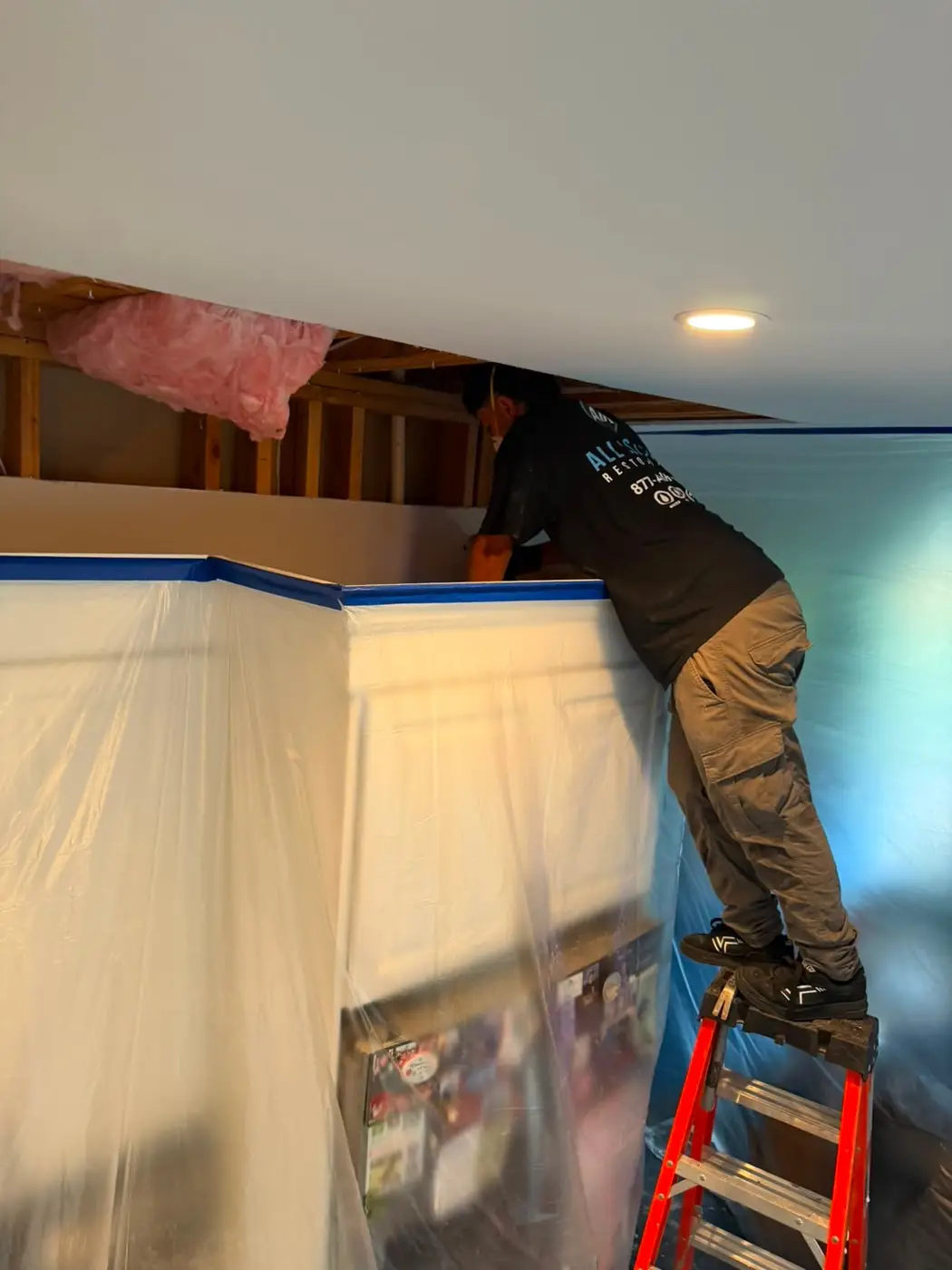
- Remove wet insulation, unsalvageable drywall and damaged flooring.
- Dry the structure with air movers and dehumidifiers, checking readings until the materials reach a normal level.
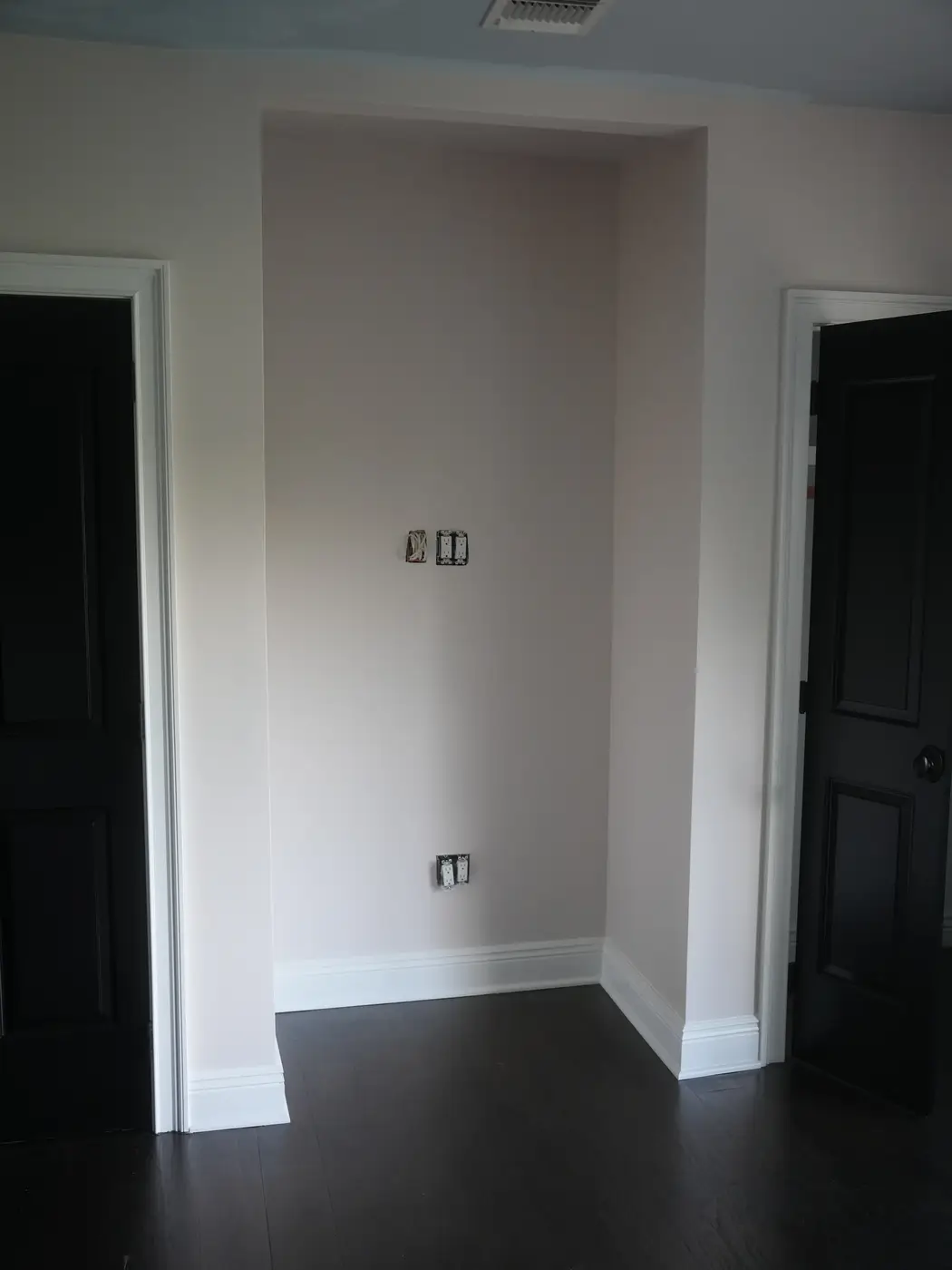
- Rebuild with new insulation, drywall, trim and paint to match the existing finish.
Why fast drying matters
Timing has a real effect on cost. Mold can begin growing within about 24 to 48 hours when materials stay wet, which is why drying should begin promptly. Longer exposure can warp hardwood floors, swell trim, stain ceilings and weaken drywall. Fast drying often allows materials to be saved that would otherwise need replacement.
Until a crew arrives, you can help by turning off power to wet areas, moving belongings to a dry room, soaking up standing water where safe, and opening interior doors for airflow. Avoid using a household vacuum on standing water. Photograph everything before moving it, since those pictures may be useful for a claim.
Clean, gray and black water
The source of the water determines how carefully it must be handled. The industry generally sorts it into three categories. Clean water comes from sources like a supply line, and rainwater through a roof is generally treated as low-risk at first. Gray water contains some contamination, such as discharge from an appliance. Black water, such as sewage or floodwater, needs specialized handling, and porous materials usually have to be removed. Even clean water can degrade if it sits, passes through dirty insulation or goes untreated for days. We tell you if conditions call for a specialist, including mold remediation or sewage cleanup that falls outside our scope.
Signs of hidden water damage
Not all water damage announces itself. Check for these signs, particularly after a storm or an unresolved leak:
- Musty smells in closets, attics or upper rooms.
- Yellow or brown ceiling rings, even faded ones.
- Peeling paint, bubbling drywall or swollen baseboards.
- Attic insulation that looks matted or feels damp.
- Rusty nail tips or dark stains on the underside of the decking.
- Rooms that stay humid when the rest of the house is not.
A roof inspection with moisture readings can show whether a leak is active or old. That is useful when buying a home or when a stain reappears after paint.
Insurance and water damage
Sudden and accidental water damage is often covered, while long-term leaks and neglected maintenance often are not. That is why prompt reporting and documentation help. If a storm opened the roof, the interior damage may be part of the same claim. Keep receipts for drying equipment and temporary repairs. Your carrier decides coverage, but our itemized scope and moisture logs give the adjuster clear information. See roof insurance claim help and storm damage restoration for larger losses.
Related services
Interior work only lasts if the source is fixed, so most projects begin with finding and repairing the roof leak or a broader roof repair. After a major event, this work is often part of storm damage restoration, and rebuilding framing or finishes falls under our general contractor services.
Recent water damage restoration projects
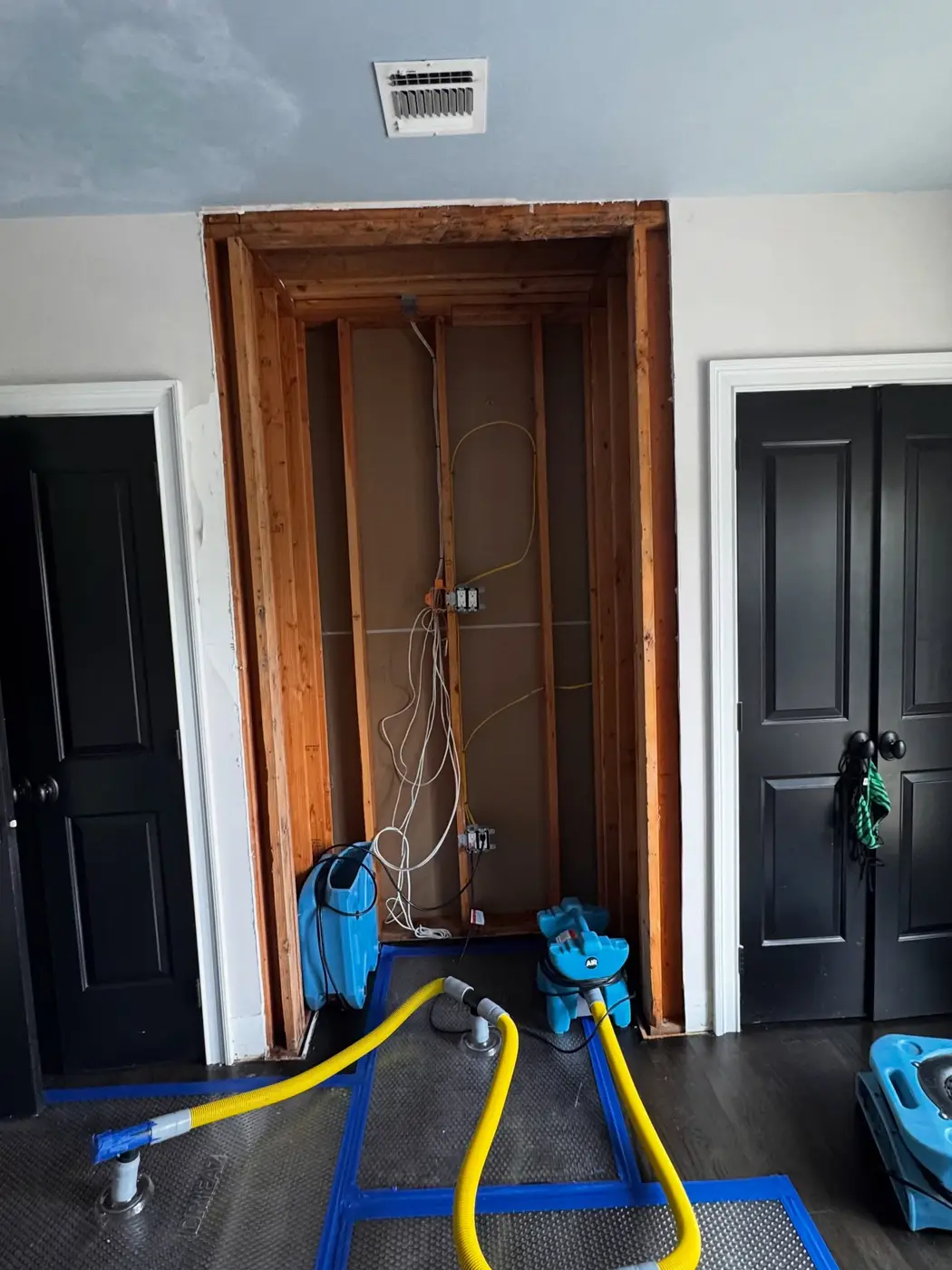
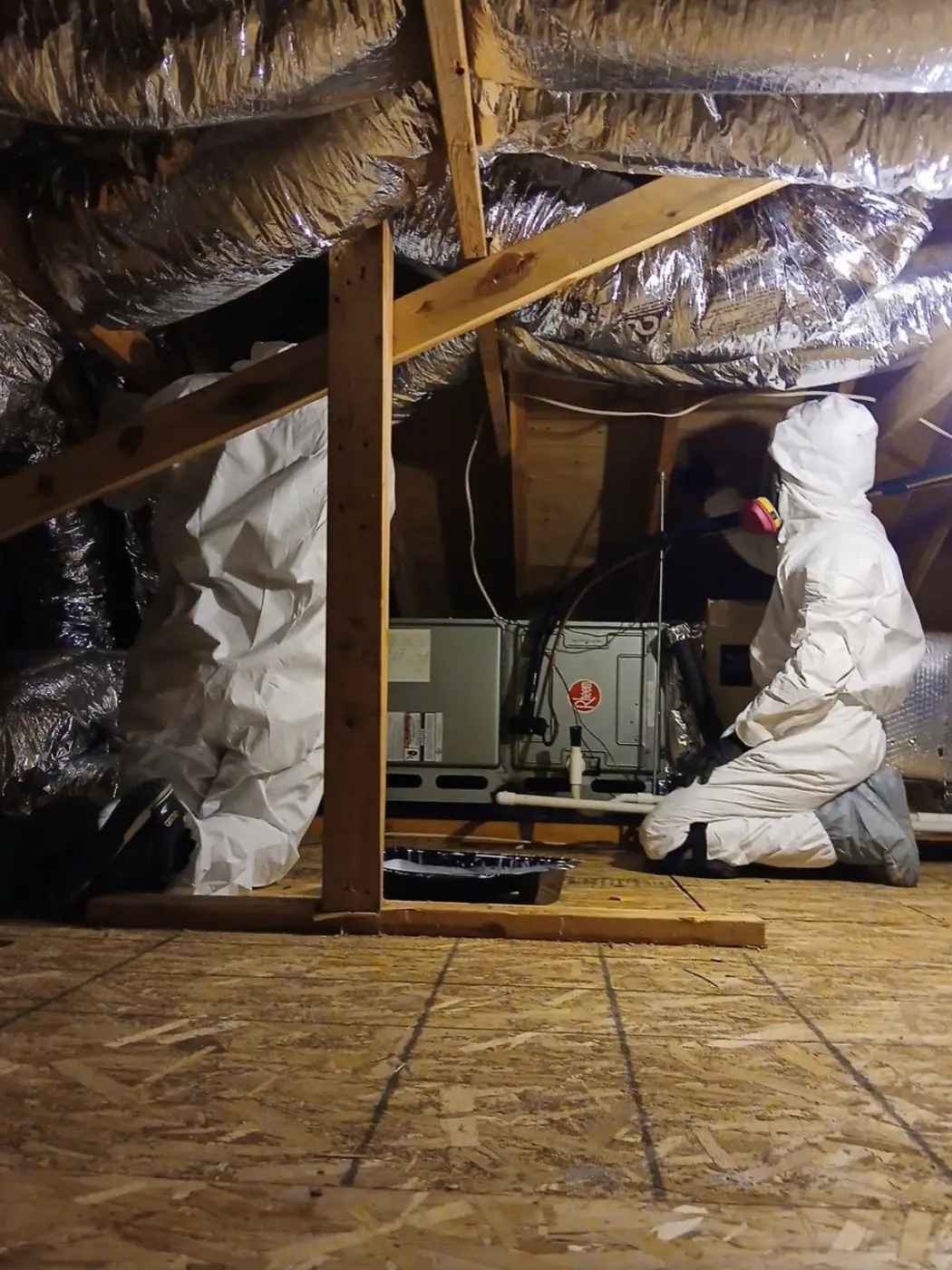
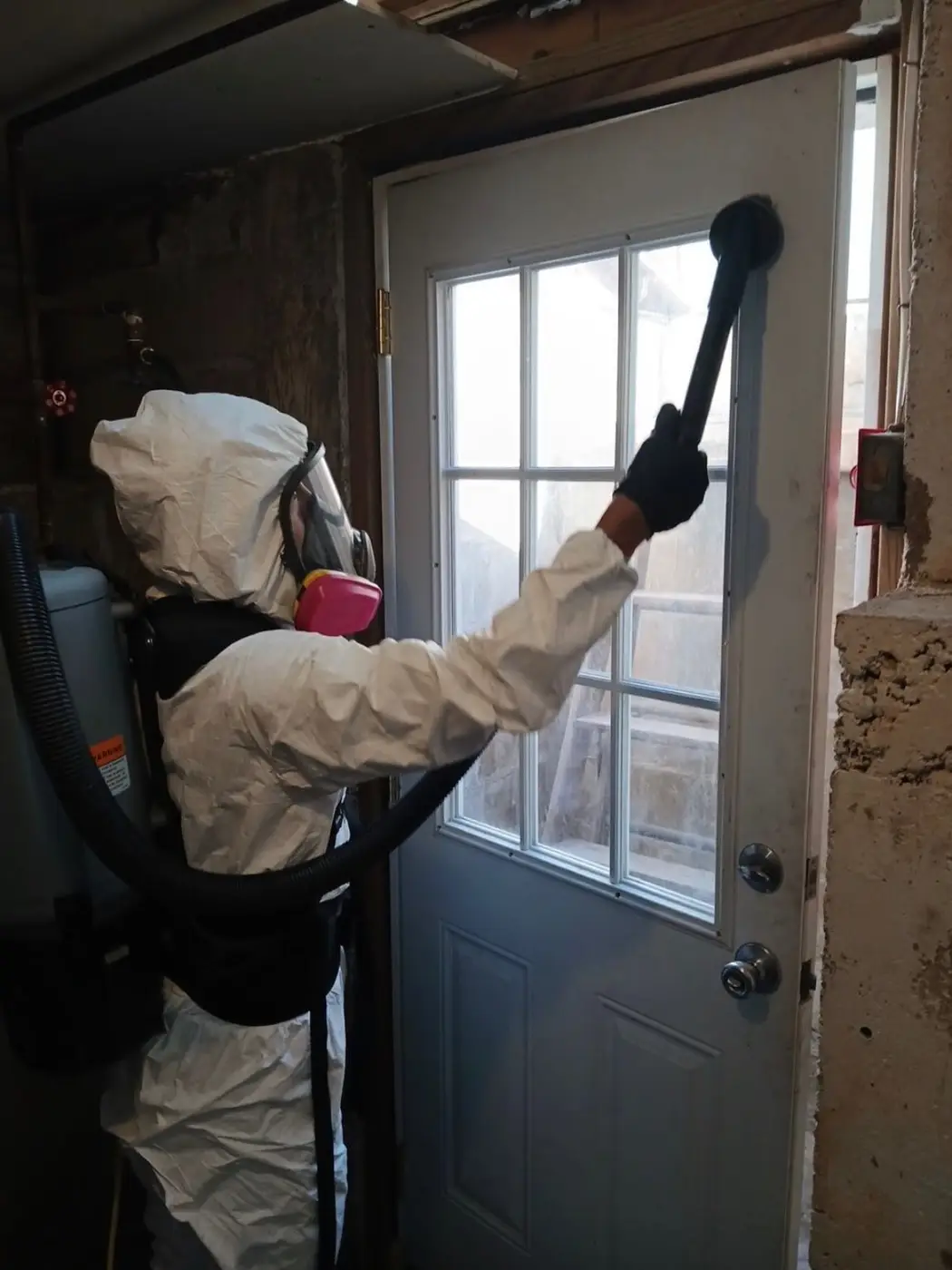
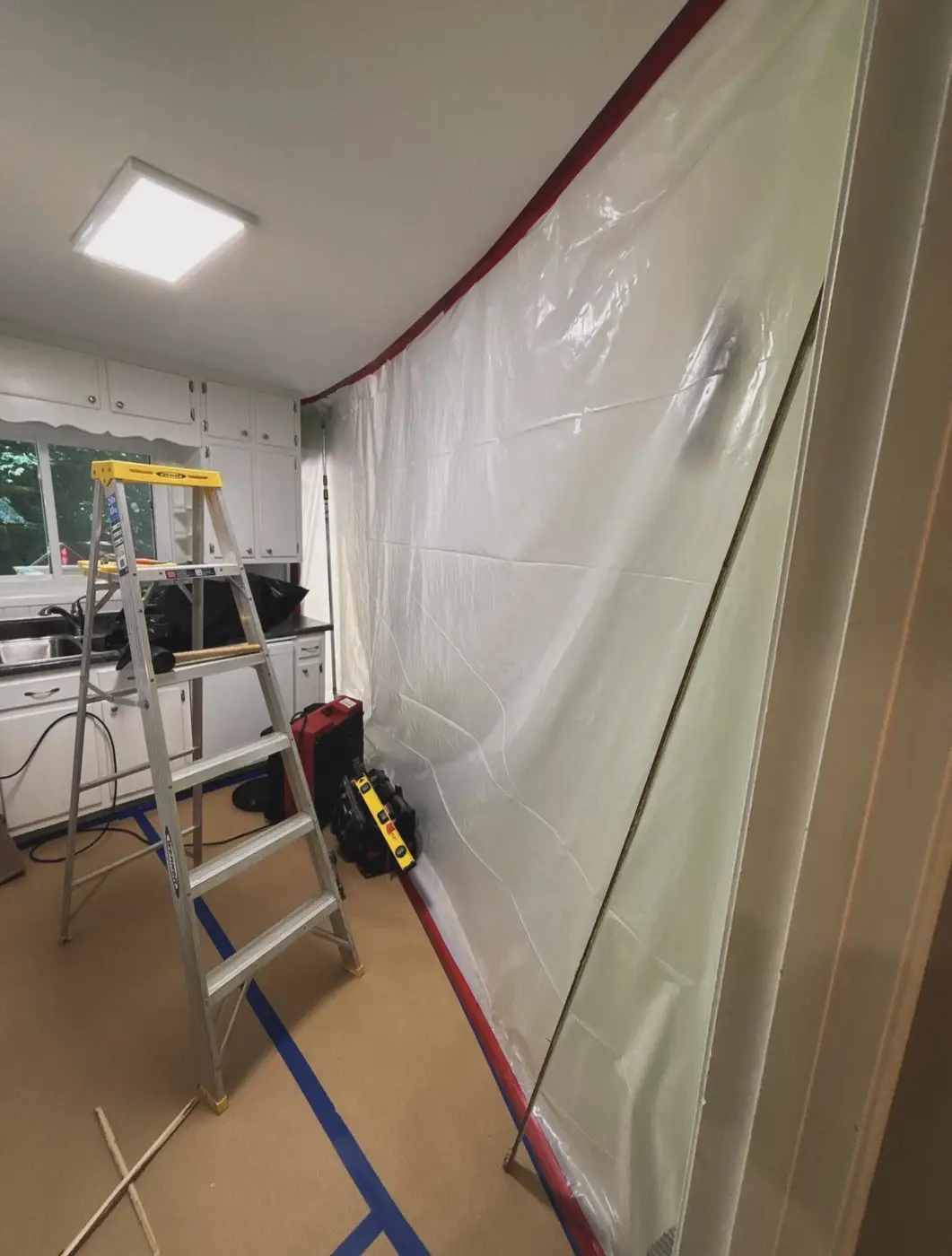
Water-Damaged Wall Opened Up and Dried
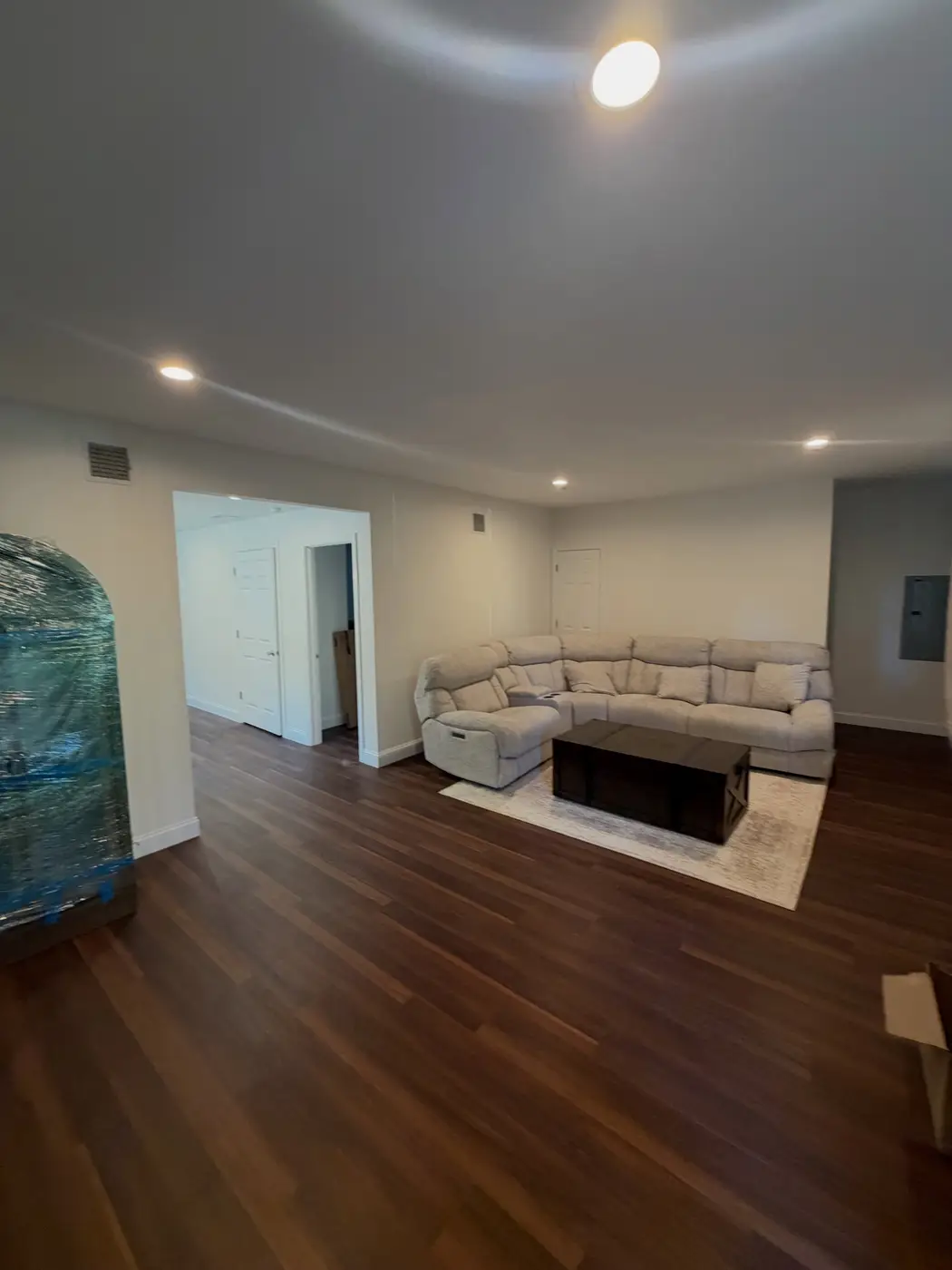
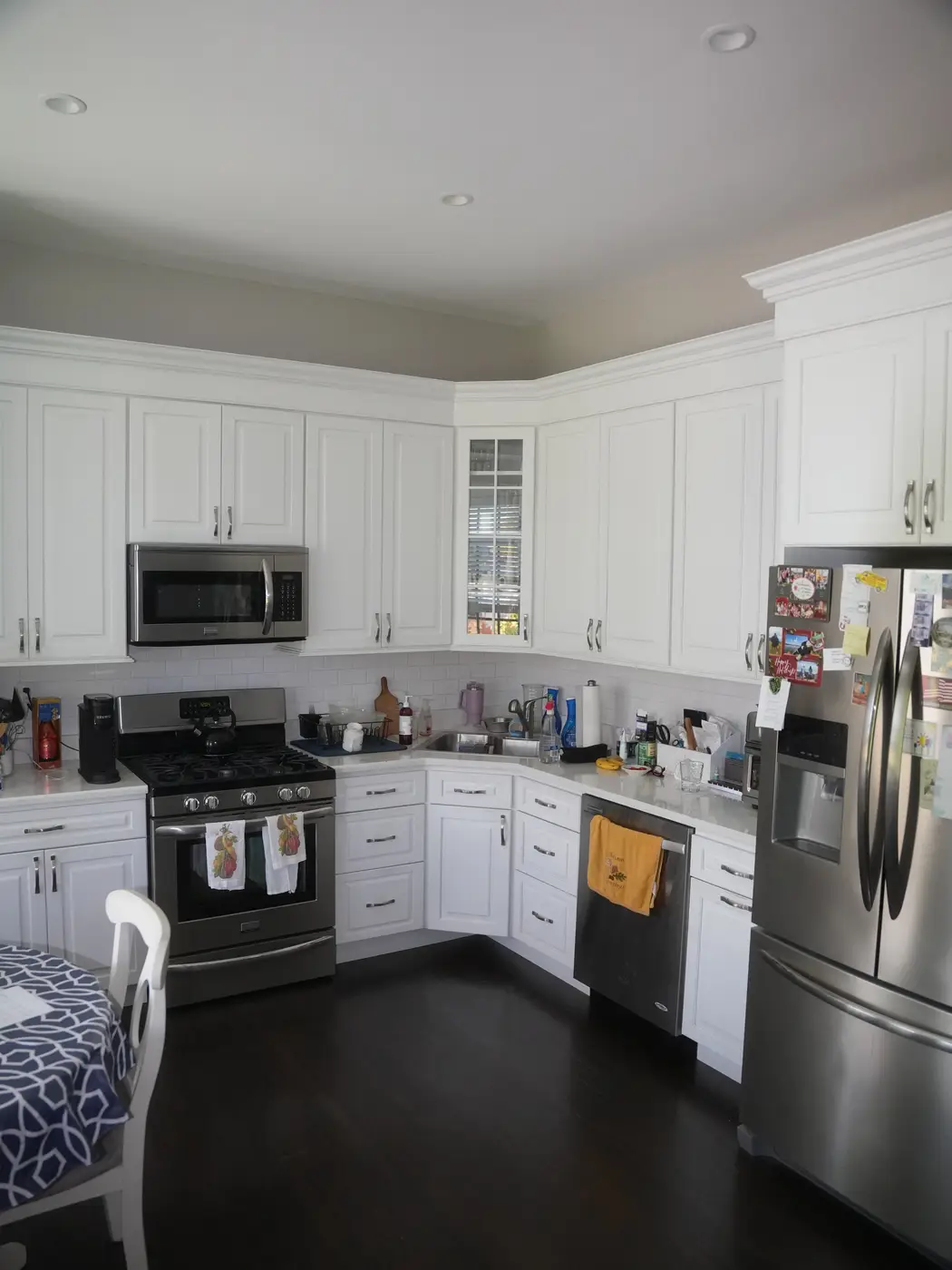
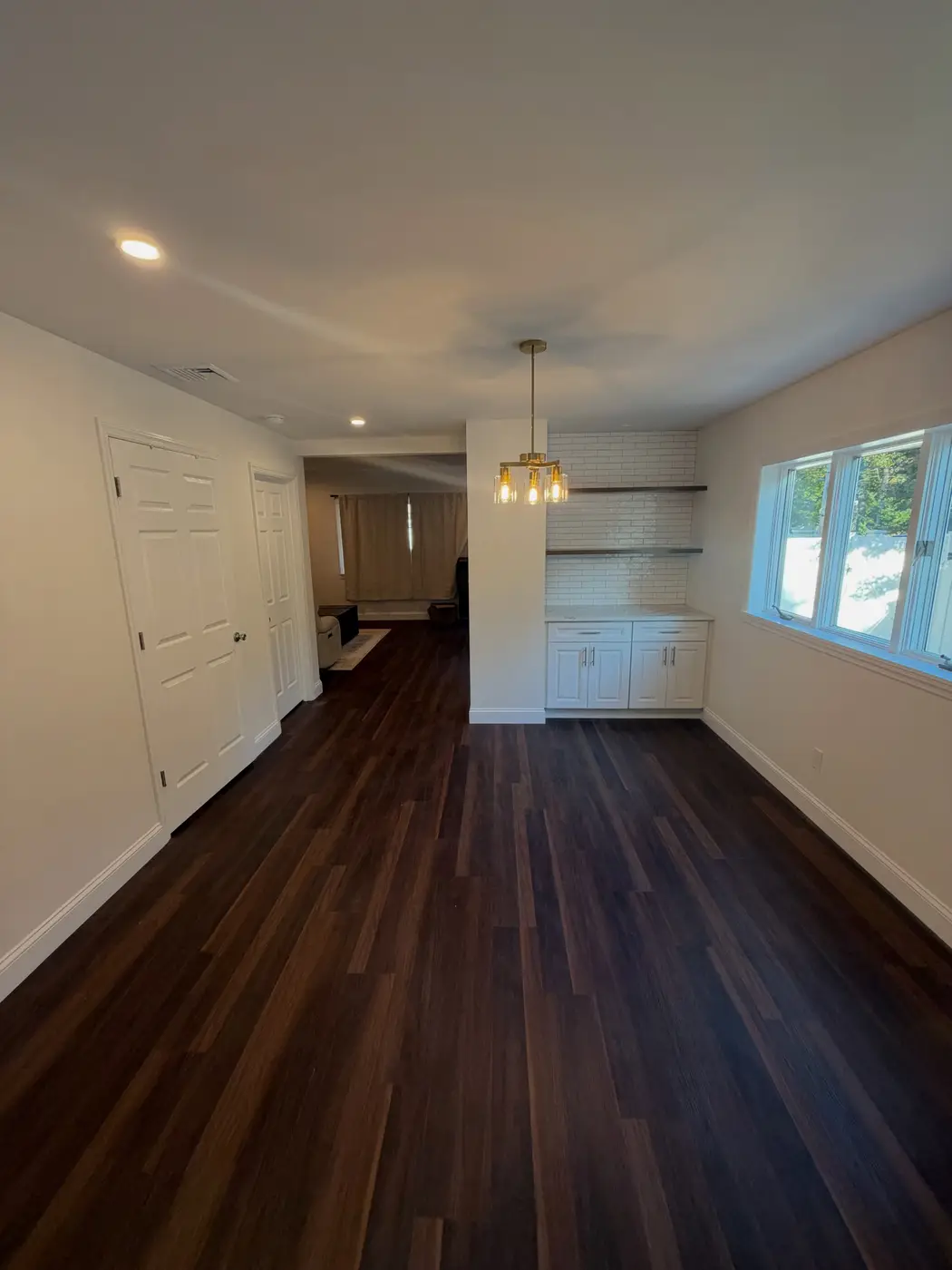
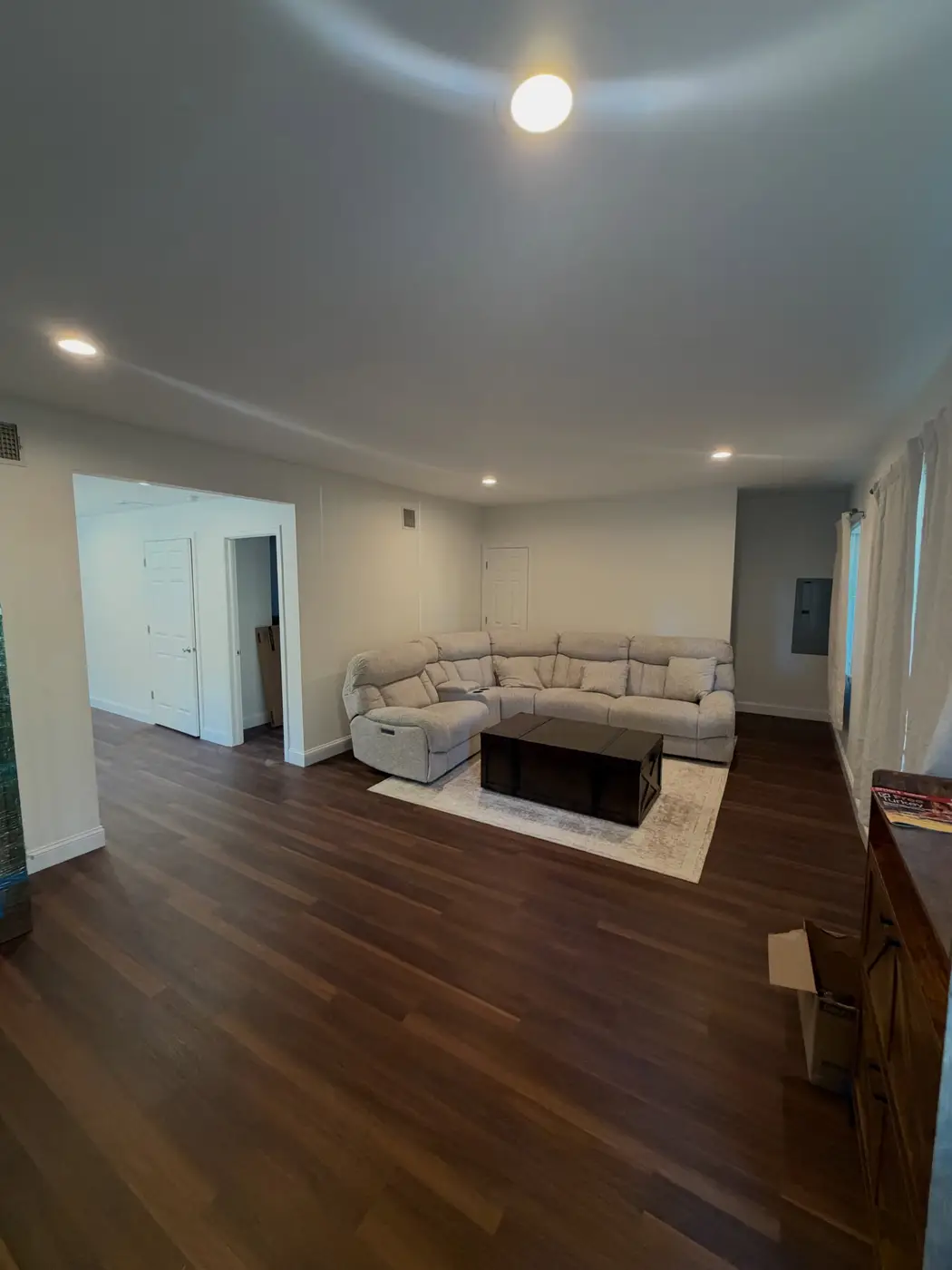
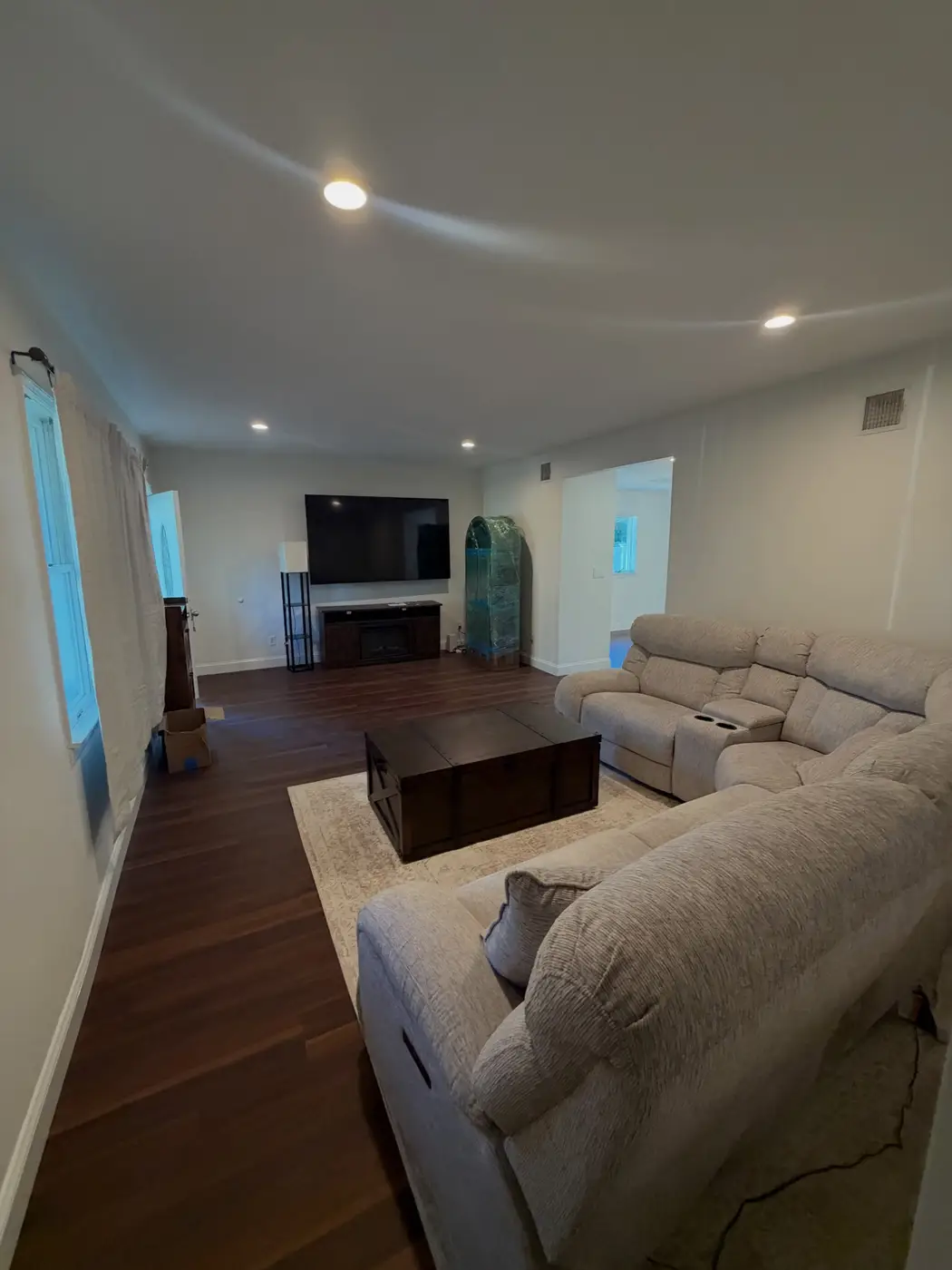
Whole-Home Water Damage Rebuild
See all of our roofing projects
Frequently asked questions
How quickly should water damage be dried?
Can wet insulation be saved?
Fiberglass batts sometimes can if they dry fully and stay clean. Blown insulation that has matted down is usually replaced.
Is water damage covered by insurance?
Sudden damage from a covered event often is, while long-term seepage often isn't. Check your policy and report it promptly.
How much does water damage restoration cost in Tulsa?
Small ceiling repairs may run $800 to $3,000. Multi-room drying and rebuild work commonly reaches $5,000 to $20,000, depending on how far the water traveled and what must be replaced.
How long does drying take?
Many structures dry in about three to five days with proper equipment, but dense materials and heavy saturation can take longer. Moisture readings decide when drying is complete.
Can I just paint over a ceiling stain?
Not until the leak is fixed and the materials are dry. Paint hides the stain for a while, but it can trap moisture and the mark usually comes back.
Do you handle mold?
We identify conditions and dry the structure. Significant mold growth may need a qualified remediation specialist, and we will tell you when that is the case.