

Both are heat-welded single-ply membranes. PVC generally costs more and resists grease and chemicals better, while TPO is often more economical.

PVC is a premium single-ply membrane with hot-air welded seams. It stands out for its resistance to grease, chemicals and fire, making it a common choice for restaurants and some industrial buildings.
If your roof takes kitchen exhaust or other contaminants, PVC can outlast membranes that break down under exposure. We also add sacrificial pads, grease traps and walkway pads where they can extend service life.
Common signs we check for:
- Restaurant kitchen exhaust
- Chemical exposure on the roof
- Frequent rooftop foot traffic
- Failing older single-ply
- Reflective roof requirement
- Complex rooftop details
How the work gets done
Exposure Review
We look at exhaust, chemicals and foot traffic patterns.
Specify the Membrane
Thickness, insulation and attachment method are selected.
Weld the Seams
Seams are welded and probed with custom detailing.
Protect Traffic Areas
Walk pads and grease protection are added where needed.
Typical Cost
PVC commonly costs $8 to $14 per square foot installed, with tear-off and insulation as the largest variables.
These are planning ranges for the Tulsa area, not a quote. Your written estimate is based on the actual roof.
Request an EstimatePVC Roofing prices
Planning ranges for the Tulsa area, updated November 2026. They include typical labor and materials, but they are not a quote. Your written estimate is based on an inspection of the actual job. See every category on our price list.
What PVC roofing is
PVC is a single-ply thermoplastic membrane reinforced with polyester scrim. Like TPO, it is usually white and its seams are hot-air welded, but plasticizers in the sheet keep it flexible and it is typically easier to weld. It has been used on commercial roofs for decades, and it remains a preferred choice where chemicals or grease are part of daily operations.
Common applications include restaurants, food processing plants, hospitals, airports and buildings with rooftop exhaust. It can also be a good fit for complicated roofs with many penetrations, since it welds readily around unusual shapes.
PVC vs TPO
PVC and TPO look almost identical from a distance, so the differences are mostly in performance and price.
- Chemical resistance: PVC stands up better to grease, oils and many chemicals, which is why it suits restaurants.
- Weldability: PVC tends to stay weldable longer as it ages, making later repairs easier.
- Fire performance: PVC is inherently resistant to burning and self-extinguishes when the flame source is gone.
- Cost: PVC usually costs more per square foot.
- Aging: plasticizers can slowly migrate from lower-quality sheets, so product quality matters a lot.
- Compatibility: PVC should not touch asphalt directly, so it needs a separation layer over old roofs.
If your building has no grease or chemical exposure, TPO roofing may give similar performance at a lower price. We can price both for the same roof. Our flat roof comparison guide has more detail.
PVC for restaurants and grease exposure
Rooftop grease is one of the fastest ways to destroy a flat roof. Exhaust fans drip fats that soften asphalt and many membranes, leading to early failure. PVC resists this better, but it still needs protection. We recommend a grease containment system at each exhaust fan, along with regular cleaning by your hood service. Check the warranty carefully too, because grease exposure may have special terms. A little attention around the fans goes a long way in preventing soft spots, slippery walking surfaces and leaks.
Installing a PVC roof
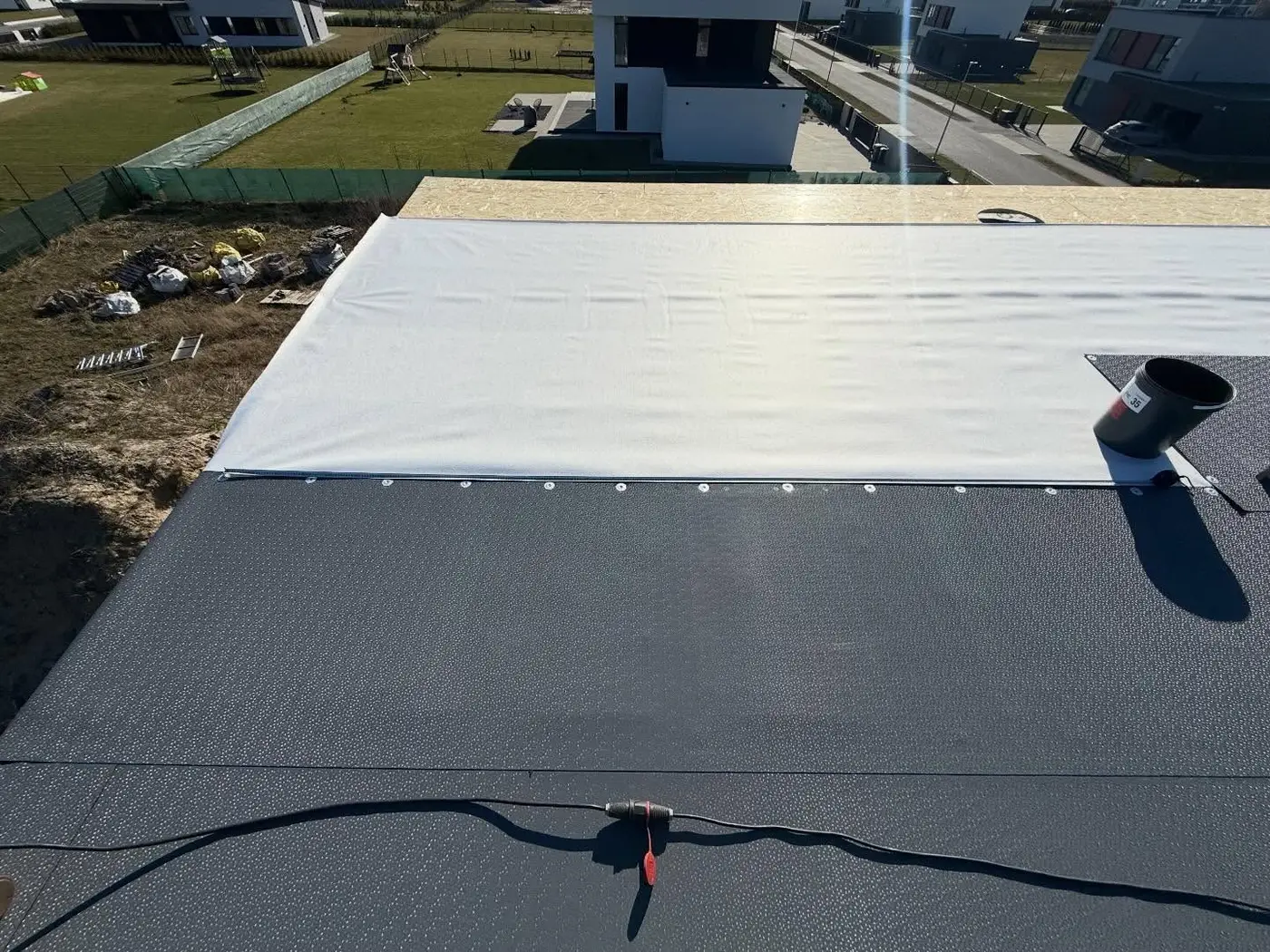
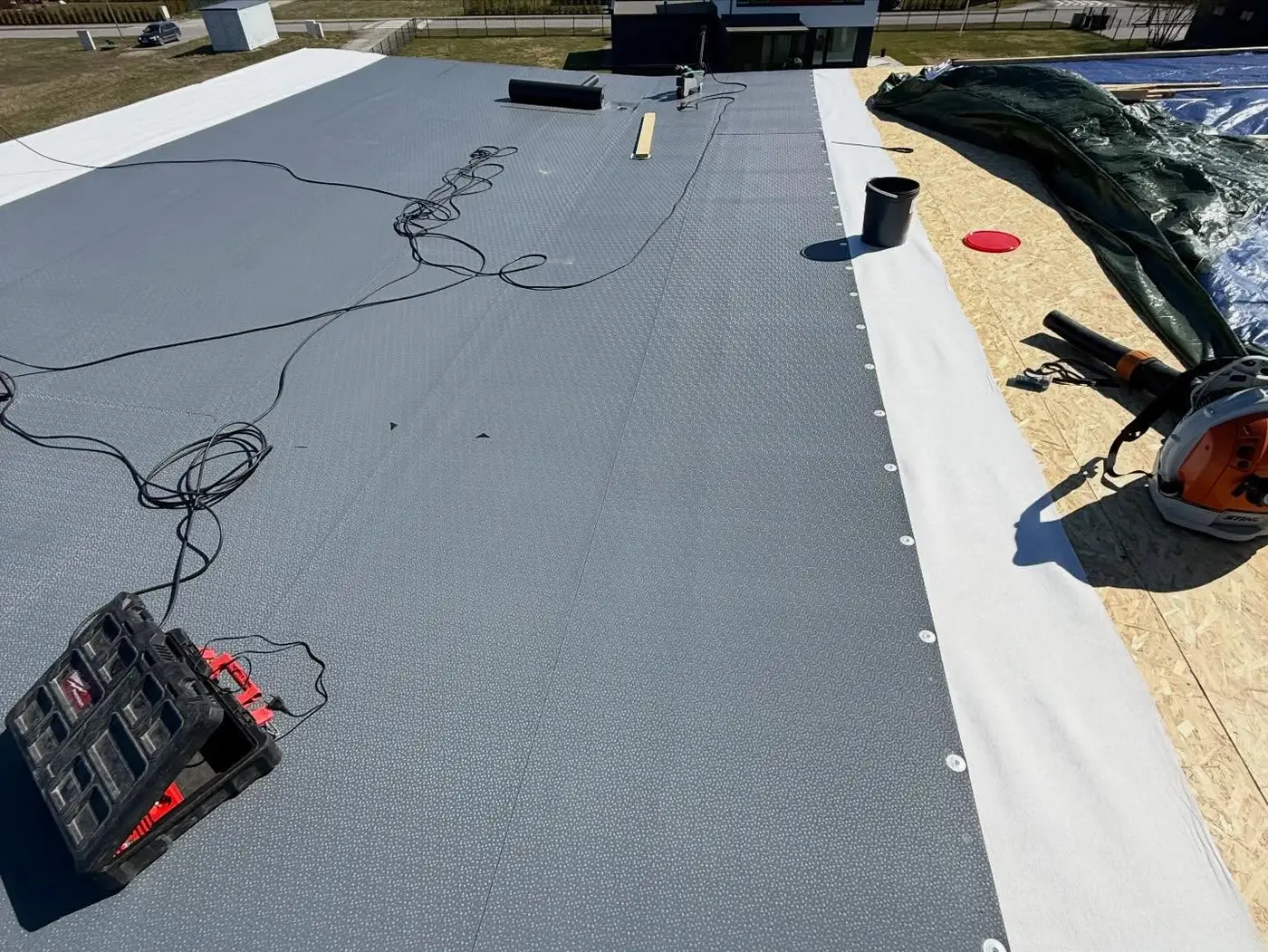
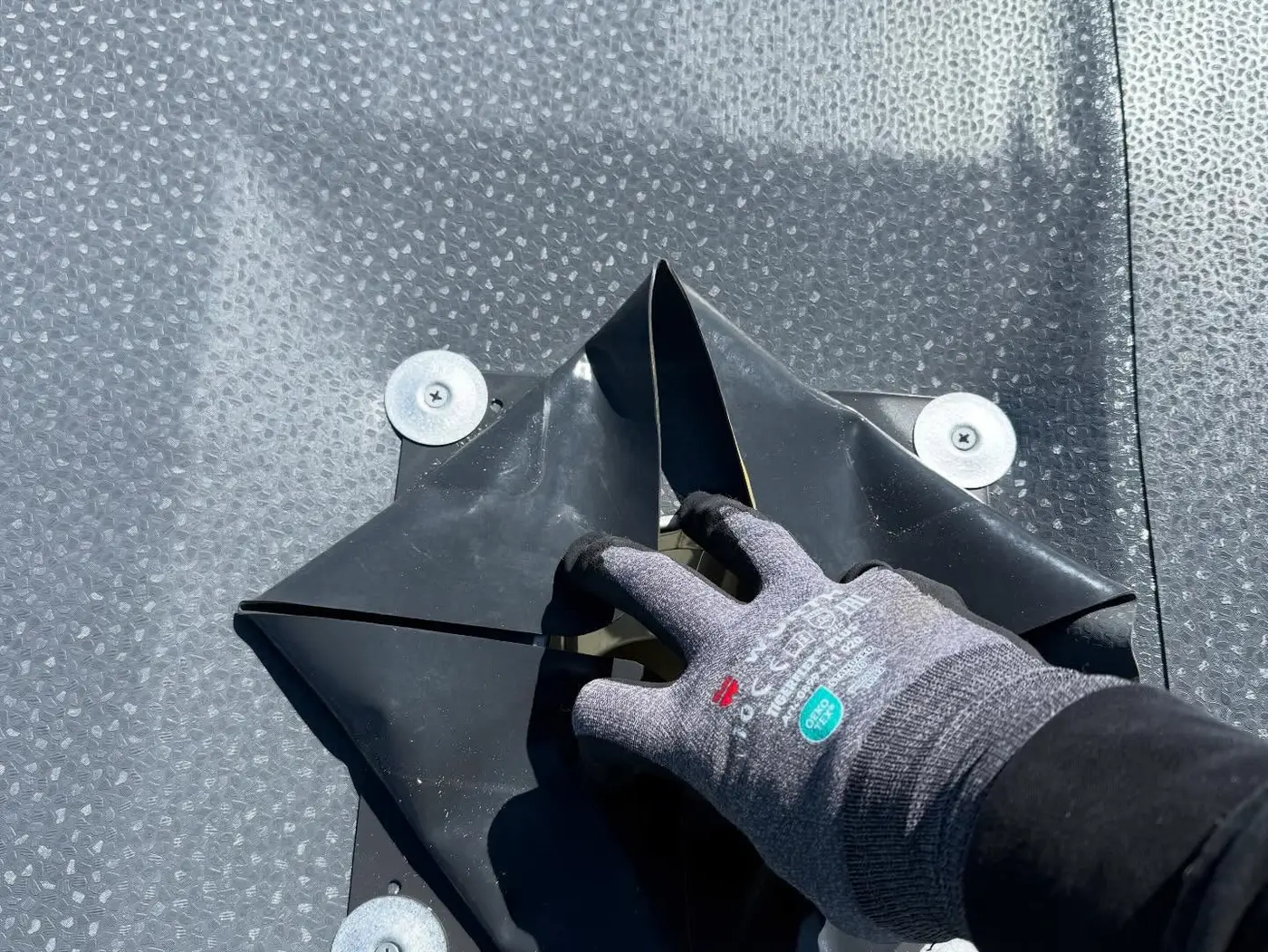
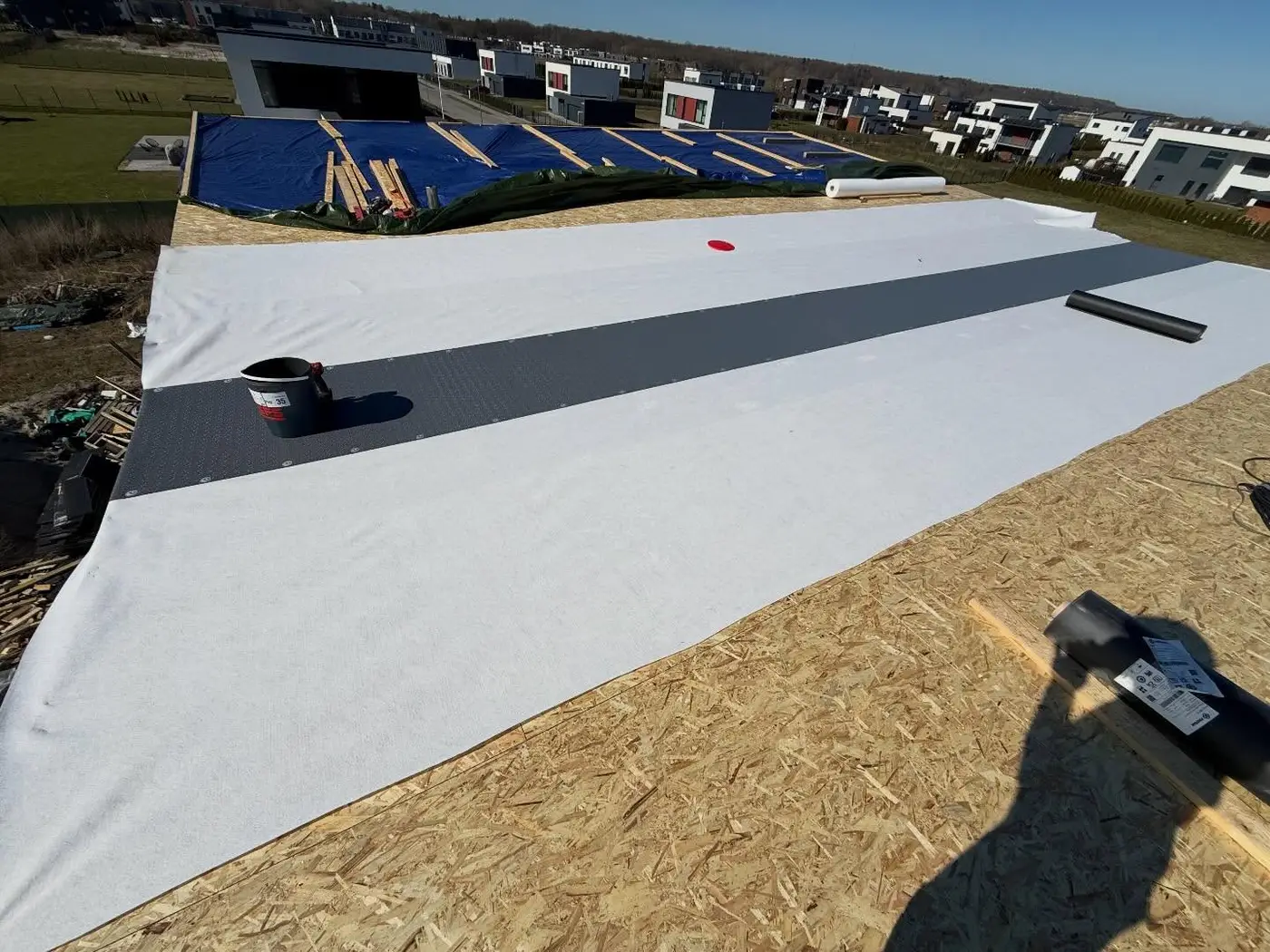
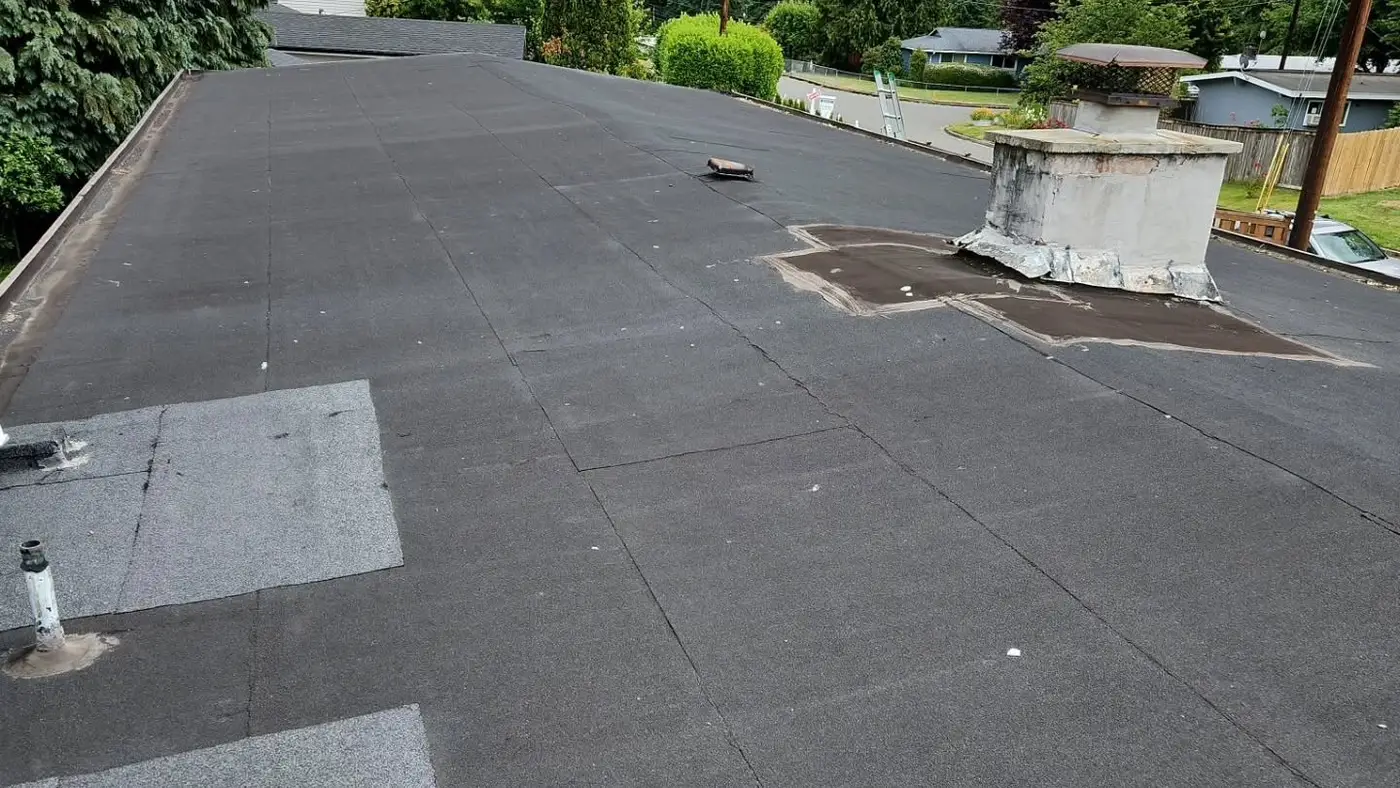
We begin by checking the deck, insulation, drains and the existing layers. PVC can be mechanically attached or fully adhered, and it requires a separation sheet when placed over asphalt-based roofs. Seams are welded with automatic and hand welders, and then probed. Flashing often uses PVC-coated metal, which allows membrane to be welded directly to edge metal, for a clean and secure termination. Tapered insulation can solve drainage problems at the same time. Energy code may set the minimum insulation requirement when a roof is replaced. We include that in the proposal so you know the real cost up front.
Maintaining and repairing PVC
Maintenance is similar to other single-ply roofs: keep drains clear, remove debris and check seams, flashings and penetrations twice a year. Clean the surface before welding a patch, and use compatible PVC materials. Solvent or chemical spills should be cleaned up quickly and noted during the next inspection. Sharp hail or dropped tools can puncture the sheet, so walkway pads near equipment are a smart addition. If leaks are already showing up, read flat roof repair. For decisions across a whole property, see commercial roofing.
Related services
PVC is a common specification for restaurants and other demanding buildings in our commercial roofing work. For leaks on an existing roof, see flat roof repair. If grease and chemicals are not a concern, TPO roofing may cost less.
Recent pvc roofing projects
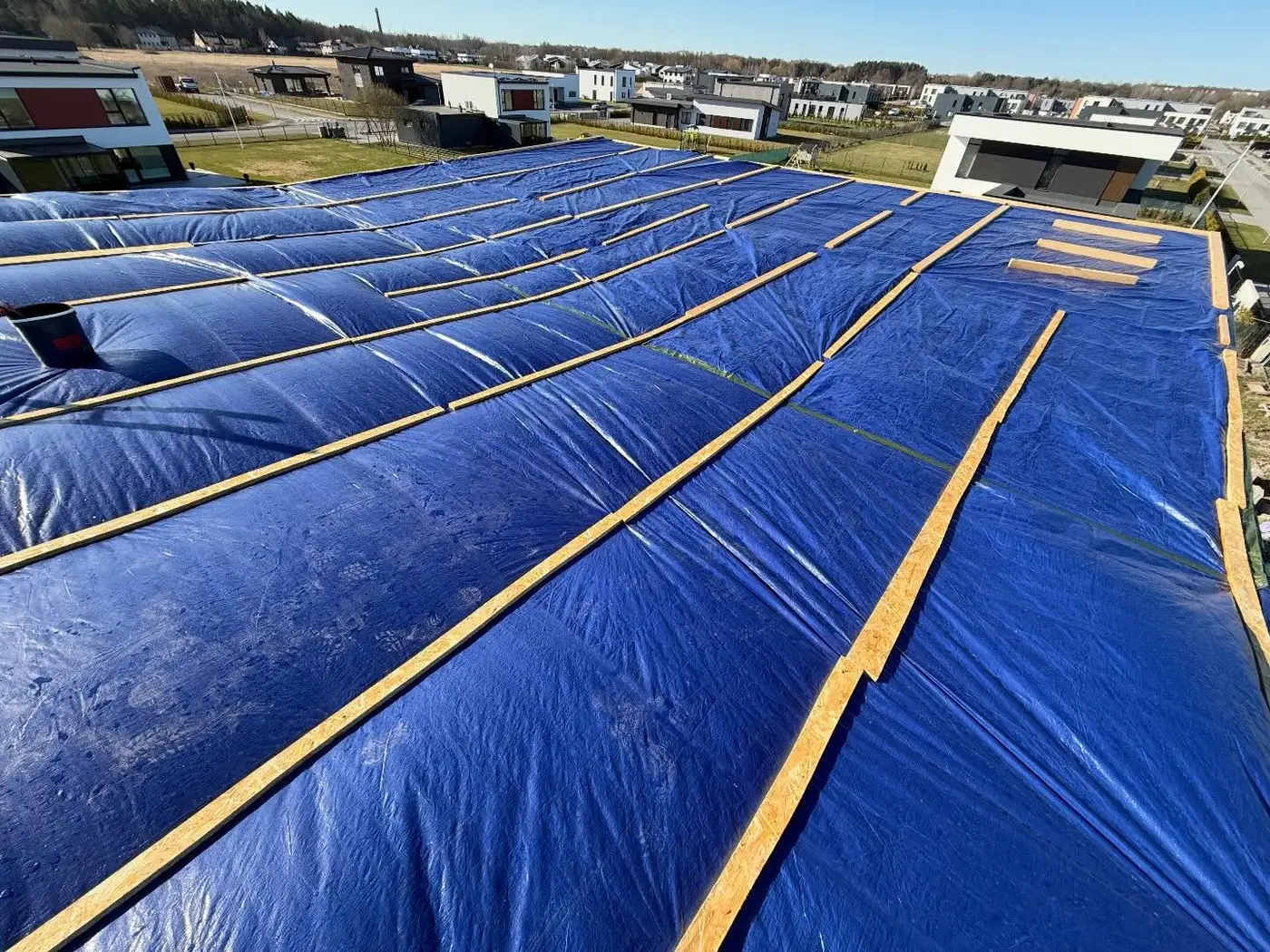
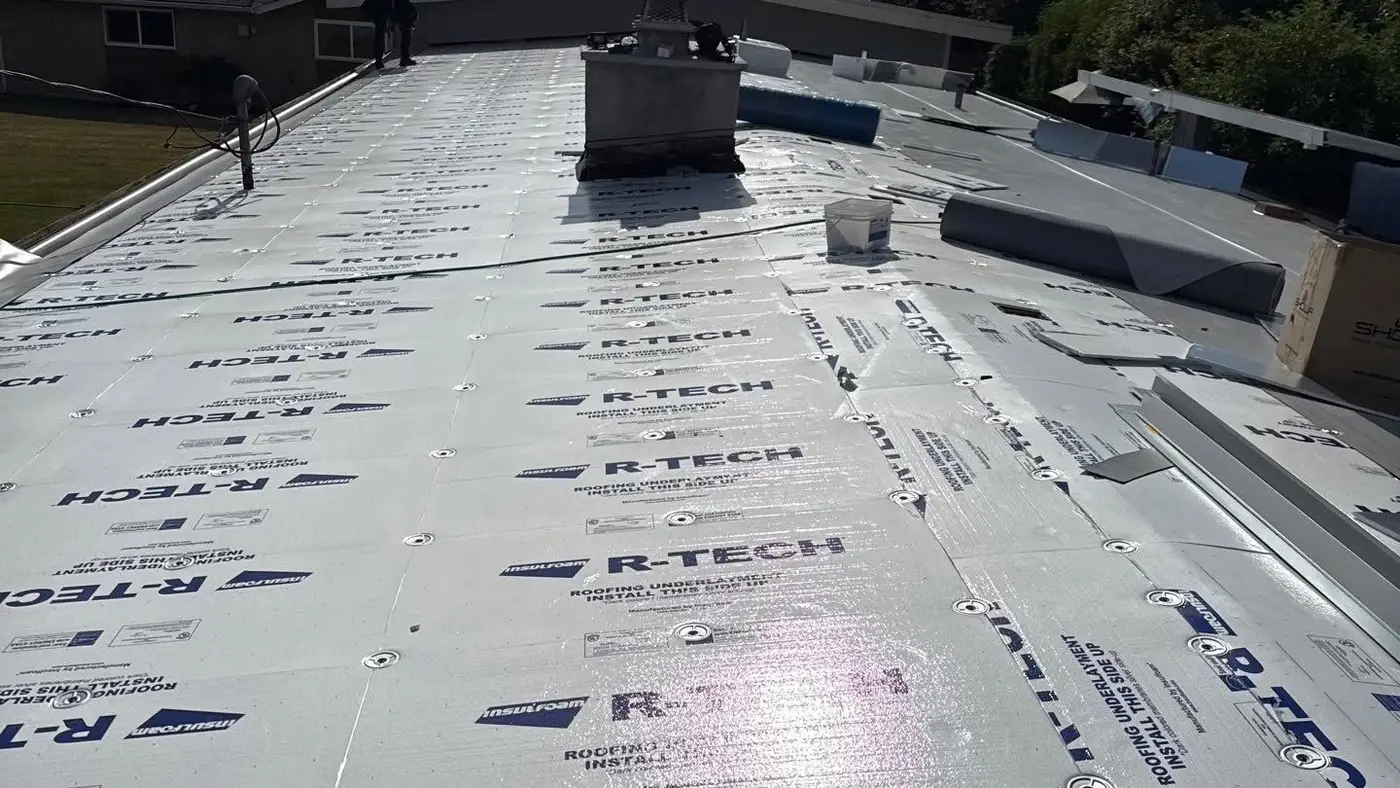
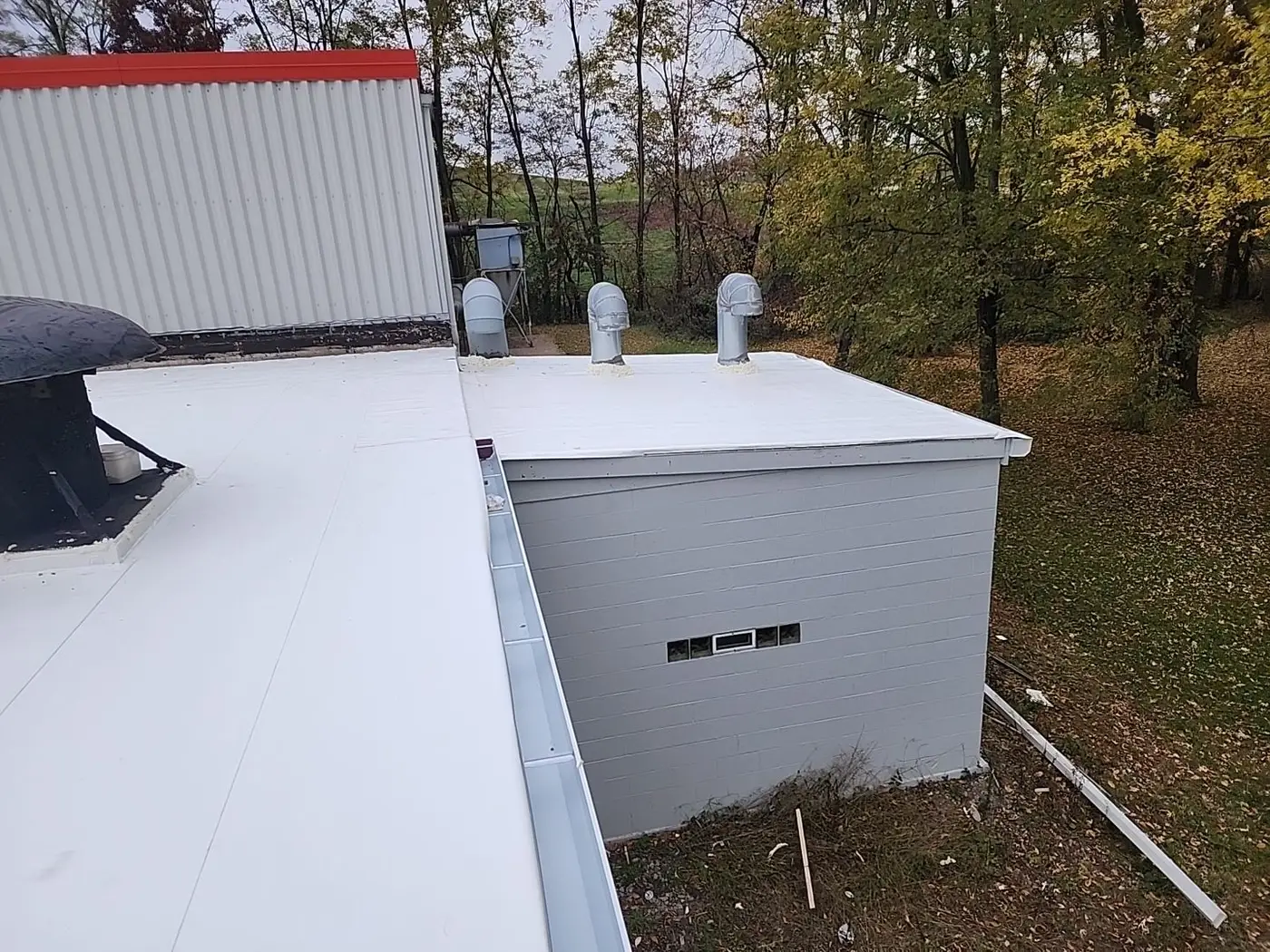
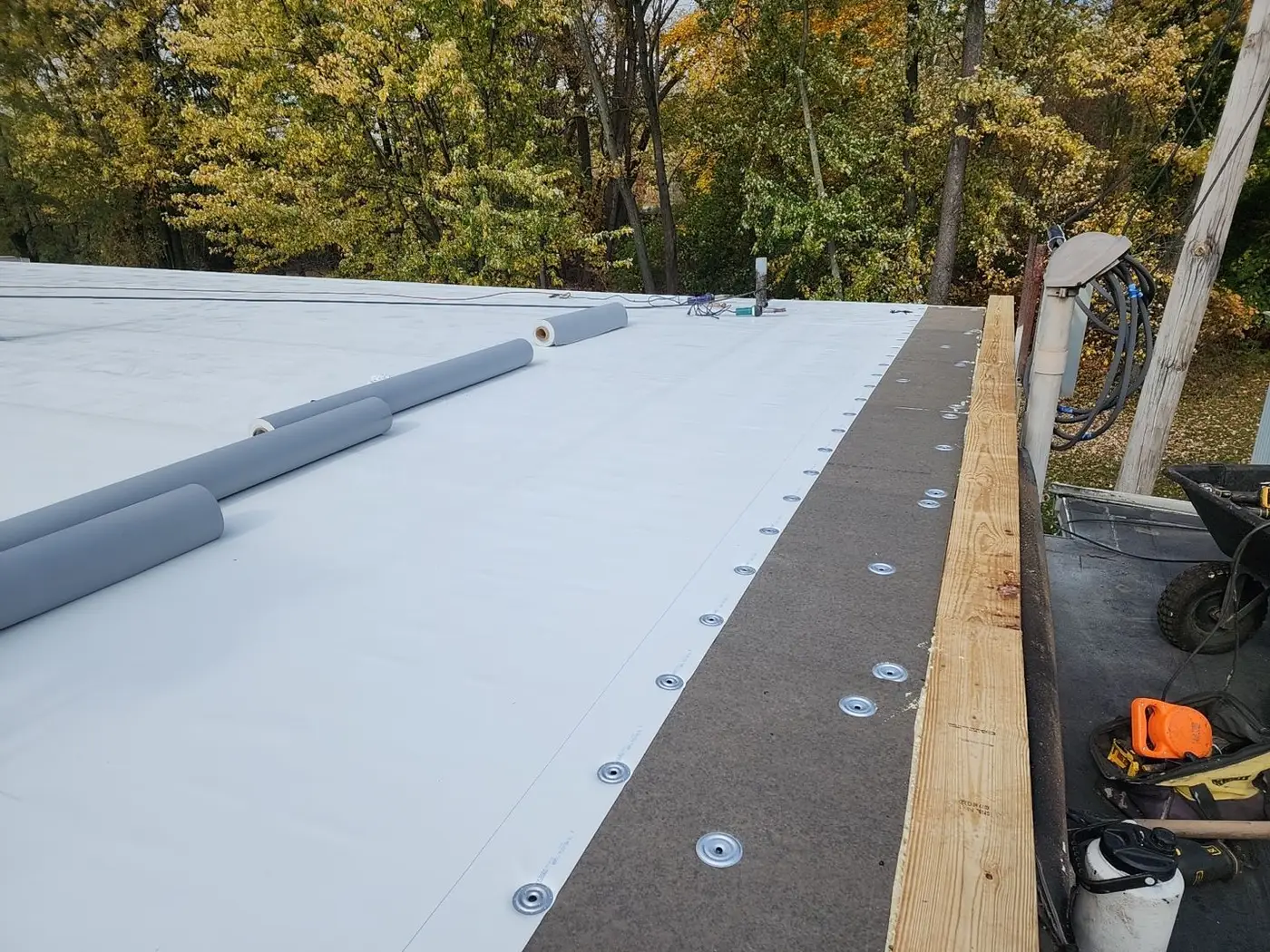
Fastened Membrane Over a New Roof Deck
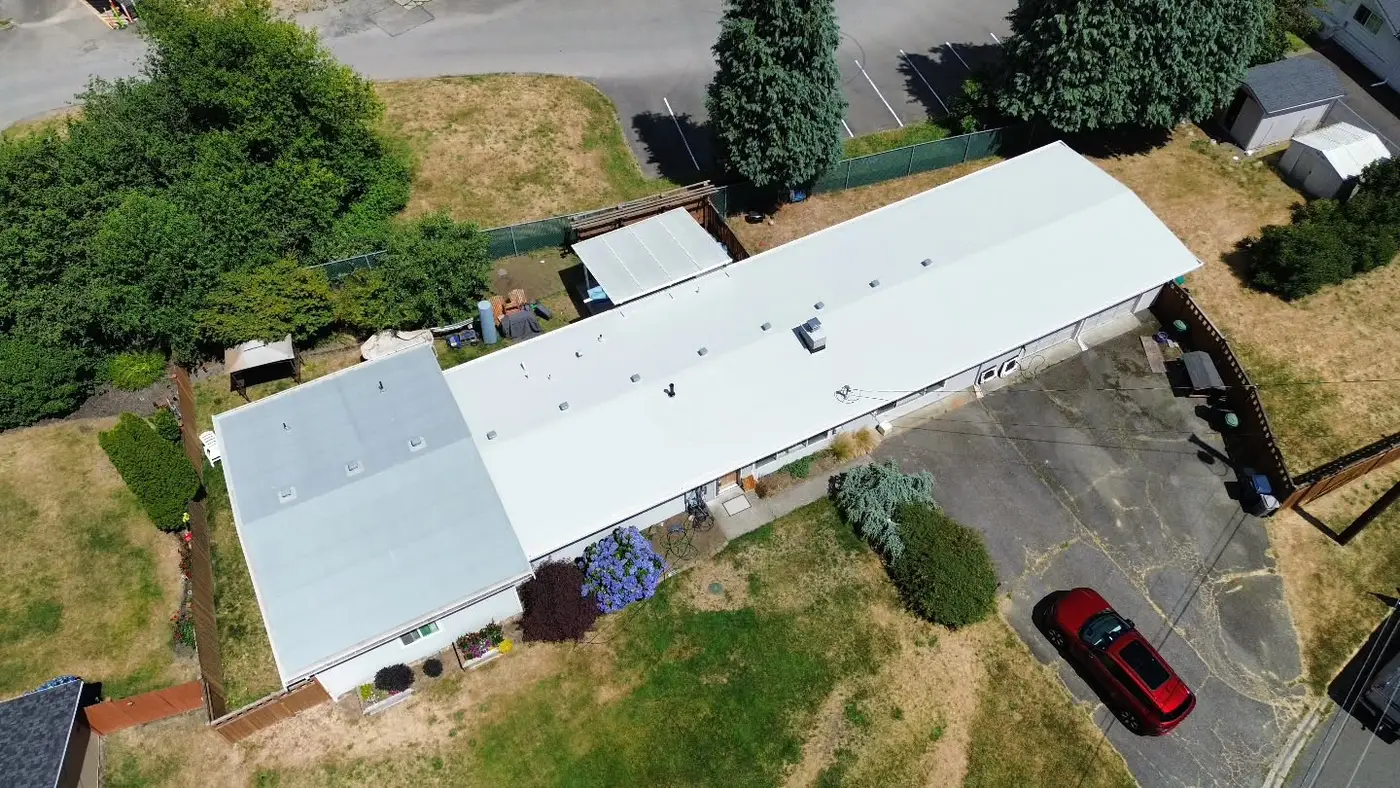
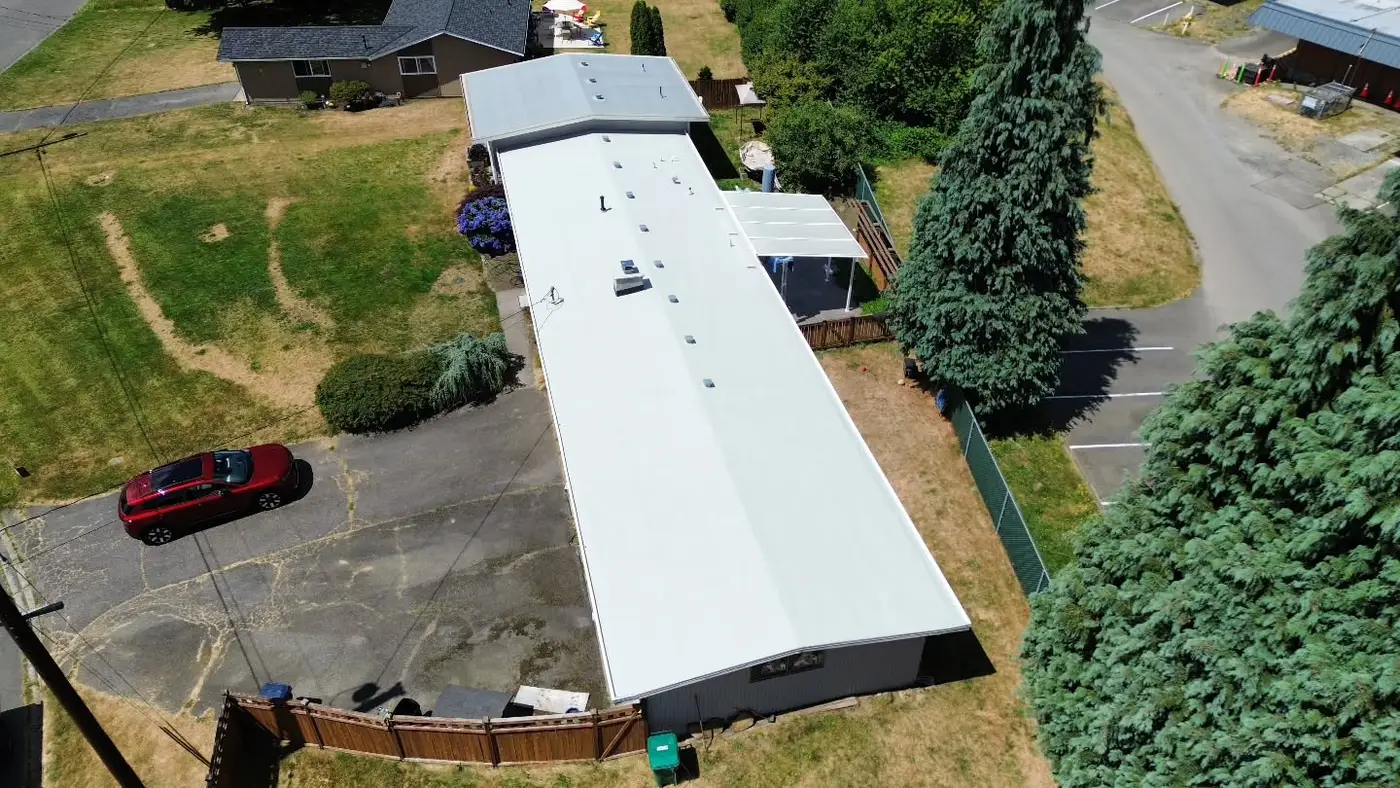
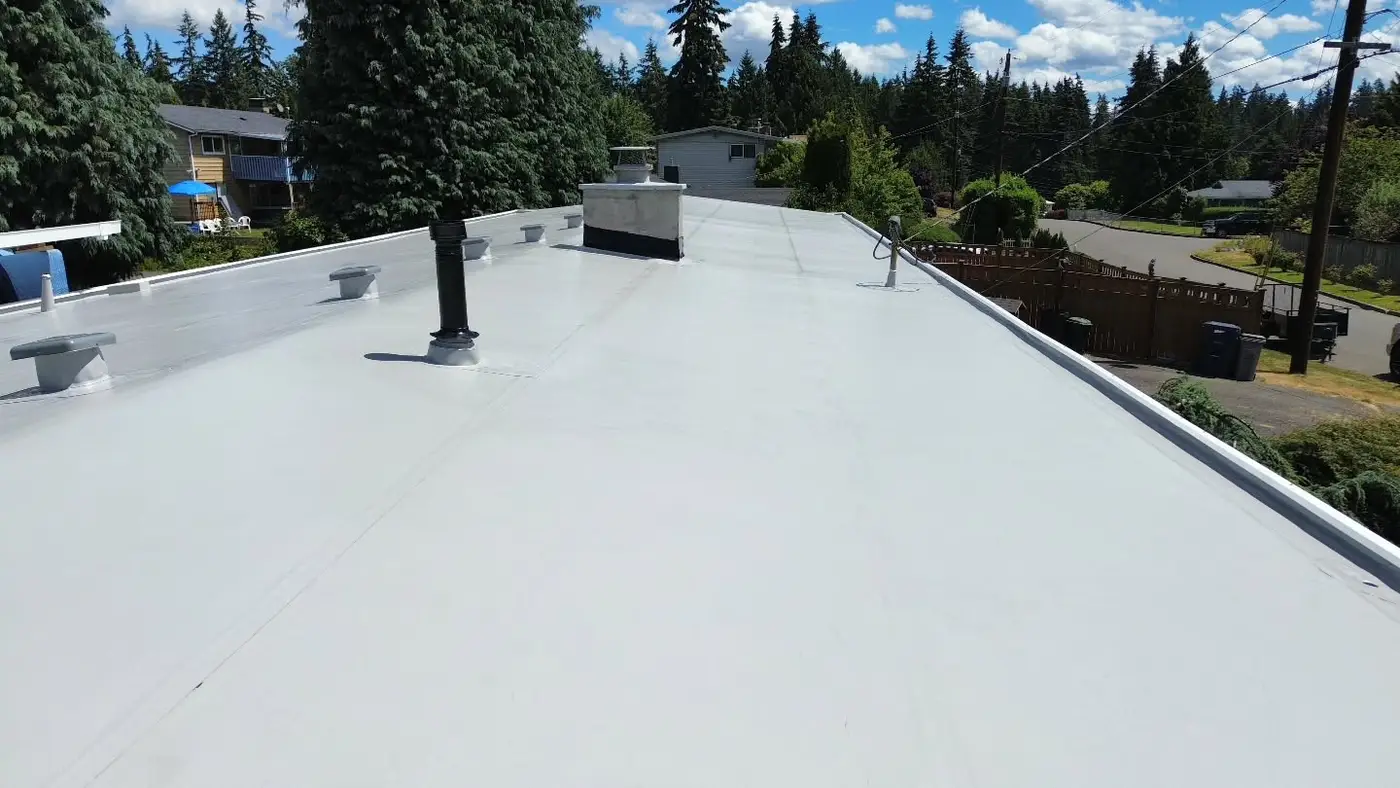
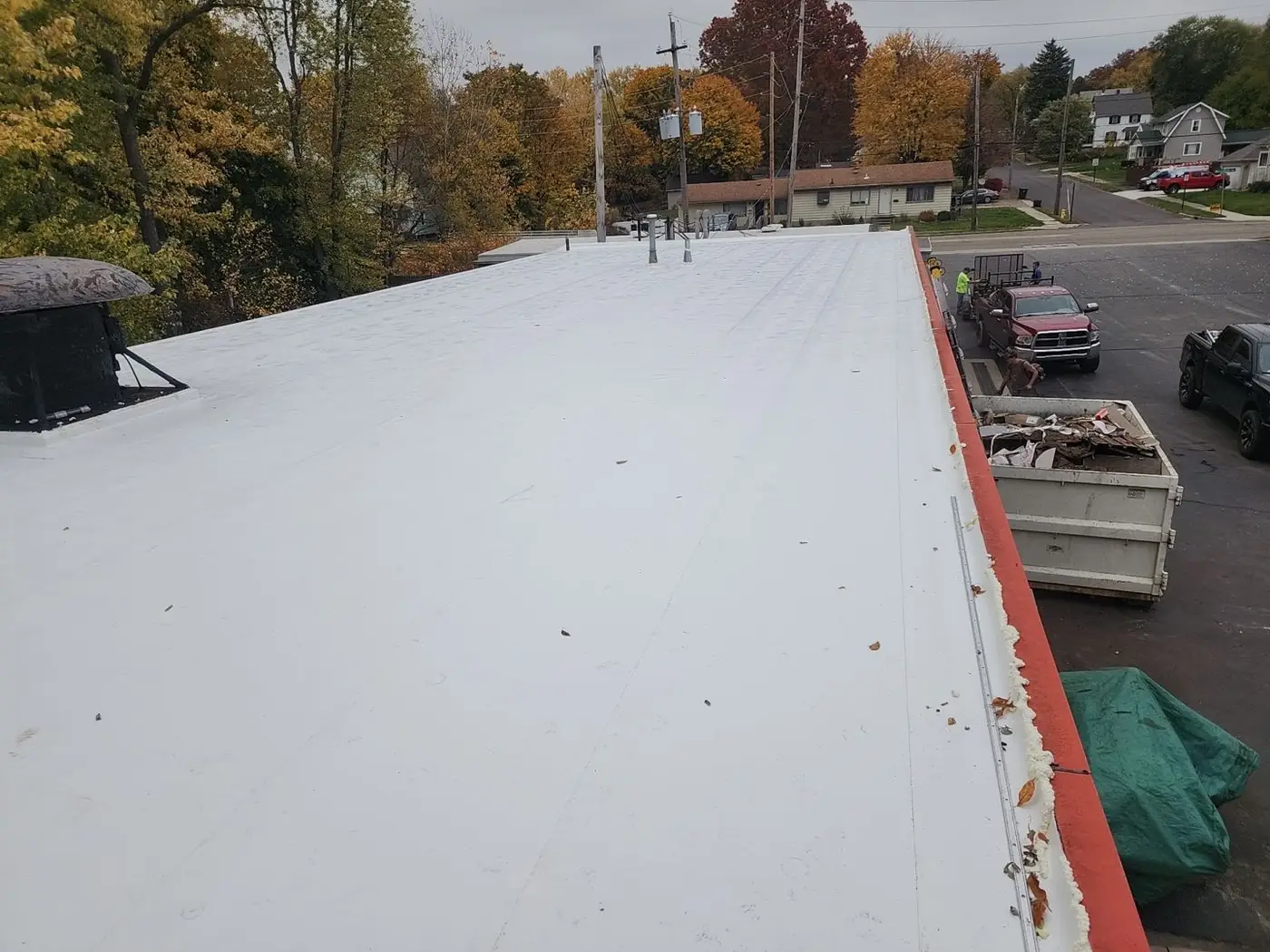
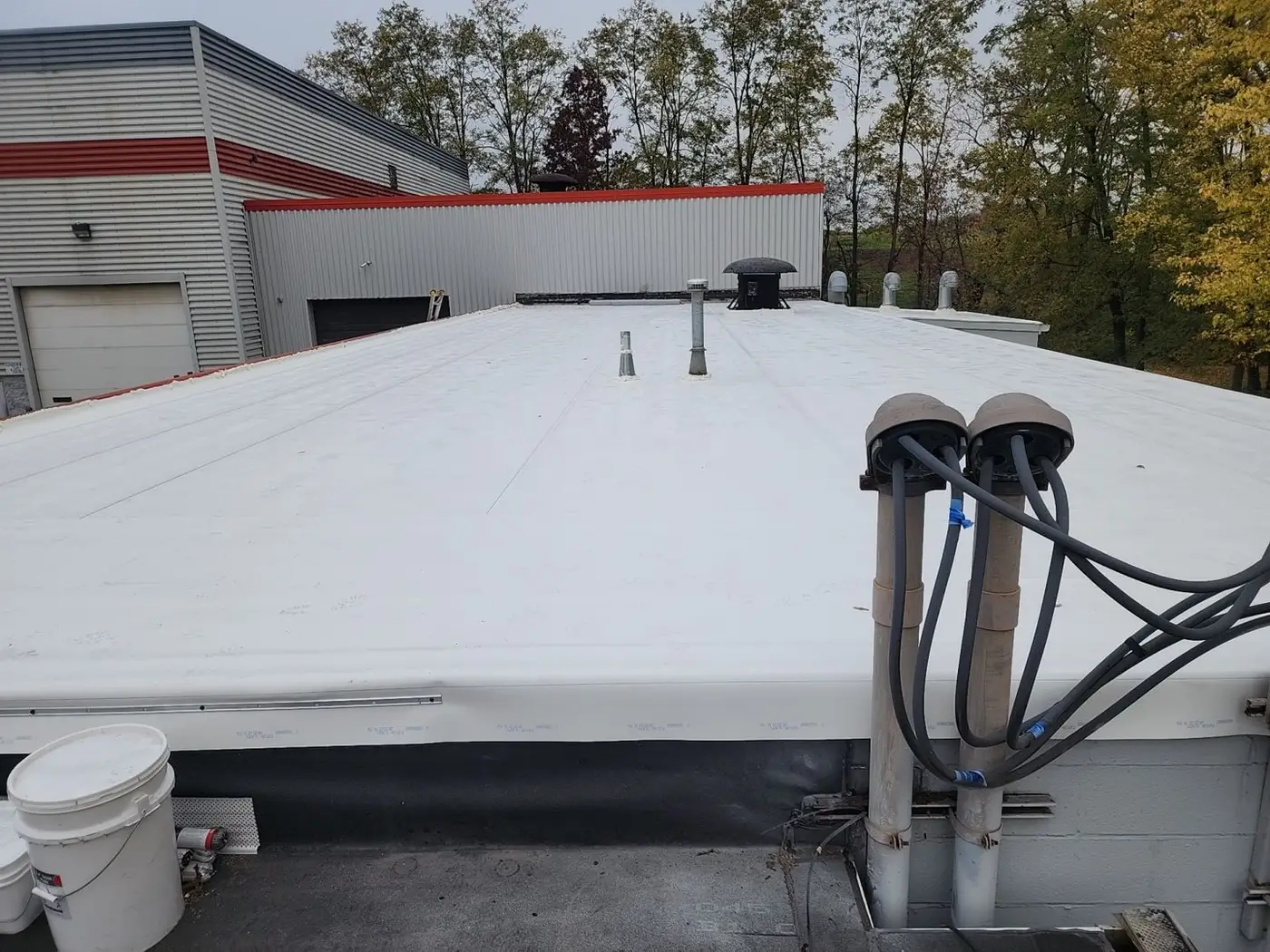
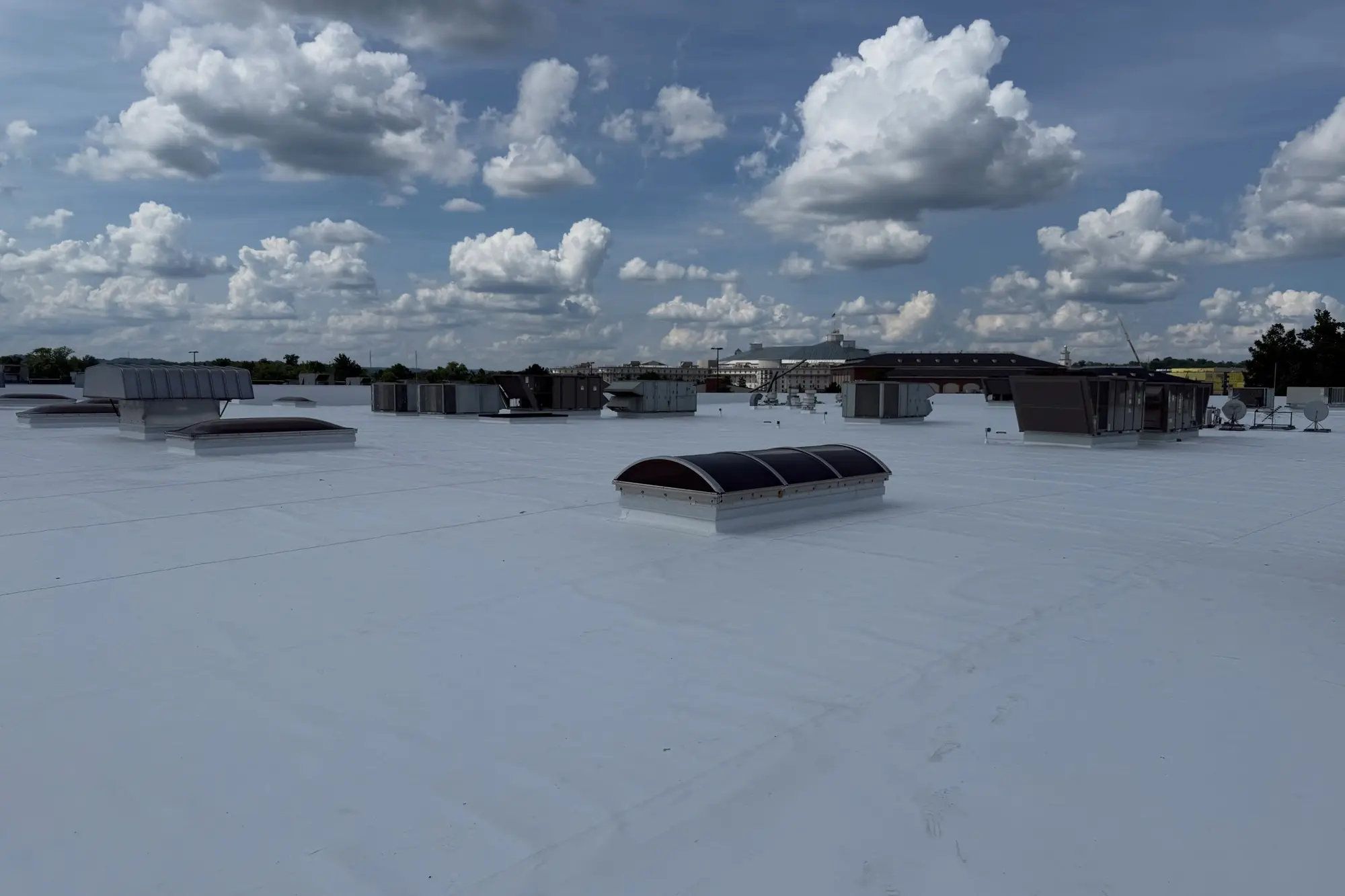
White Membrane on a Long Multi-Unit Building
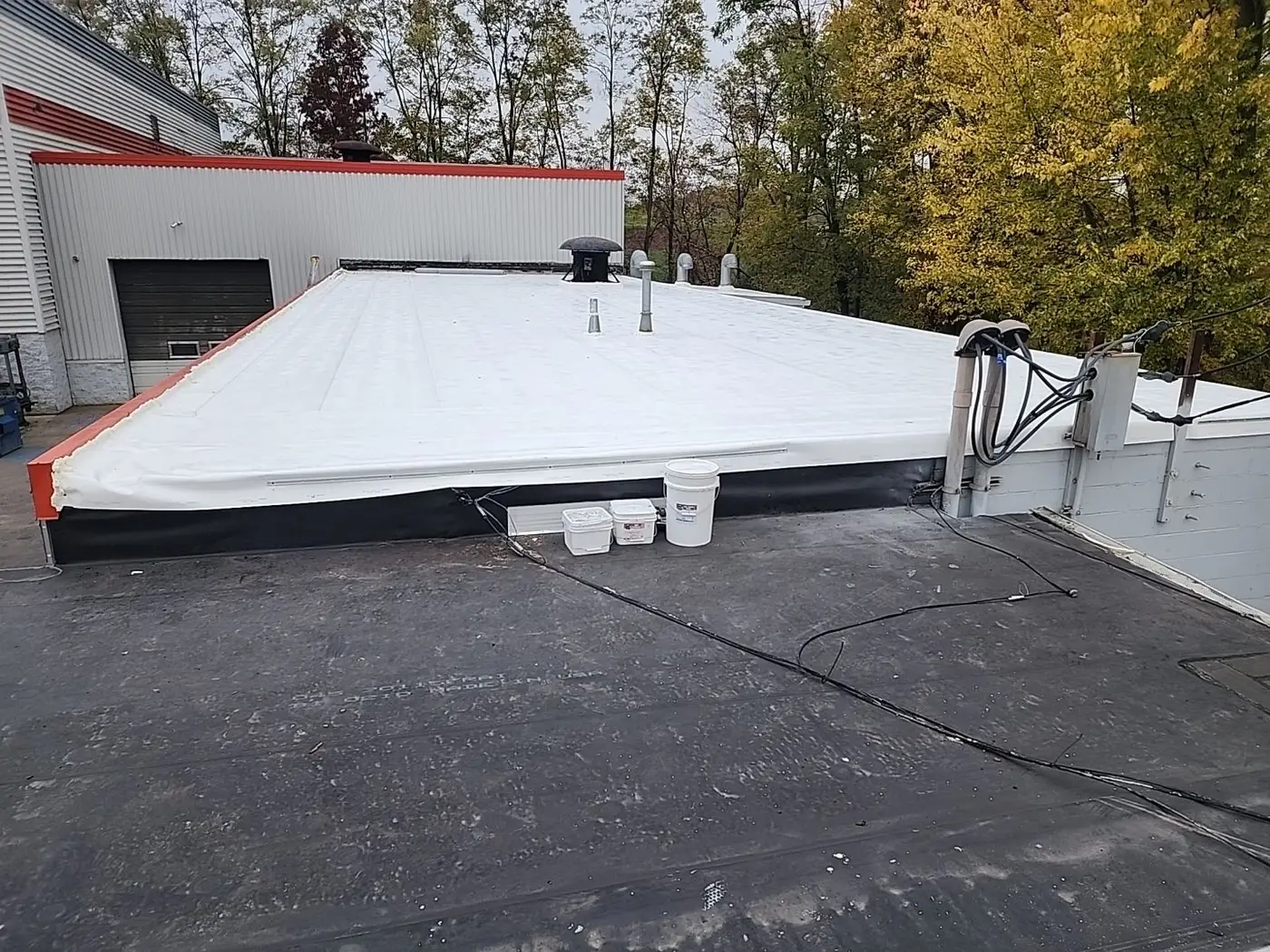
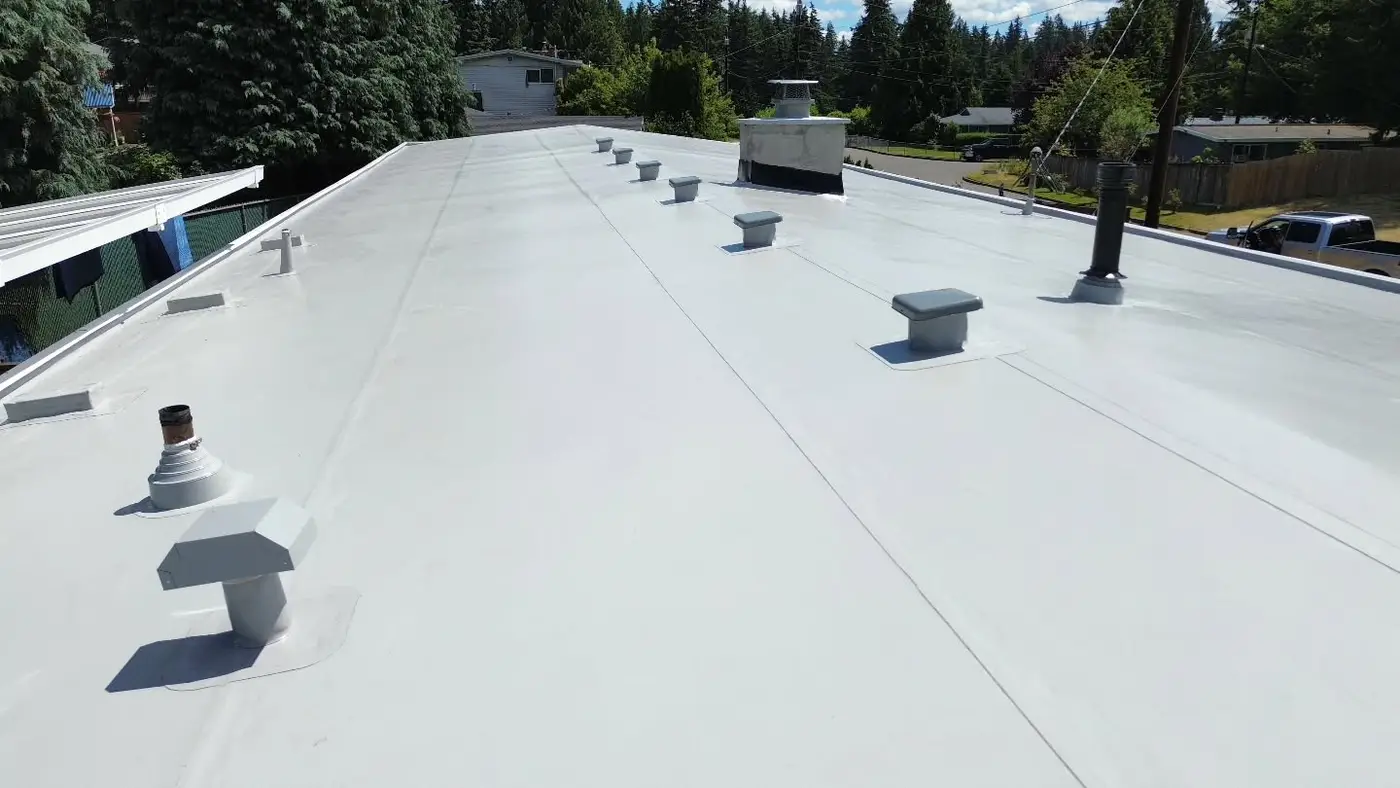
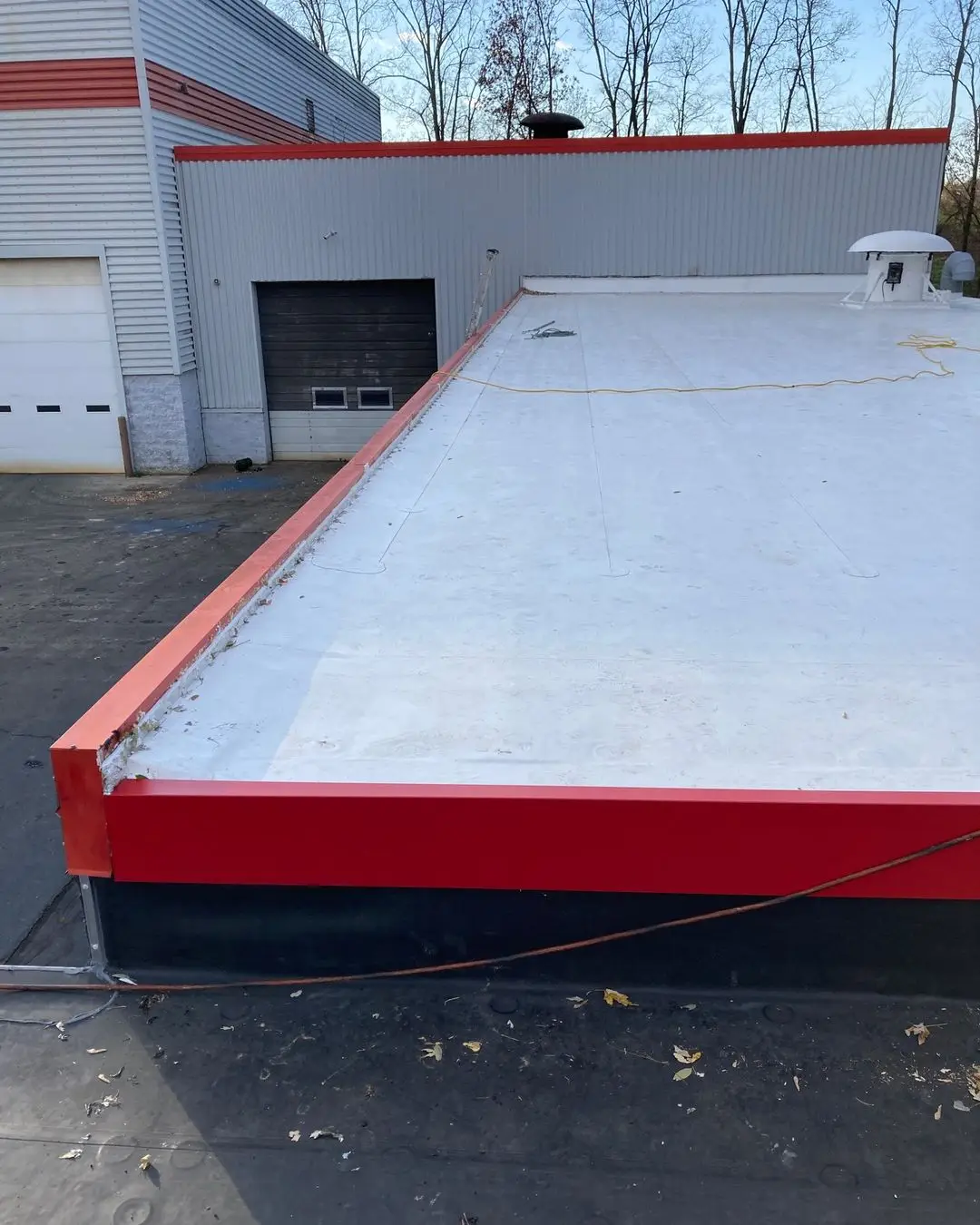
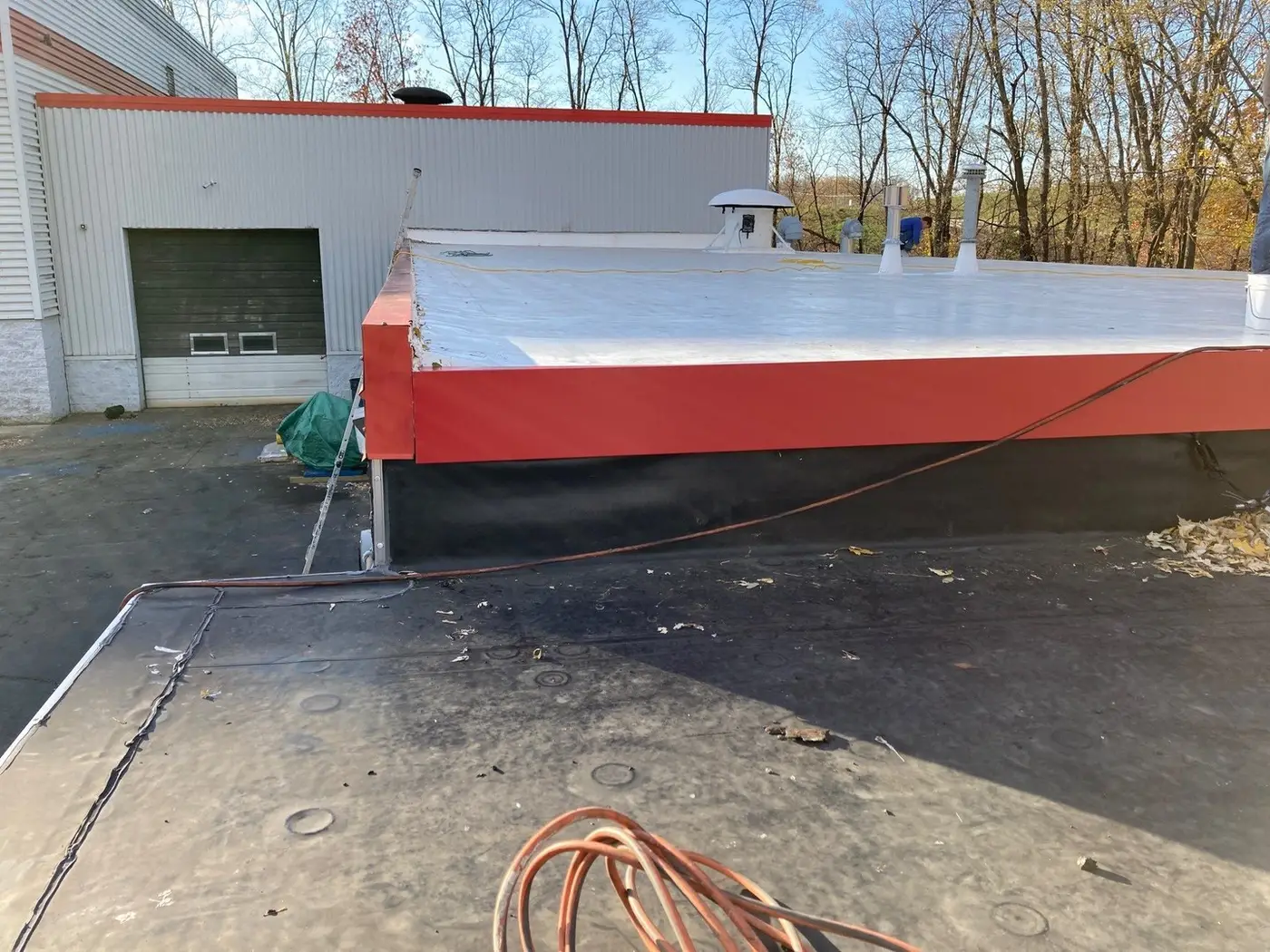
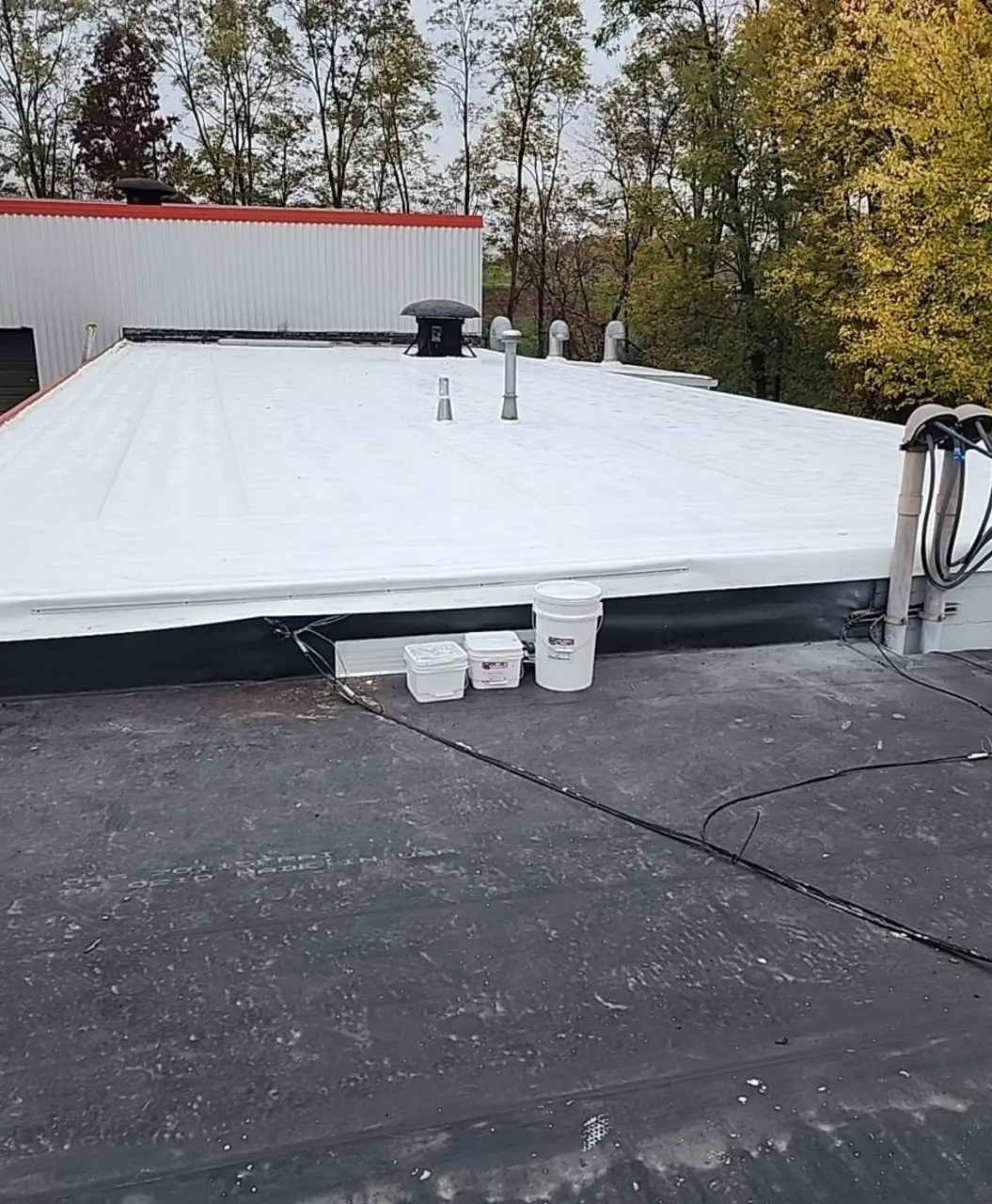
White Membrane with Red Metal Edge on a Shop
See all of our roofing projects
Frequently asked questions
How is PVC different from TPO?
Is PVC good for restaurants?
Yes. It handles grease exposure well, though grease containment and regular cleaning still matter.
Can PVC be repaired years later?
Generally, though older membrane must be properly cleaned before welding, and very old material can be difficult to bond.
How much does a PVC roof cost in Tulsa?
PVC commonly costs $8 to $14 per square foot installed, with tear-off and insulation as the largest variables. Complex roofs with many penetrations can cost more.
How long does a PVC roof last?
Quality PVC commonly lasts about 20 to 30 years with maintenance. Membrane thickness, formulation and grease exposure all affect the actual life of the roof.
Is PVC better than TPO?
It depends on the building. PVC handles grease and chemicals better and is usually easier to weld when older, while TPO often costs less where those exposures do not exist.
Can PVC be installed over an old asphalt roof?
Only with a proper separation layer and if the existing roof is dry and code allows it. PVC should not touch asphalt directly.