

Yes, within the manufacturer's minimum pitch and using the correct mechanically seamed profile and underlayment.

Asphalt Shingle Roofing
Metal Roofing
Standing Seam Metal Roof
Metal Roof Retrofit
Clay Tile Roofing
Concrete Tile Roofing
Slate Roof Repair
Wood Shake Roofing
All Services
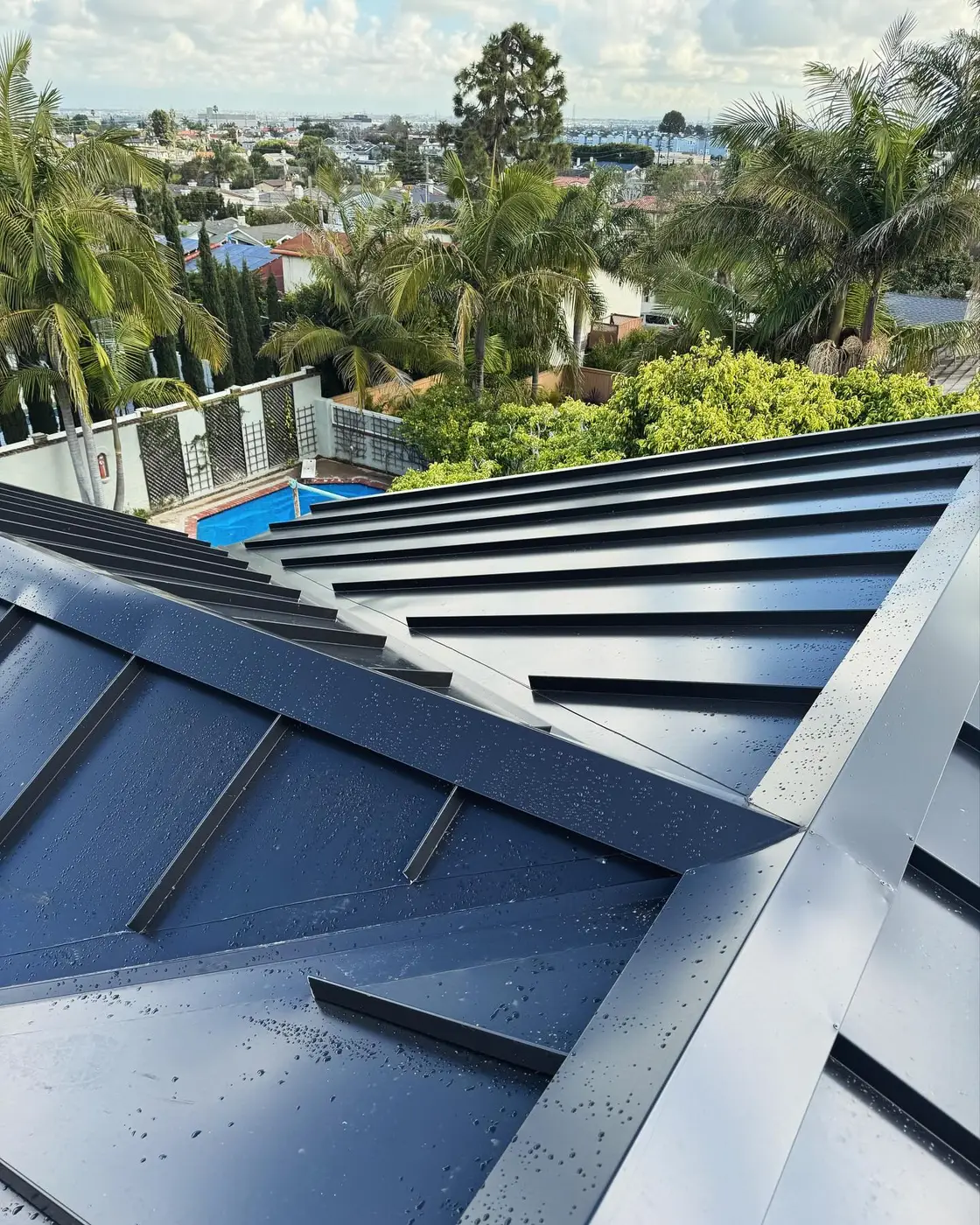
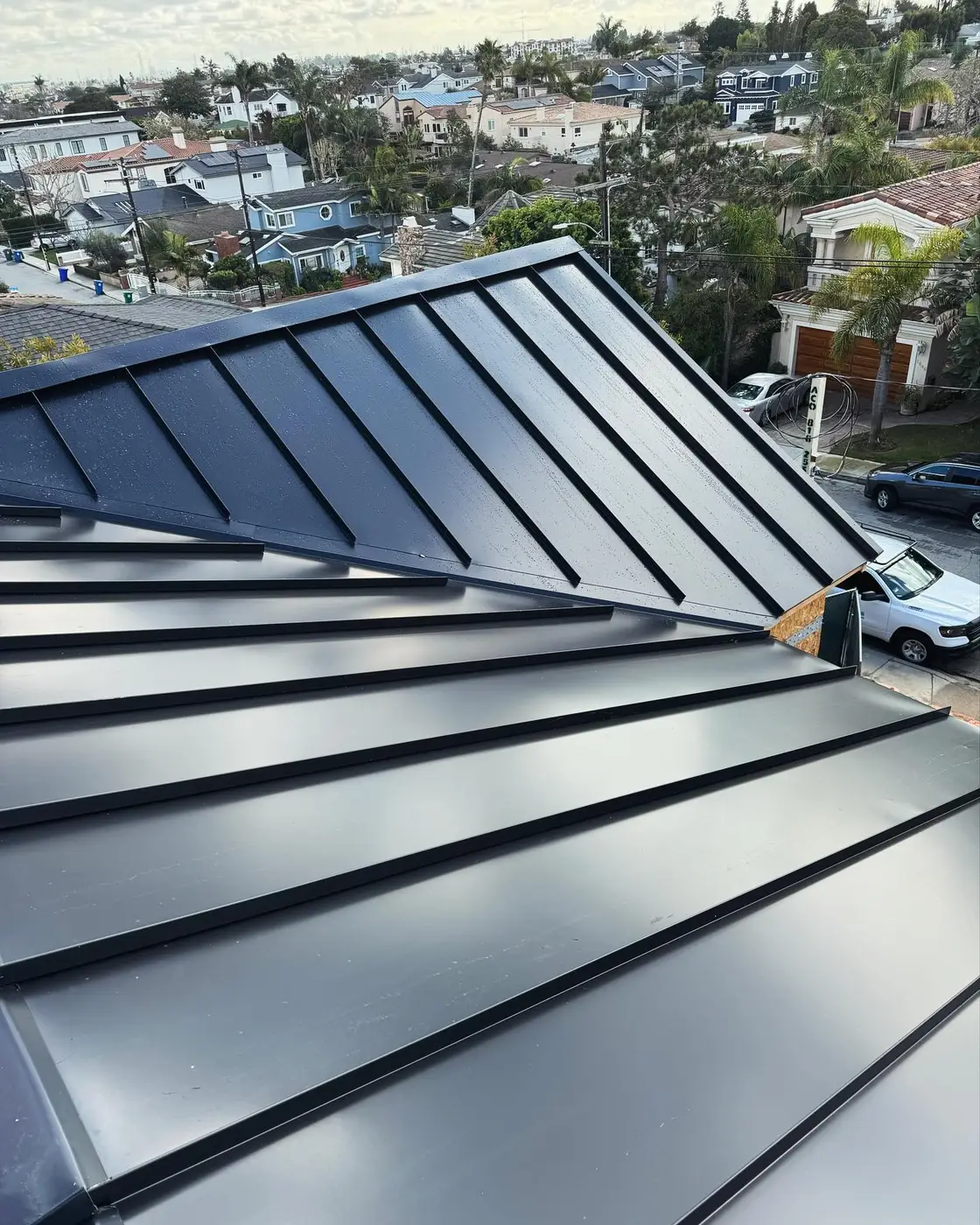
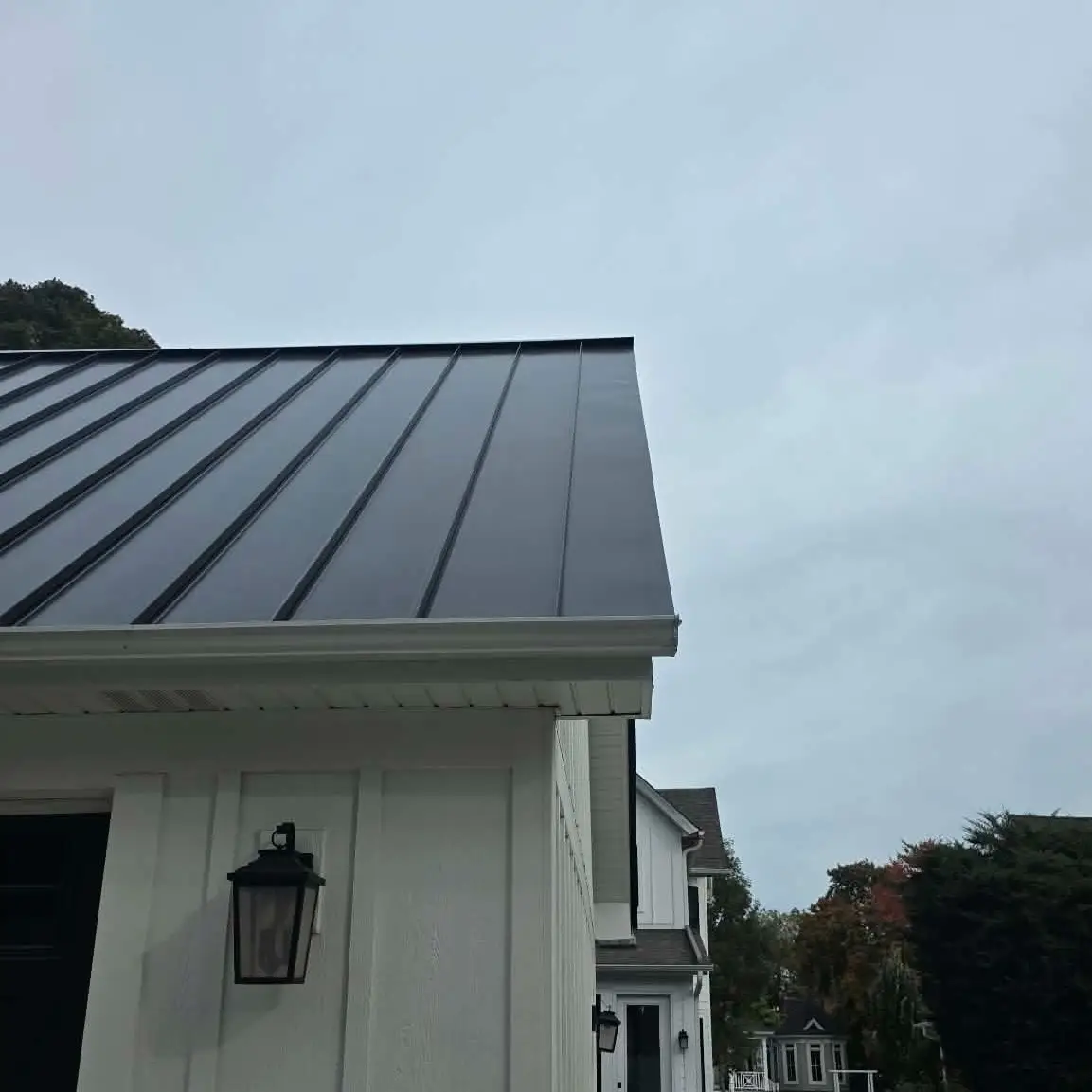
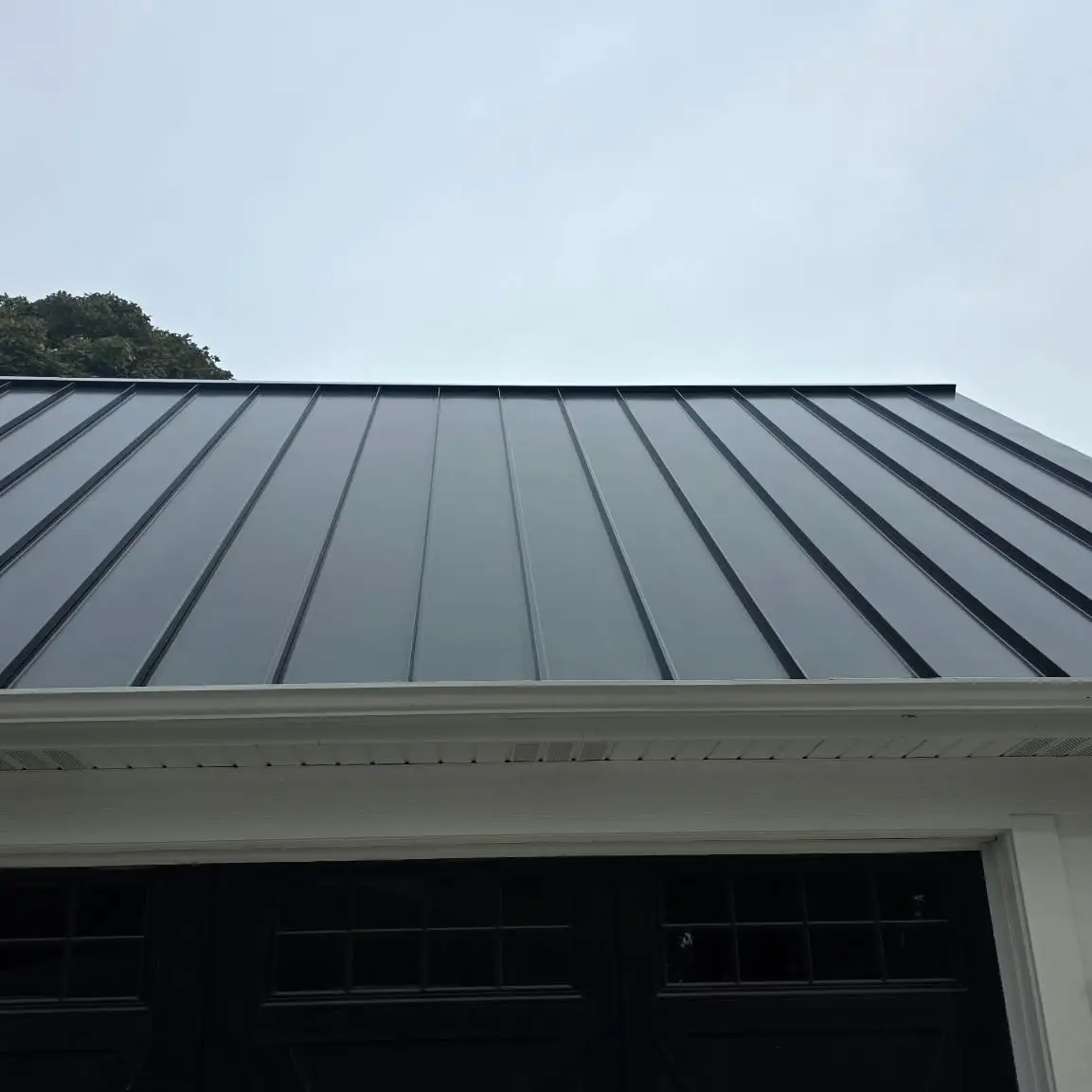
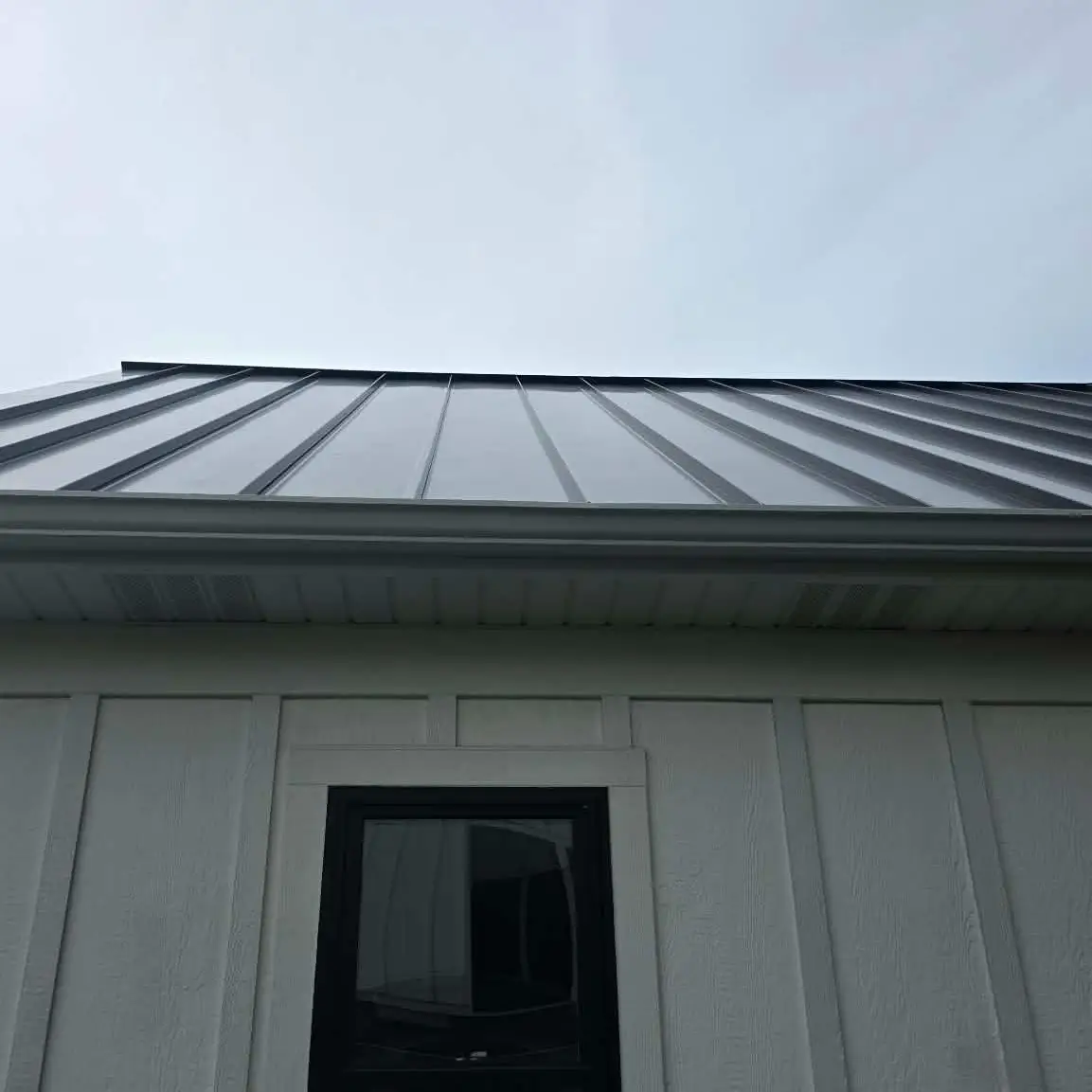
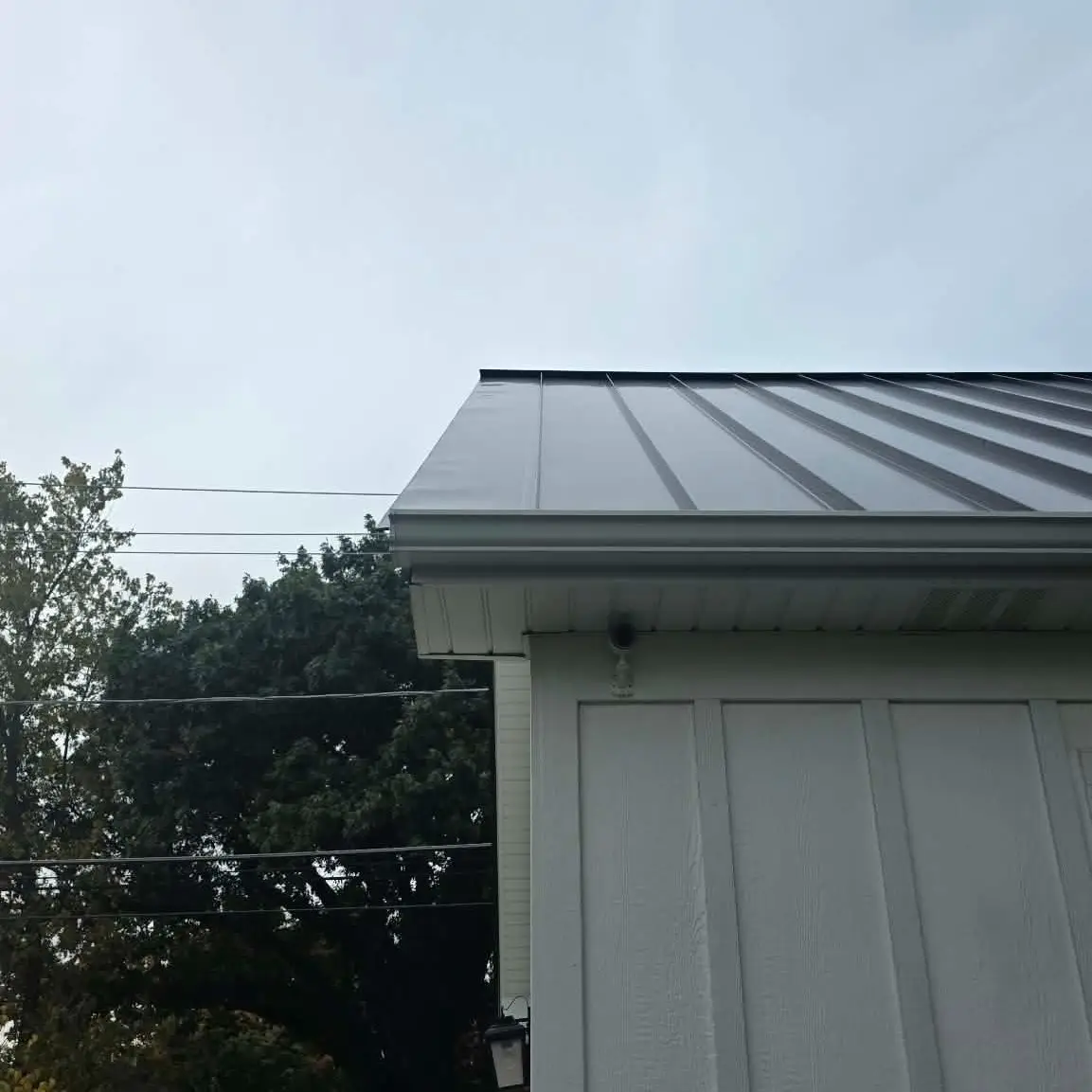
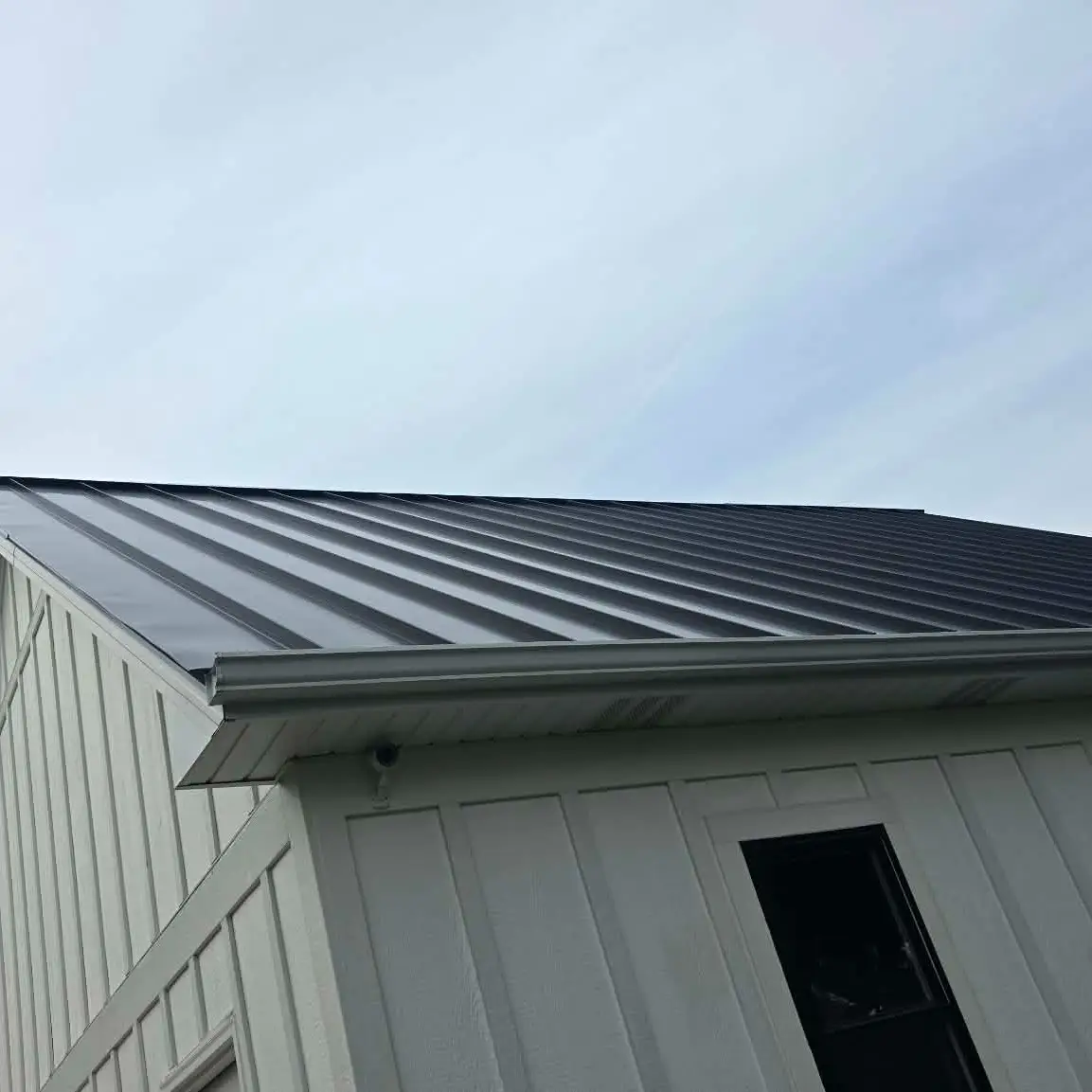
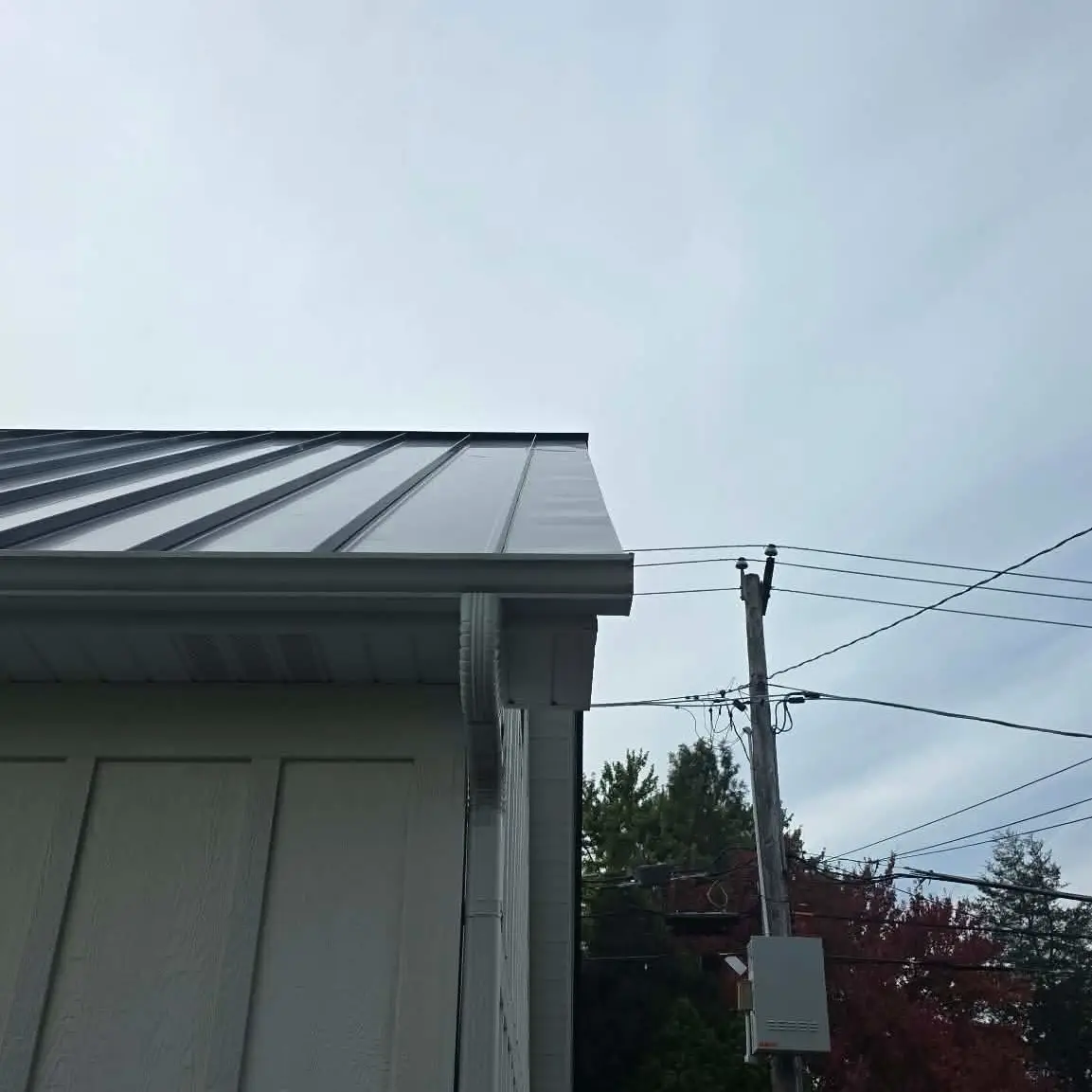
Standing seam panels run from ridge to eave with raised seams and hidden clips. With no exposed screws to back out and more room for expansion, this is the premium option in metal roofing.
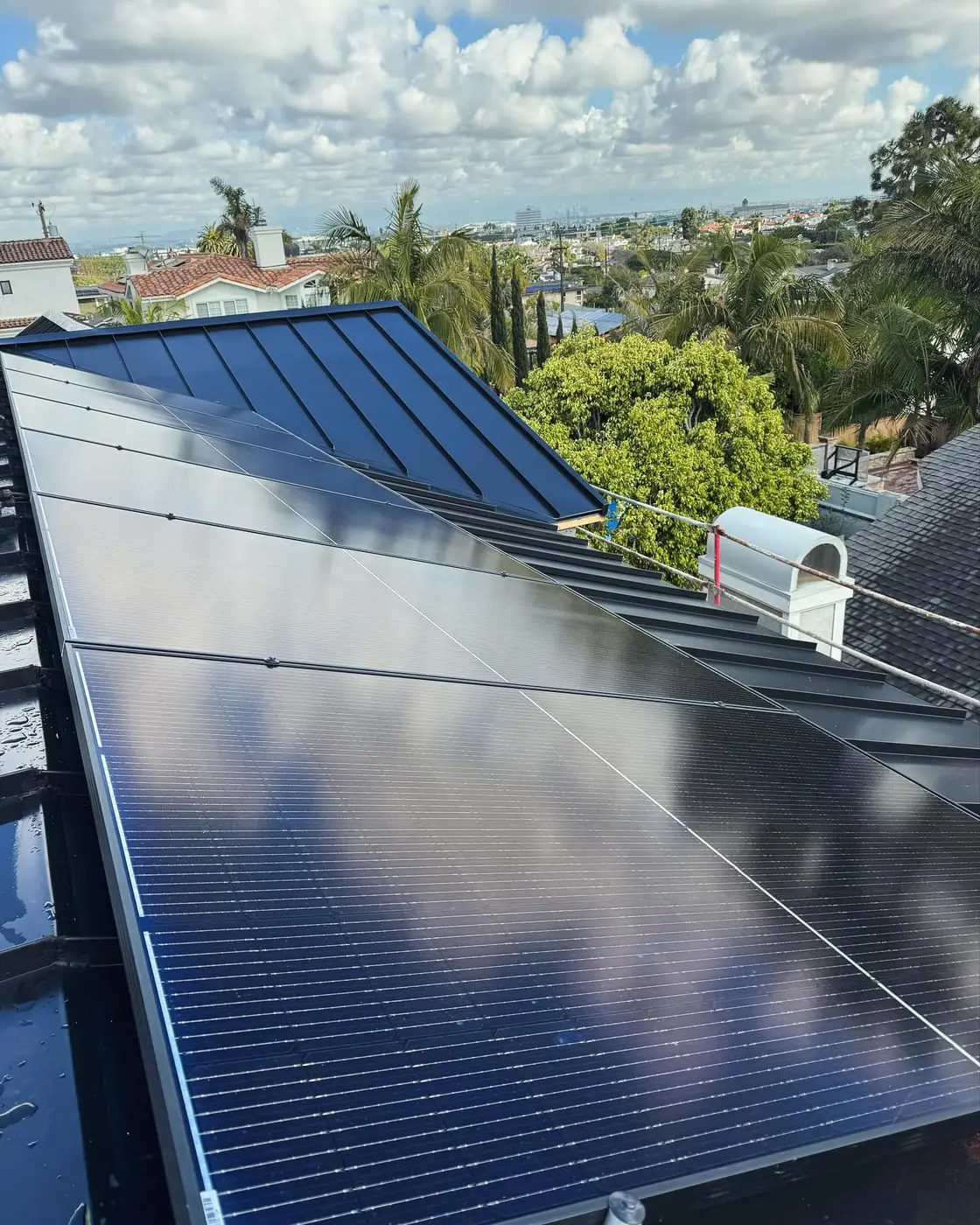
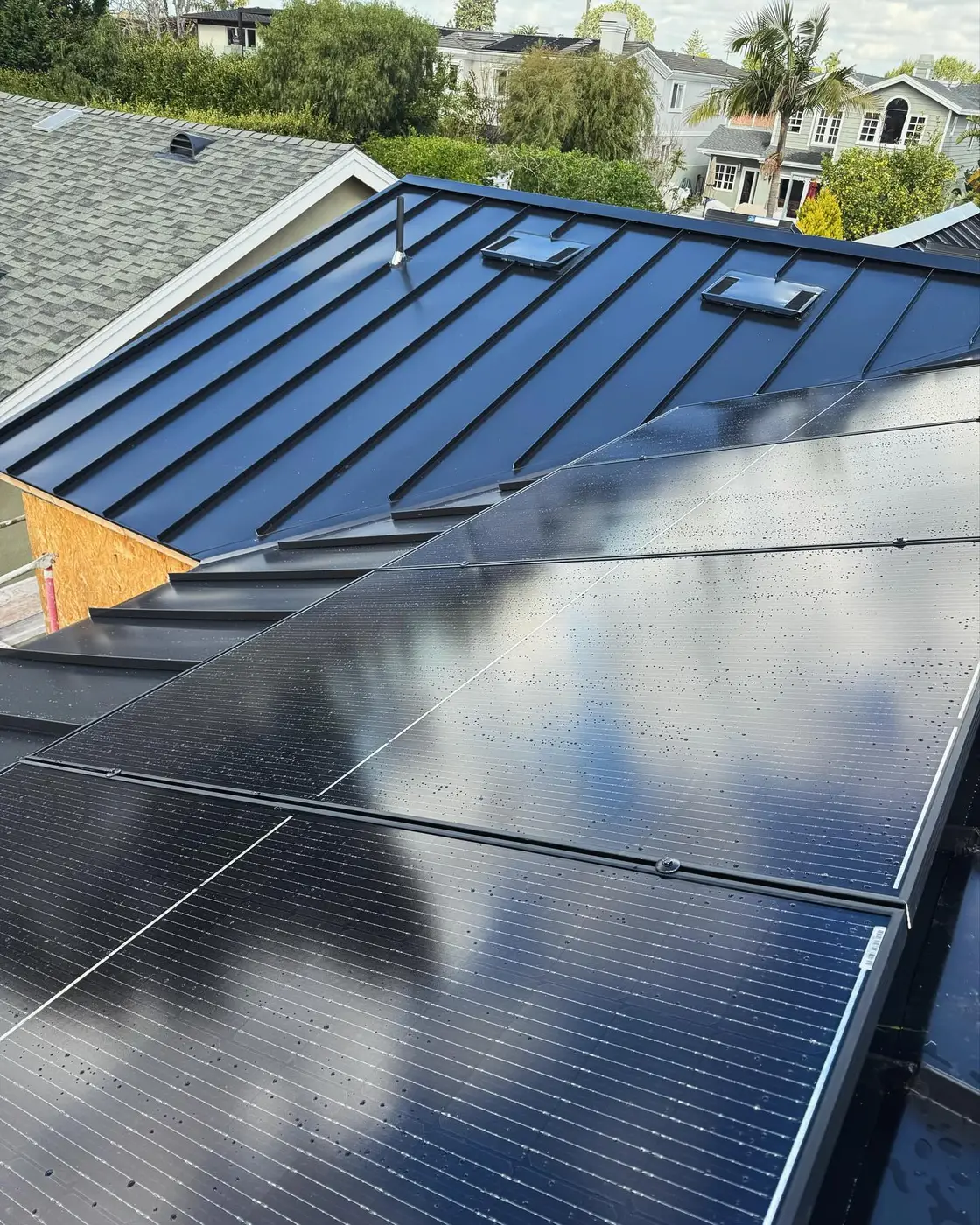
Its clean lines suit modern homes and accent roofs on porches and dormers, and it is also a good match for solar, because panel clamps can attach to the seams without roof penetrations.
Common signs we check for:
- Modern or farmhouse design
- Long-term ownership plans
- Low-slope porch sections
- Planned solar installation
- Concerns with exposed screws
- High-wind exposure
How the work gets done
Panel Selection
Width, gauge, seam profile and finish are selected.
Measured Layout
Panels are planned from real measurements for clean alignment.
Clip Installation
Concealed clips hold panels and allow thermal movement.
Custom Flashing
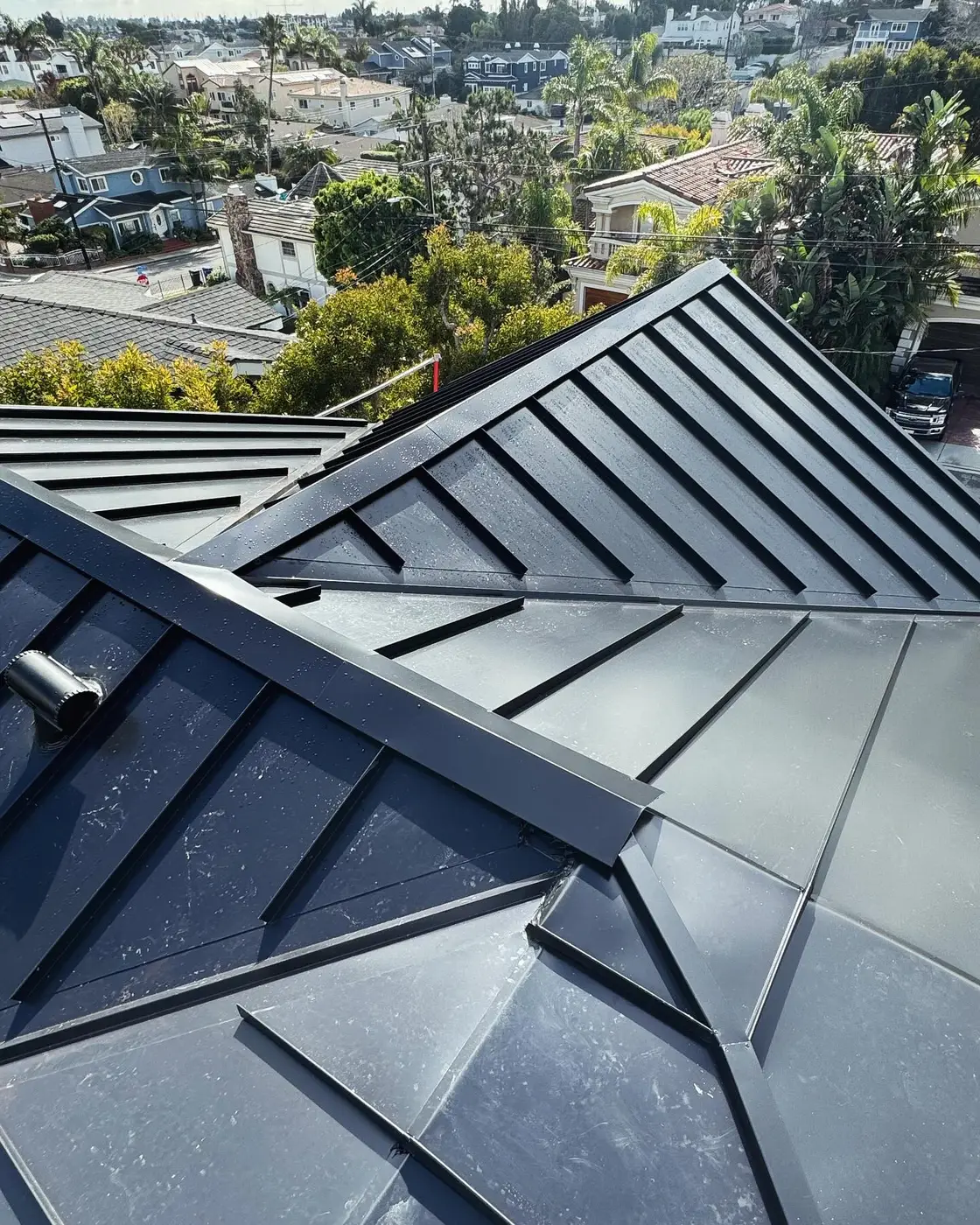
Trim is fitted at ridges, valleys, walls and openings.
Typical Cost
Standing seam usually costs $12 to $20 or more per square foot installed, depending on gauge, finish and roof complexity.
These are planning ranges for the Tulsa area, not a quote. Your written estimate is based on the actual roof.
Request an EstimateStanding Seam Metal Roof prices
Planning ranges for the Tulsa area, updated November 2026. They include typical labor and materials, but they are not a quote. Your written estimate is based on an inspection of the actual job. See every category on our price list.
What makes standing seam different
Standing seam panels run from the eave to the ridge, joined by raised seams that sit above the water line. Clips attach the panels to the deck beneath the seam, so no fasteners are exposed to the weather. Since there are no screws through the face, there are fewer holes, gaskets and washers to wear out. The clips also let the panels move as they heat and cool, which matters when a roof sees the temperature swings of an Oklahoma year.
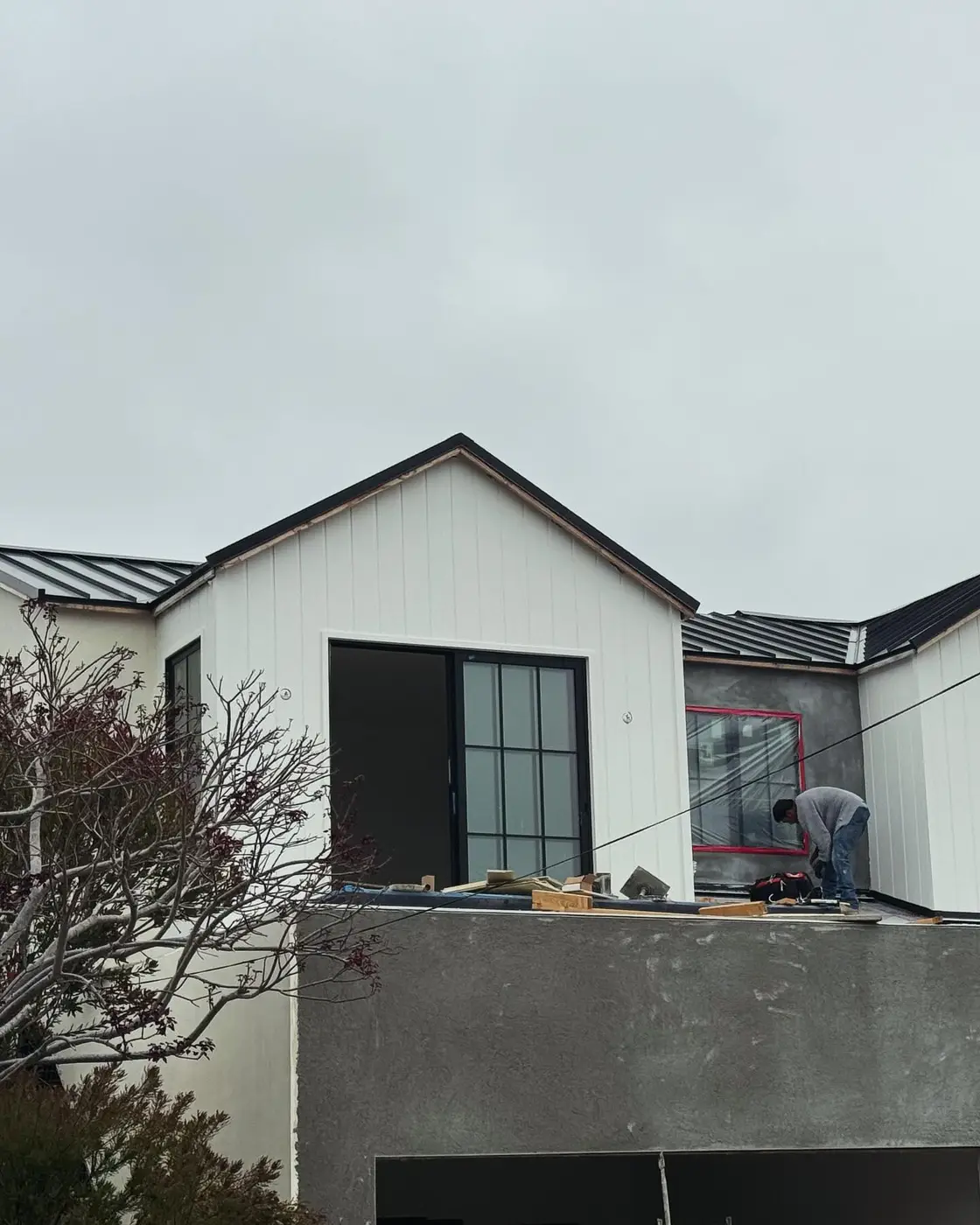
It also has a look many owners like: crisp vertical lines that suit modern farmhouse and contemporary homes, along with commercial buildings and accent roofs over porches and dormers.
Snap-lock vs mechanical-lock
There are two common seam types, and the right choice depends on your roof and exposure.
- Snap-lock: panels click together without seaming tools, so installation is faster and costs less. It works well for many residential roofs with moderate pitch.
- Mechanical-lock: seams are folded with a seaming machine after installation for a tighter joint. It is generally preferred for low slopes and long runs, or where wind uplift is a concern.
- Single vs double lock: double-lock seams are folded twice for added strength on demanding roofs.
Seam height and clip type matter too. Fixed clips work for shorter panels, while floating clips allow more movement on long runs. Ask how each bid handles this, as it affects the long-term performance of the roof.
Materials, gauge and finish
Panel thickness is one of the biggest factors in cost and dent resistance. In steel, 24-gauge is a common premium choice, and 26-gauge costs less but dents more easily. Note that a lower gauge number means thicker metal. Aluminum resists corrosion and weighs less, but it dents more readily at a given thickness. Copper and zinc develop a natural patina and are usually used on high-end homes or accents.
For painted steel, Kynar 500 (PVDF) finishes hold color and resist chalking well, and they usually carry longer paint warranties than cheaper polyester finishes. Striations or ribs in the flat of the panel reduce visible waviness. Consider a lighter or textured finish if you are worried about showing dents. Hail can still mark any metal, so read your policy on cosmetic damage and our notes on metal roofing.
Solar and standing seam
Standing seam is one of the best roof types for solar. Clamps attach to the seams without drilling through the panel, so there are no extra penetrations to seal. Because a well-installed roof can outlast the panels, you are also less likely to remove and reinstall the array for a re-roof. Plan the layout before installation if you can, and coordinate seam spacing and clamp type with your solar installer. Confirm the clamp approach with the panel manufacturer in order to protect any warranty.
Details that decide how well it performs
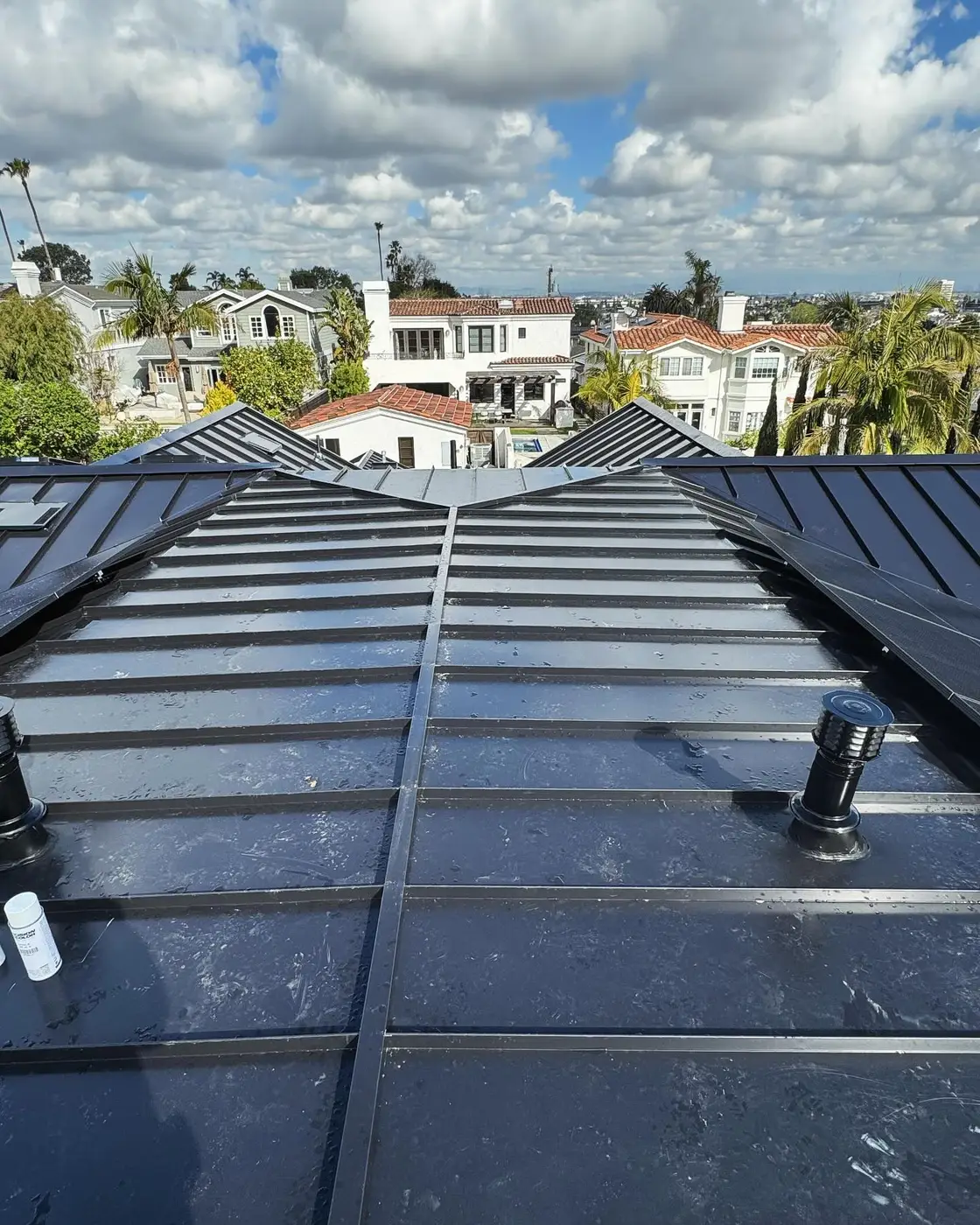
A standing seam roof is only as good as its transitions. Valleys, hips, chimney flashing and skylight curbs all need clean, planned metalwork that handles movement and sheds water. We use high-temperature underlayment since metal gets hot in summer, and we detail the eaves with closures to keep out insects and wind-driven rain. Minimum slopes vary by panel, so low-slope areas may need a mechanical seam or another system altogether. For older metal roofs you are not ready to replace, consider a metal roof retrofit. For a broader view of options, see roof replacement.
Related services
Standing seam is the premium end of our metal roofing work. If you are comparing it with shingles or tile, our roof replacement page sets out what a complete project includes. It also suits porches, garages and residential roofs where clean lines matter.
Recent standing seam metal roof projects
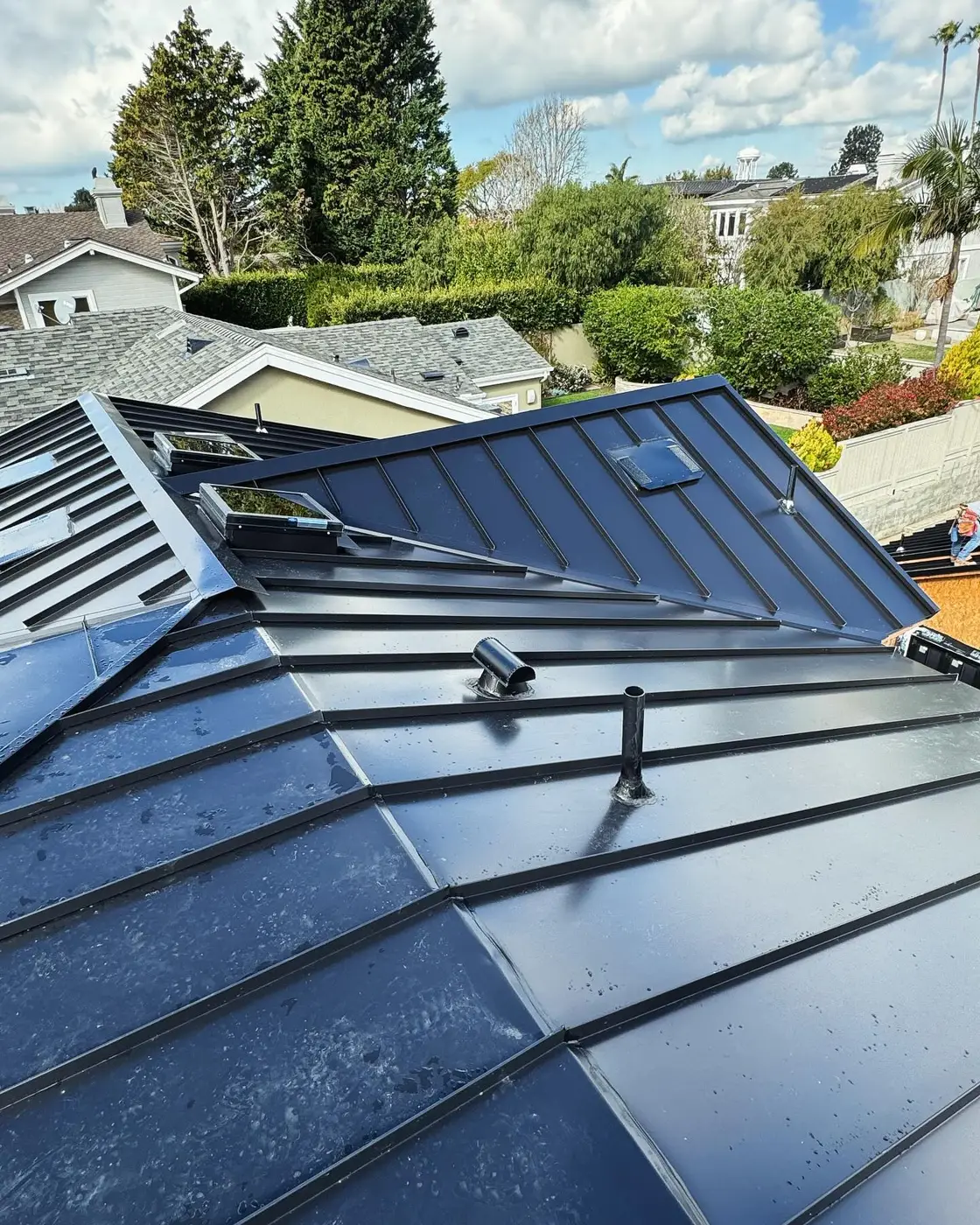
Black Standing Seam Roof with Solar Panels
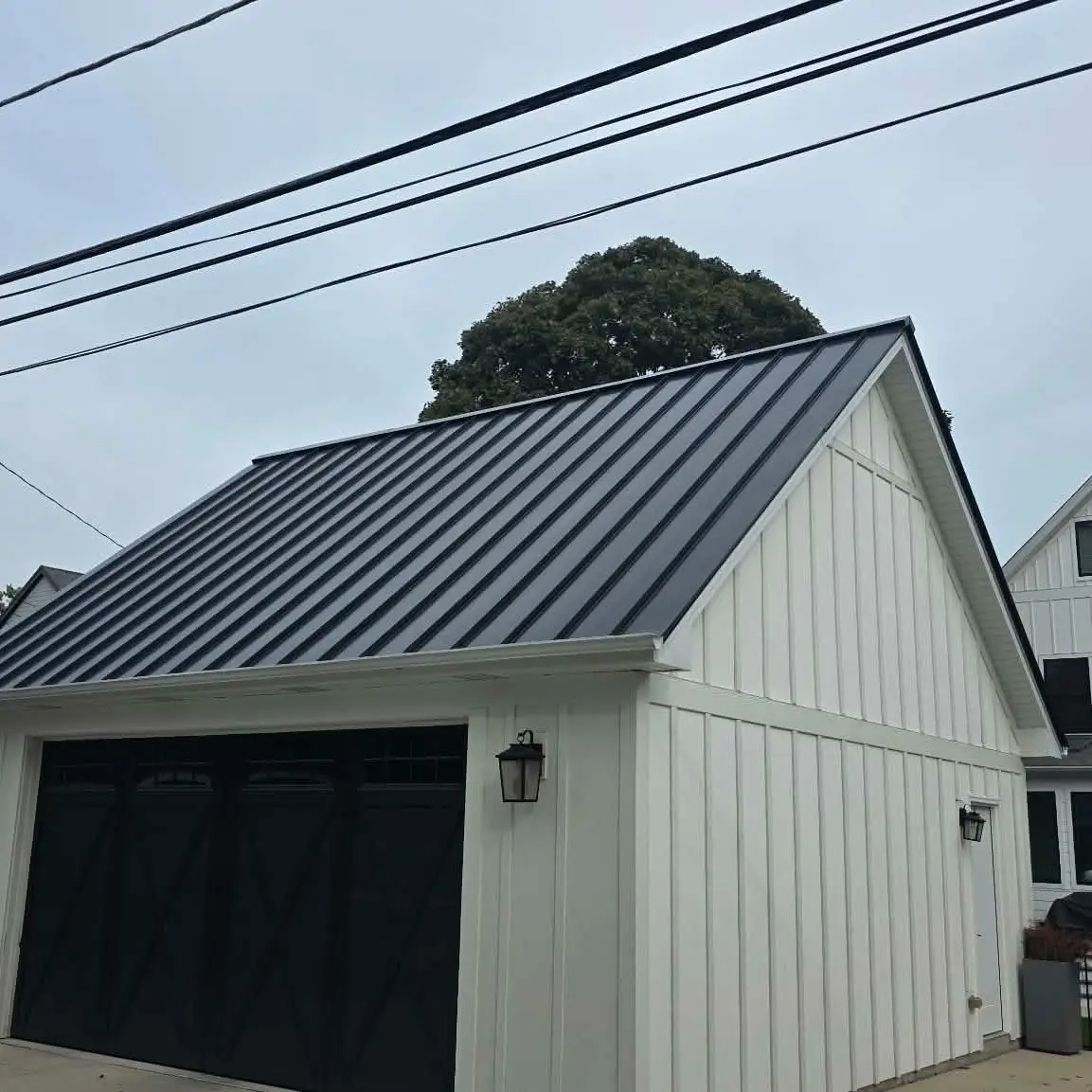
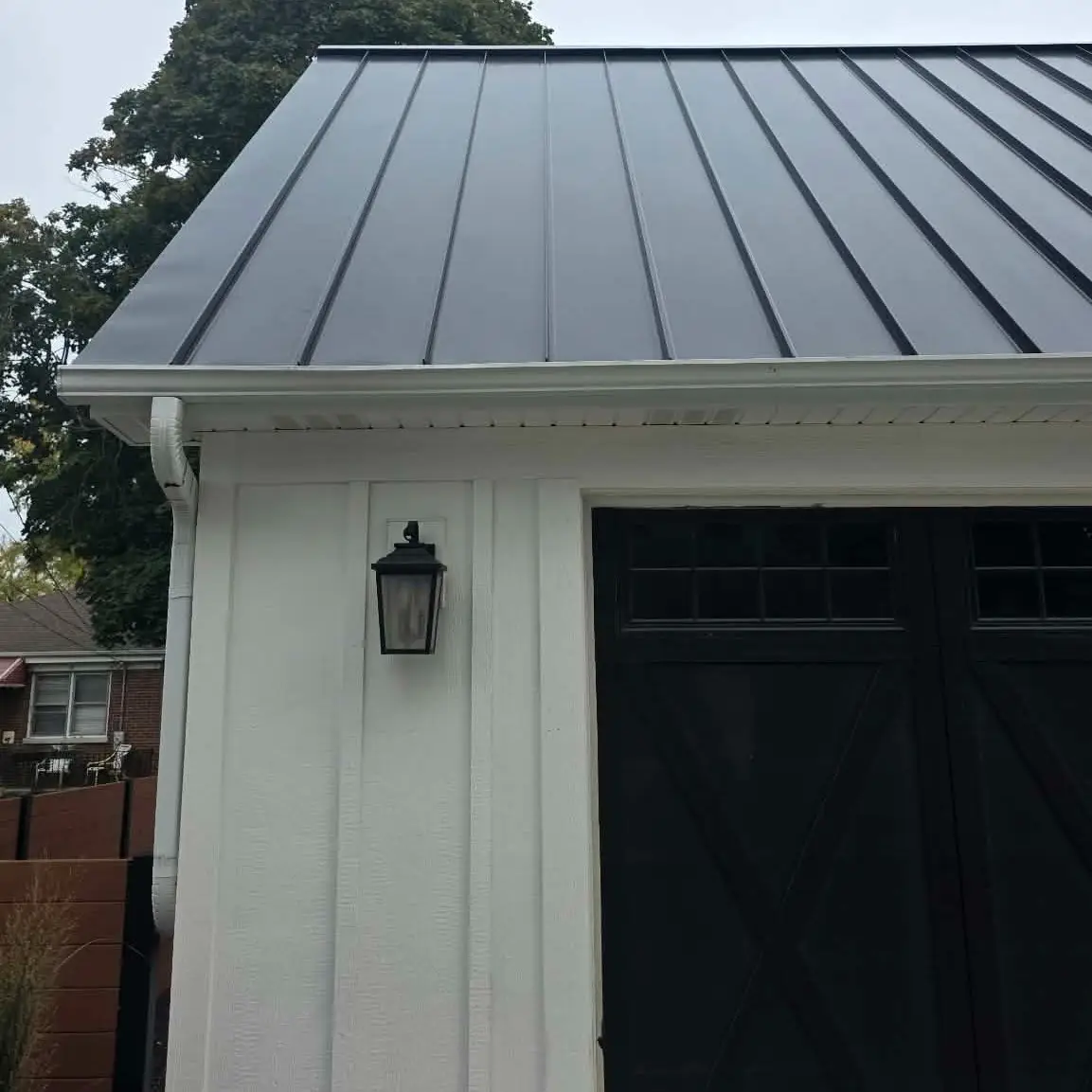
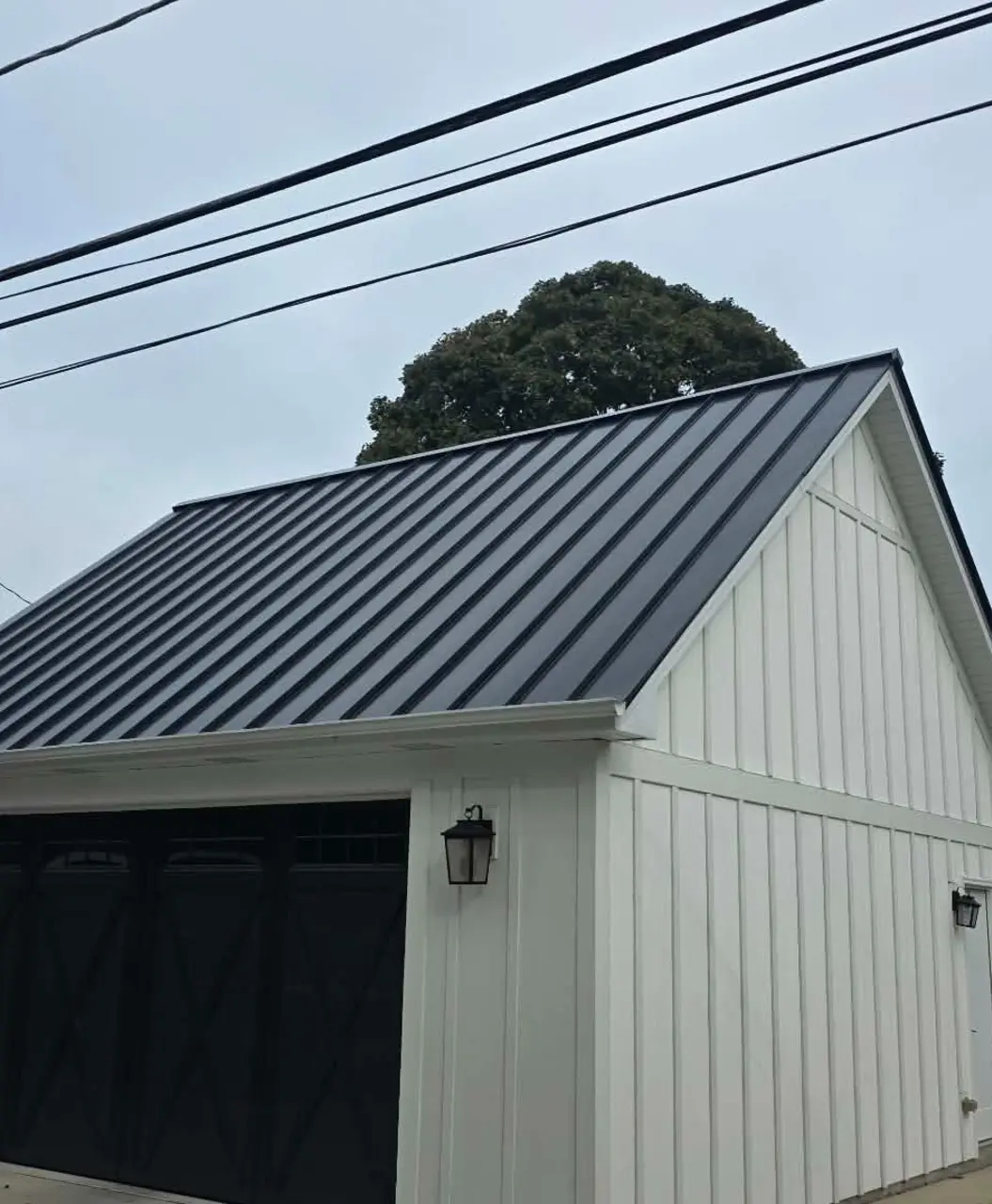
Standing Seam Roof on a Detached Garage
See all of our roofing projects
Frequently asked questions
Can standing seam go on a low-slope roof?
Is standing seam good with solar?
Yes. Seam clamps let racks attach without drilling through panels when the system is designed for it.
Why does it cost more than other metal?
Concealed clips, custom trim and more skilled labor account for most of the difference.
How much does standing seam cost in Tulsa?
Standing seam usually costs $12 to $20 or more per square foot installed, depending on gauge, finish and roof complexity. Copper or zinc costs considerably more.
How long does a standing seam roof last?
A well-installed steel standing seam roof often lasts 40 to 60 years, and painted finishes usually carry long warranties. Maintenance is limited, but debris and penetrations should still be checked.
What is the minimum slope for standing seam?
It depends on the panel and seam, and some mechanical-lock systems are rated for lower slopes than snap-lock panels. We confirm the manufacturer's limits for your roof.
Can standing seam go over shingles?
Sometimes, if code and the deck condition allow it, usually with an underlayment or slip sheet. We generally recommend tear-off so we can inspect the decking first.