

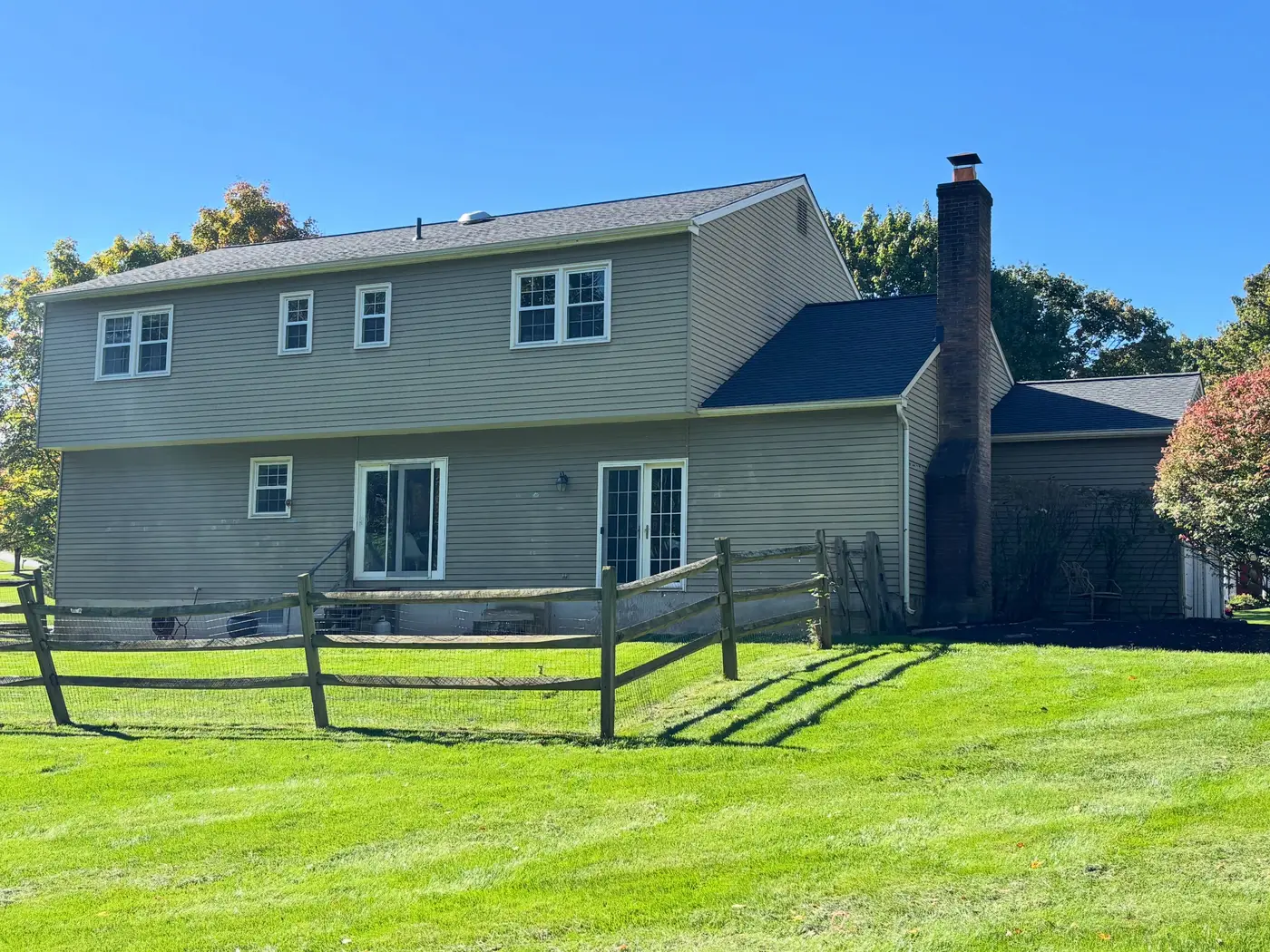
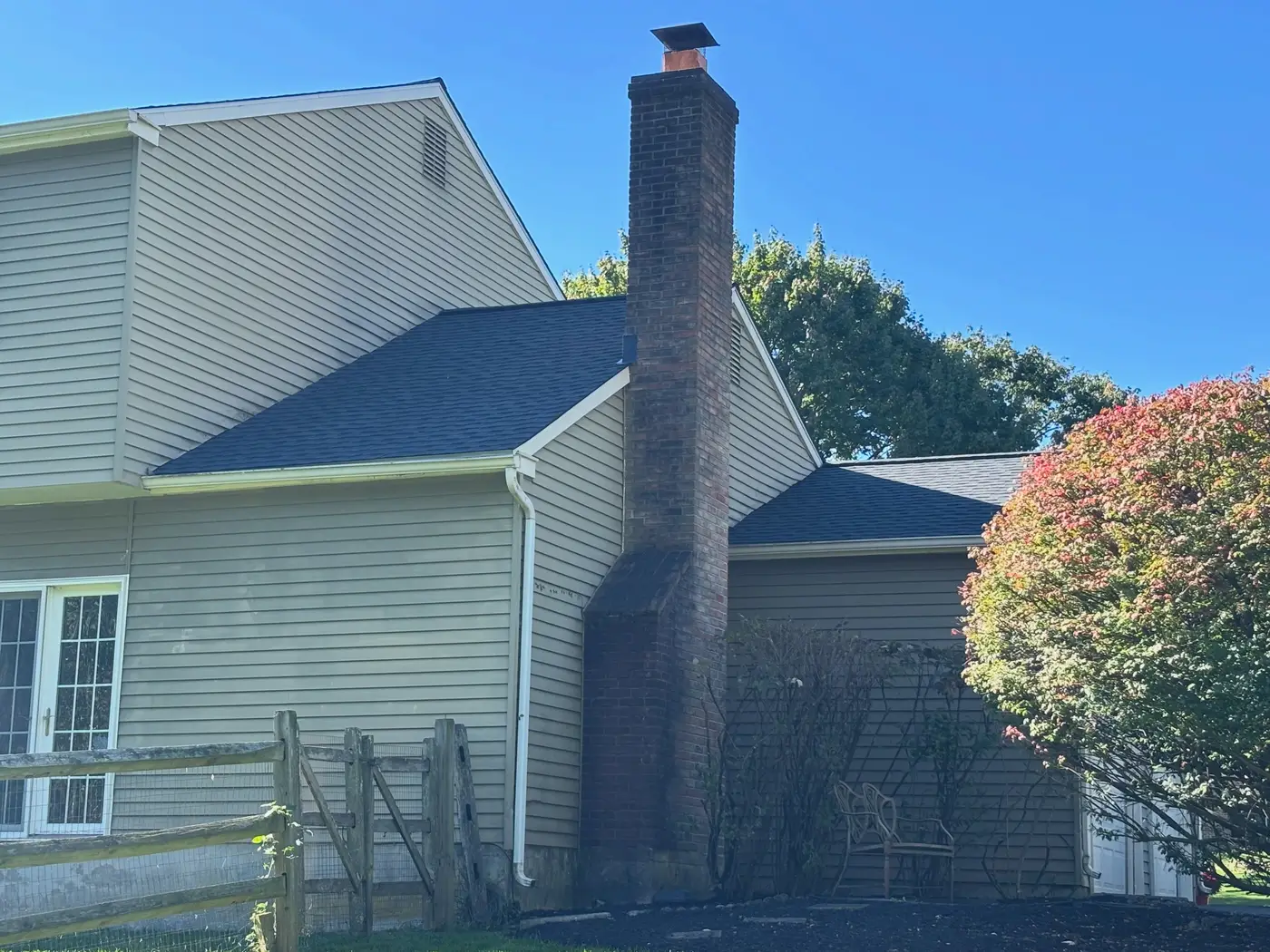
Make sure everyone is safe, photograph damage from the ground, prevent further water entry where you can, and contact your insurer. Avoid climbing on the roof.

Hail Damage Roof Repair
Storm Damage Restoration
Roof Insurance Claim Help
Roof Inspection
Water Damage Restoration
All Services
A serious storm rarely stops at the shingles. Gutters get torn loose, siding gets dented, windows crack and water finds its way indoors. Restoration means looking at the entire exterior instead of just the most obvious damage.
We begin by making the home weather-tight, then document each affected area and put the work in a sensible order: roof first, then exterior surfaces, then the interior finishes that depended on them staying dry.
Common signs we check for:
- Roof, siding and gutter damage together
- Fallen limbs and impact marks
- Broken windows or screens
- Water stains after a storm
- Damaged fence sections
- Loose soffit and fascia
How the work gets done
Secure the Home
Temporary protection stops additional damage.
Whole-Exterior Survey
Roof, walls, openings, gutters and fences are photographed.
Coordinated Scope
One written plan covers the trades involved and the order of work.
Restore
Repairs proceed from the roof down so finished work stays protected.
Typical Cost
Restoration totals vary widely. Minor exterior repairs may run a few thousand dollars, while multi-trade projects can reach $25,000 or more.
These are planning ranges for the Tulsa area, not a quote. Your written estimate is based on the actual roof.
Request an EstimateStorm Damage Restoration prices
Planning ranges for the Tulsa area, updated November 2026. They include typical labor and materials, but they are not a quote. Your written estimate is based on an inspection of the actual job. See every category on our price list.
What restoration covers
A serious storm rarely stops at the shingles. Restoration means bringing the whole exterior back to working condition, with the work sequenced so one trade does not undo another. Here is what a project may include:
- Roofing, from spot roof repair to complete roof replacement.
- Gutters, fascia, soffit and downspouts, which are often dented or pulled loose.
- Windows, screens and siding that were hit by hail or debris.
- Fences that were blown down or damaged by falling limbs.
- Interior repairs and water damage restoration where rain got inside.
The first 48 hours after a storm
What you do right after a storm can protect both your home and your claim. Take these steps in order:
- Check for hazards first. Stay away from downed power lines, gas smells and sagging structures.
- Photograph everything from the ground, including wide shots and close-ups, before anything is moved.
- Stop further damage with a tarp, board-up or by moving belongings. Keep every receipt.
- Write down the storm date and time and call your insurance company to open a claim.
- Schedule an inspection of the roof and exterior before agreeing to any repair work.
If the roof is open or water is coming in, start with emergency roof repair.
How a restoration project runs
We scope the entire property rather than just the roof, so nothing gets missed in the claim. The written scope lists each trade with photos and measurements. Once coverage is settled, we order materials and set the sequence. Generally, the roof goes first, then gutters and siding, then windows and fencing, and interior finishes last so new work is not damaged. You get a single point of contact and a schedule that shows when each crew will be on site. See our general contractor services for larger rebuilds.
Timing depends on material availability, insurance approval and how busy the season is. After a major storm, demand for crews and materials rises across the region, so an early inspection and a clear scope help keep the job moving.
Working with your insurance carrier
Restoration claims often involve several line items and may need more than one round of review. When something is missing from the first estimate, such as drip edge, code-required items or a damaged fence, a documented supplement is the normal way to request a review. We provide photos and measurements to support each item. You stay in control of the claim, and your insurer makes the coverage decisions. Details are on our roof insurance claim page.
Be careful with anyone who asks you to sign away your claim rights before you have read the document, and get every change in writing. Our guide on choosing a roofing contractor lists other warning signs.
Damage that is easy to miss
Some storm damage takes time to appear. Attic insulation can stay wet long after the roof is patched. Soft metals may be dented while the shingles look fine from the ground. Fences and gates may lean slightly, then fail in the next wind. AC fins may be bent, which reduces efficiency, and that should be checked by an HVAC company. A complete walk-through now can prevent a second round of repairs and gives you a record if issues appear later.
Related services
Roofing is usually the first step in a restoration project. Depending on the loss, that means hail damage roof repair in Tulsa, wind damage repair or a complete new roof. Water that got inside is handled through water damage restoration, and insurance claim support keeps the paperwork in one place.
Recent storm damage restoration projects
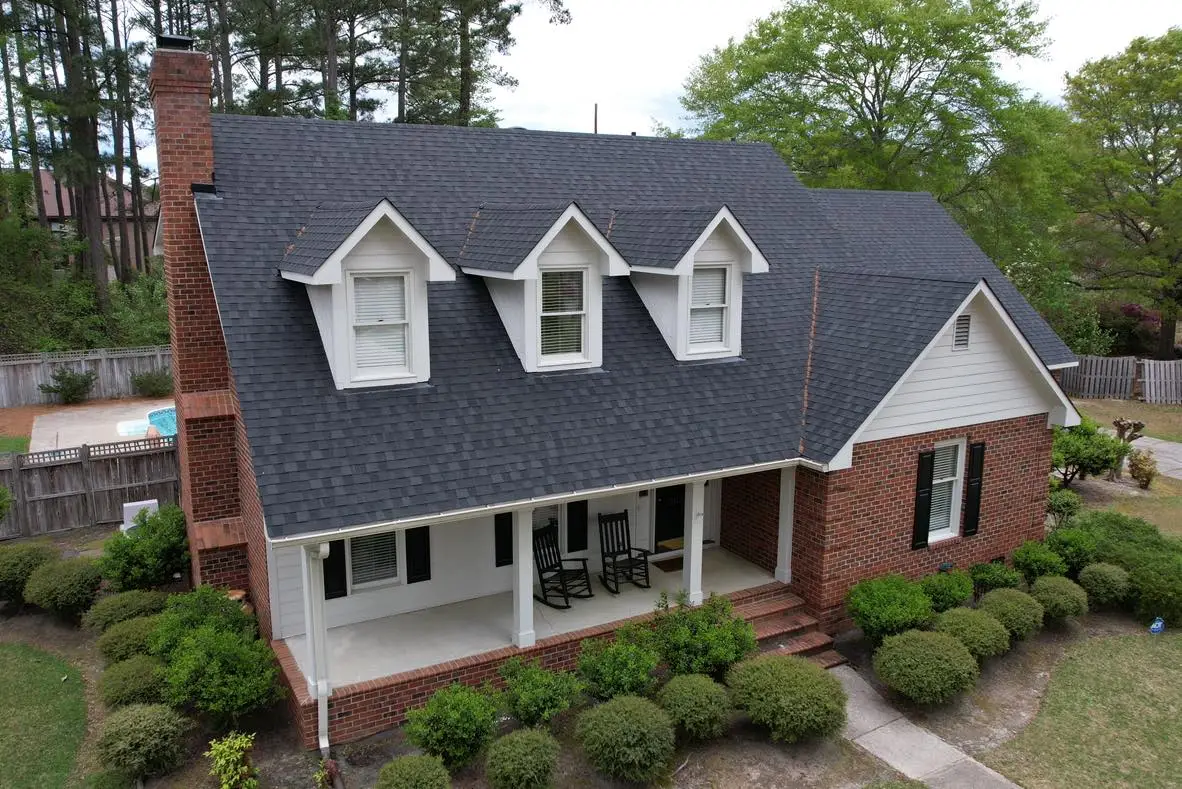
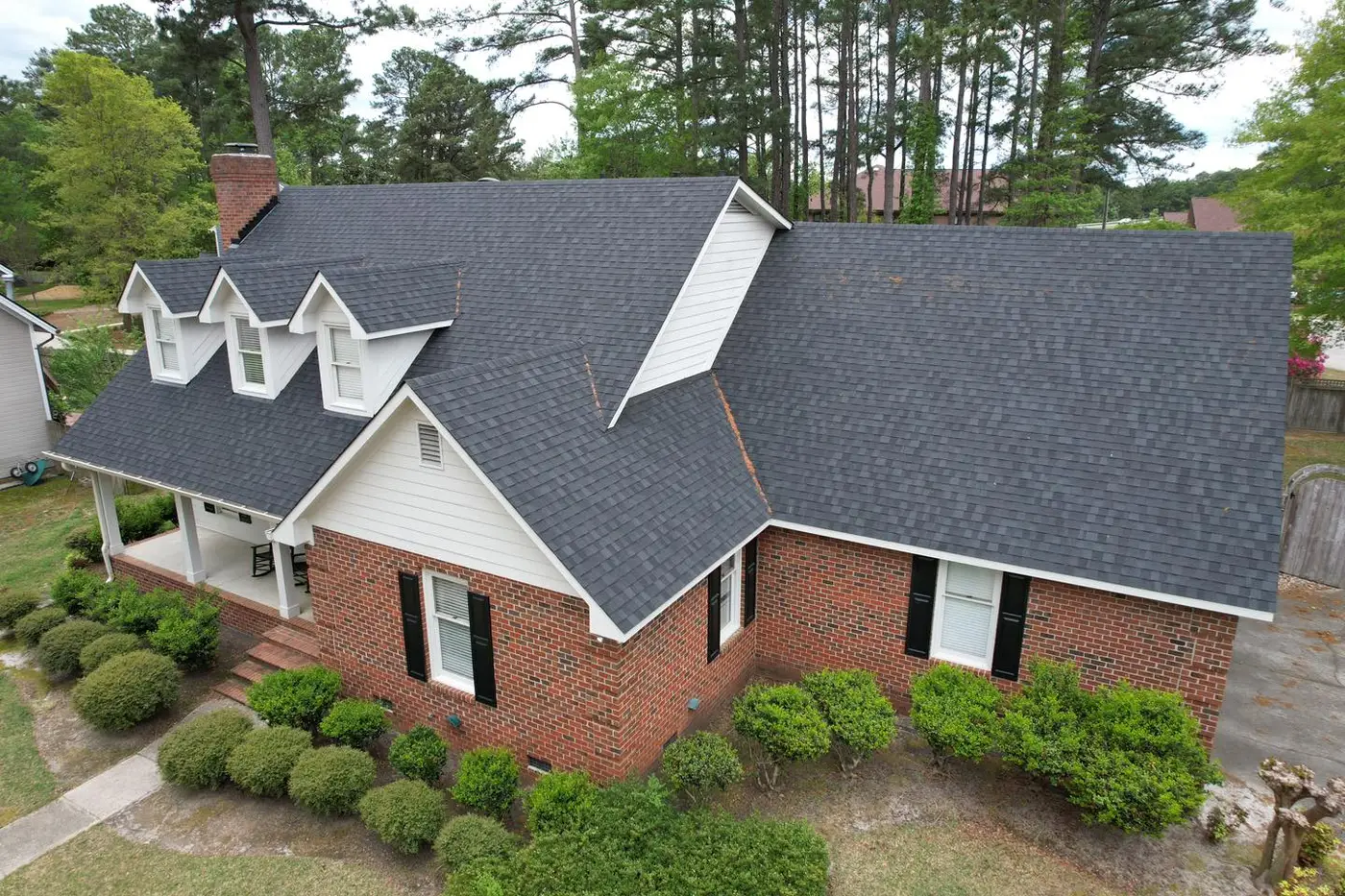
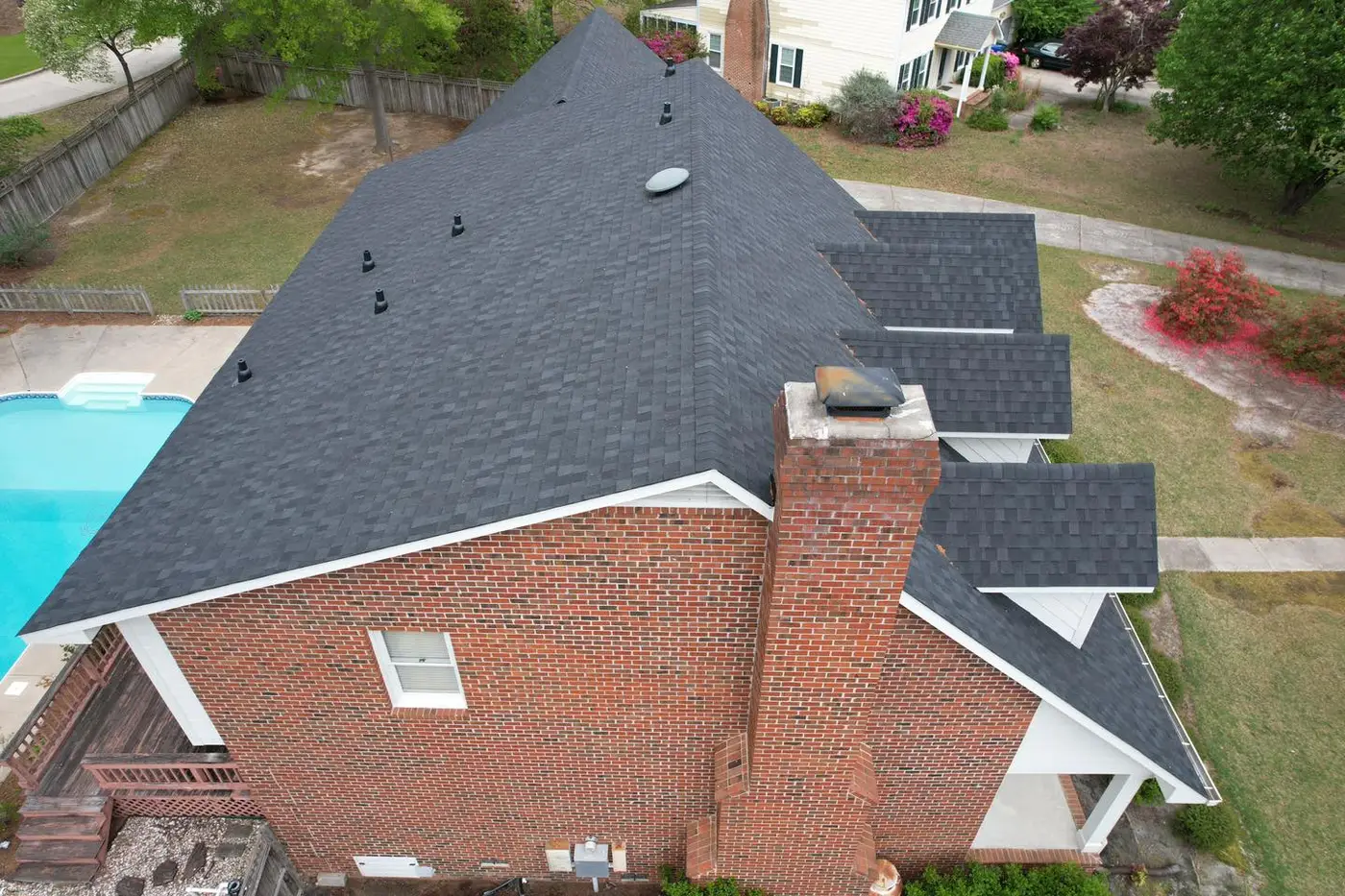
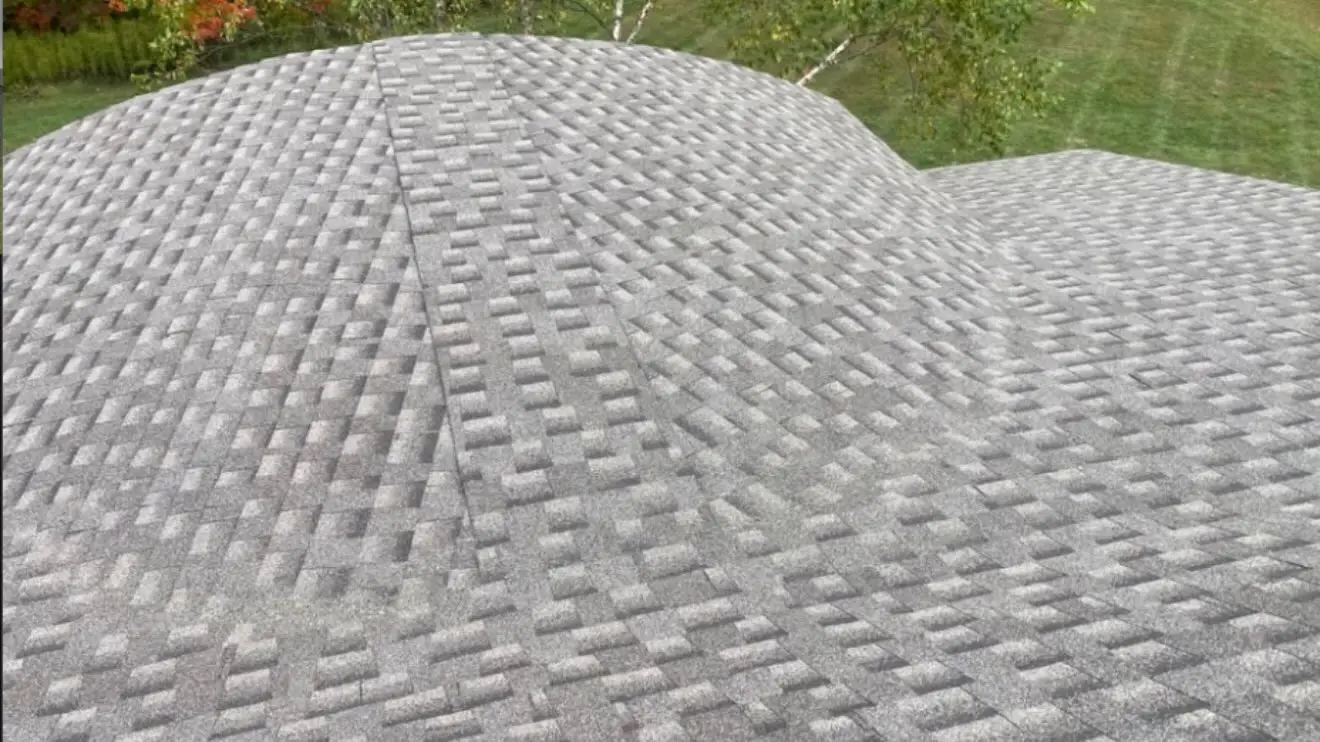
Shingle Restoration on a Brick Cape with Dormers
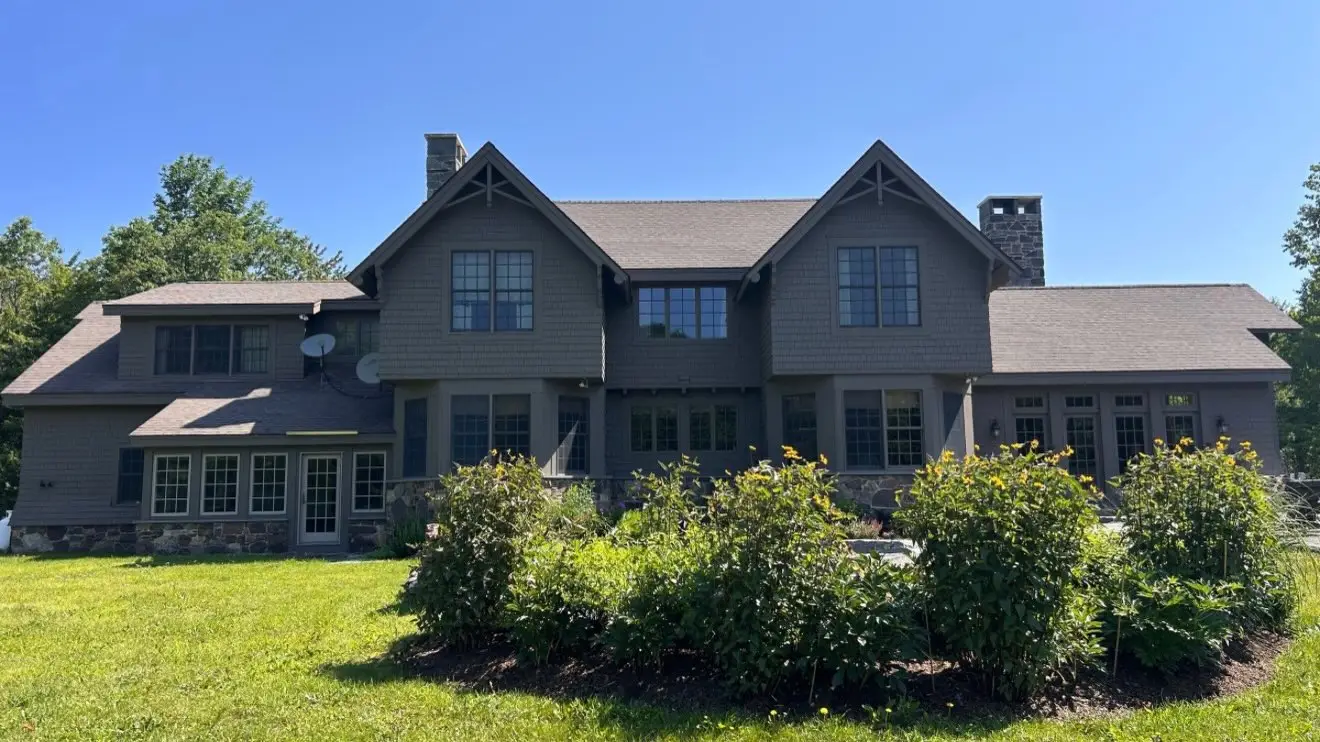
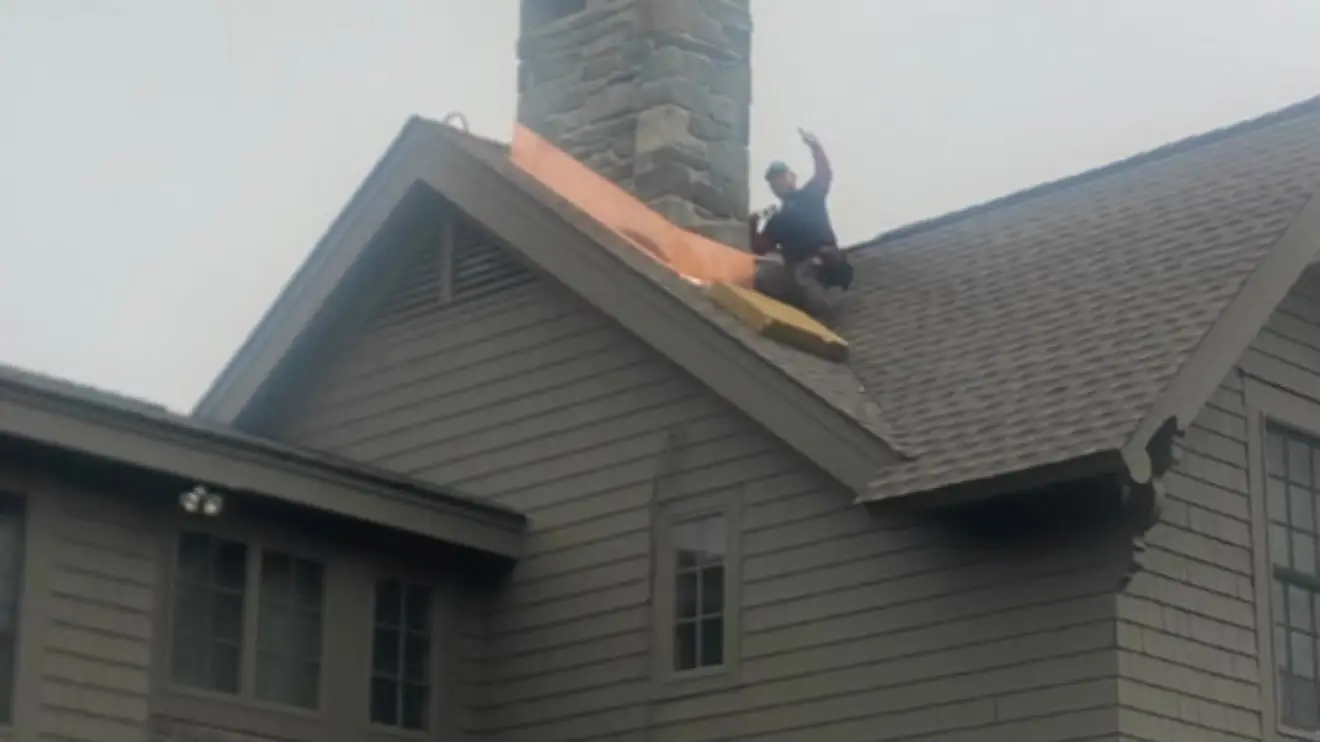
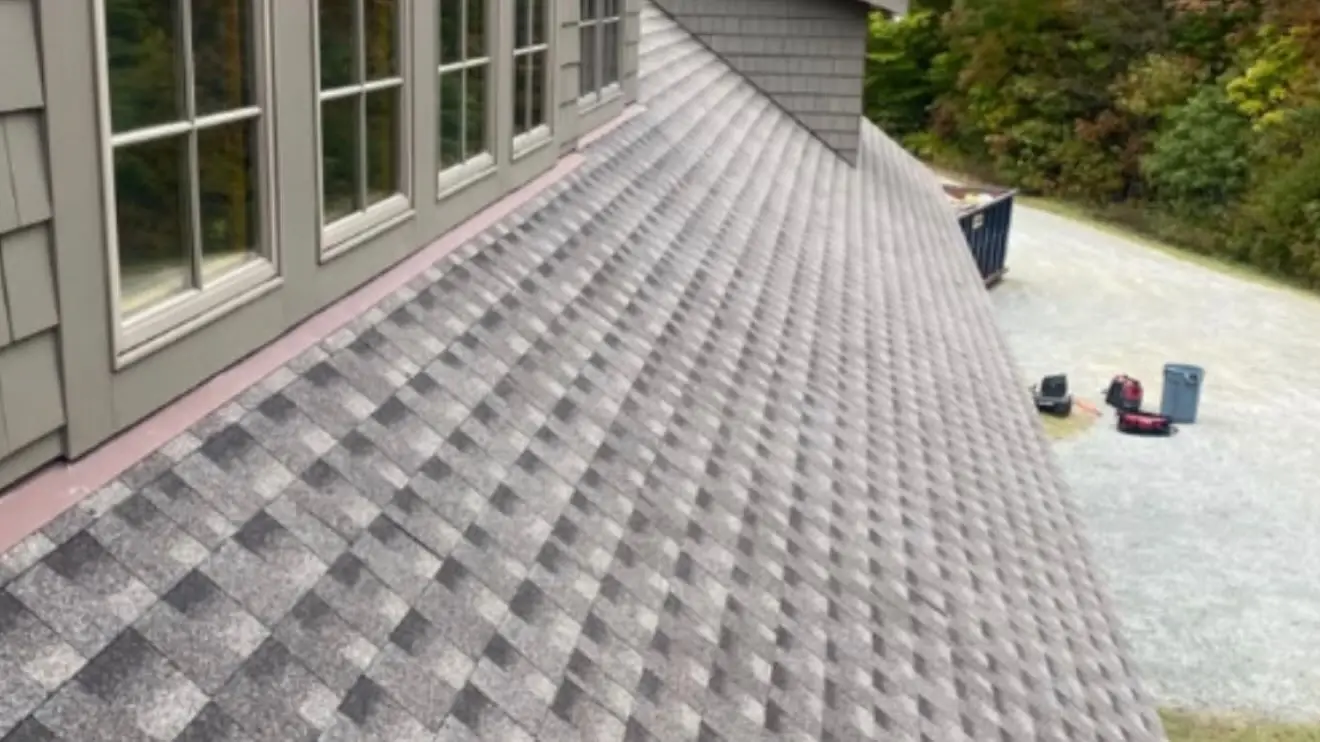
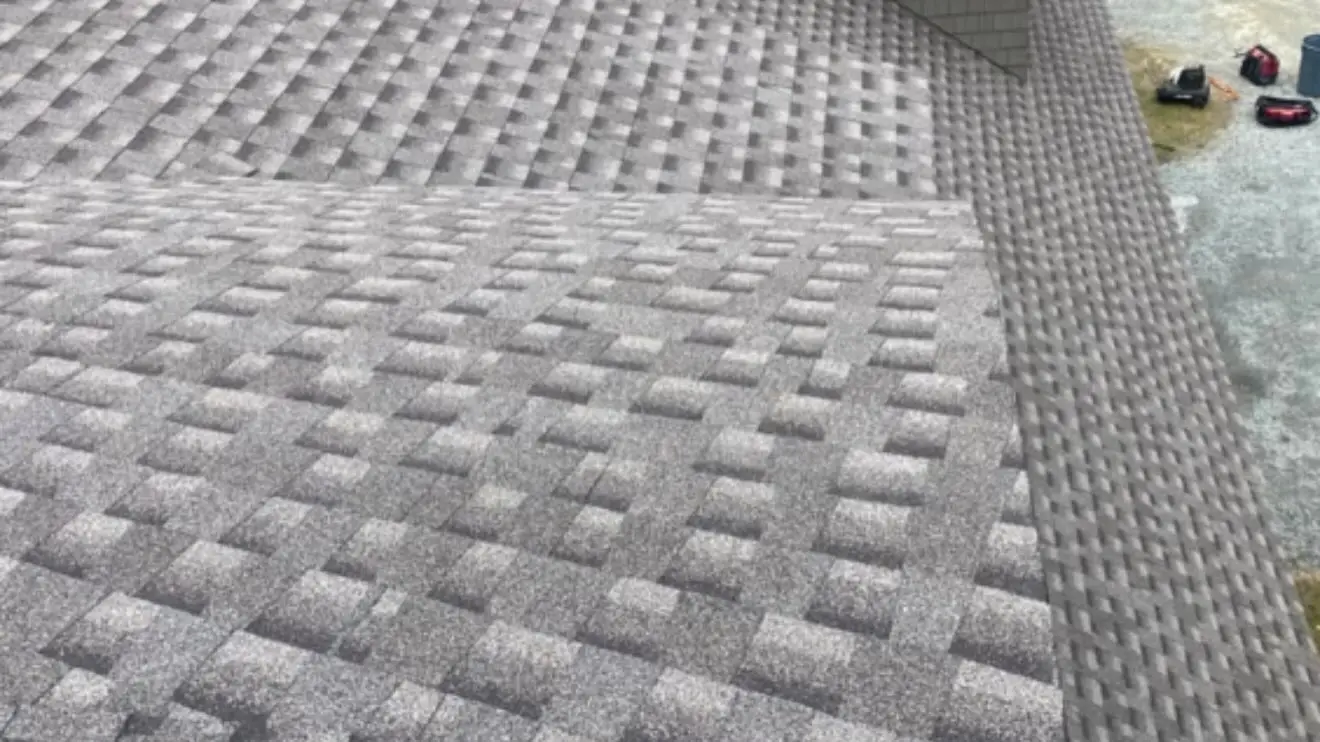
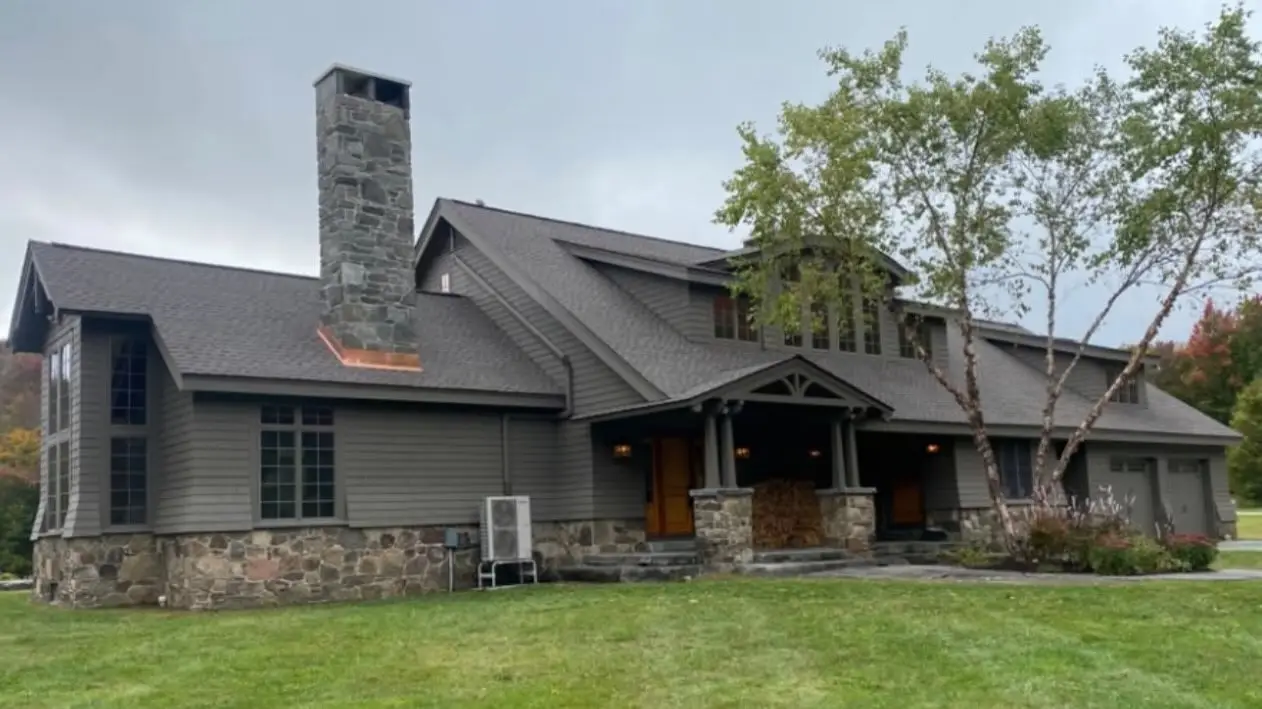
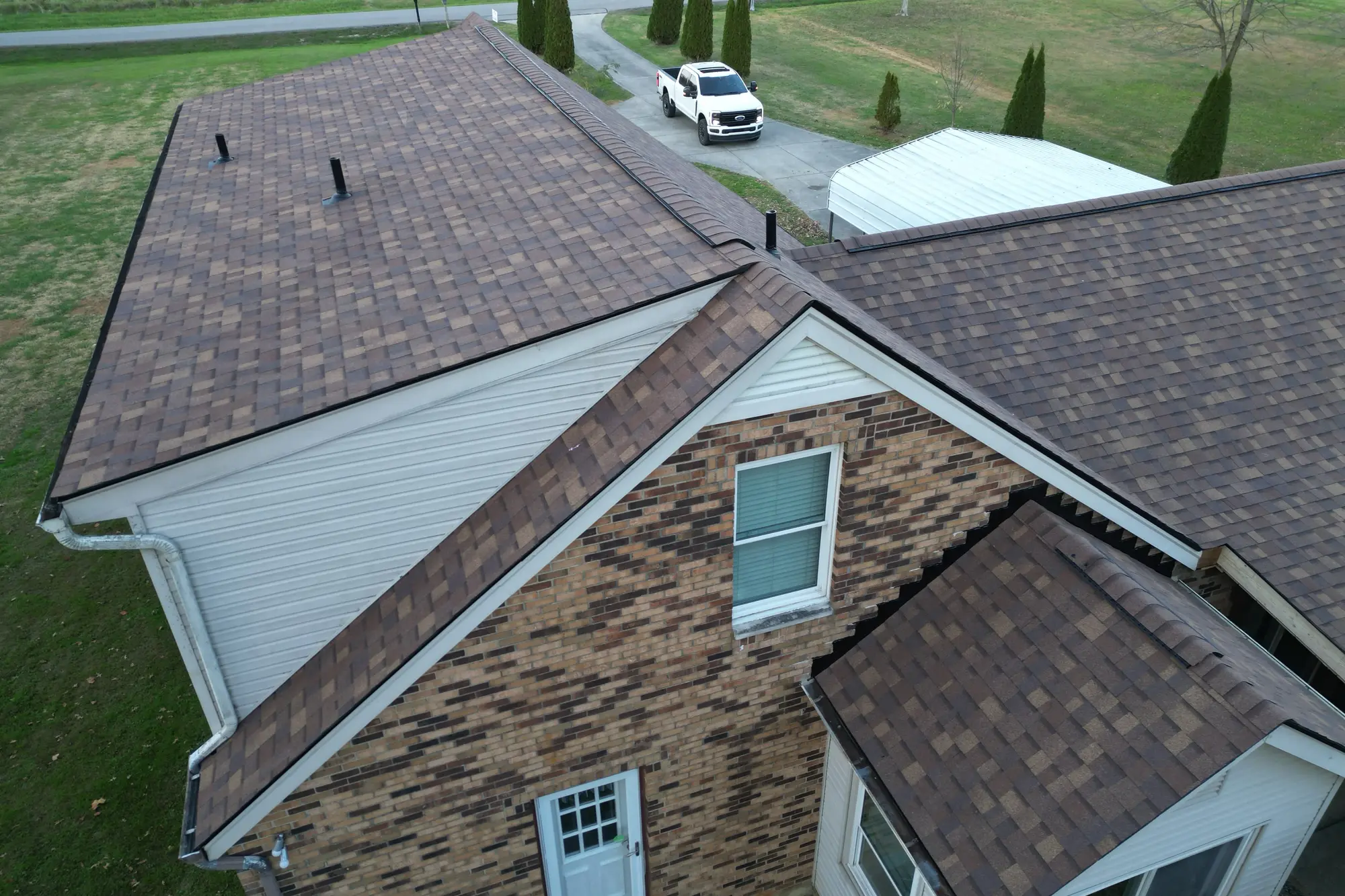
Designer Shingle Restoration on a Country Home
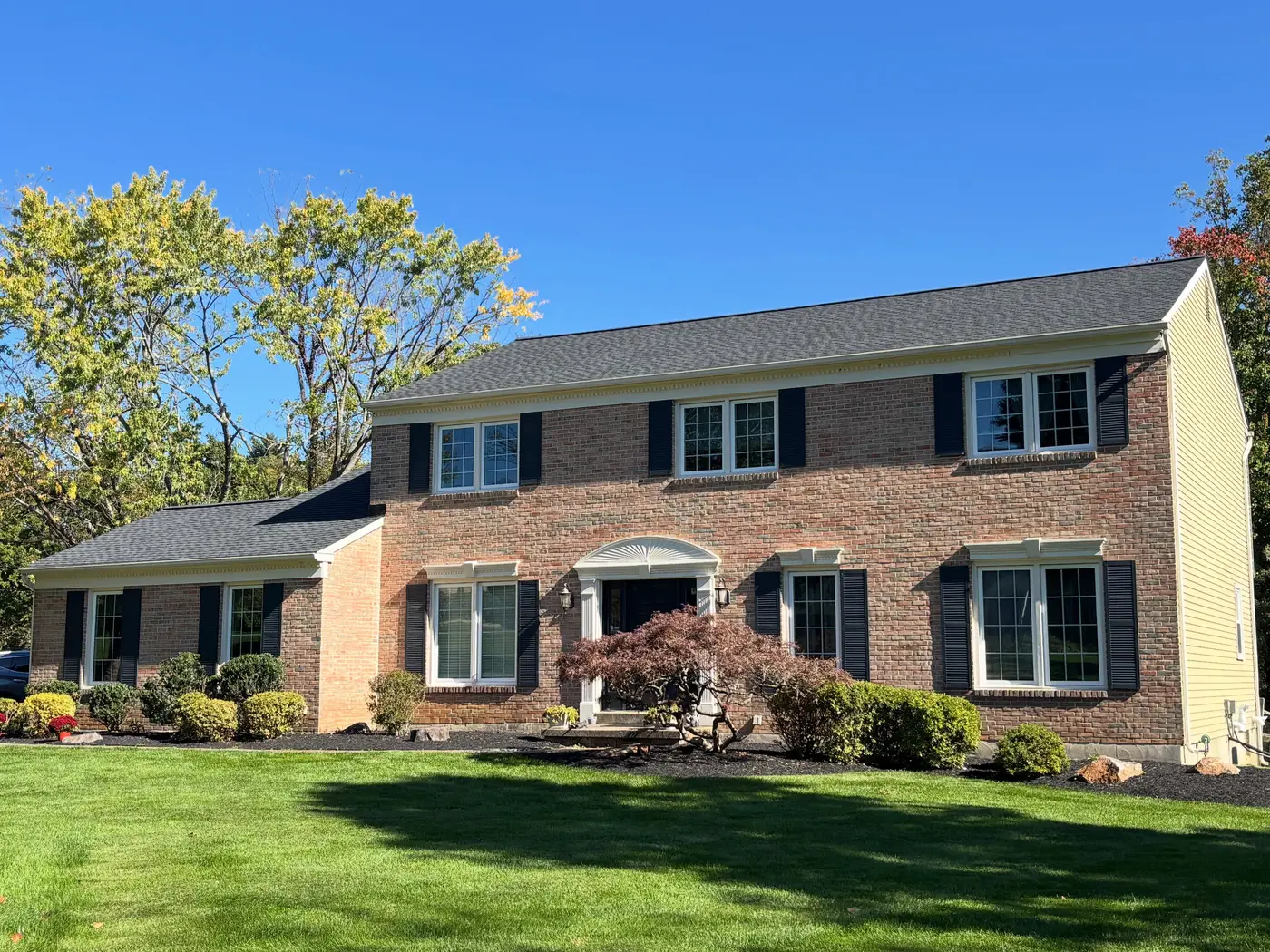
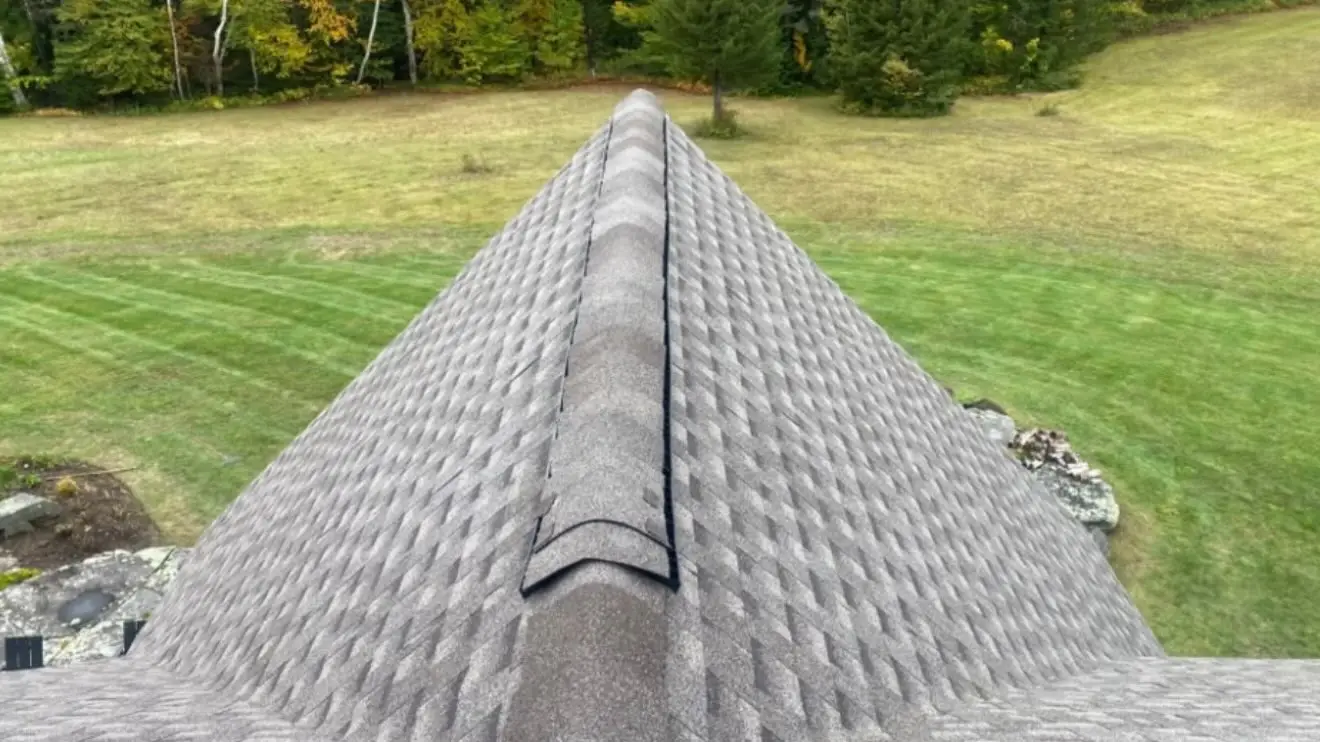
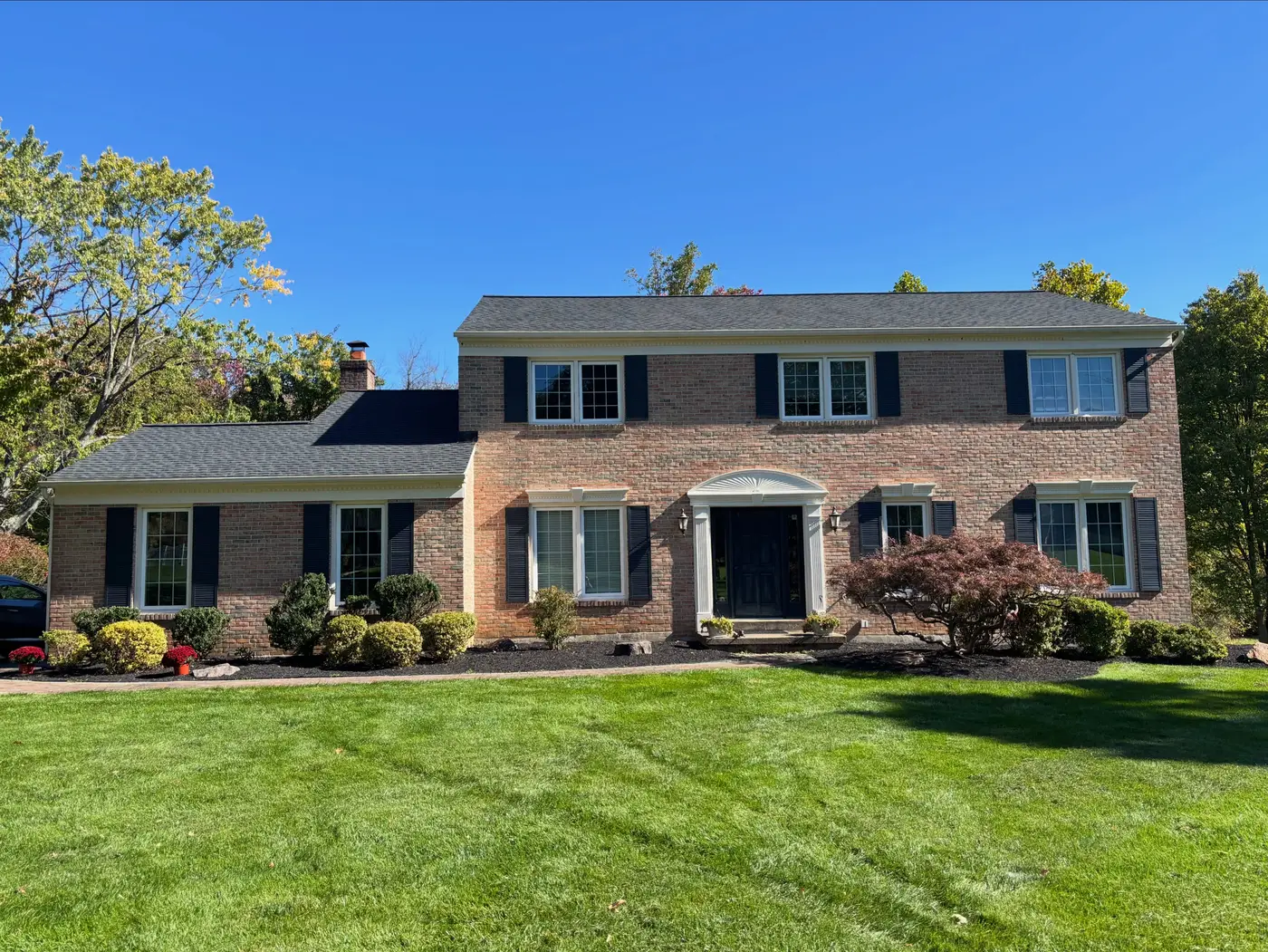
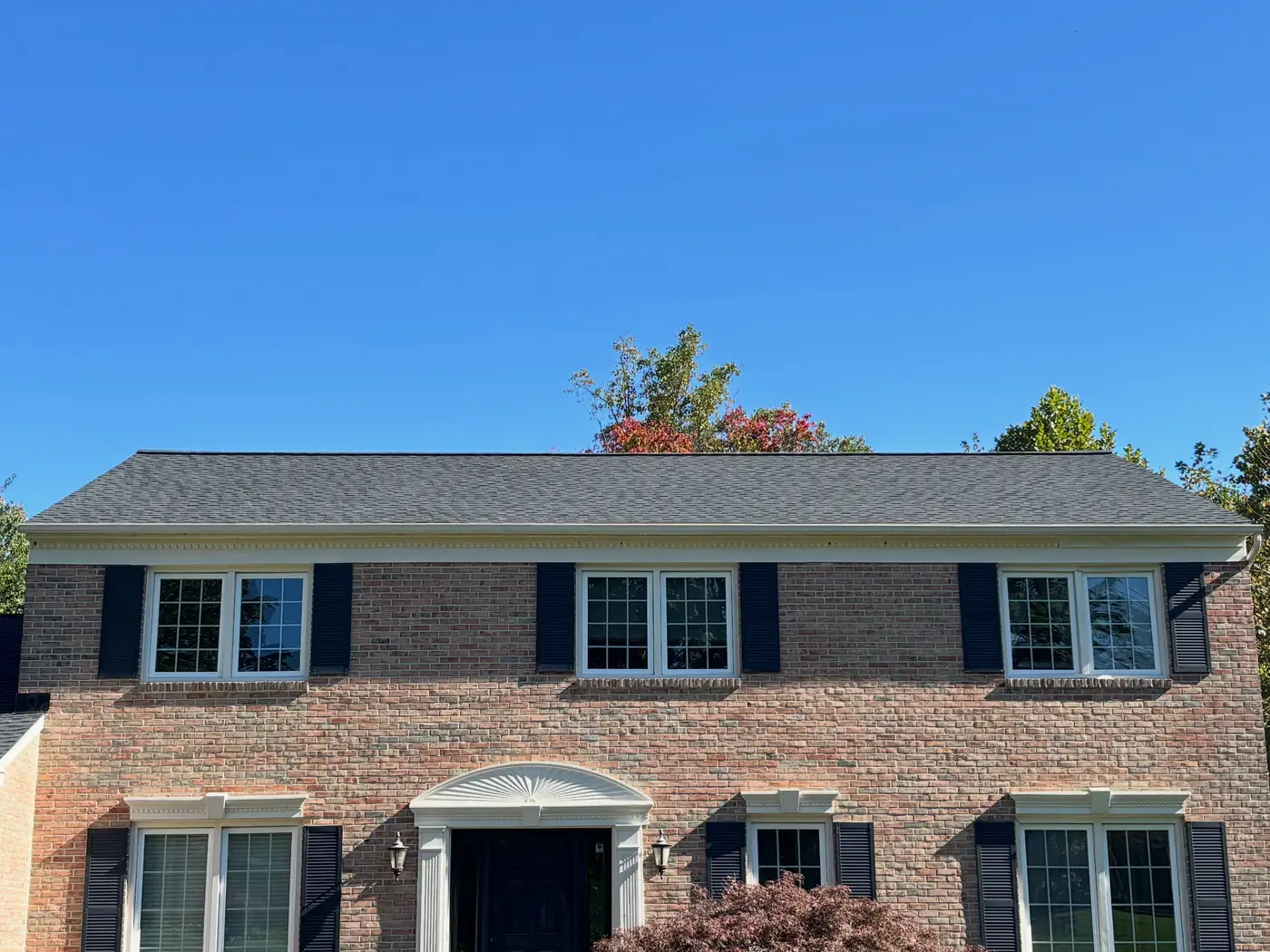
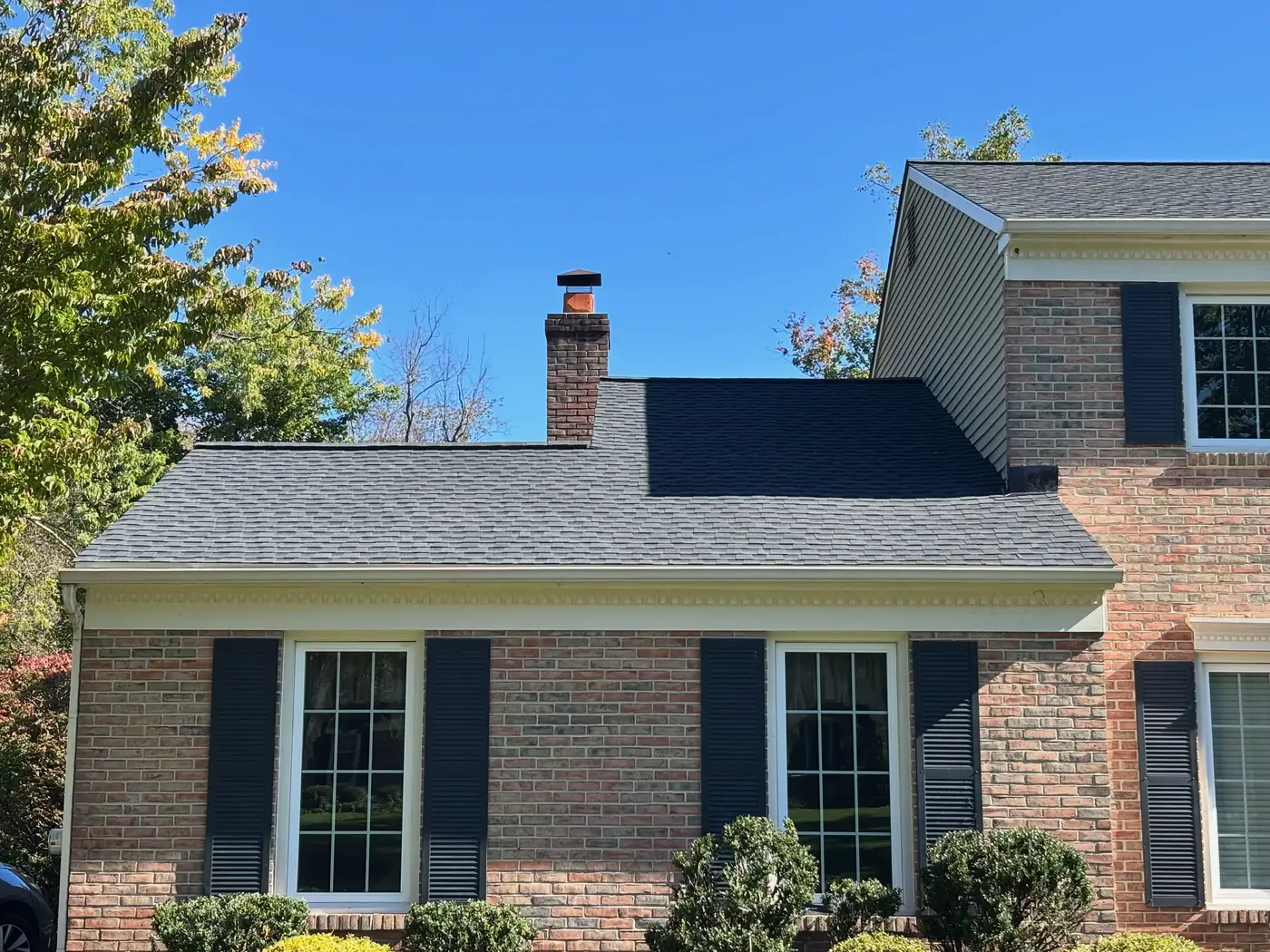
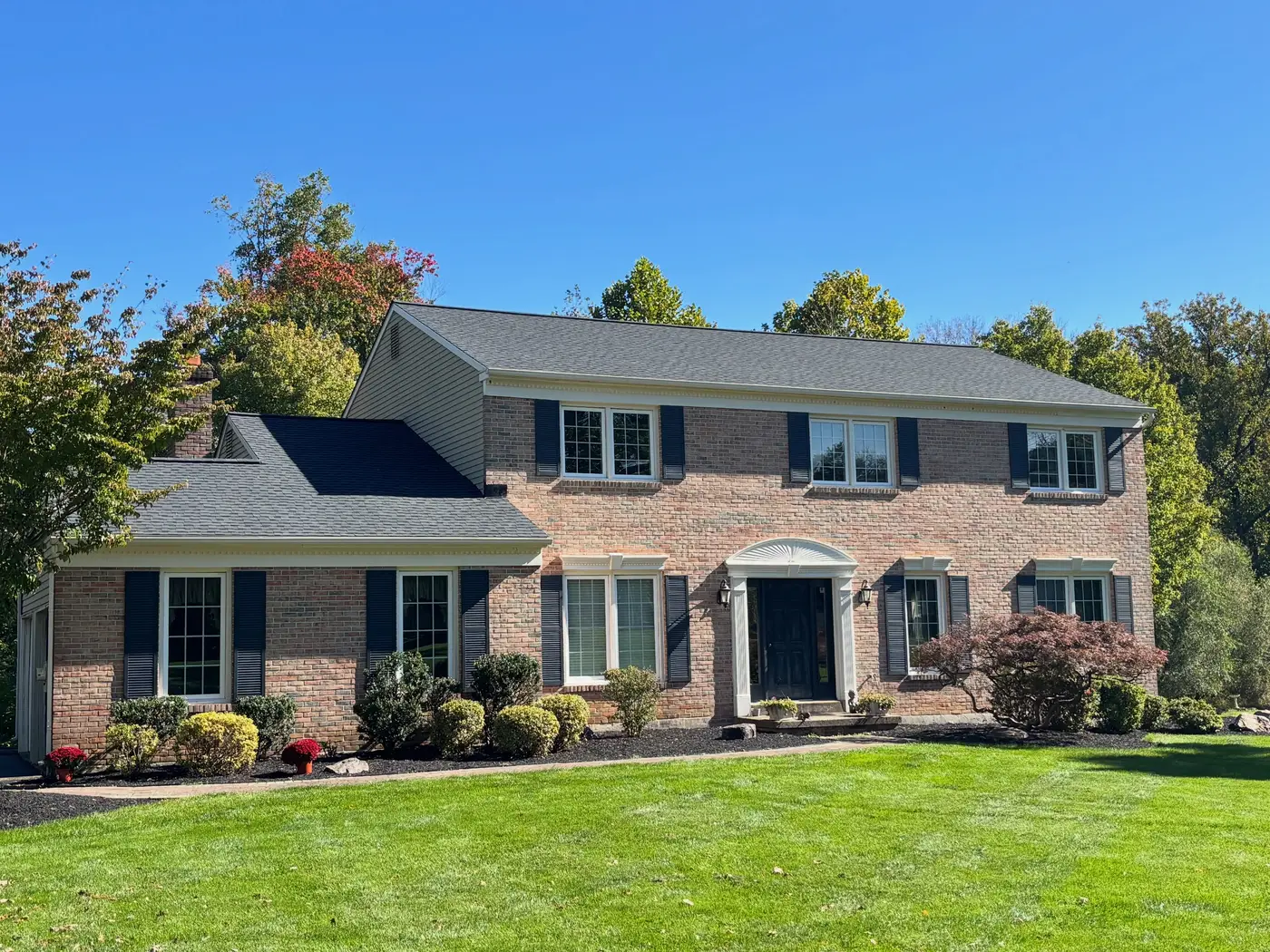
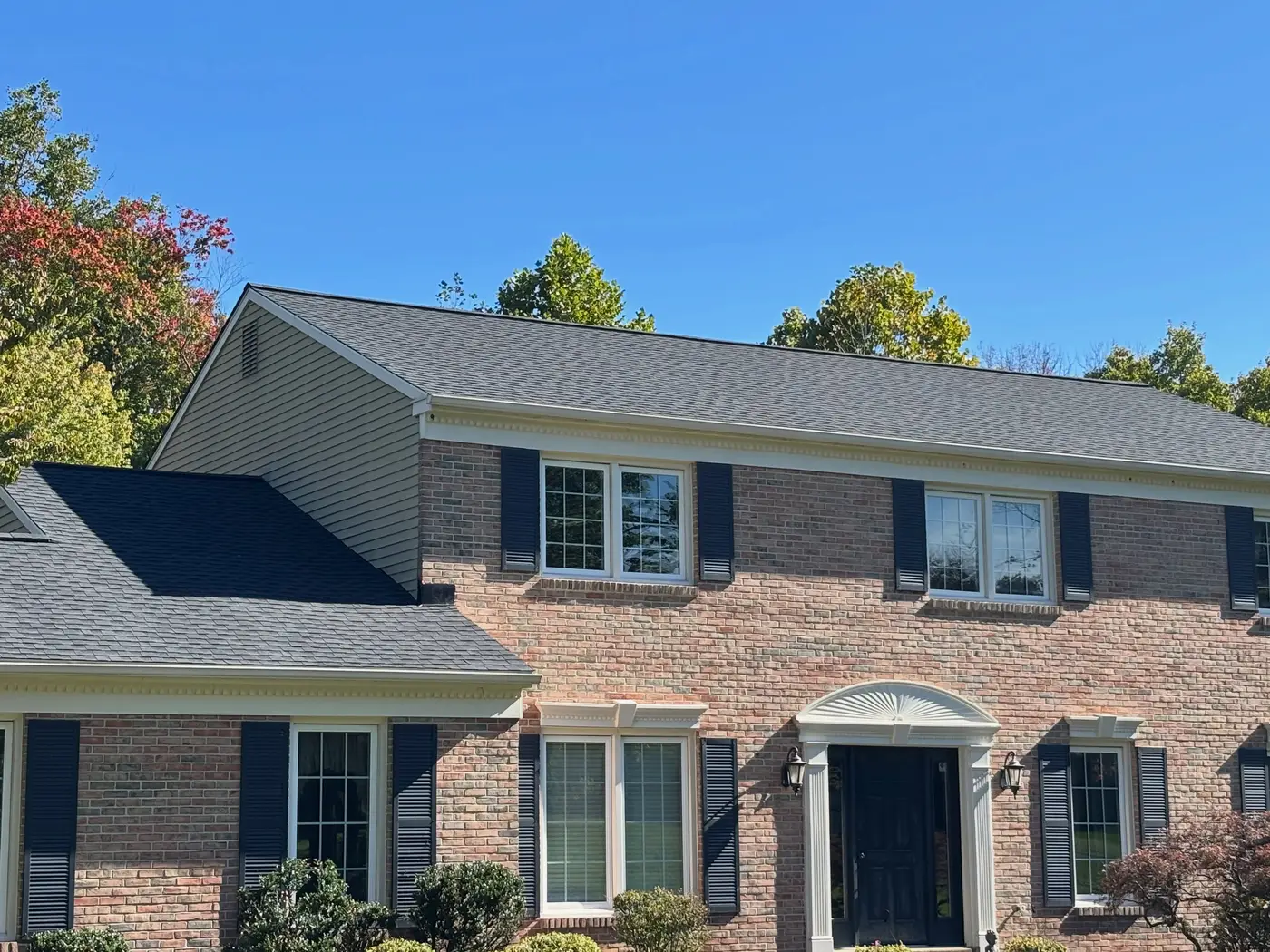
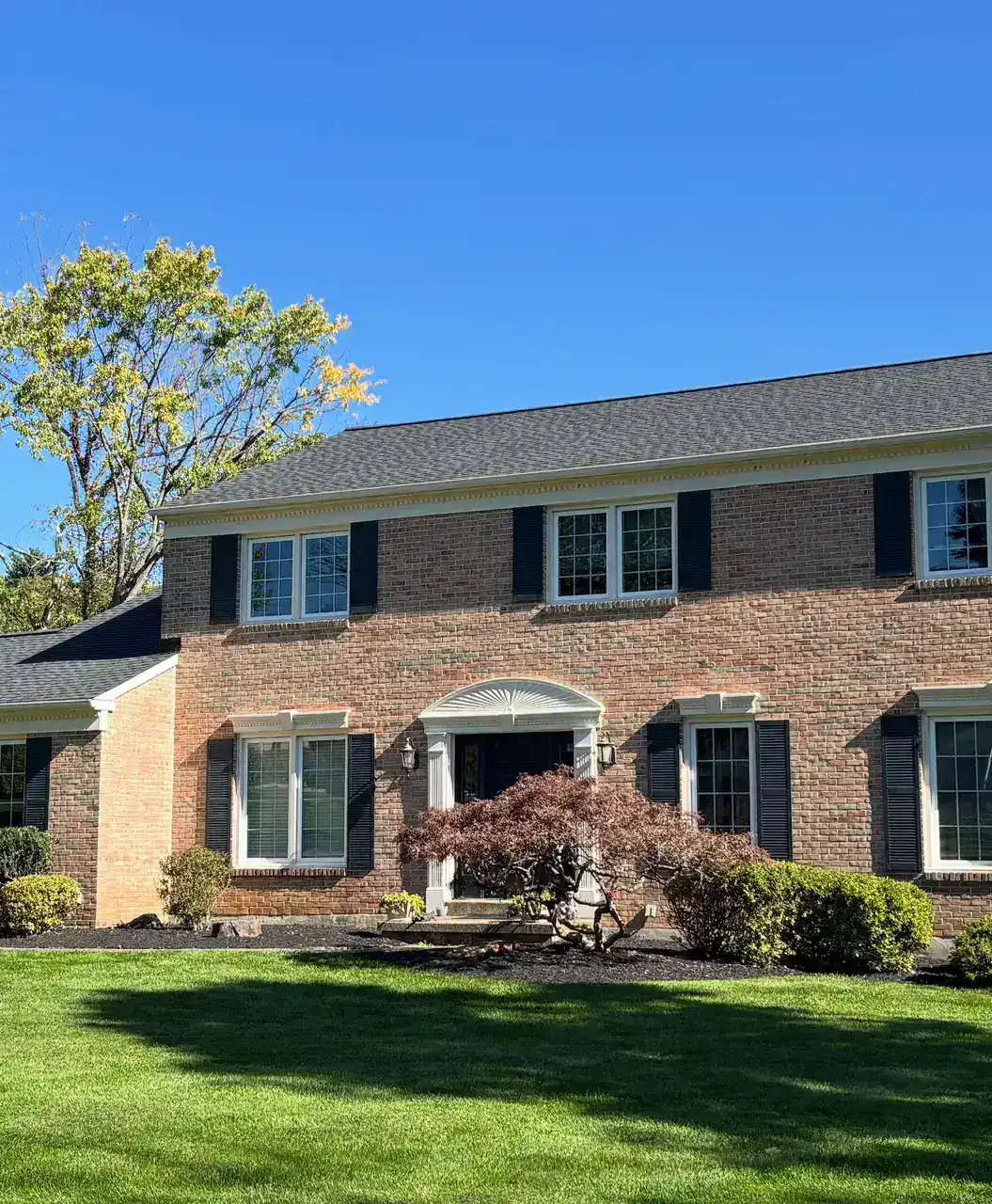
Shingle Re-Roof on a Two-Story Colonial
See all of our roofing projects
Frequently asked questions
What should I do right after a storm?
Should I sign with the first contractor who knocks?
Take your time. Check the contractor's Oklahoma registration, read the contract carefully and never pay in full up front.
Do you work on more than roofs?
Yes. Gutters, windows, fences and related exterior repairs can be handled in the same project plan.
How much does storm damage restoration cost?
Totals vary widely. Minor exterior repairs may run a few thousand dollars, while multi-trade projects can reach $25,000 or more. An insurance claim may cover part or all of it, minus your deductible.
How long does restoration take?
Small repairs can be finished in days. Multi-trade projects often take several weeks, depending on insurance approval, material availability and weather.
Do I need to get several estimates?
Your policy may not require it, but comparing written scopes is a good way to see differences in materials and what is included. Compare the scope and not just the price.
Can you repair just the storm damage?
Yes, when it can be done properly. Some carriers and materials make a partial repair difficult, so we explain the options and any matching concerns before work begins.