

Silicone handles ponding water better. Acrylic is usually less expensive and works well on roofs with good drainage.
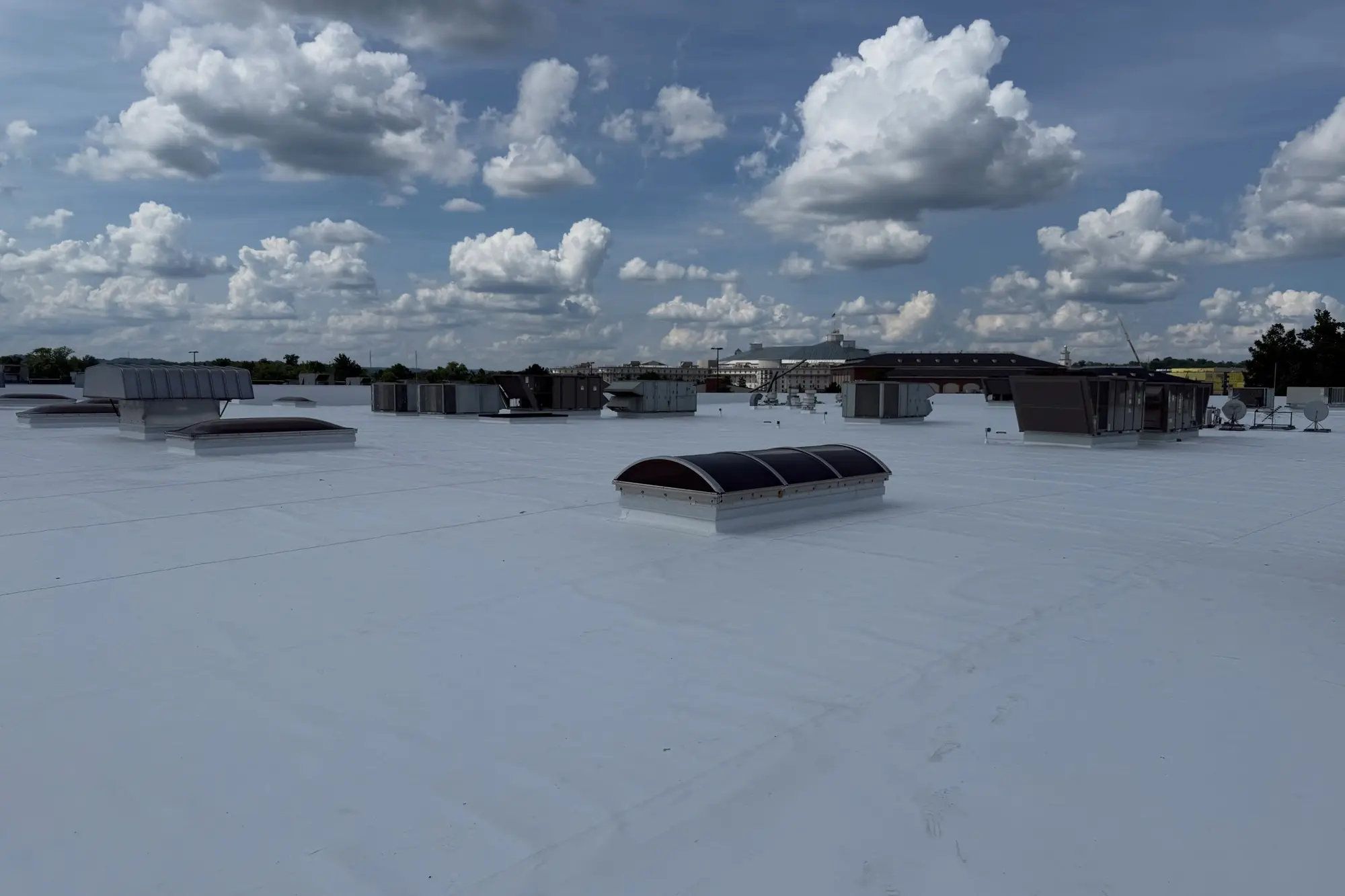

A roof coating can add years to a sound roof without a tear-off. It's a fluid-applied layer that renews weather protection and, in the case of white products, reflects heat during Tulsa's long summers.
Coatings only work on the right roof. We check for moisture and adhesion first, repair seams and penetrations, clean thoroughly and select the right chemistry. If your roof is too far gone, we'd rather say so than coat it anyway.
Common signs we check for:
- Weathered yet dry flat roof
- Rusted or chalky metal panels
- High cooling loads
- Tight capital budget
- Aged seams with sound insulation
- Avoiding tear-off disruption
How the work gets done
Moisture Survey
Core cuts or meters confirm the roof is dry enough to coat.
Adhesion Test
Test patches verify the product will bond to your surface.
Prepare the Roof
Cleaning, seam repairs and rust treatment come next.
Apply the Coating
Base and top coats are applied at the specified thickness.
Typical Cost
Coatings commonly cost $3 to $7 per square foot, with thickness, preparation and access being the main variables.
These are planning ranges for the Tulsa area, not a quote. Your written estimate is based on the actual roof.
Request an EstimateRoof Coating prices
Planning ranges for the Tulsa area, updated November 2026. They include typical labor and materials, but they are not a quote. Your written estimate is based on an inspection of the actual job. See every category on our price list.
What a roof coating can and cannot do
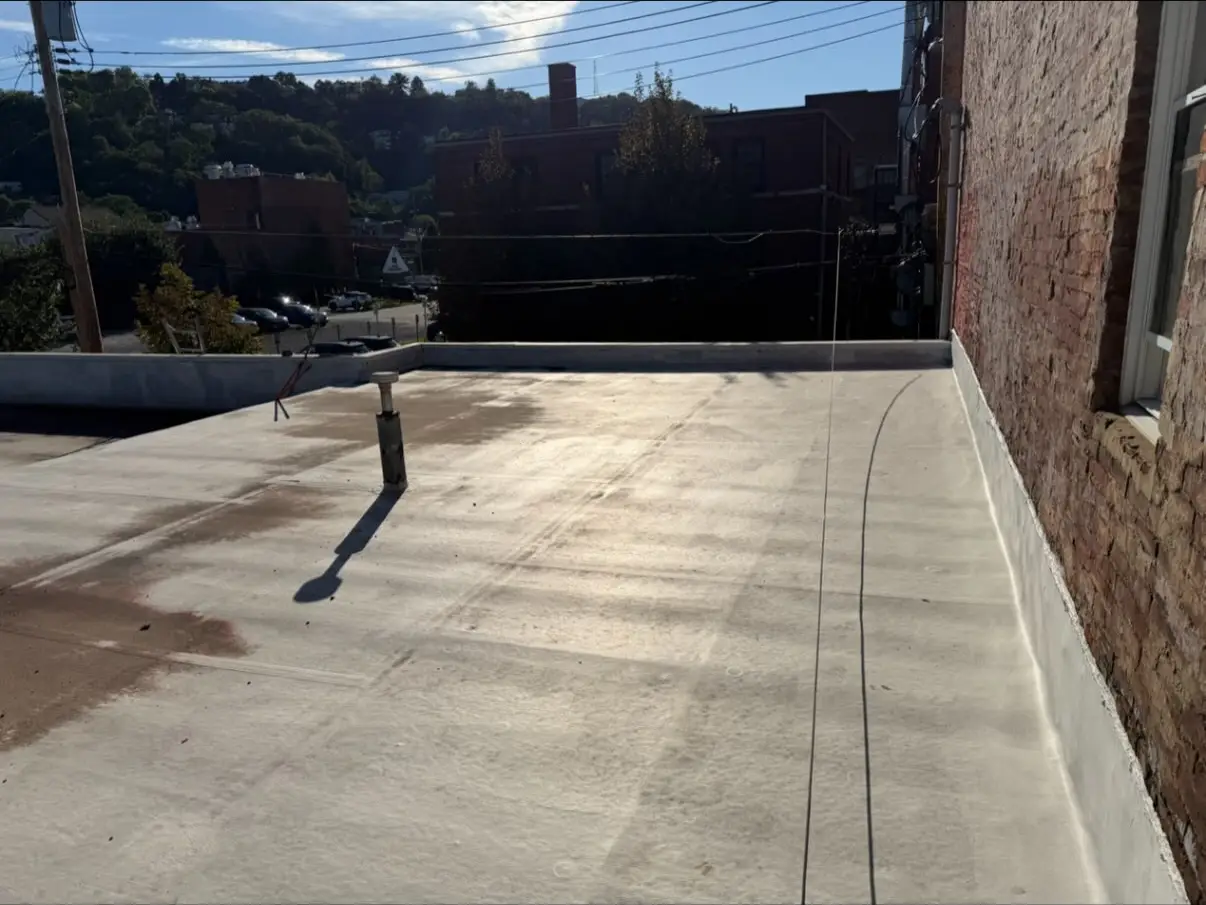
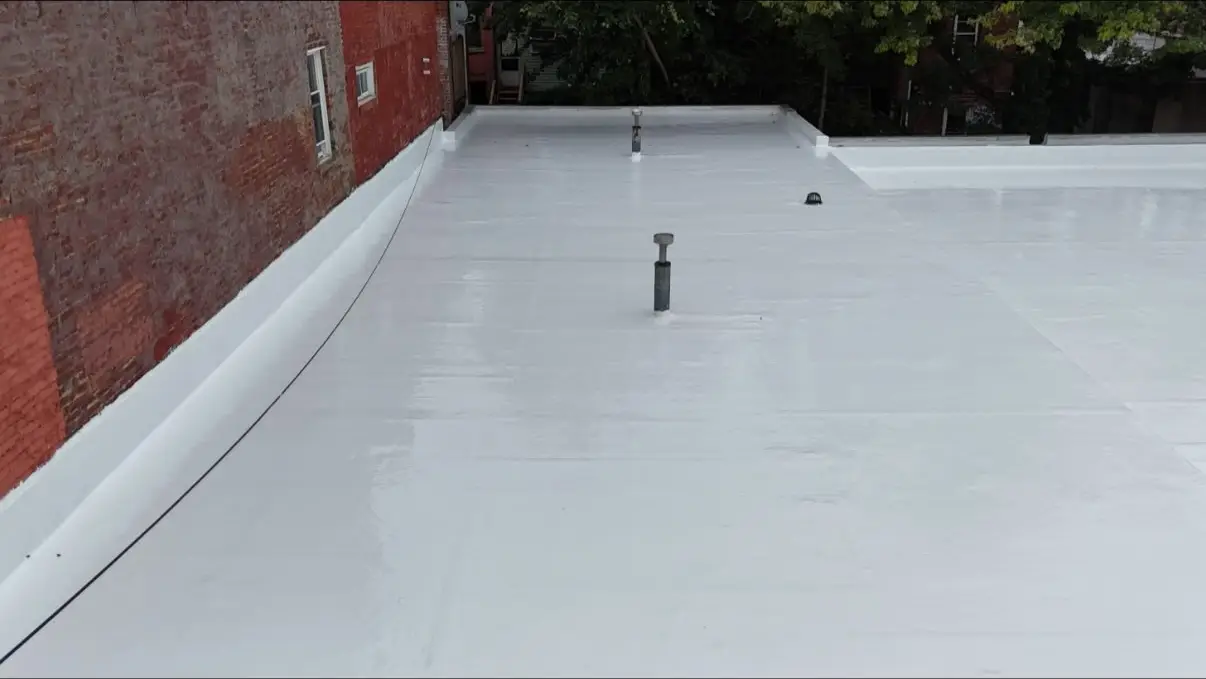
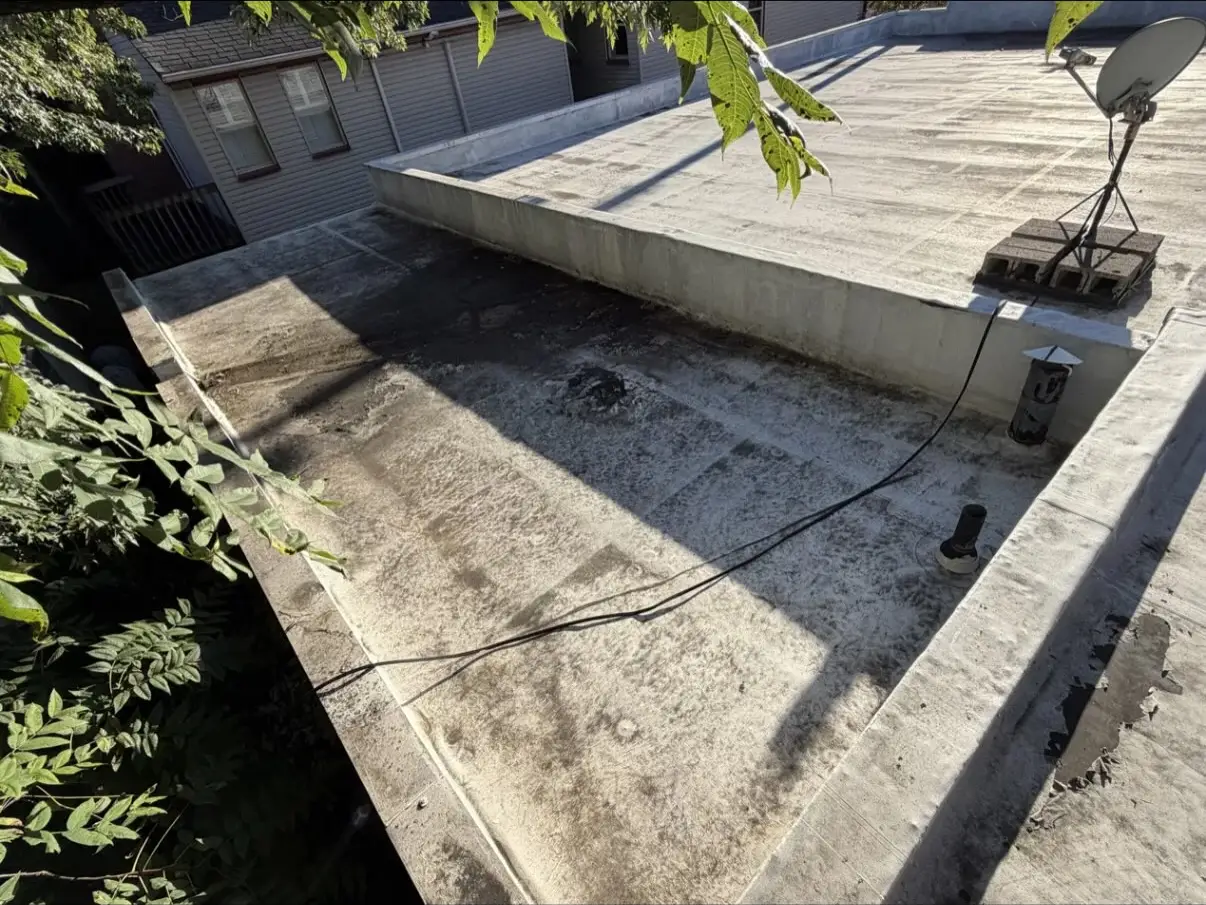
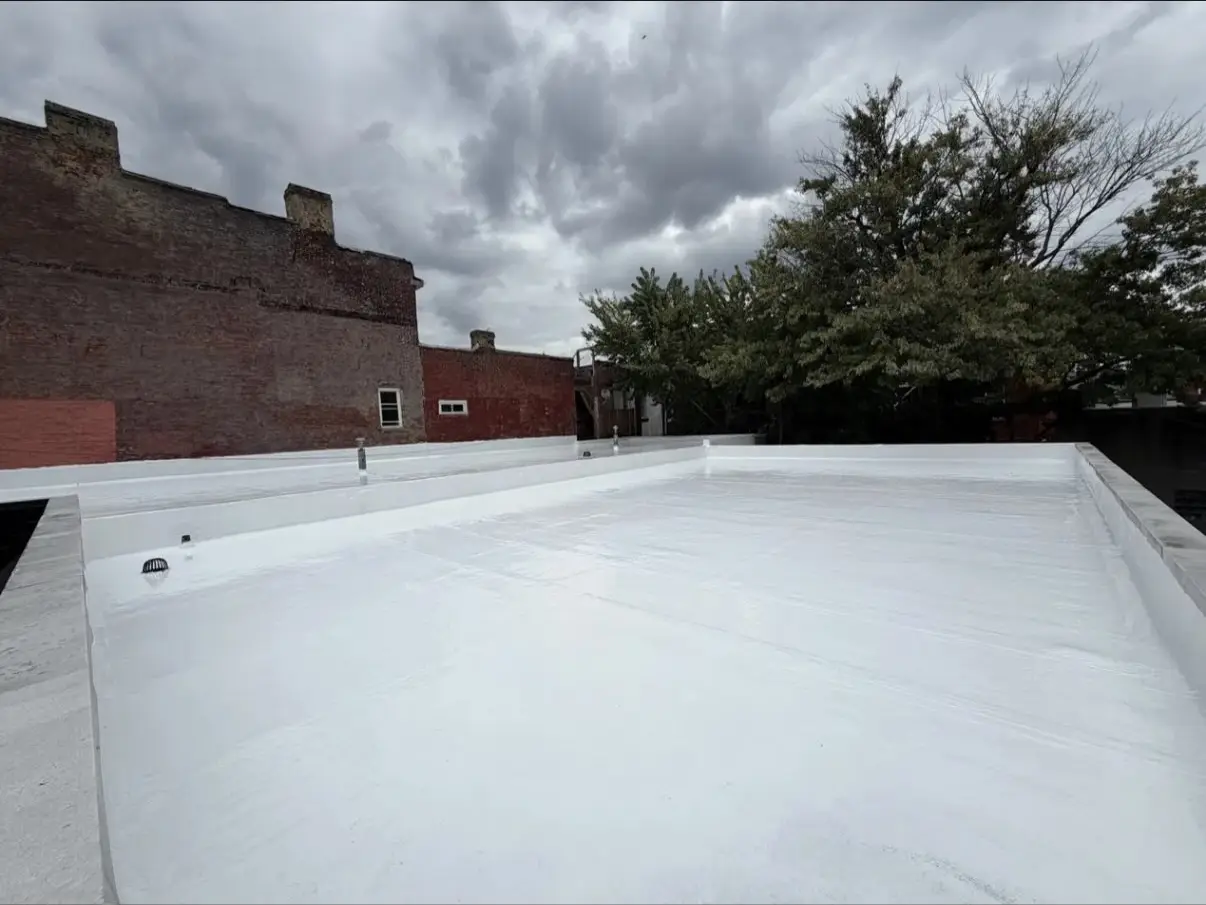
A coating is a fluid-applied membrane that cures into a seamless surface over an existing roof. Applied to the right roof, it seals small leaks, reflects sunlight, protects old material and can add years before replacement is needed. It costs a fraction of a tear-off and adds little weight, with far less disruption.
It is not a cure-all. A coating cannot fix wet insulation, a failing deck, heavy ponding on an unsuitable product or a membrane that has already fallen apart. Coating over those problems traps moisture and hides trouble for a short while. That is why honest coating work starts with a moisture survey, not a sales pitch.
Types of coatings
Each chemistry has a strength. The right one depends on your roof, its drainage and your goals.
- Acrylic: water-based, reflective and affordable. It works well on sloped roofs with good drainage but dislikes standing water.
- Silicone: handles ponding water and sunlight very well, but it collects dirt, and a later recoat may need to be silicone too.
- Urethane: tough and resistant to impact and foot traffic, usually at a higher price, with a stronger odor.
- Aluminum: common on bitumen roofs for sun protection and reflectivity.
- Specialty tile and shingle coatings: used to refresh appearance. These are mostly cosmetic and need honest expectations.
Which roofs are good candidates
Good candidates share a few things: most of the insulation is dry, the surface is mostly intact and the deck is sound. These include:
- TPO and PVC roofs nearing the end of their service life, once adhesion is tested.
- EPDM and modified bitumen roofs with worn surfaces.
- Metal roofs with surface rust or failing fasteners; also see metal roof retrofit.
- Built-up roofs with dry insulation.
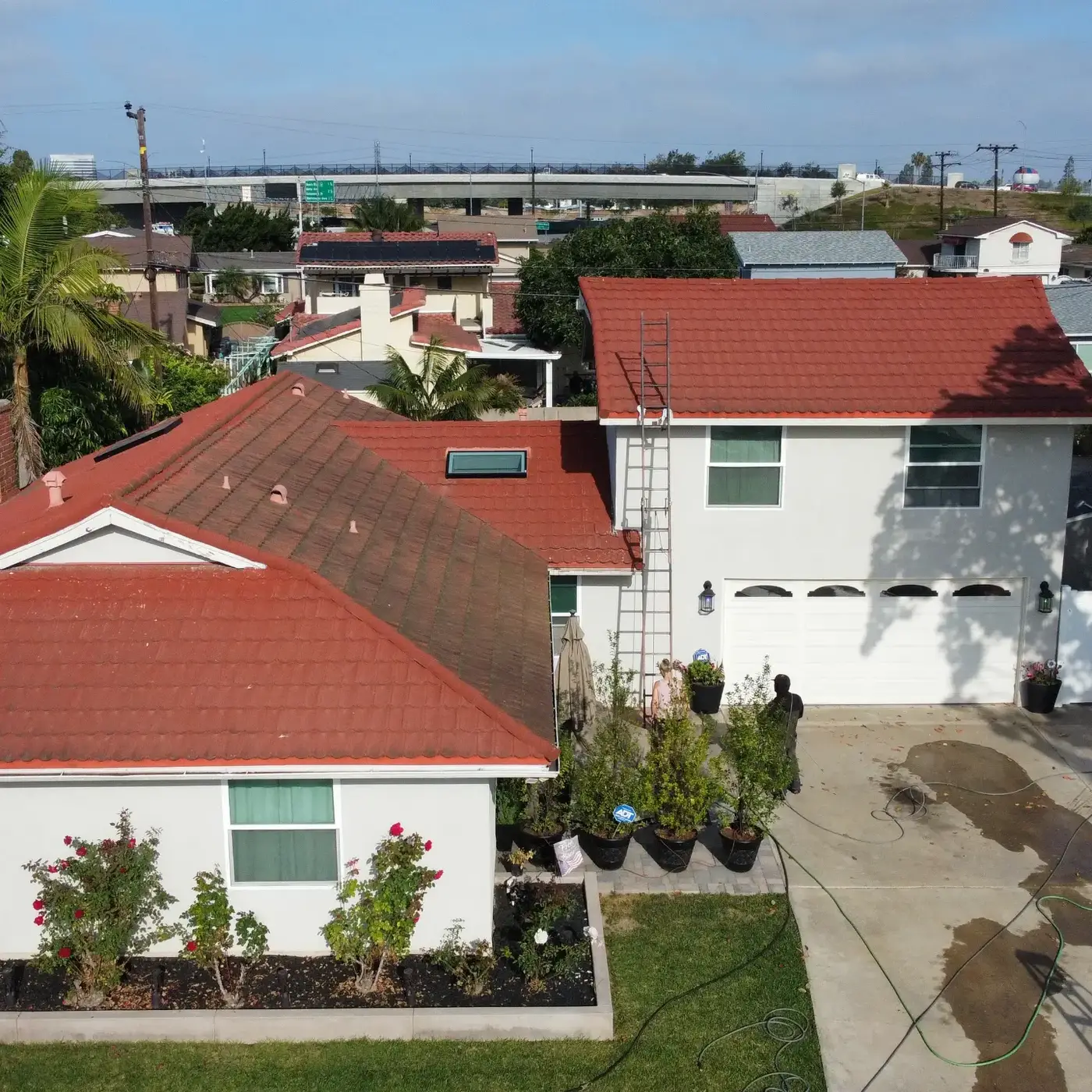
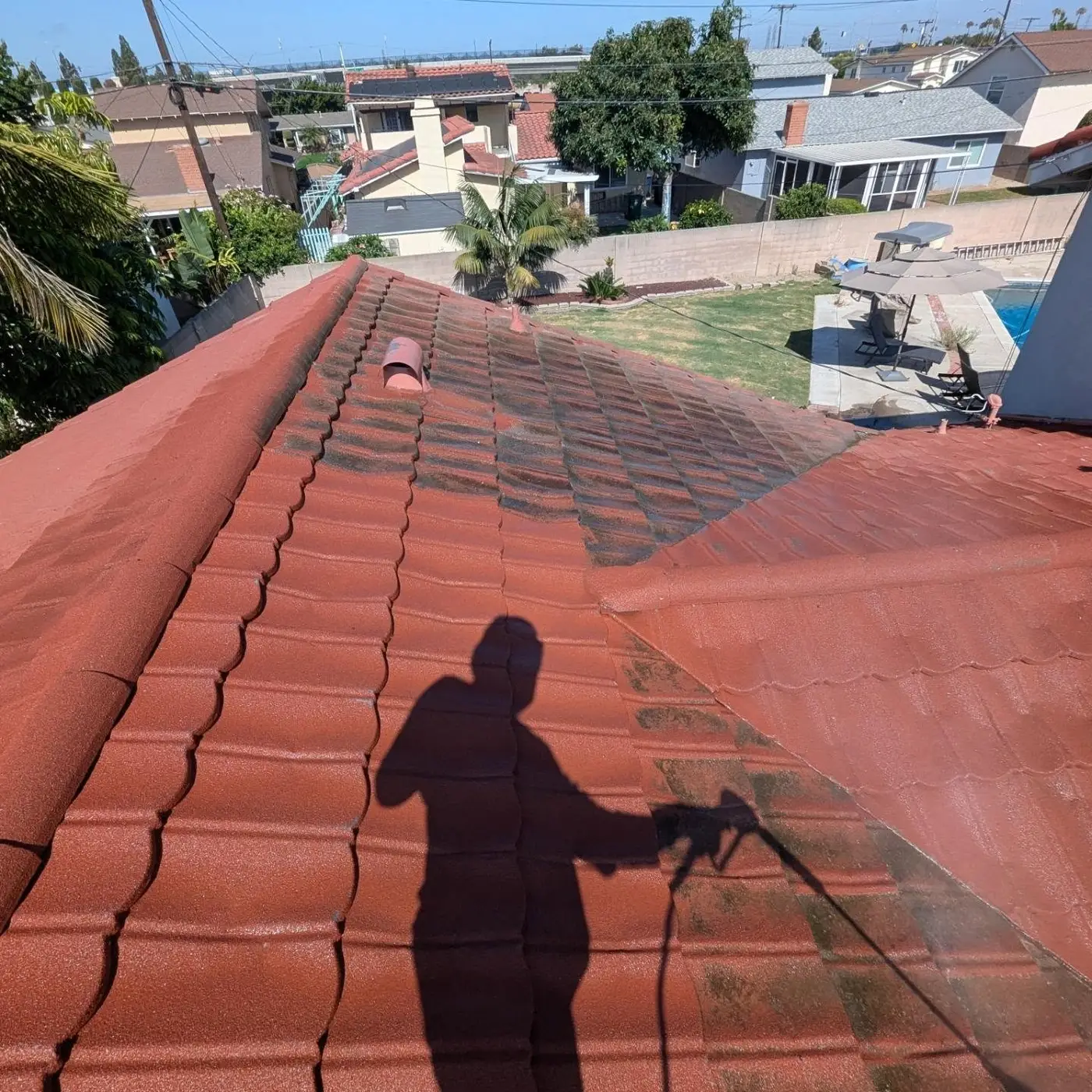
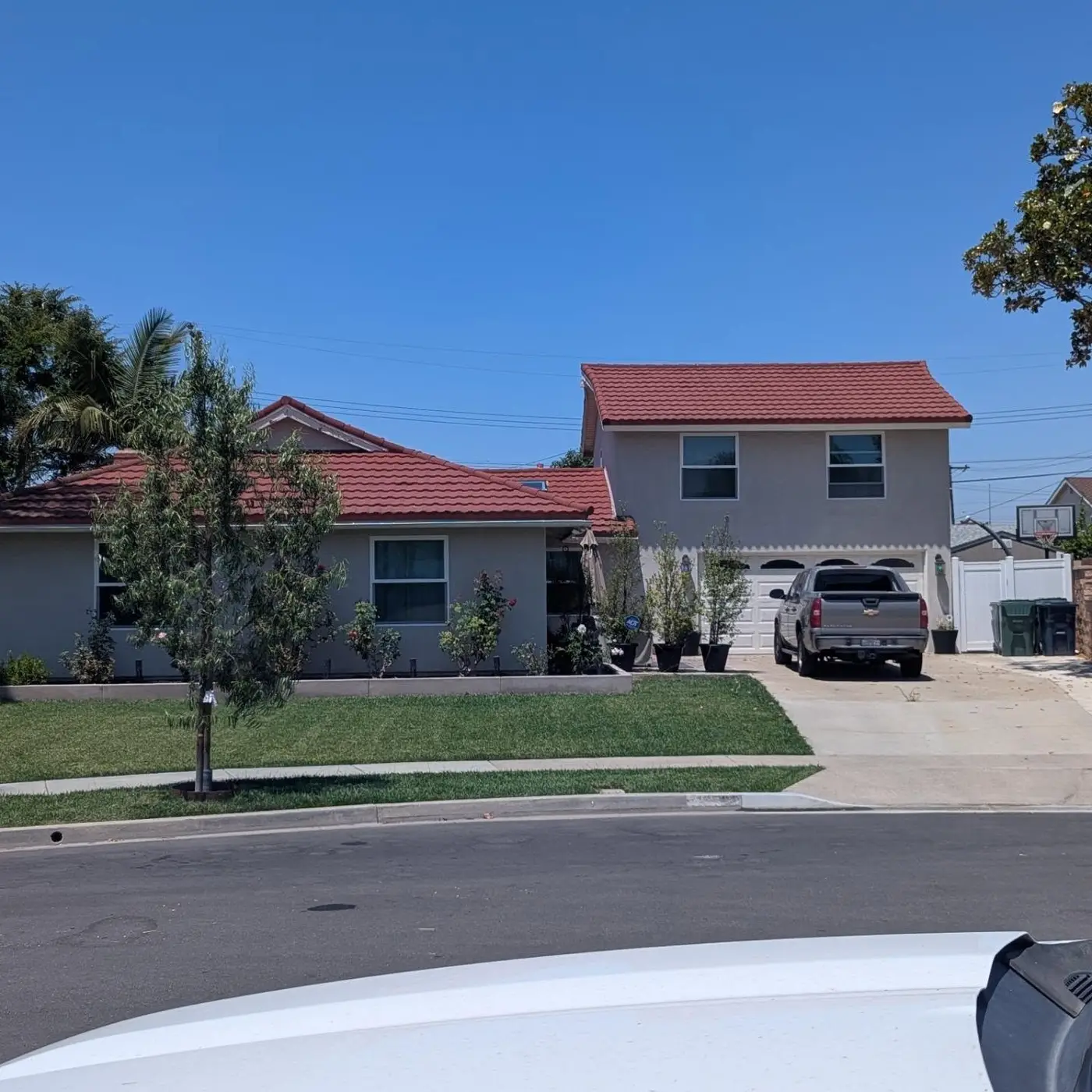
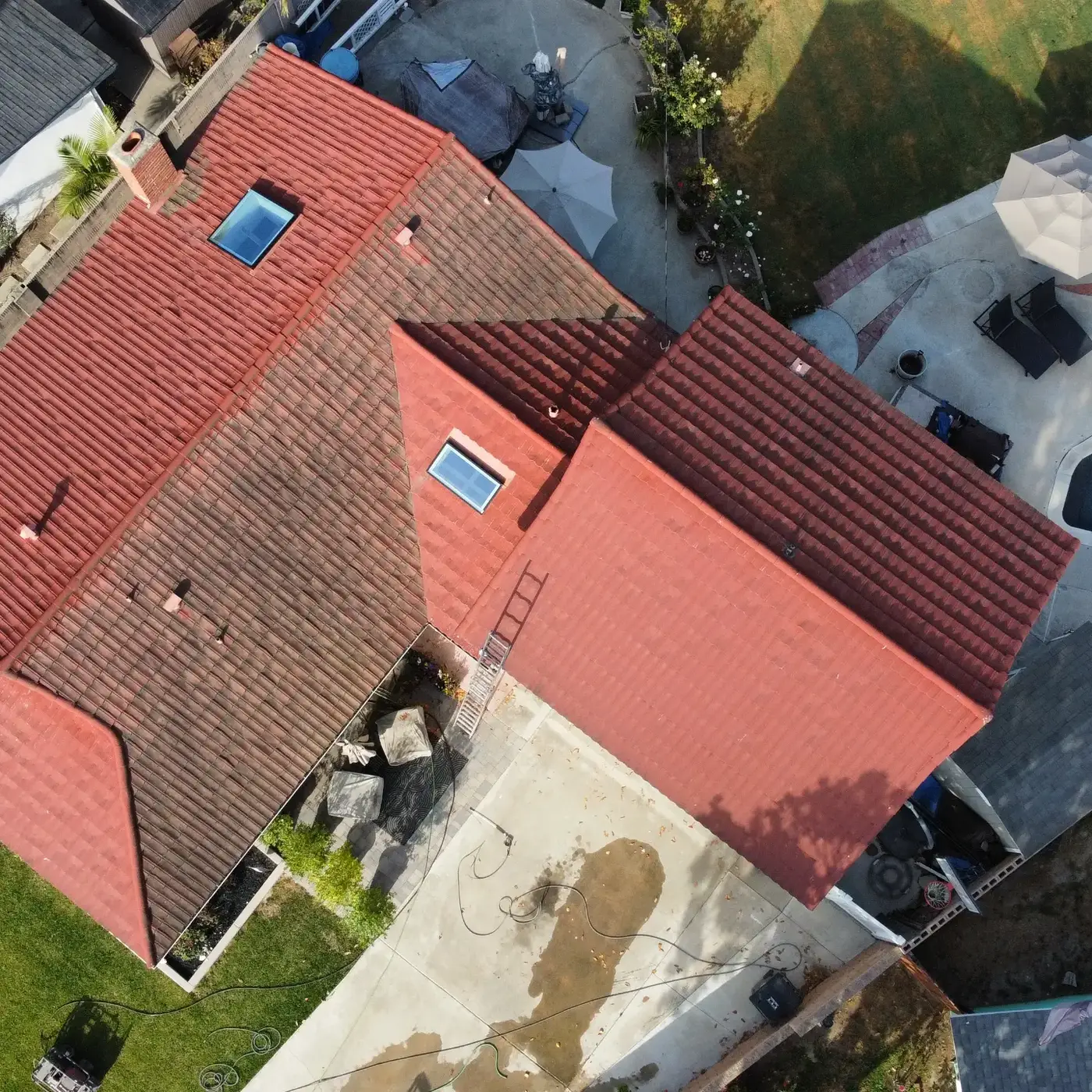
- Concrete tile that needs a color refresh, as long as the underlayment is still sound.
Wet areas are usually cut out and replaced first. If moisture is widespread, replacement is generally the right call, and we will tell you so.
How a coating job is done
Surface prep makes or breaks a coating. We start with a moisture survey and an adhesion test on a small area, because not every product bonds to every surface. The roof is cleaned using a low-pressure wash and a suitable cleaner, and repairs are made to seams, flashing, drains and penetrations. Primer is applied if needed, followed by reinforcement at seams and details. The main coats go on at a measured thickness, usually checked with a wet film gauge, because the coating's life depends on how much product goes on. Weather has to cooperate, as rain, cold or heavy dew can interfere with curing.
Life expectancy and what you get back
A properly applied coating commonly lasts about 10 to 20 years, depending on thickness and exposure. Many systems can be recoated later, which pushes back the expense of a full replacement. Reflective surfaces can reduce rooftop temperature and may lower cooling loads, particularly on poorly insulated buildings. Savings vary, so ask how any figures were calculated. Some buildings may also benefit from treating the coating as maintenance, so ask your tax advisor. For the full menu of options, see flat roof repair and commercial roofing.
Related services
A coating is one of several options when a roof starts to age. See commercial roofing in Tulsa for how we compare repair, restoration and replacement, or flat roof repair if the problem is limited to a few spots. Older steel roofs are covered under metal roof retrofit.
Recent roof coating projects
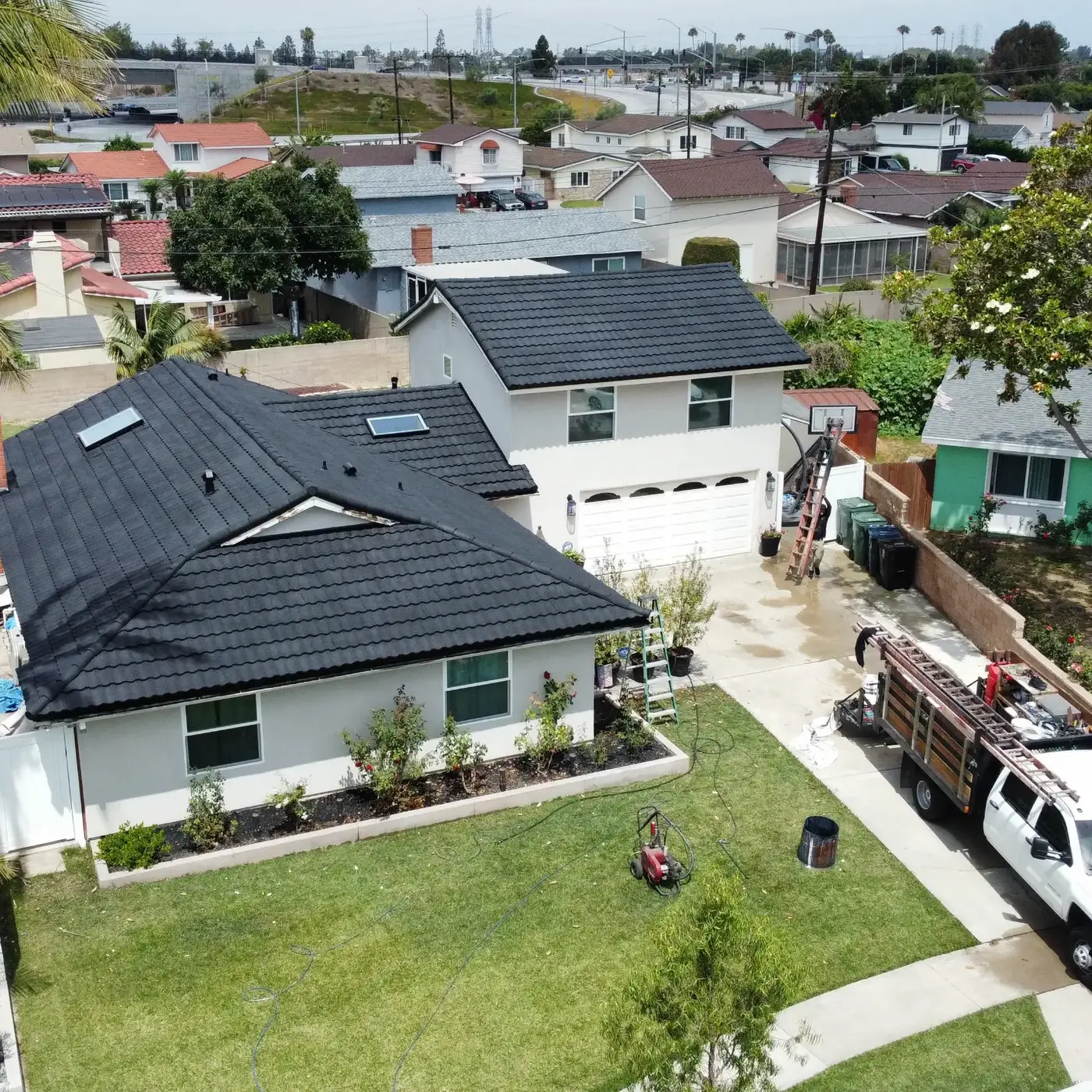
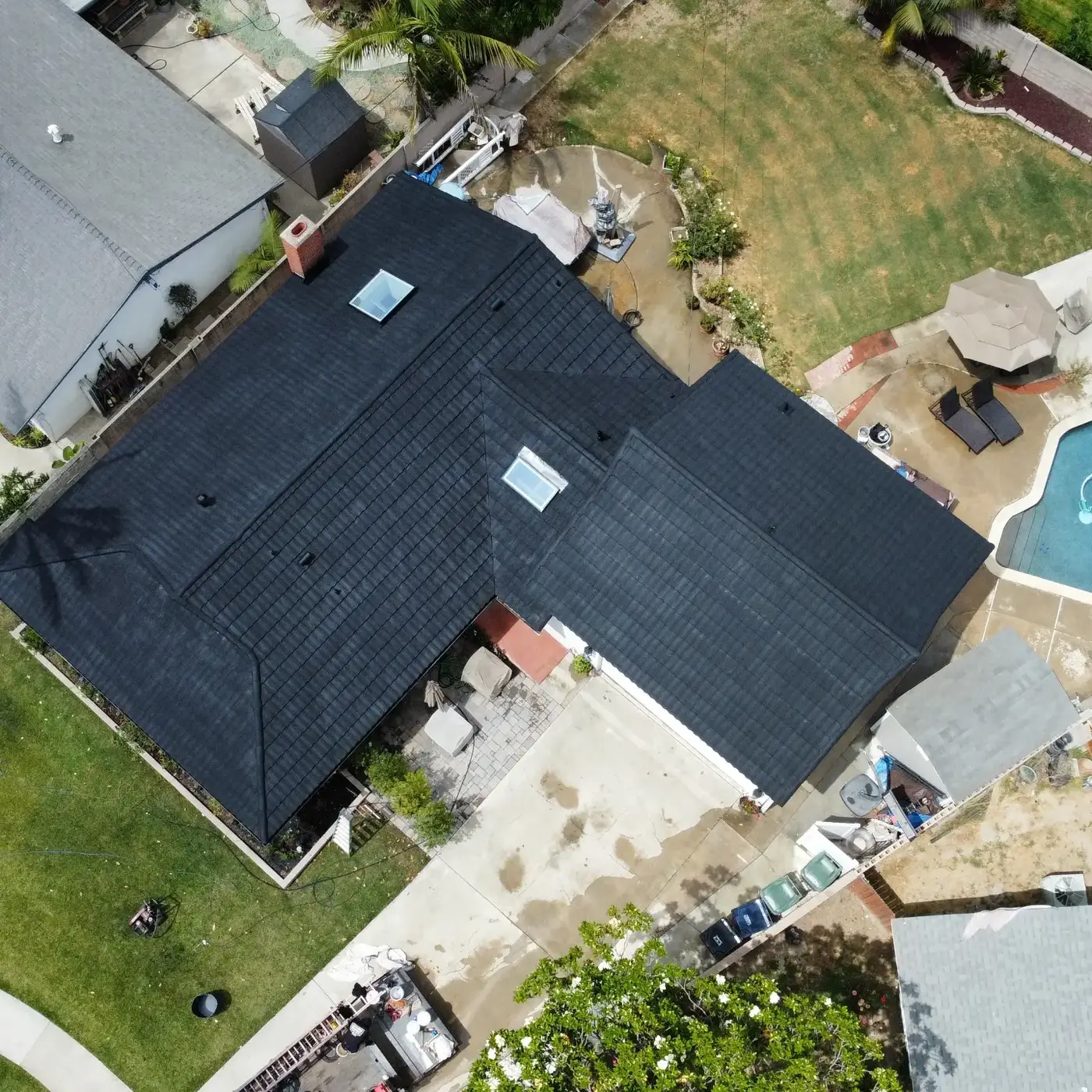
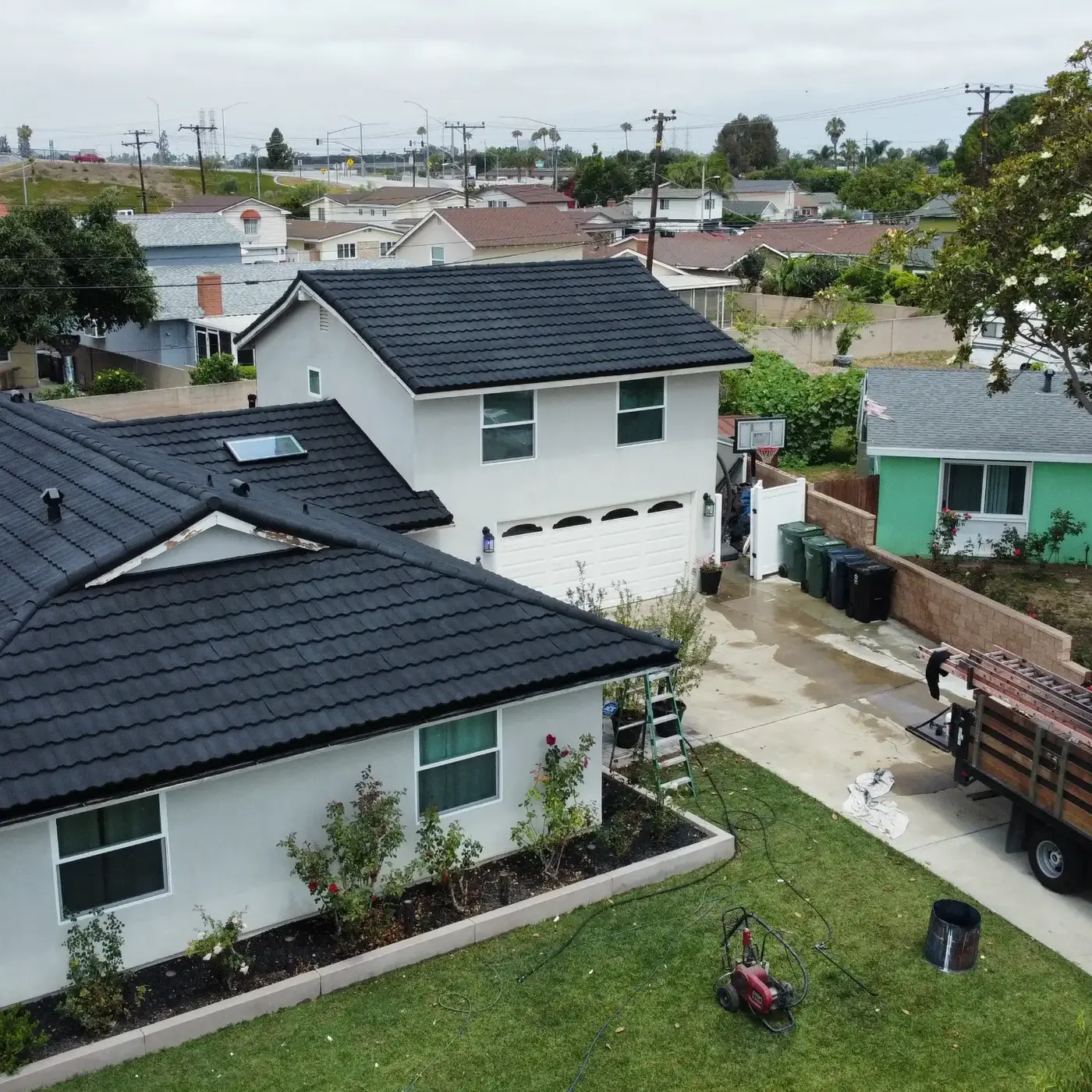
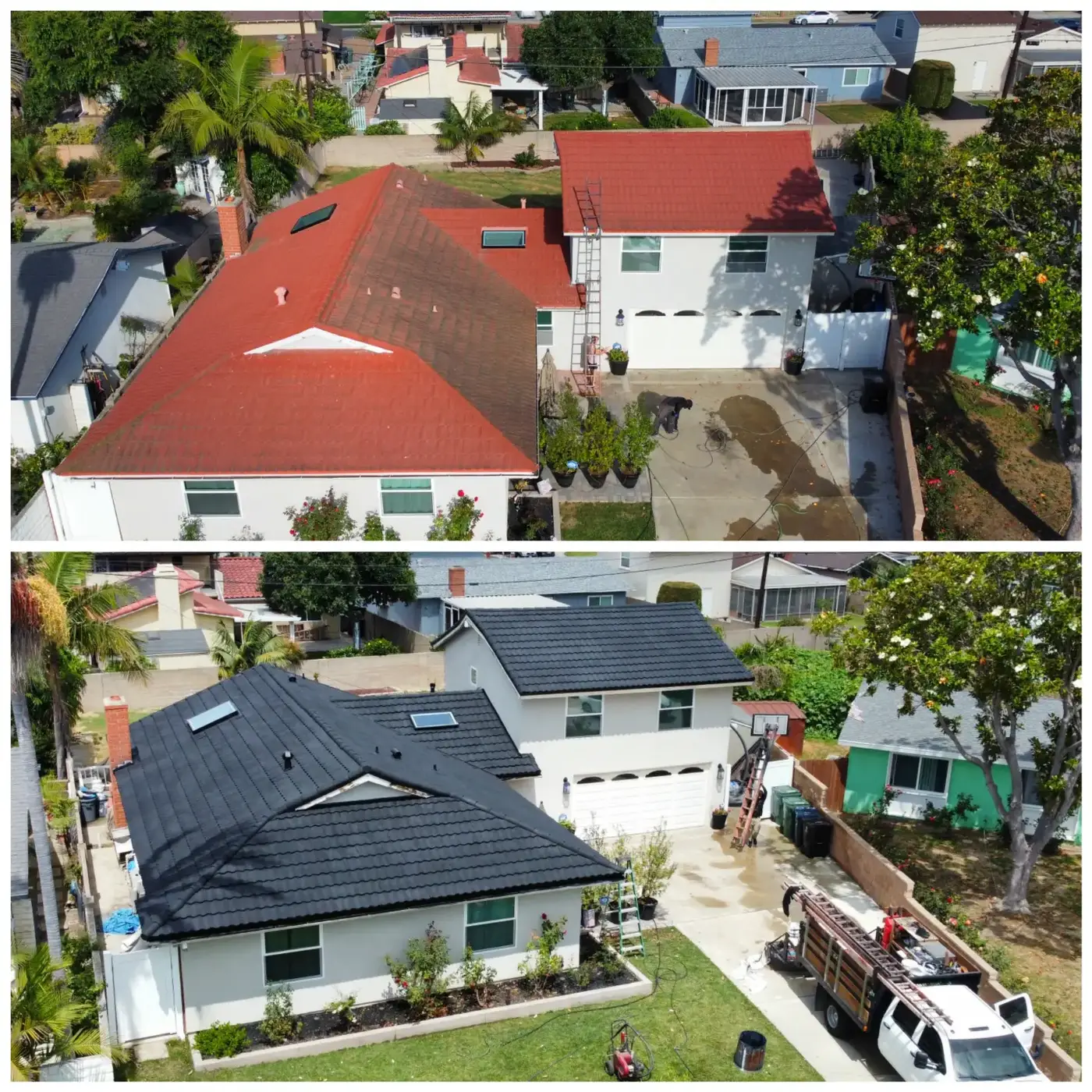
Tile Roof Coating, Red to Black
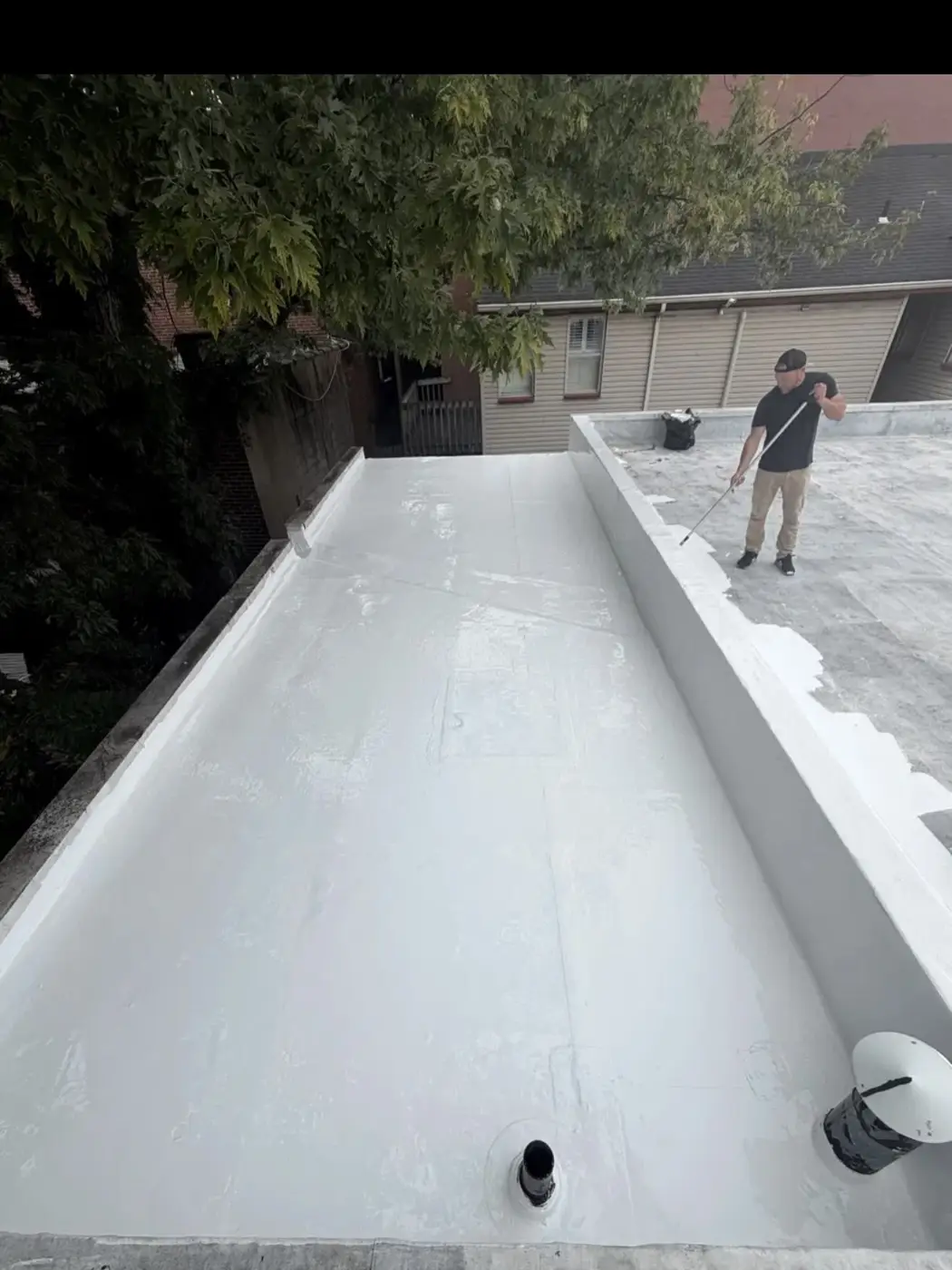
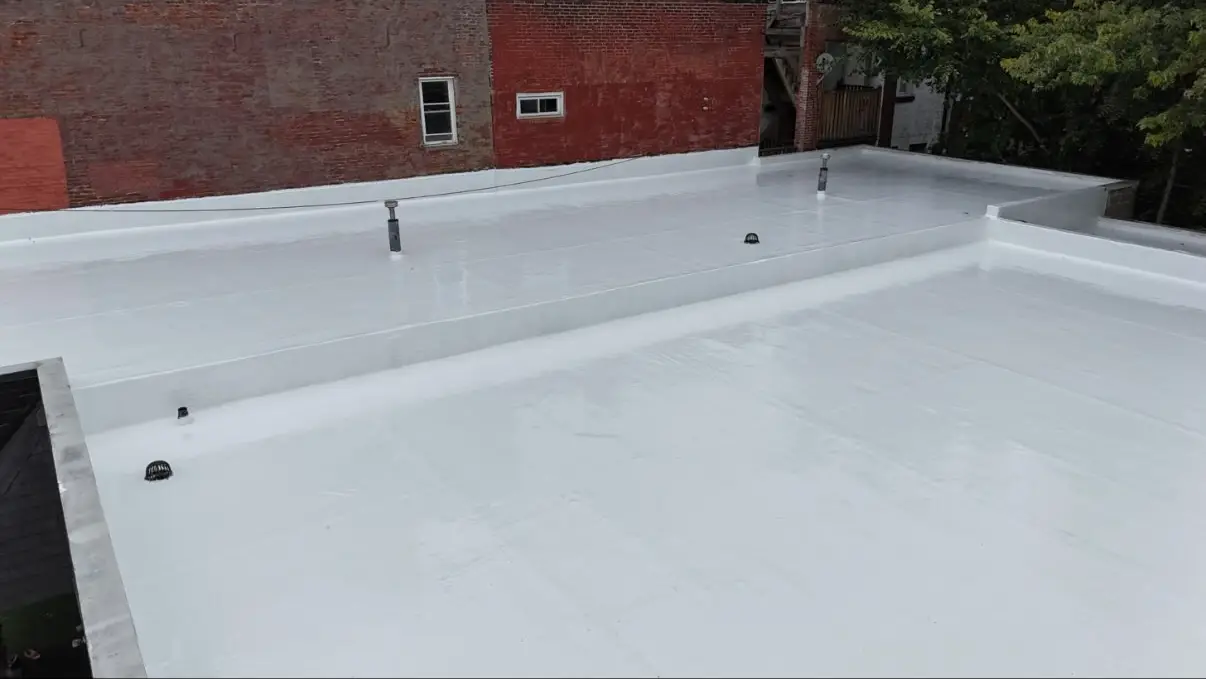
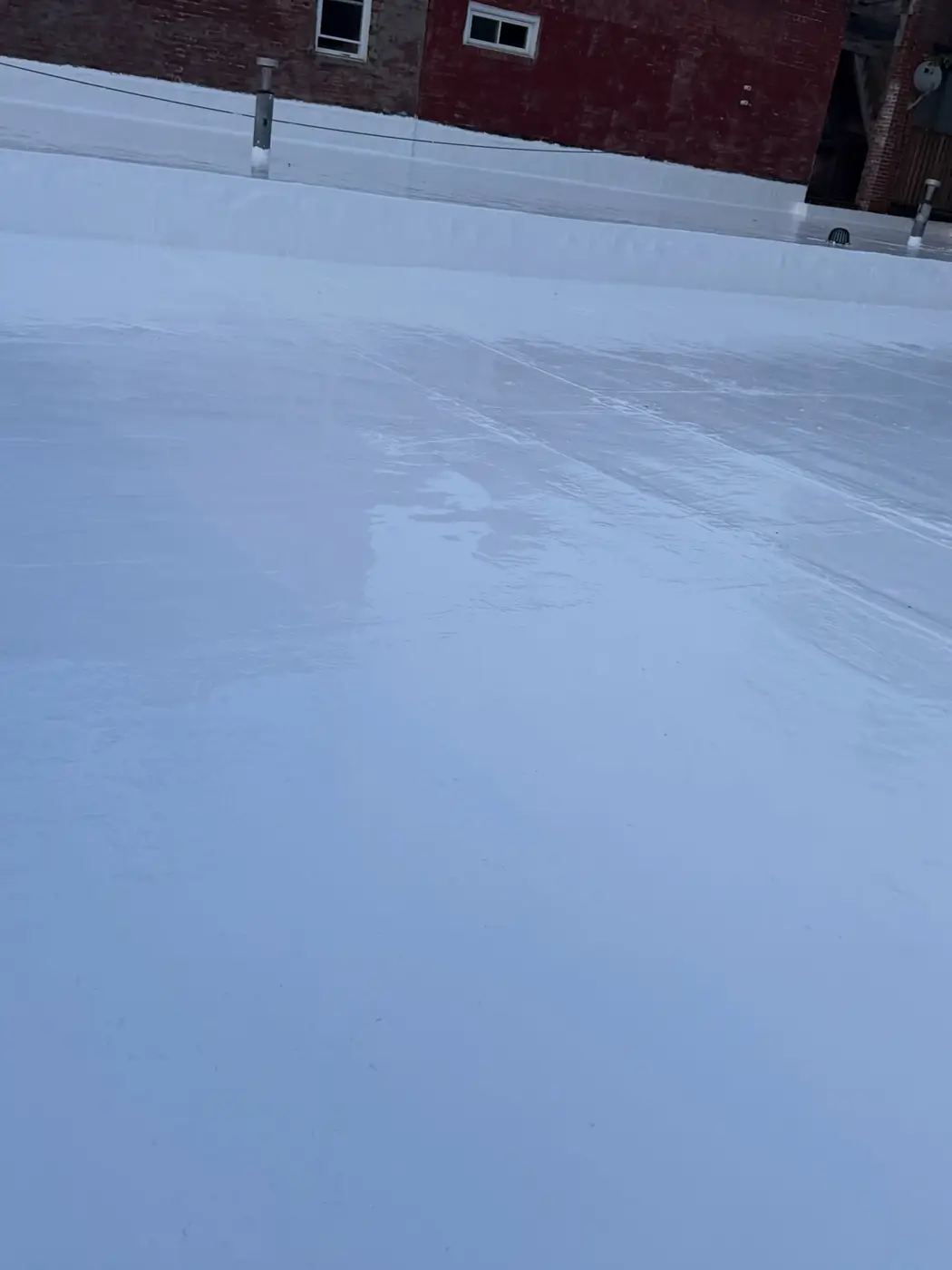
Elastomeric Coating on a Walled Flat Roof
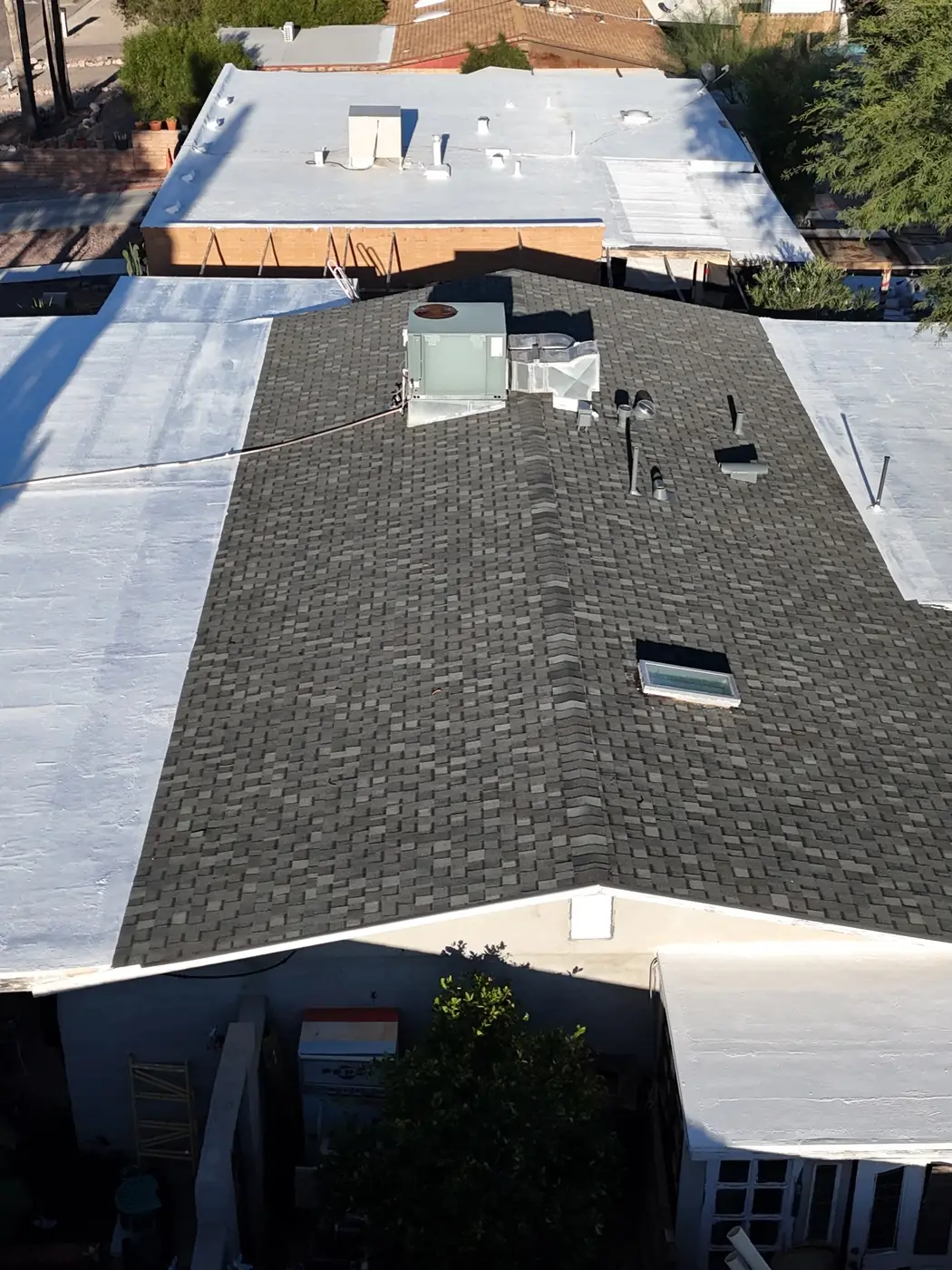
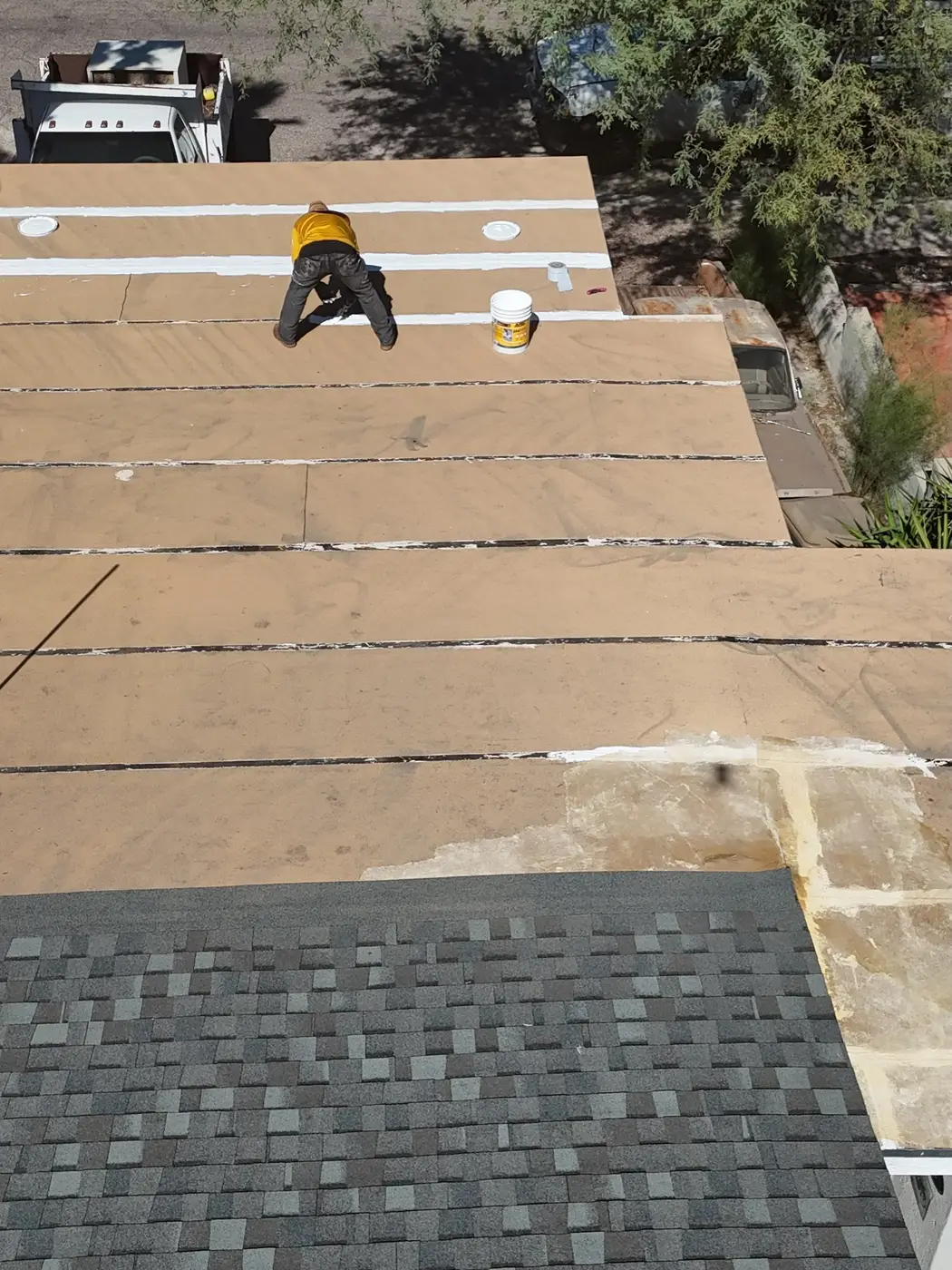
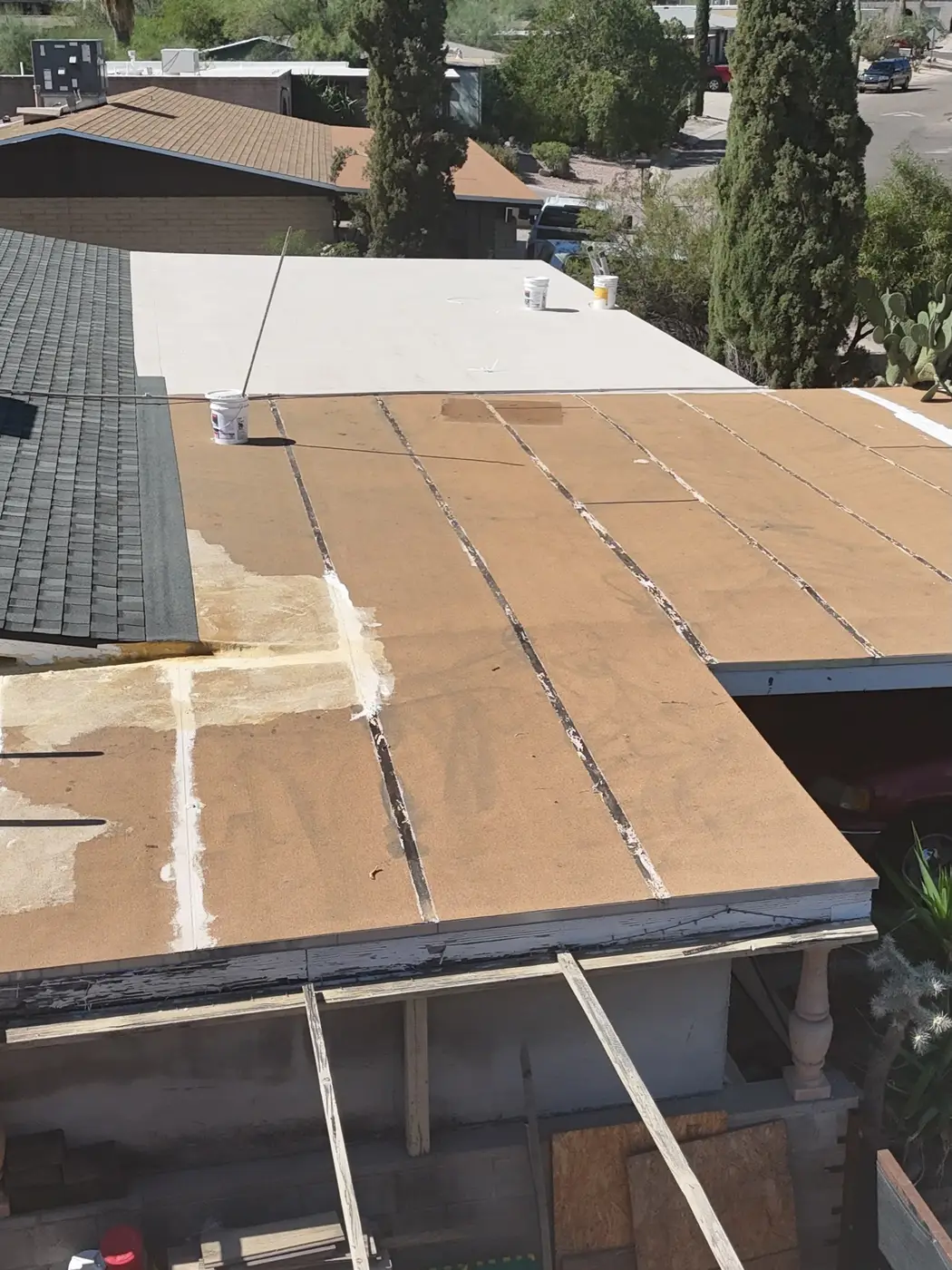
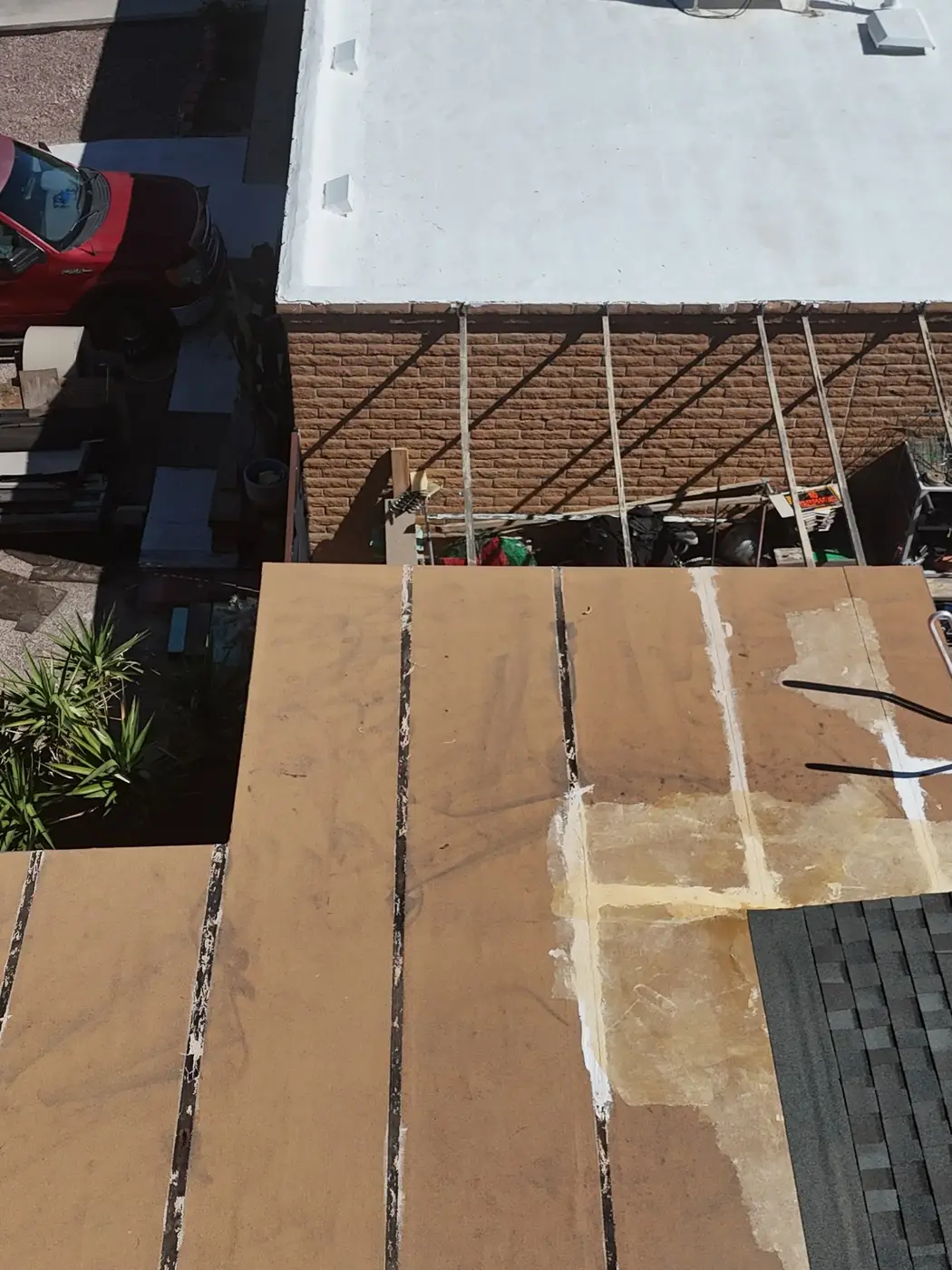
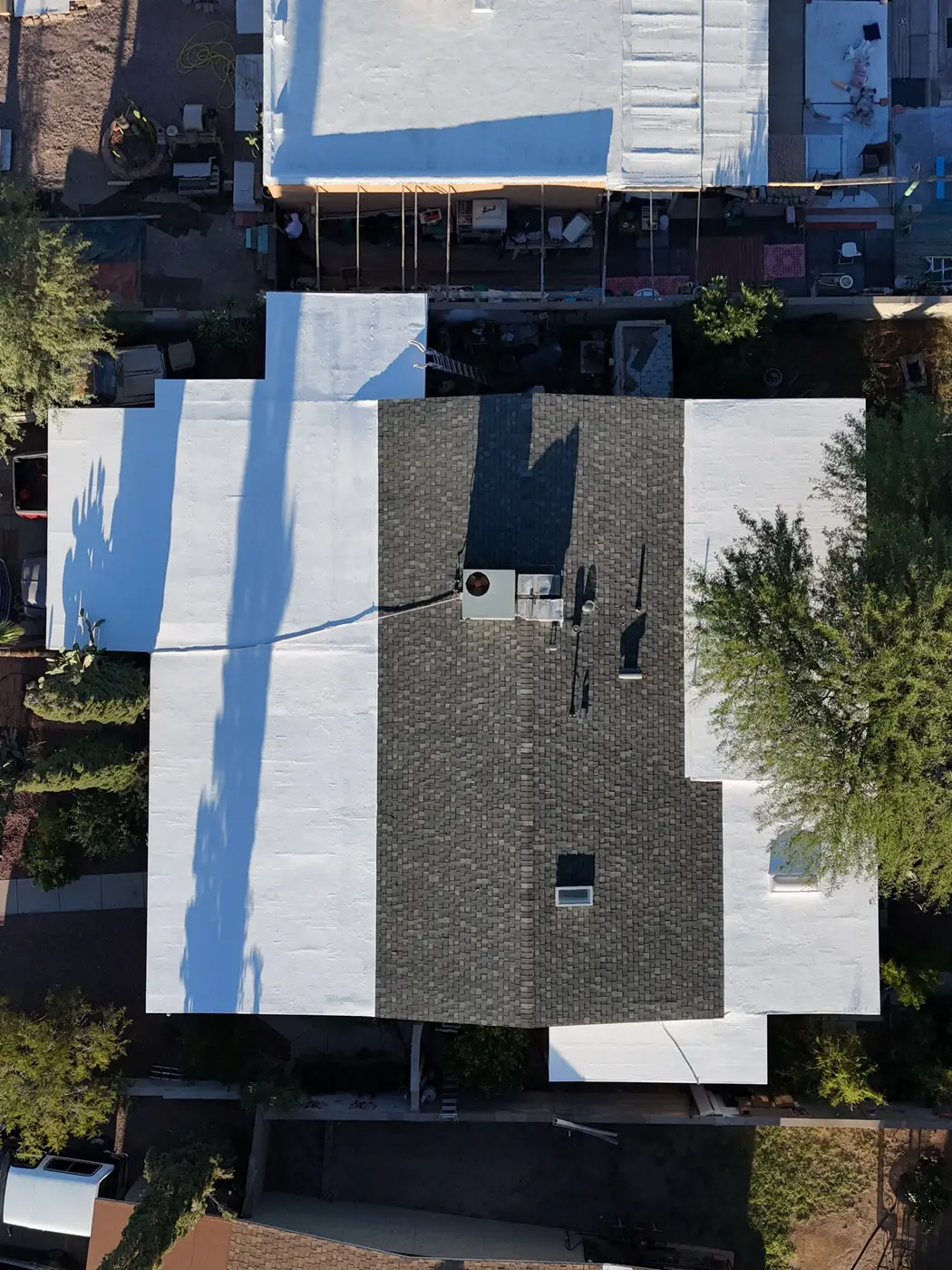
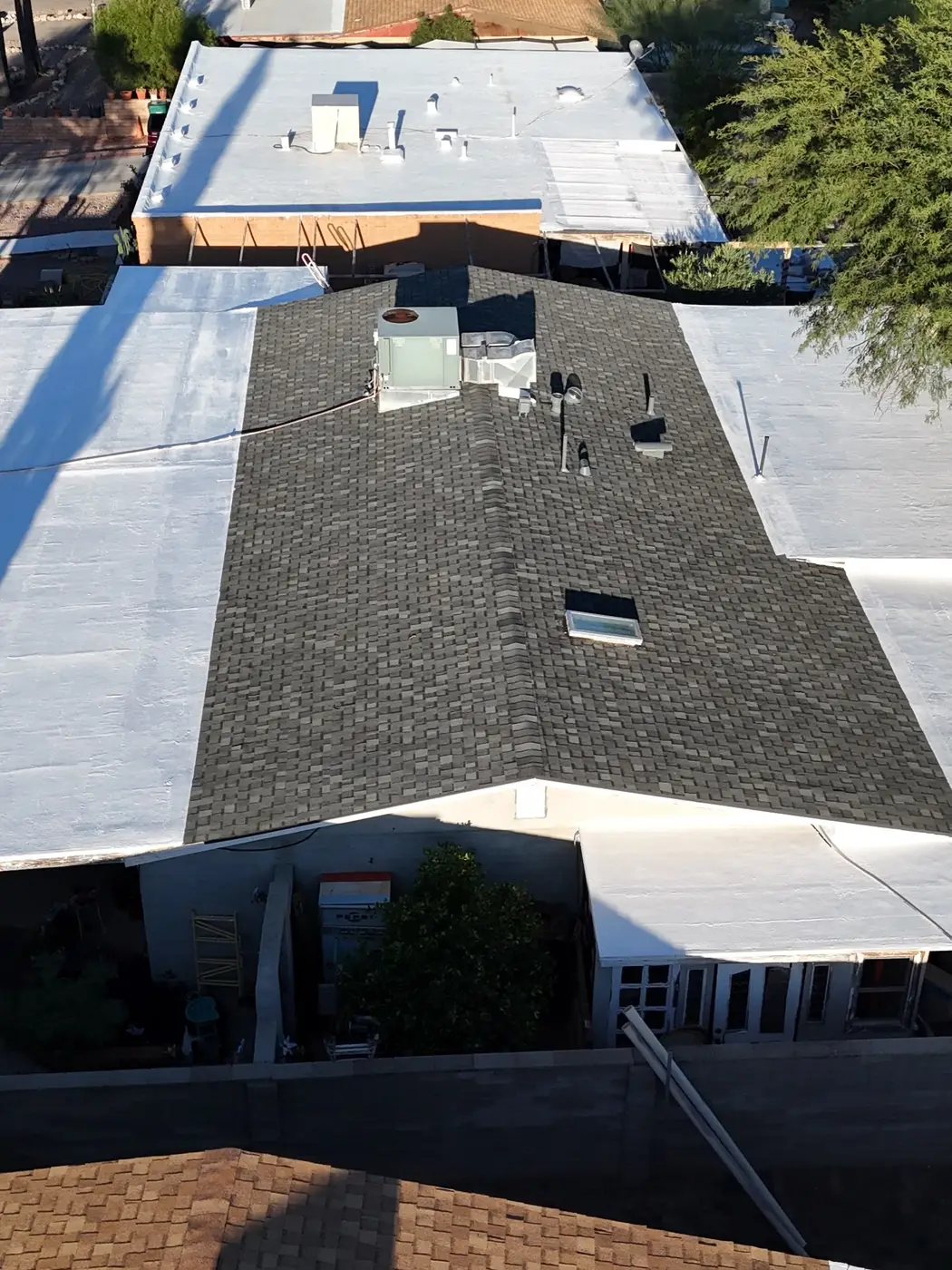
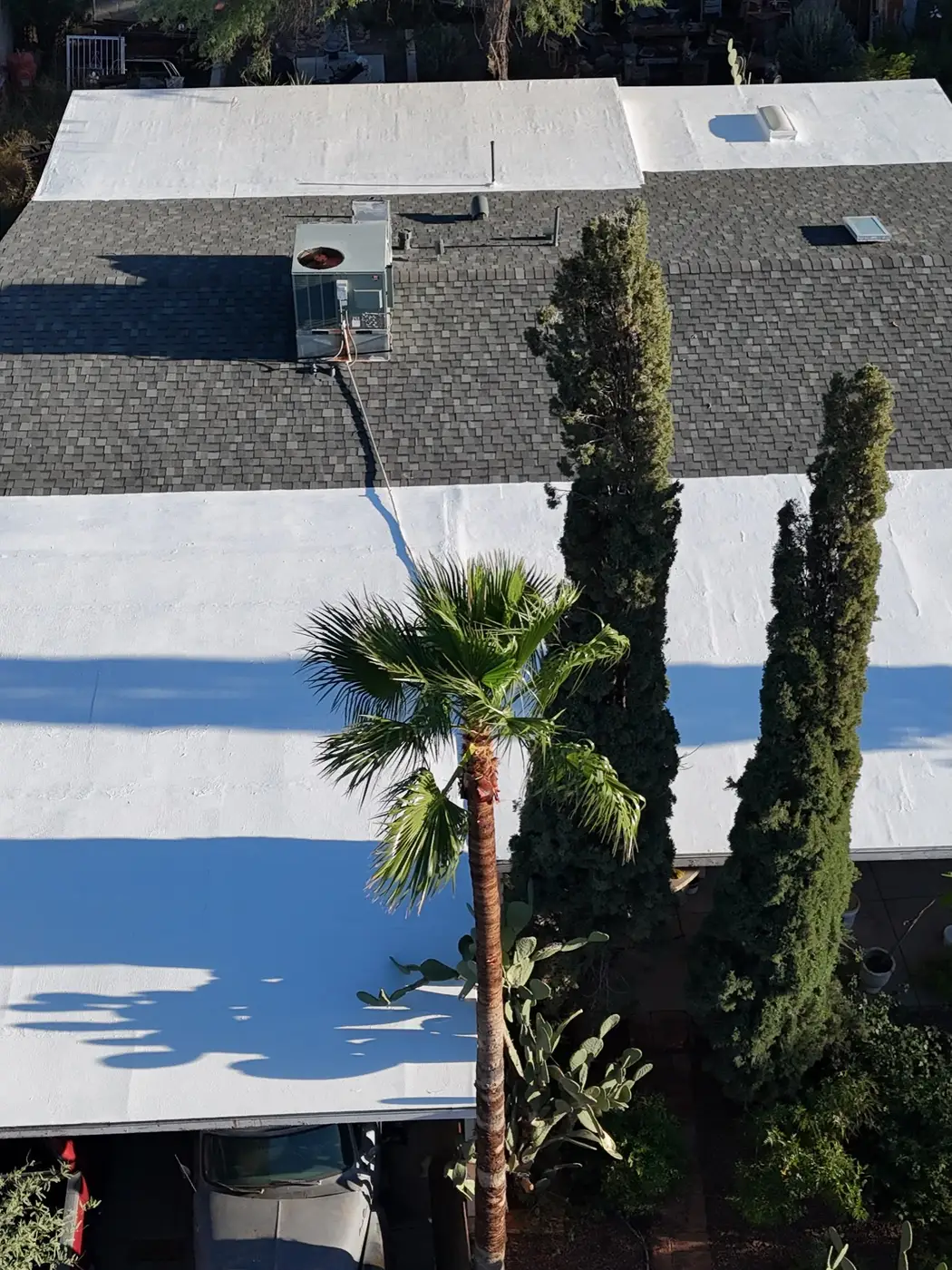
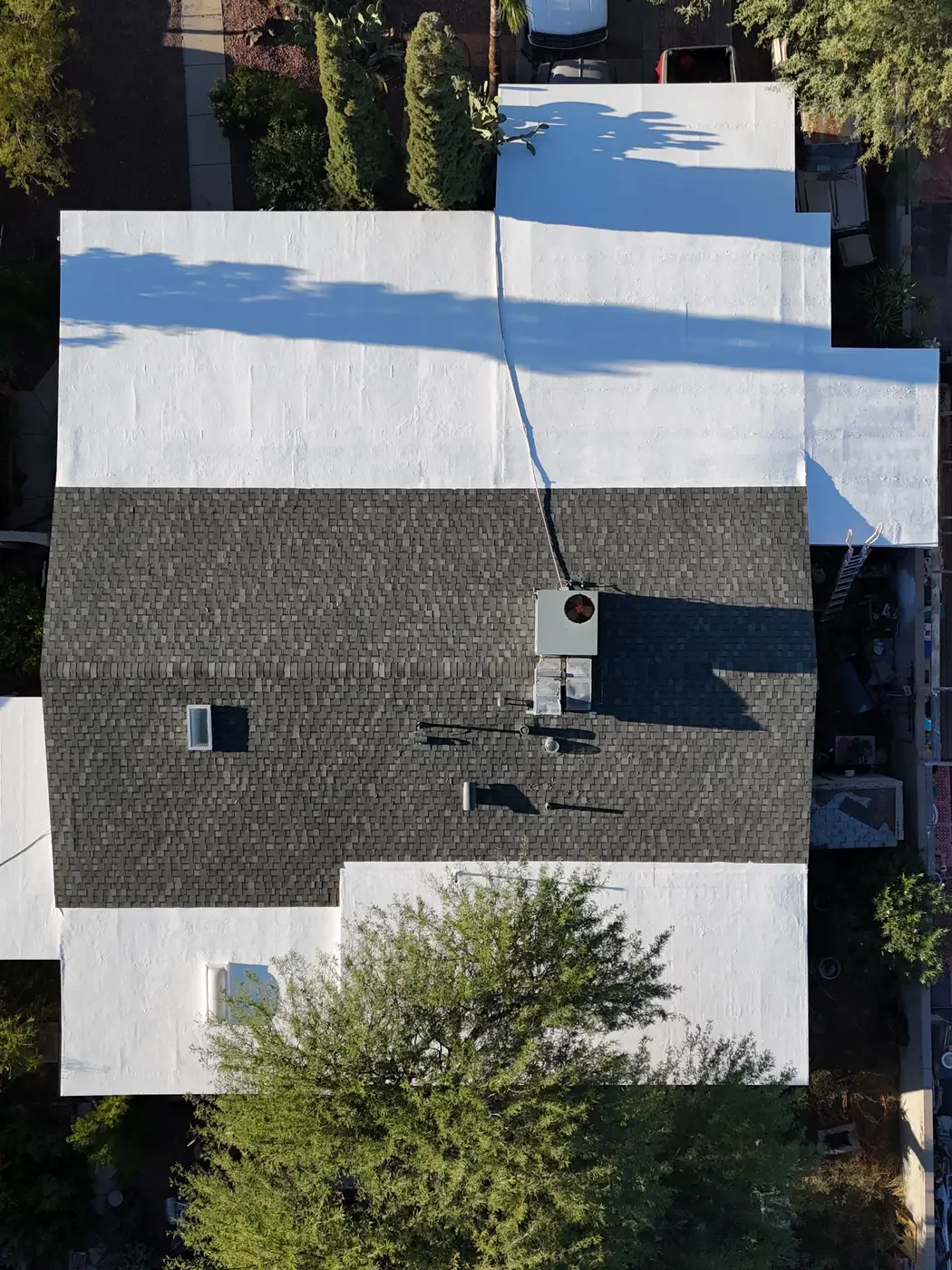
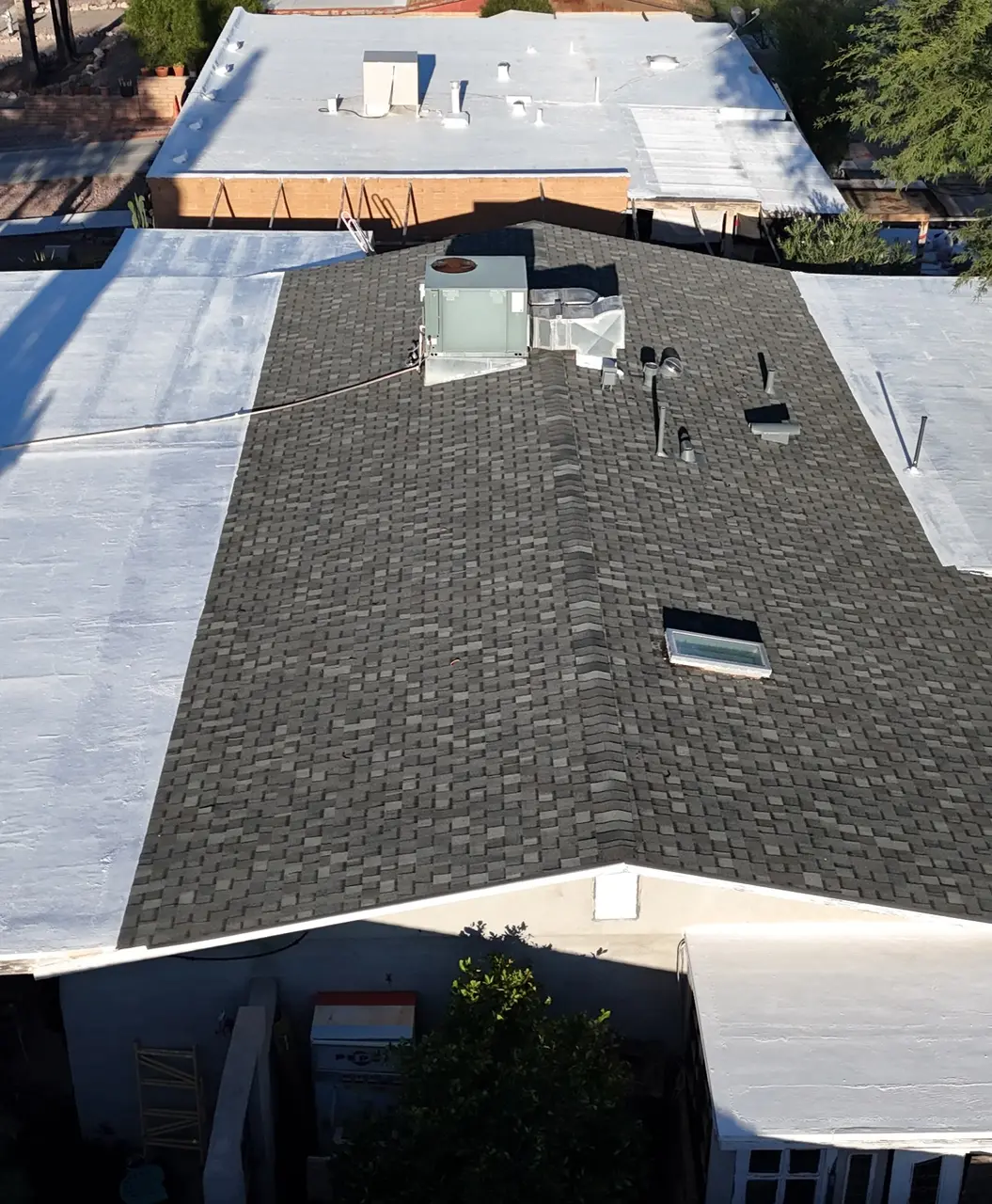
Flat Roof Coating Beside a New Shingle Slope
See all of our roofing projects
Frequently asked questions
Silicone or acrylic: which is better?
Will a coating stop an active leak?
Not by itself. Leaks and wet insulation should be repaired before coating.
How much does a roof coating cost in Tulsa?
Coatings commonly cost $3 to $7 per square foot, with thickness, preparation and access being the main variables. Repairs and replaced wet areas are additional.
How long does a roof coating last?
Commonly about 10 to 20 years, depending on the product, thickness and exposure. Many coatings can be cleaned and recoated to extend their life further.
Can a coating stop my roof from leaking?
It can seal small leaks and seams on a suitable roof, but only after the problem areas are repaired. It cannot fix wet insulation or a failed deck.
Should I coat my shingle roof?
Usually not. Most shingle coatings do little for long-term performance and can raise warranty or insurance questions. A repair or replacement is generally a better investment.