

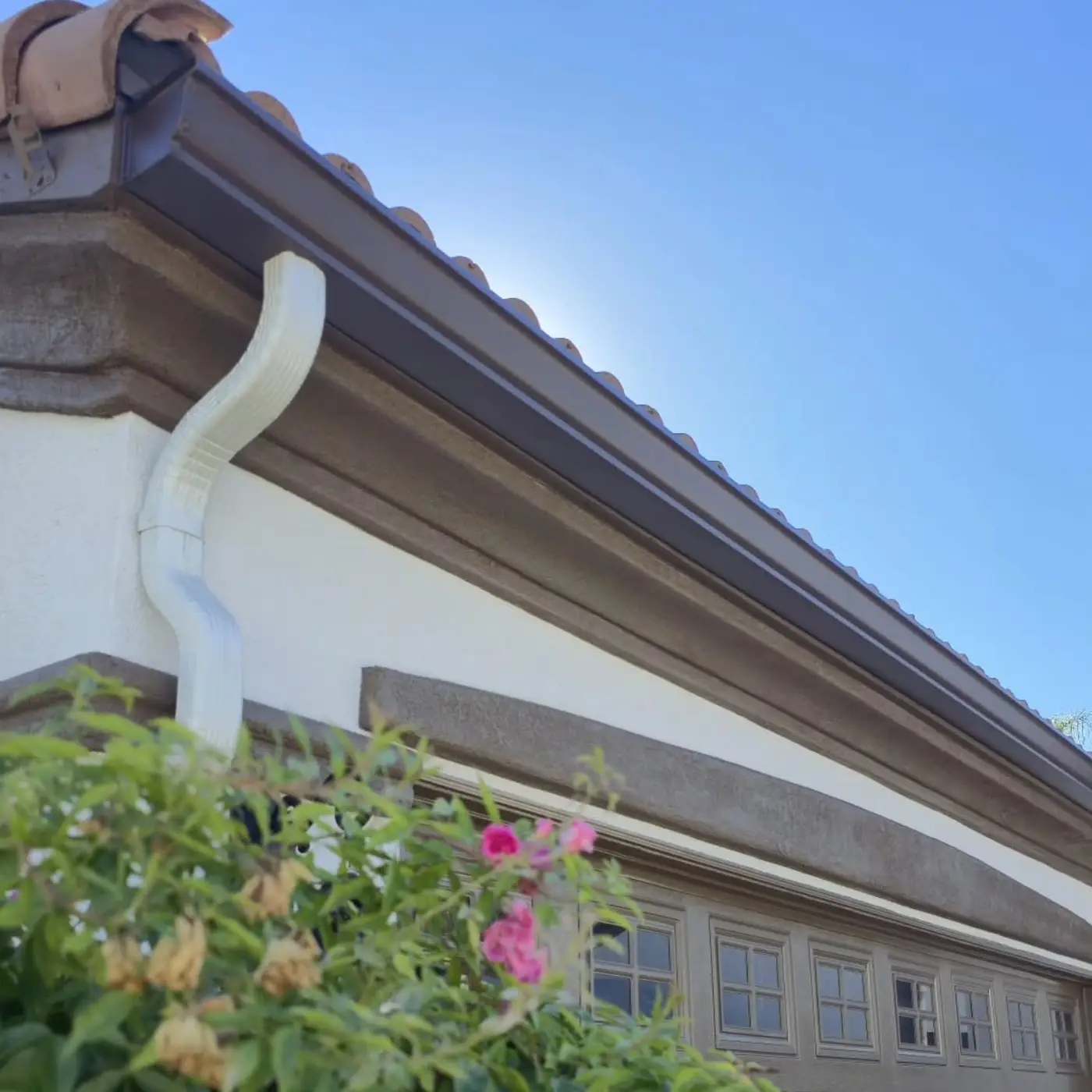
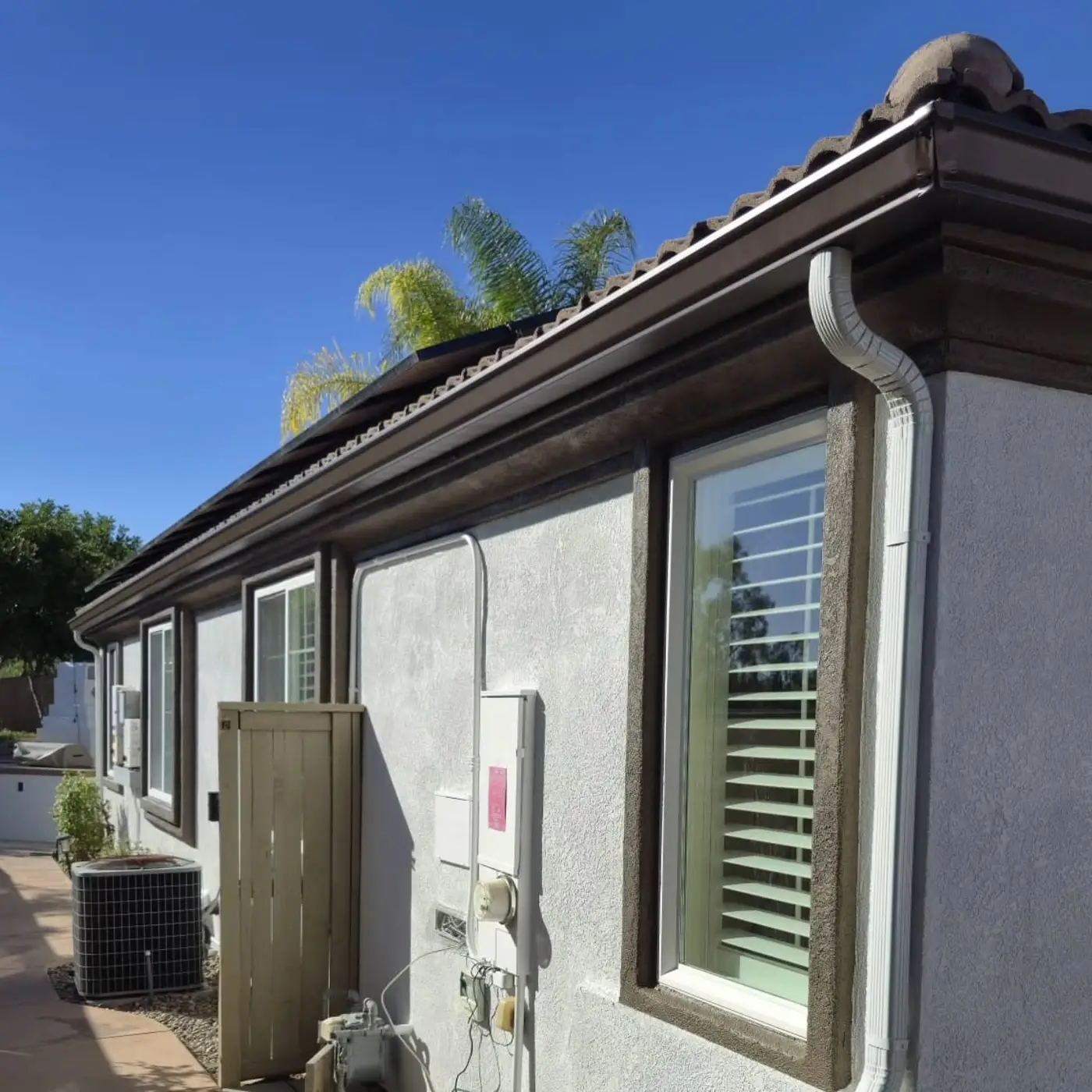
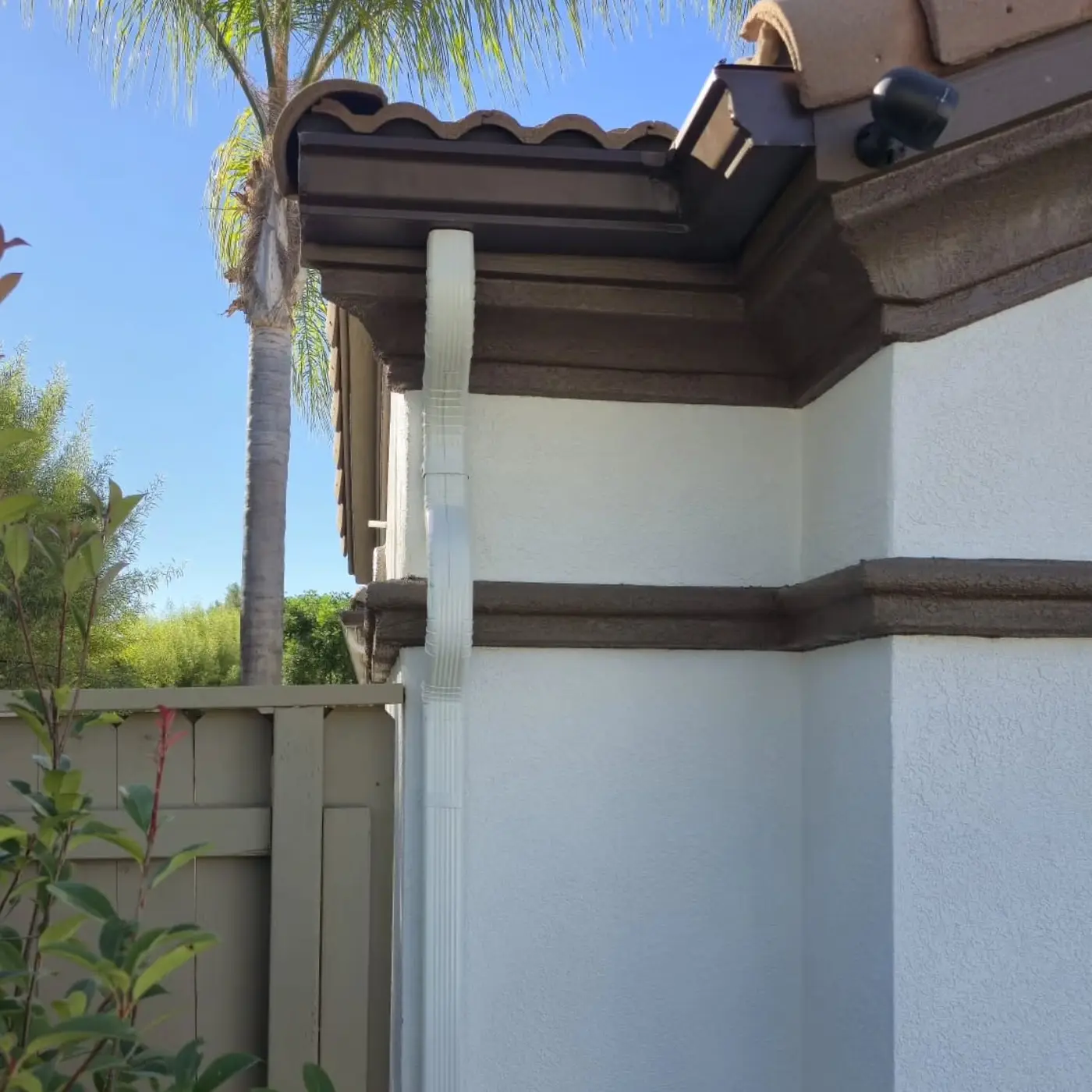
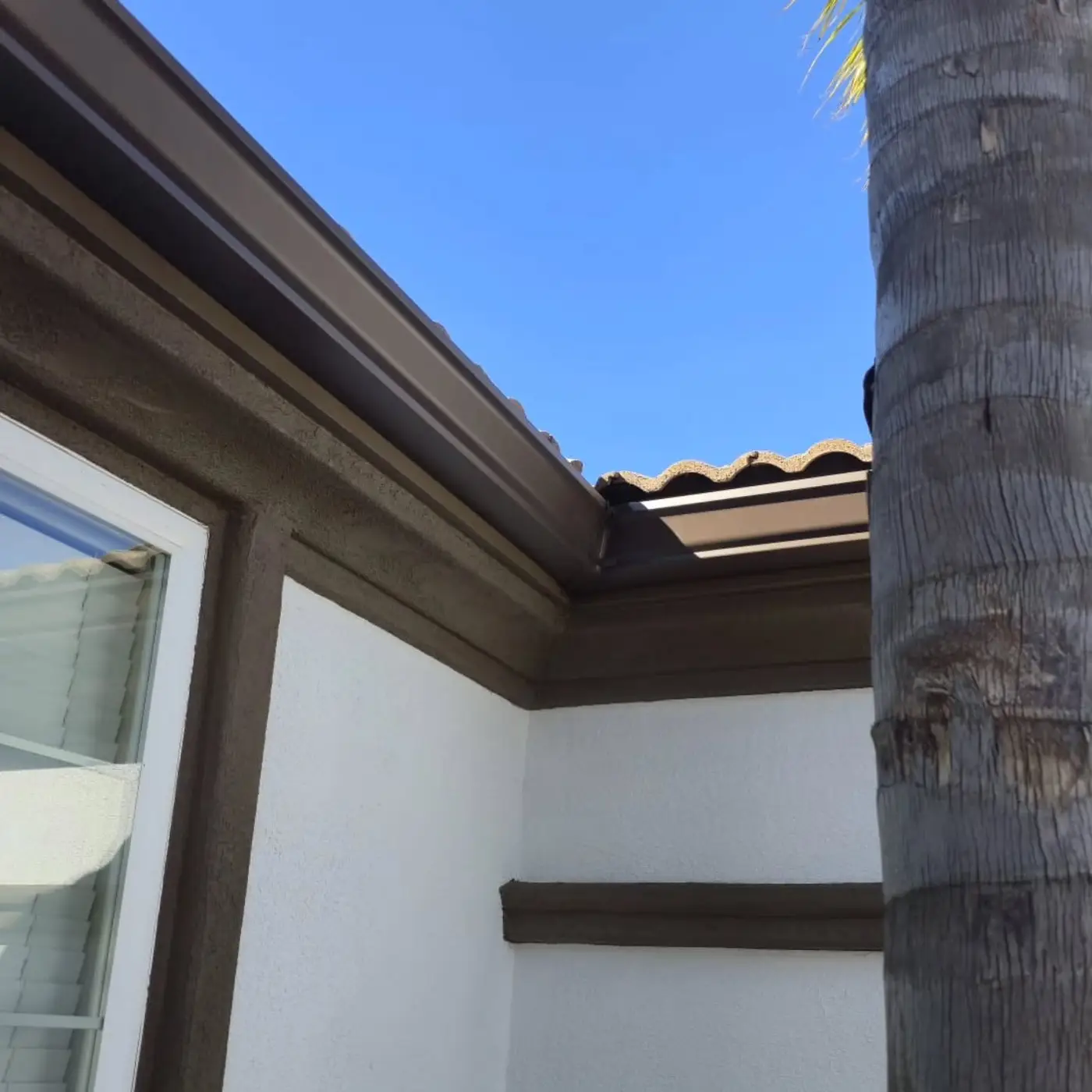



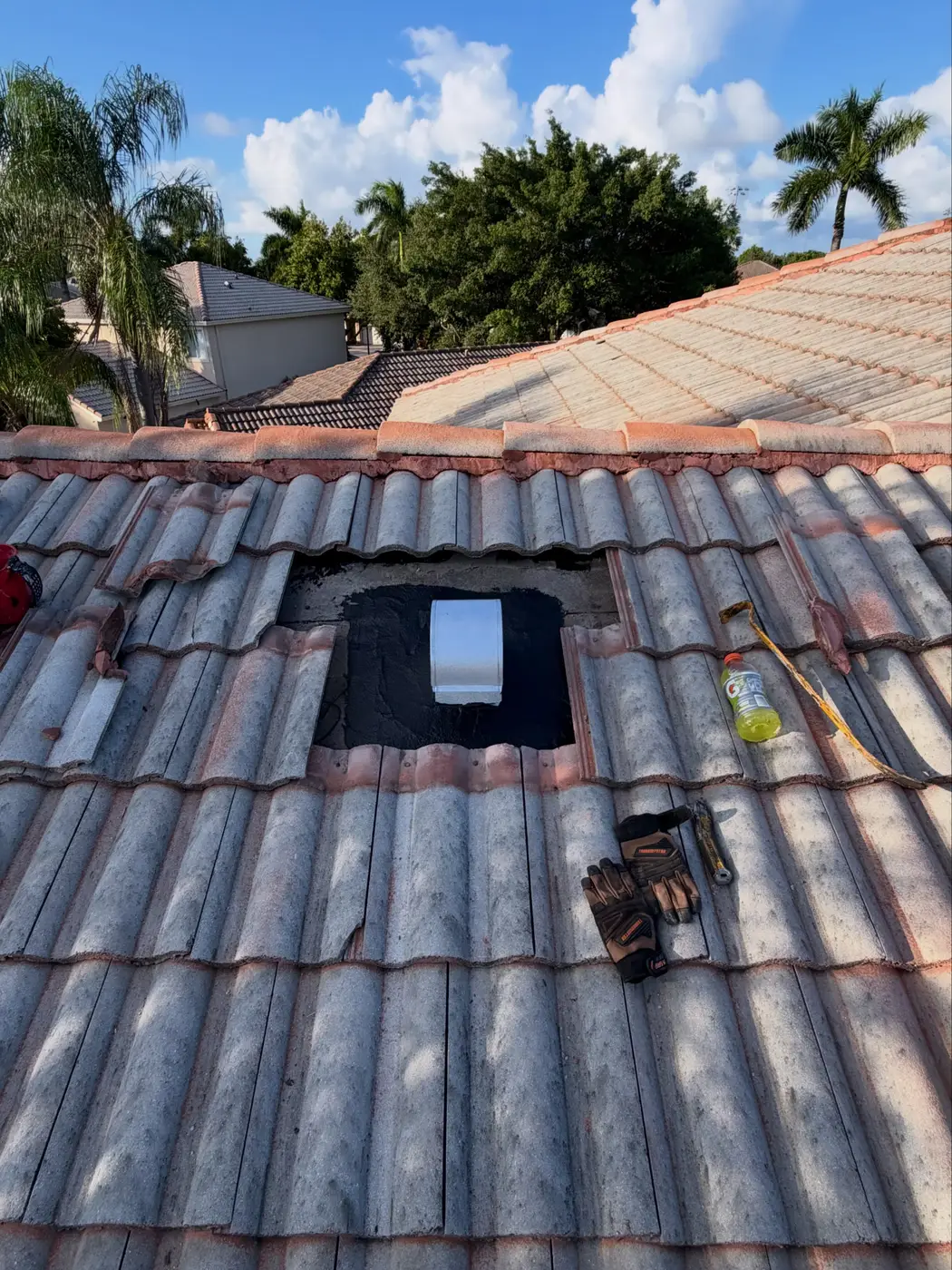
Five-inch gutters suit many homes. Six-inch gutters carry far more water and help with large, steep or valley-heavy roofs.


Gutters protect more than a roof edge. They keep water away from fascia, siding and foundations, which matters on Oklahoma clay soil that swells and shrinks with moisture changes.
We measure roof areas to size gutters and downspouts appropriately, form seamless runs on site, and plan outlets to discharge water away from the house. Larger 6-inch gutters are often worth it on steep or wide roofs.
Common signs we check for:
- Overflow during heavy rain
- Sagging or pulling gutters
- Rotted fascia boards
- Leaking end caps and joints
- Pooling near the foundation
- Hail-dented gutters
How the work gets done
Measure Runoff
Roof areas and pitch determine gutter and downspout sizing.
Check the Fascia
Rotten trim is identified and replaced before hanging gutters.
Form Seamless Runs
Continuous sections are formed on site to fit your home.
Route Downspouts
Water is directed away from foundations, walks and drives.
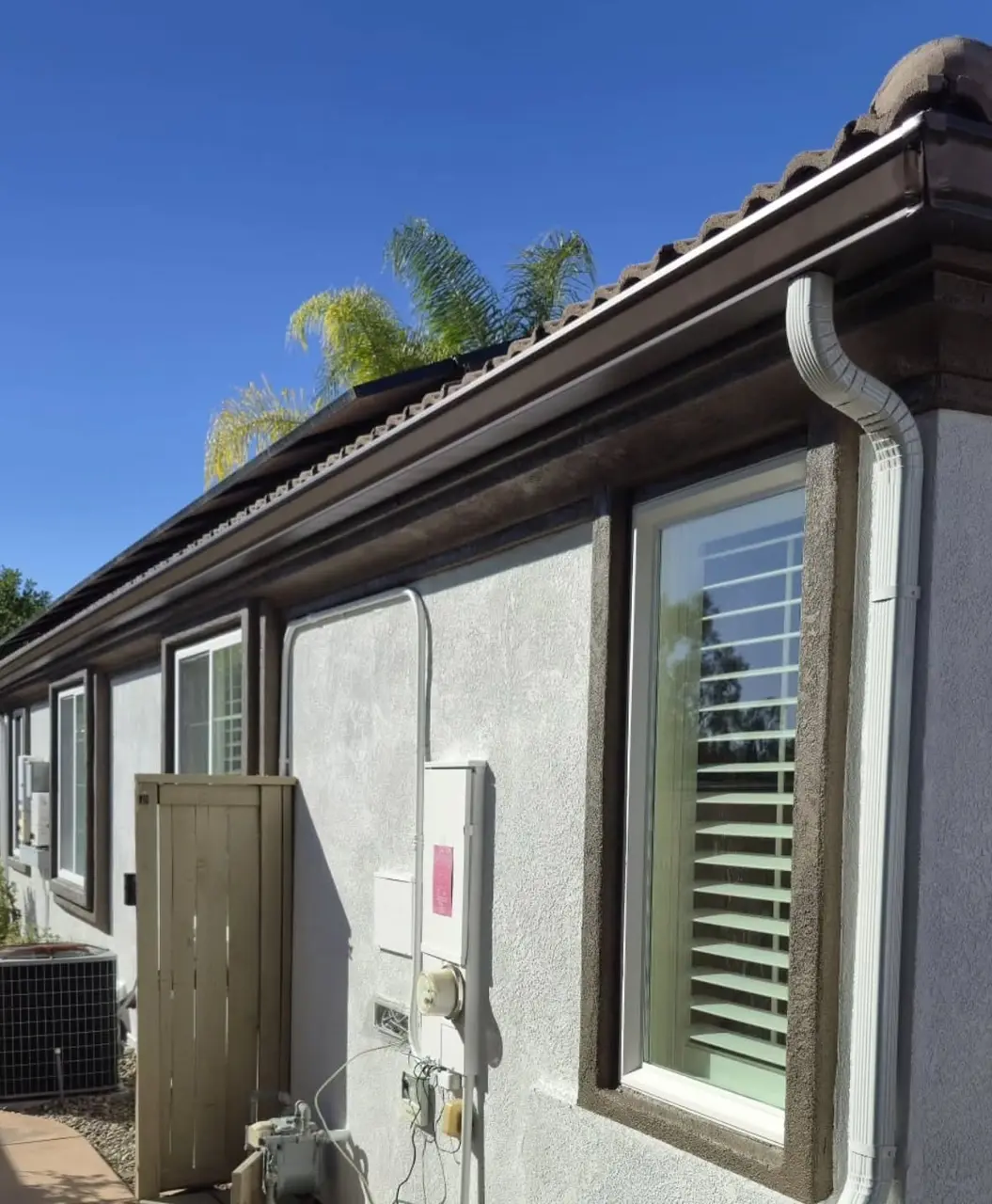
Typical Cost
Seamless aluminum gutters often cost $8 to $16 per linear foot installed, with larger profiles, copper and guards costing more.
These are planning ranges for the Tulsa area, not a quote. Your written estimate is based on the actual roof.
Request an EstimateGutter Installation prices
Planning ranges for the Tulsa area, updated November 2026. They include typical labor and materials, but they are not a quote. Your written estimate is based on an inspection of the actual job. See every category on our price list.
Why gutters matter for your roof and foundation
Gutters do more than keep rain off your head at the front door. They carry water away from fascia, siding, foundations and landscaping, and the clay soils around Tulsa shift as they get wet and dry. Without good drainage, a heavy storm can dump hundreds of gallons along the foundation and wash out flower beds.
Gutters and roofs also affect each other. When gutters clog, water can back up under the first row of shingles and rot the deck edge. That is why we check drip edge and fascia every time, and why it makes sense to replace gutters when you are planning a roof replacement.
Gutter materials and sizes
Seamless gutters are formed on site from a coil, so the only joints are at corners and outlets. Fewer joints mean fewer places to leak.
- Aluminum: rust-resistant, light and available in many colors. It is the most popular choice and suits most homes.
- Steel: stronger against ladders and limbs, but it will rust eventually when the coating wears.
- Copper: a long-lived premium material that develops a natural patina, often used on historic or high-end homes.
- Half-round: a traditional profile that suits older homes, usually with exposed brackets.
- 5-inch K-style: the standard profile for many houses.
- 6-inch K-style: carries more water and suits steep or large roofs, and valley runoff.
Downspouts matter too. Larger 3 by 4 inch downspouts move more water and clog less, which is helpful in the heavy rain Oklahoma gets in spring storms.
What a good install looks like
A gutter that looks fine in dry weather can still fail in a storm. The details below make the difference:
- Proper slope toward each downspout, enough to drain but not so much that it shows.
- Hidden hangers screwed into solid fascia or rafter tails, spaced closer in areas of heavy load.
- Enough downspouts for the roof area, particularly under valleys.
- Splash guards at inside corners, where fast water can overshoot.
- Extensions or drain lines to take water away from the foundation.
- Repairs to rotted fascia before hanging new gutters.
Gutter guards: are they worth it?
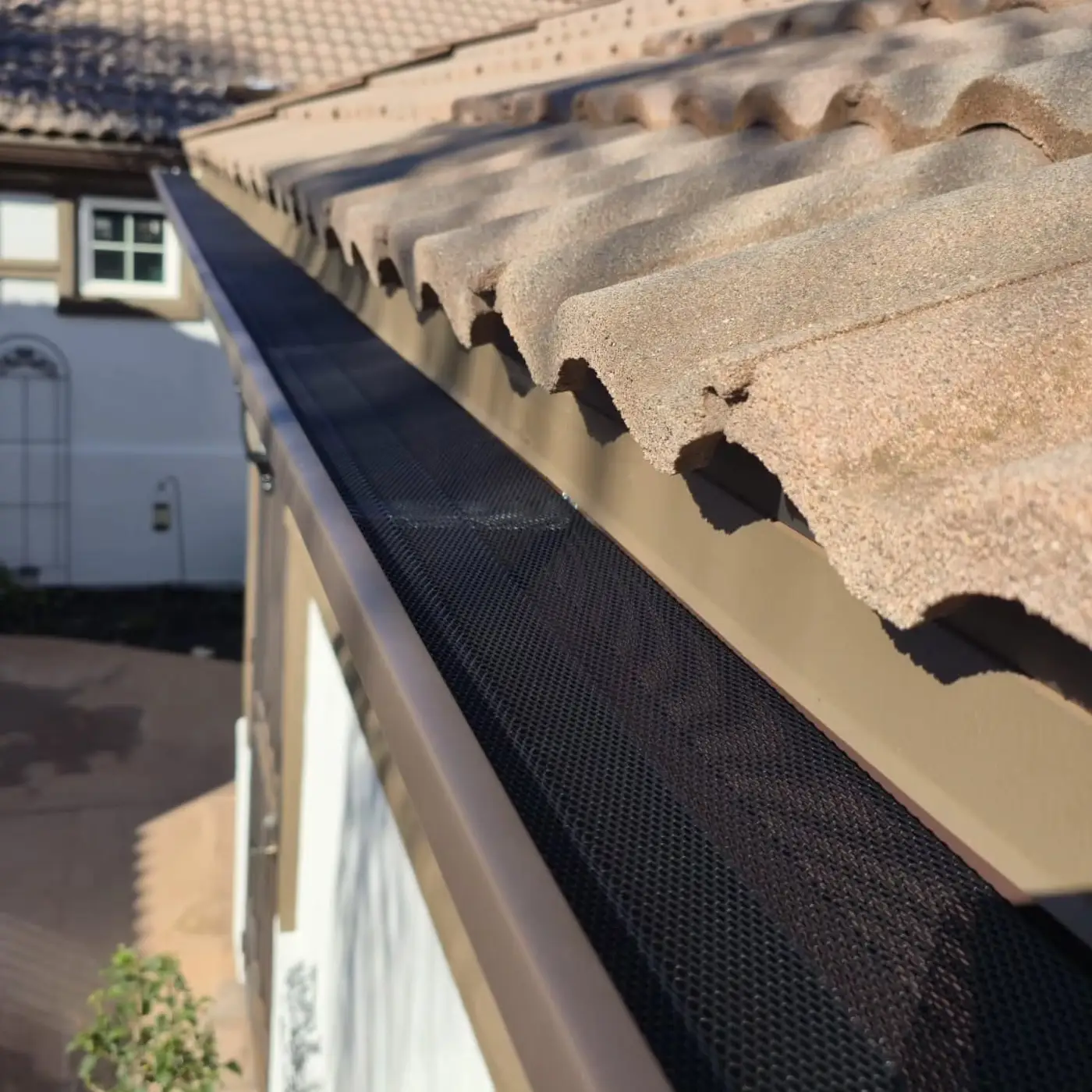
Guards can reduce cleaning, particularly under trees, but no guard eliminates maintenance. Micro-mesh screens stop fine debris but may need occasional brushing. Reverse-curve covers shed leaves, but water can overshoot them in heavy rain. Basic foam or plastic inserts are cheap and rarely last long. Pine needles and oak tassels, common in Green Country, can sit on top of any guard. Consider the trees around your house and whether you can safely clean your own gutters. Guards can also make hail damage harder to spot, so check them after a storm. In some cases, their warranty and roof attachment methods can raise shingle warranty questions, so we explain how they attach.
Repairs, cleaning and storm damage
Not every gutter problem calls for a new system. Loose hangers, leaking corners and small sagging sections can often be repaired. Older sectional gutters with many joints or rusted steel usually justify replacing. Clean gutters at least twice a year, more often near trees. Dented gutters can also be useful evidence of hail, so take photos before cleaning up after a storm and see hail damage roof repair or storm damage restoration. If water is reaching your attic or walls, you may also need roof leak repair.
Related services
Gutters work best as part of the whole roof system, so it often makes sense to replace them during a new roof installation. Dented gutters can also be evidence of a storm, so see hail damage roof repair and storm damage restoration. Water getting behind the fascia may also need roof repair.
Recent gutter installation projects
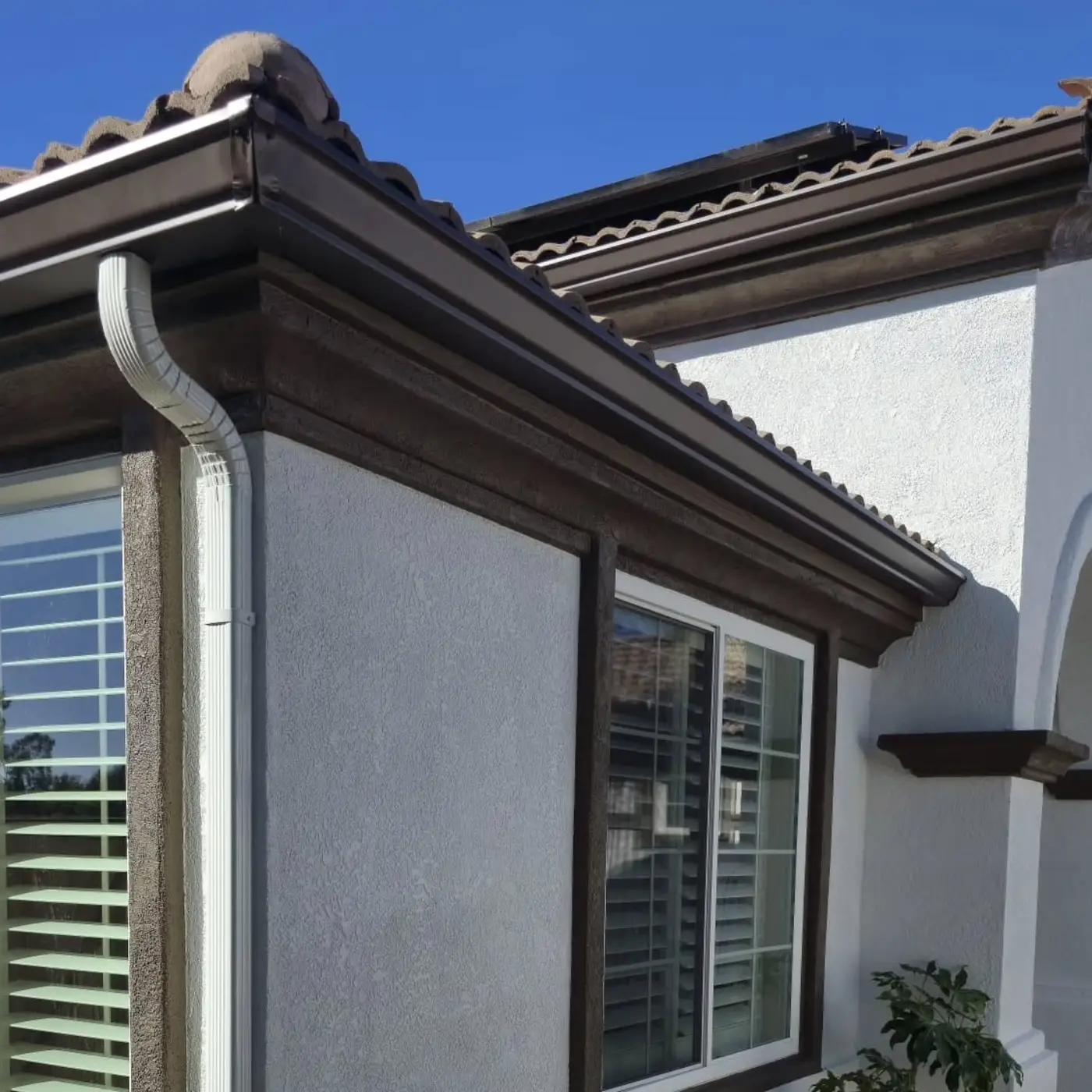
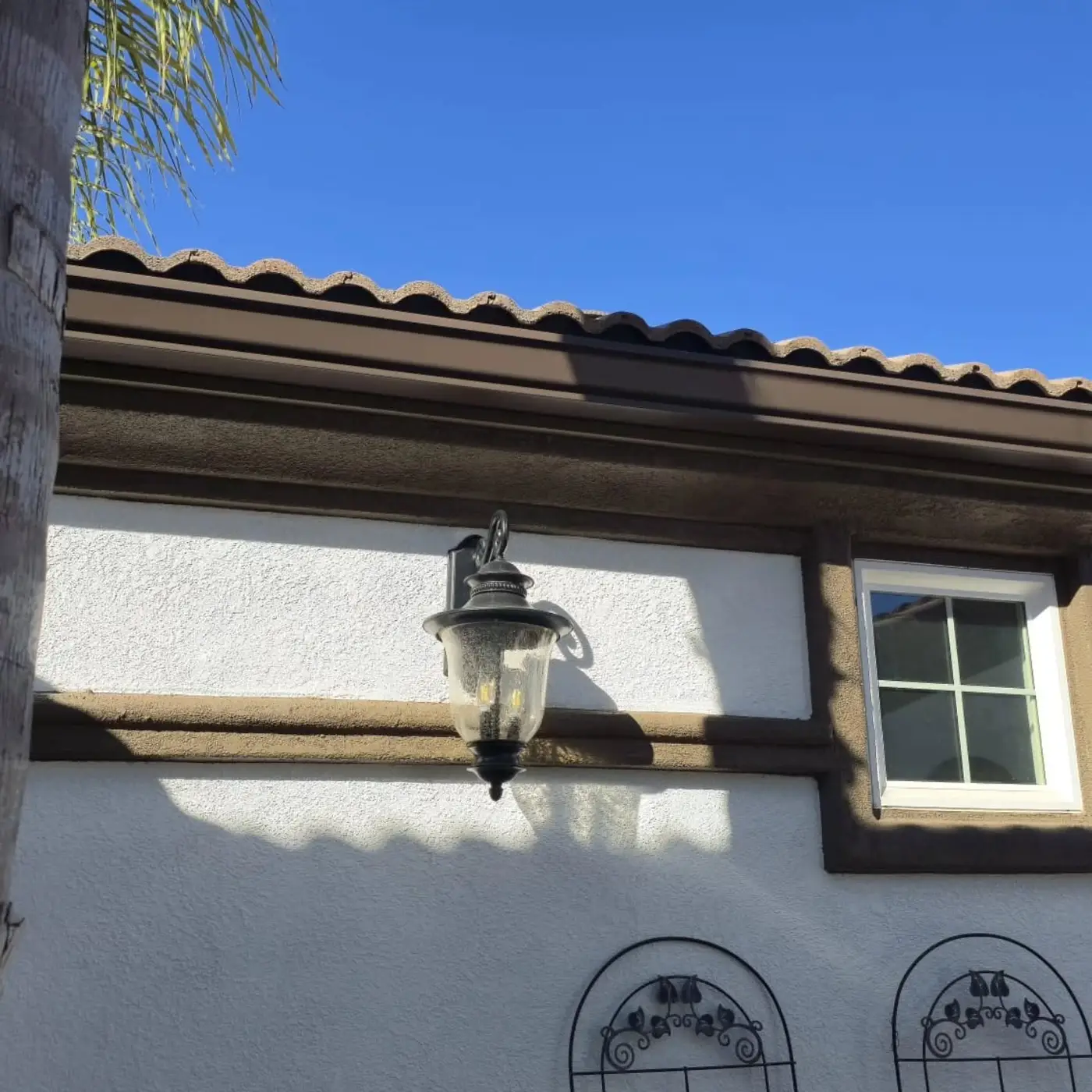
Bronze Gutters on a Stucco Home

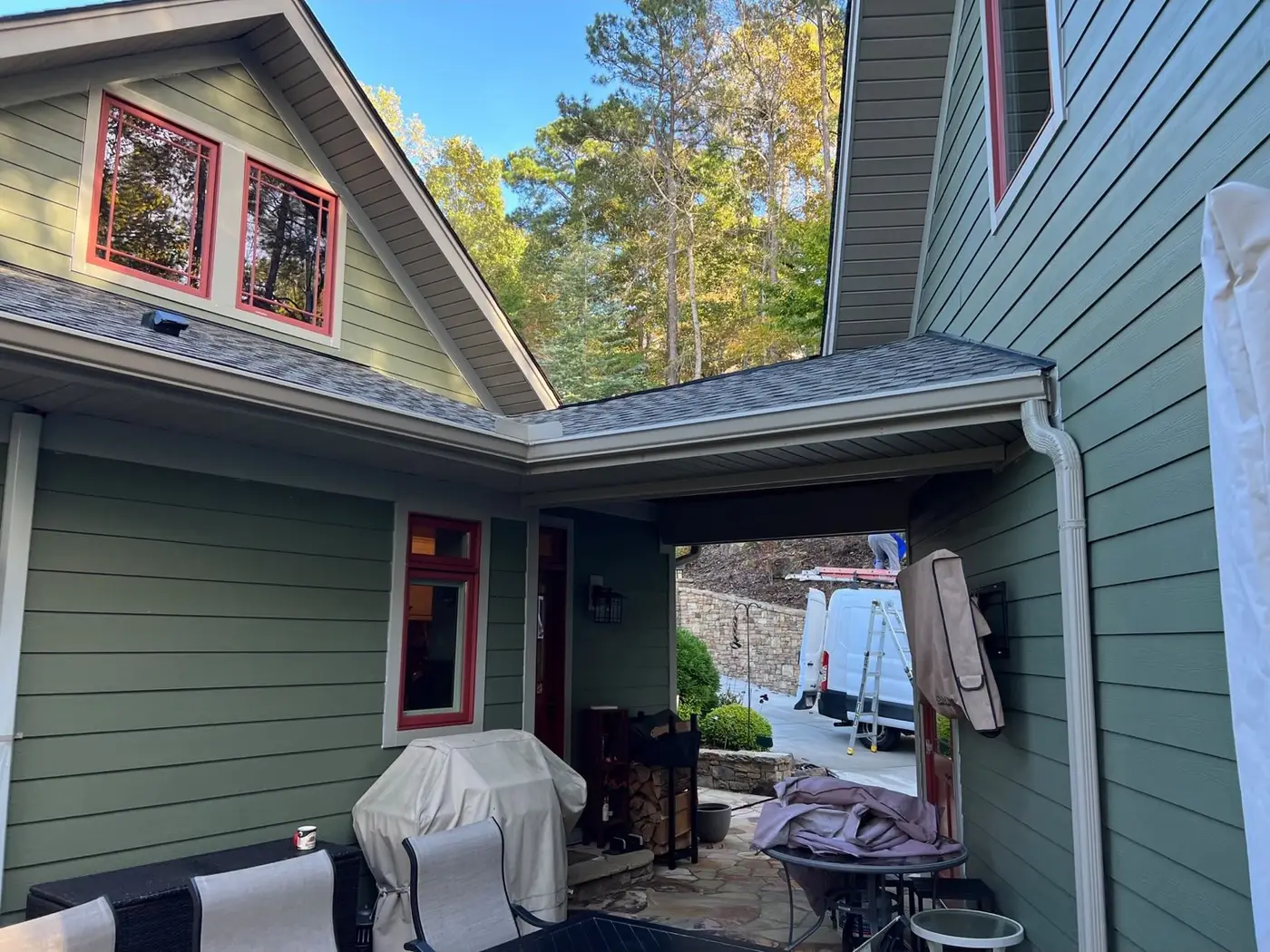
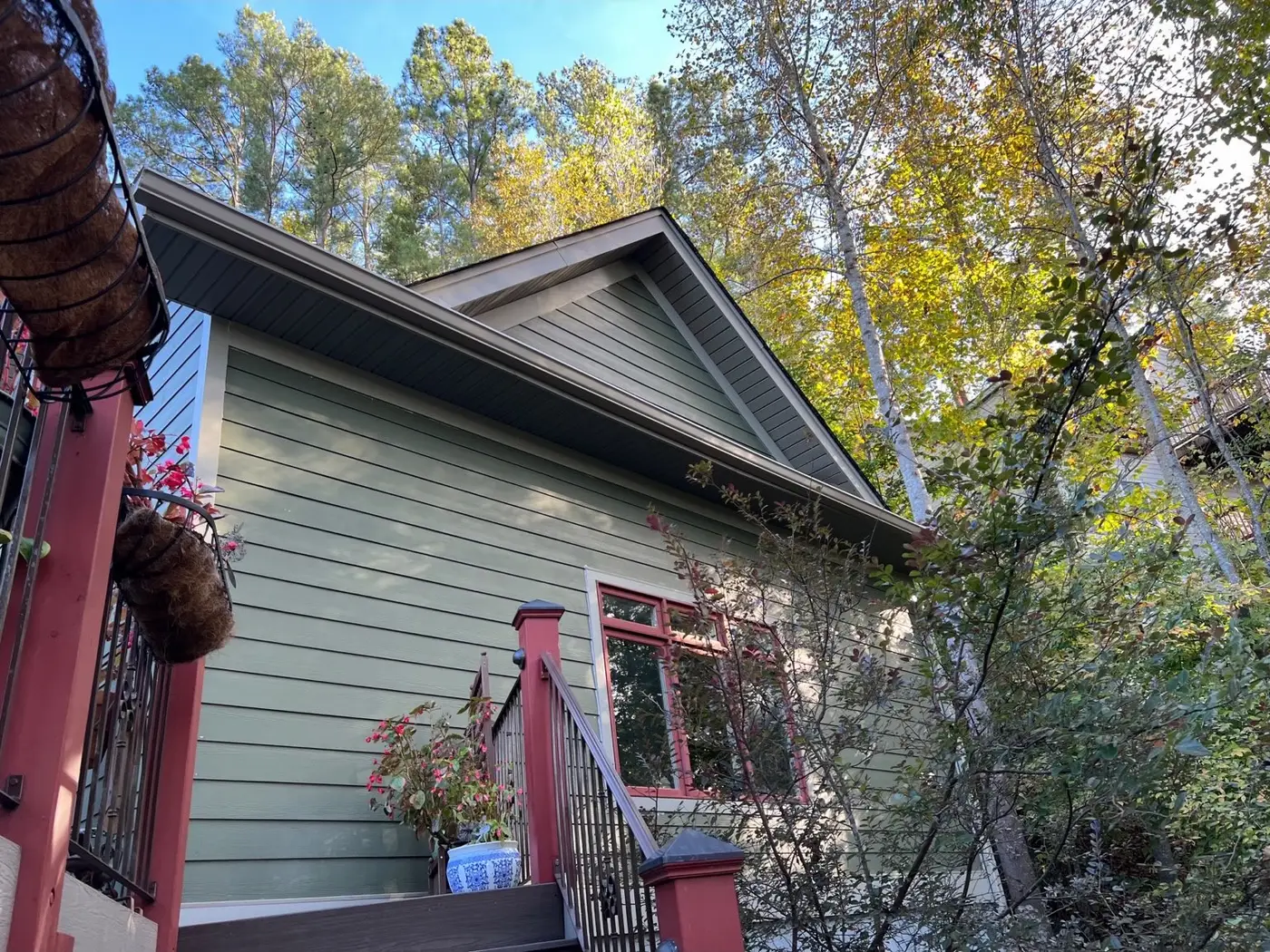
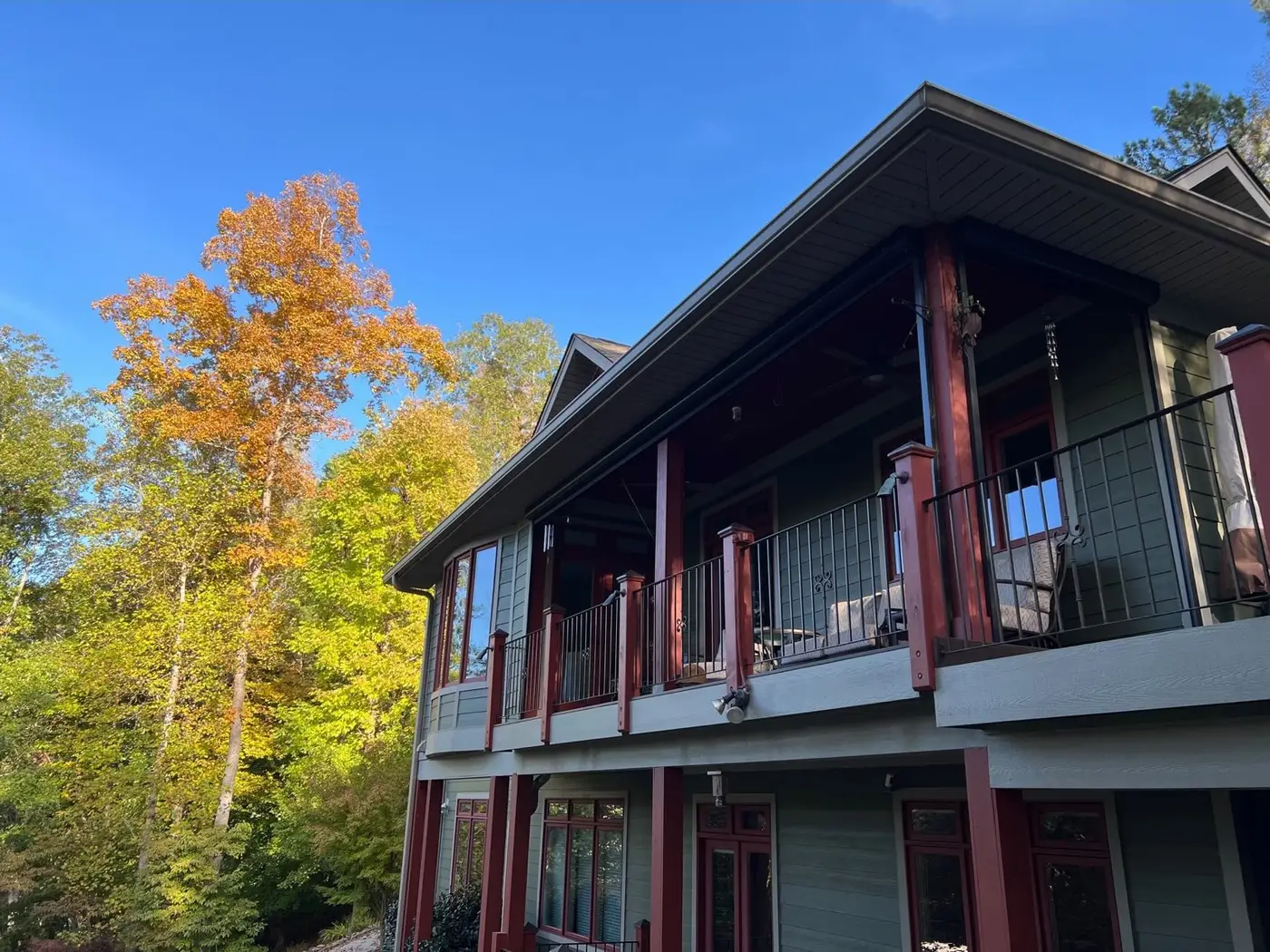
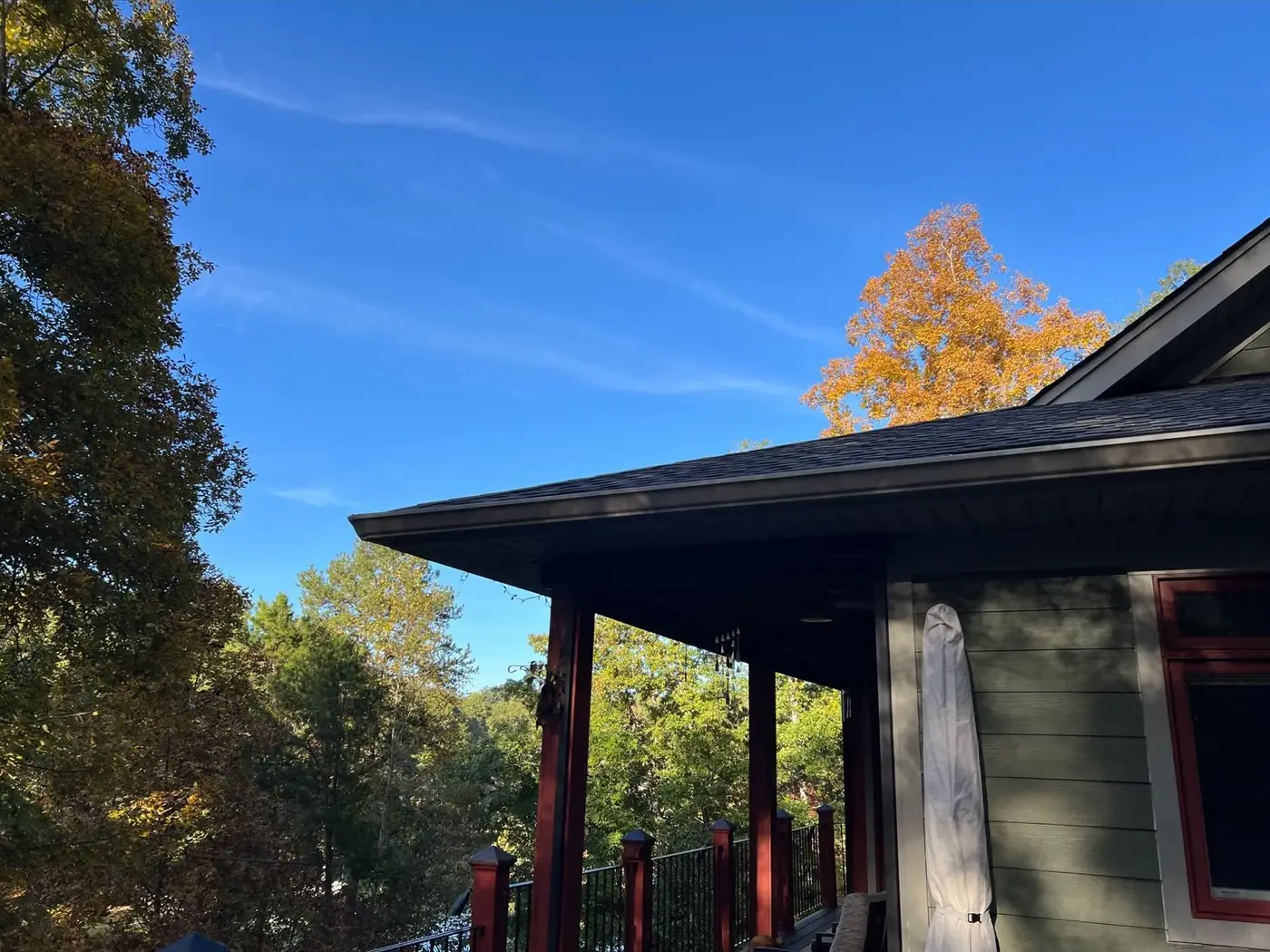
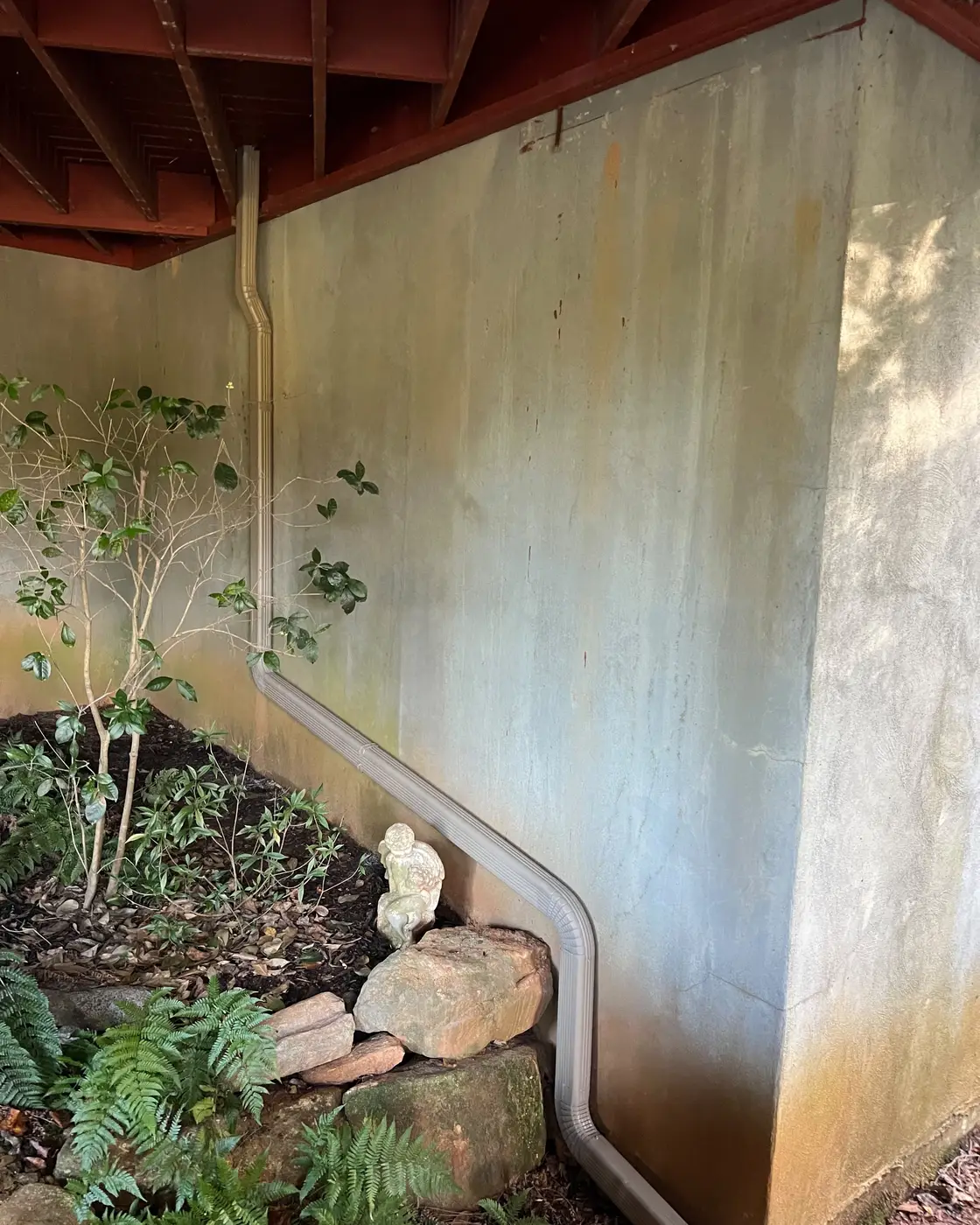
Gutters and Downspouts on a Hillside Home
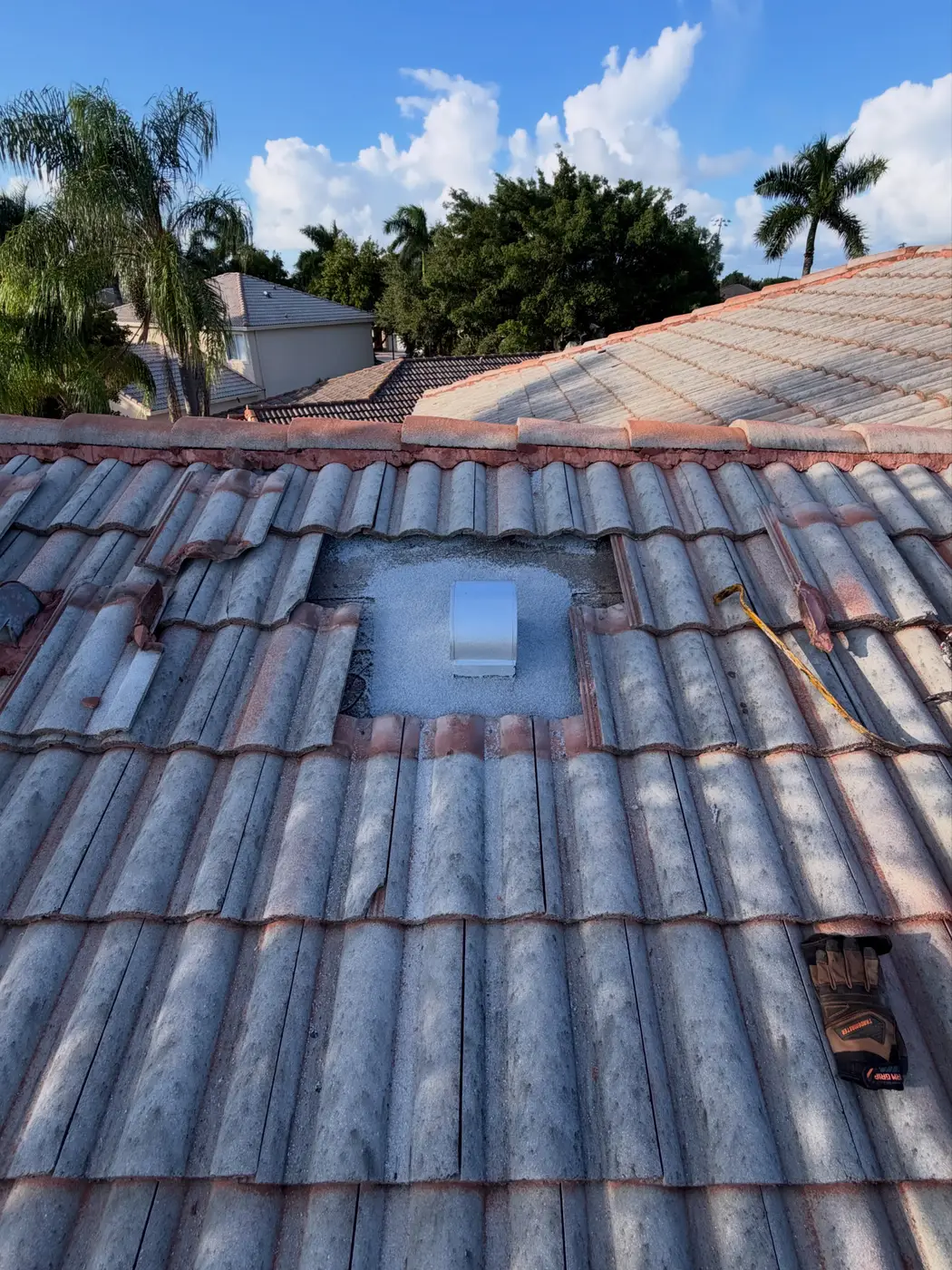
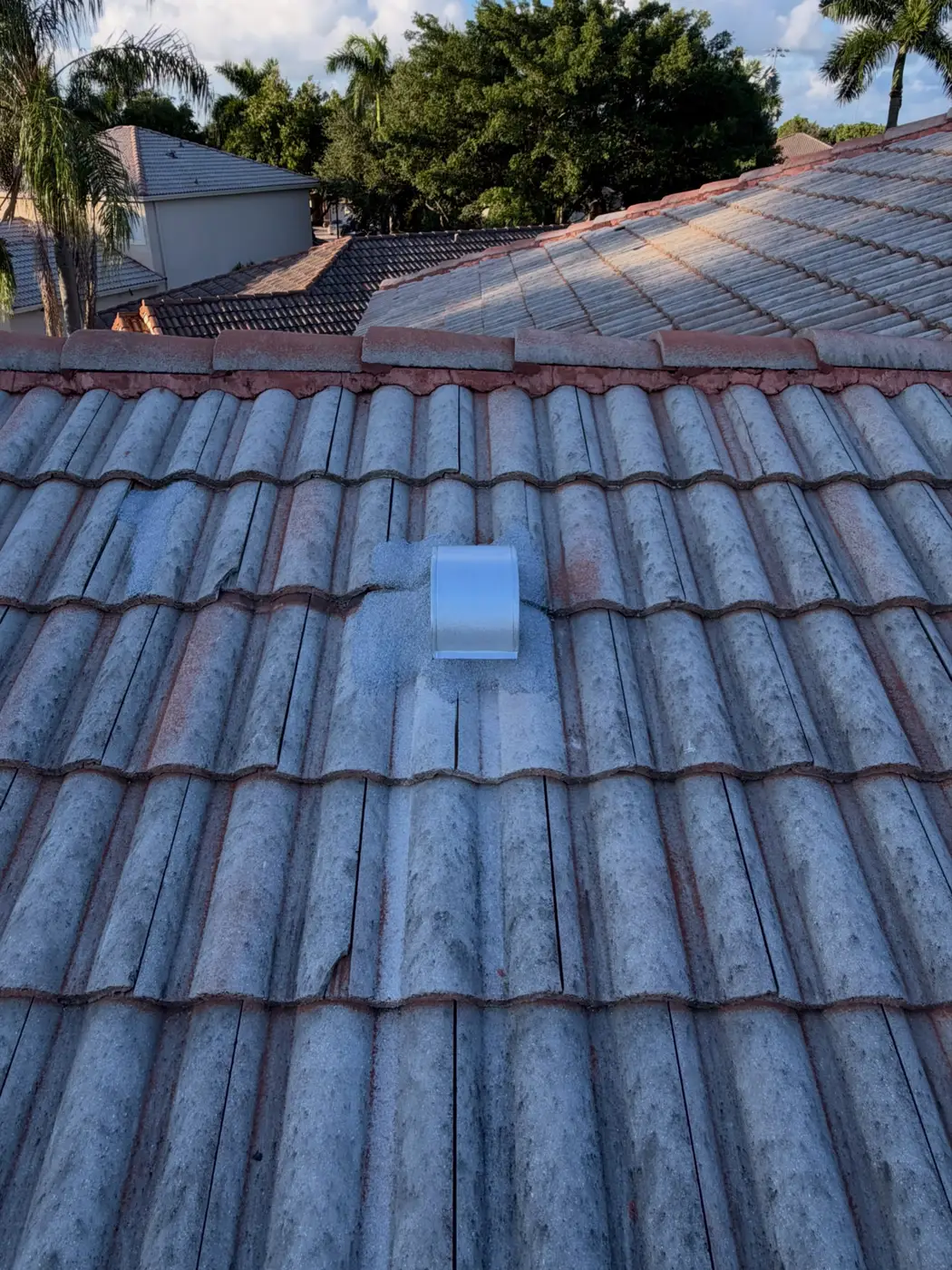
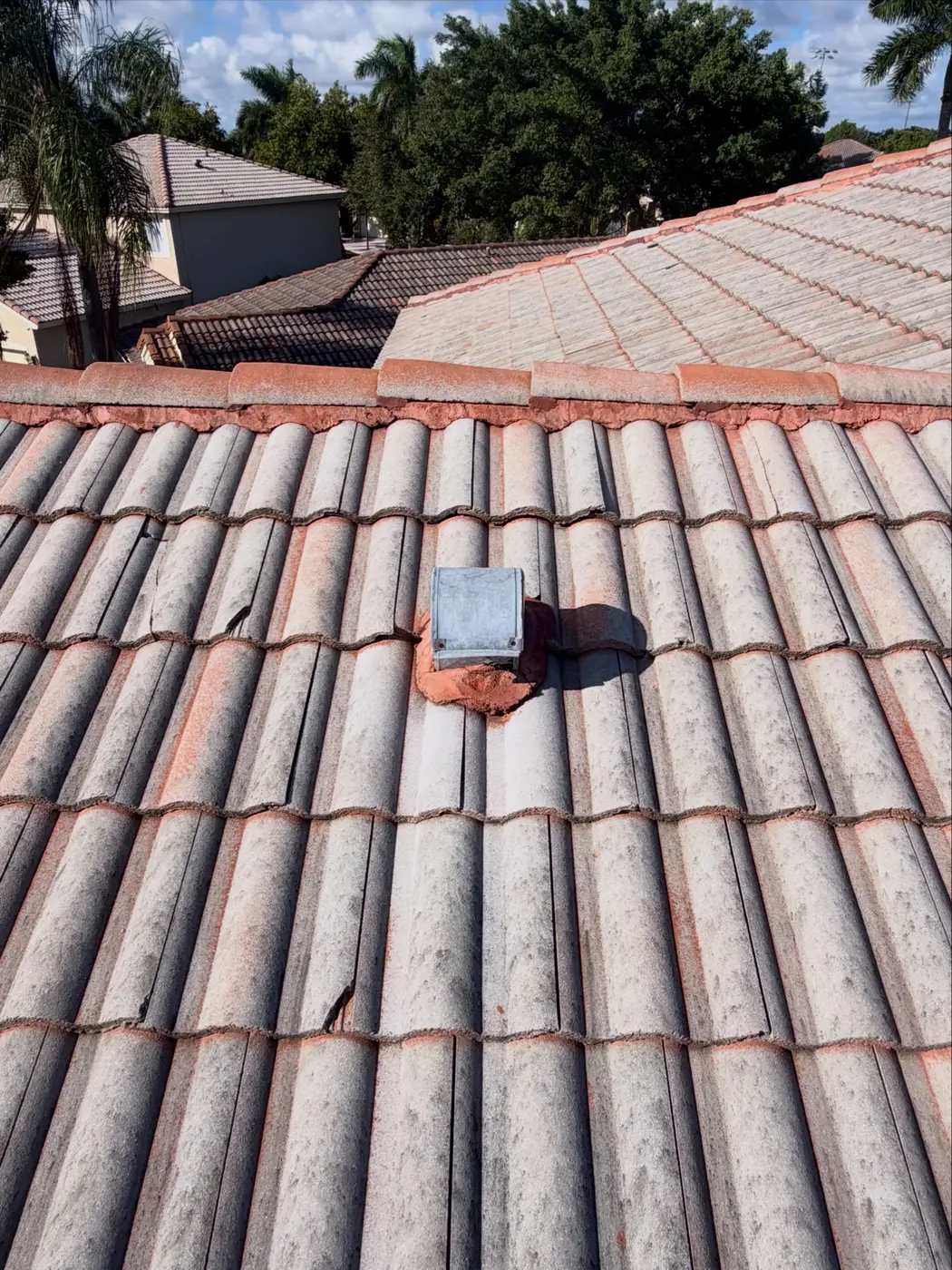
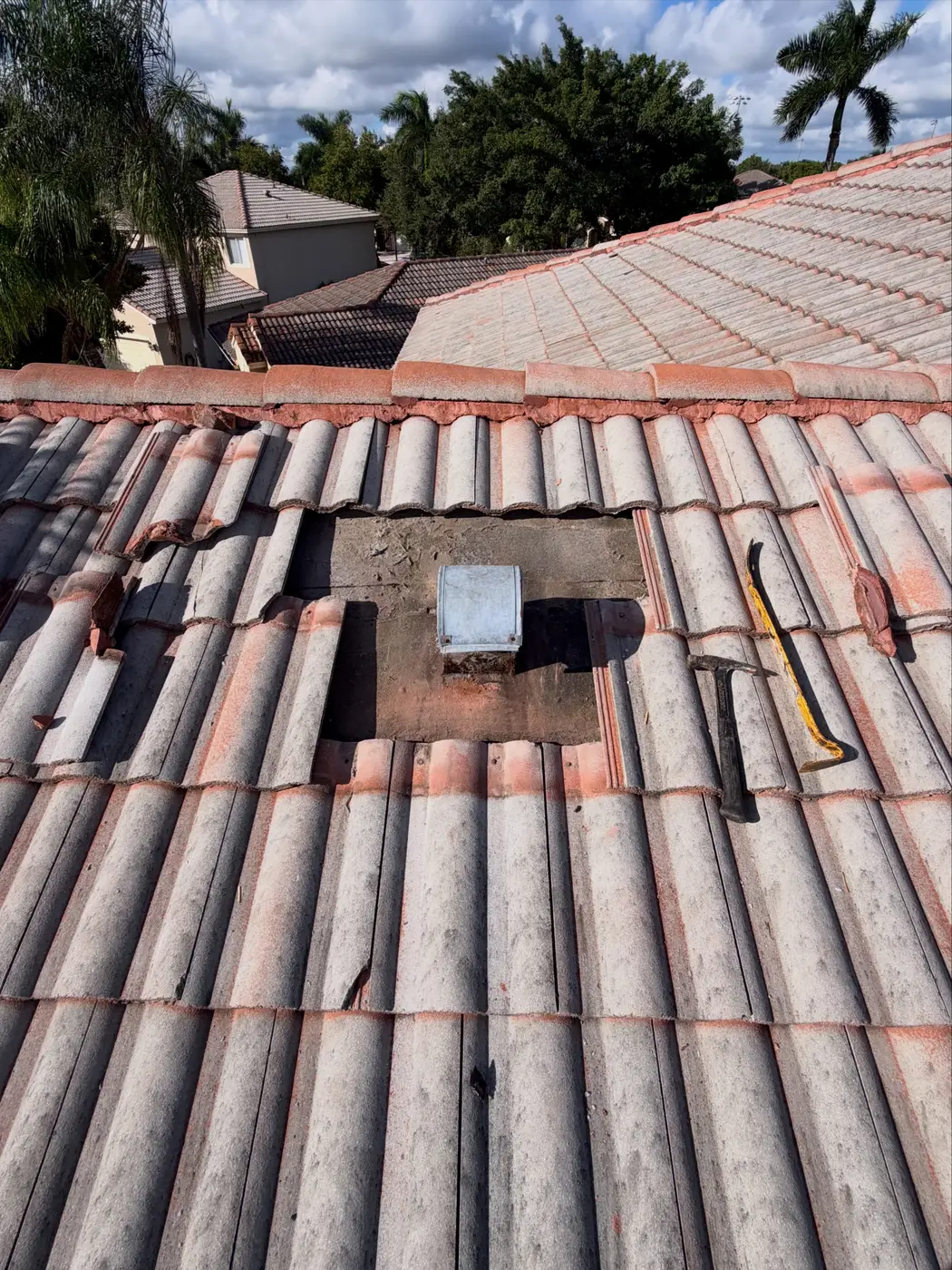
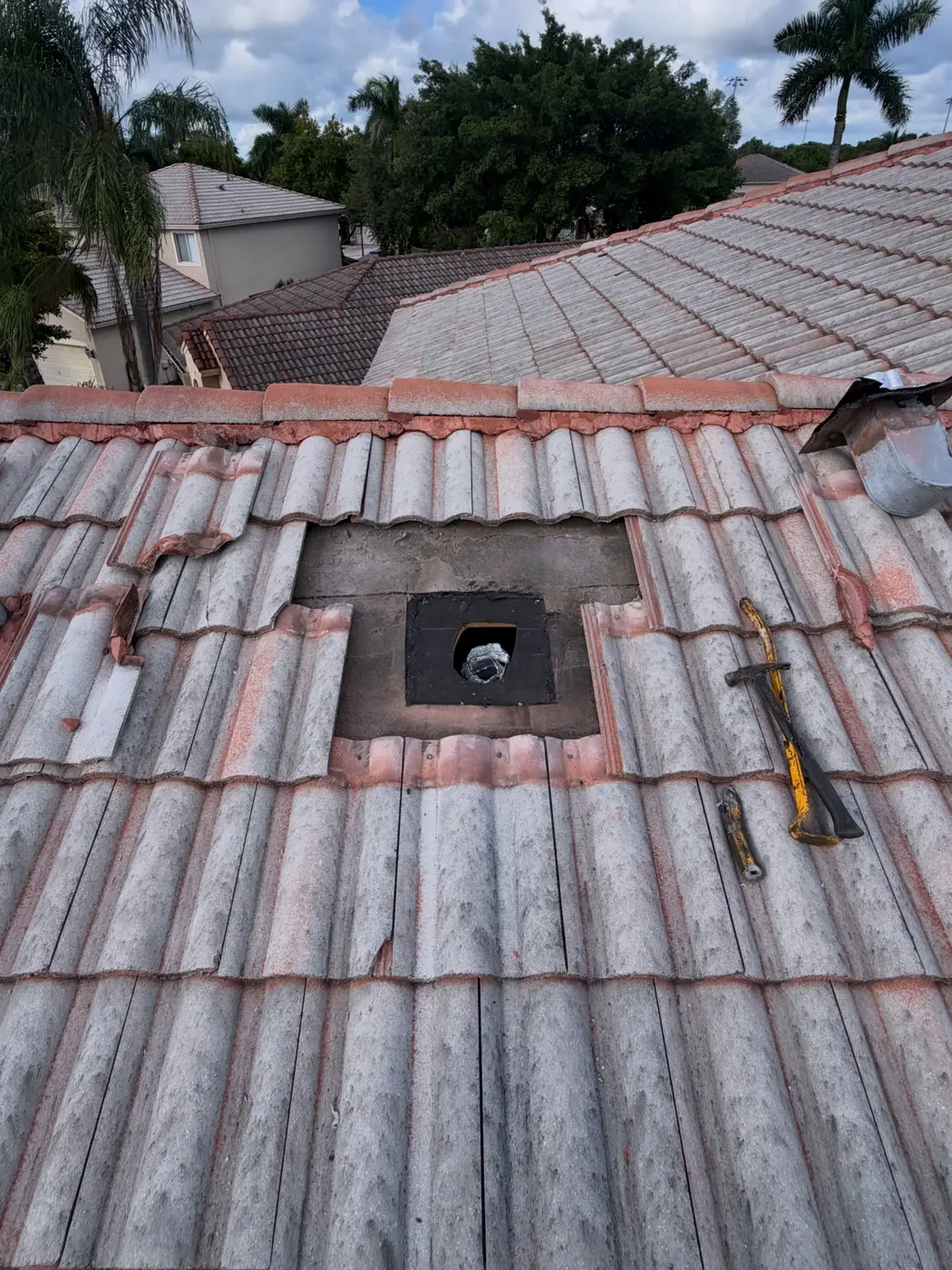
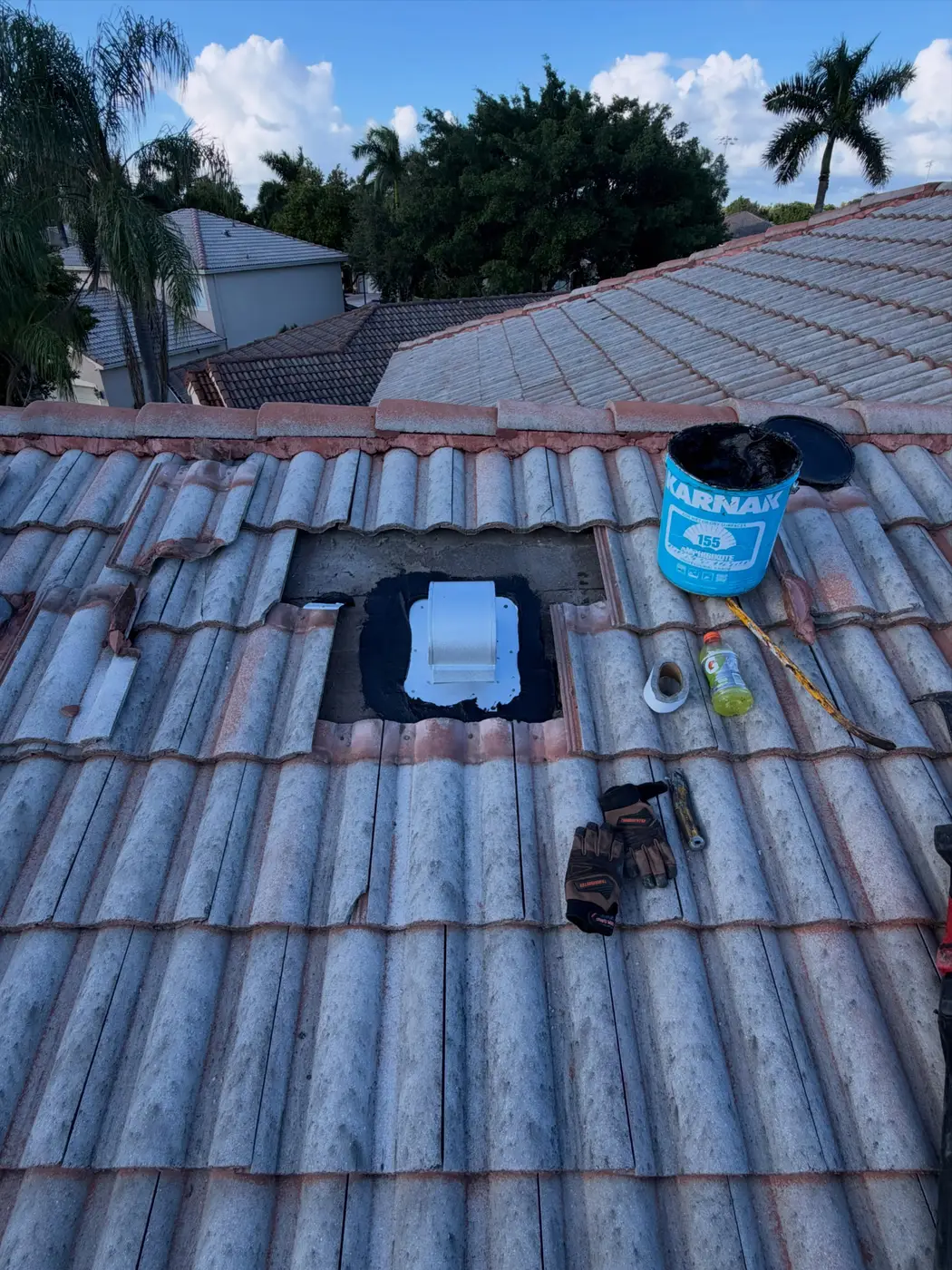
Roof Vent Repair on a Concrete Tile Roof
See all of our roofing projects
Frequently asked questions
5-inch or 6-inch gutters?
Are gutter guards worth it?
They can reduce cleaning under heavy trees but aren't maintenance-free. The right design depends on what falls on your roof.
How much do seamless gutters cost in Tulsa?
Seamless aluminum gutters often cost $8 to $16 per linear foot installed. An average home of 150 to 200 feet often runs about $1,200 to $3,000, with guards, copper and larger profiles costing more.
How long do gutters last?
Aluminum commonly lasts about 20 years or more, and copper can last much longer. Lifespan depends on maintenance, tree cover, and how well the system was attached.
Should gutters be replaced with a new roof?
It is often a good time, since drip edge and fascia are exposed and crews are already on site. If the gutters are sound, they can usually stay, but they should be checked.
How often should gutters be cleaned?
At least twice a year, spring and fall, and more often under trees. Check them after major storms as well, as debris and granules can build up quickly.