

If most slates are still sound, repair is typically far better value. Replacing it makes sense when the stone itself is failing throughout.

Asphalt Shingle Roofing
Metal Roofing
Standing Seam Metal Roof
Metal Roof Retrofit
Clay Tile Roofing
Concrete Tile Roofing
Slate Roof Repair
Wood Shake Roofing
All Services
A good slate roof can last for generations, so it's rarely wise to replace one just because some pieces have broken. In most cases, the slate outlasts the nails and flashing that hold it together.
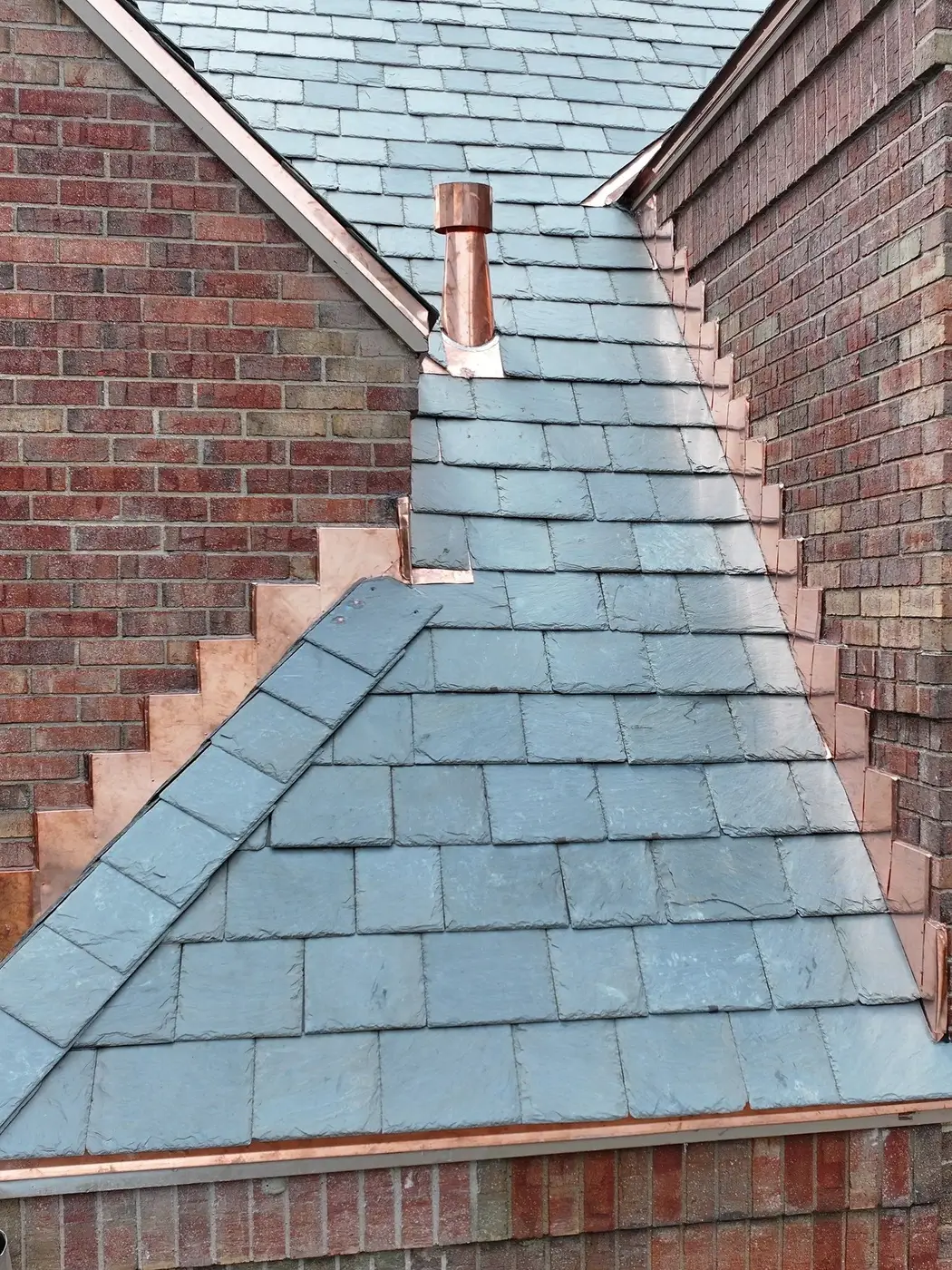
We replace broken slates with matching material and use proper slate tools and copper. We can also tell you honestly when a roof has reached the end of its useful life, usually when many slates flake or crumble across multiple slopes.
Common signs we check for:
- Broken or slipped slates
- Failed valley or chimney flashing
- Flaking, soft slate surfaces
- Old tar-based patches
- Rusty nails letting go
- Historic home preservation
How the work gets done
Slate Survey
Each slope's condition is reviewed from the safest vantage point.
Match the Stone
Replacement slate is sourced for size, color and thickness.
Traditional Repair
Broken slates are replaced using proper fasteners and slate hooks.
Copper Details
Valleys and flashings are renewed where they have failed.
Typical Cost
Small slate repairs usually start around $500 to $1,500. Full slate roofs can run $25 to $50 or more per square foot.
These are planning ranges for the Tulsa area, not a quote. Your written estimate is based on the actual roof.
Request an EstimateSlate Roof Repair prices
Planning ranges for the Tulsa area, updated November 2026. They include typical labor and materials, but they are not a quote. Your written estimate is based on an inspection of the actual job. See every category on our price list.
Why slate roofs are worth repairing
Quality natural slate can last 75 to 150 years or more, depending on the type of stone. In many older Tulsa homes, particularly around Maple Ridge, the stone is still fine even after the nails, flashing or fasteners have given out. That is why we approach slate differently: the goal is to keep as much of the original roof in place as we can. Removing a century-old slate roof because a few slates have slipped is usually a costly mistake.
A condition survey tells you what you really have. We look at the percentage of broken or missing slates, how the stone sounds when tapped, nail condition, flashing and any earlier repairs. Those findings tell us if spot repairs, sectional work or a full restoration makes the most sense.
Common slate problems
Slate roofs generally fail at their weakest metal or fastener rather than at the stone. These are the problems we see most often:
- Slipped slates, usually from nails that have rusted through.
- Worn valleys and flashing, particularly old galvanized steel or thin copper.
- Failed ridge details, where mortar or metal has cracked and opened.
- Earlier tar or caulk repairs that trap water and make later repairs harder.
- Damage from foot traffic, as slate breaks when walked on incorrectly.
- Delamination, with layers flaking from softer stone at the end of its life.
How slate gets repaired properly
Slate repair is a trade of its own. To remove a broken slate we use a slate ripper to cut the old nails without disturbing the pieces around it. The new slate is cut and holed to match, then secured using copper nails where possible, or with a copper bib or hook, depending on the location. We use real slate from a matching source, as look-alike patches stand out and can cause further damage.
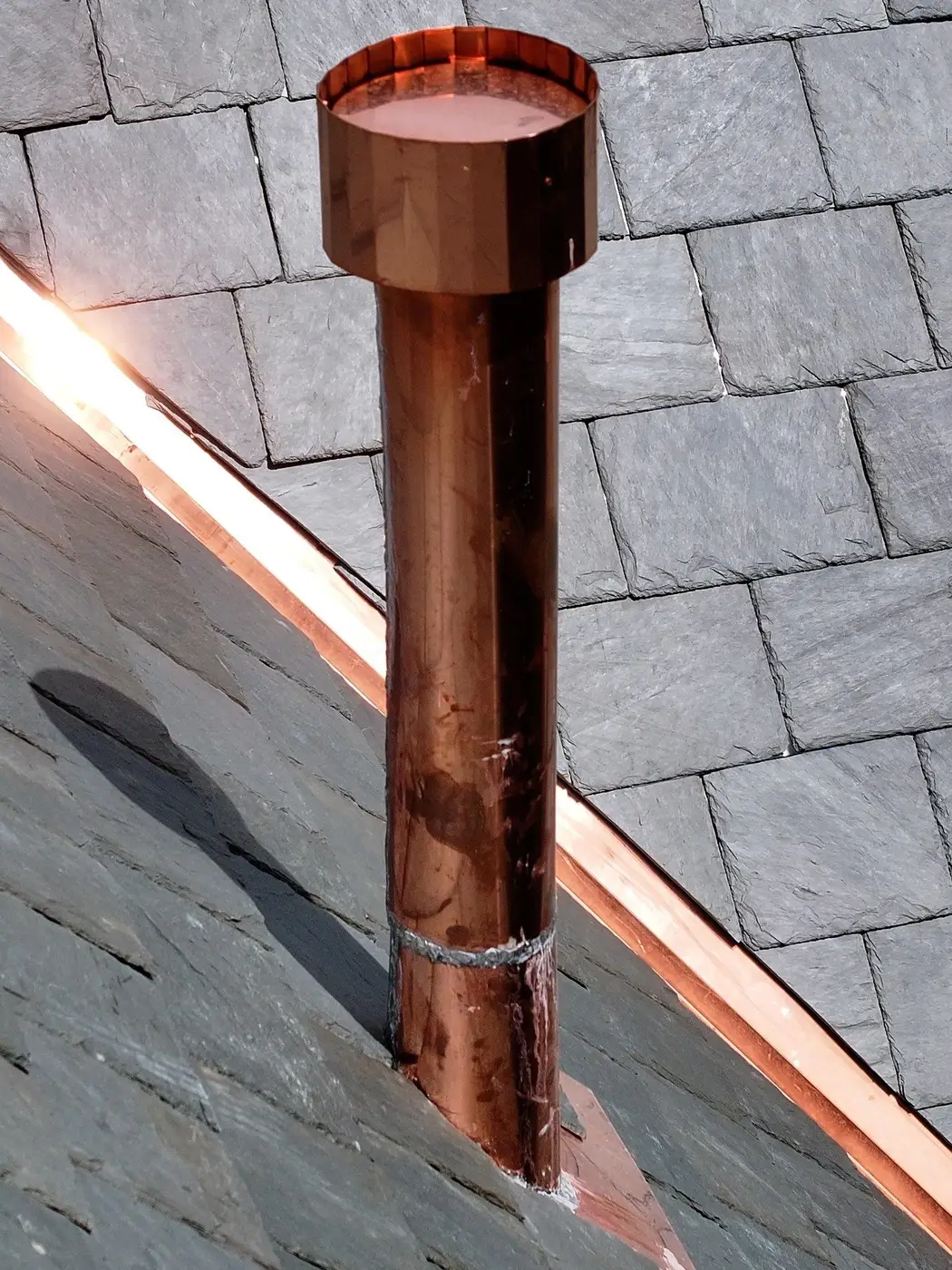
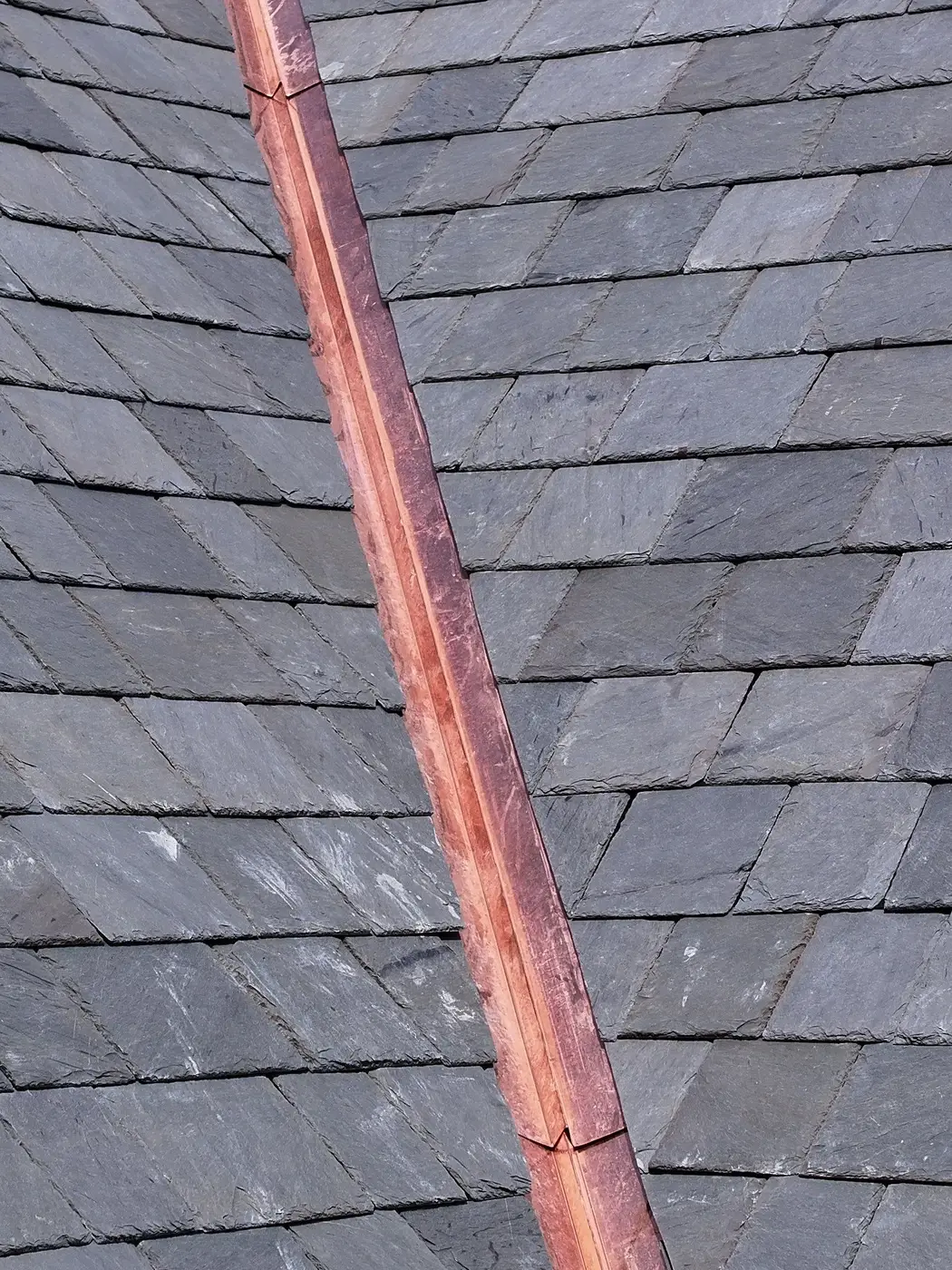
Metal is a big part of the job. Copper valleys, step flashing and chimney work are designed to last about as long as the stone. If an earlier roofer used roofing cement, it usually has to be removed in order to repair the roof correctly. We access the roof using hook ladders and roof jacks, so the crew does not need to step on the slate itself.
Slate alternatives and when to consider them
When a home needs a new roof and natural slate does not fit the budget or framing, there are alternatives. Synthetic slate made from polymer or rubber composites looks similar from the ground, weighs less, and often costs less than real stone. Designer asphalt shingles mimic slate at a much lower price, though they will not last as long. Some older homes are better served by real stone, especially if the original roof is part of their value. We will show you real samples, and we can price different approaches. See roof replacement to compare materials.
Caring for a slate roof
Slate needs little routine care, but neglect can be expensive. Have the roof checked every few years and after any major hail event. Hail can fracture or chip slates, sometimes in ways you cannot see from the ground; see hail damage roof repair. Keep gutters and valleys clear, and ask any satellite, solar or chimney contractor to stay off the slate unless they have proper equipment. Replacing a slipped slate promptly stops water from reaching the deck, which keeps a small repair small. If you are shopping for a home with a slate roof, a roof inspection is well worth the cost.
Related services
Slate work usually calls for the same care as other roof repairs in Tulsa, only with specialized tools and materials. If the stone itself has reached the end of its life, we can compare slate alternatives as part of a roof replacement. See residential roofing for other options on older homes.
Recent slate roof repair projects
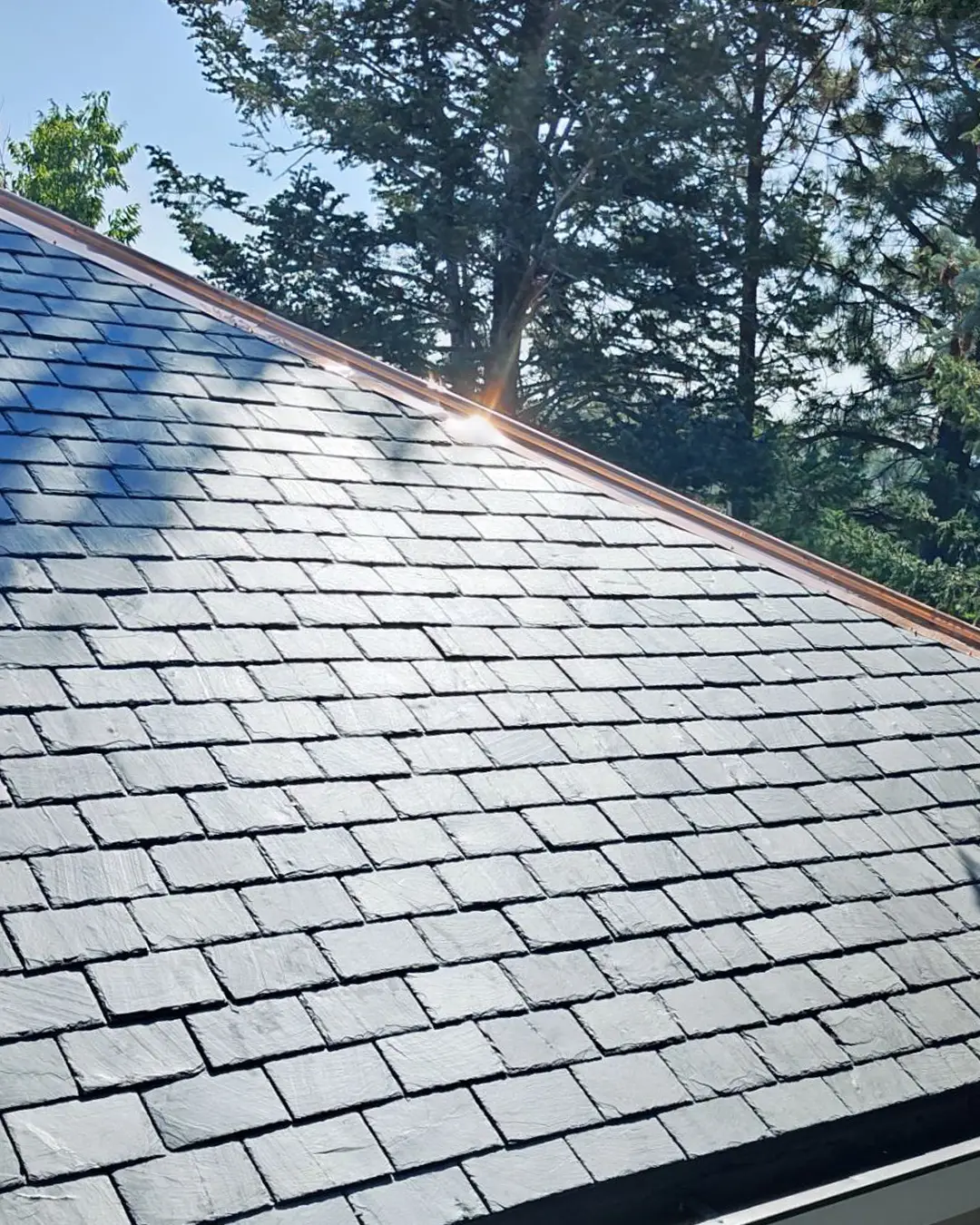
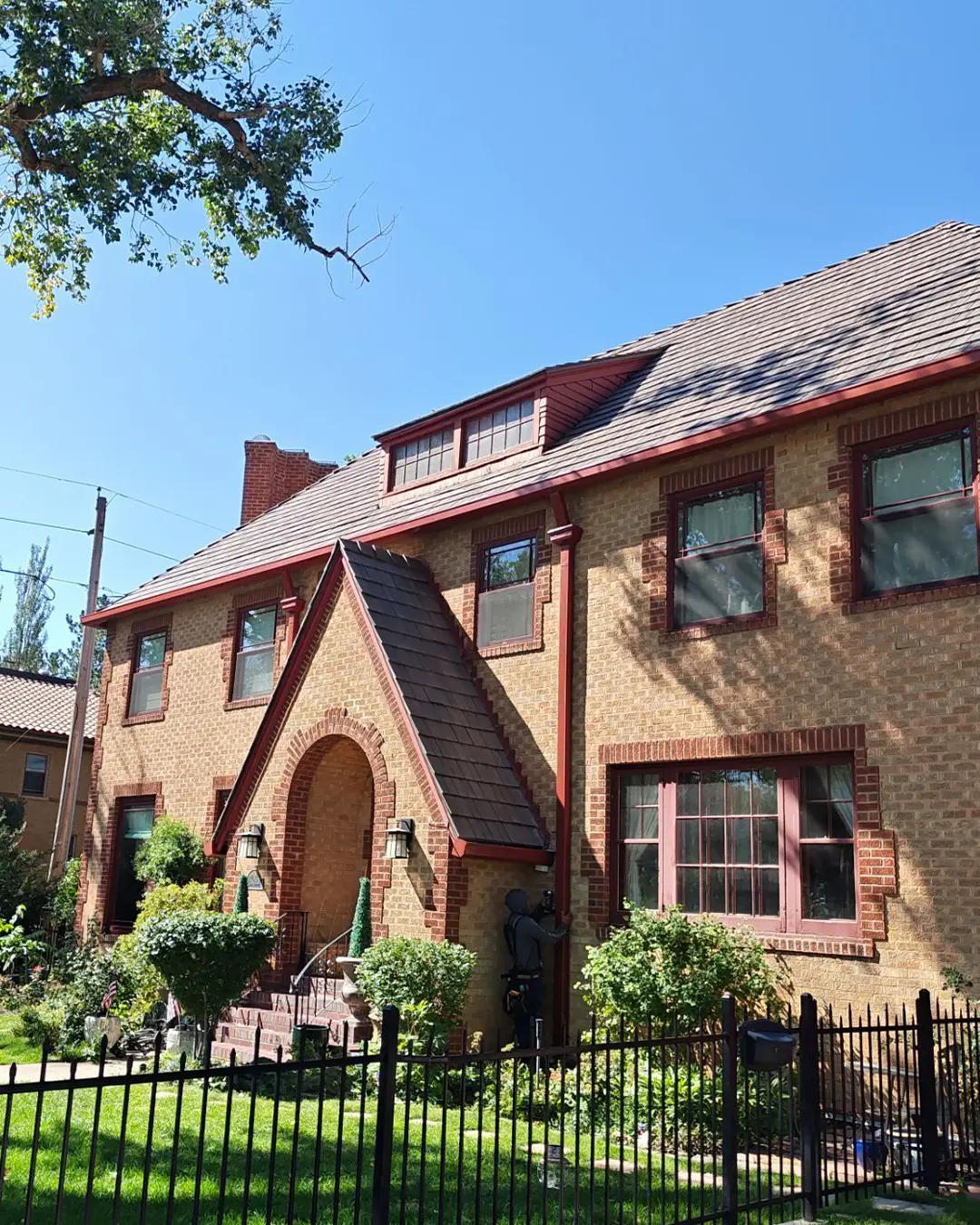
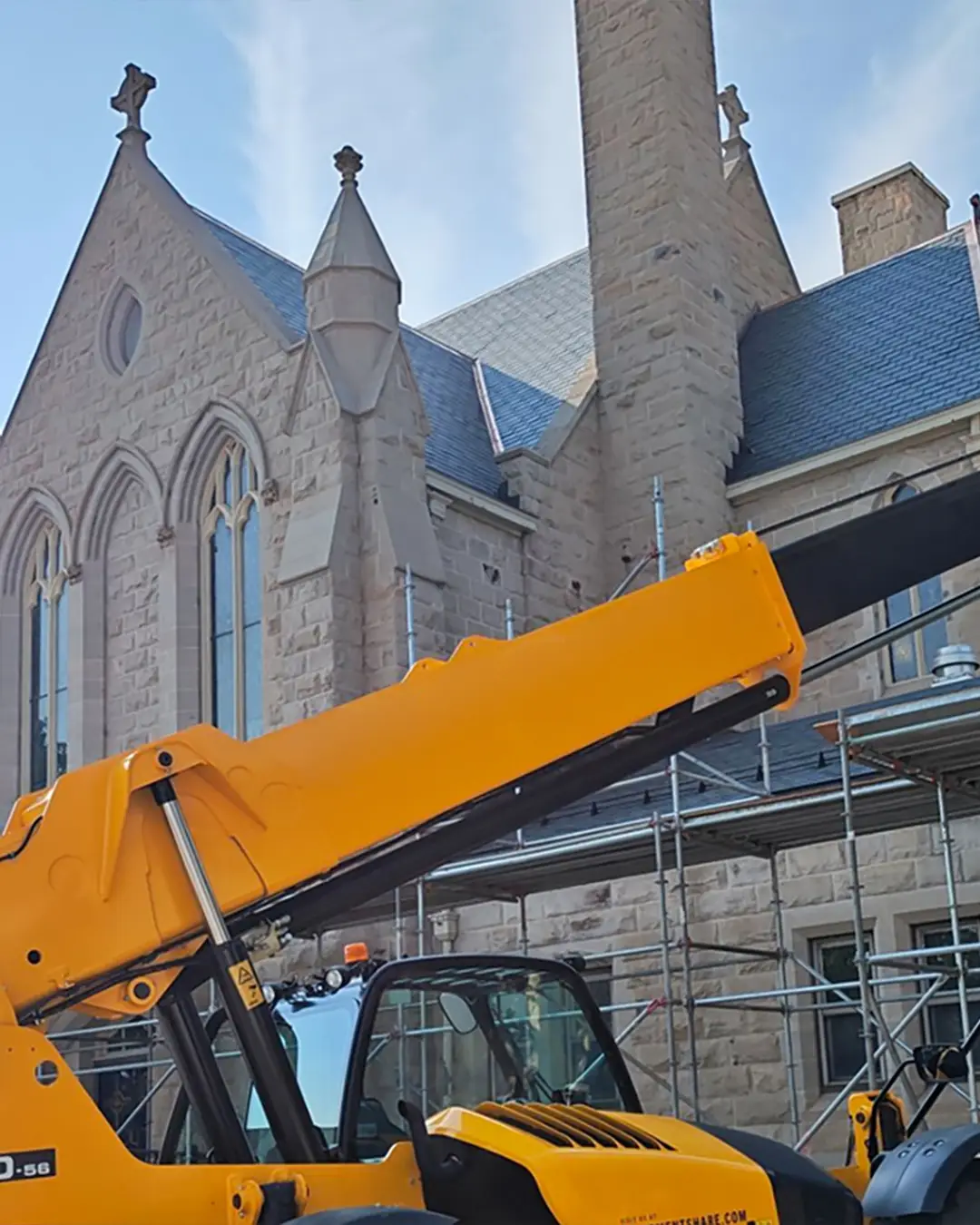
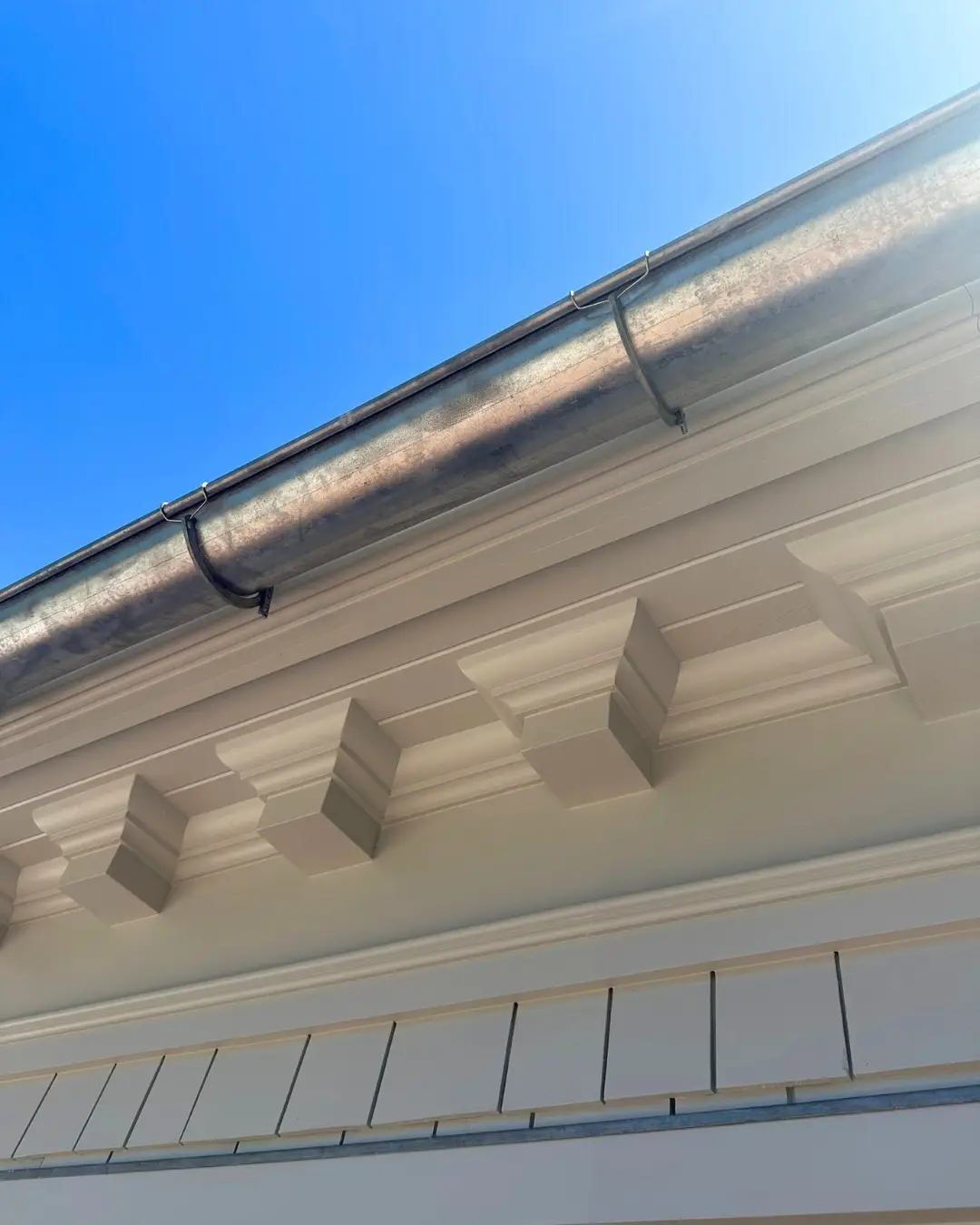
Slate Roofing on Historic Buildings
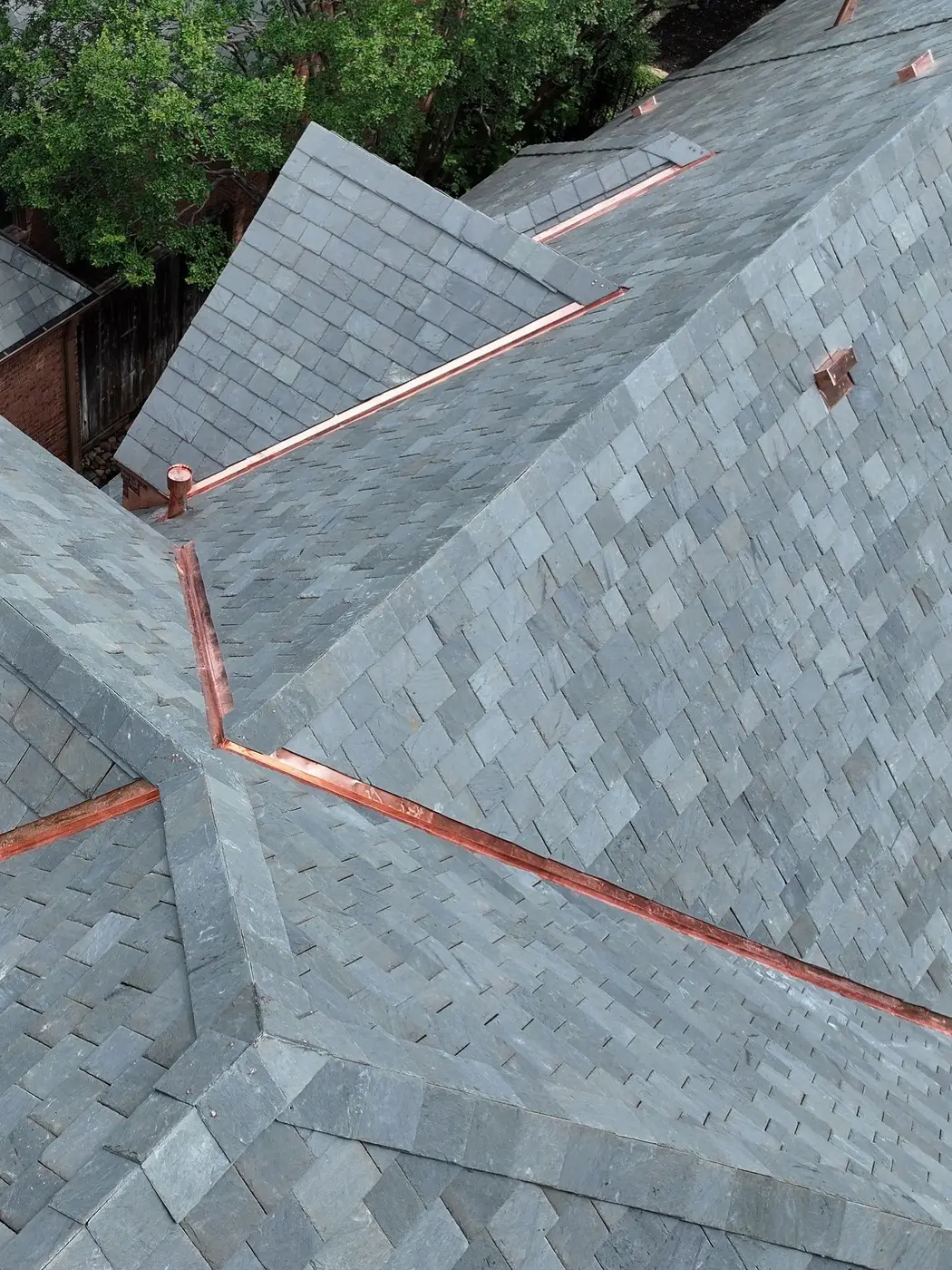
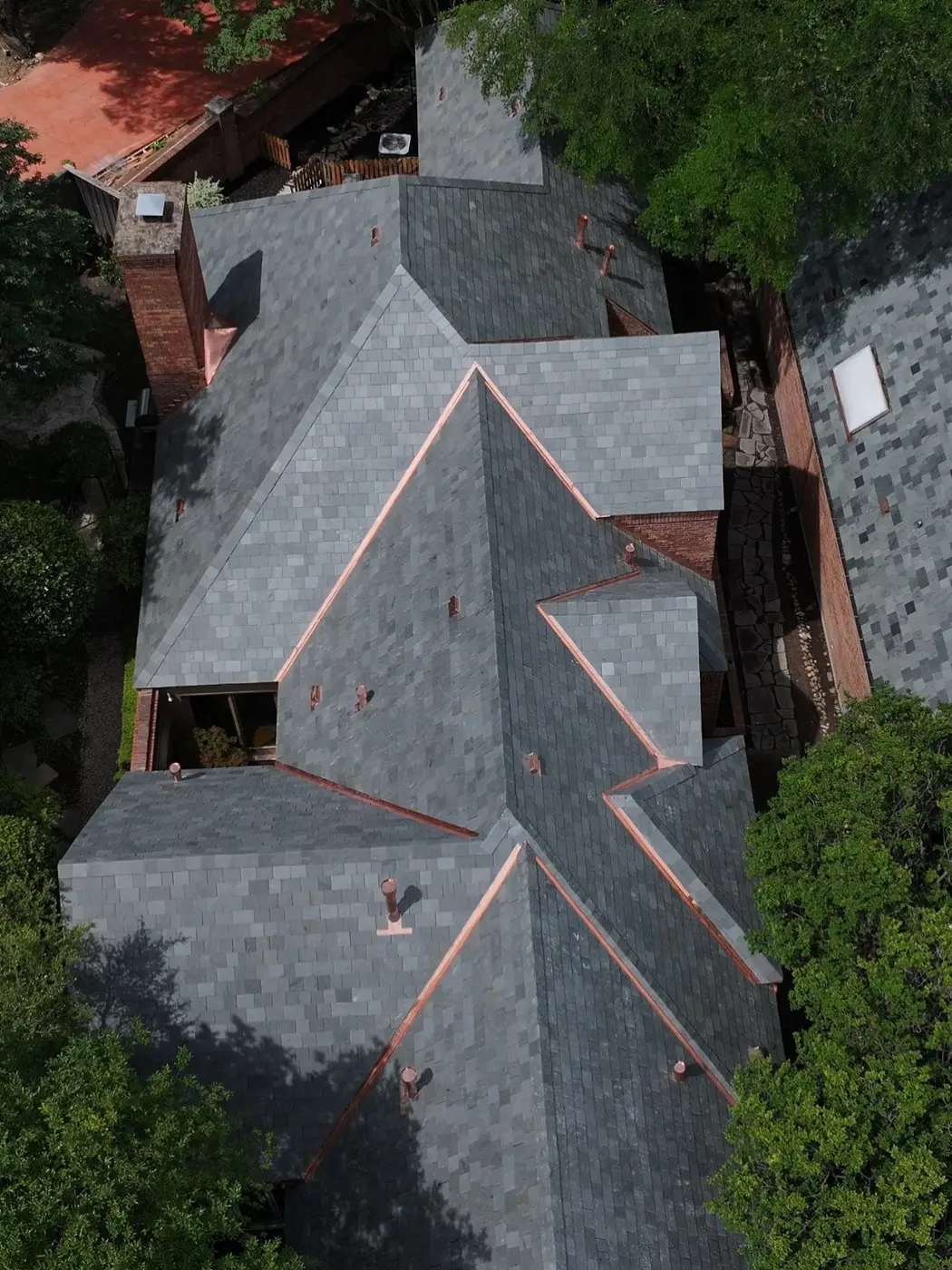
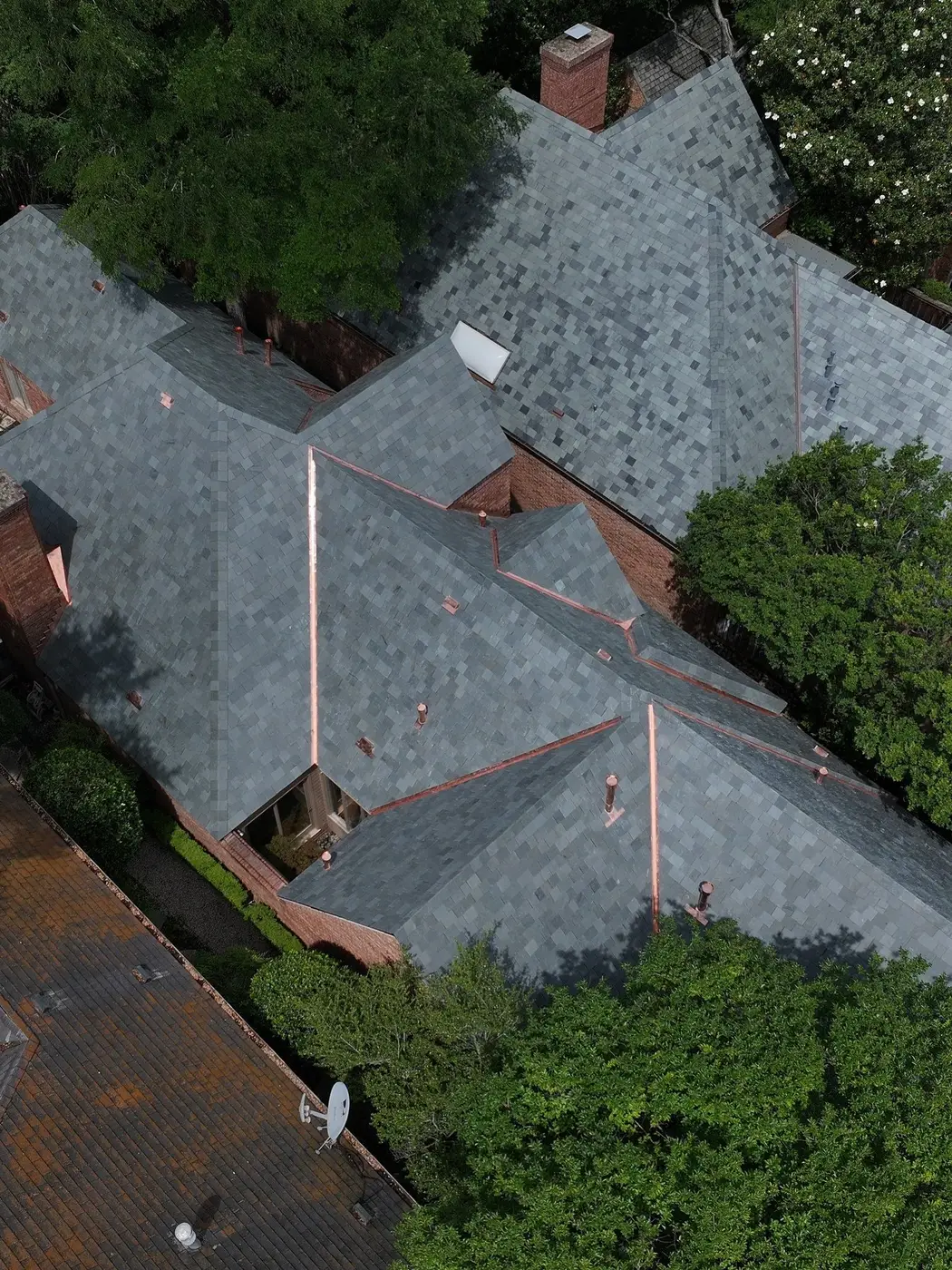
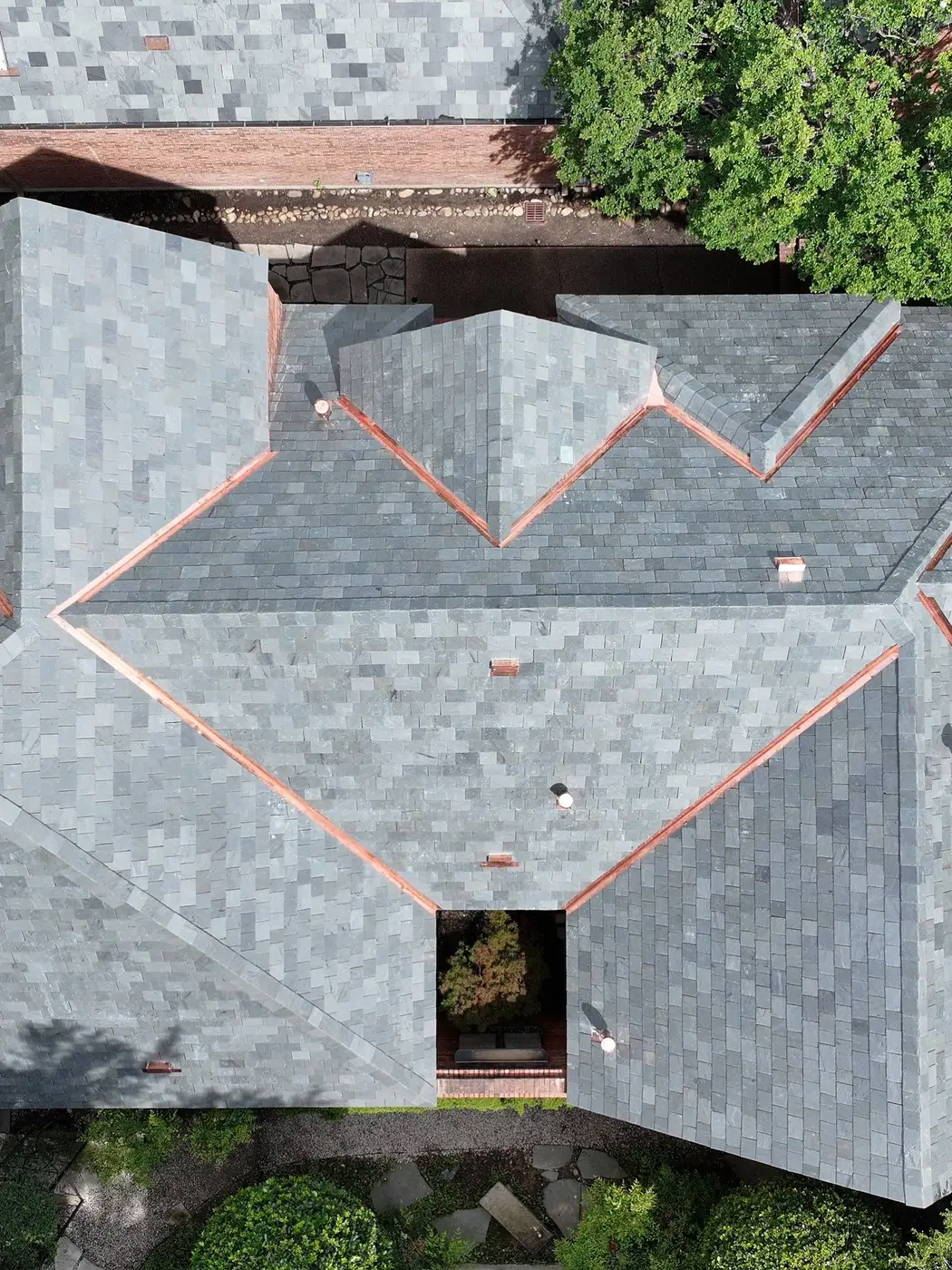
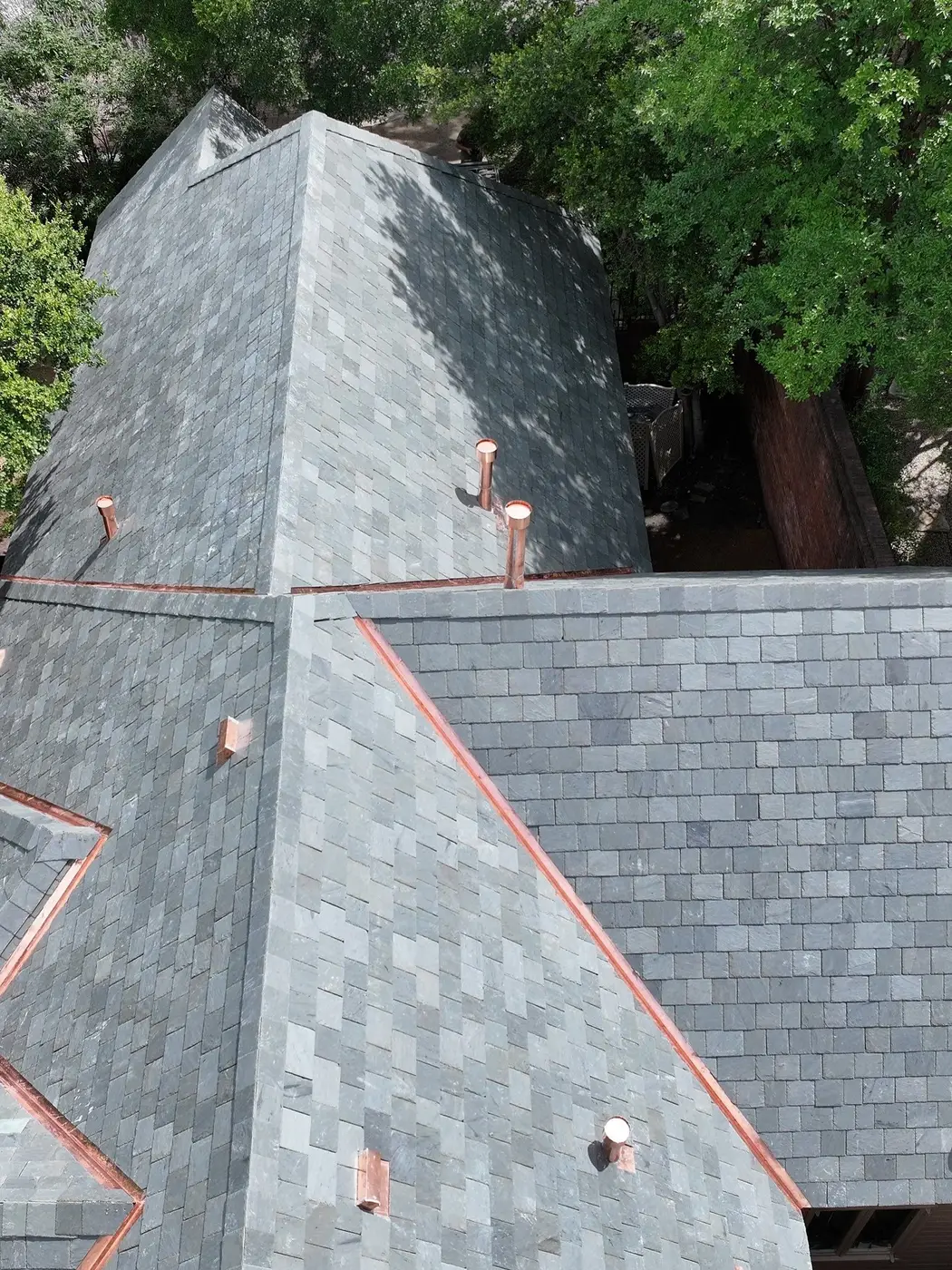
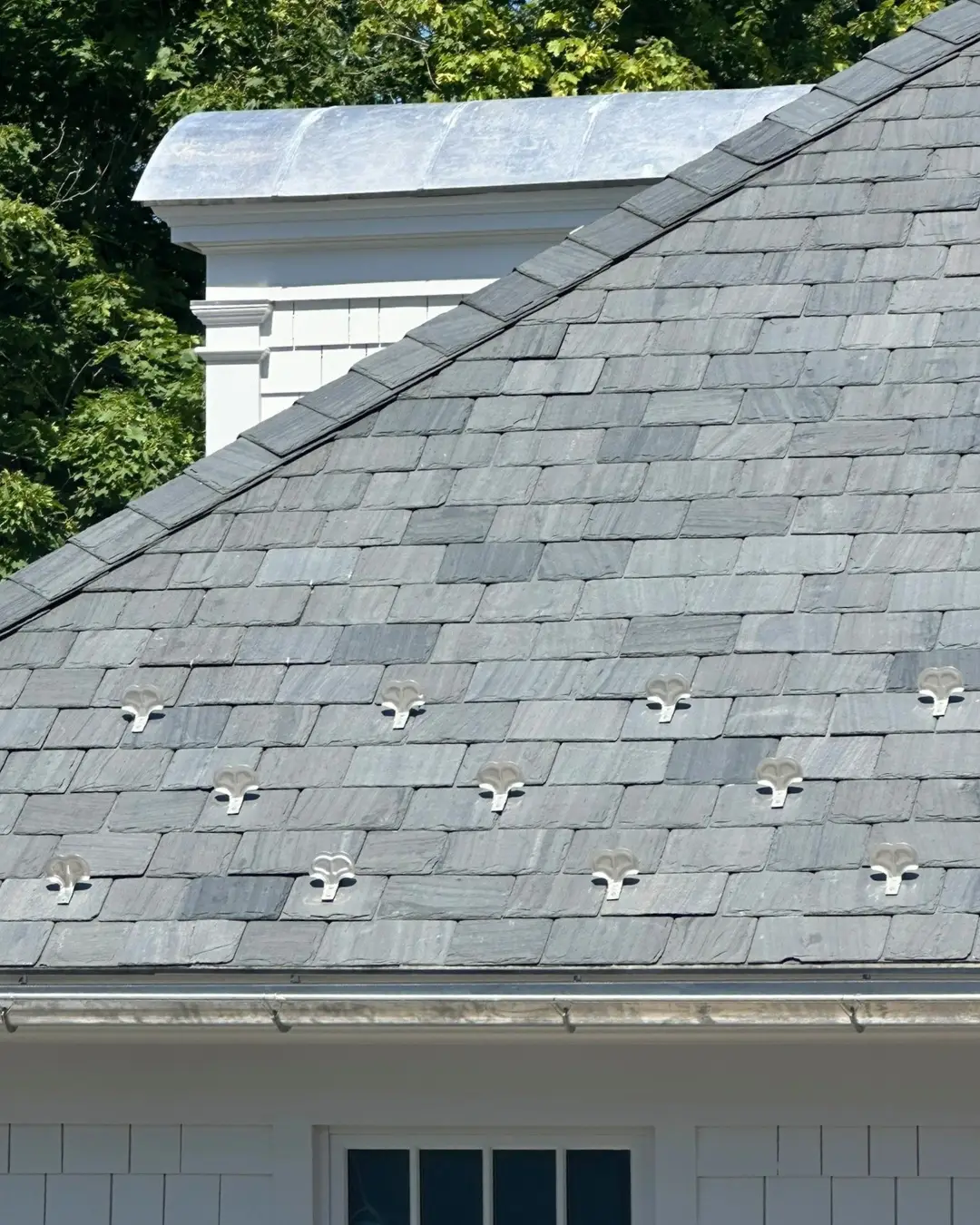
Slate Roof with Copper Valleys and Flashing
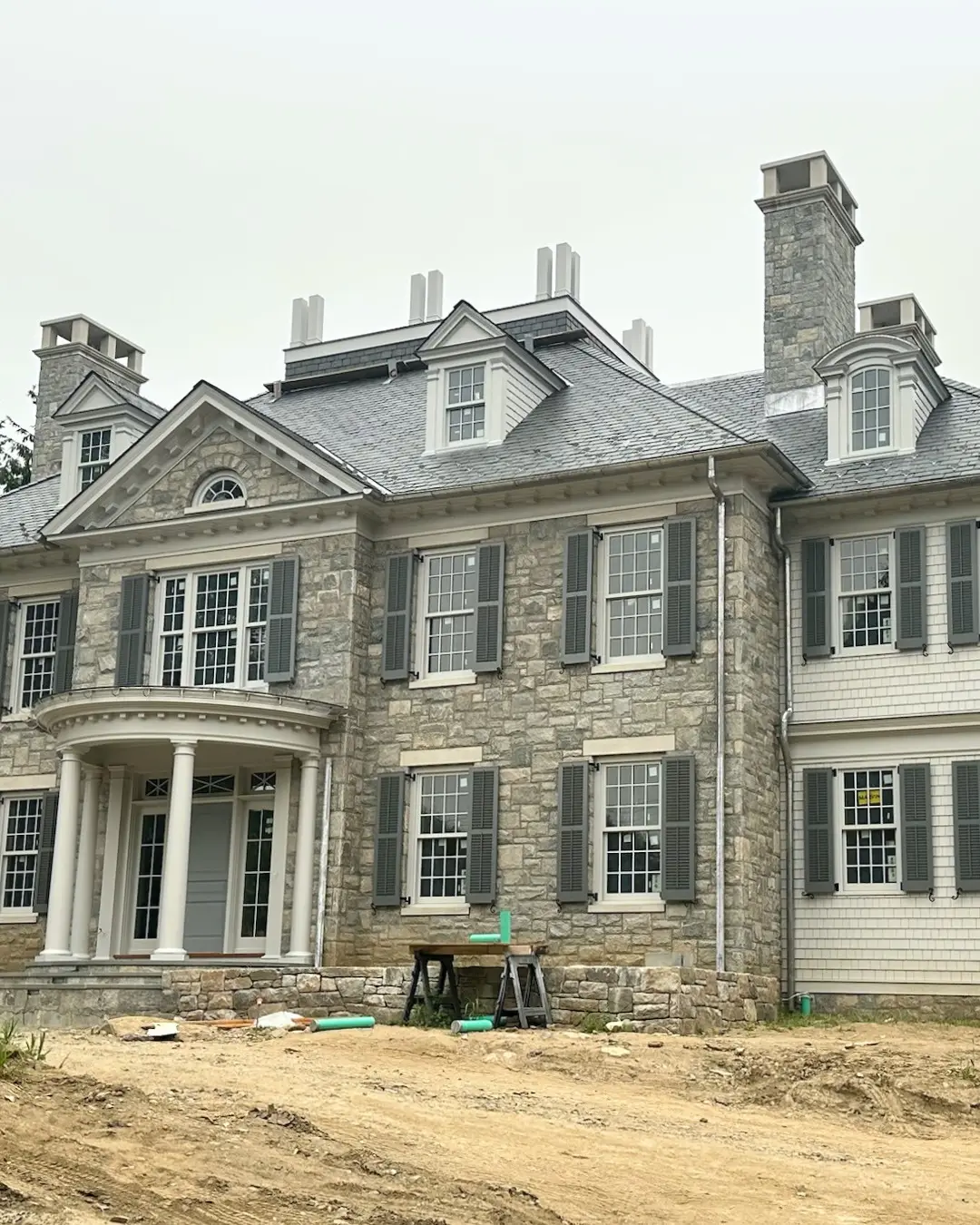
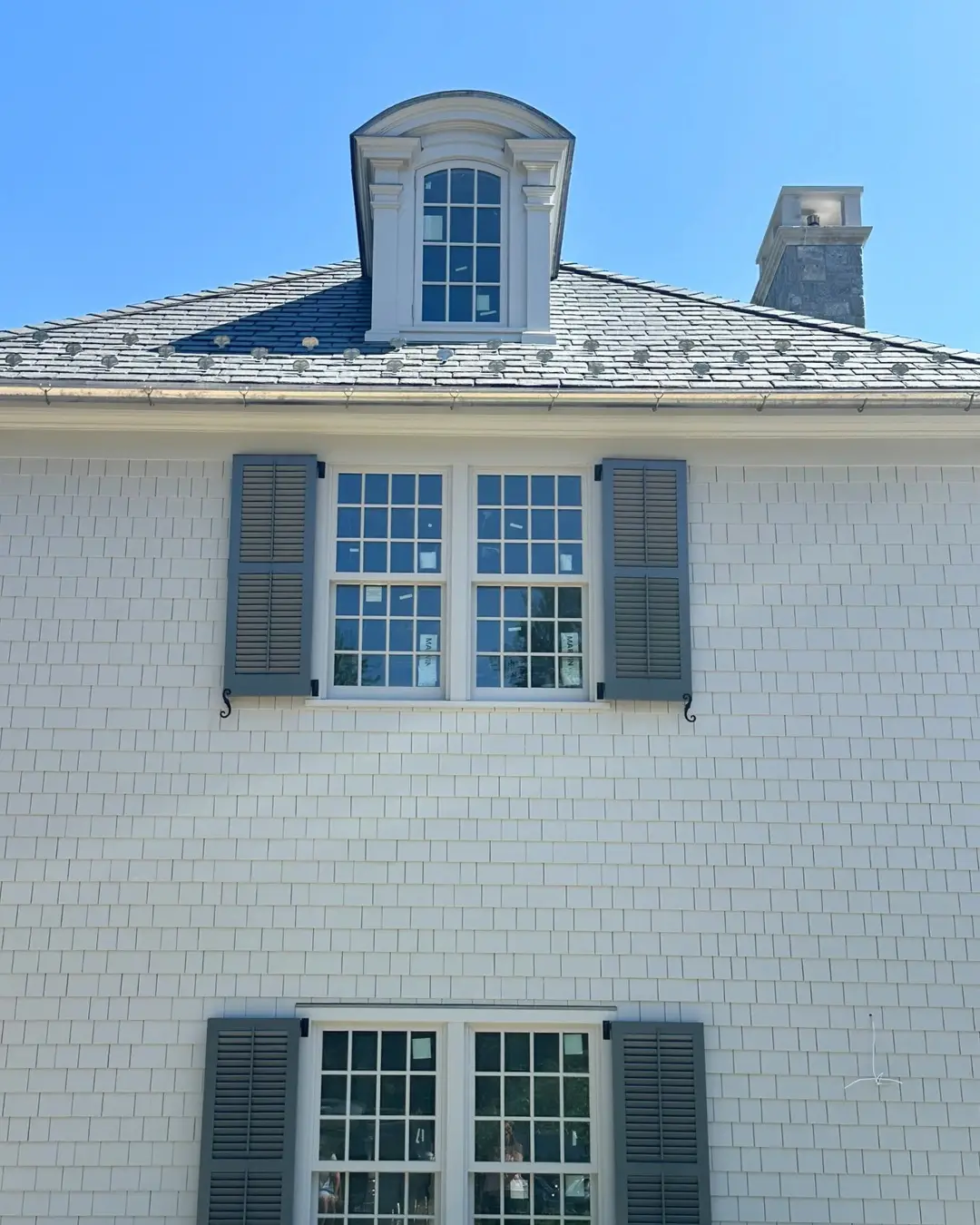
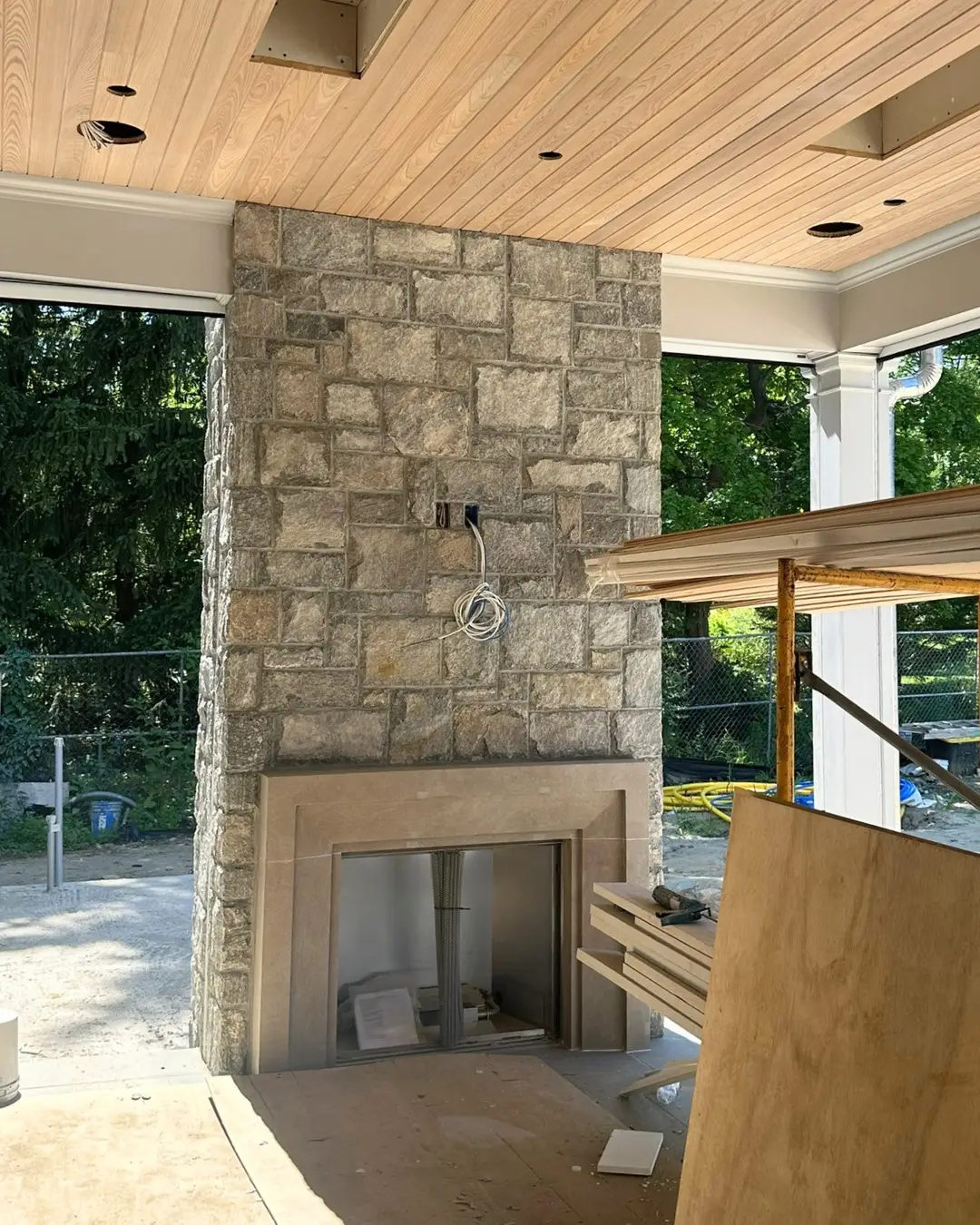
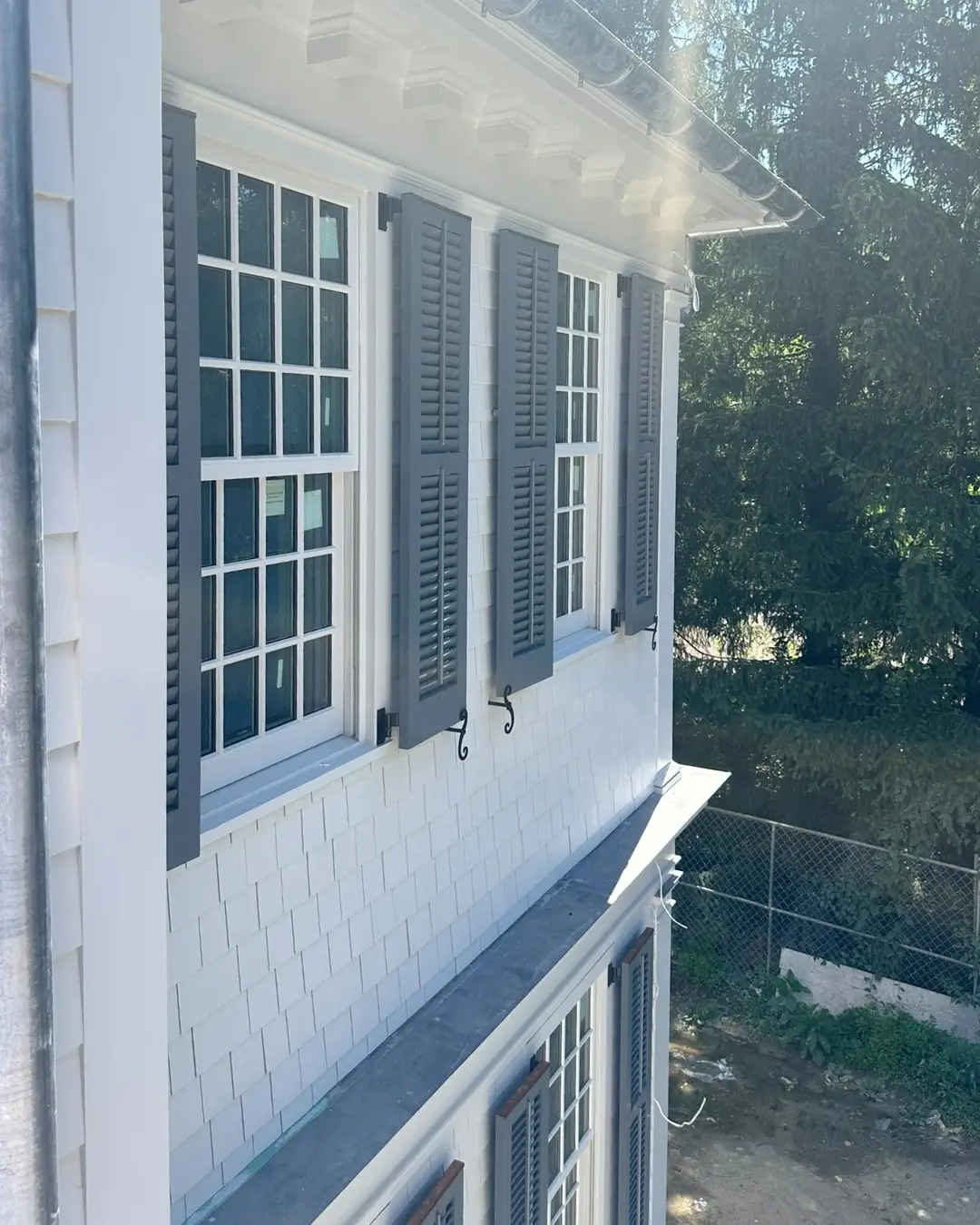
Slate Roof on a Stone Colonial
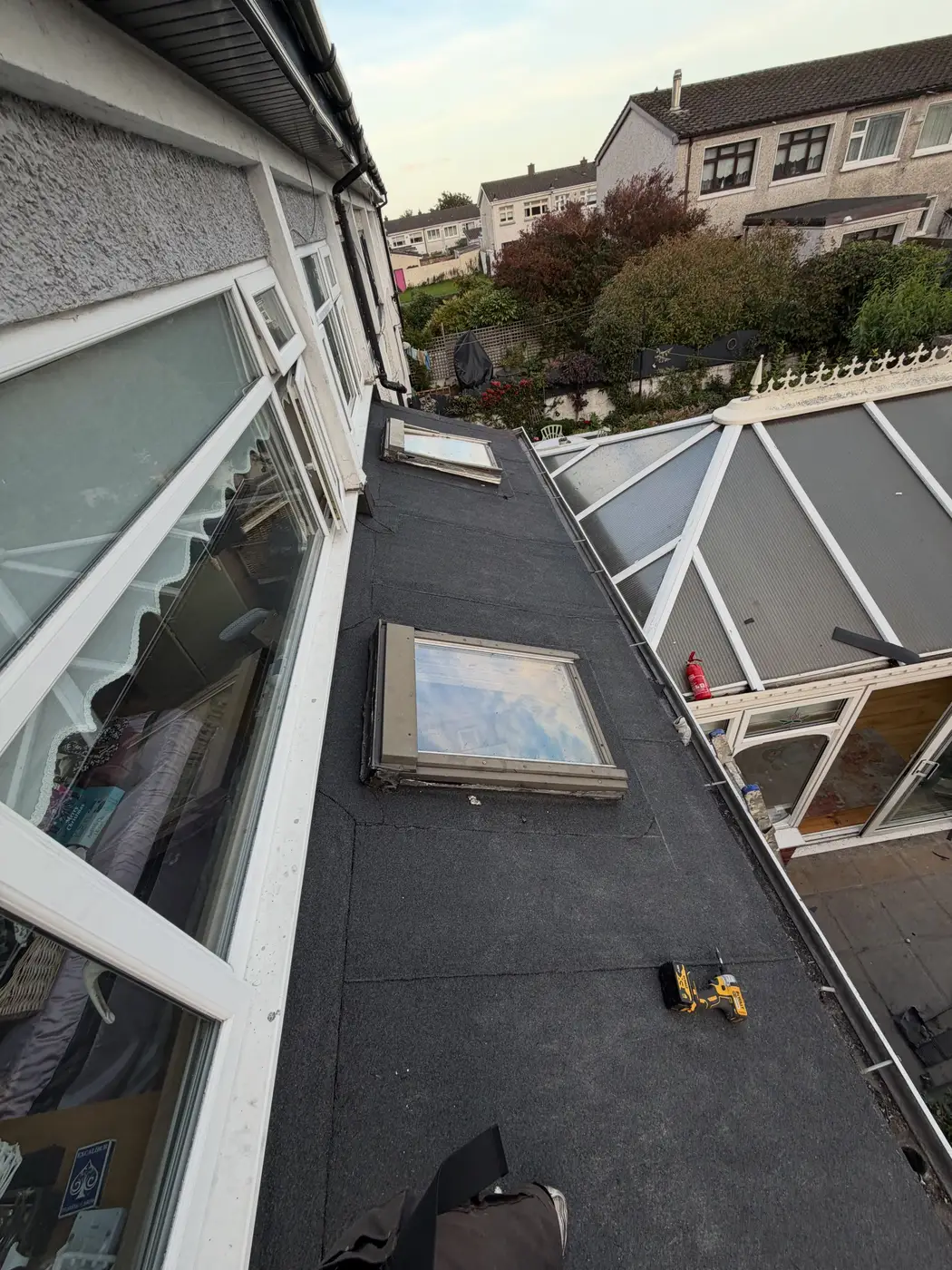
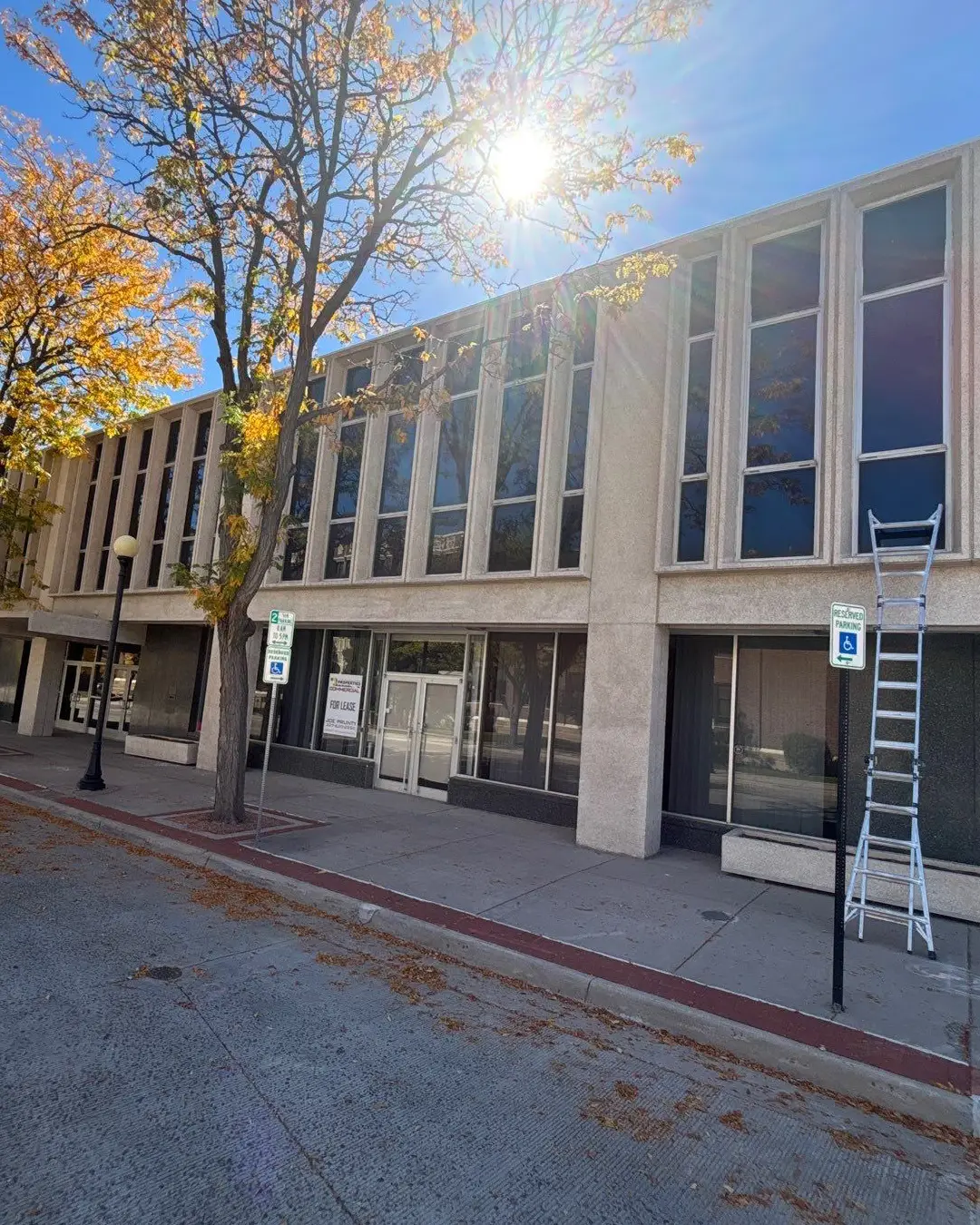
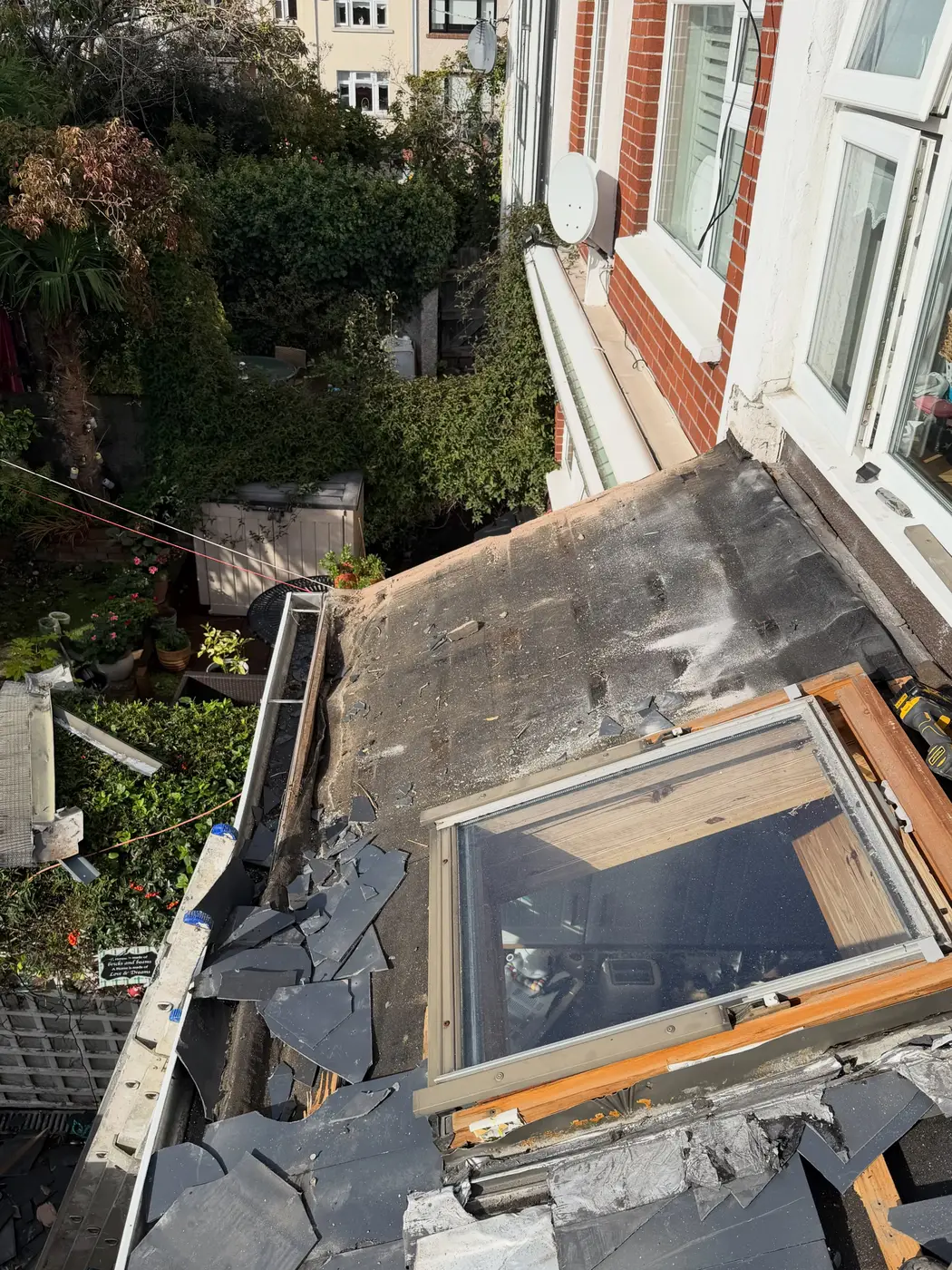
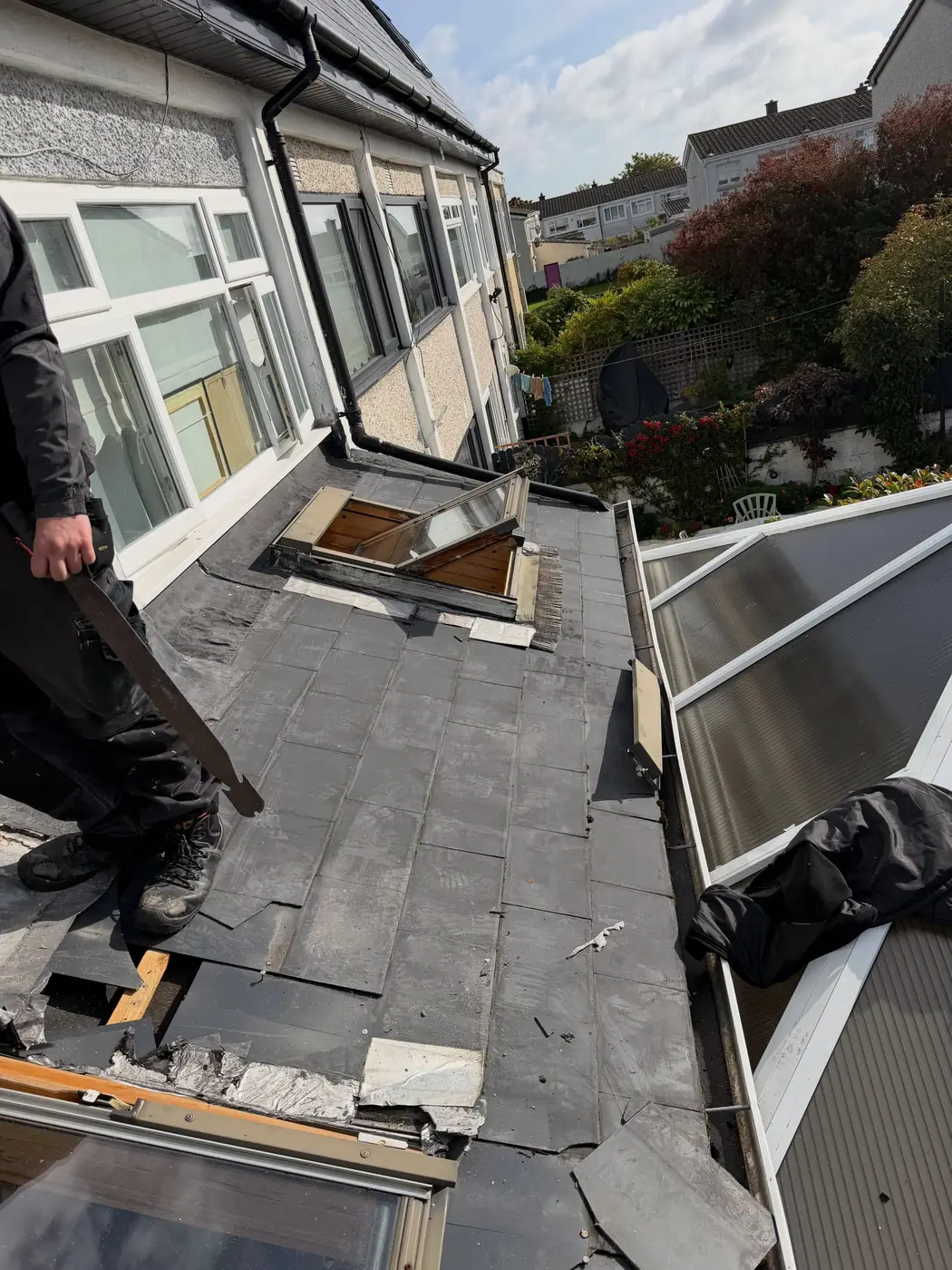
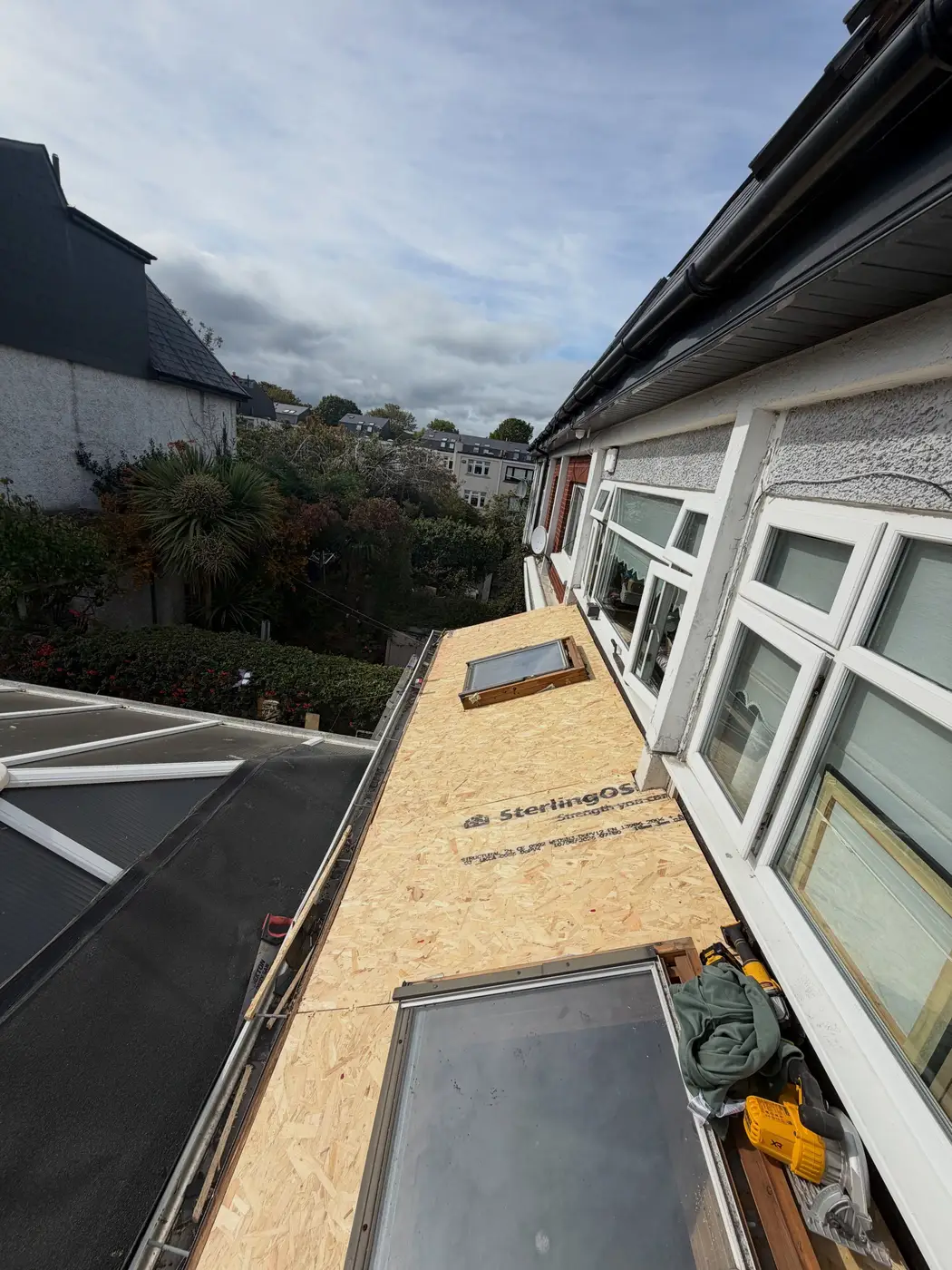
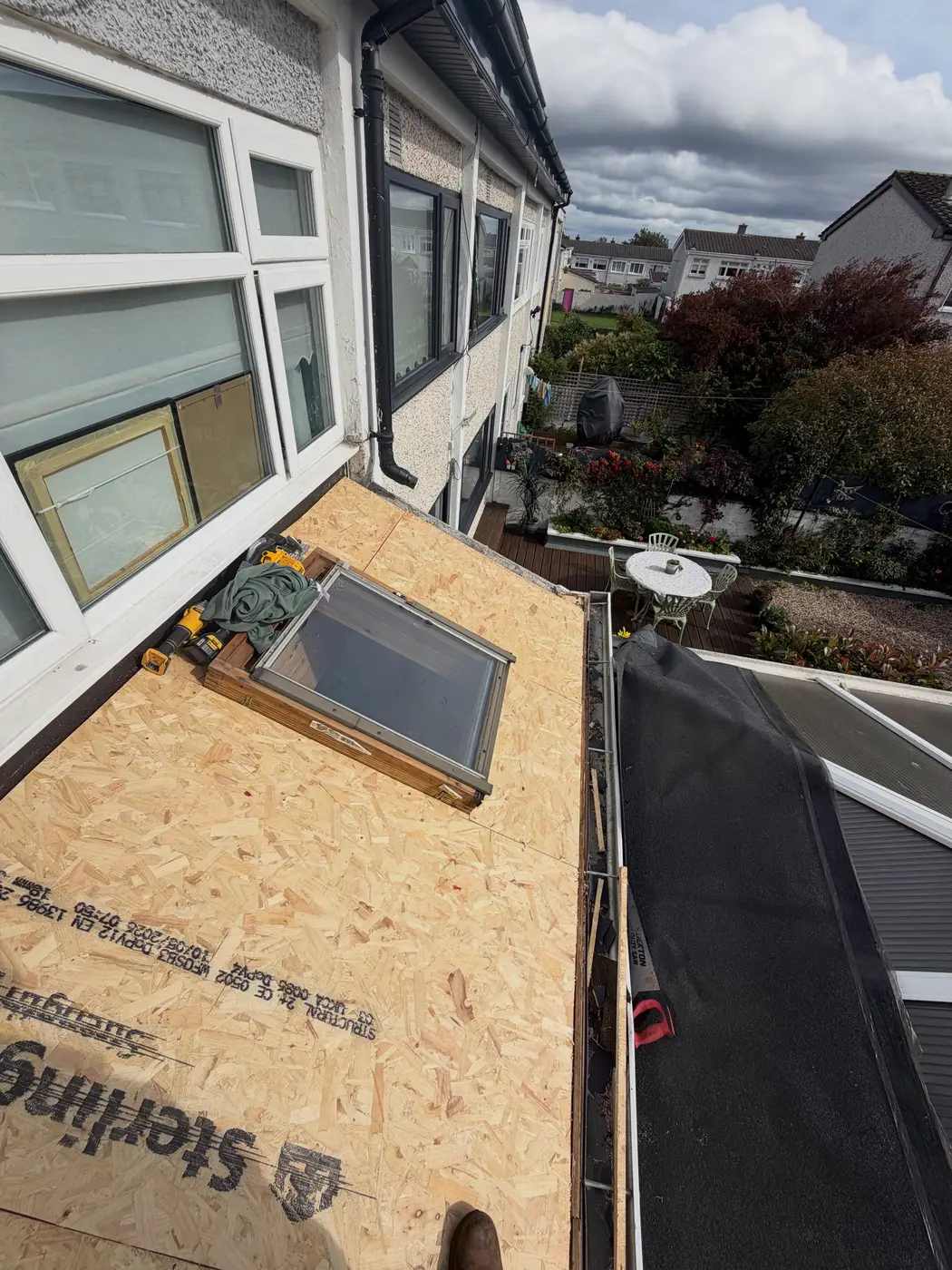
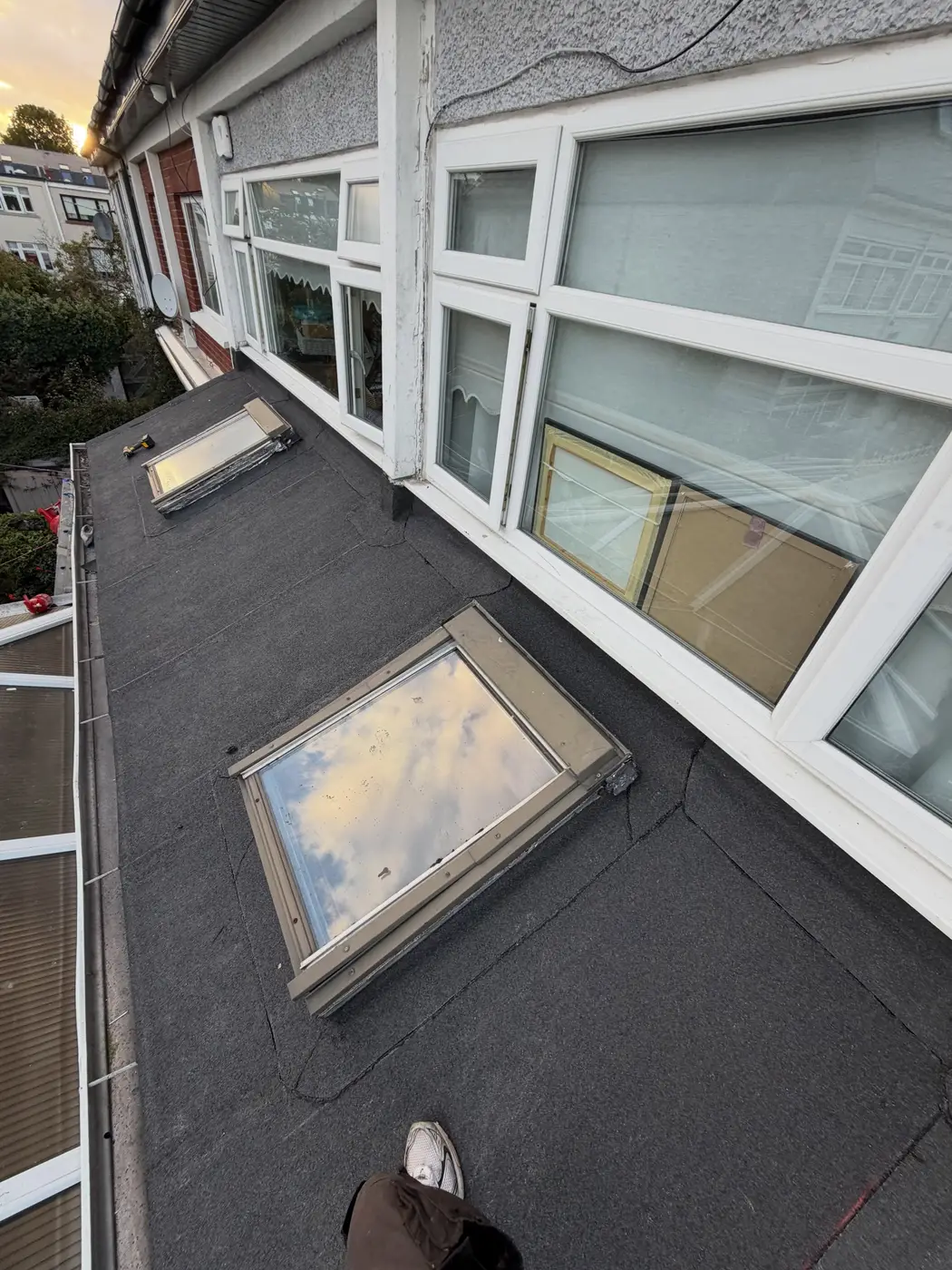
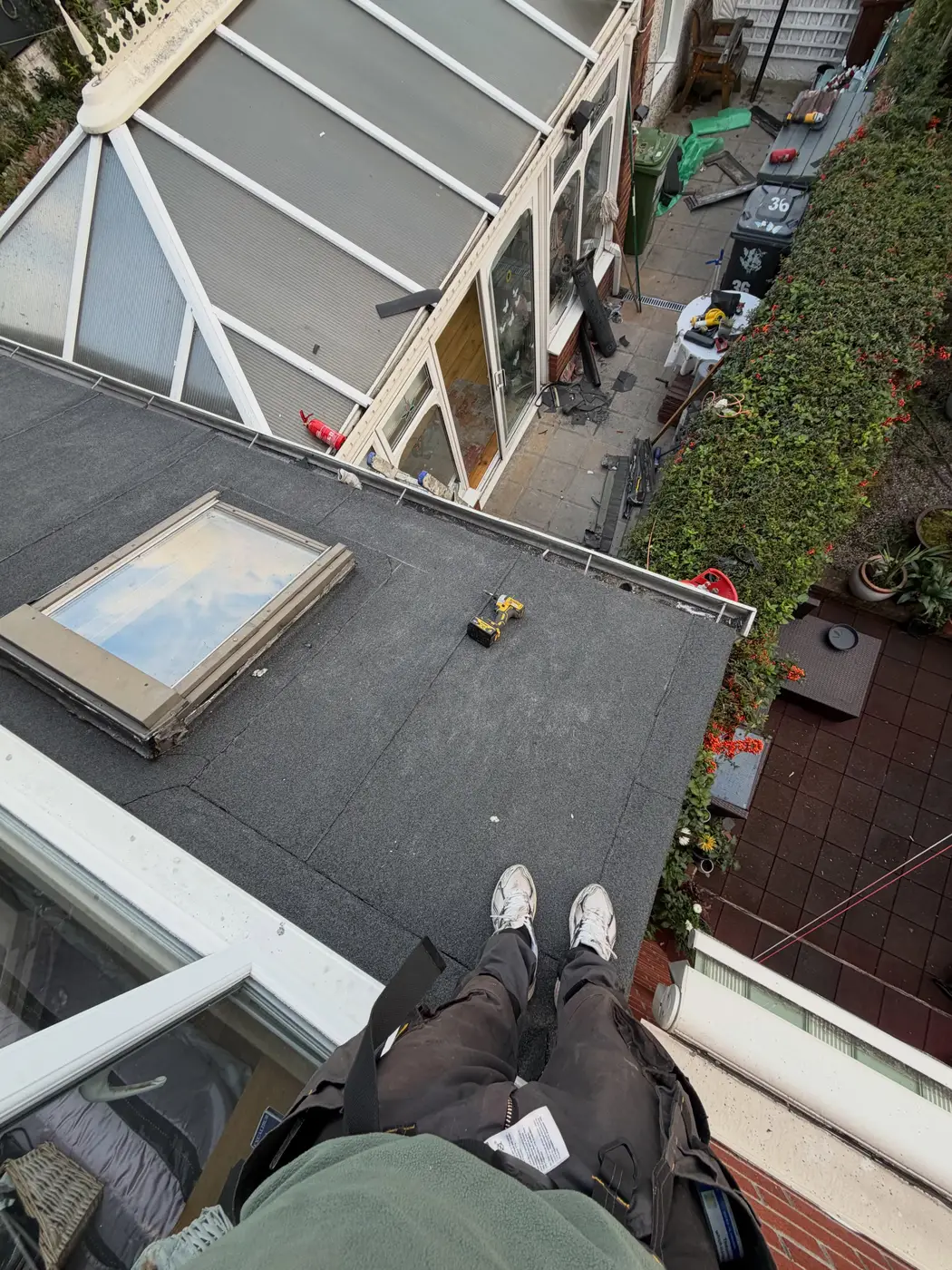
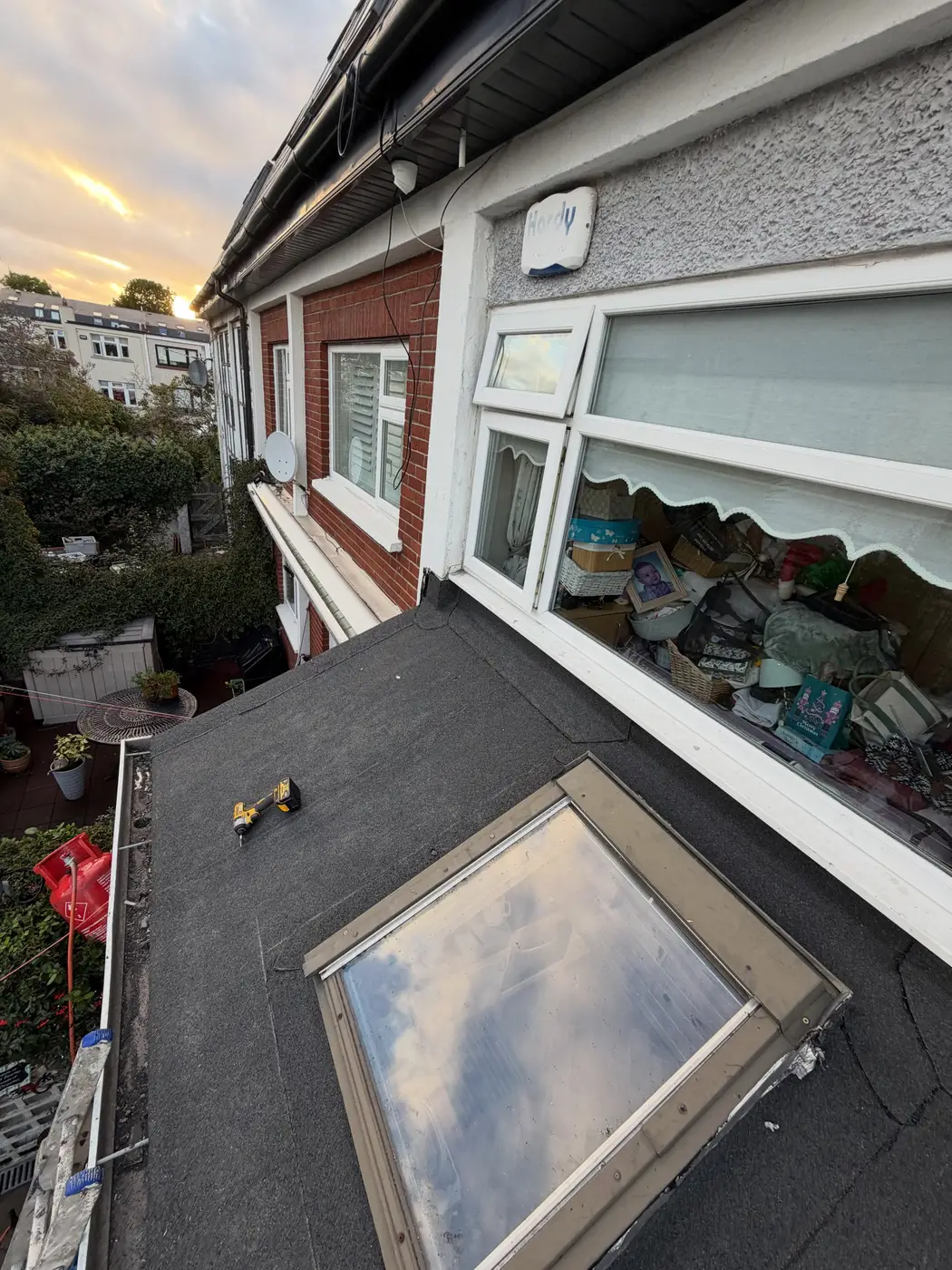
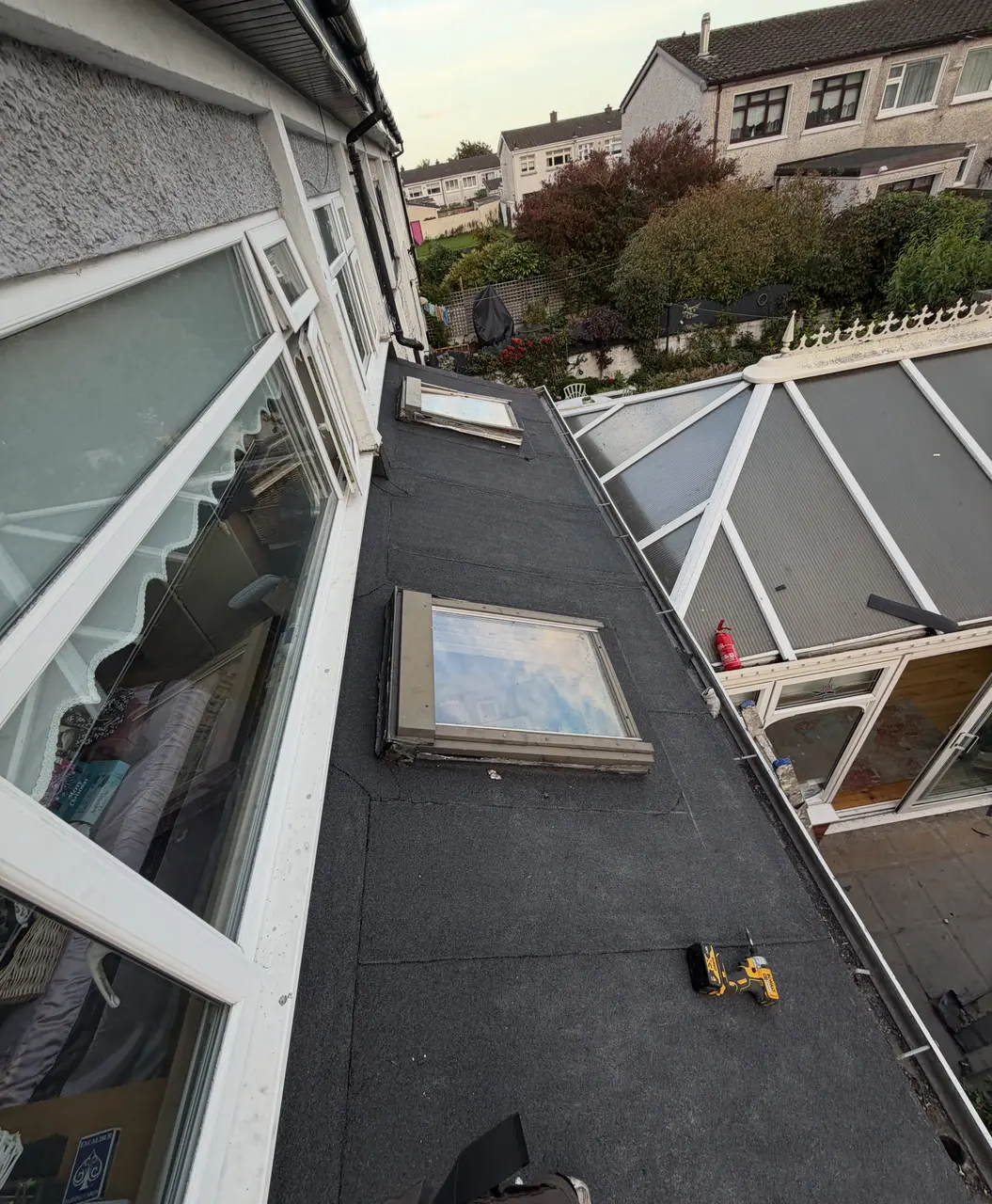
Flat Roof and Skylights Beside a Slate Home
See all of our roofing projects
Frequently asked questions
Is slate better repaired or replaced?
Why are there tar patches on my slate?
Earlier repairs often relied on tar, which traps water and makes proper repairs harder. We remove it where possible.
Are there alternatives to natural slate?
Synthetic slate offers a similar look at lower weight and cost. Its lifespan is shorter than quality natural stone.
How much does slate roof repair cost in Tulsa?
Small slate repairs usually start around $500 to $1,500. Flashing and valley work costs more, and full slate roofs can run $25 to $50 or more per square foot.
How long does a slate roof last?
Good natural slate can last 75 to 150 years or more depending on the stone. Fasteners and flashing often wear out first, so they are the main maintenance items.
Can you match the slate on my old home?
Usually closely, using quarries and salvaged slate. We match color, size and thickness as well as we can. Pieces from less visible areas can sometimes be moved to visible spots.
Should I replace my old slate roof?
Not always. If the stone is sound, repairs and new flashing are often the better choice. A survey shows whether the slate itself is near the end of its life.