

If the membrane is sound and the insulation is dry, repair is often reasonable. Widespread wet insulation usually changes the answer.

Roof Repair
Roof Leak Repair
Emergency Roof Repair
Flat Roof Repair
Wind Damage Roof Repair
All Services
Flat roofs fail differently from shingle roofs. Water sits instead of running off, so a small seam failure or a clogged drain can do damage quickly and show up far from where it began.
We identify the existing membrane first, because TPO, EPDM, PVC and modified bitumen each need their own repair materials. Then we look at drainage, since a patch won't last on a section that keeps holding water.
Common signs we check for:
- Open or lifting membrane seams
- Water ponding 48 hours after rain
- Blisters, ridges and wrinkles
- Clogged drains or scuppers
- Cracked coping and wall flashing
- Soft spots underfoot
How the work gets done
Identify the System
We confirm membrane type, age and how it was attached.
Check Drainage
Slope, drains and scuppers are reviewed along with the damage.
Compatible Repair
Patches and seams use materials made for your membrane.
Maintenance Notes
You get a short list of items to monitor on the rest of the roof.
Typical Cost
Localized flat roof repairs usually run $400 to $2,500. Large sections with wet insulation can cost considerably more.
These are planning ranges for the Tulsa area, not a quote. Your written estimate is based on the actual roof.
Request an EstimateFlat Roof Repair prices
Planning ranges for the Tulsa area, updated November 2026. They include typical labor and materials, but they are not a quote. Your written estimate is based on an inspection of the actual job. See every category on our price list.
Common flat roof problems we repair
A flat roof has no slope to forgive small mistakes. Water sits longer, so seams, penetrations and drains do most of the work and fail first.
- Open seams, where membrane laps have lost their bond or were never fully welded.
- Ponding water, where low spots hold water for more than a couple of days after rain.
- Blisters and ridges, usually from trapped moisture or movement in the layers below.
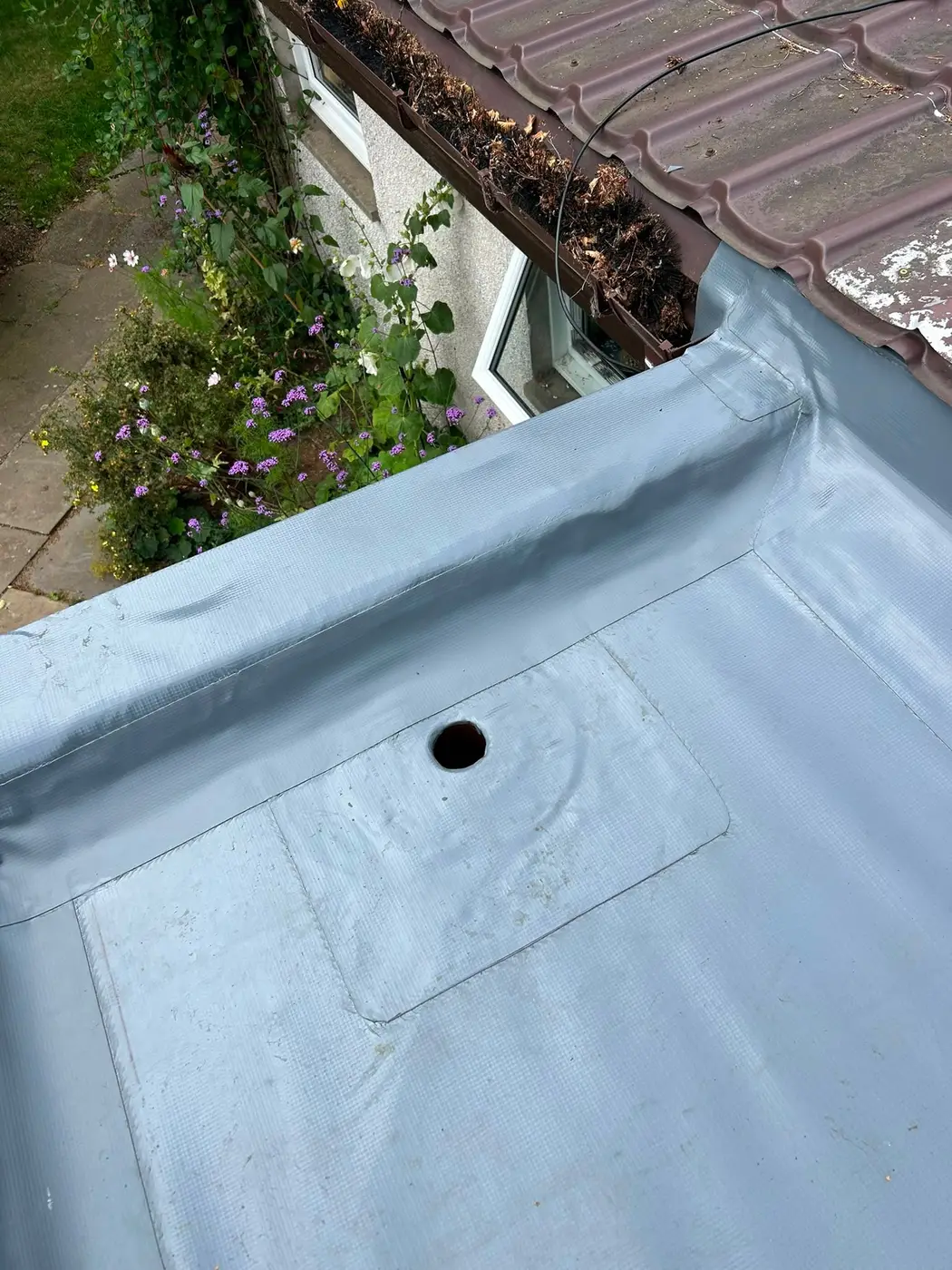
- Failed flashing at walls, curbs, HVAC units and pipe penetrations.
- Clogged or undersized drains and scuppers that back water up across the roof.
- Punctures from foot traffic, dropped tools or service work on rooftop equipment.
Finding the leak on a low-slope roof
Water can travel a long way under a membrane before it reaches the ceiling, so the leak inside often says little about the hole outside. We start with the drains and flashings, which cause most leaks, then probe seams by hand on welded systems and take moisture readings across the field. On larger roofs an infrared or moisture survey shows where insulation has soaked up water. That matters because wet insulation adds weight, loses its insulating value and keeps feeding leaks after the surface has been patched.
A core sample can confirm how many layers are on the roof and whether they are dry. That single piece of information often decides between a repair, a roof coating and a full replacement.
Repairs by roof type
Each membrane needs compatible materials and methods. A patch that bonds well to one system can fail quickly on another, so we identify the roof first.
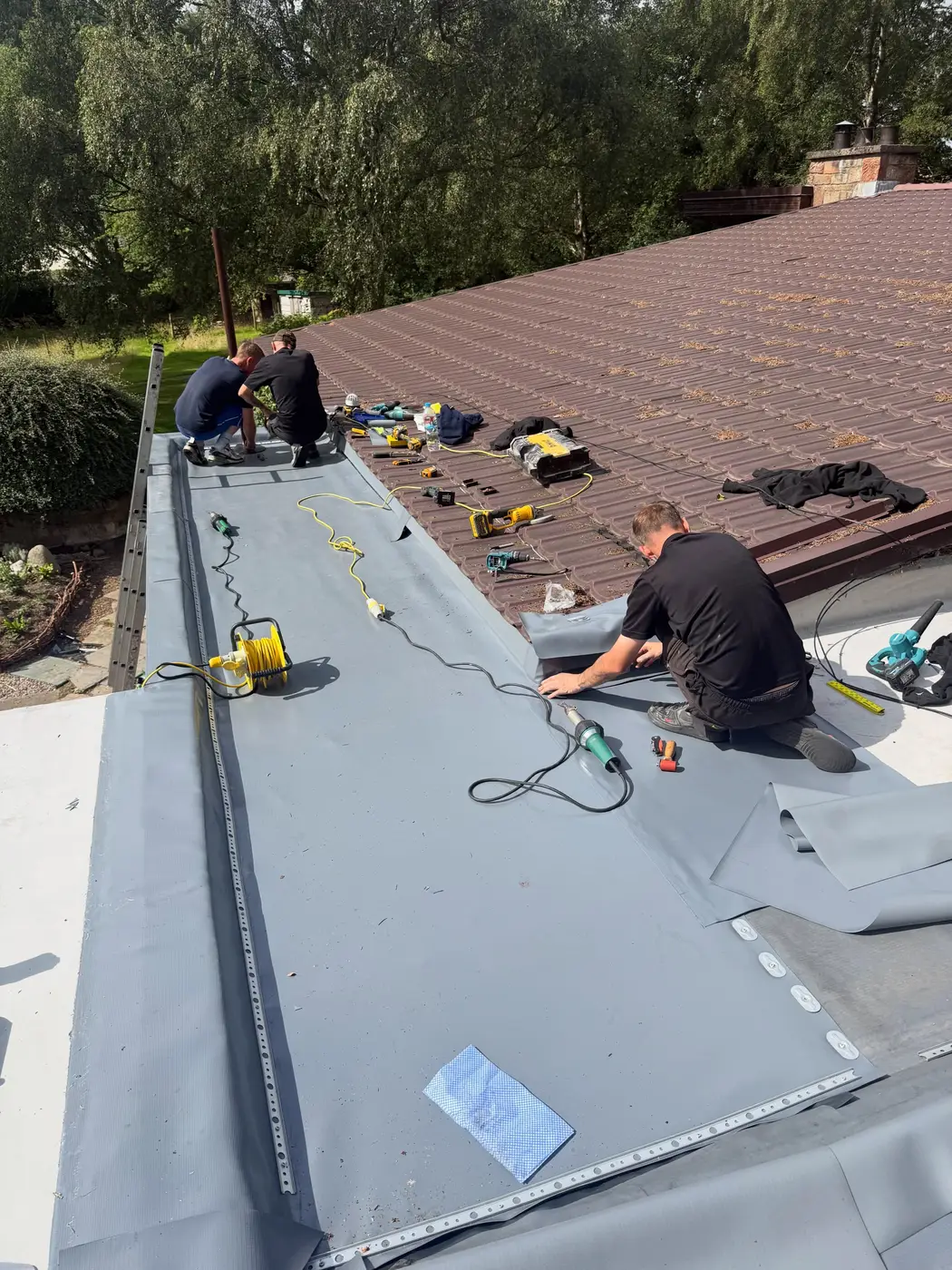
- TPO roofing: seams and patches are heat-welded after the old surface is cleaned and prepared.
- PVC roofing: also hot-air welded, with attention to shrinkage at the edges on older roofs.
- EPDM rubber: repaired with primer and seam tape or cured patches, since it cannot be heat welded.
- Modified bitumen: repaired with matching cap sheet and proper torch or cold-applied methods.
- Built-up roofs: repaired in layers, with gravel removed from the work area and replaced afterward.
Repair, restore or replace?
A localized repair is the right call when the insulation is dry and the failures are limited. Restoration with a coating can work when the membrane is aged but mostly sound and moisture levels are low. Replacement makes sense when a large share of the insulation is wet, the roof has reached its allowed number of layers, or leaks keep coming back. We price the options side by side, and we explain how each one affects the life you can expect from the roof. Business owners can read more about commercial roofing or compare systems in our flat roof options guide.
Simple maintenance that prevents most leaks
Flat roofs reward routine care. Clear drains and scuppers in spring and fall, keep leaves and debris off the field, and limit foot traffic to walkway pads. Ask HVAC techs to report any panels or screws they drop, because sharp debris is a common cause of punctures. Check seams and flashing after major storms. Two inspections a year, plus one after hail, let you budget for small repairs rather than surprise replacements.
Related services
Flat roof work is one part of our wider roof repair services. On business properties, it usually ties into a longer plan for the building, which is where our commercial roofing team comes in. Where the membrane is aged but dry, a restoration coating can be a lower-cost option than replacement.
Recent flat roof repair projects
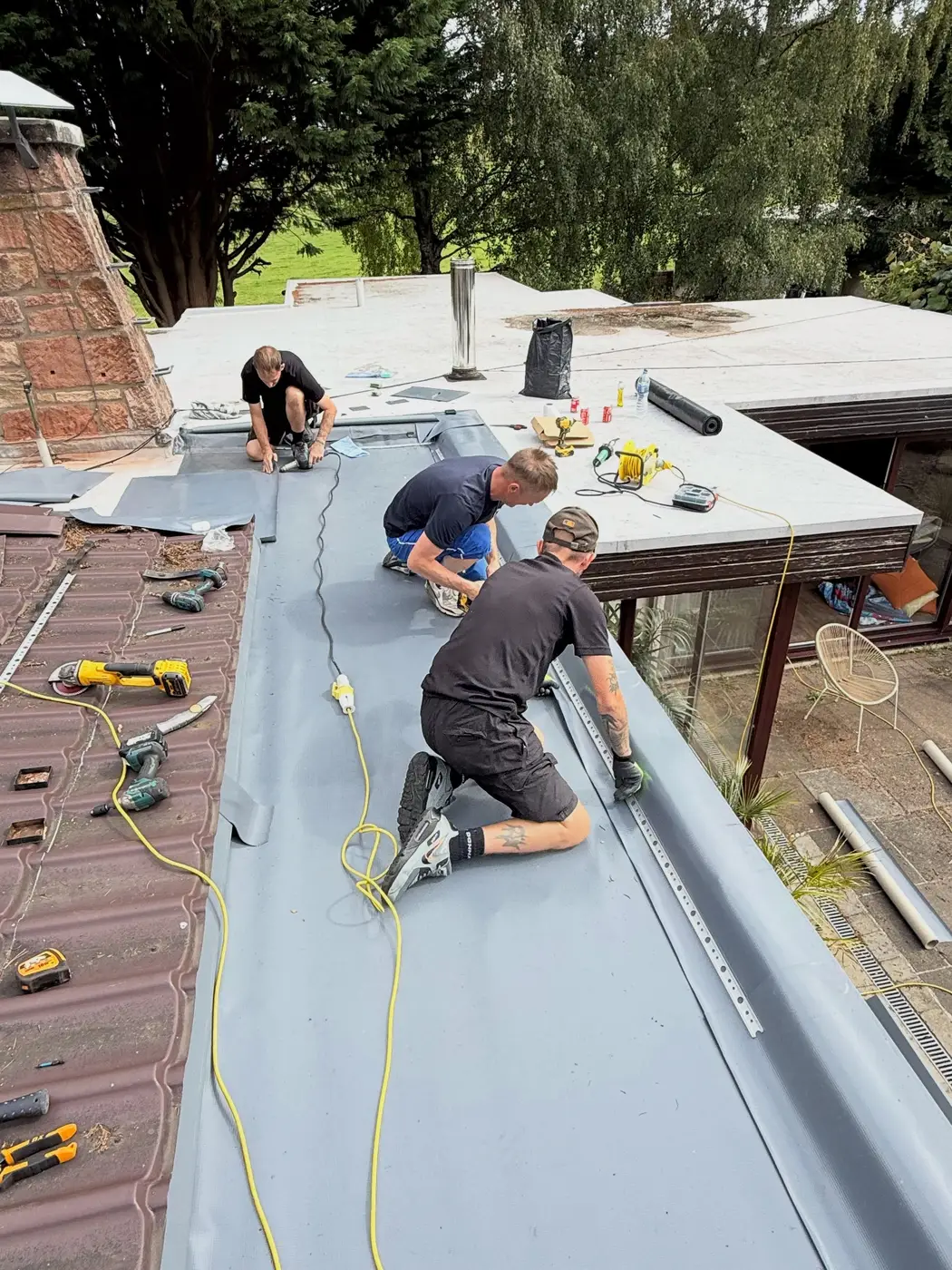
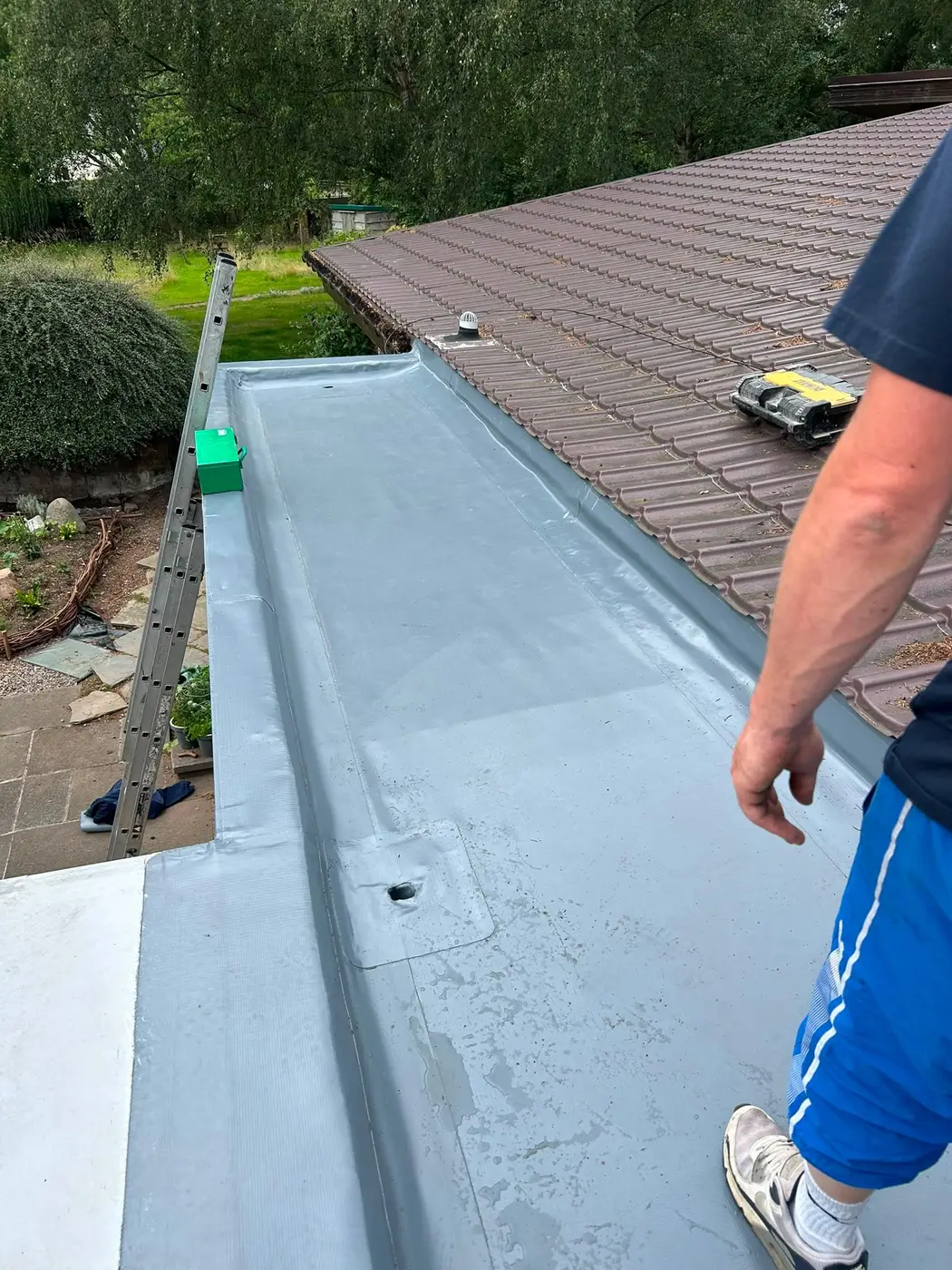
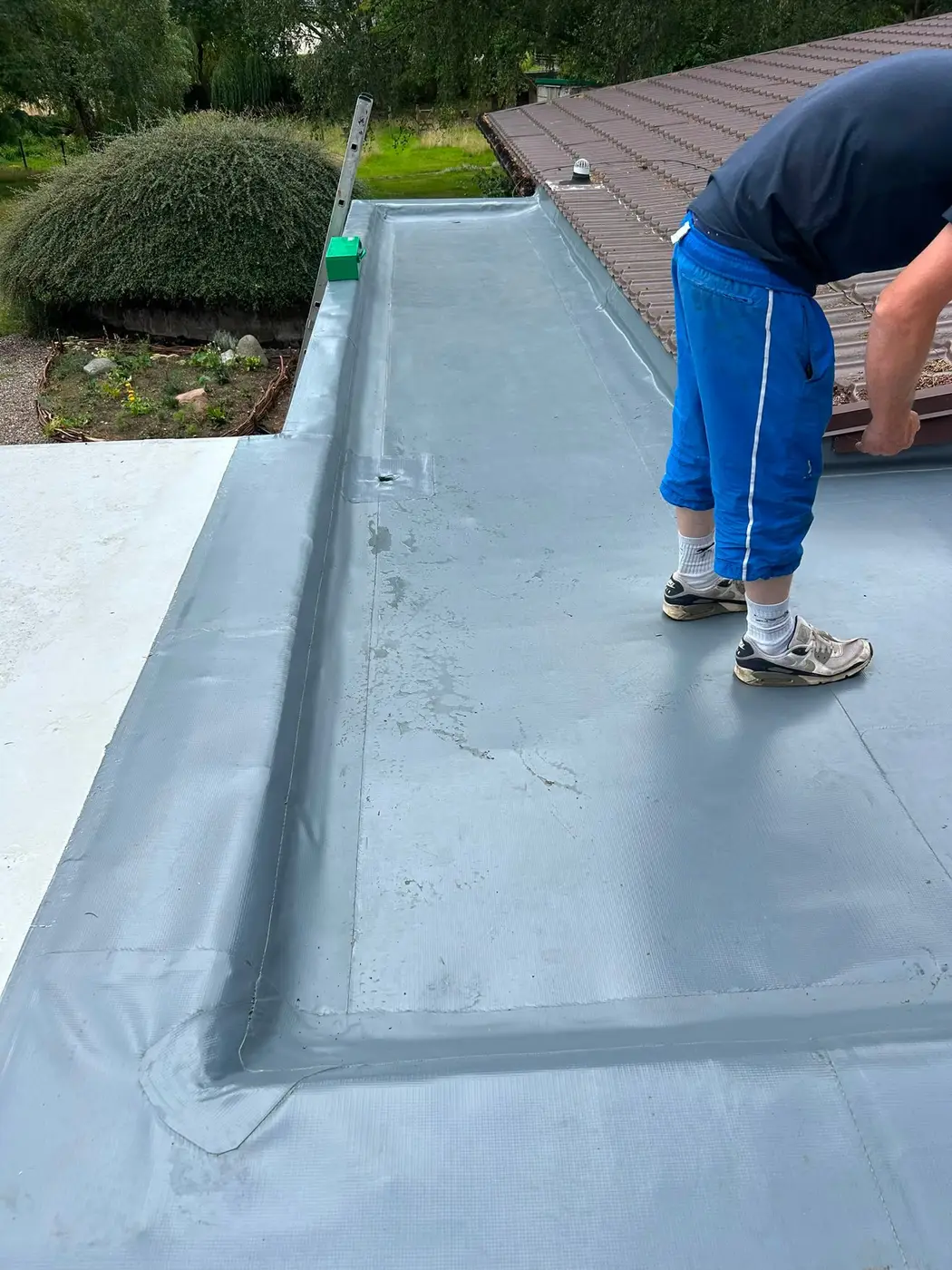
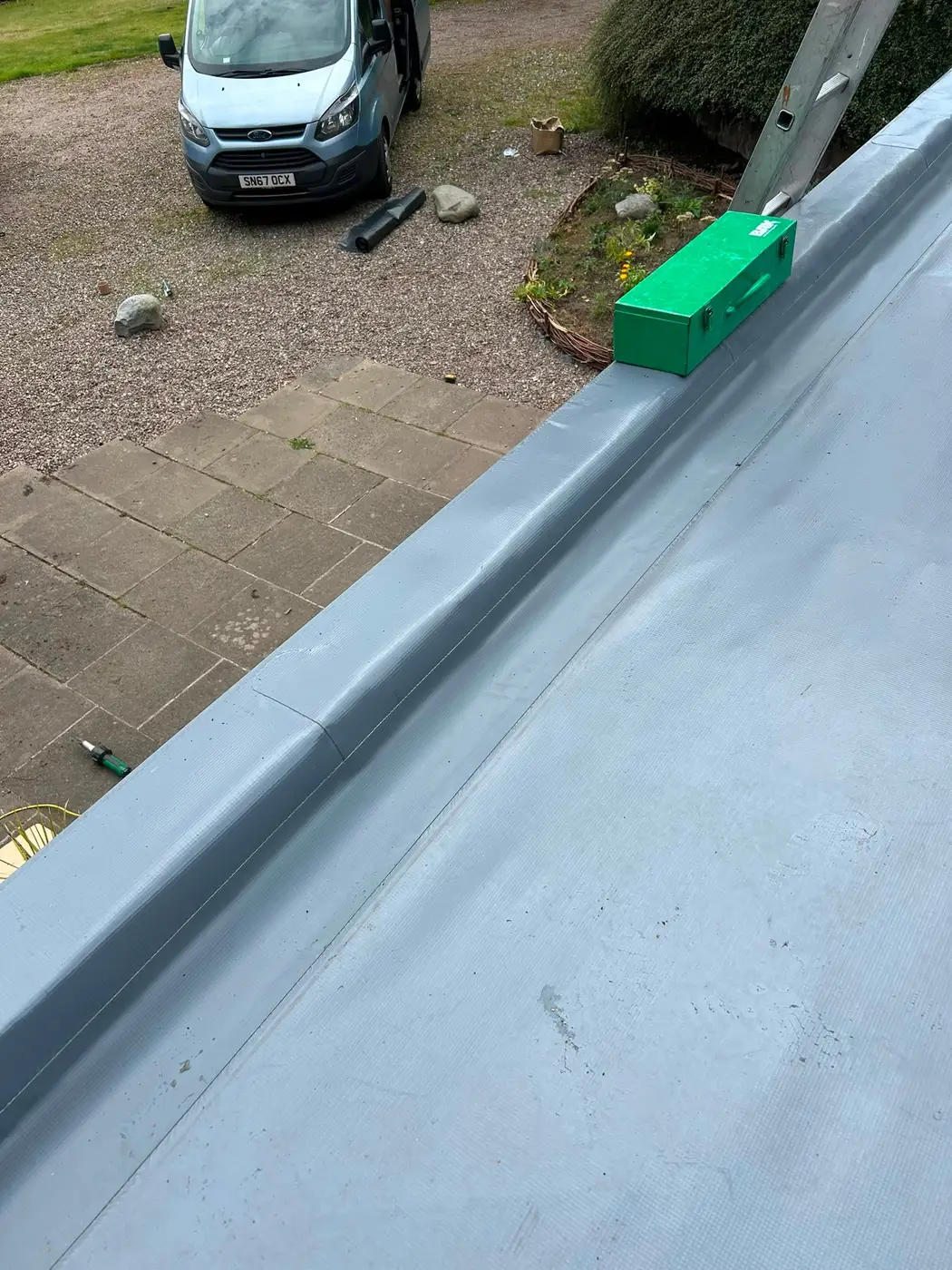
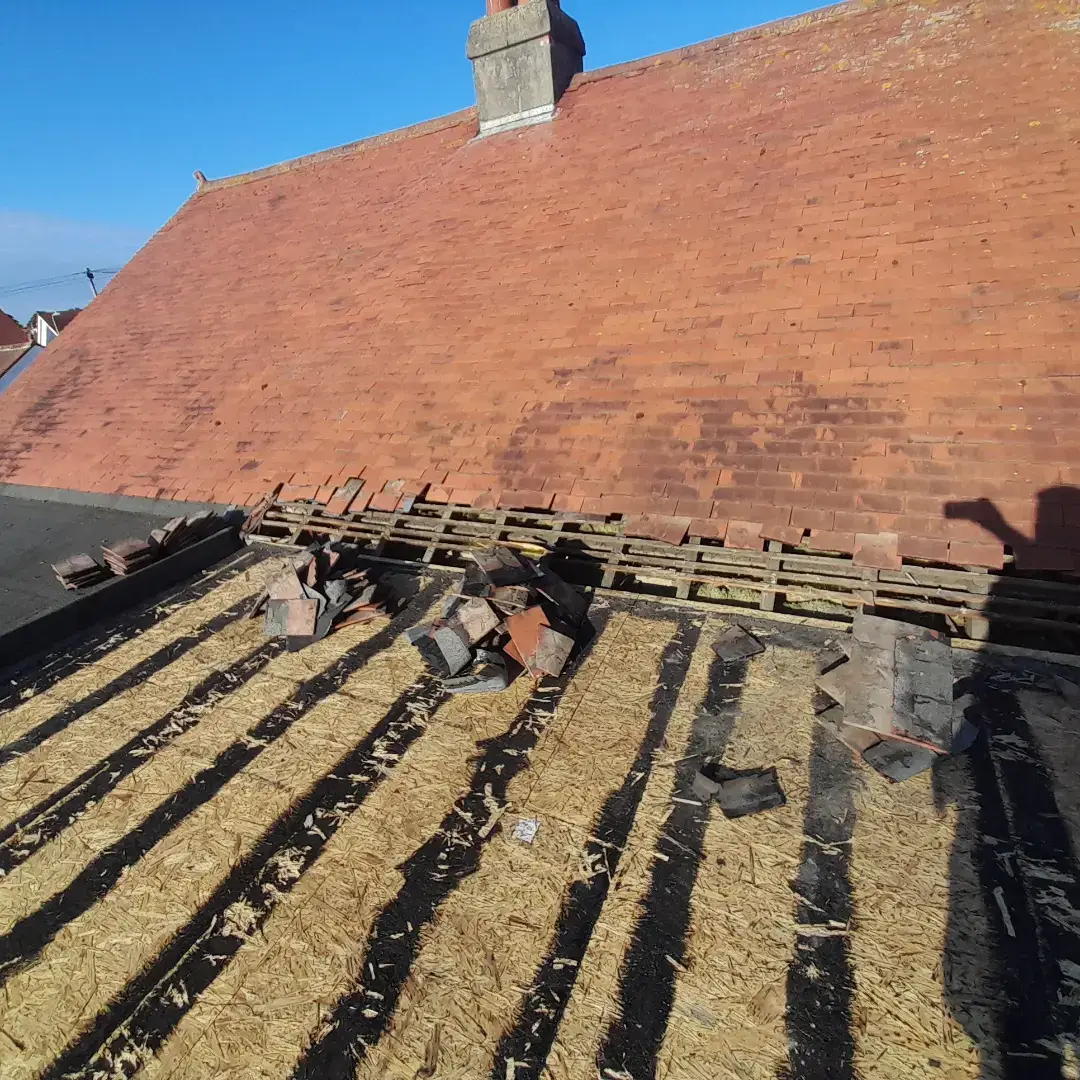
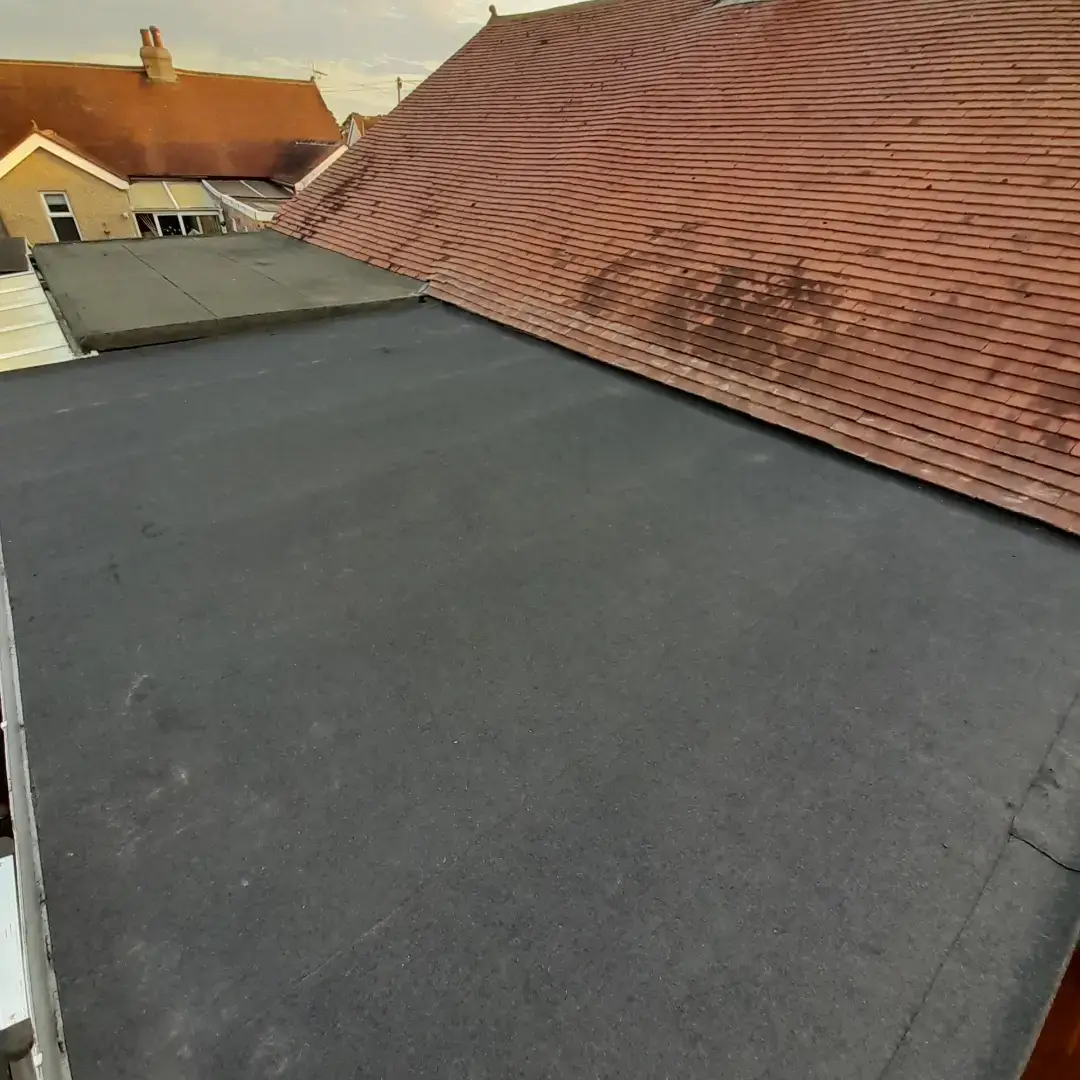
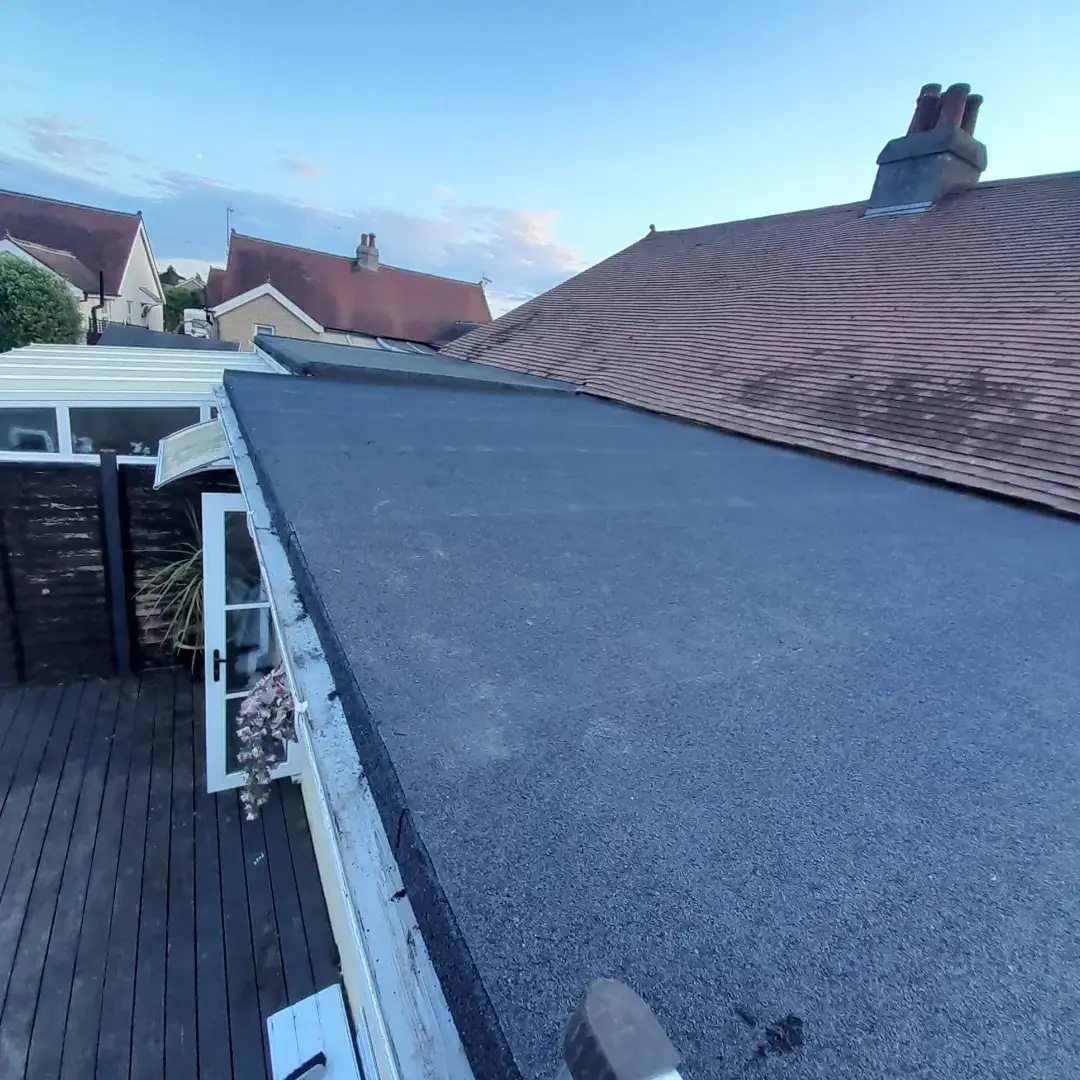
Gray Membrane Flat Roof Along a Tile Slope
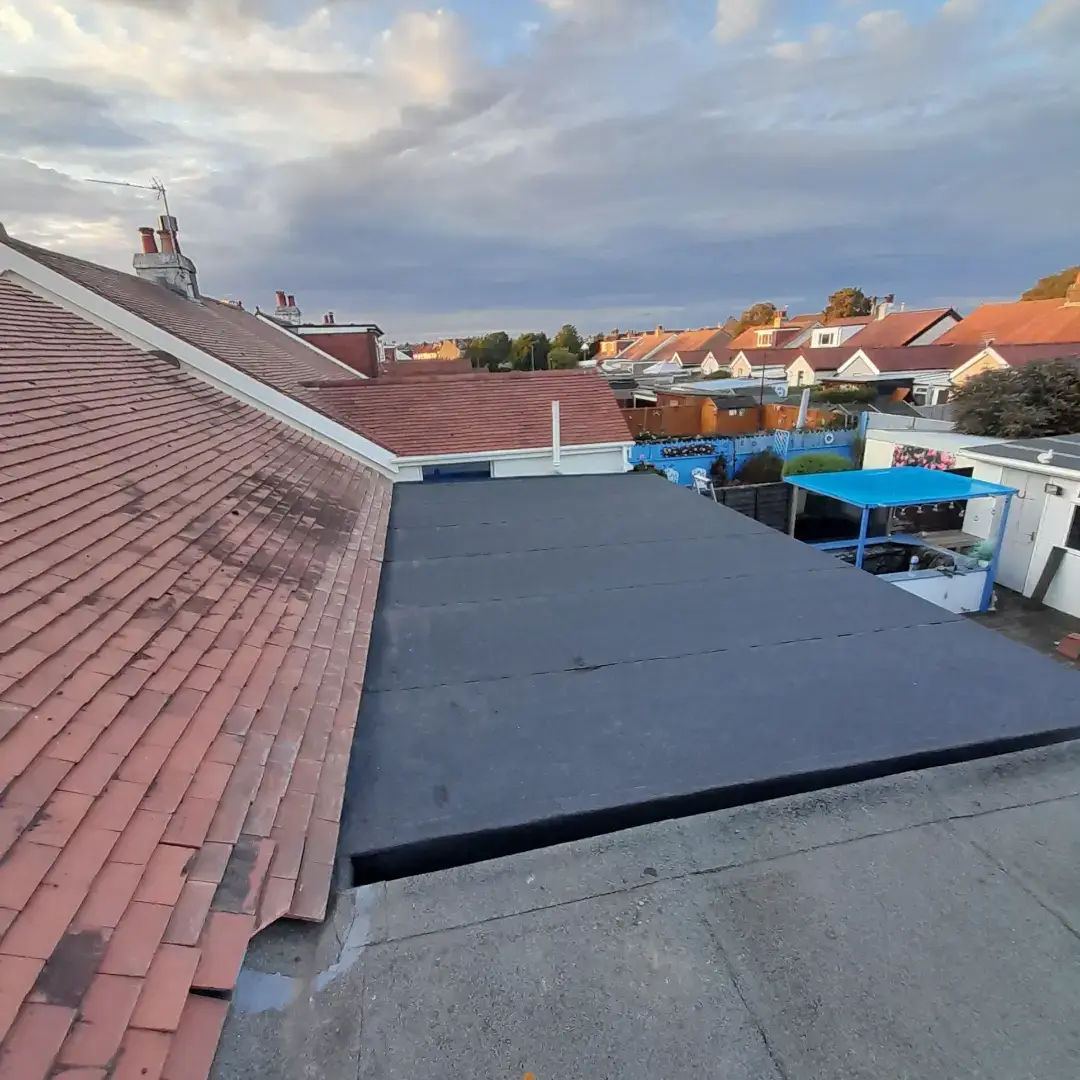
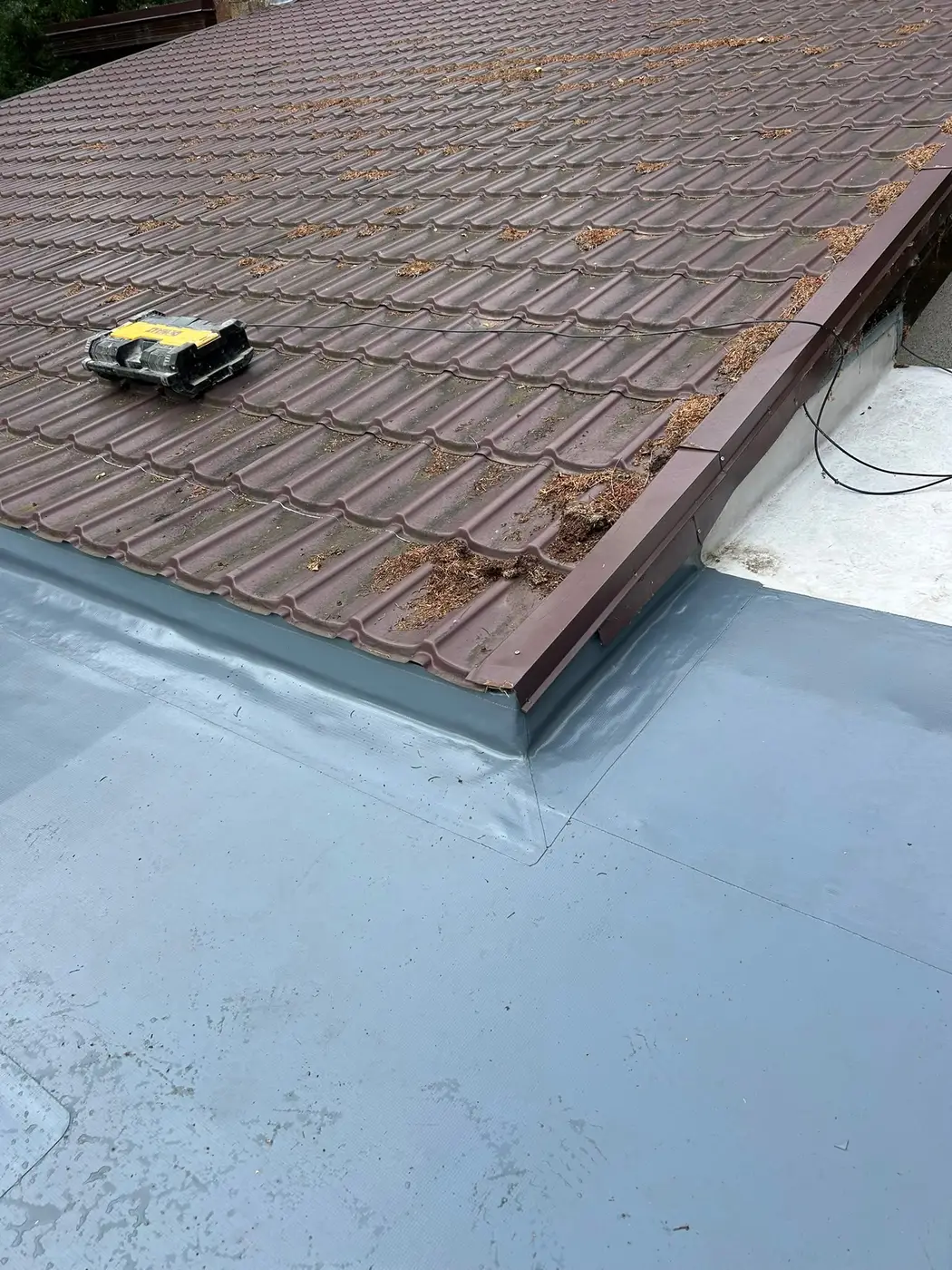
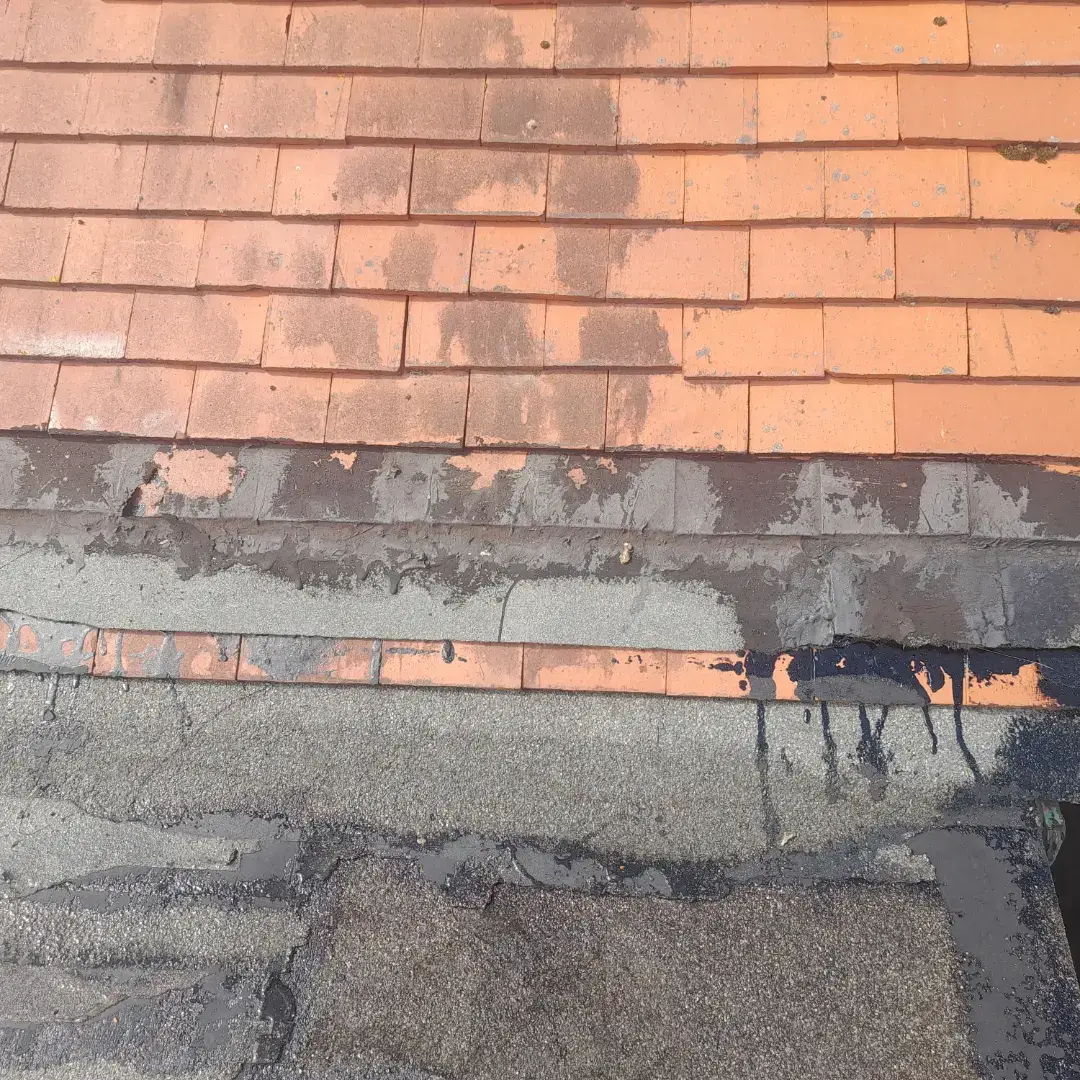
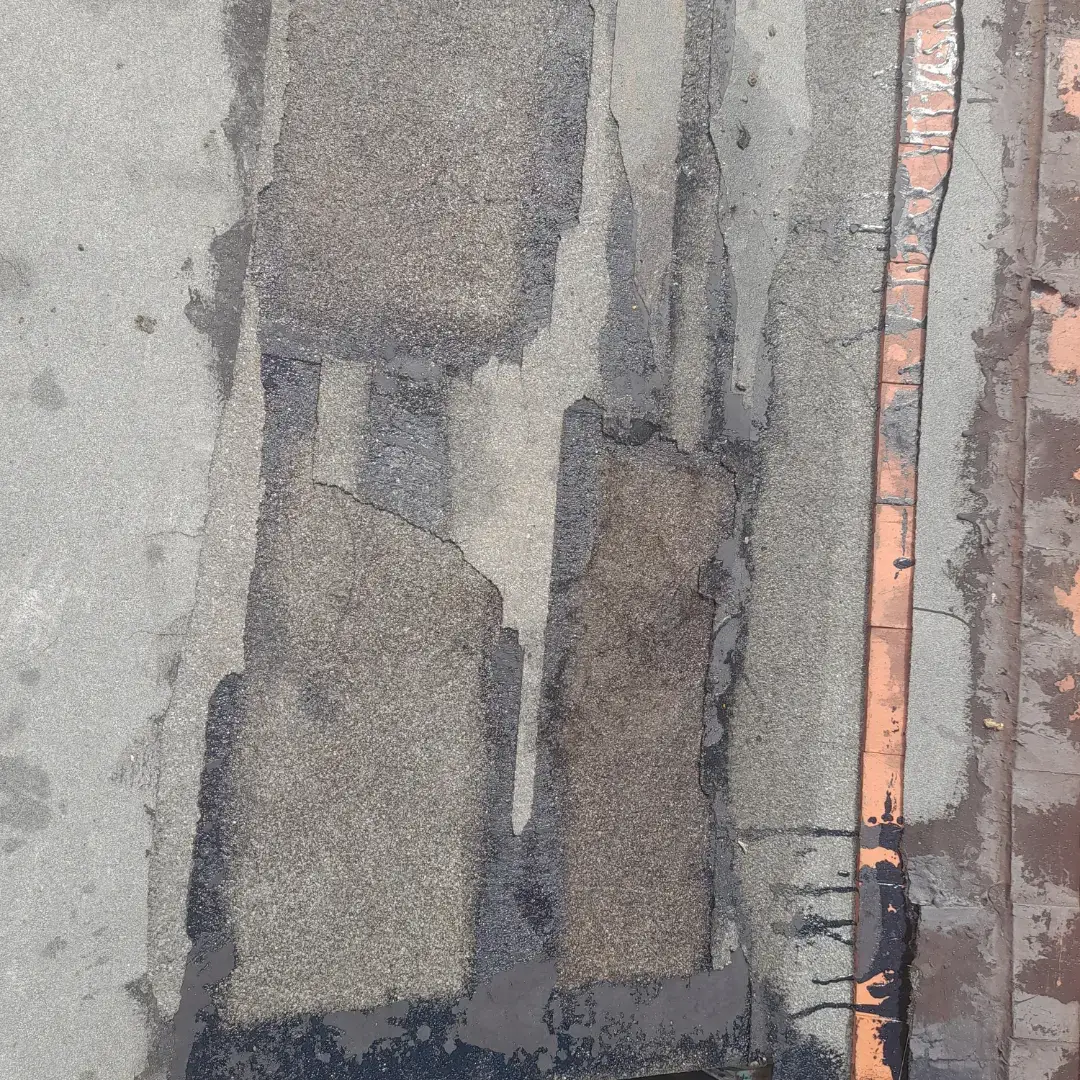
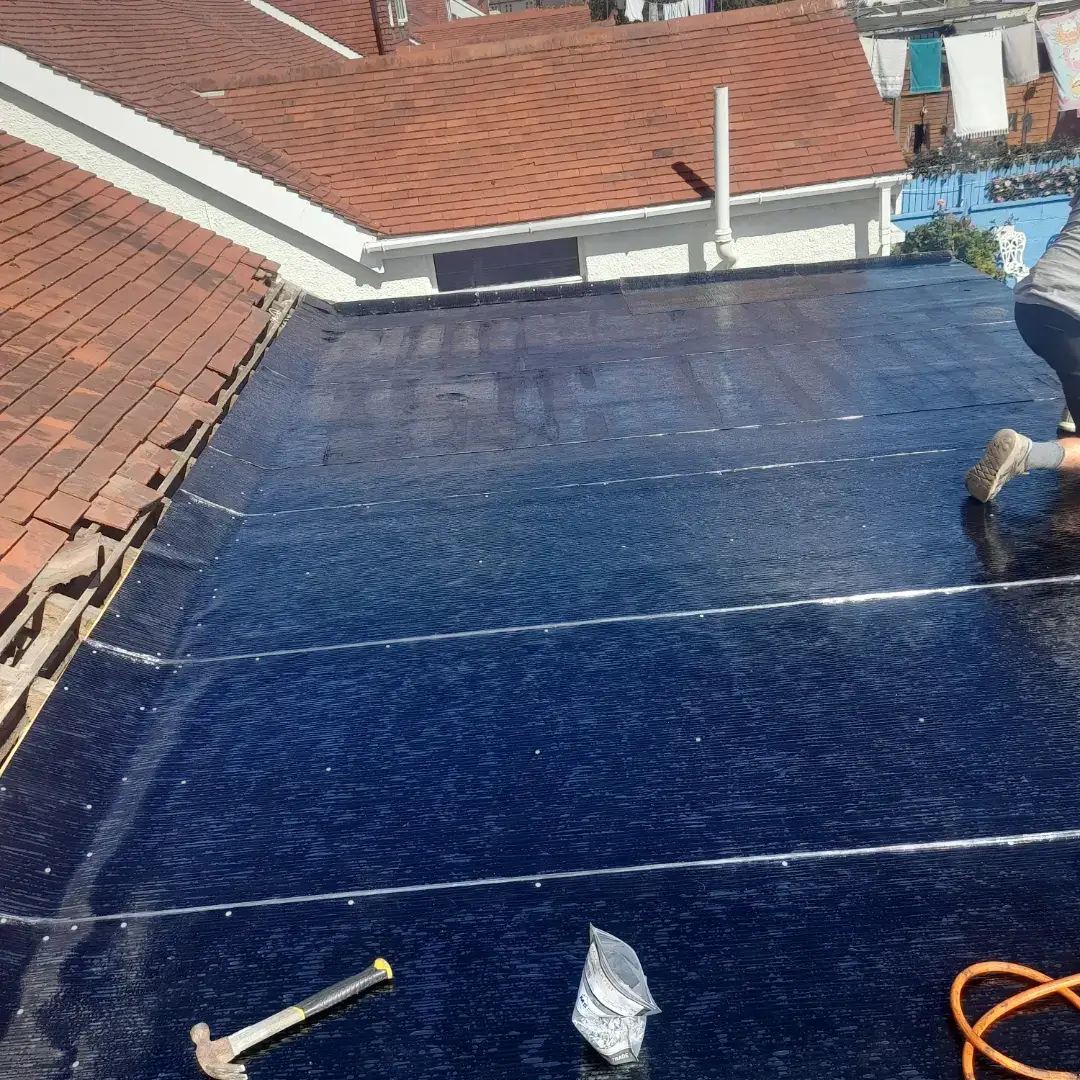
Bitumen Flat Roof Repair Against a Tile Slope
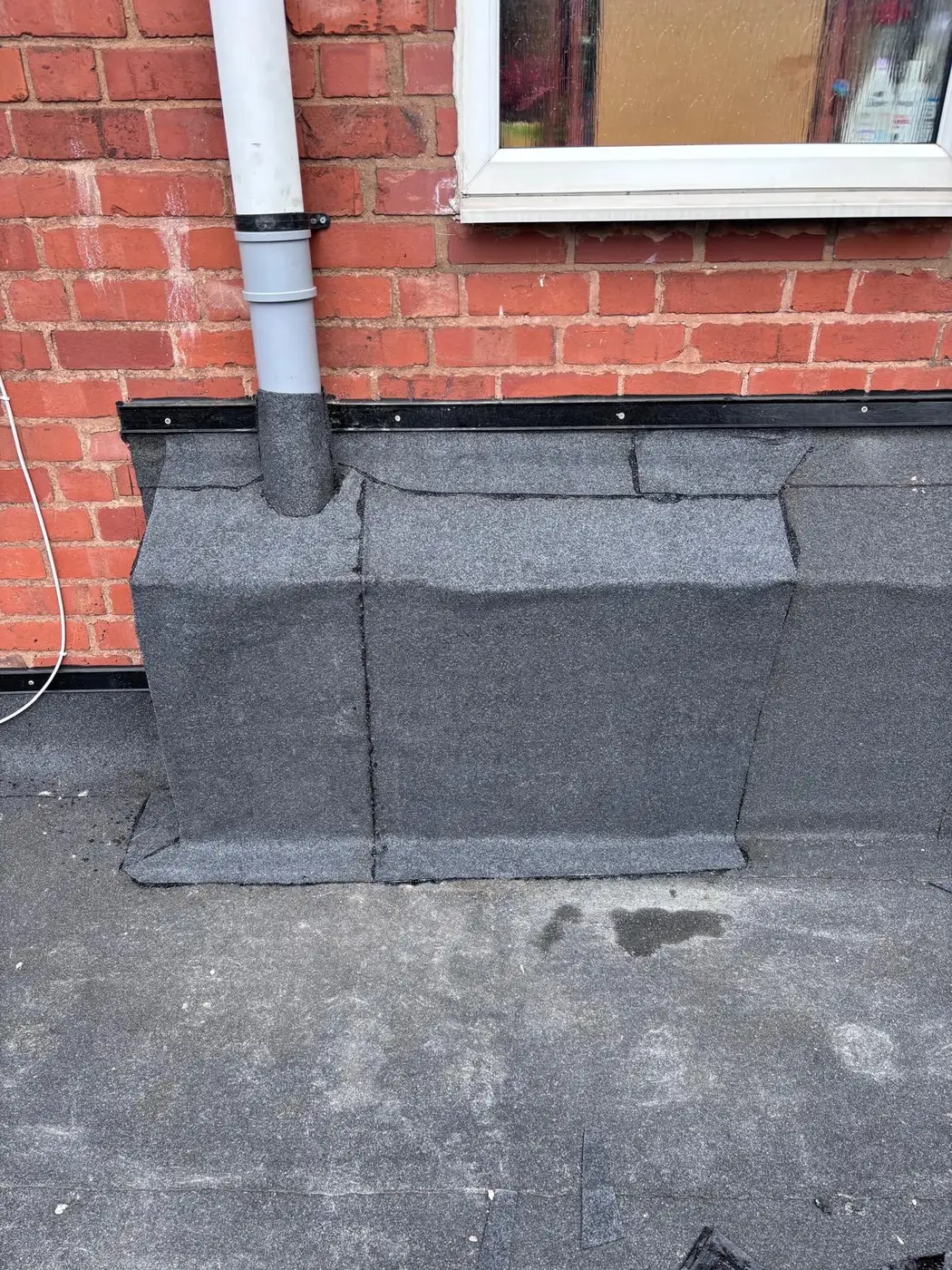
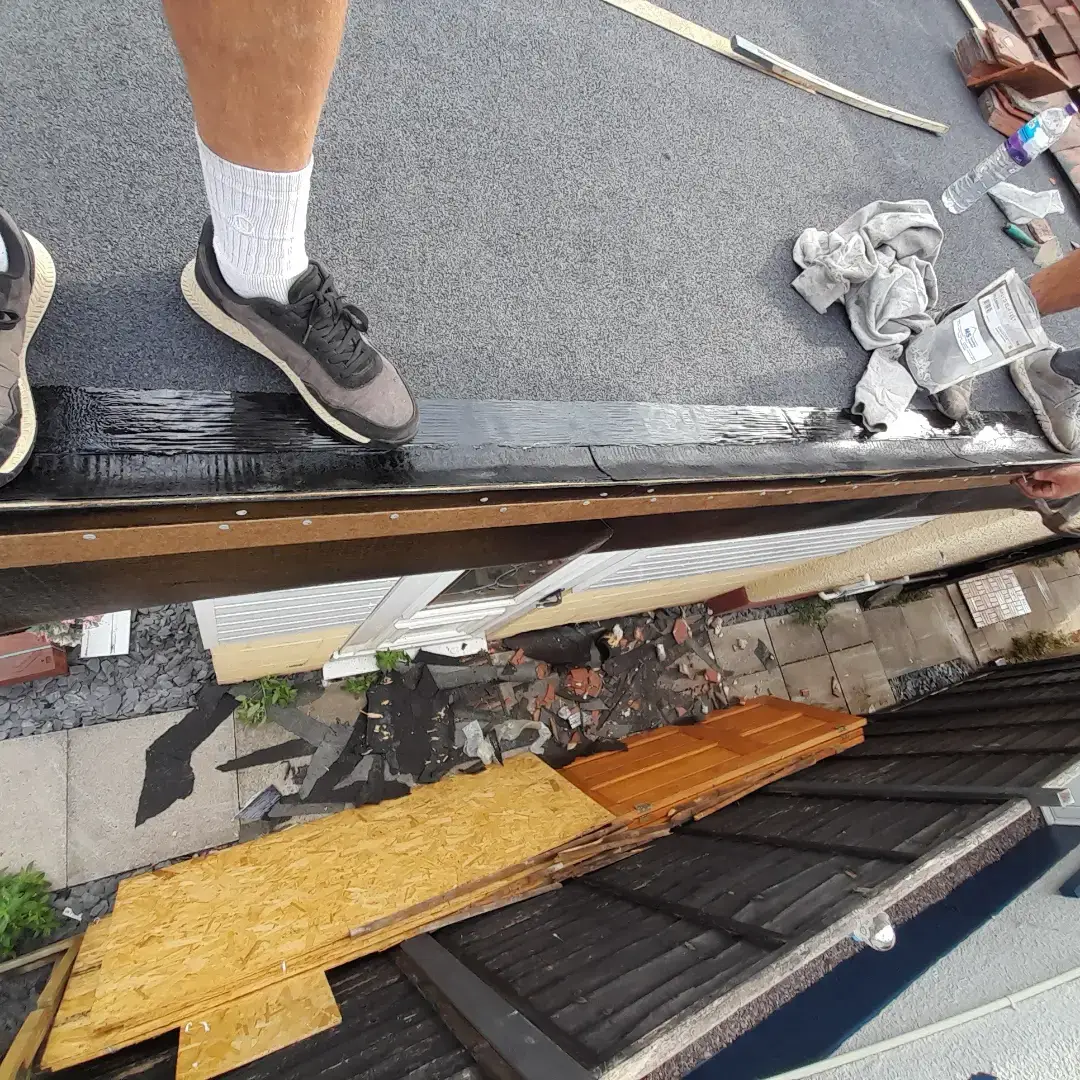
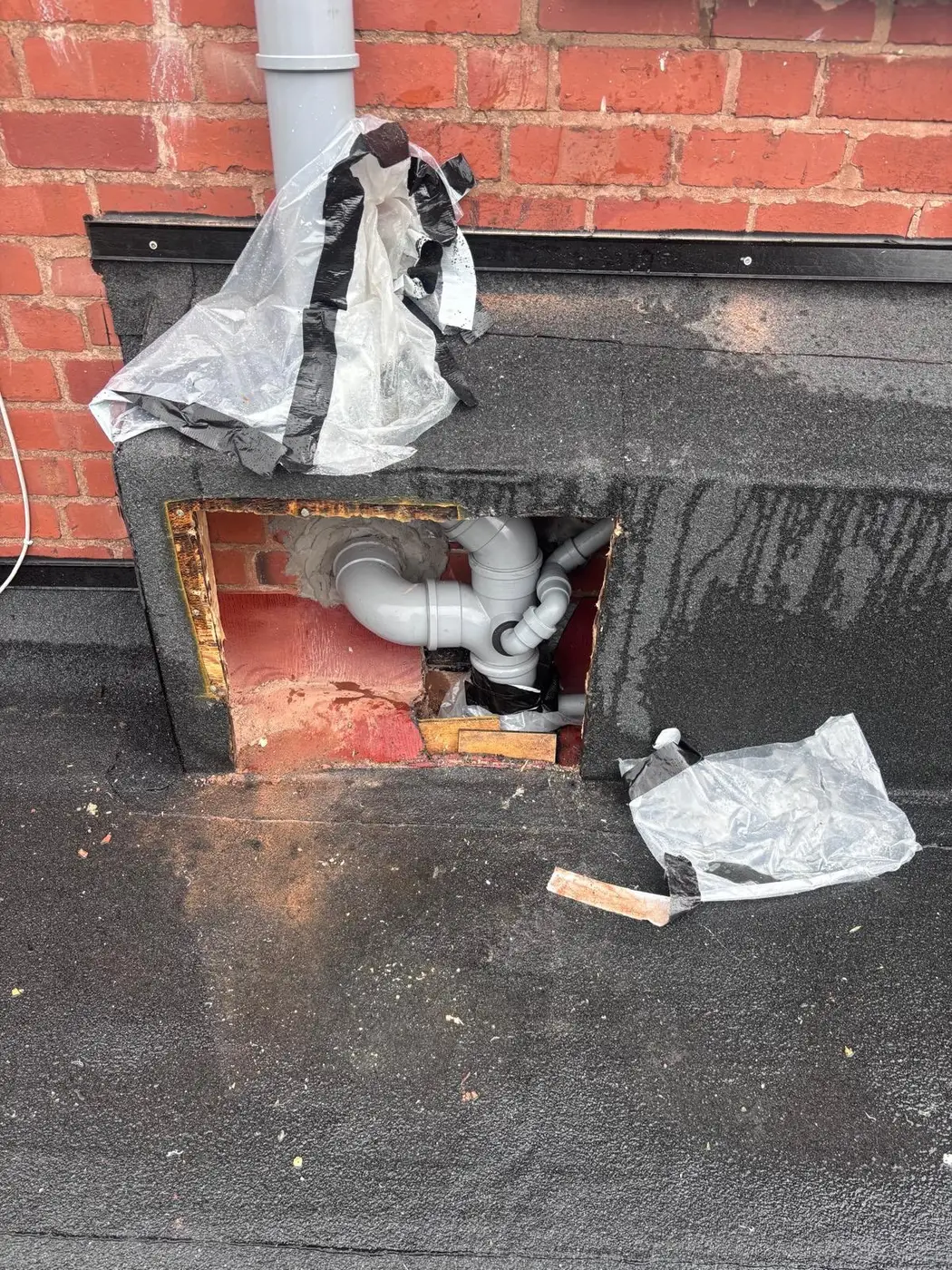
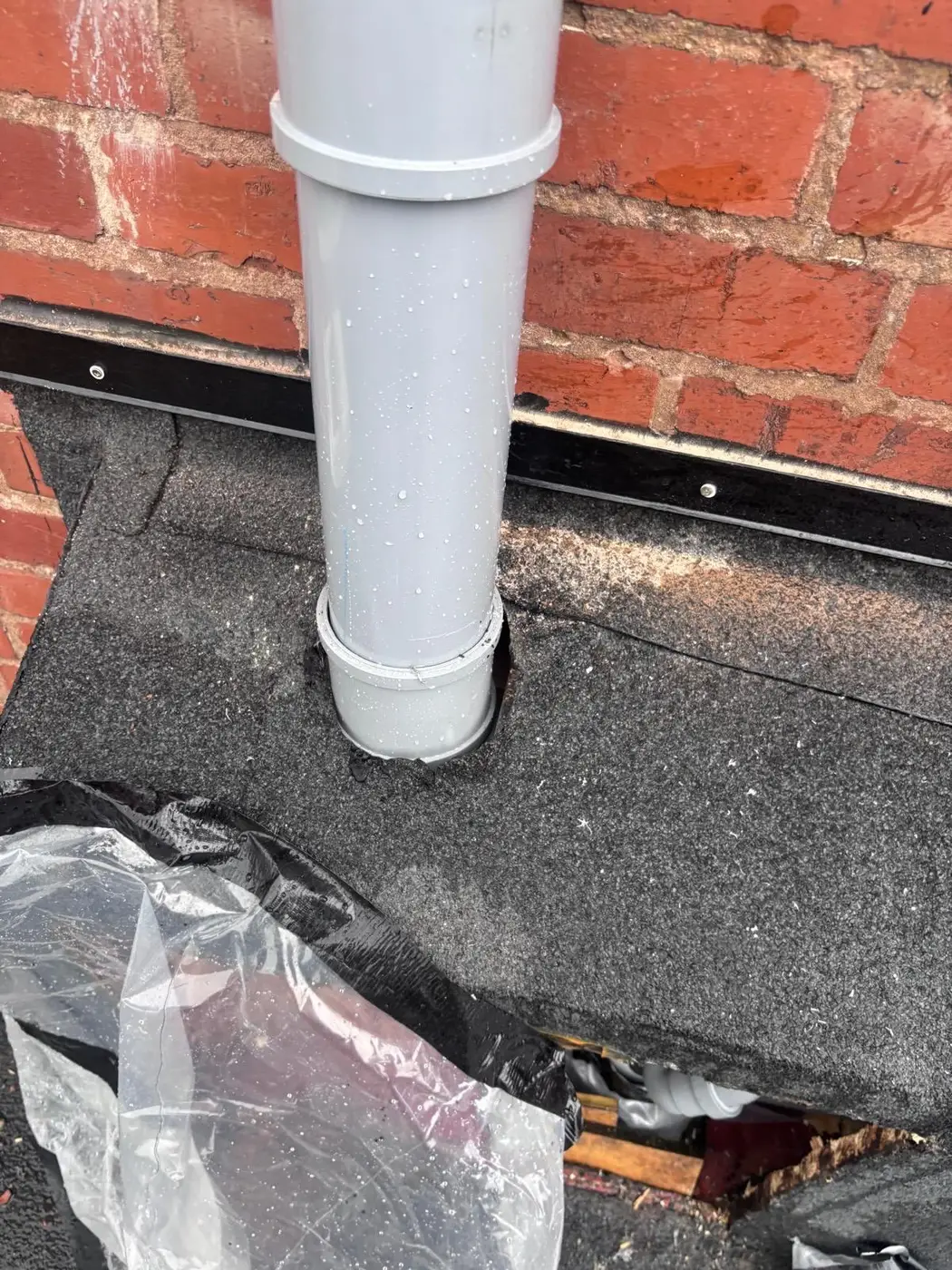
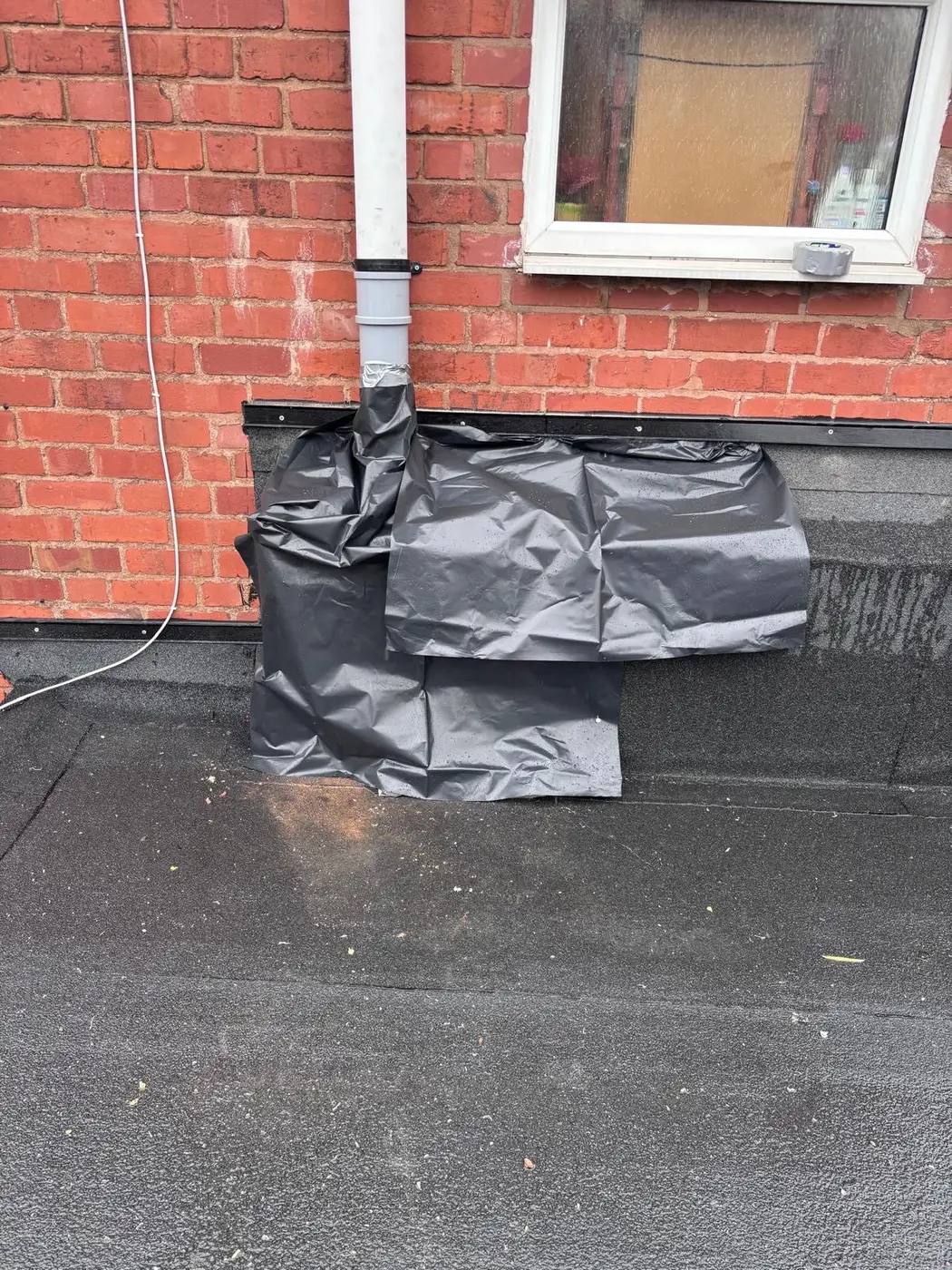
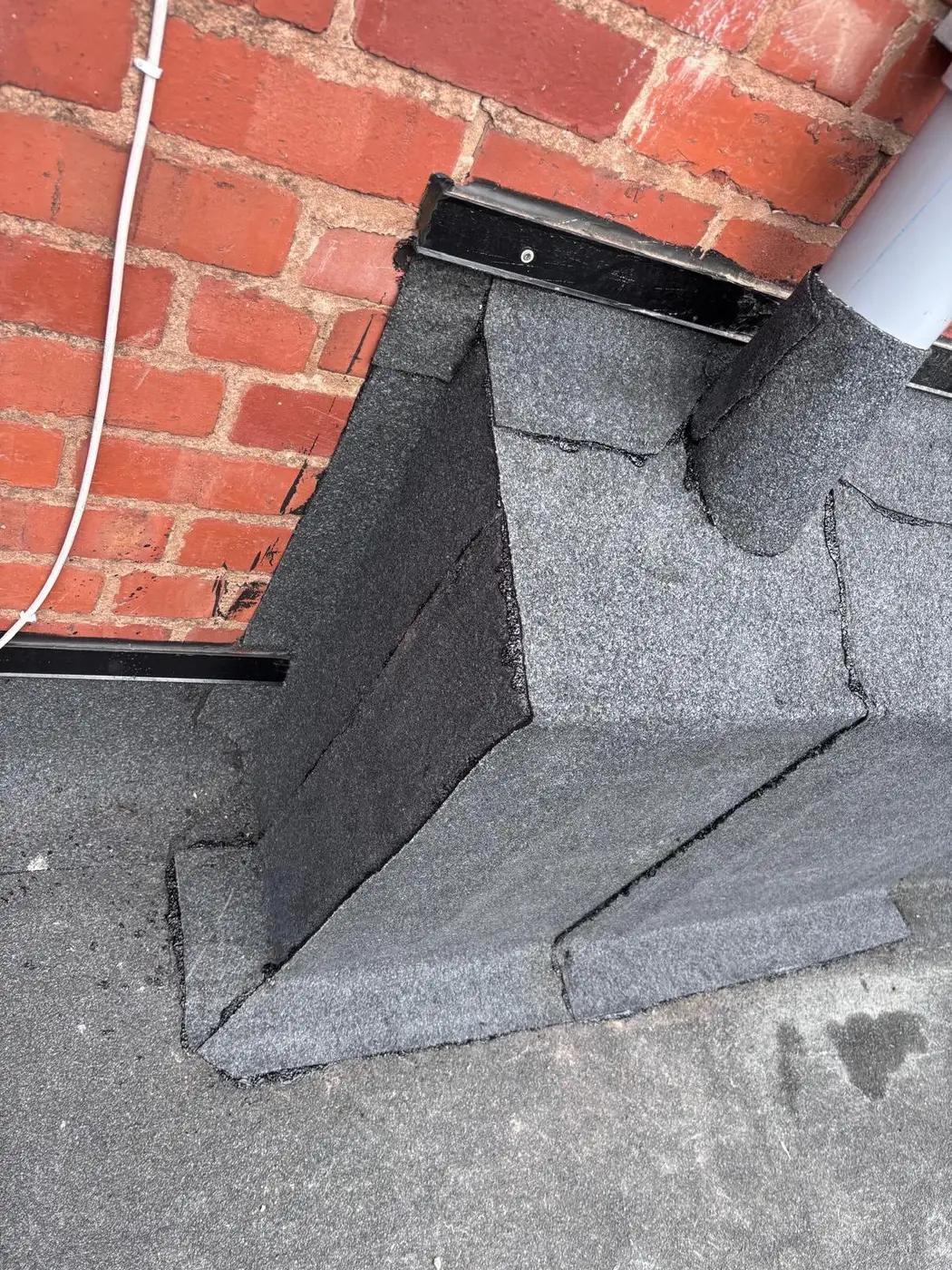
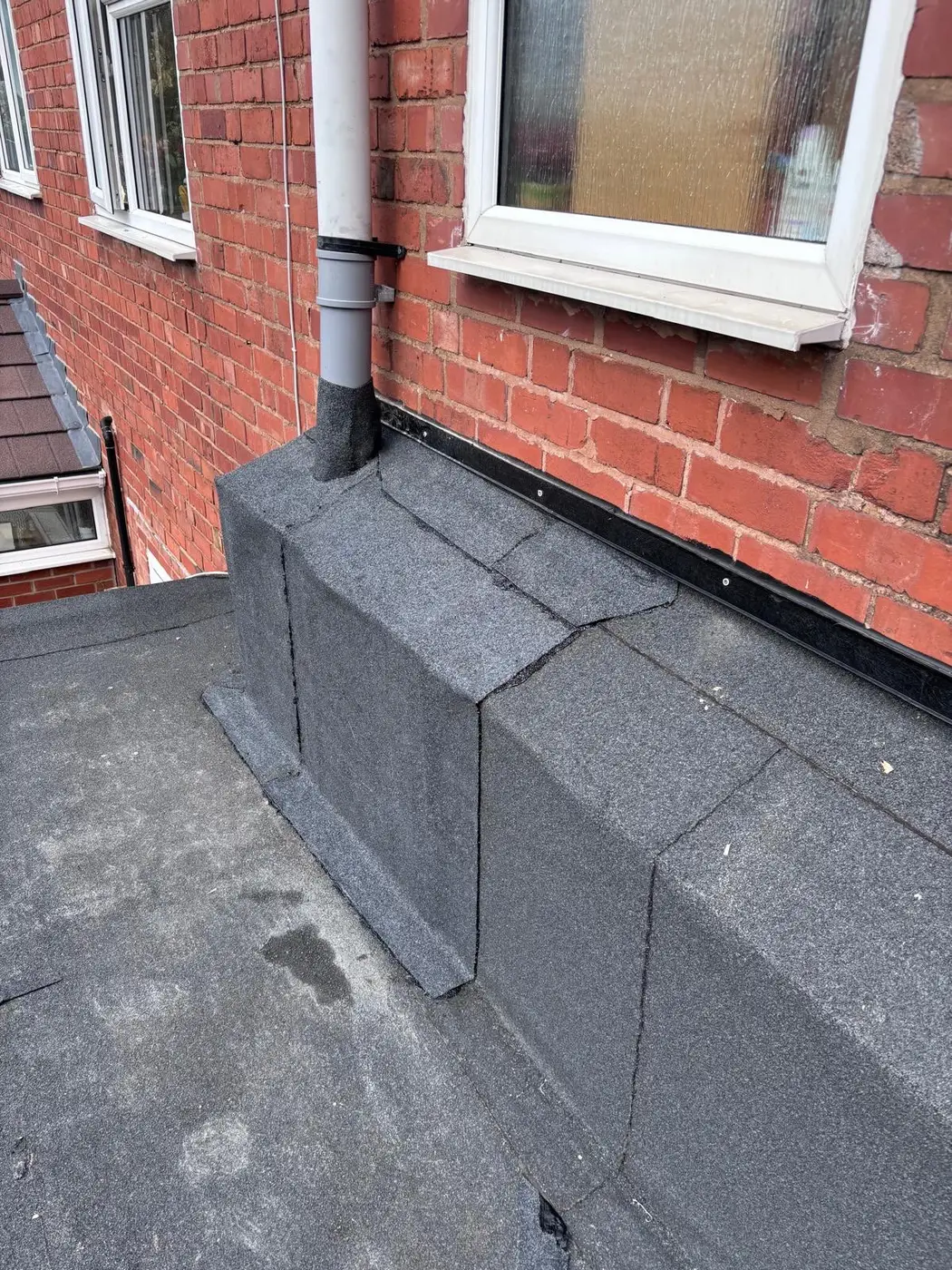
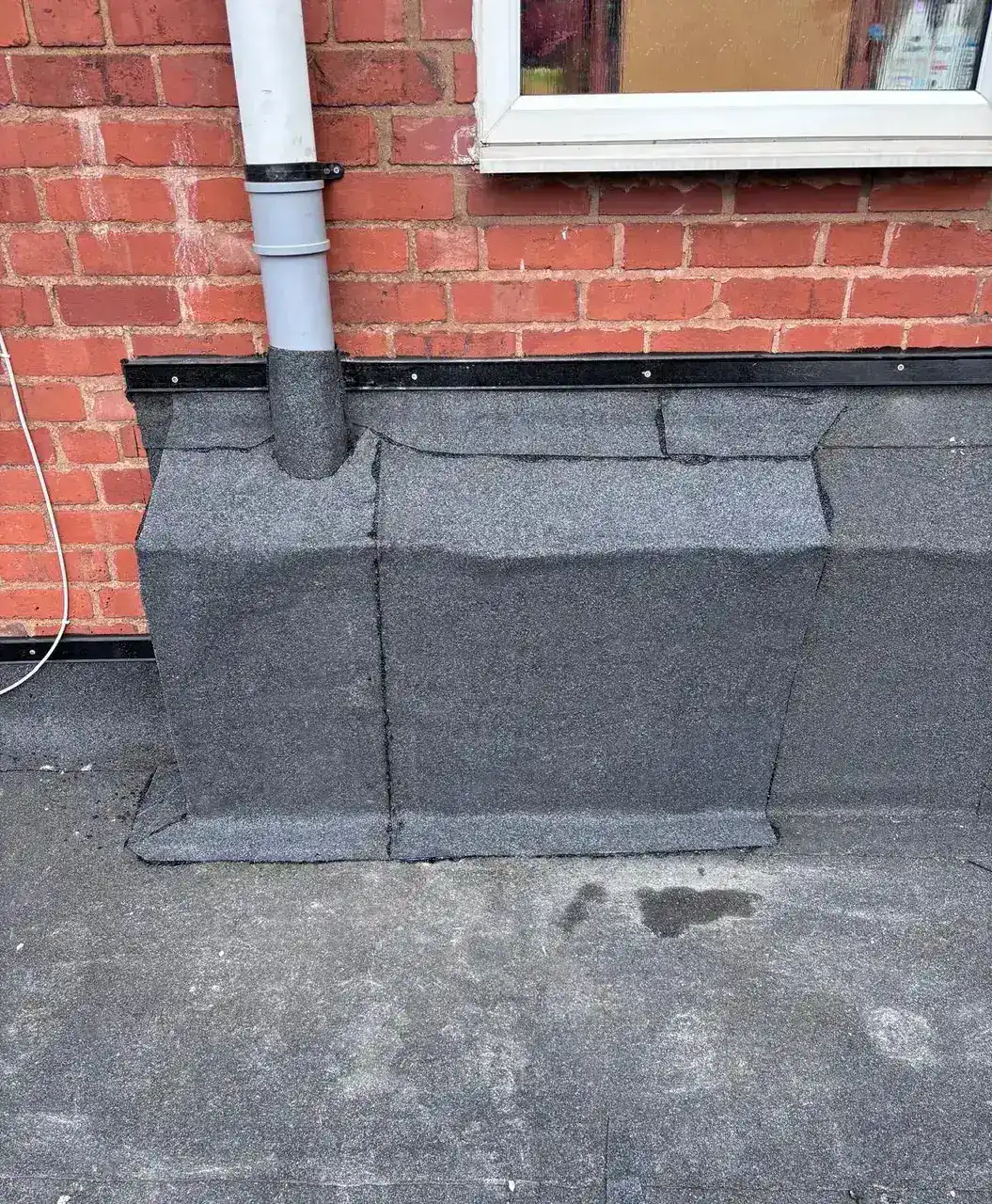
Failed Flashing Repair at a Brick Wall and Downpipe
See all of our roofing projects
Frequently asked questions
Can you repair my flat roof or must it be replaced?
Can I coat a leaking flat roof?
Only after leaks and wet areas are dealt with. A coating over trapped moisture tends to fail early.
How much does flat roof repair cost in Tulsa?
Localized repairs usually run $400 to $2,500. Replacing sections with wet insulation commonly costs $10 to $20 per square foot, and large areas cost considerably more.
Is ponding water a problem?
Water that drains within about two days is generally not a concern. Standing water beyond that speeds up wear, adds weight and can void some warranties, so we look at drains and slope.
Can a flat roof be repaired in cold weather?
Often, though adhesives and welds have temperature limits. Temporary repairs may be used until conditions allow a permanent one, and we tell you which you are getting.
How long should a flat roof last?
Well-maintained low-slope systems commonly last about 15 to 30 years depending on the membrane, thickness and exposure. Maintenance and drainage make a large difference.