

Often, if the insulation is dry and code allows another layer. A moisture survey helps confirm that.

On a commercial building, a roof problem is also an operations problem. Leaks can interrupt tenants, damage inventory and spread across wide areas before anyone reports them.
We assess the membrane, insulation, drainage, rooftop units and penetrations, then present options side by side: targeted repair, restoration coating, recover or full replacement. Each one comes with its likely cost and service life.
Common signs we check for:
- Leaks over tenant or retail space
- Ponding around drains or units
- Aged seams and blistered membrane
- Failed coping or wall flashing
- Planning a capital budget
- New rooftop equipment penetrations
How the work gets done
Roof Survey
We map the roof's condition, drains and penetrations with photos.
Options and Budget
Repair, coating, recover and replacement are compared.
Coordinated Schedule
Work is phased around tenants, deliveries and safety needs.
Maintenance Plan
A simple inspection plan helps protect the investment.
Typical Cost
Low-slope systems often range from $6 to $14 per square foot installed. Coatings commonly run $3 to $7 where the existing roof qualifies.
These are planning ranges for the Tulsa area, not a quote. Your written estimate is based on the actual roof.
Request an EstimateCommercial Roofing prices
Planning ranges for the Tulsa area, updated November 2026. They include typical labor and materials, but they are not a quote. Your written estimate is based on an inspection of the actual job. See every category on our price list.
Commercial roof systems we work on
Most commercial buildings around Tulsa use low-slope membranes or metal. The right choice depends on the structure, the use of the building, and how long you plan to hold the property.
- TPO: a white, heat-welded membrane popular for its reflective surface and value.
- PVC: heat-welded and resistant to chemicals and grease, which suits restaurants and some industrial uses.
- EPDM: a durable rubber membrane with a long track record.
- Modified bitumen: a multi-ply system that stands up to foot traffic.
- Metal roofs and retrofit systems: common on shops, warehouses and churches.
- Roof coatings: a way to extend the life of an aged roof that is still sound.
Our guide to choosing a flat roof compares these systems in greater detail.
Repair, restore or replace
Commercial roofing decisions are financial decisions. We help you see the choices side by side, using moisture data rather than guesswork:
- Repair: best when failures are local and the insulation is dry.
- Restore: a coating system can add years where the membrane is aged but mostly sound.
- Recover: a new membrane over the existing roof, if code and moisture conditions allow.
- Replace: necessary when insulation is wet across large areas or the system has reached the end of its life.
Each option comes with a different up-front cost and expected service life, so we present them in a way you can take to an owner, board or lender. A coating or repair may also be easier to treat as maintenance, but ask your accountant how it applies to your property.
Keeping the business running during work
Roof work happens above people who still need to do their jobs. We plan around that by agreeing on access routes, material staging and work hours before the crew arrives. Odors from adhesives and torch work matter for occupied buildings, so we coordinate rooftop air intakes with your HVAC contractor. Noise-heavy work can be moved to off-hours when needed. We also protect rooftop equipment and keep daily dry-in standards, so no section of the roof is left exposed overnight.
Tenants appreciate notice. We can provide a simple schedule to share with occupants, as well as daily updates for your property manager.
Maintenance programs
A commercial roof usually fails at details first, and those details are the cheapest to fix. Inspections twice a year, plus one after major storms, catch open seams, clogged drains and flashing problems before they reach the ceiling. Regular records may also be required to keep a manufacturer warranty in force, so we document each visit with photos and a repair list. This gives you a budget forecast instead of an emergency call. See roof inspections and flat roof repair for what we check.
Planning a commercial roofing project
A good bid starts with an accurate picture of the existing roof. We measure the roof, identify the number of layers, take core samples and moisture readings, and review drainage. From there, the specification should name membrane thickness, insulation R-value, attachment method and warranty type, so bids can actually be compared. Energy code requirements for insulation may apply when replacing a roof, and permits are typically required. Reflective membranes can reduce cooling loads on some buildings, but results depend on the building and its insulation.
After hail or wind, commercial claims follow a similar path to residential ones, but policies, deductibles and depreciation often differ. See storm damage restoration for how we document losses.
Related services
Most commercial buildings around Tulsa use a low-slope membrane, so the choice usually comes down to TPO, PVC, EPDM or modified bitumen. Existing roofs may need flat roof repairs, a roof coating or, on older steel buildings, a metal roof retrofit. Our guide to flat roof options compares them.
Recent commercial roofing projects
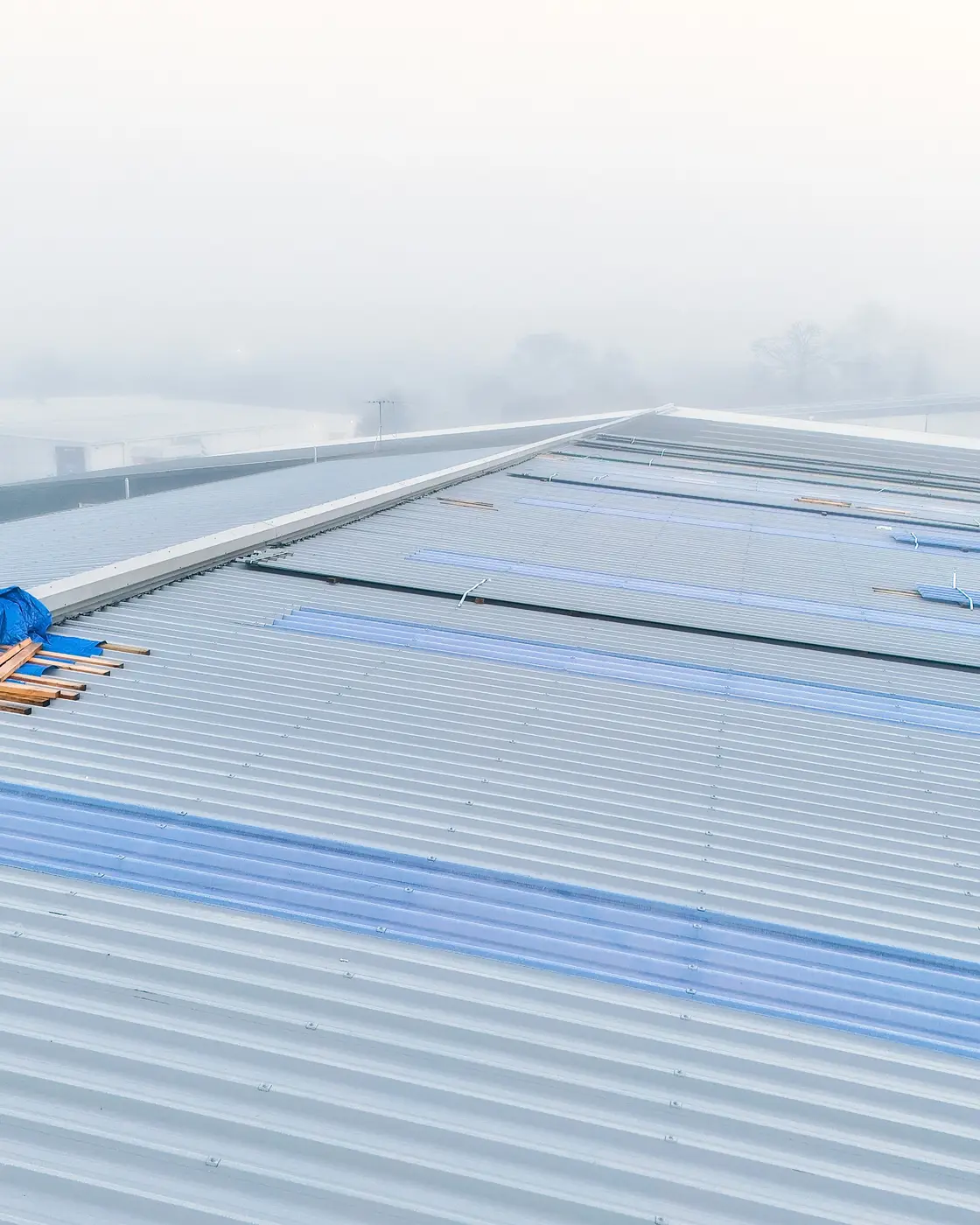
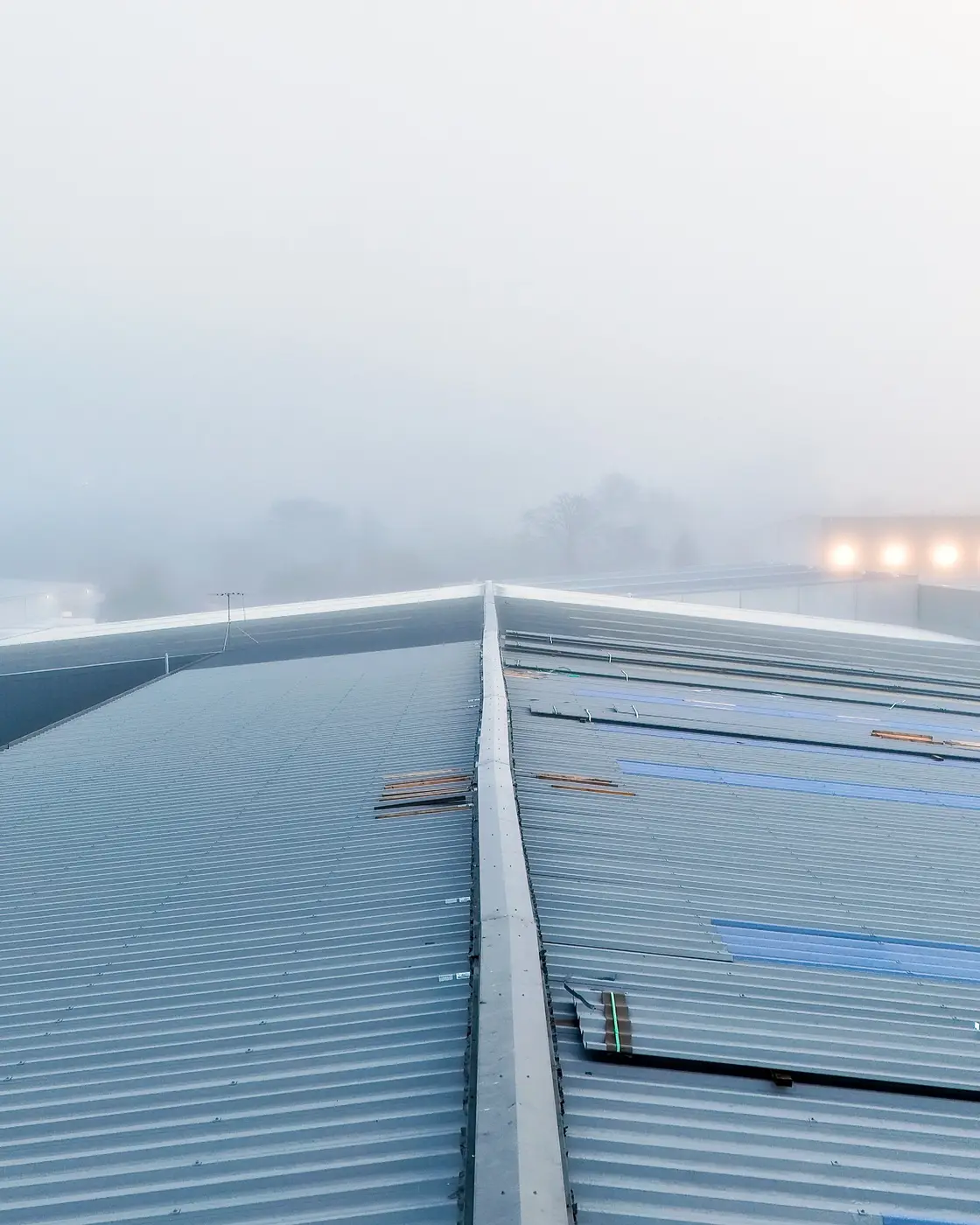
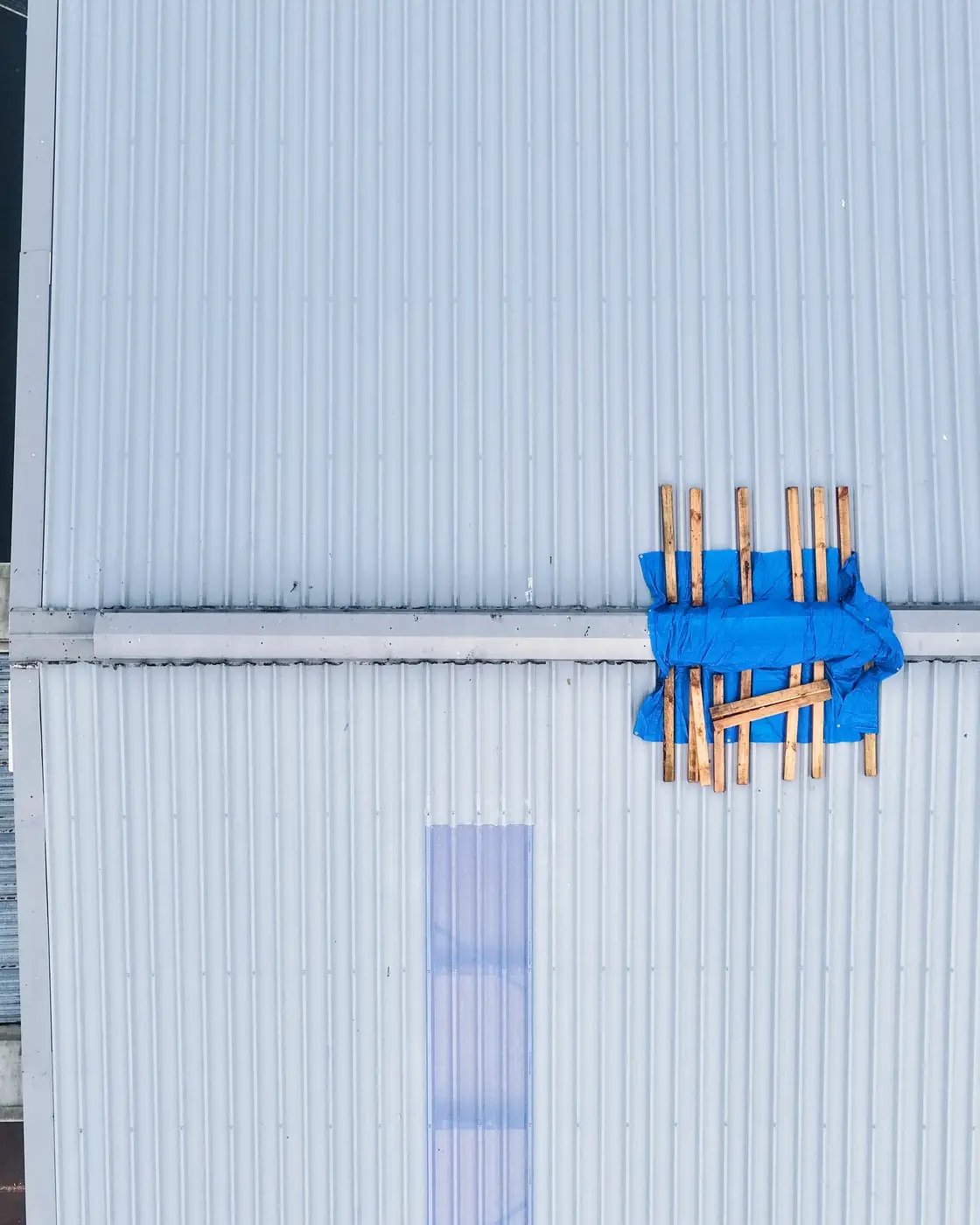
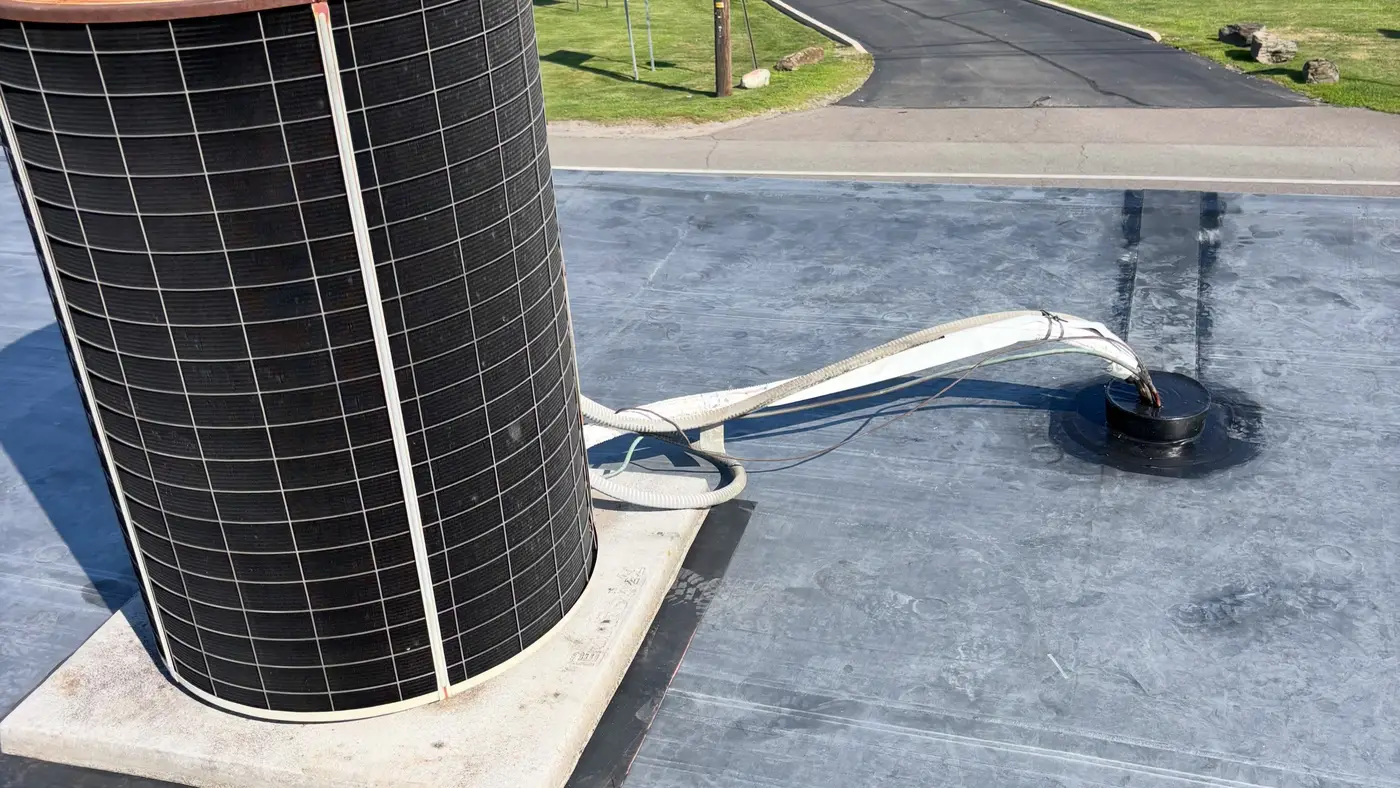
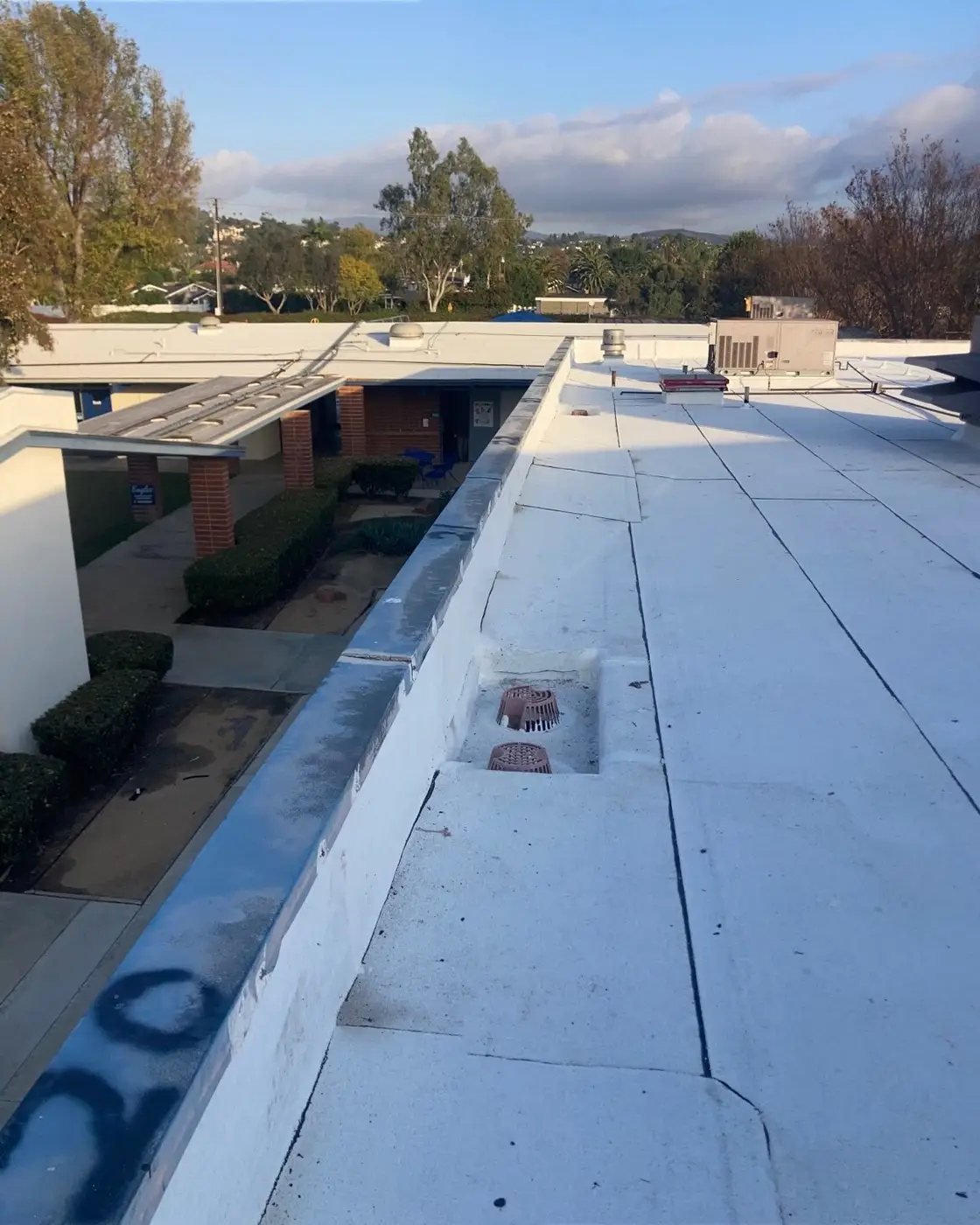
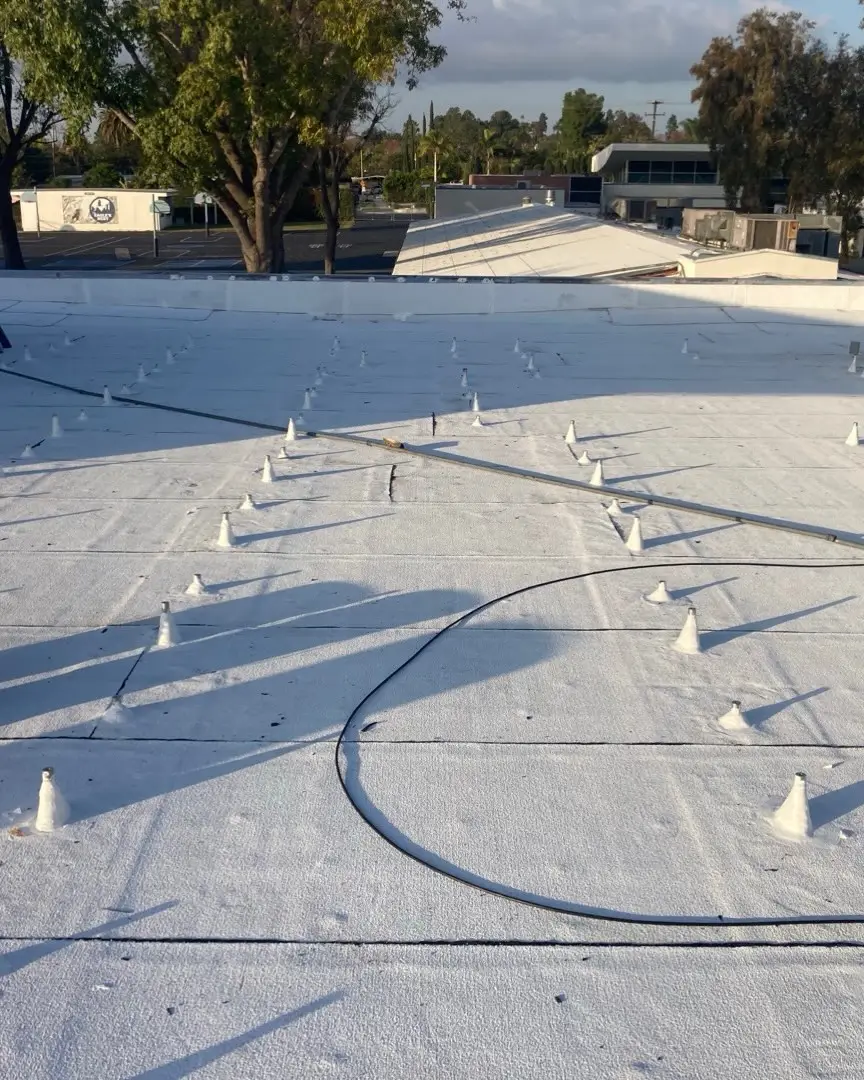
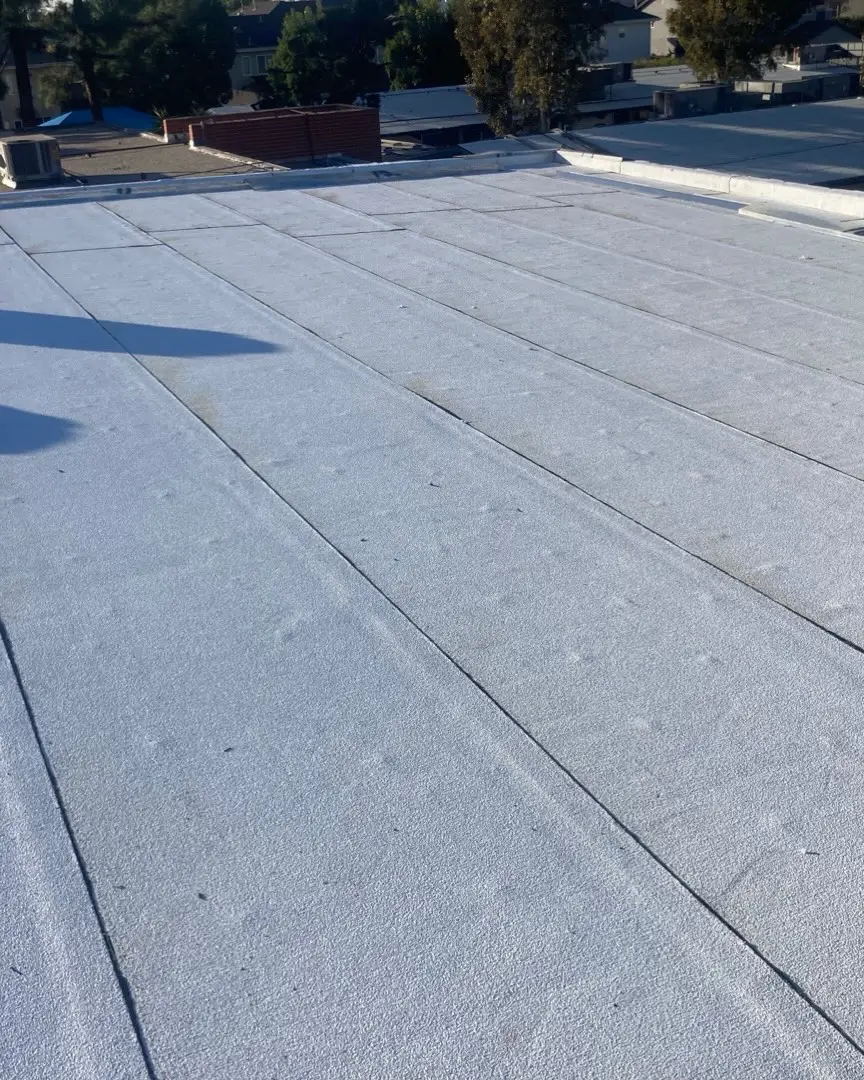
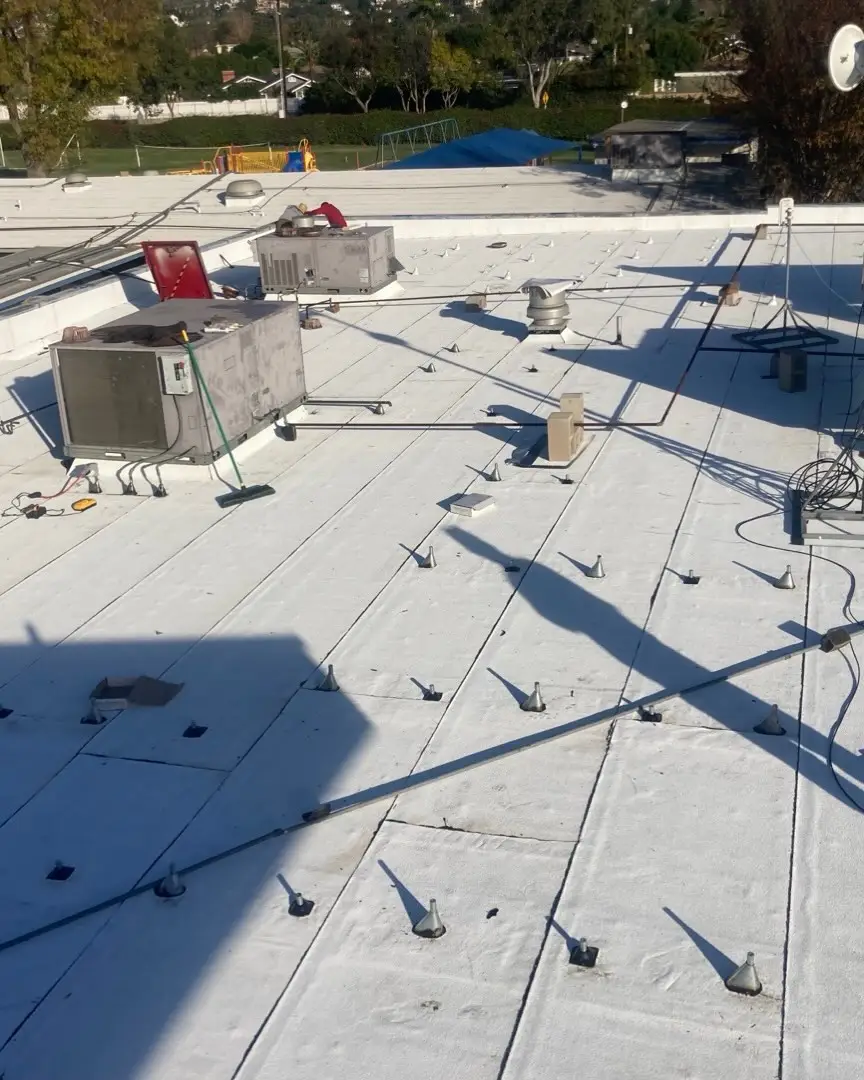
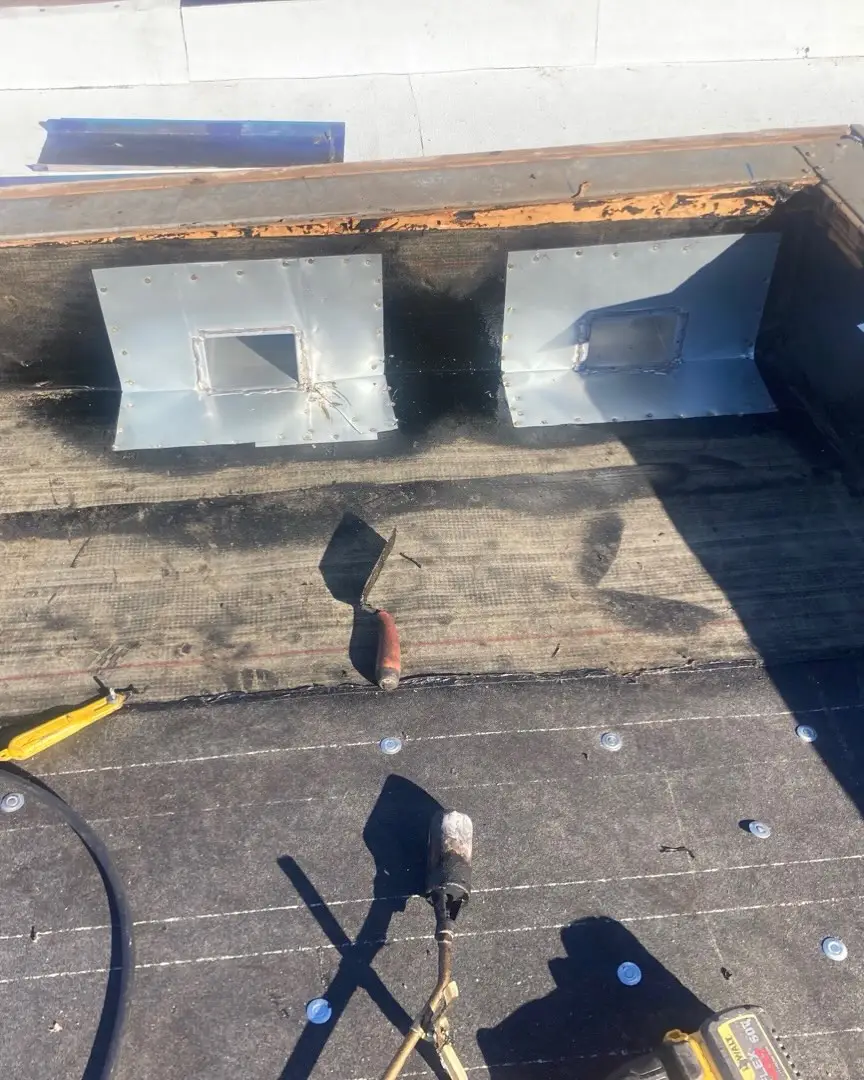
Metal Panel Repair on a Commercial Roof
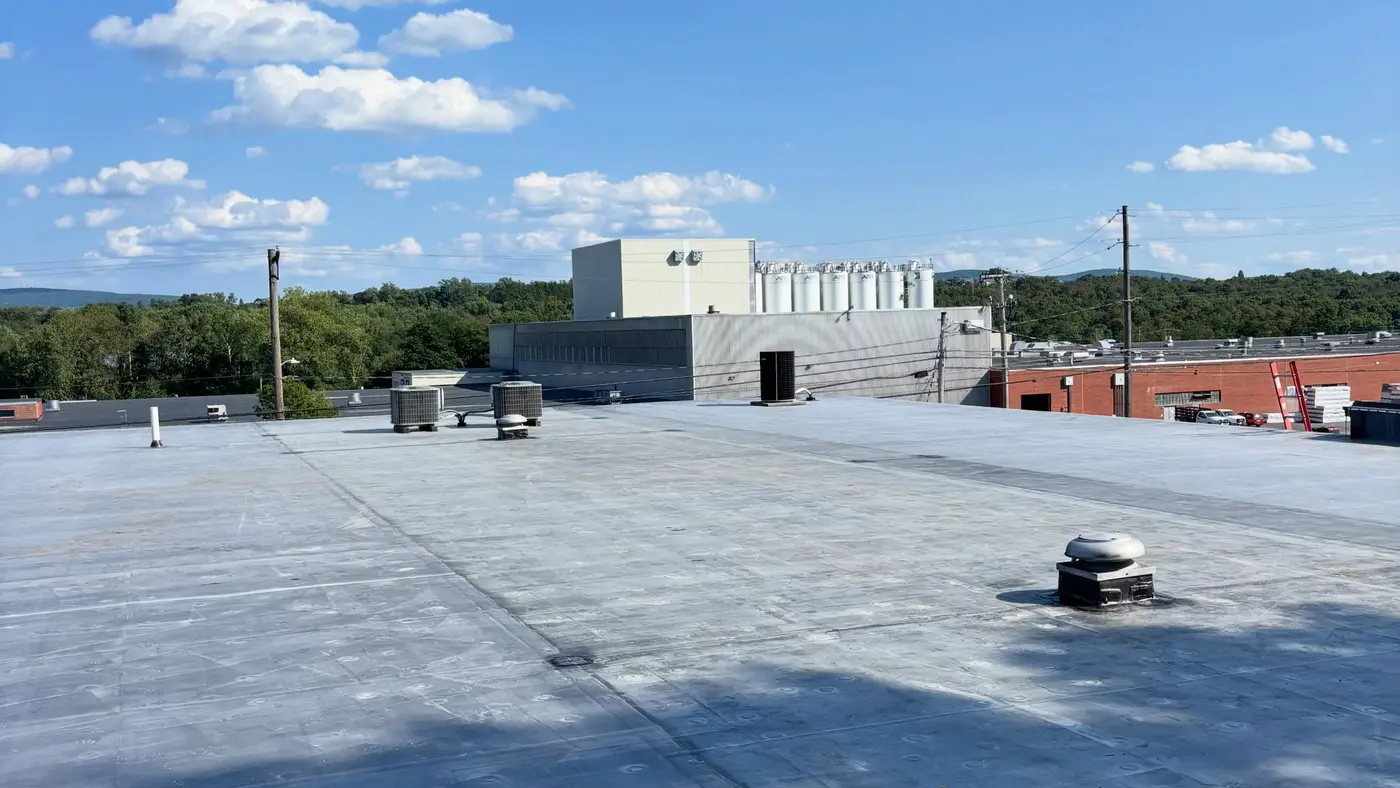
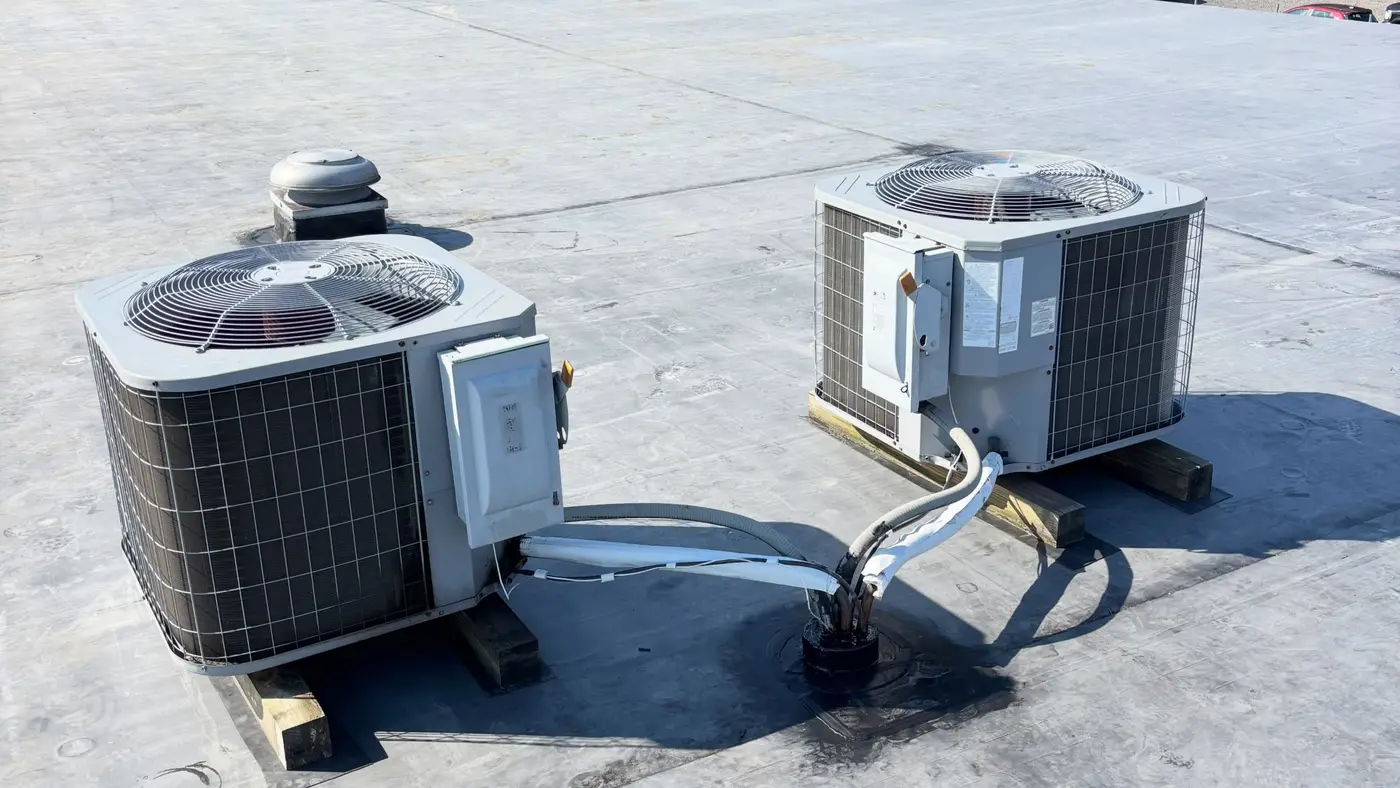
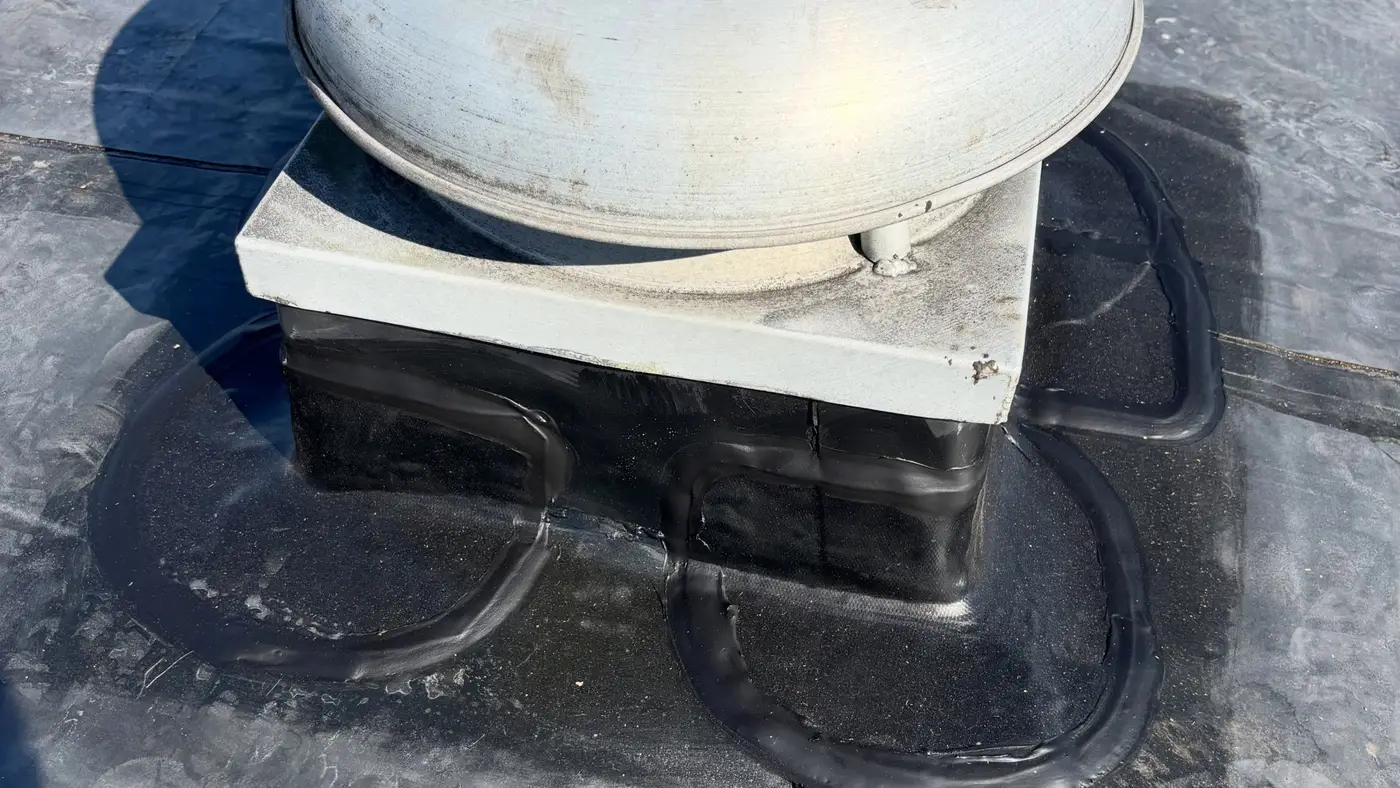
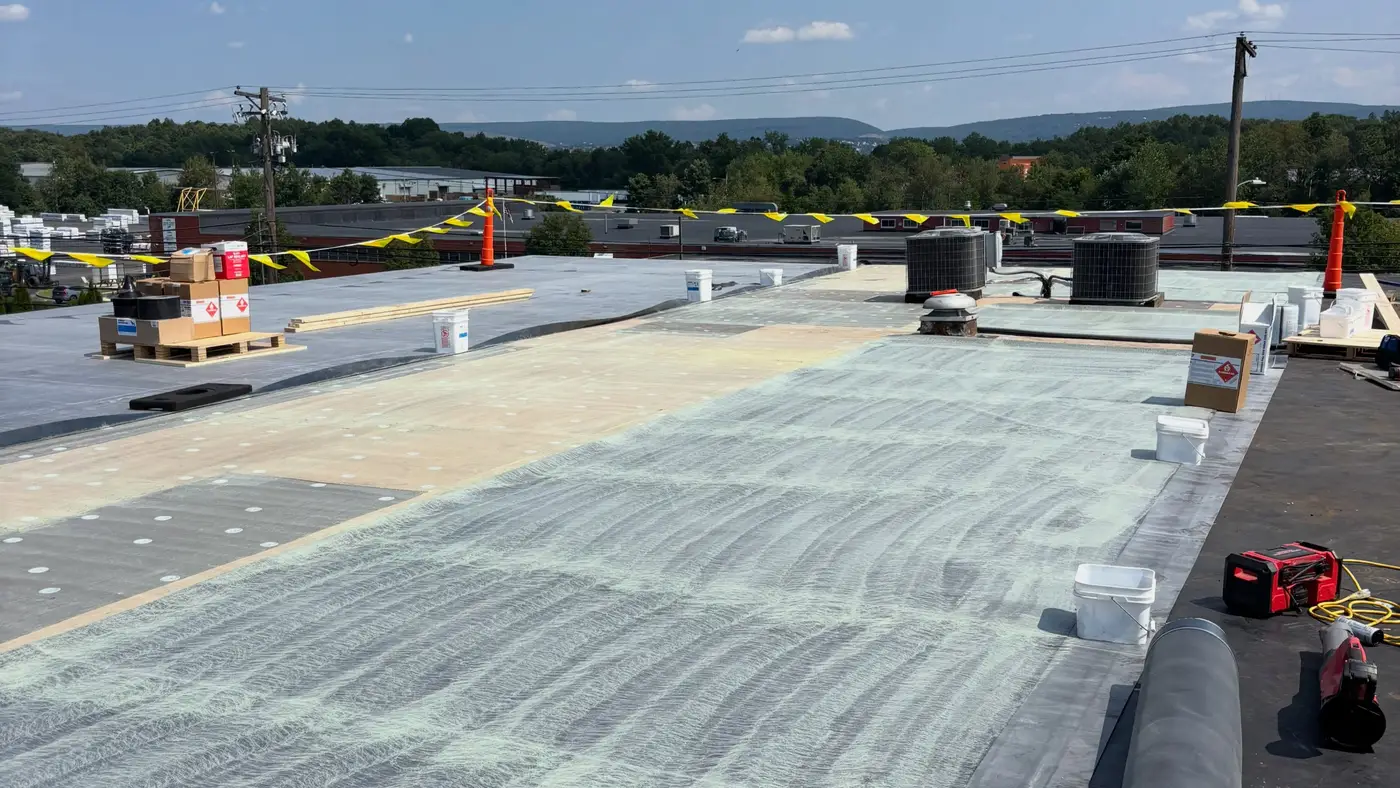
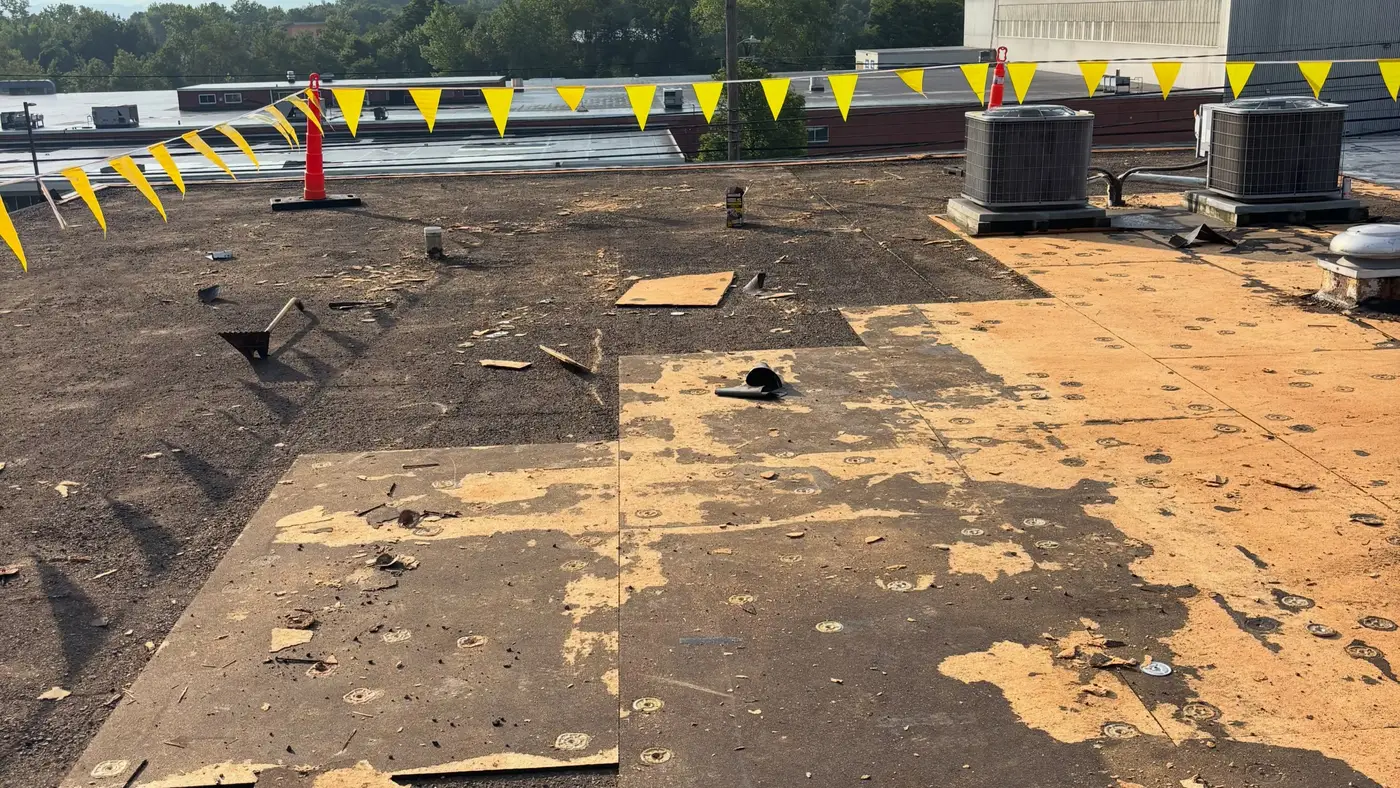
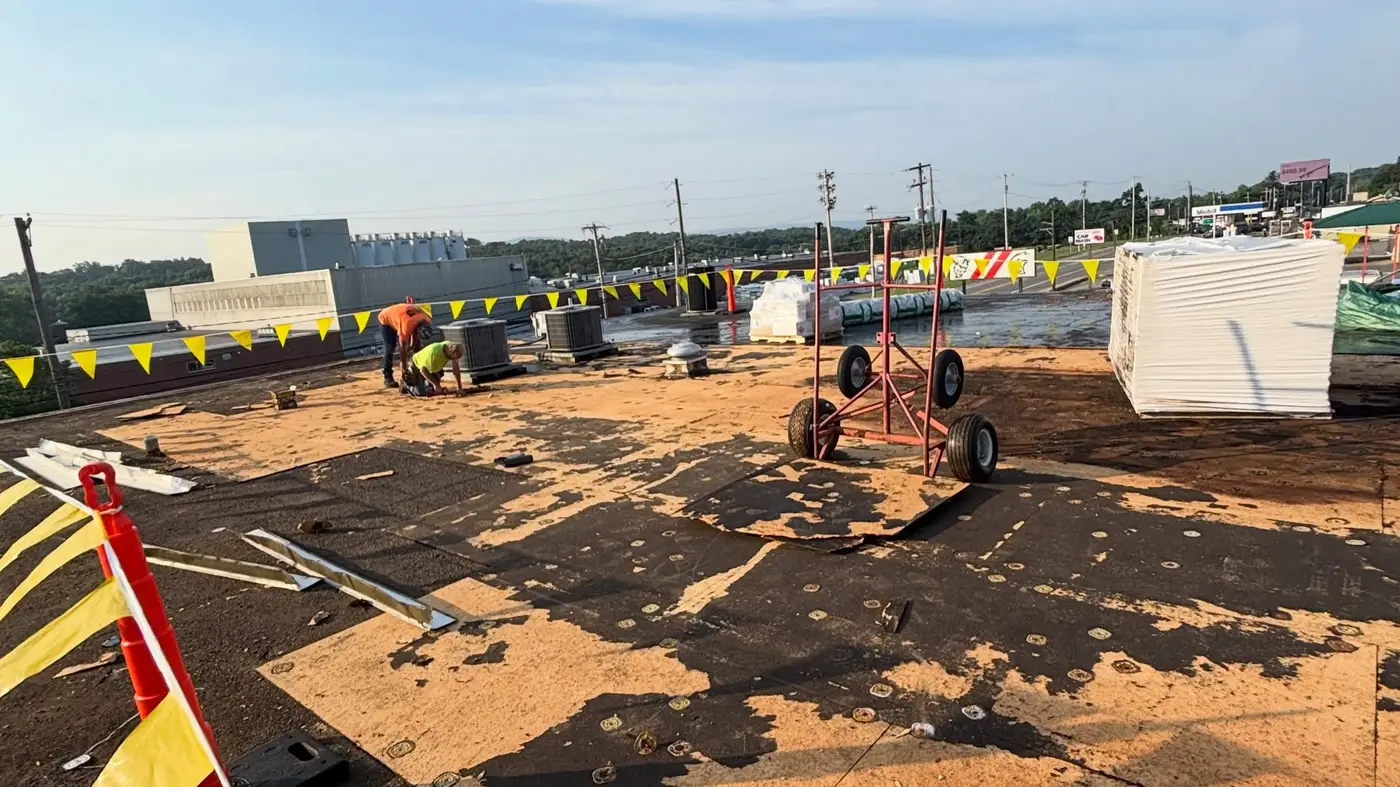
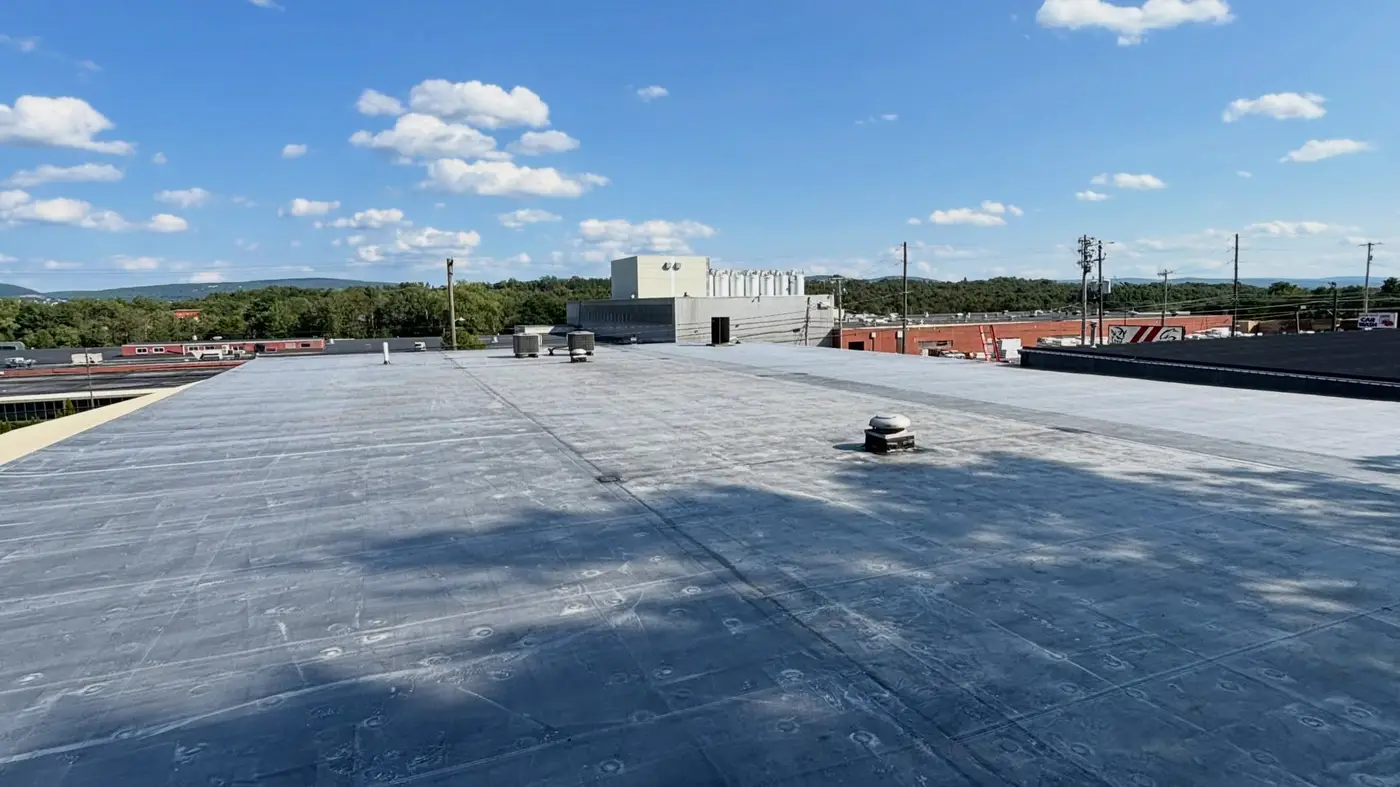
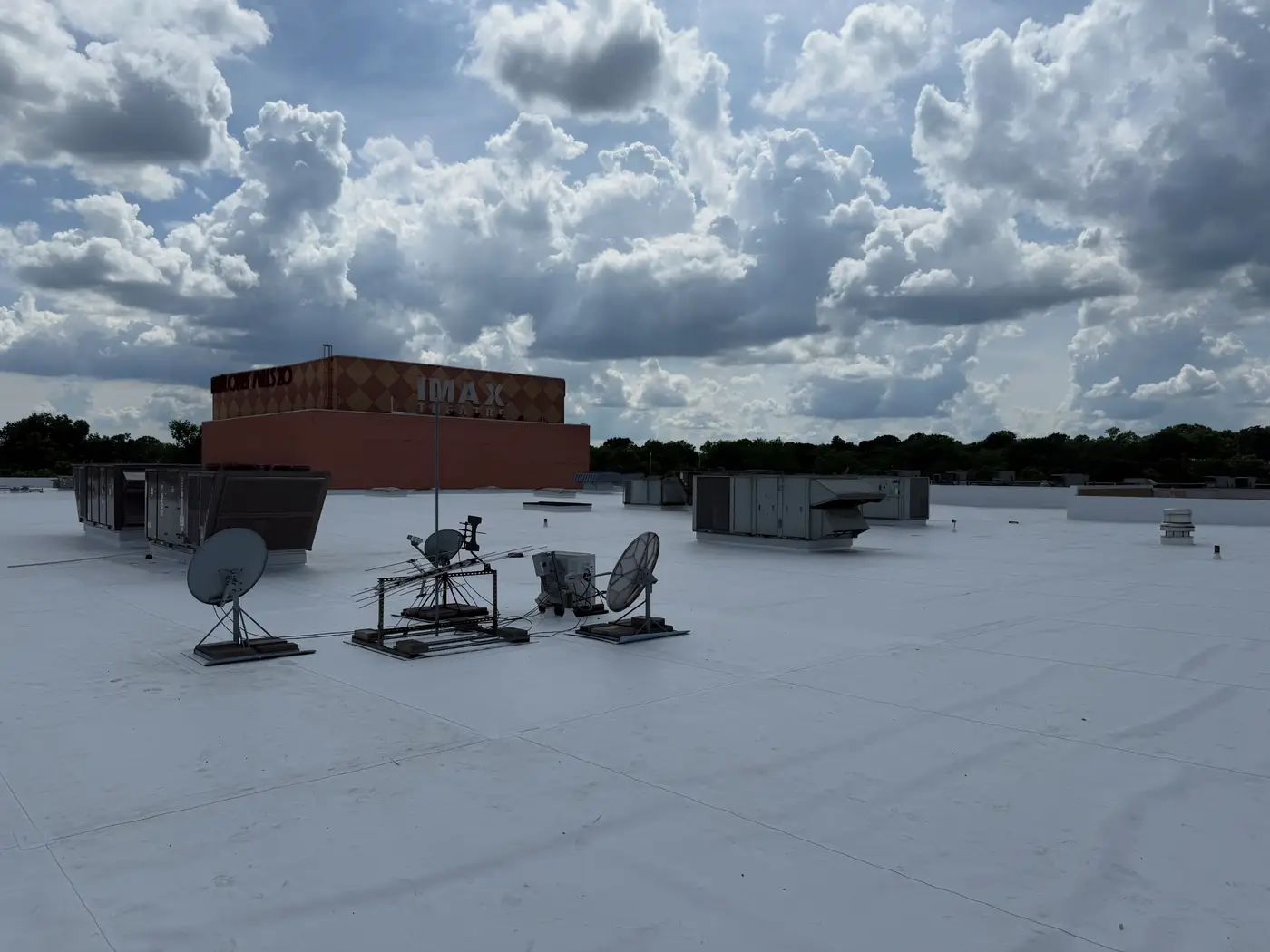
Commercial Flat Roof Tear-Off and New Membrane
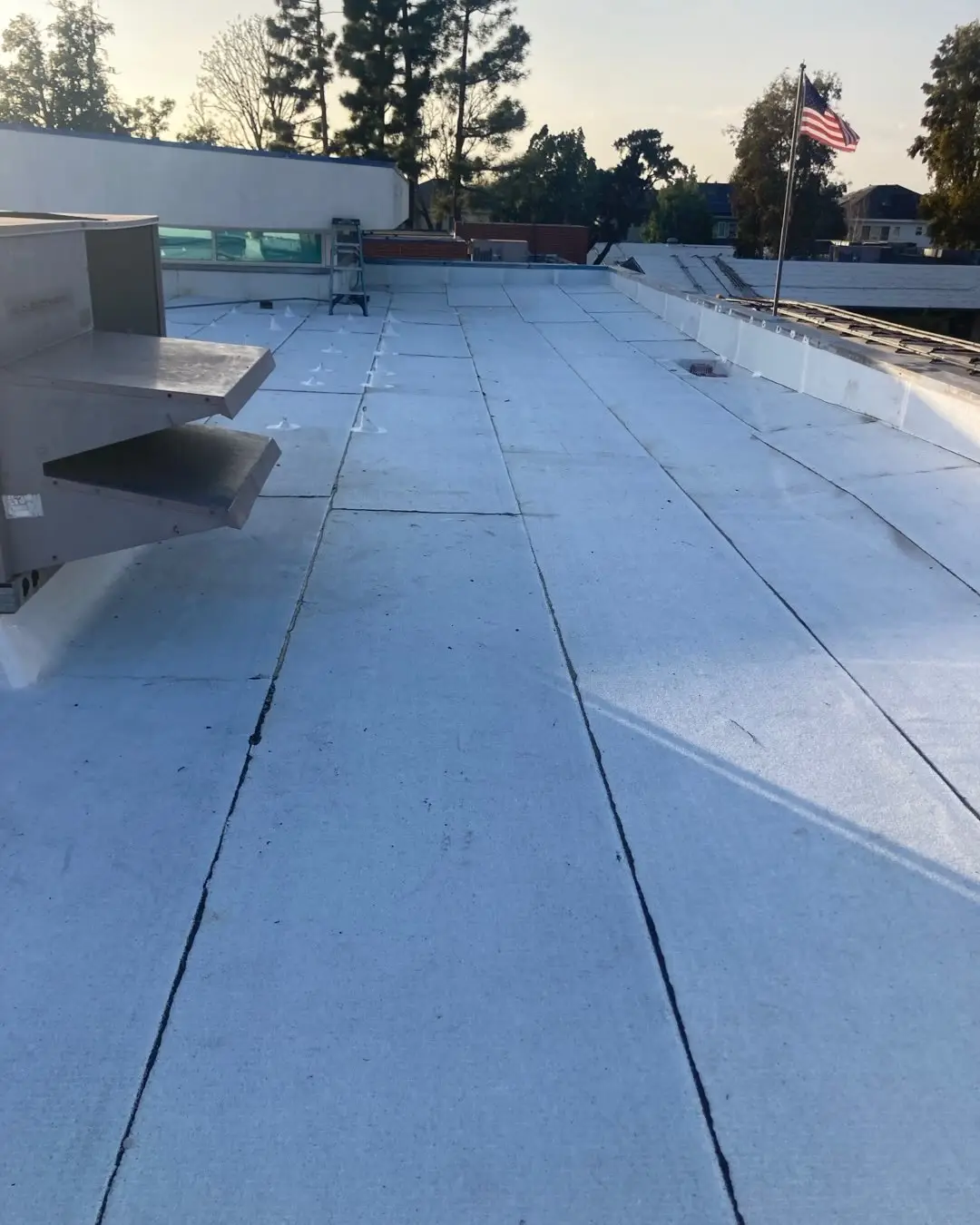
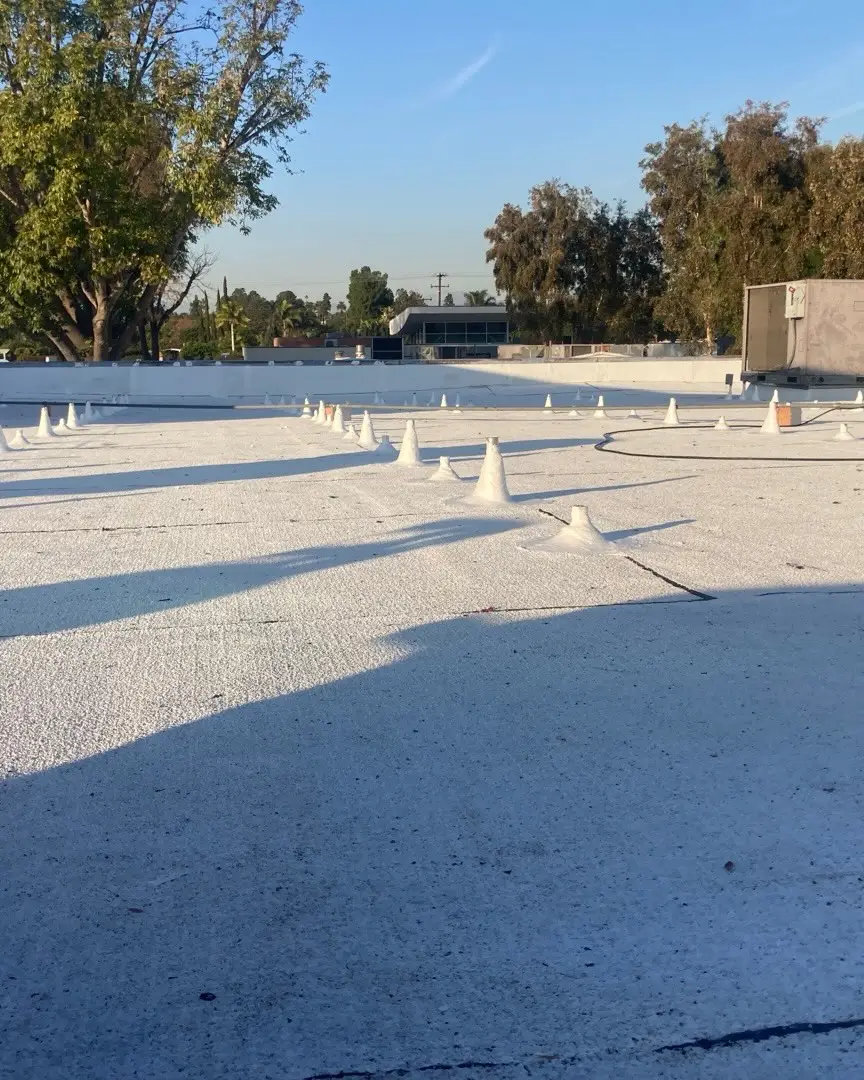
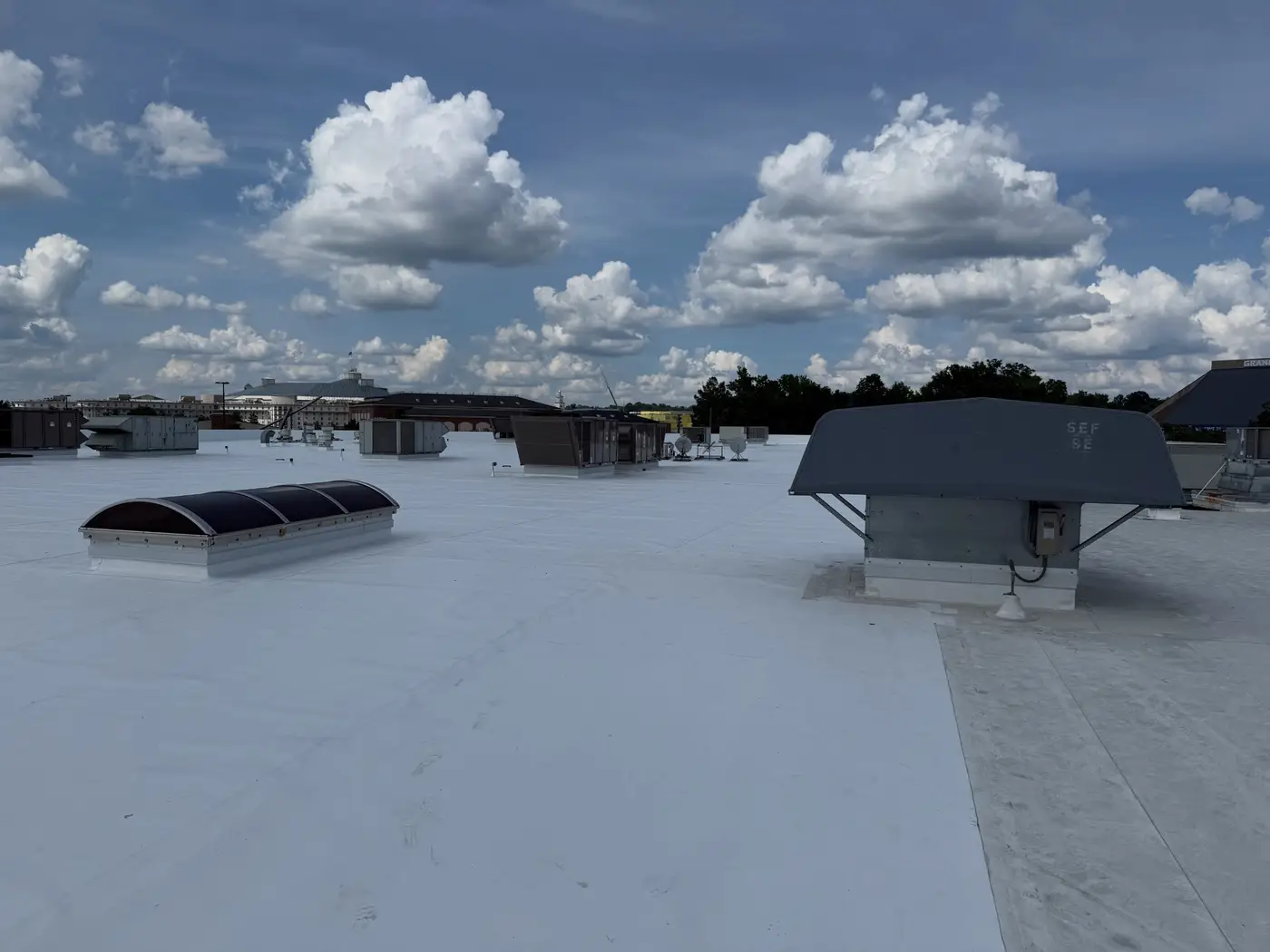
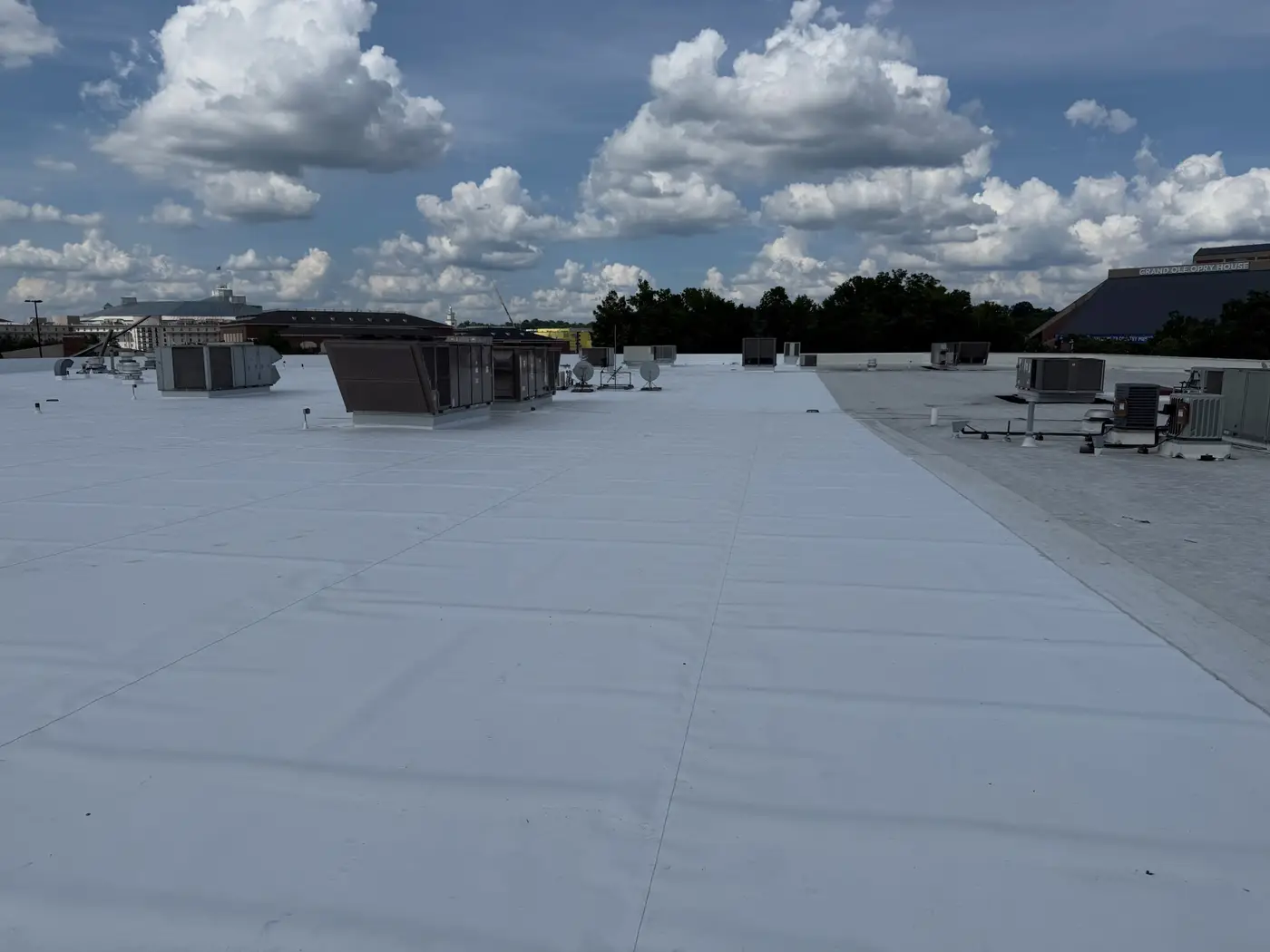
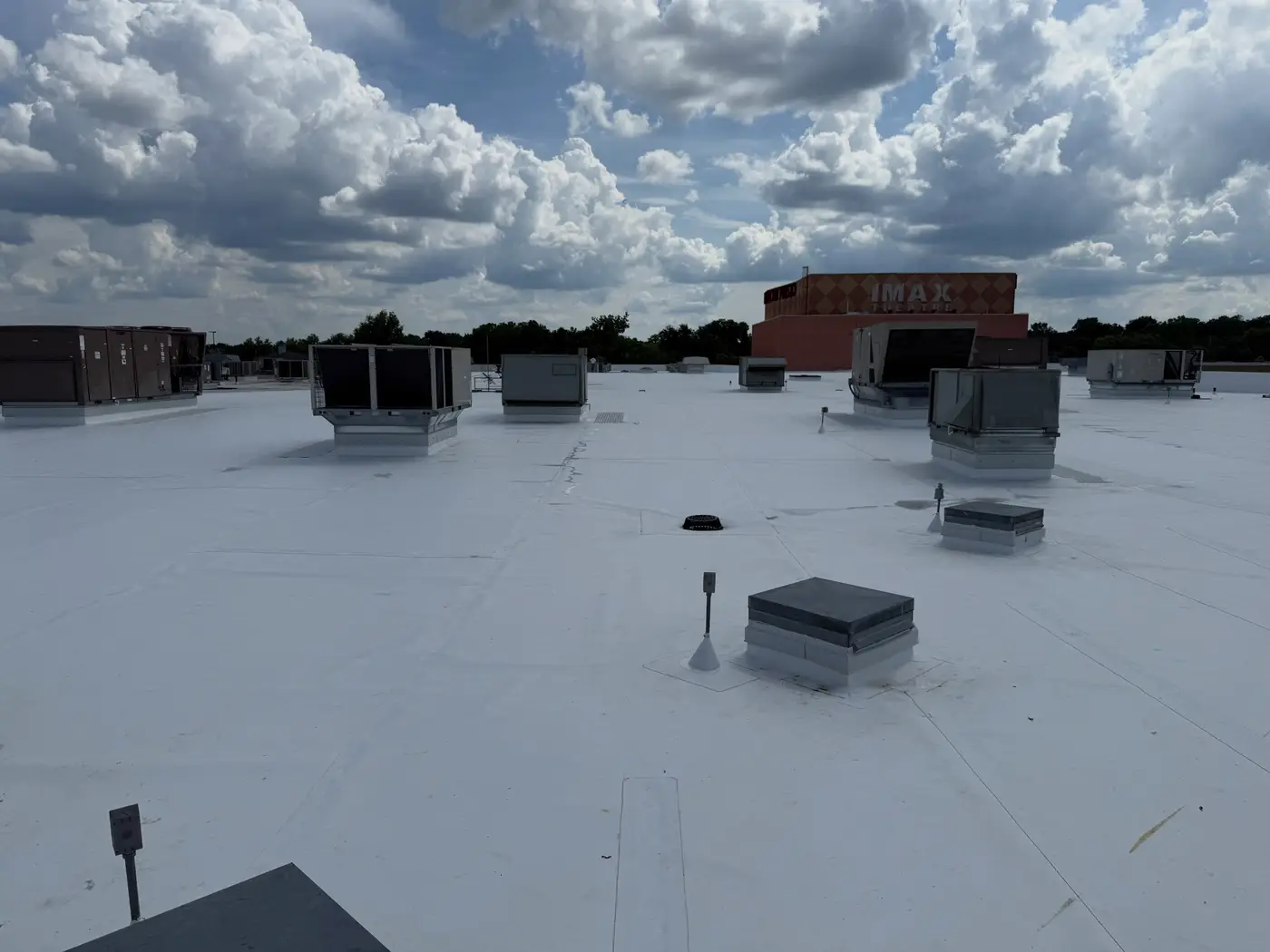
White Cap Sheet on a Low-Slope Building
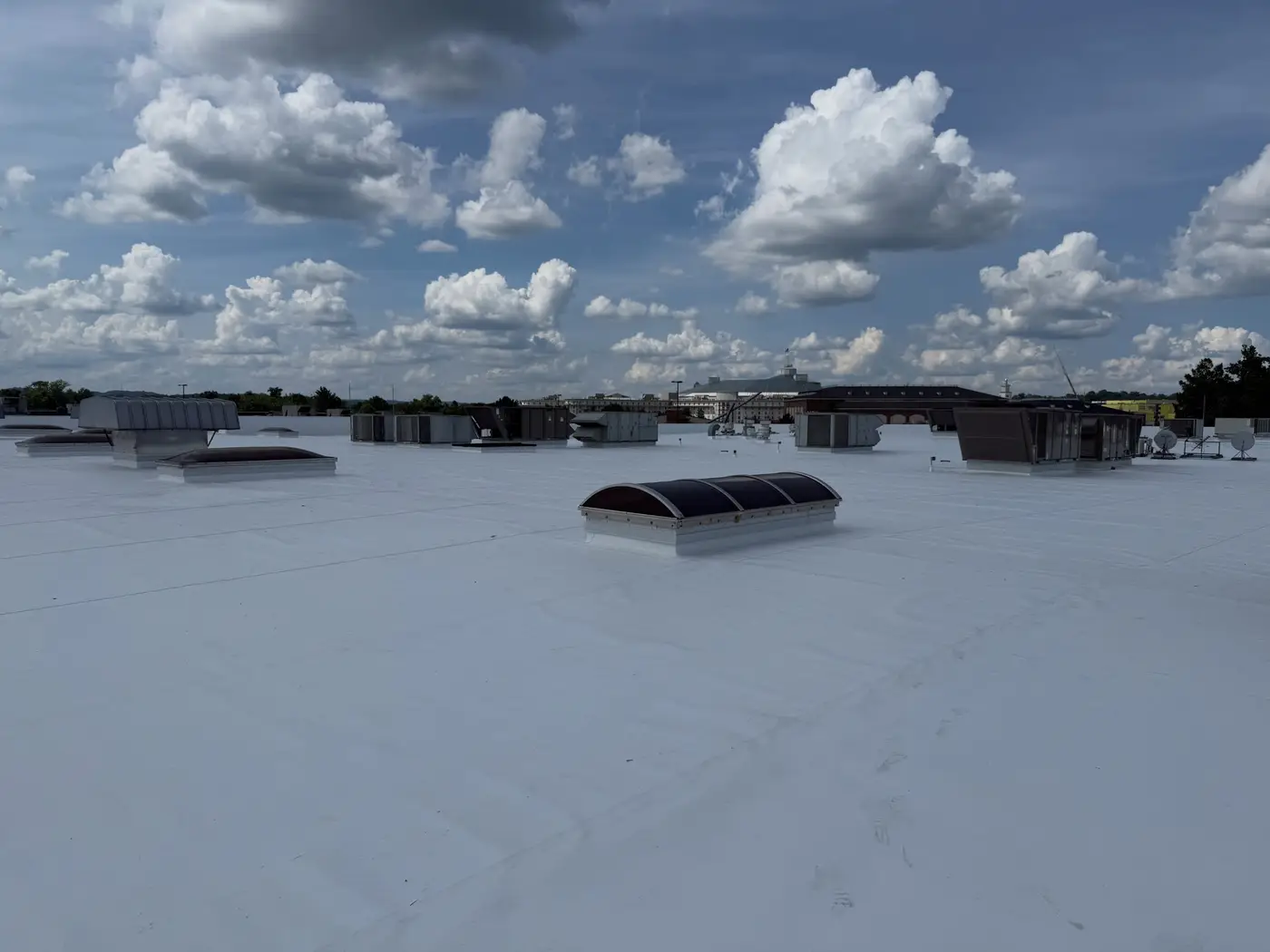
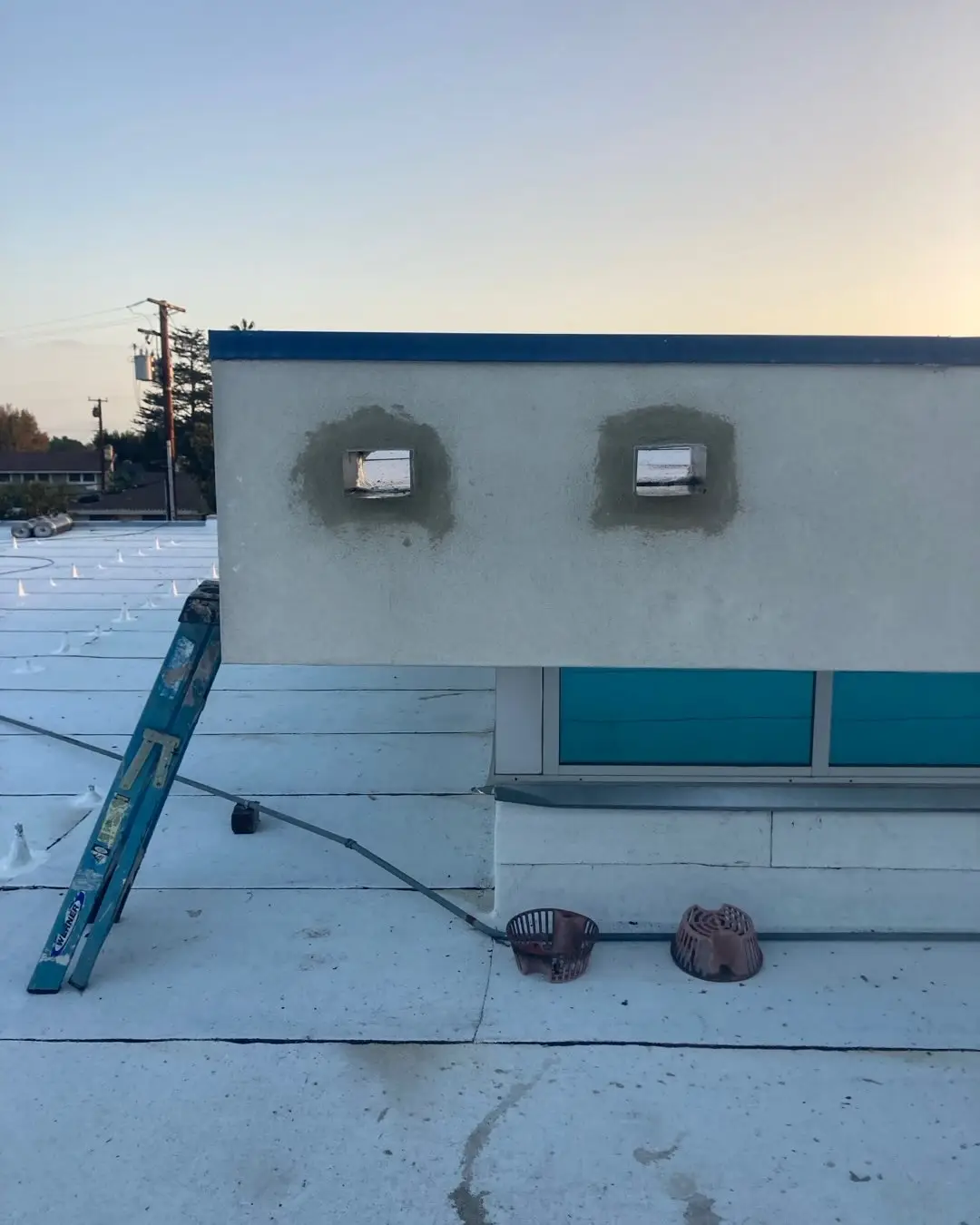
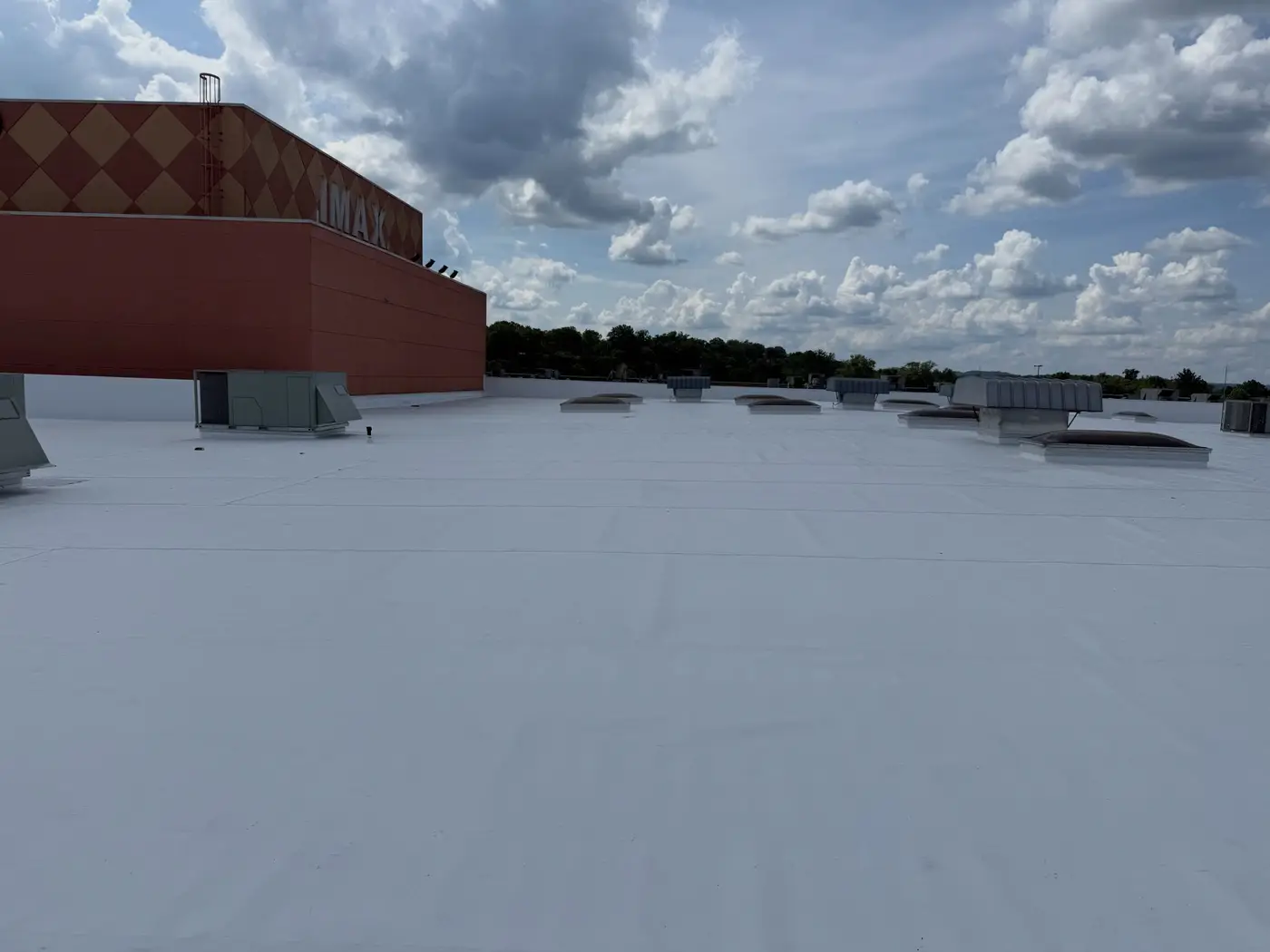
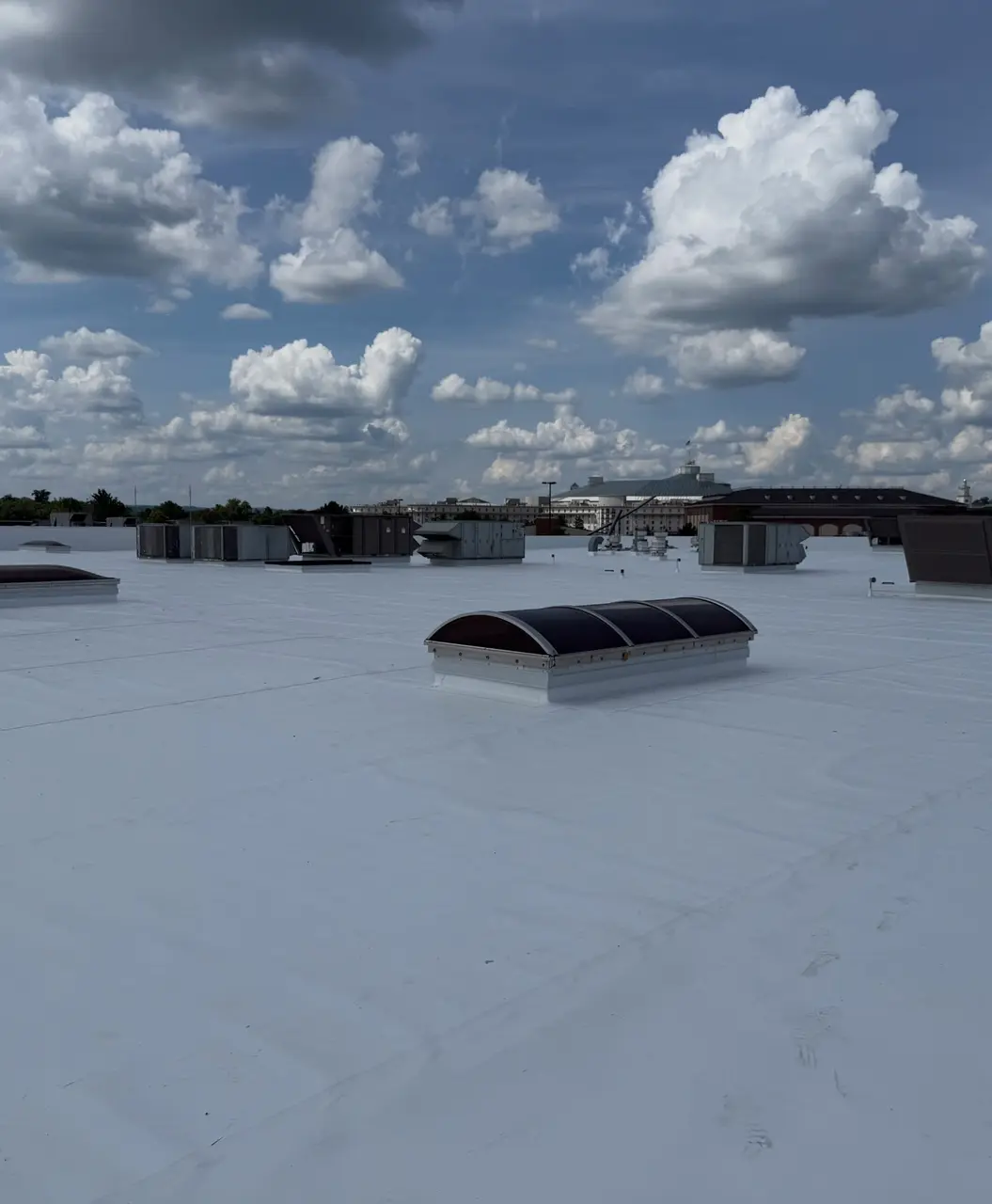
Large White Commercial Roof with Skylights
See all of our roofing projects
Frequently asked questions
Is a recover cheaper than a tear-off?
How much does commercial roofing cost in Tulsa?
Low-slope systems often range from $6 to $14 per square foot installed. Coatings commonly run $3 to $7 where the existing roof qualifies. Tear-off and insulation are the largest variables.
How long does a commercial roof last?
Membrane systems commonly last about 15 to 30 years depending on material, thickness, drainage and maintenance. Coatings can extend service life on a suitable roof.
Can you work while my business is open?
Usually, yes. We plan staging, access and working hours around your operation and can schedule the noisiest or most odorous work for off-hours.
What type of warranty should I expect?
Manufacturers offer various terms for material or full-system coverage, often requiring approved installation and maintenance. We review available options in the proposal.