



No. Light hail may leave cosmetic marks or damage only a few parts. Replacement is usually justified when the shingle mat is bruised across multiple slopes.
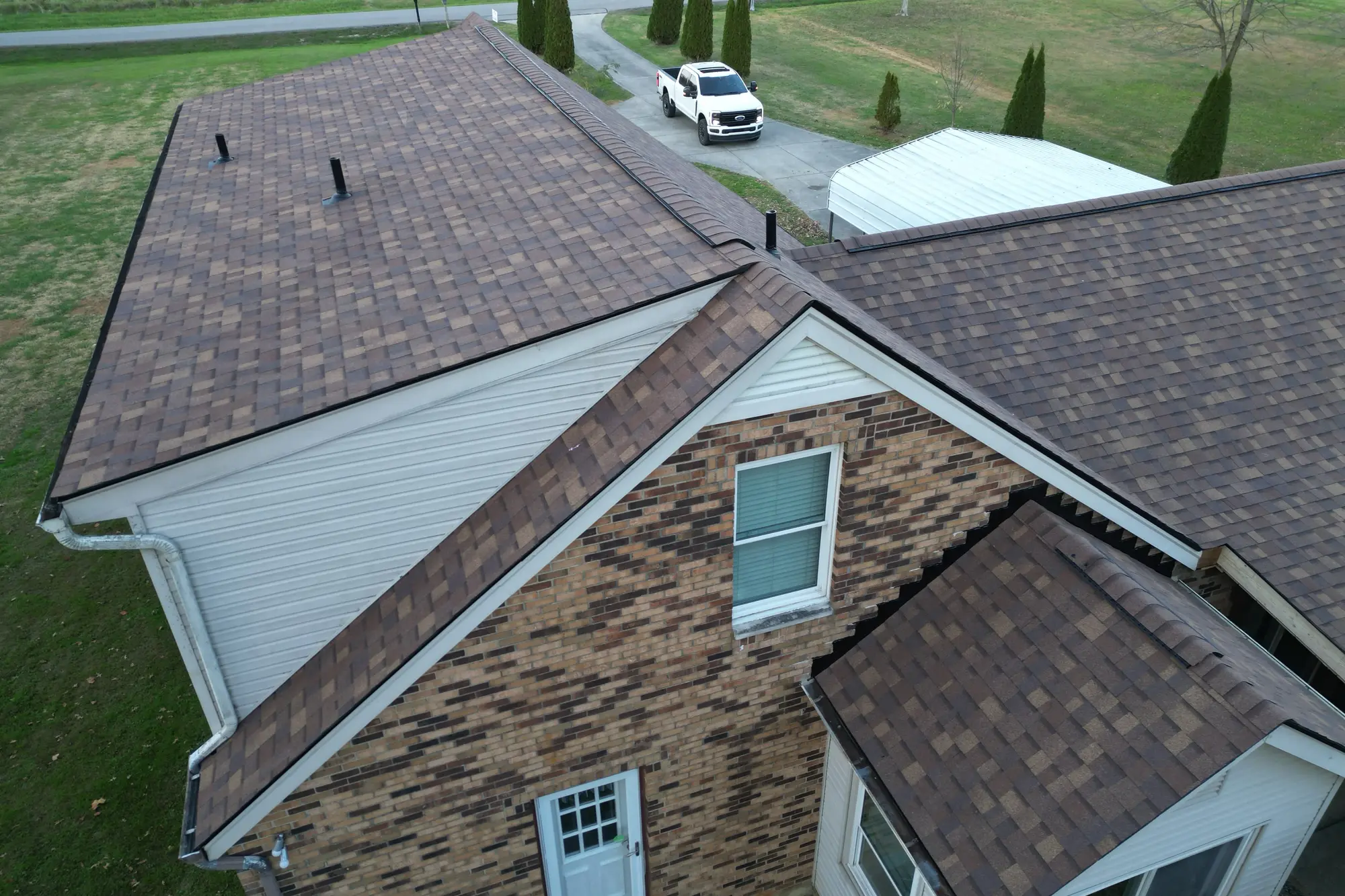

Hail Damage Roof Repair
Storm Damage Restoration
Roof Insurance Claim Help
Roof Inspection
Water Damage Restoration
All Services
Hail is a defining roofing issue across northeastern Oklahoma. Not every storm that dents a gutter damages shingles, so what counts is a careful look at the roof itself rather than a guess from the driveway.
We look for bruises that feel soft under light pressure, displaced granules and fractured mats, then compare that with dents on vents, valleys and gutters. You get photographs and an honest read on whether a claim seems worthwhile.
Common signs we check for:
- Round dark spots on shingles
- Soft bruises in the shingle mat
- Dents on vents, valleys and gutters
- Heavy granules in downspouts
- Cracked ridge caps
- Chips in wood or tile roofs
How the work gets done
Storm Check
We inspect every slope along with soft metals and accessories.
Photo Report
Marked test areas and close-ups show exactly what was found.
Claim Decision
We explain findings so you can decide whether to file.
Repair or Replace
We complete the approved scope and share closeout photos.
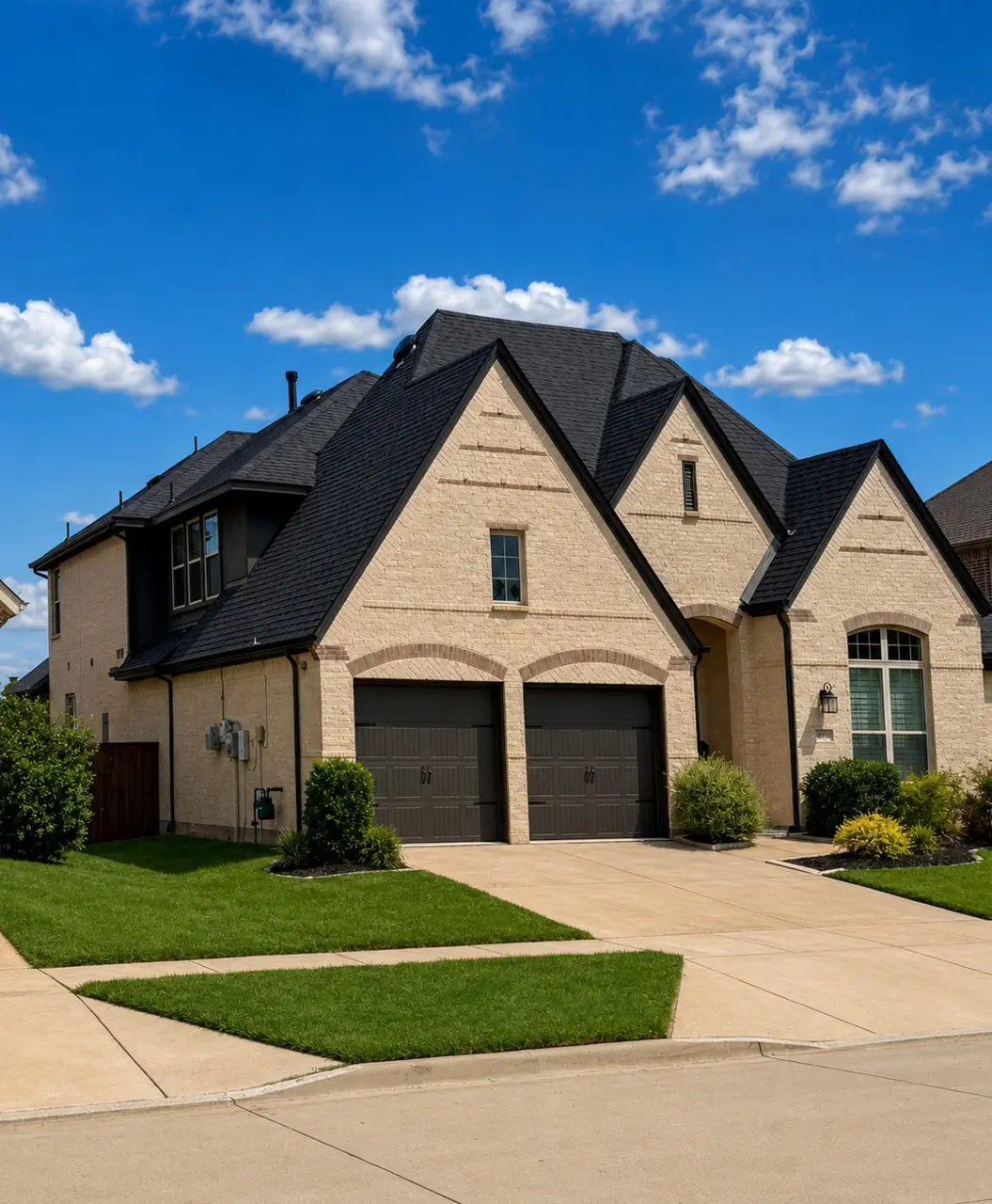
Typical Cost
Costs depend on the insurance scope and material. A typical full shingle replacement here runs about $9,000 to $20,000 before insurance.
These are planning ranges for the Tulsa area, not a quote. Your written estimate is based on the actual roof.
Request an EstimateHail Damage Roof Repair prices
Planning ranges for the Tulsa area, updated November 2026. They include typical labor and materials, but they are not a quote. Your written estimate is based on an inspection of the actual job. See every category on our price list.
How hail damages a roof
A hailstone does most of its harm in a split second. On asphalt shingles, the impact can bruise the mat, knock granules away and expose the asphalt to the sun. The roof usually does not leak right away, which is why many homeowners miss the damage. It often shows up later as faster aging and leaks along the damaged areas.
Size, density, wind and roof age all matter. Small hail can scuff a newer roof without harming it, while the same storm can fracture an older, brittle shingle. Metal roofs may dent without losing function, and the difference between cosmetic and functional damage often becomes important during a claim.
Signs of hail damage on your property
Start on the ground, where it is safe. The collateral damage around a home is often the easiest evidence of hail and helps show the direction and size of the storm.
- Dents on gutters, downspouts, fascia metal, vents and AC fins.
- Pockmarks on window screens, siding, painted wood or a mailbox.
- Heavy granules in gutters and at the ends of downspouts.
- Dark spots or circular bruises on the shingles that you can see from a window.
- Damage on the side that faced the storm, while the opposite side looks fine.
On the roof, we mark test squares on each slope and count functional hits. Our hail damage checklist explains what you can safely check yourself after a storm.
Repair or full replacement?
Hail damage rarely stays in one spot, so a repair only makes sense when the hits are few or limited to one area. Factors we weigh include the count per test square, how many slopes are affected, whether shingles can be matched, and the general age of the roof. Full replacement becomes more likely when hits are spread across most slopes. If your roof has standing seam metal or other metal panels, dents may be cosmetic only, so we check whether seams, coatings or fasteners were affected.
You will see the photos and counts behind the recommendation. If we think the damage is below what a carrier would likely consider, we say so before you spend a deductible on a claim you may not need.
Hail claims in Oklahoma
Oklahoma is one of the states where hail shapes the insurance market, and many policies now carry a percentage deductible for wind and hail. Before filing, find your deductible, your roof settlement type (replacement cost or actual cash value) and any cosmetic damage exclusion for metal. Note the storm date, take photos, and report the claim promptly. We can meet the adjuster on site to walk the test squares and point out damage. Payment decisions belong to your insurer, and contractors should not promise a specific outcome or offer to absorb your deductible. For the full process, see roof insurance claim help and how a claim works in Oklahoma.
Choosing a roof that handles hail better
If your roof is being replaced anyway, it is worth considering how the new one will handle the next storm. Class 4 impact-rated shingles are tested to resist cracking under impact and often earn premium discounts from insurers, although the discount varies by carrier. We walk through whether the added cost pays back in your case in our guide to Class 4 shingles. Metal and heavier shingle roofing options are also on the table. Replacing damaged vents, flashing and gutters at the same time keeps the whole system at the same age and condition.
Related services
Hail work rarely stands alone. Start with a documented roof inspection, and see insurance claim help if you plan to file. Limited hits may need only a spot roof repair, while damage across most slopes usually means a full roof replacement in Tulsa. If siding, gutters and windows were also hit, our storm damage restoration service coordinates the rest.
Recent hail damage roof repair projects
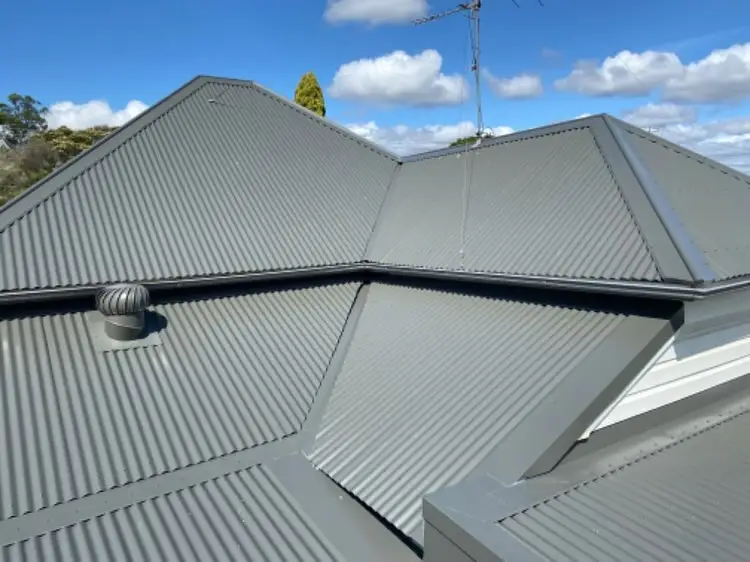
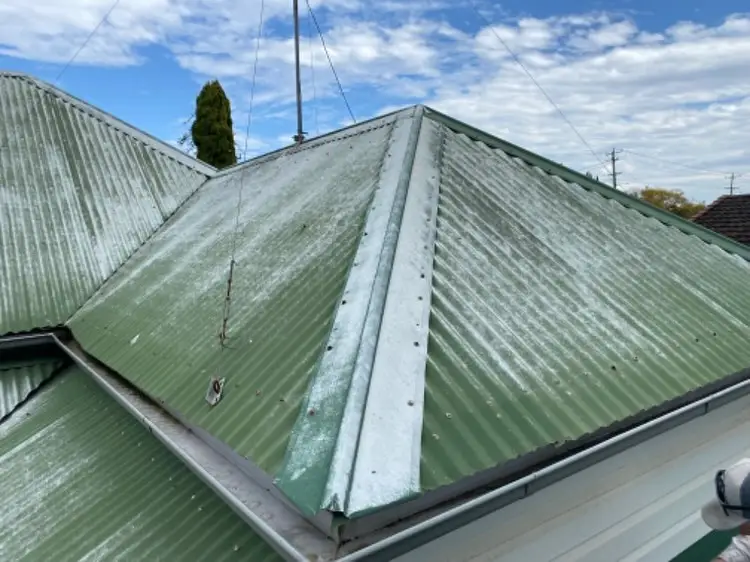
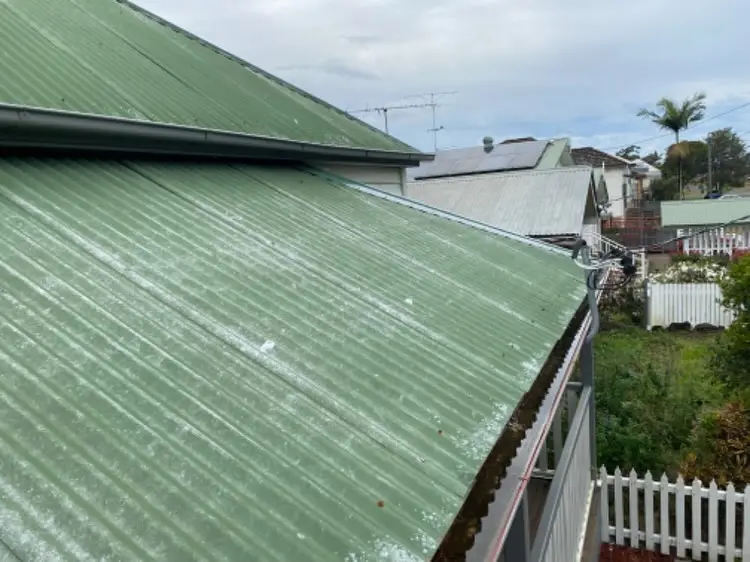
Hail-Worn Metal Roof Replacement
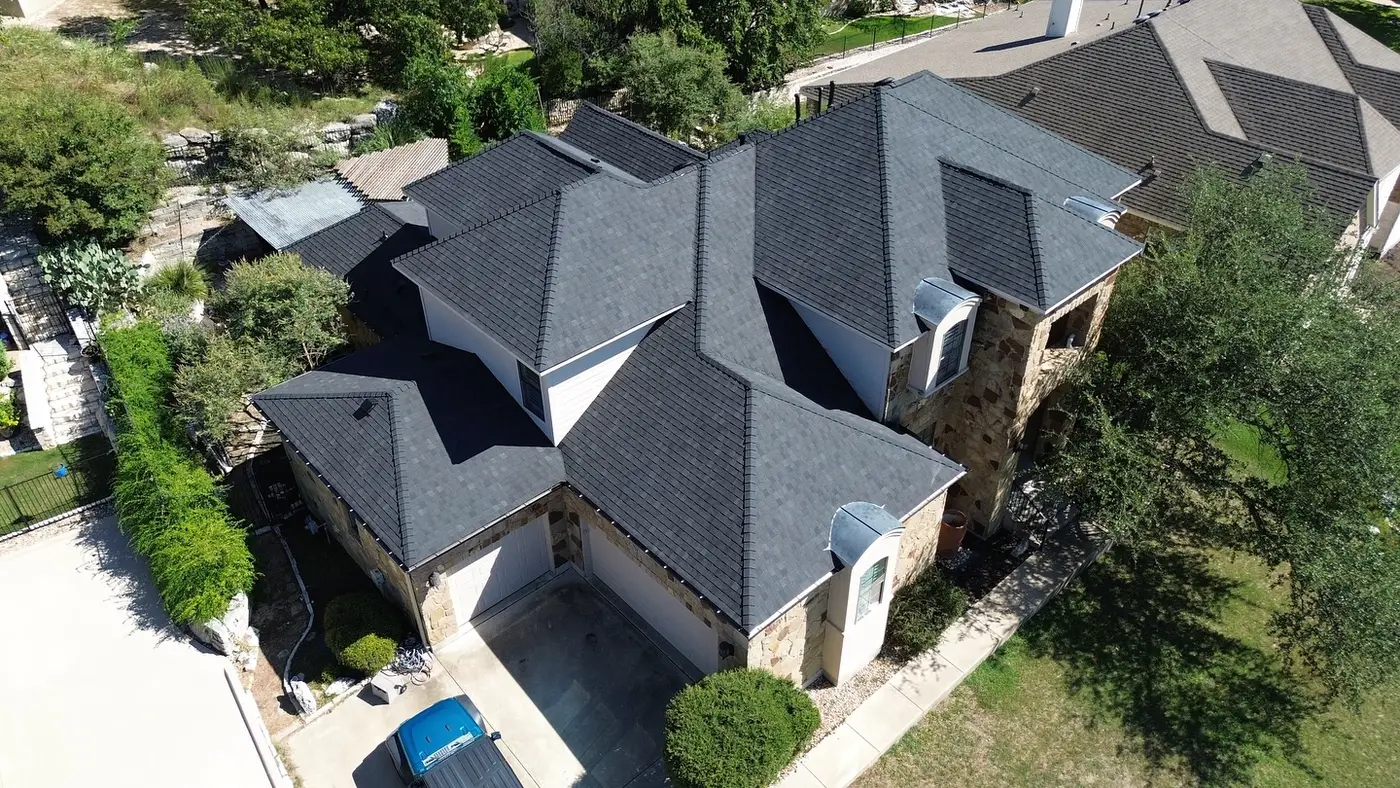
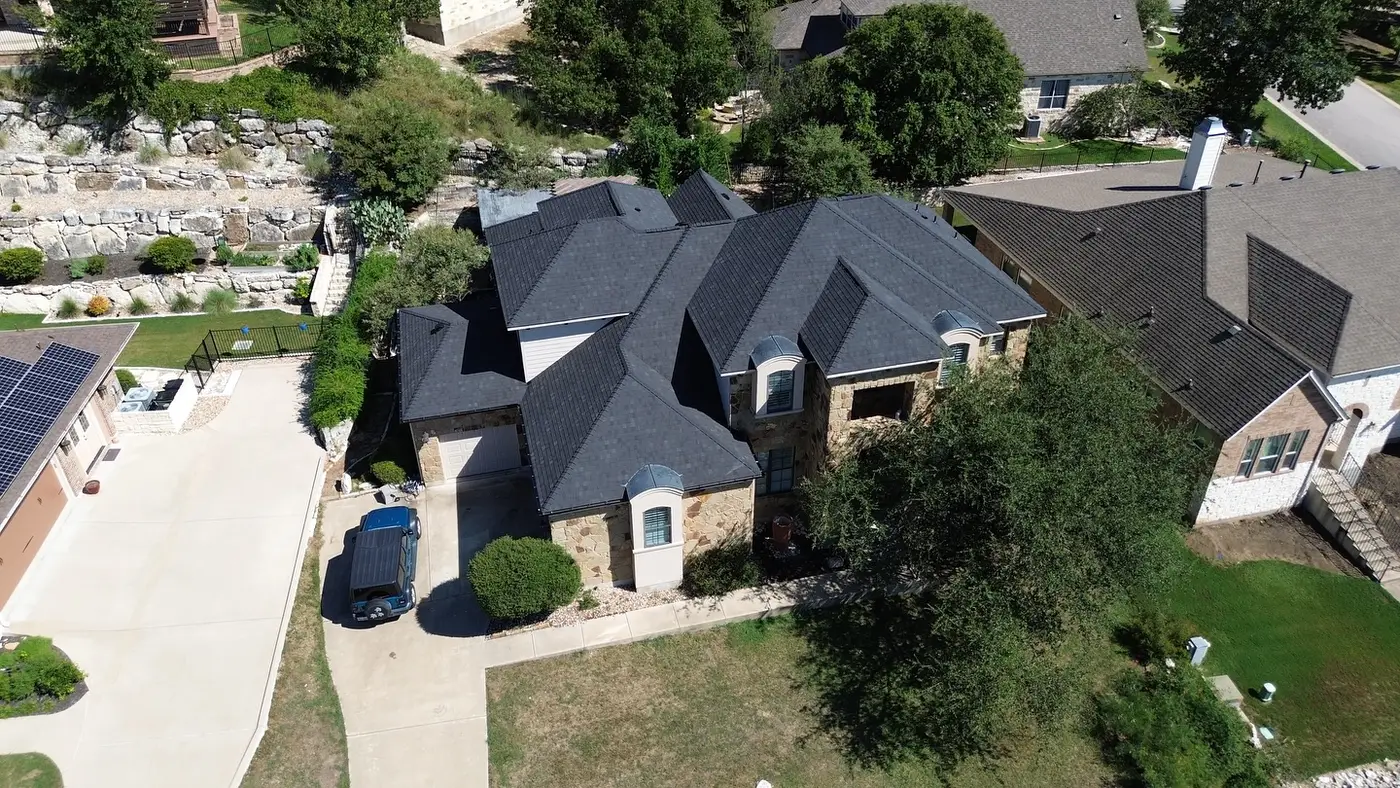
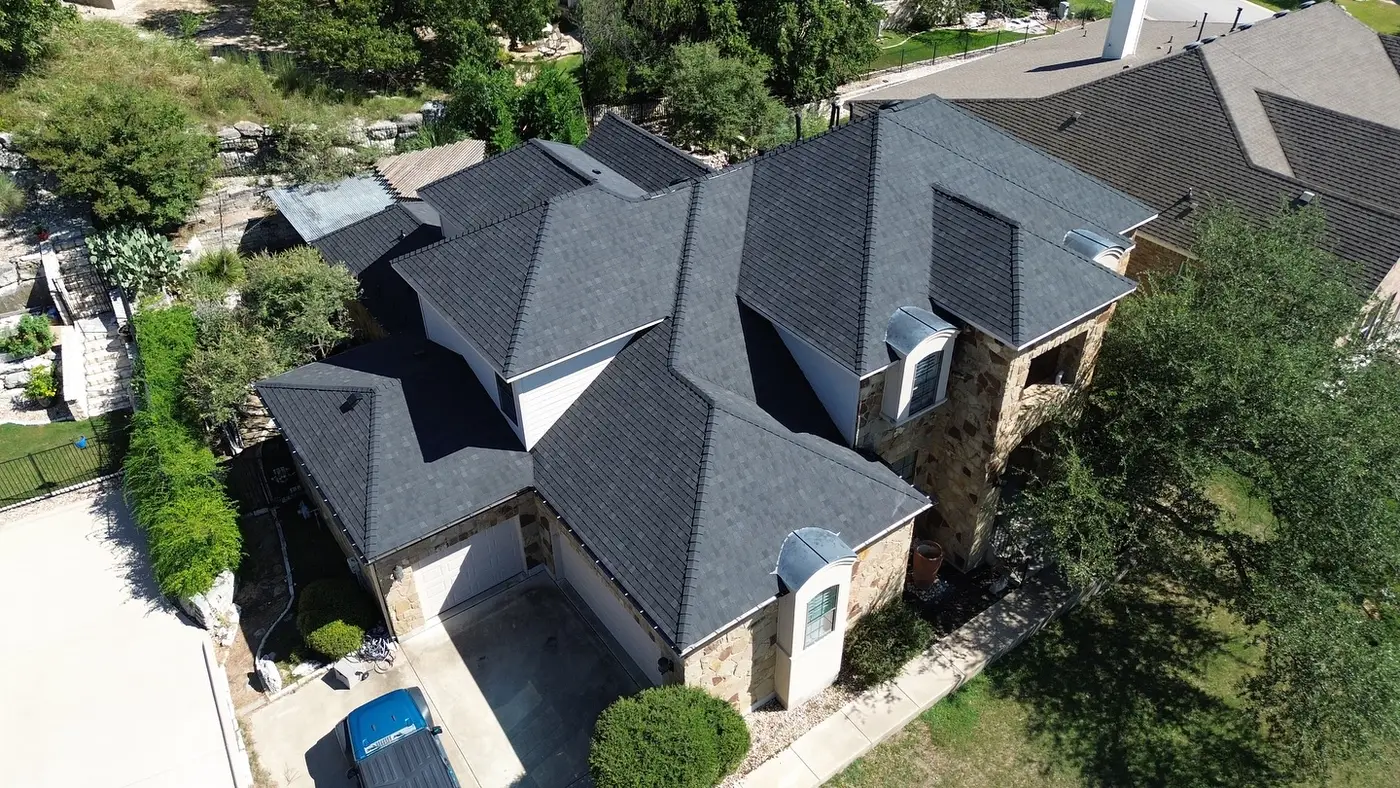
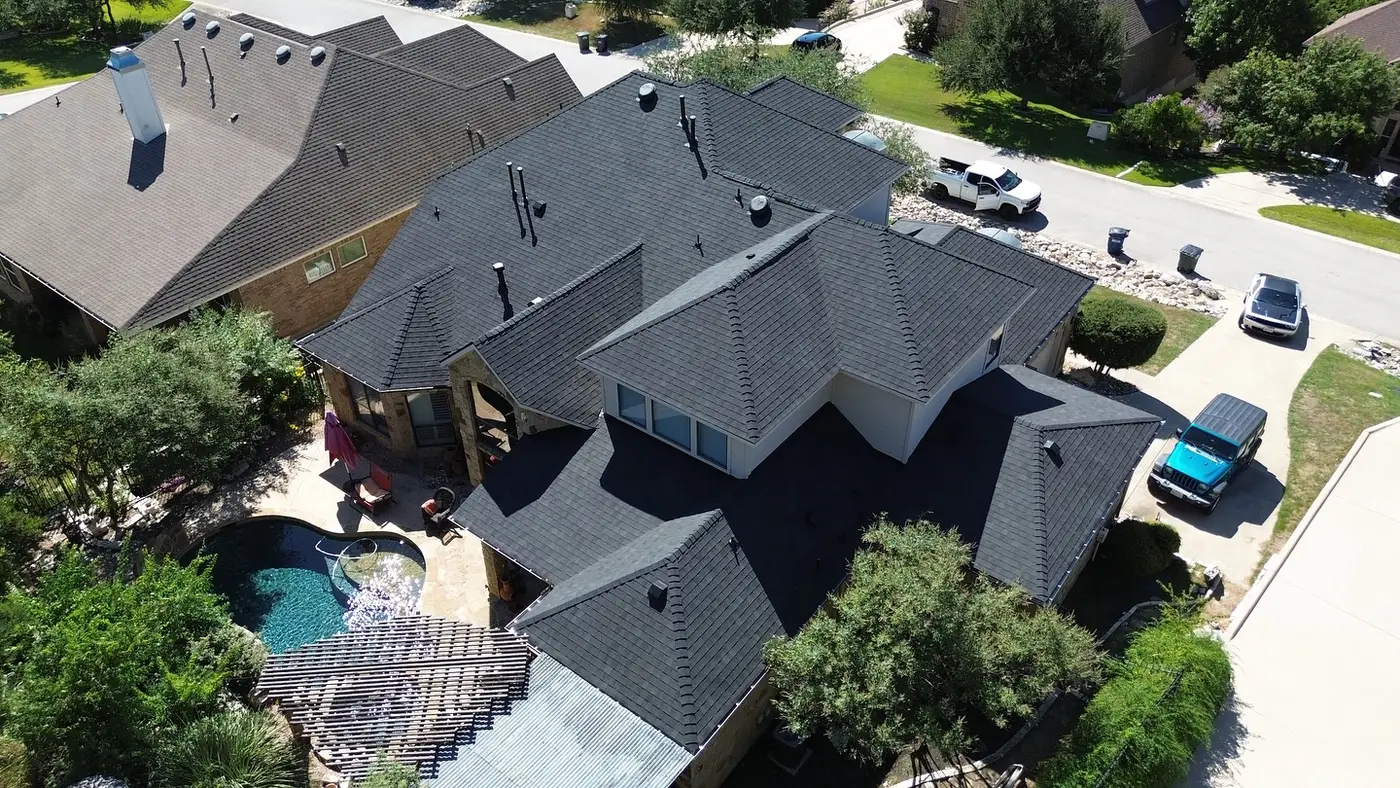
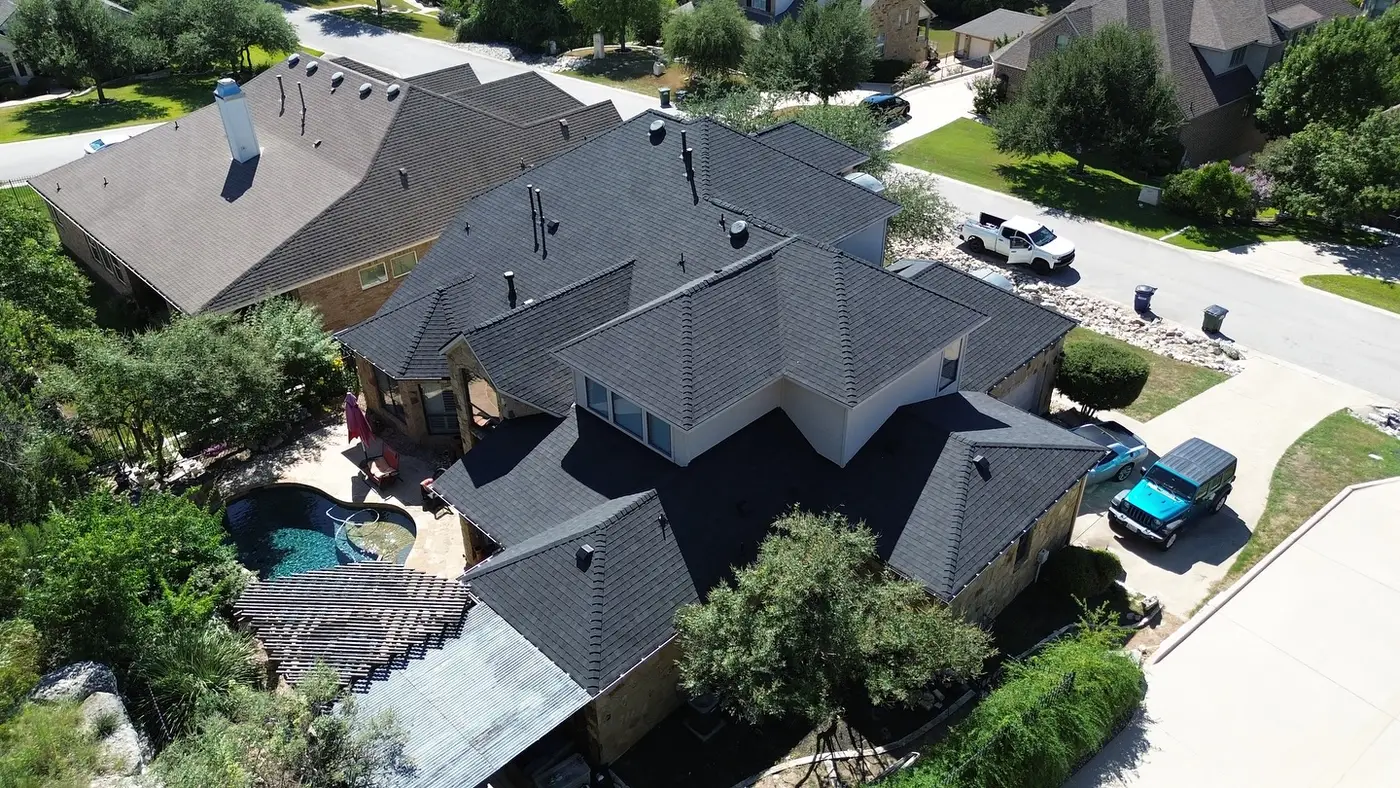
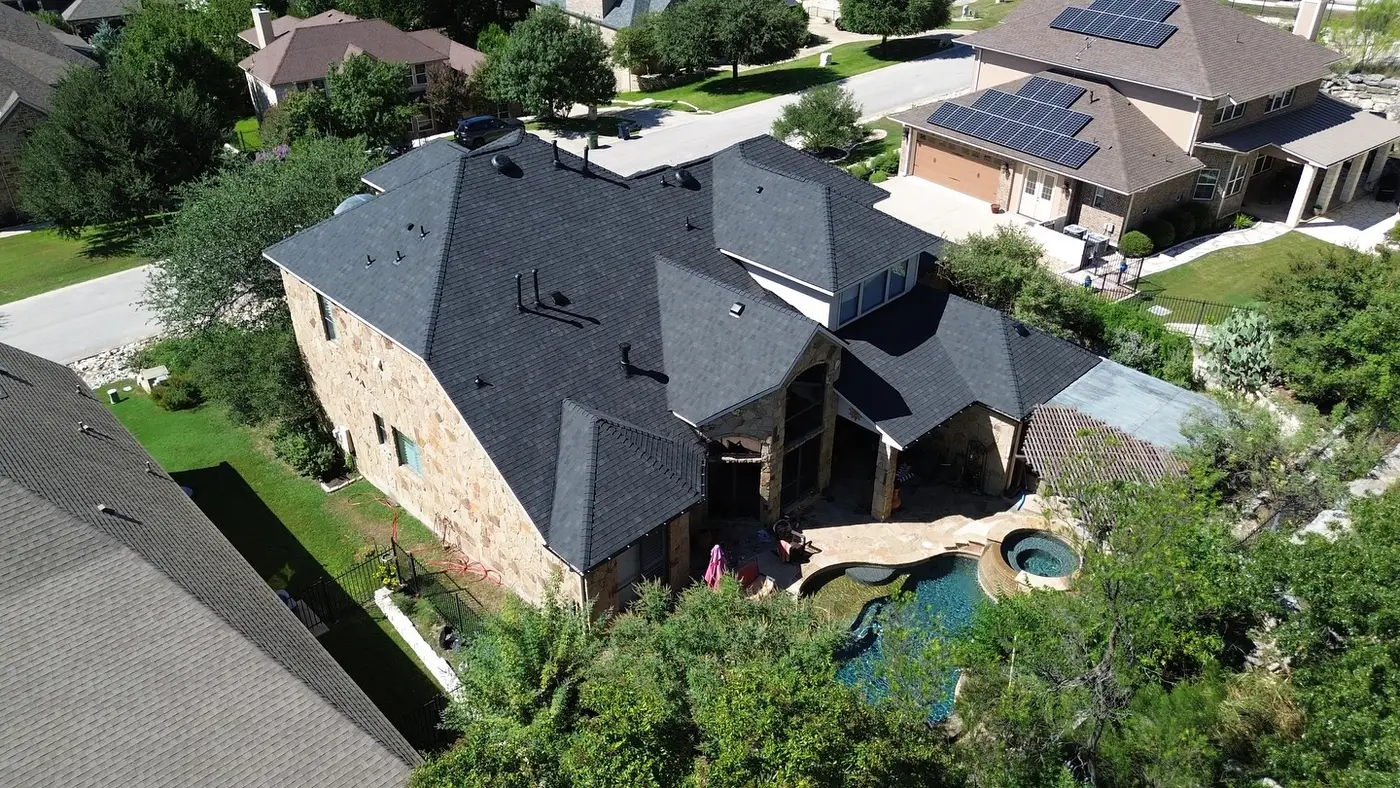
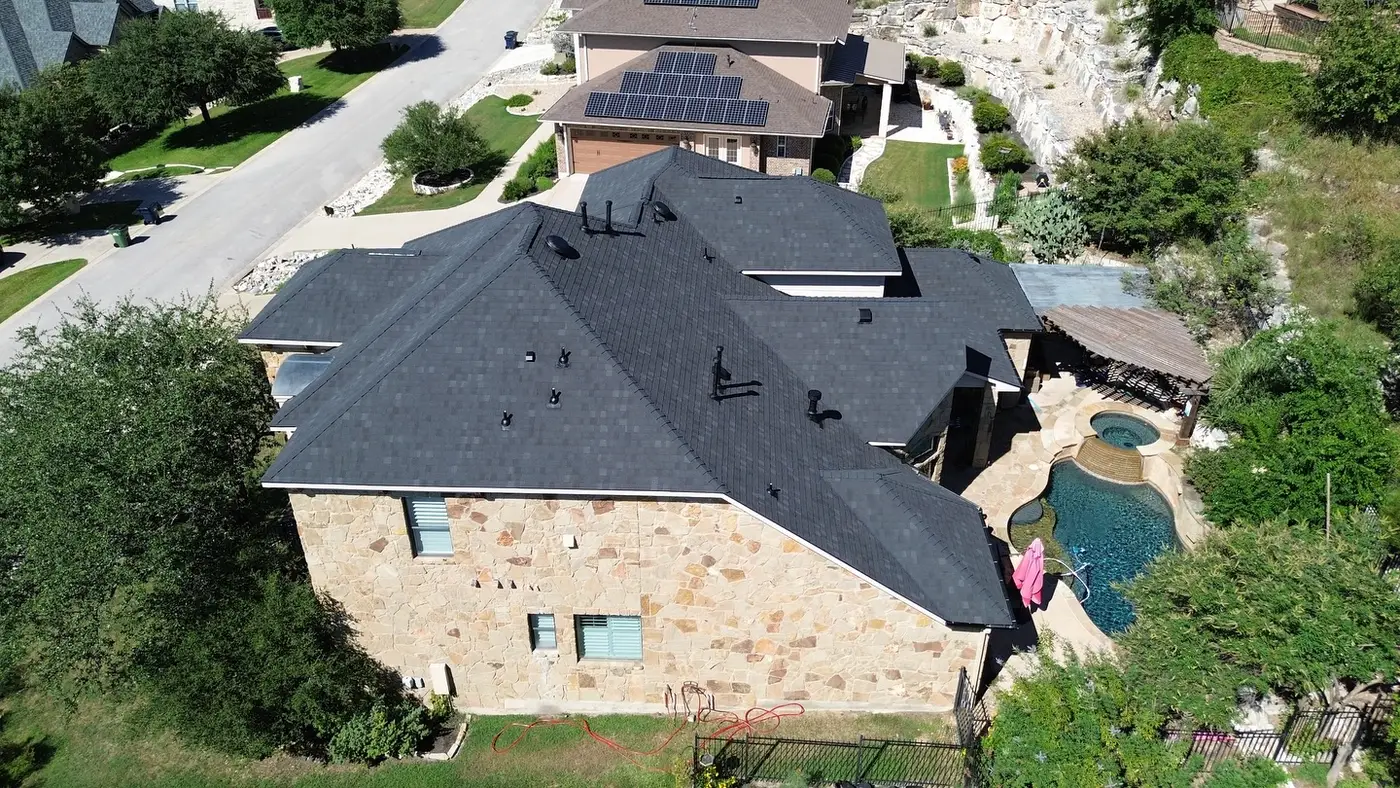
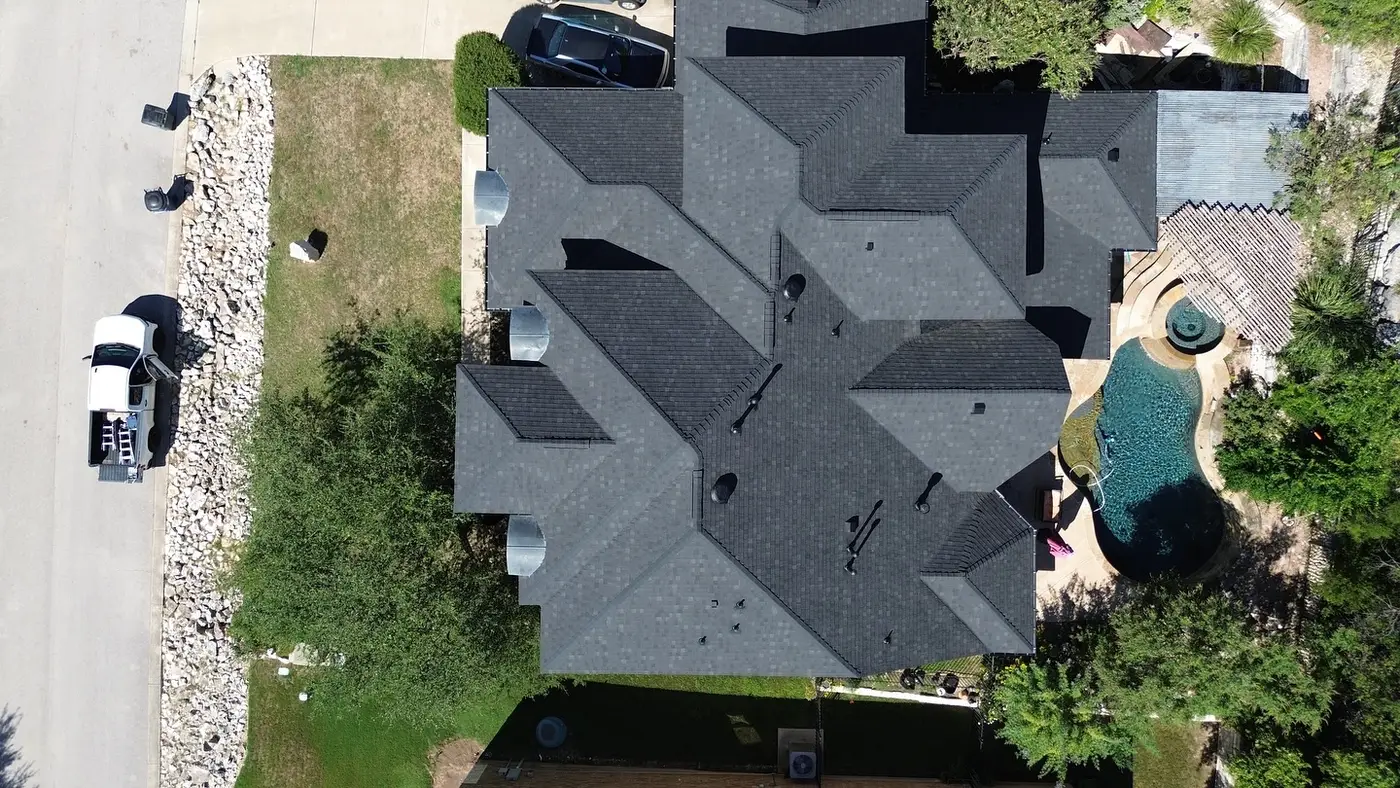
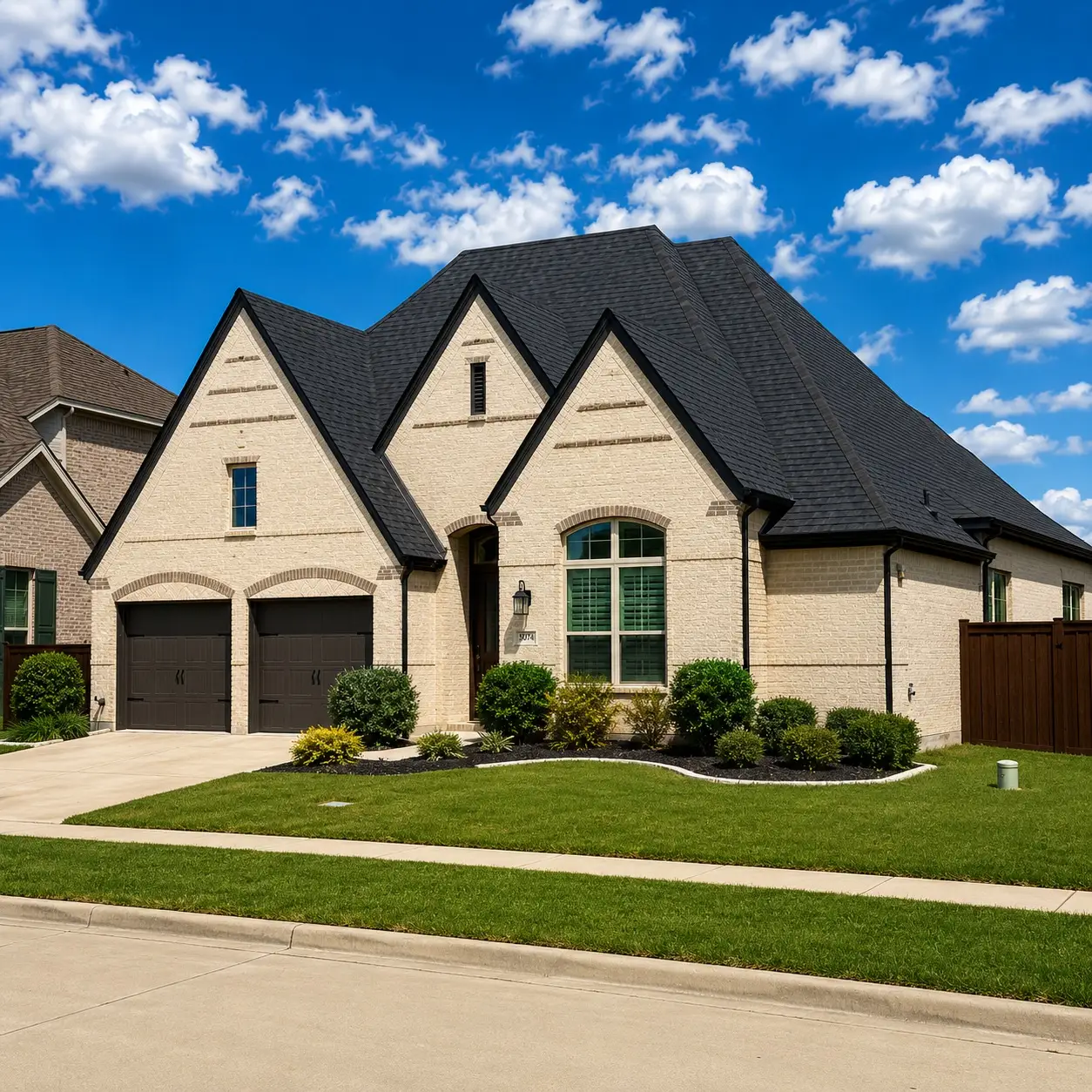
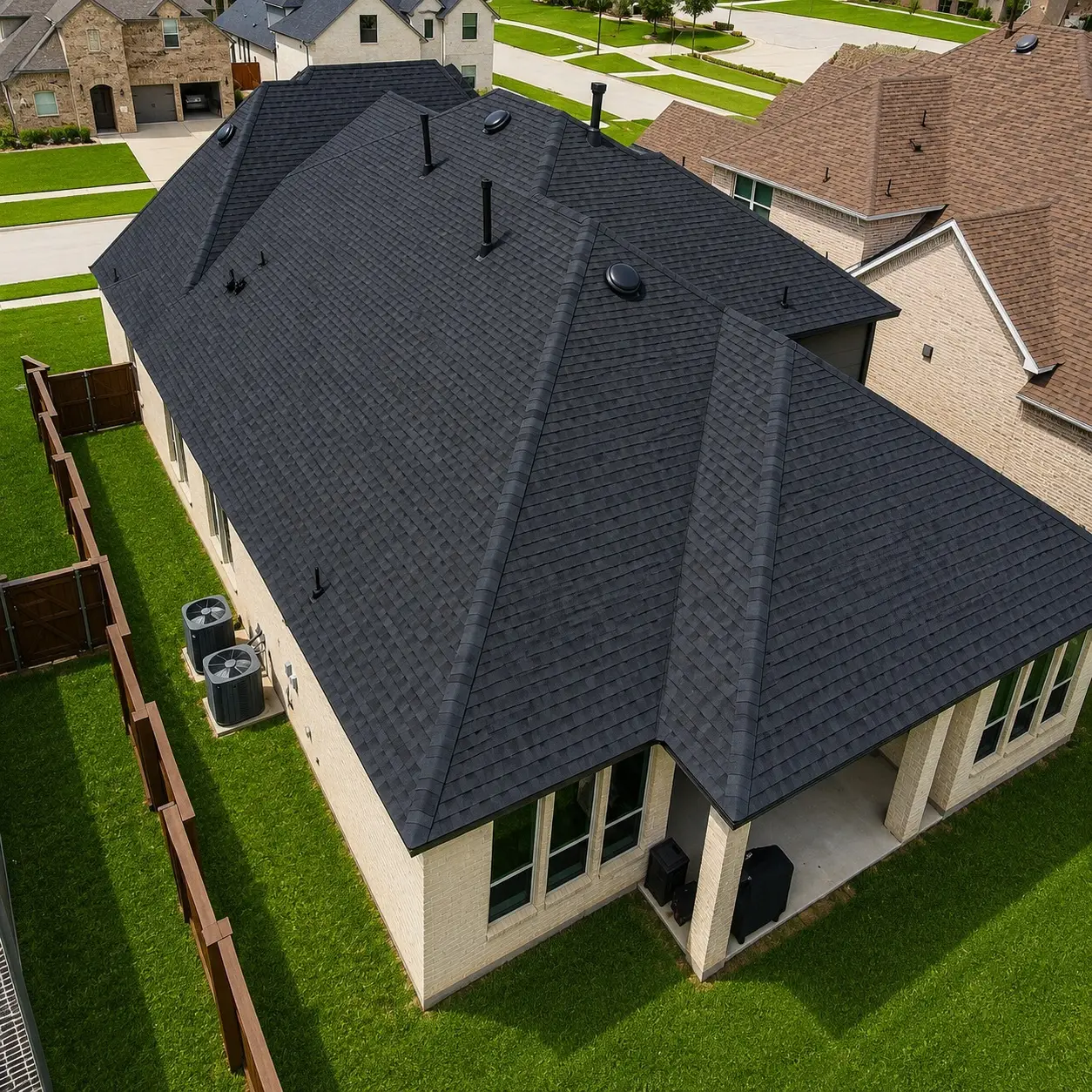
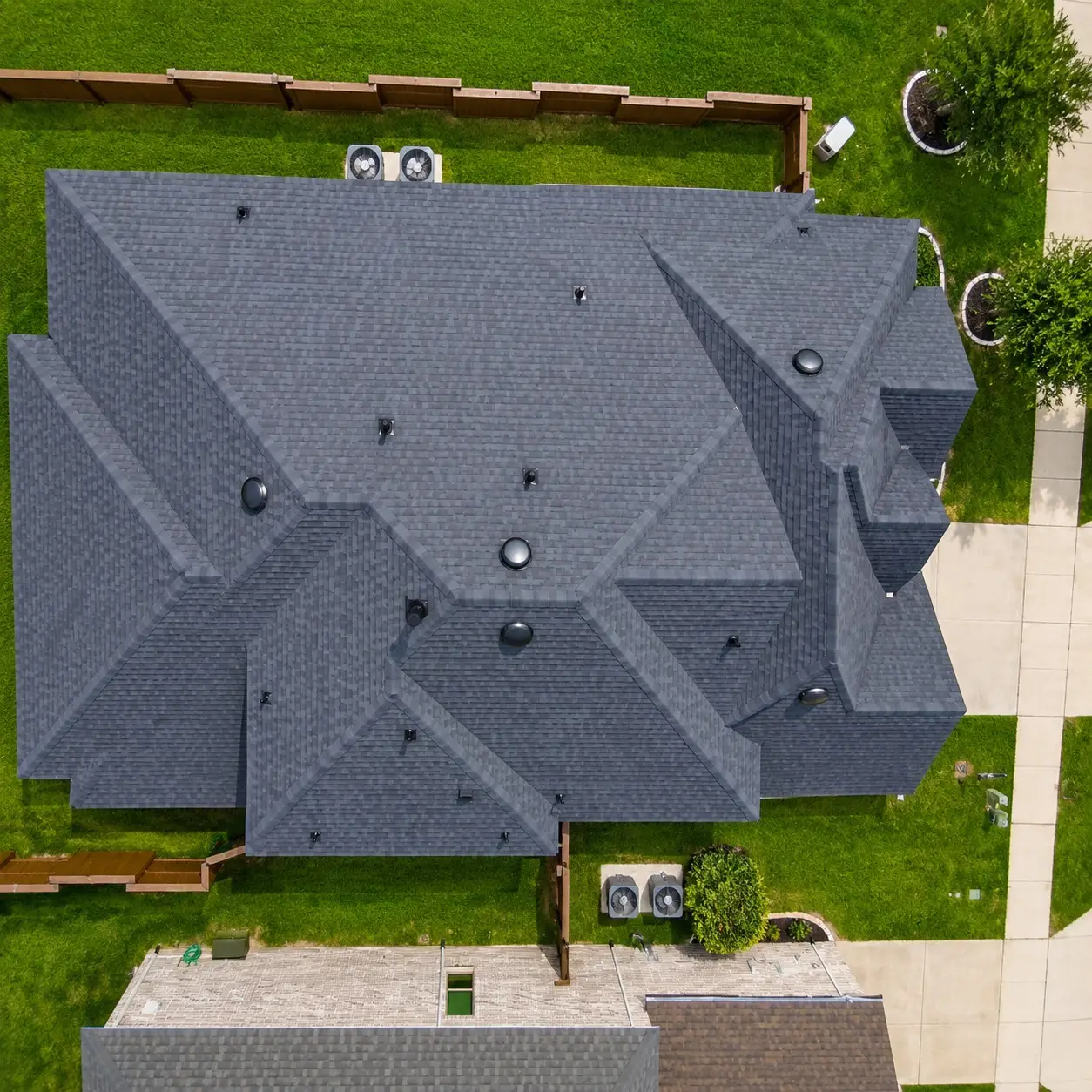
Architectural Shingles on a Large Hip Roof
See all of our roofing projects
Frequently asked questions
Does hail damage always mean a new roof?
Are impact-resistant shingles worth it in Tulsa?
Often. Class 4 shingles resist hail better, and some Oklahoma insurers offer premium credits. Ask your agent what credit applies before choosing.
How much does hail damage repair cost in Tulsa?
Spot repairs may run $300 to $1,500. A typical full shingle replacement in the area runs about $9,000 to $20,000 before insurance, and what you pay depends on your policy and deductible.
Can hail damage be there even if my roof is not leaking?
Yes. Most hail damage does not leak at first. Bruised shingles lose granules and age faster, so leaks may not appear until months or years later.
How long do I have to file a hail claim?
It depends on your policy, and some carry specific time limits. Check the policy and report damage promptly, since older damage can be harder to tie to a specific storm.
Will filing a hail claim raise my premium?
It can depend on your carrier and claim history, as weather claims are often treated differently. Ask your agent before filing if you are concerned.