

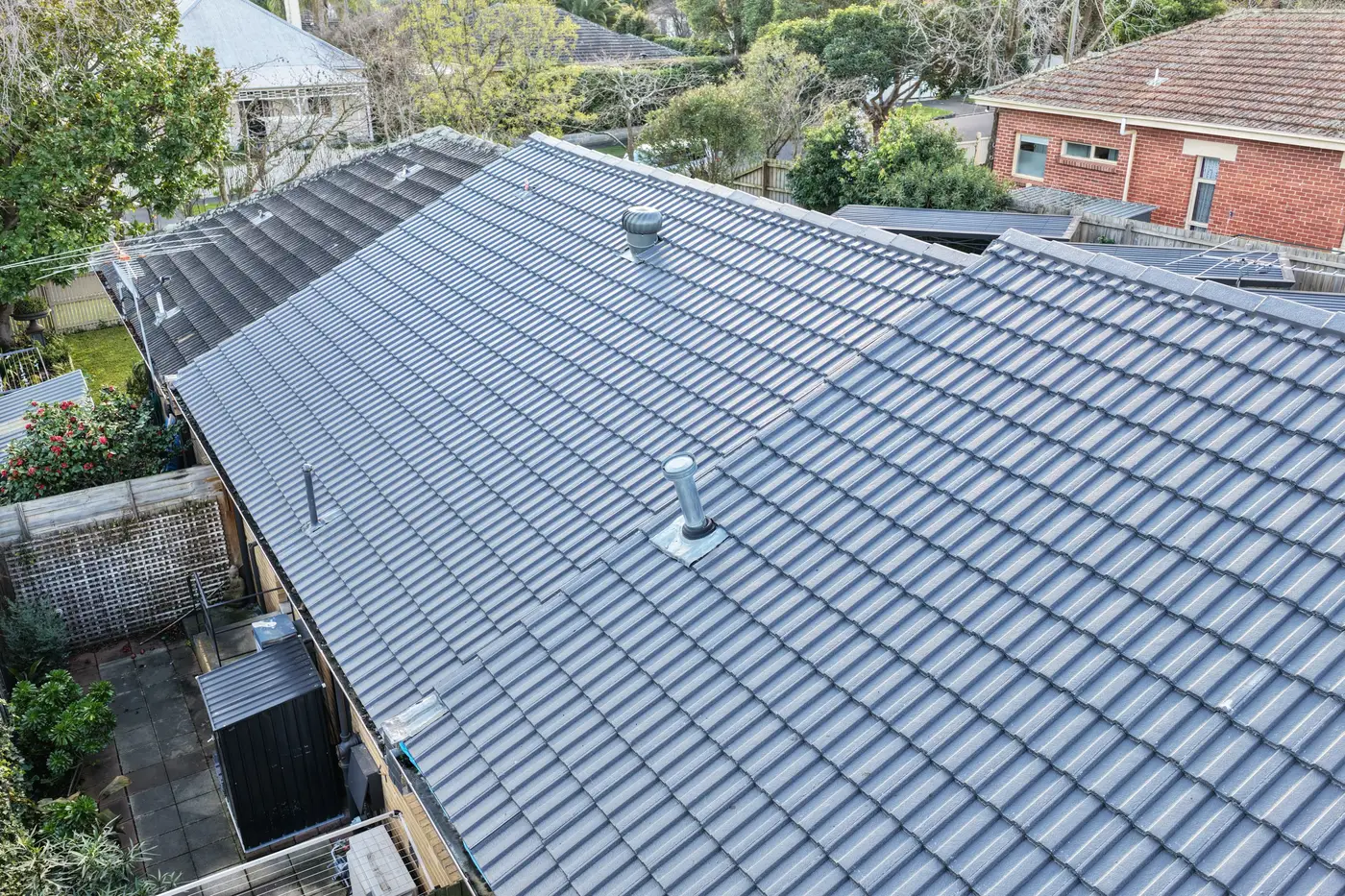
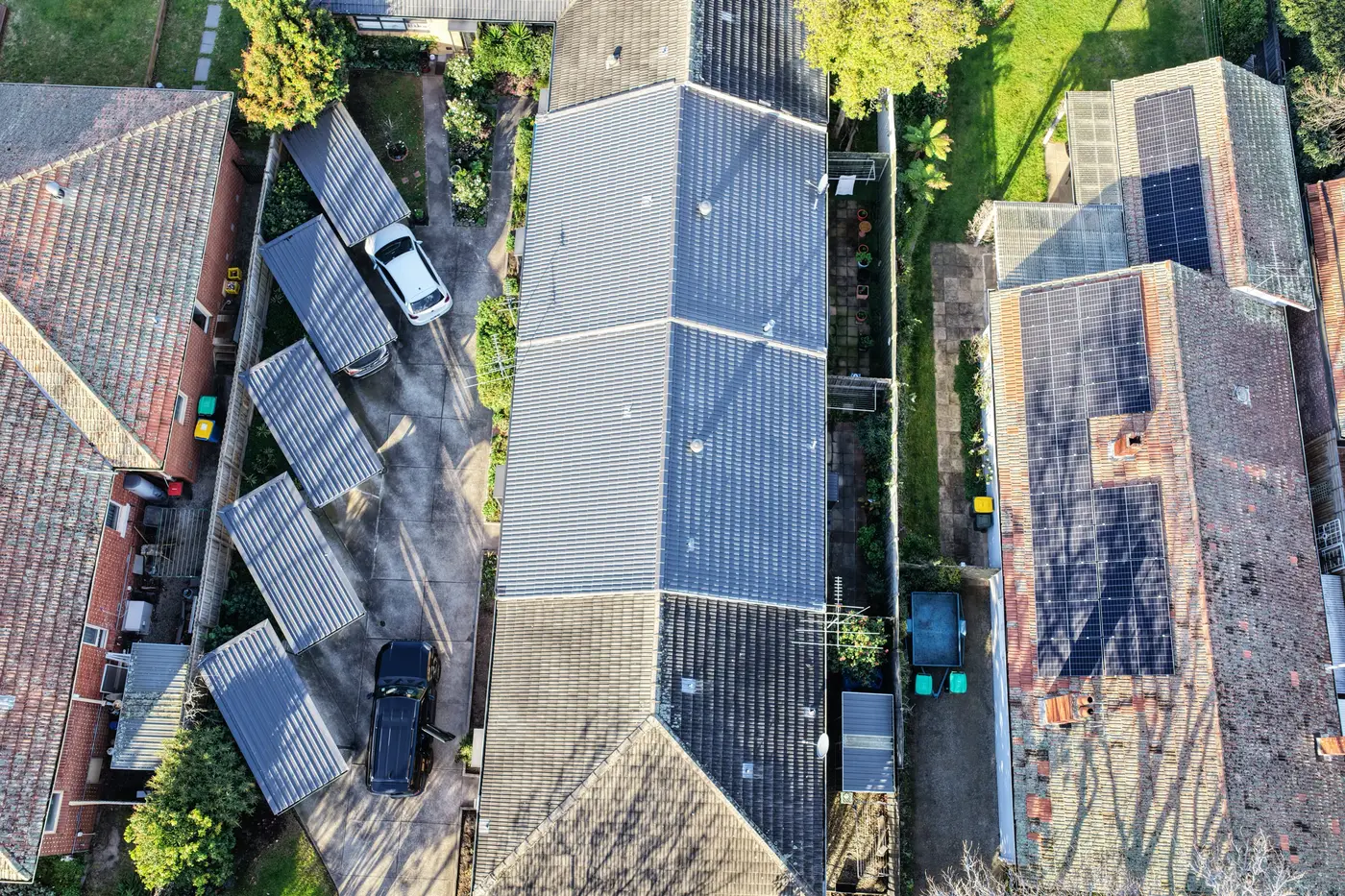
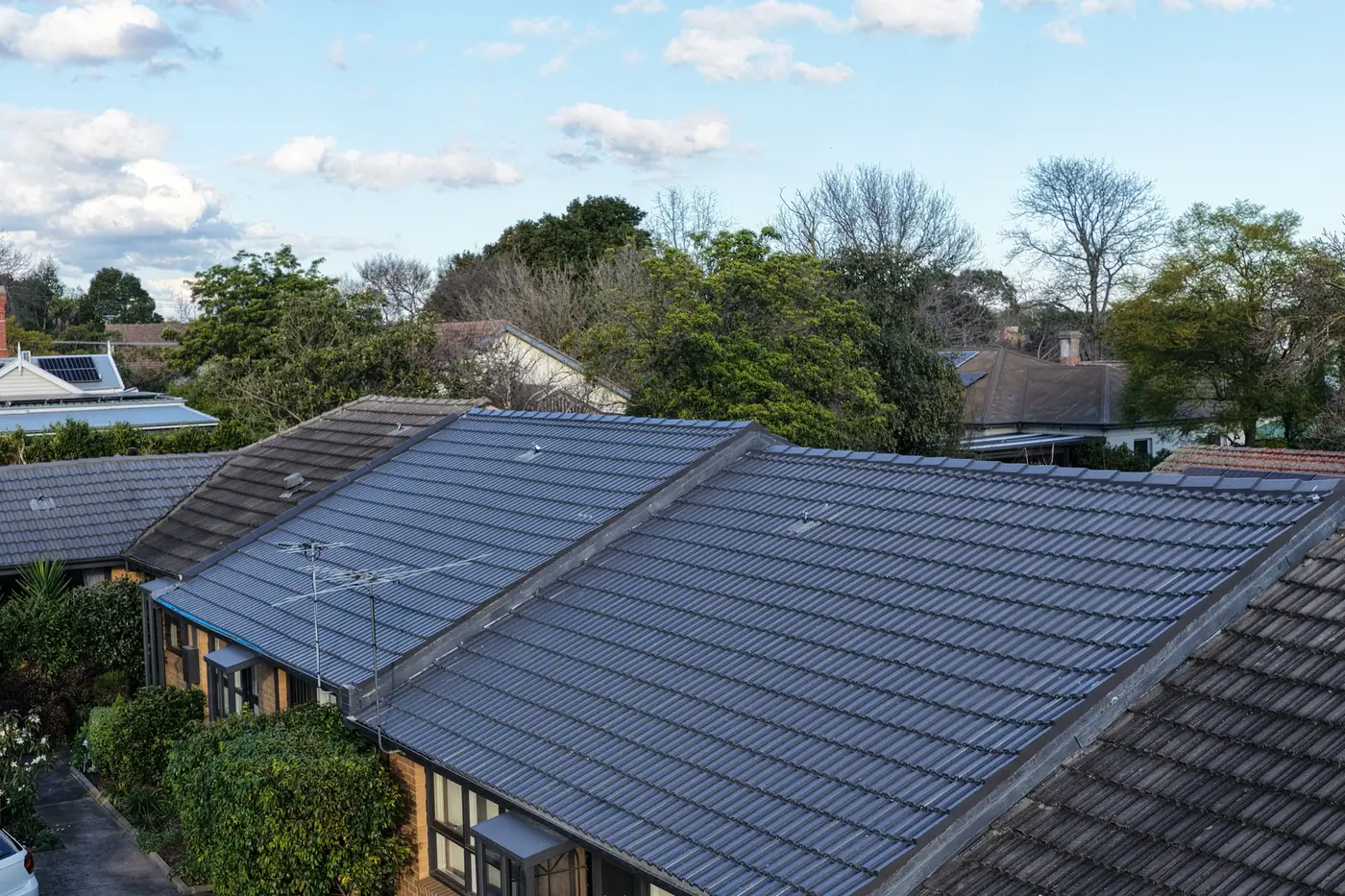
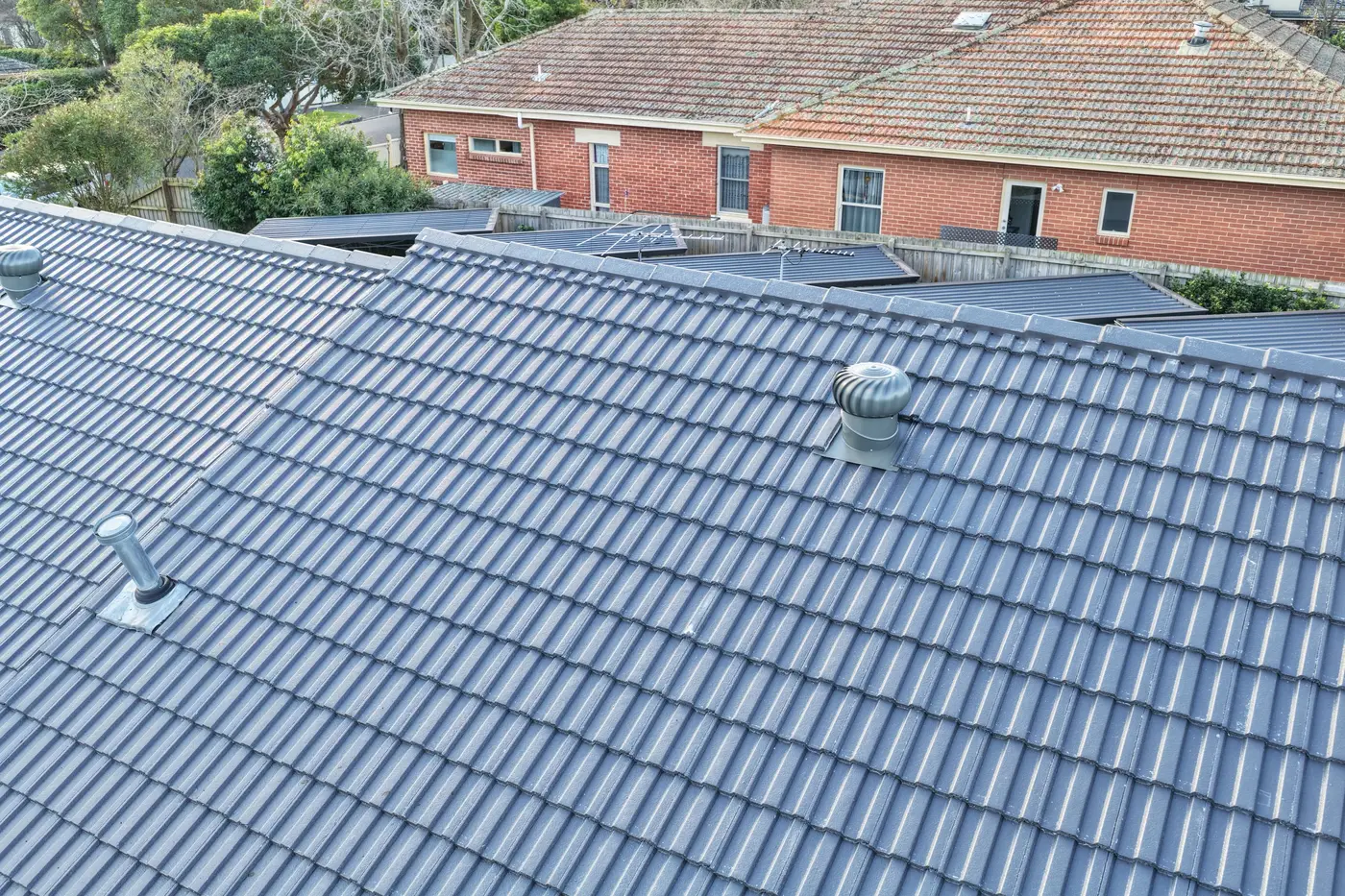
Concrete is typically heavier, more absorbent and less colorfast. Clay usually costs more but holds its color better.

Asphalt Shingle Roofing
Metal Roofing
Standing Seam Metal Roof
Metal Roof Retrofit
Clay Tile Roofing
Concrete Tile Roofing
Slate Roof Repair
Wood Shake Roofing
All Services
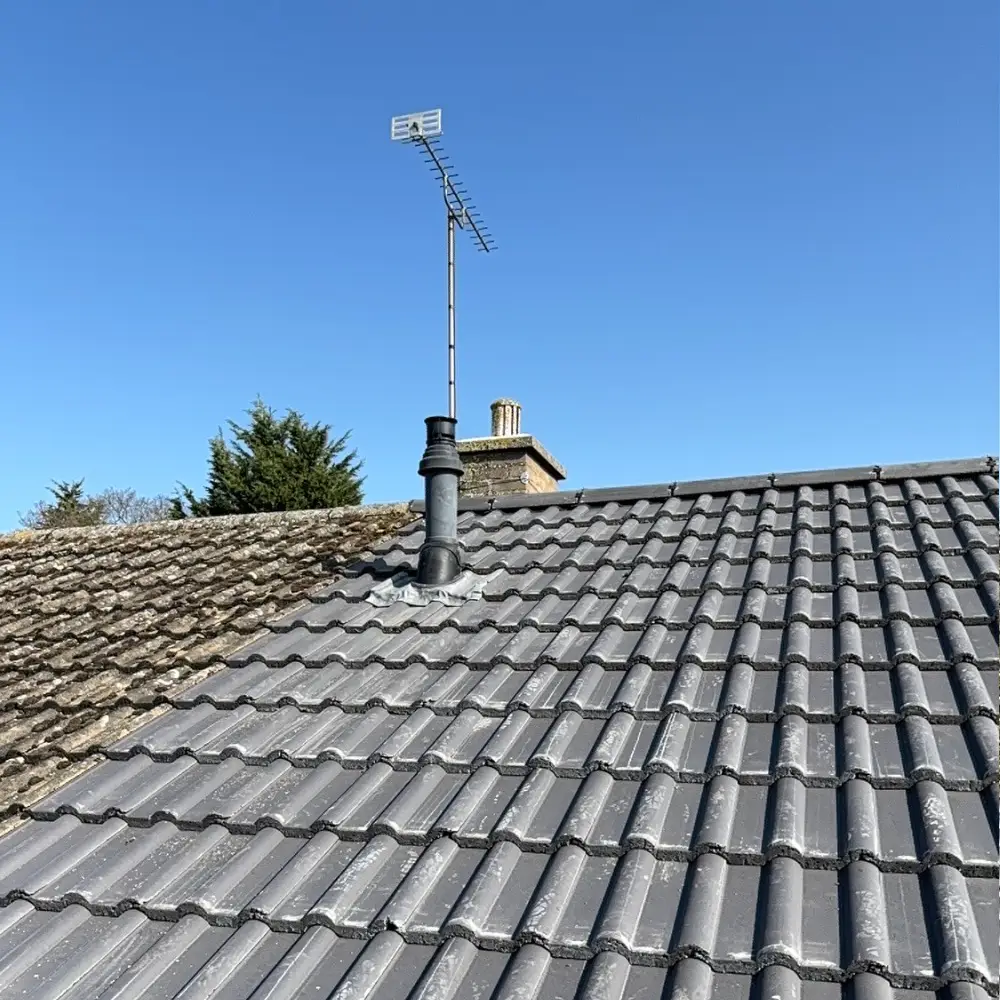
Concrete tile gives a substantial, shadow-rich look similar to clay at a lower material cost. It's heavy and durable, though it can absorb moisture and lose surface color over time.
Most concrete tile problems we see come from aged underlayment, cracked pieces and poorly detailed valleys or penetrations. Repairs focus on those weak points, and repainting or sealing can freshen a faded roof if it's otherwise sound.
Common signs we check for:
- Faded or chalky tile surface
- Cracks from impacts or foot traffic
- Moss or algae staining
- Underlayment near end of life
- Leaks at valleys or vents
- Considering solar mounts
How the work gets done
Assess the Roof
Tile condition, fastening and exposed underlayment are reviewed.
Plan Repairs
Spot repair and lift-and-relay options are priced.
Replace Layers
Underlayment and flashings are renewed where required.
Finish the Surface
Tiles are reinstalled, and optional coatings are discussed.
Typical Cost
Repairs usually start around $400. Lift-and-relay work often costs $10 to $18 per square foot, and new concrete tile $12 to $24.
These are planning ranges for the Tulsa area, not a quote. Your written estimate is based on the actual roof.
Request an EstimateConcrete Tile Roofing prices
Planning ranges for the Tulsa area, updated November 2026. They include typical labor and materials, but they are not a quote. Your written estimate is based on an inspection of the actual job. See every category on our price list.
Concrete tile vs clay tile
Concrete tile offers a similar look to clay at a lower price, and it comes in shapes that can mimic barrel tile, flat slate or shake. The differences affect both your budget and maintenance plans.
- Cost: concrete is usually less expensive to buy and install.
- Weight: both are heavy, and concrete can weigh even more than some clay products.
- Color: clay color is often fired in, while concrete color can fade as the surface wears.
- Water absorption: concrete absorbs more water, which can encourage stains and moss on shaded slopes.
- Lifespan: both outlast shingles by a wide margin, with concrete commonly lasting 40 to 50 years or more.
If you do not know which you have, look at a broken edge. Concrete looks gray and gritty inside, while clay is usually an even terracotta. See clay tile roofing for more about that material.
Repairs on a concrete tile roof
Concrete tiles are durable, but they do crack under impact or heavy foot traffic. Replacing them requires care, since tiles interlock and each one affects the neighbors. Common repairs include:
- Replacing cracked or slipped tiles, sometimes after a satellite dish or solar install.
- Repairing ridge and hip mortar, which cracks with age and lets water in.
- Rebuilding valleys clogged with debris, where water backs up under the tile.
- Replacing worn flashing and pipe vents. A vent leak often needs tiles lifted around it.
- Clearing moss, leaves and debris from low-slope sections and valleys.
- Re-doing tile around solar arrays, where mounts can cause cracks and leaks.
When the problem is a leak, read roof leak repair, as tile leaks are often hidden under the surface. On tile roofs, simply caulking from the top is not a proper fix.
Why old tile roofs need new underlayment
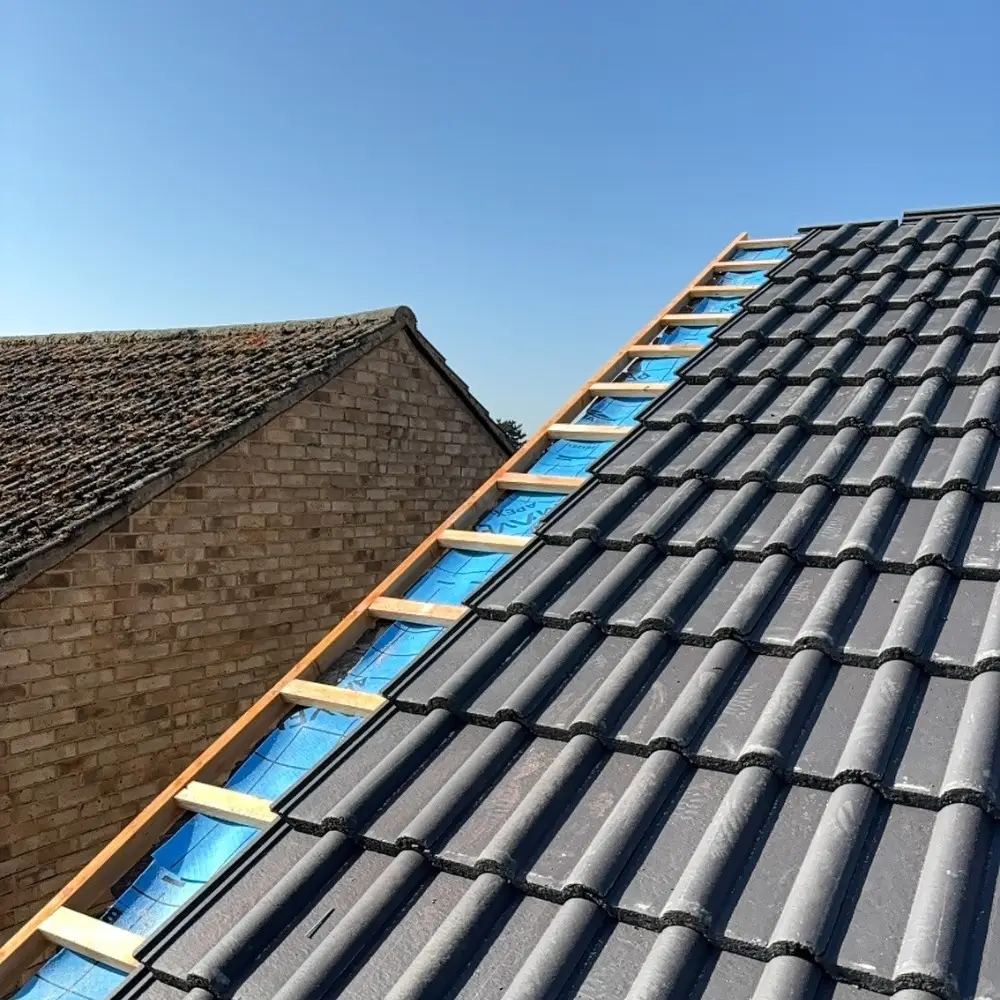
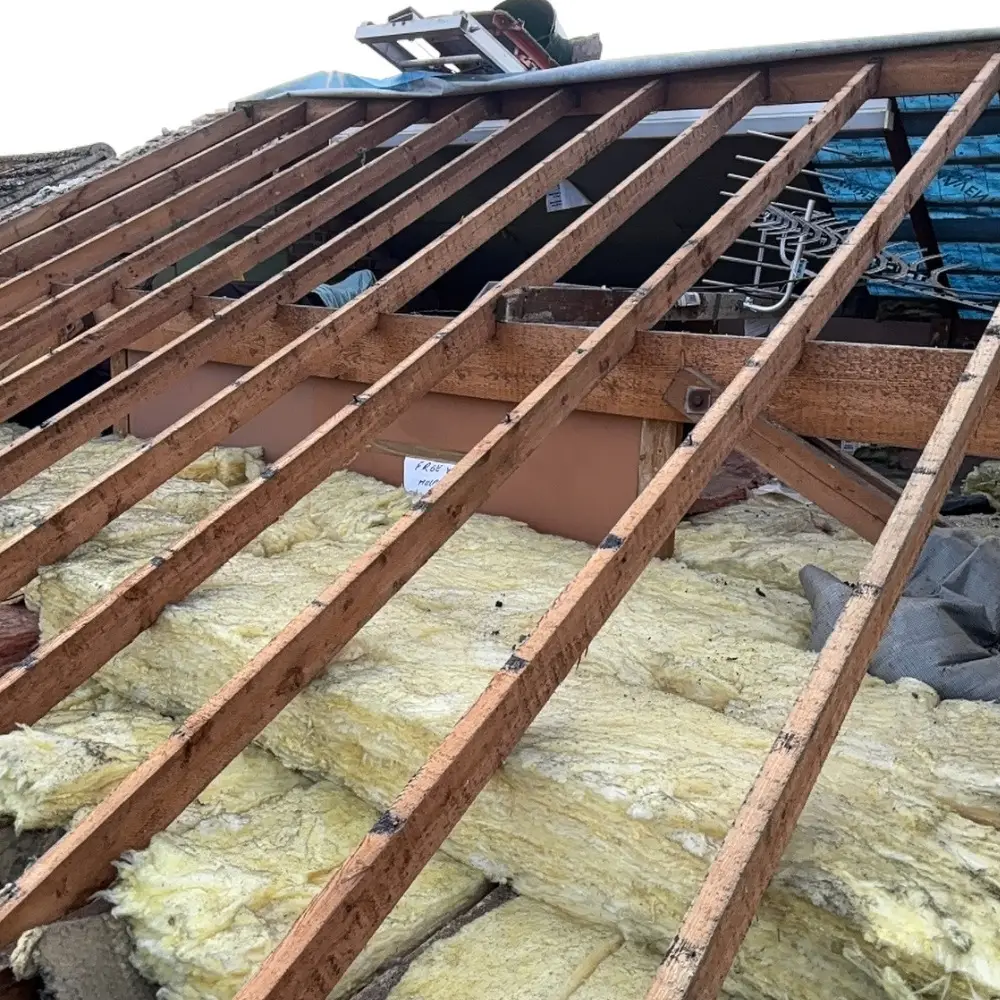
Concrete tile can look fine long after the waterproof layer under it has worn out. Felt underlayment becomes brittle with heat and age, and it may tear when tiles are moved. The signs are usually water stains on ceilings, dry and cracked underlayment visible at the eaves, or repeated leaks in various spots. A lift-and-relay removes the tile, replaces underlayment, battens and flashing, then reinstalls the original tile along with any needed replacements. Lifting the tile also lets us check decking. The result is a watertight system for far less than a new tile roof.
Cleaning, coating and restoration
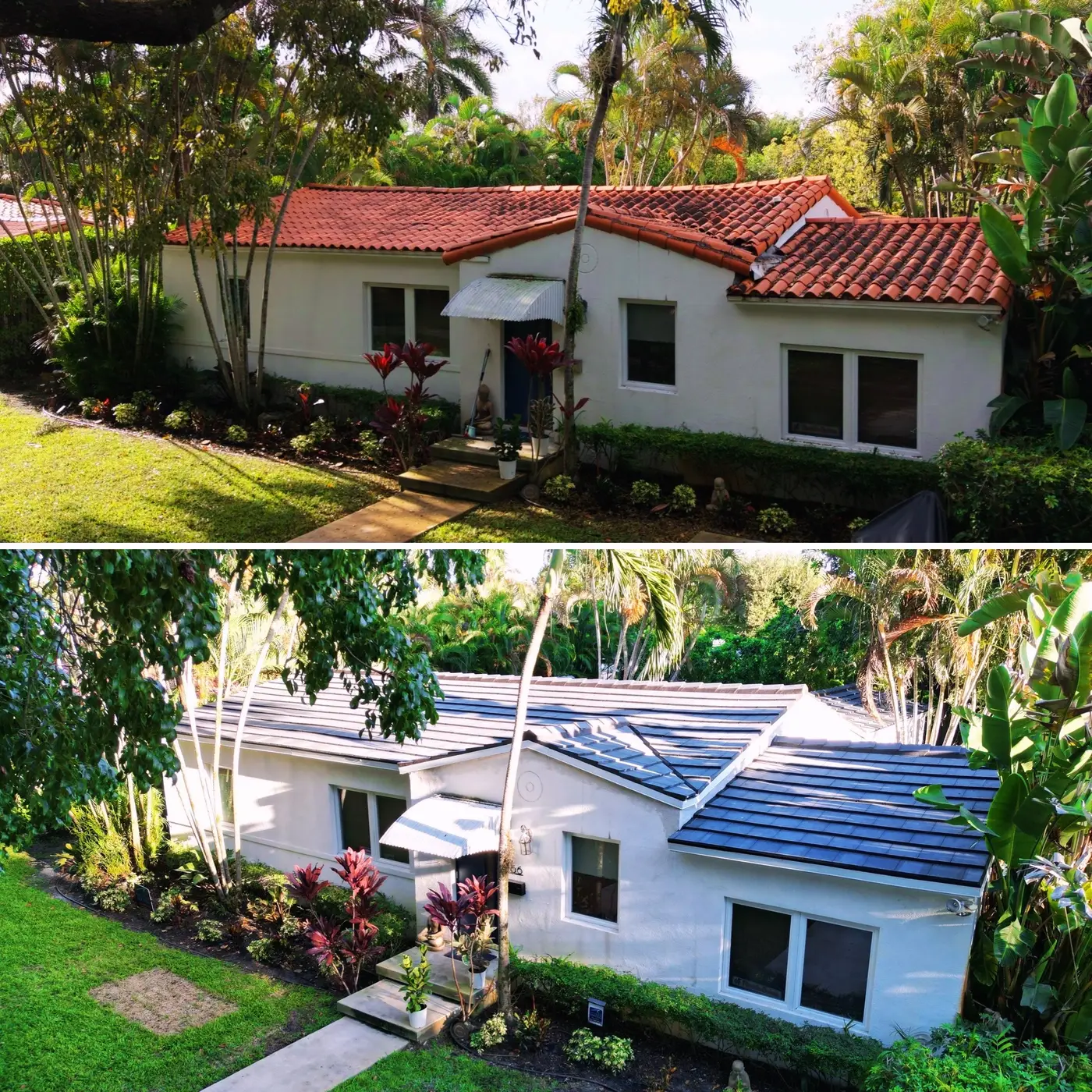
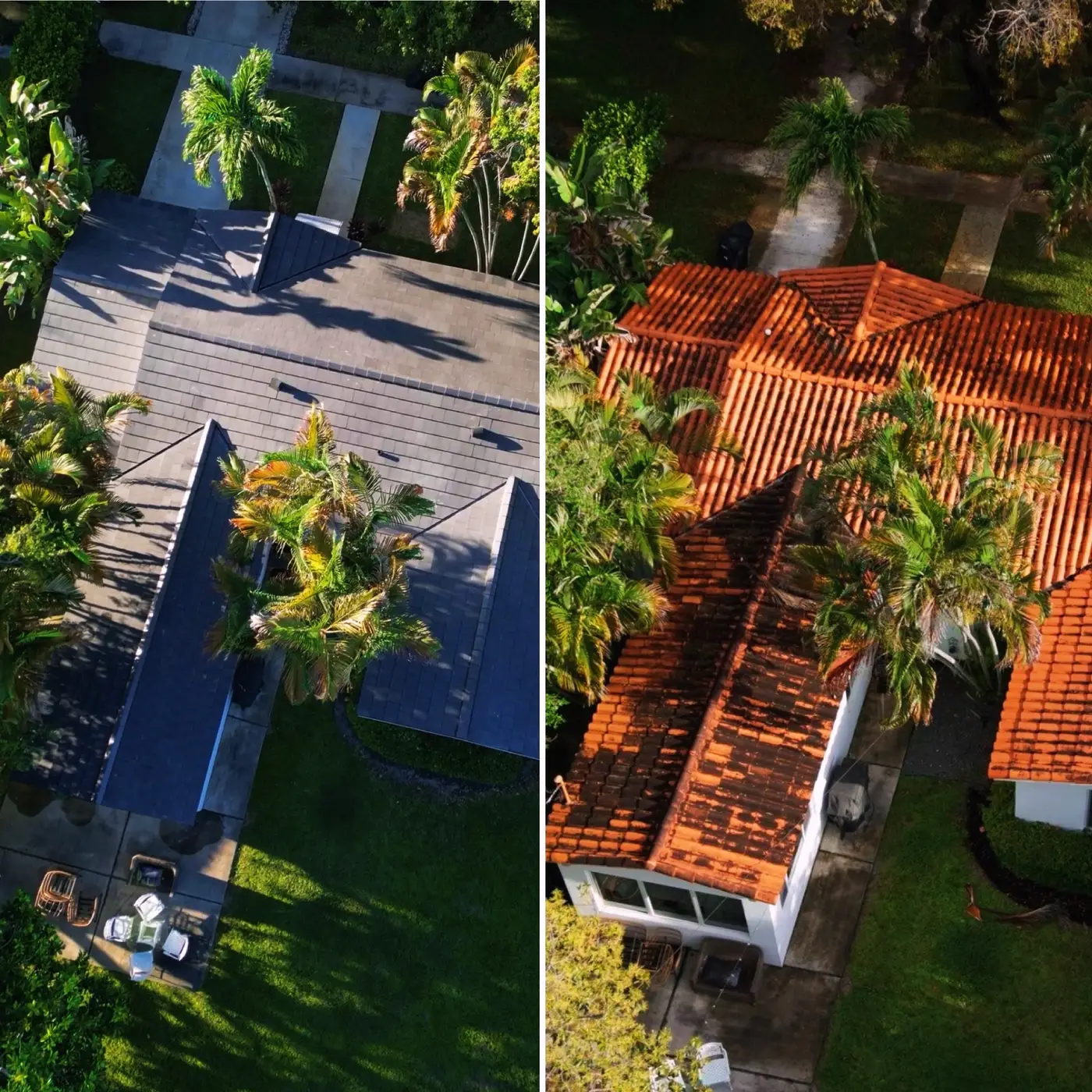
Concrete tile gets dull over time as the surface weathers. Cleaning removes algae, moss and grime, and a sealer or coating can restore color and slow water absorption. We recommend low-pressure methods, because high pressure can damage the surface and force water under the tile. Coating does not fix a failed underlayment, so we check that first. Some owners use a color change to refresh the look of the home, as in our red-to-charcoal project. Coatings need a suitable surface and a good product. Our roof coating page covers those options, but keep in mind coated tile may need recoating later.
Weight, wind and hail in Tulsa
Weight can be a concern when changing materials. If your home was not built for tile, the framing may need a structural review before any switch. Tile's weight helps it resist wind, and modern fastening or clips add to its strength, while older roofs may rely on only a few nails. Hail can crack tile, especially large stones hitting already-worn pieces. An inspection after a major storm can find cracks not visible from the ground. Our hail damage page explains how those findings can support a claim. For a replacement comparison across materials, see roof replacement.
Related services
Concrete tile sits between asphalt shingles and clay tile on price and weight. If yours has reached the end of its life, see roof replacement for how we compare materials. Cracked or hail-hit tile is covered on our hail damage page.
Recent concrete tile roofing projects
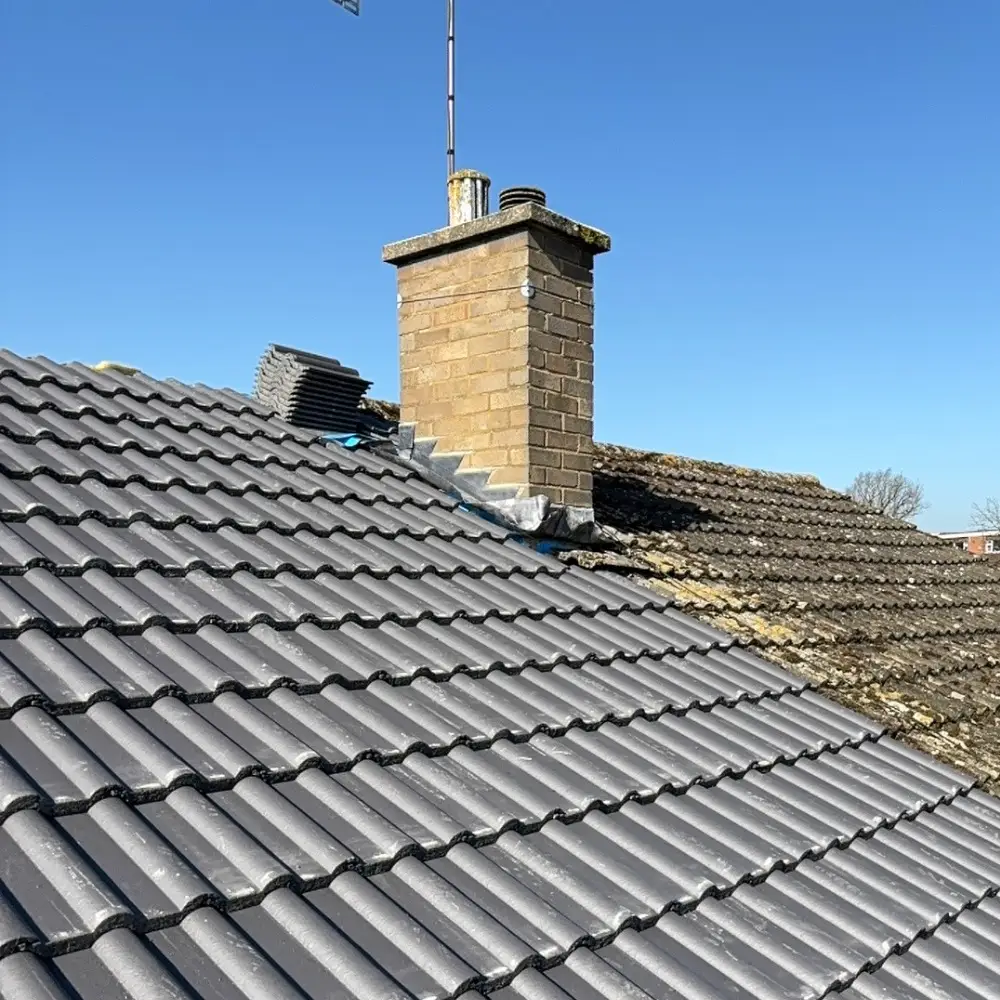
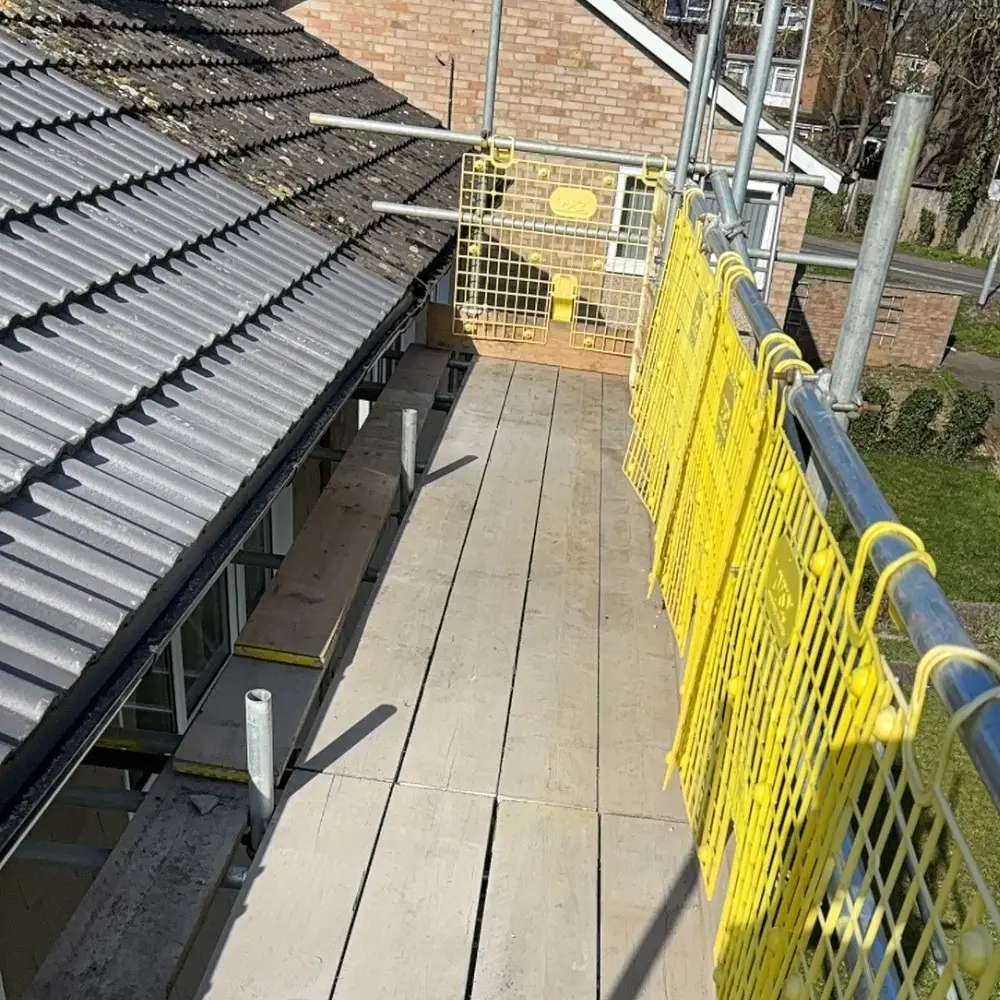
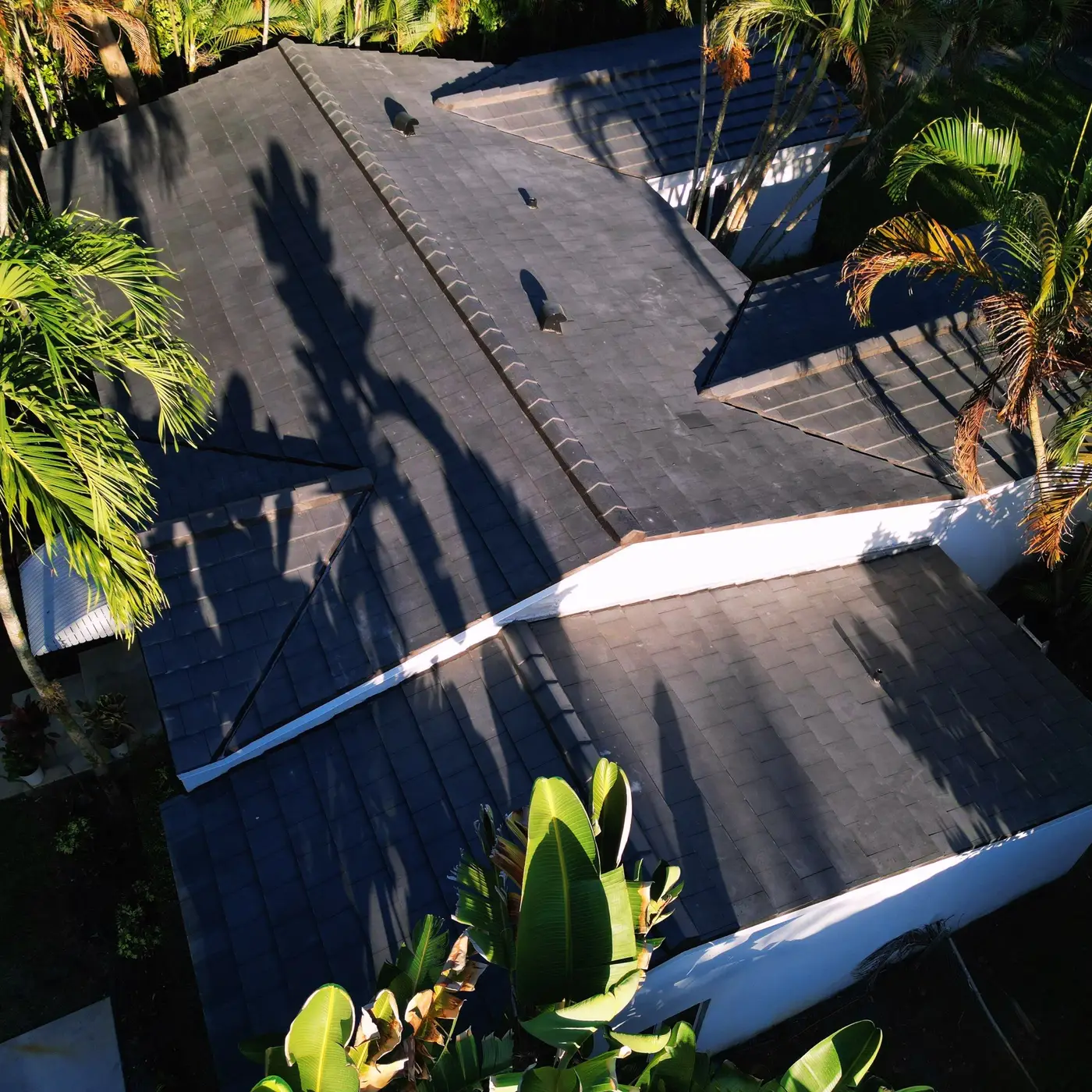
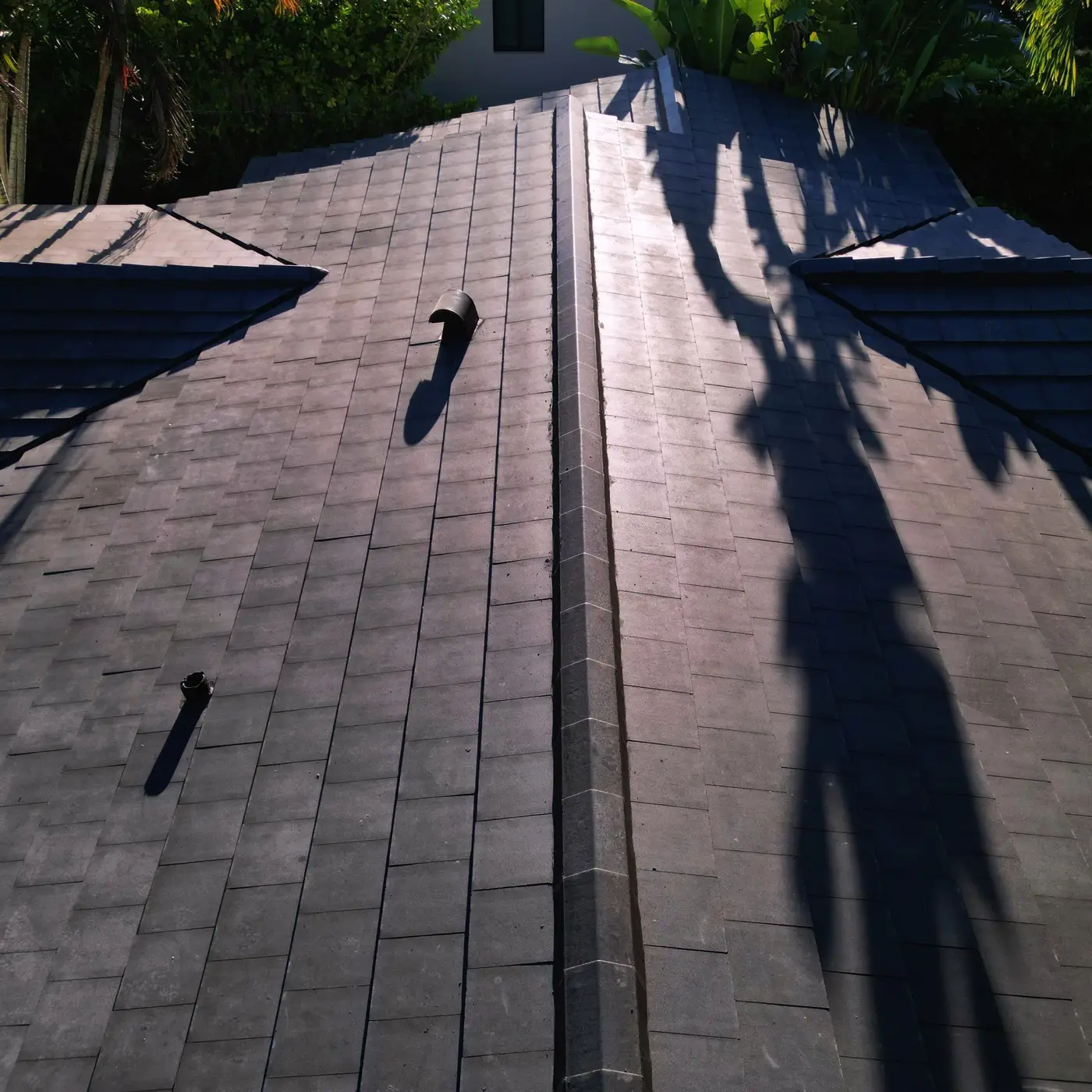
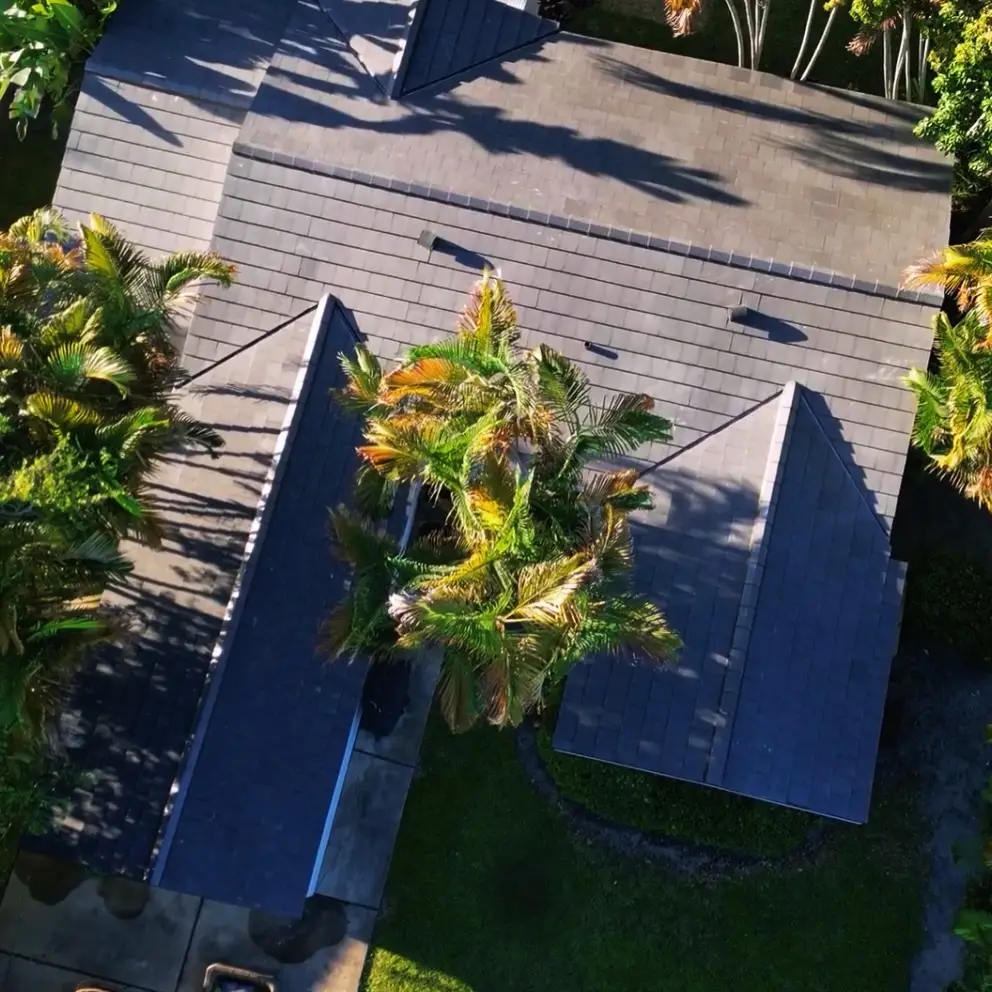
Dark Concrete Tile Re-Roof
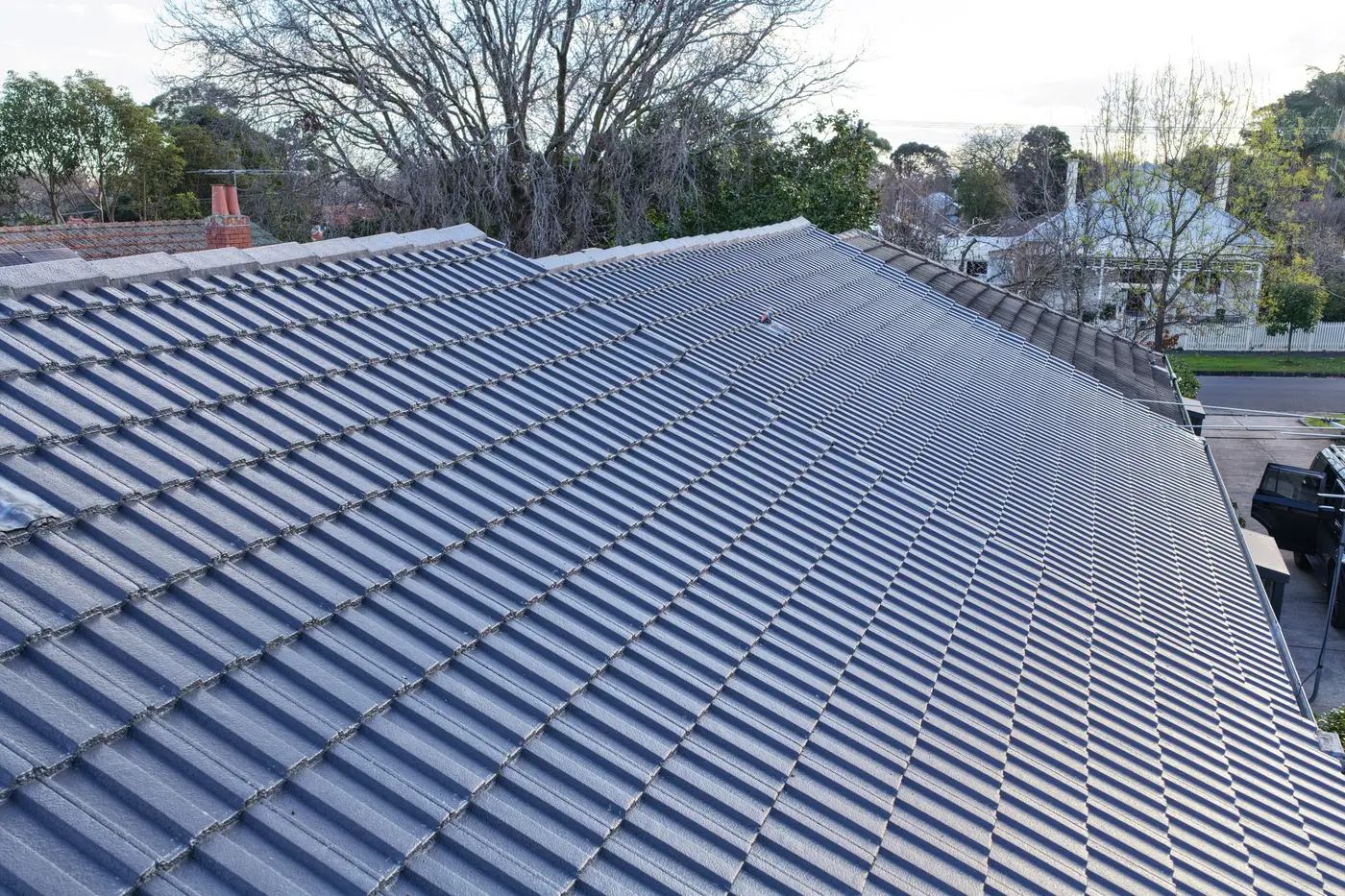
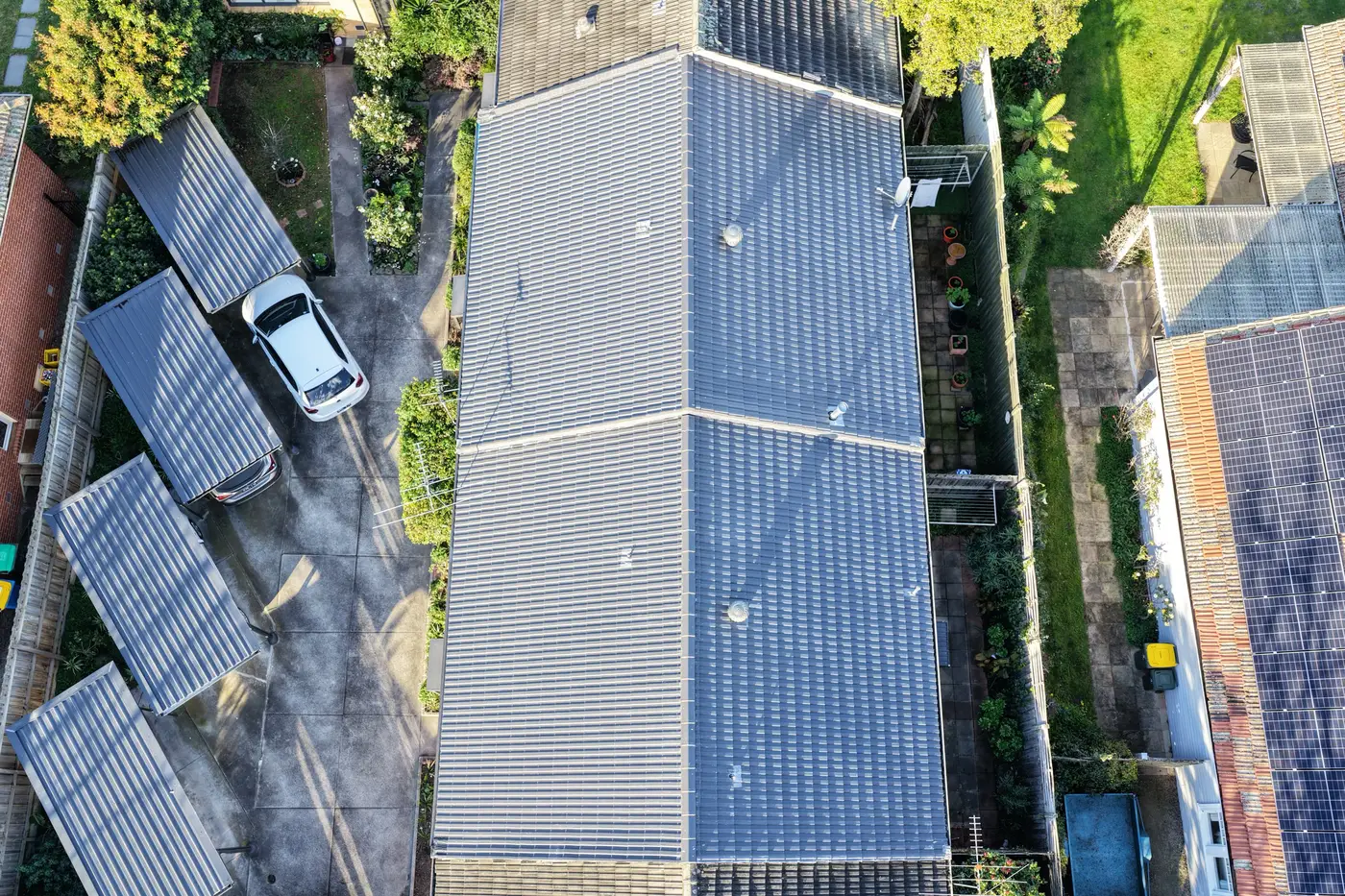
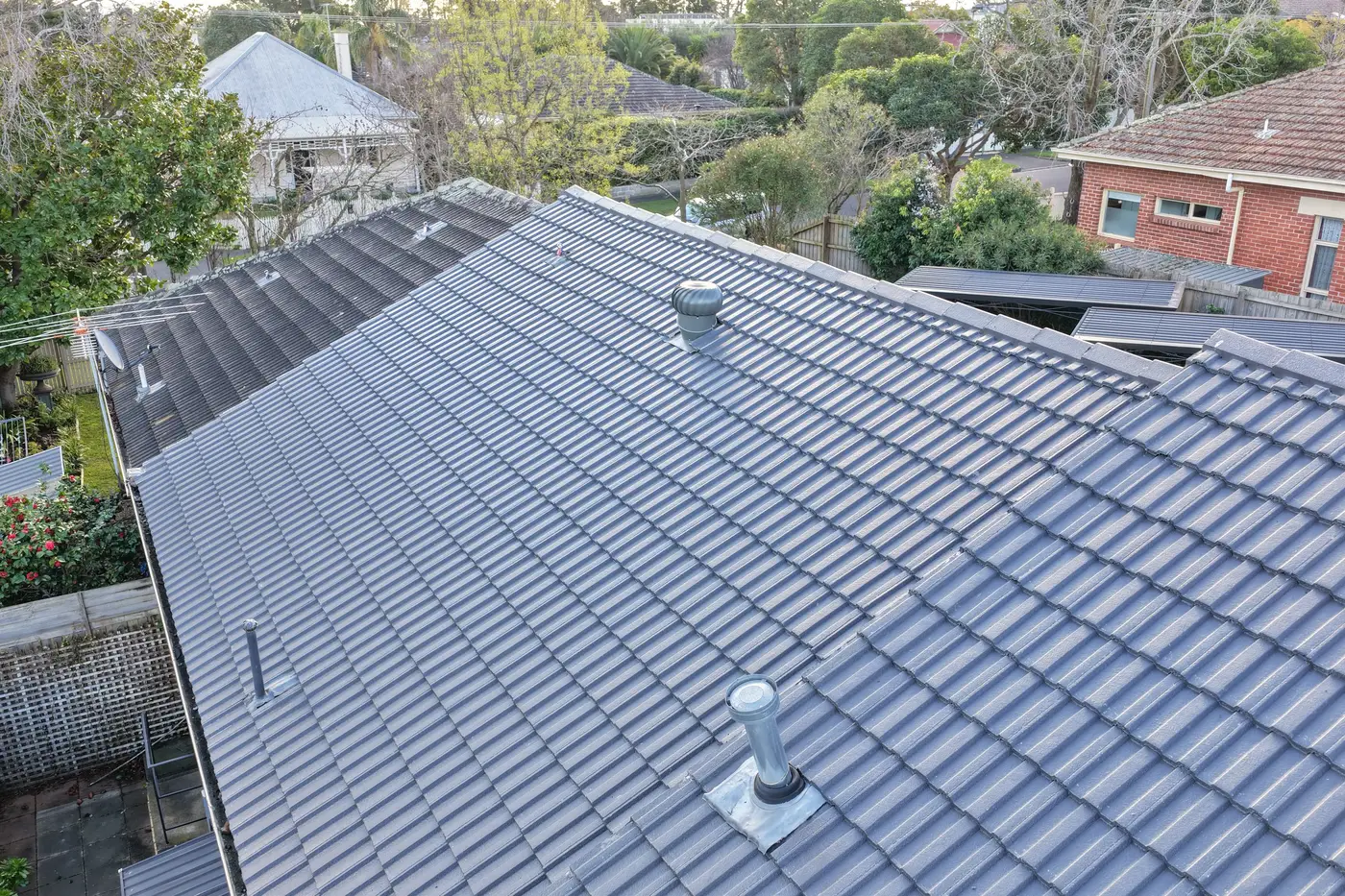
Gray Flat Concrete Tile on a Long Bungalow
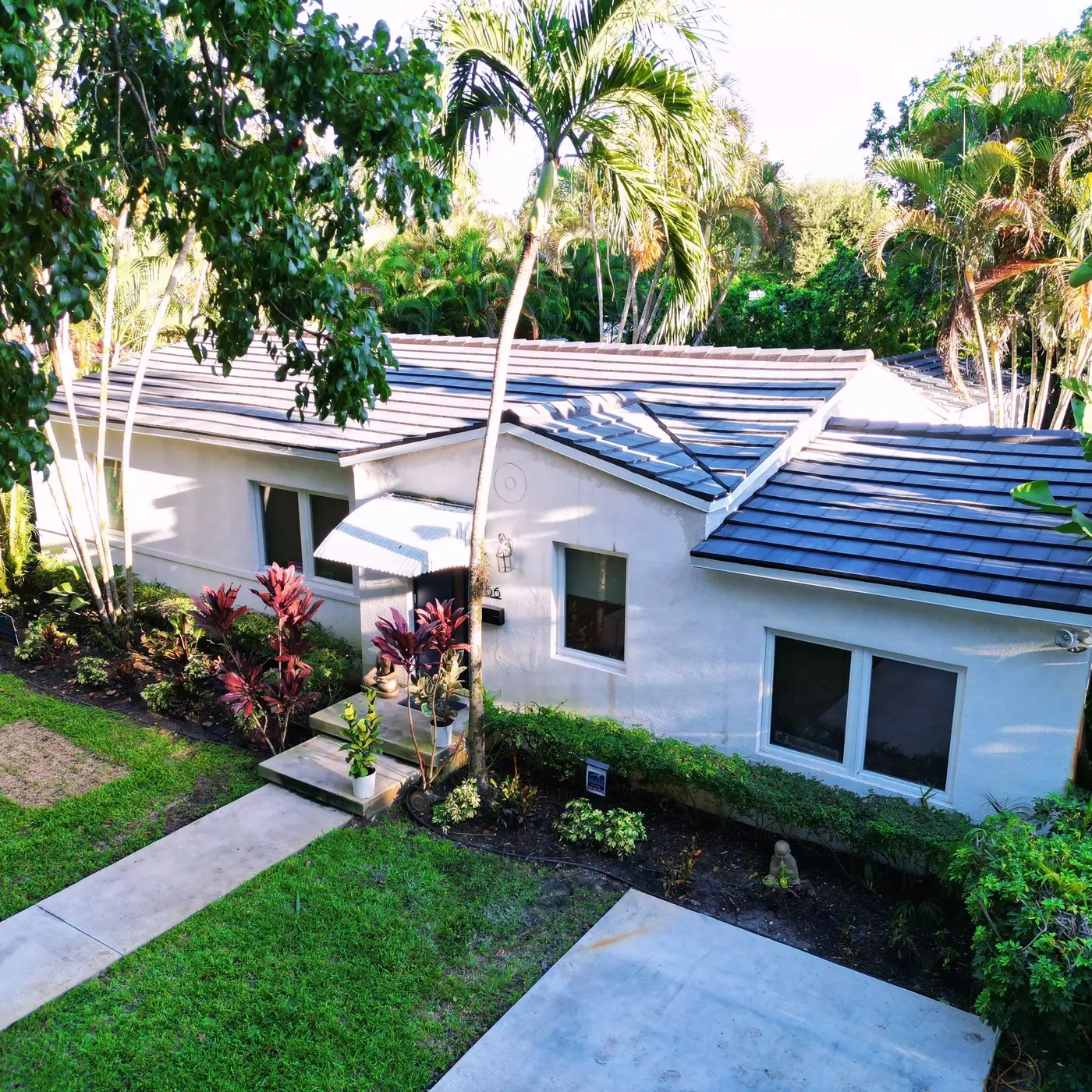
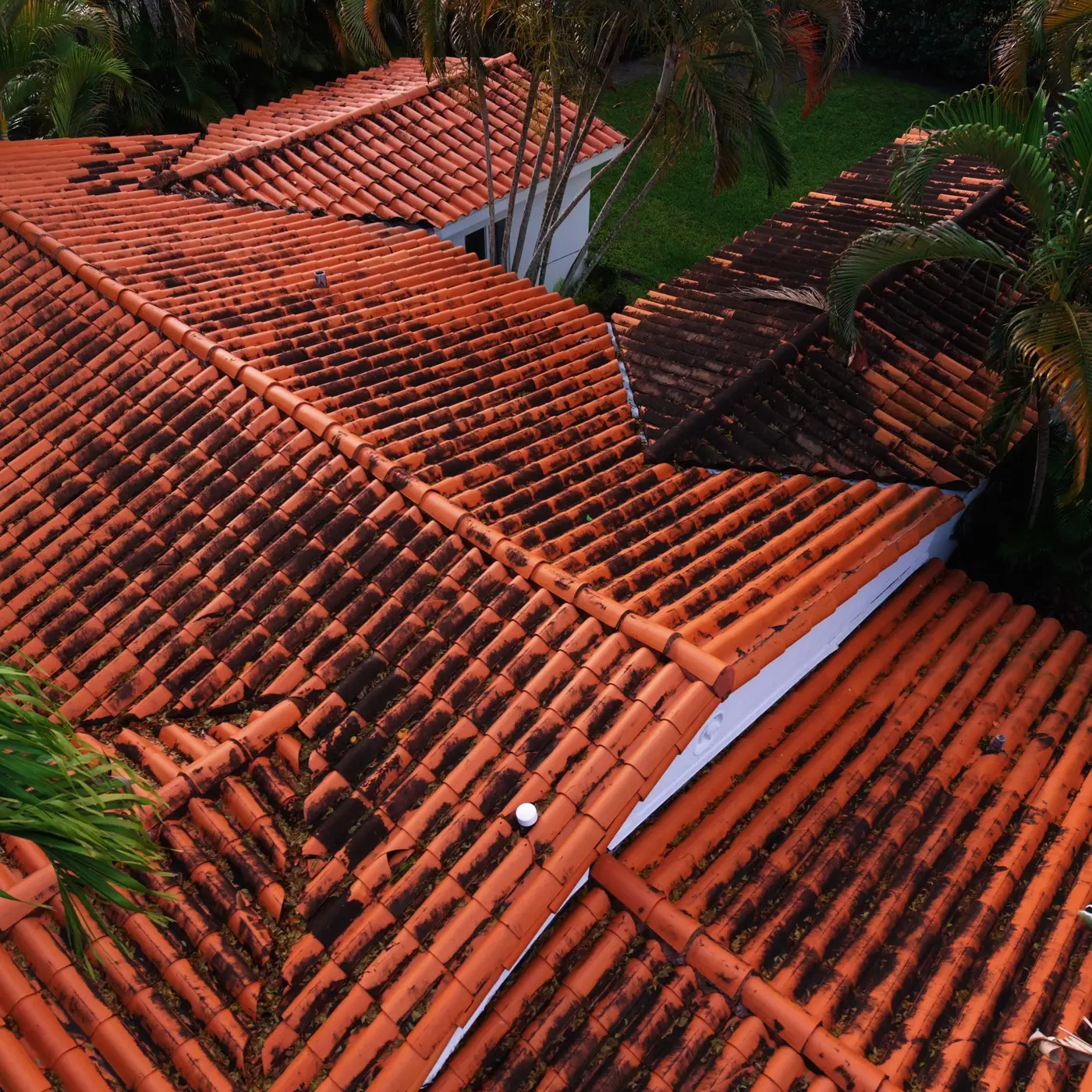
Concrete Tile Restoration, Red to Charcoal
See all of our roofing projects
Frequently asked questions
How is concrete tile different from clay?
How much does concrete tile cost in Tulsa?
Repairs usually start around $400. Lift-and-relay work often costs $10 to $18 per square foot, and new concrete tile commonly costs $12 to $24.
How long does concrete tile last?
Concrete tile commonly lasts 40 to 50 years or more. Underlayment usually needs replacing sooner, often around the 20- to 30-year mark depending on type and exposure.
Can I walk on a concrete tile roof?
It is not a good idea. Tiles can crack under weight when stepped on incorrectly, so we recommend leaving rooftop access to crews trained in walking on tile.
Is painting concrete tile worth it?
It can refresh appearance and may slow water absorption, but it does not fix leaks. It only makes sense when the tile and underlayment are in sound condition.