

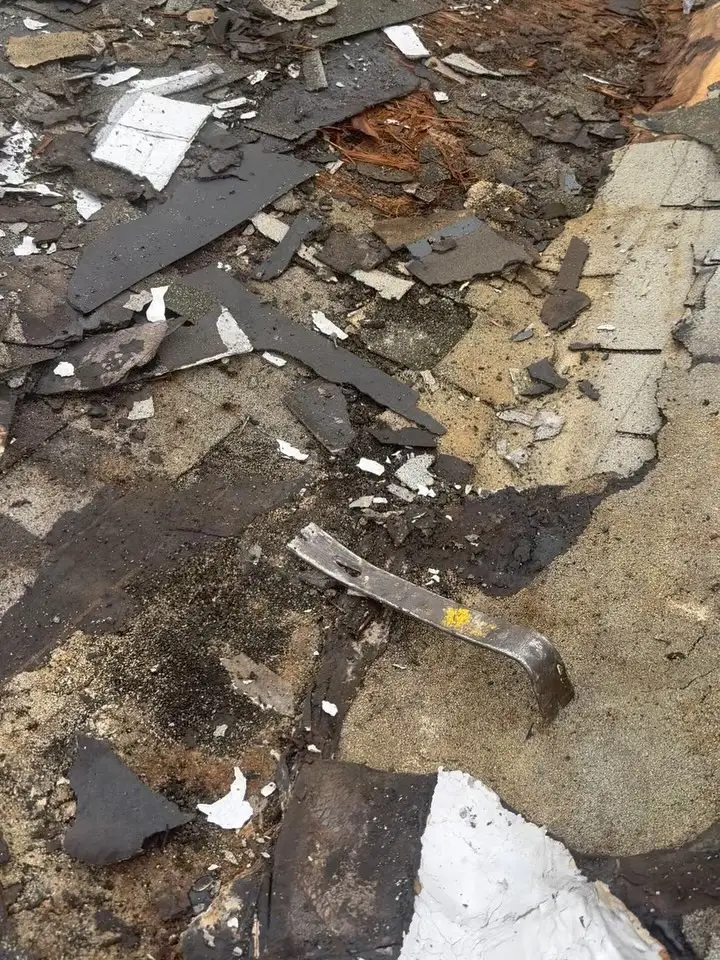
No. Lightning, high wind and slick surfaces make that unsafe. Temporary protection goes on when conditions allow.
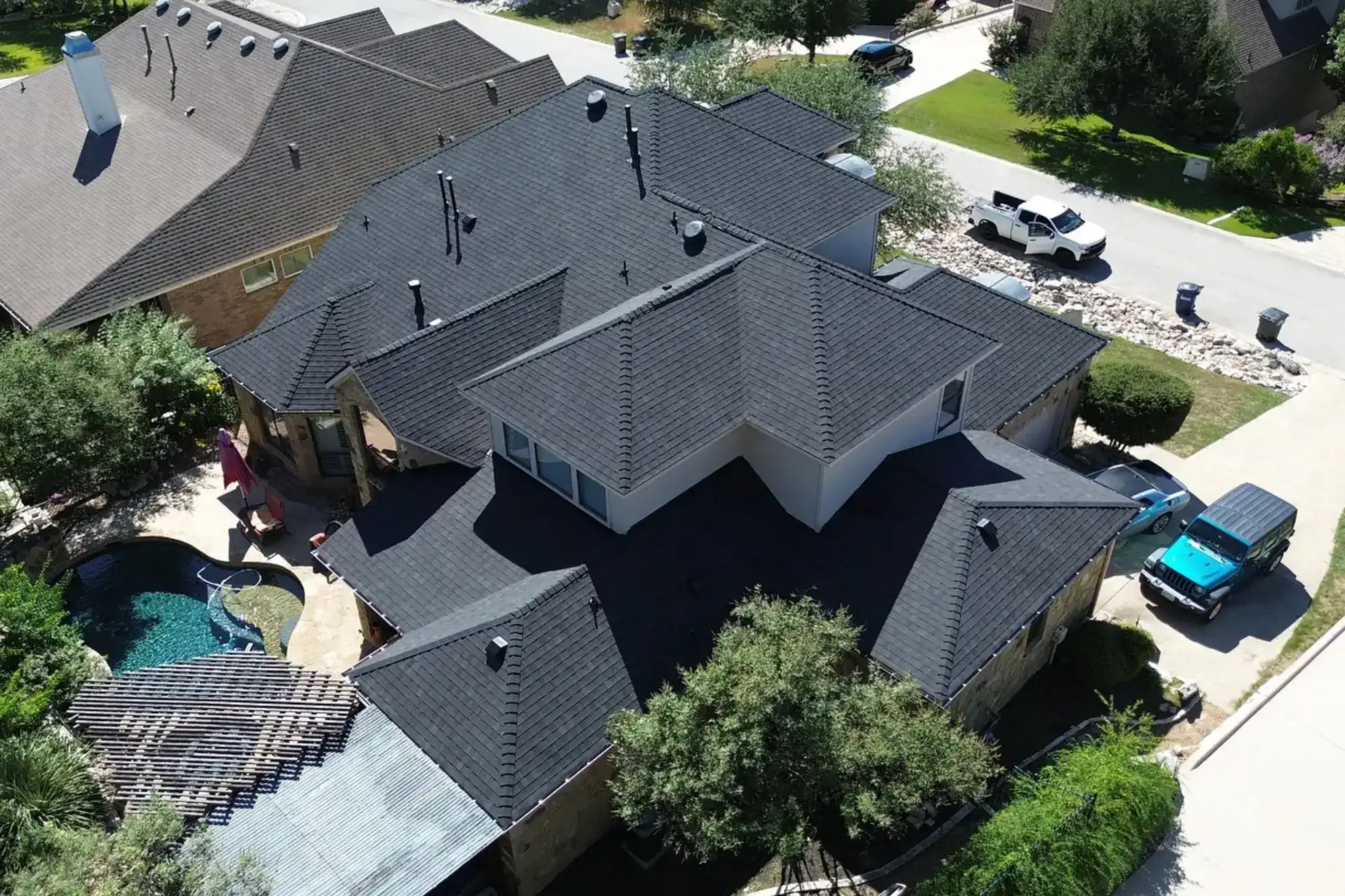

Roof Repair
Roof Leak Repair
Emergency Roof Repair
Flat Roof Repair
Wind Damage Roof Repair
All Services
When a limb comes through the roof or wind opens up a slope, the first job is stopping more water from getting in. Temporary protection buys time to assess the damage properly and plan a lasting repair.
Call and describe what you see. We'll ask about active water, electrical hazards and whether anyone needs to stay out of part of the house, then schedule temporary dry-in as soon as conditions make it safe to be on the roof.
Common signs we check for:
- Tree limb or debris through the roof
- Sections of shingles blown away
- Water entering during a storm
- Sagging ceiling or roof deck
- Exposed decking or underlayment
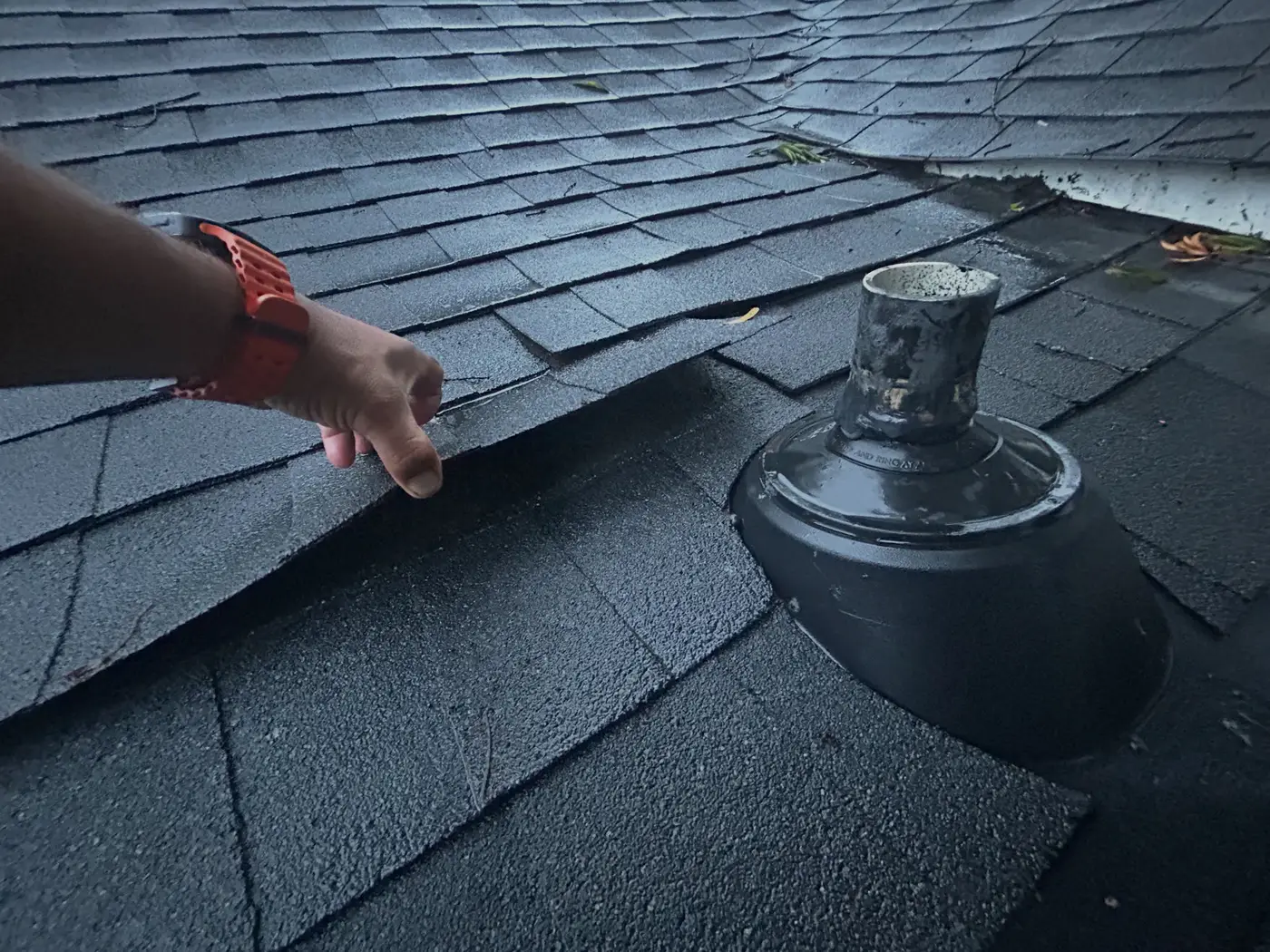
- Damaged chimney or vent opening
How the work gets done
Safety First
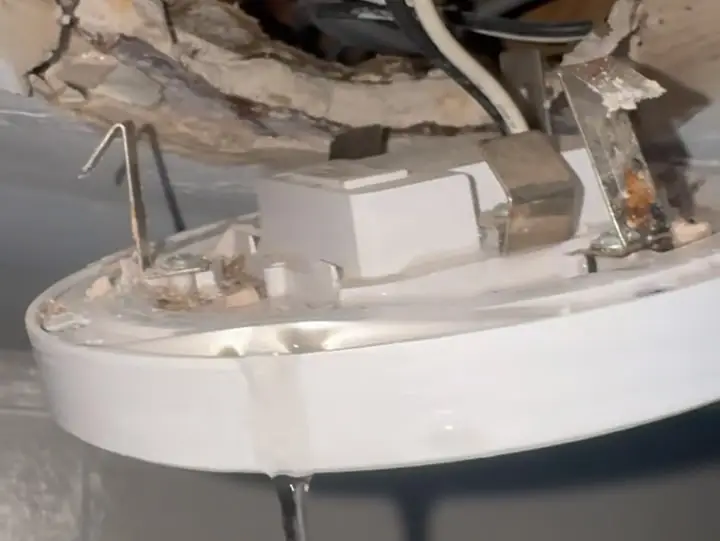
If water is near wiring or a ceiling is sagging, leave the room and shut off power to that area.
Temporary Dry-In
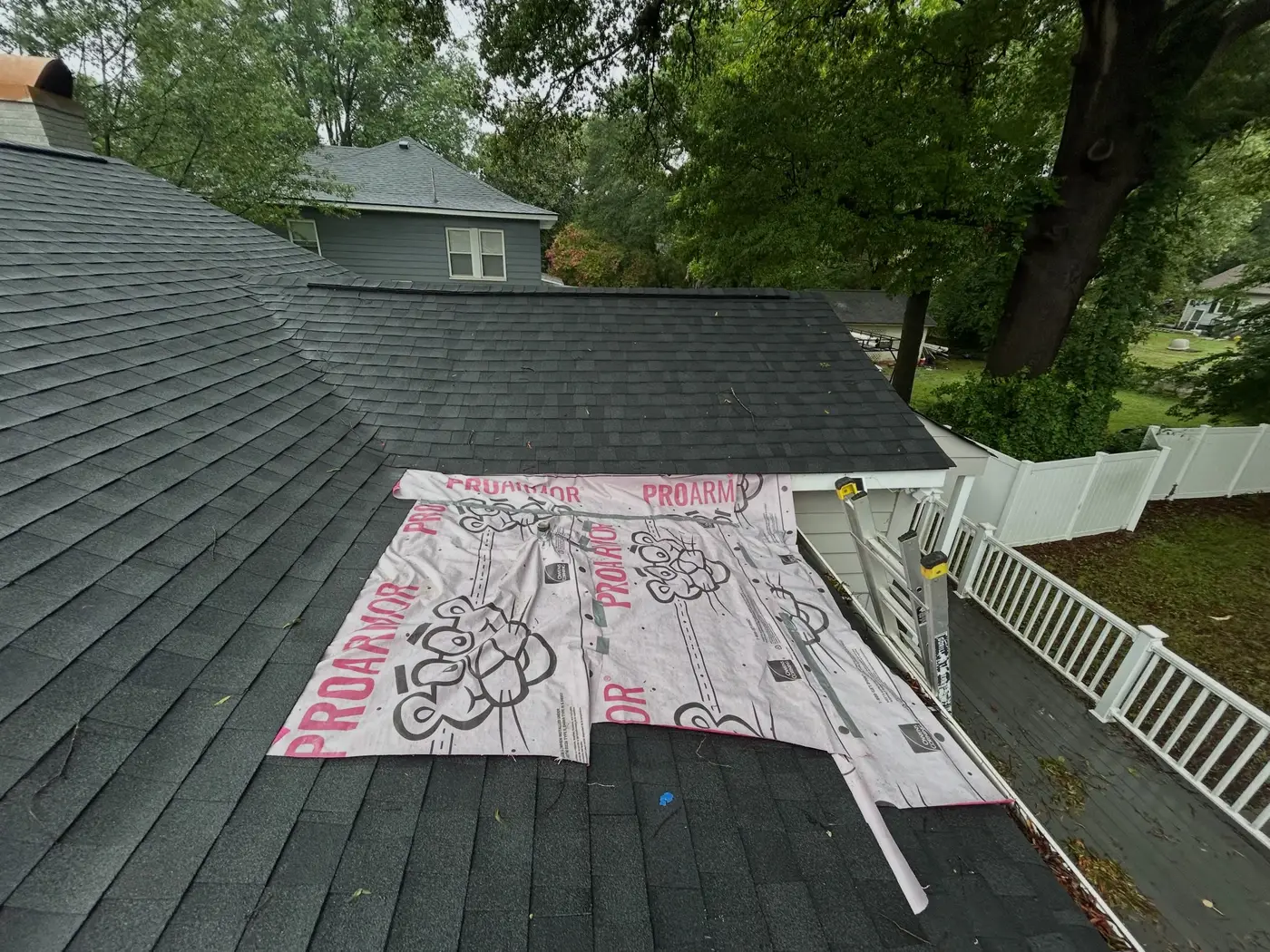
Tarps or temporary underlayment cover the opening once it is safe.
Damage Photos
We photograph conditions before and after for your insurance file.
Permanent Plan
You receive a written scope for the lasting repair.
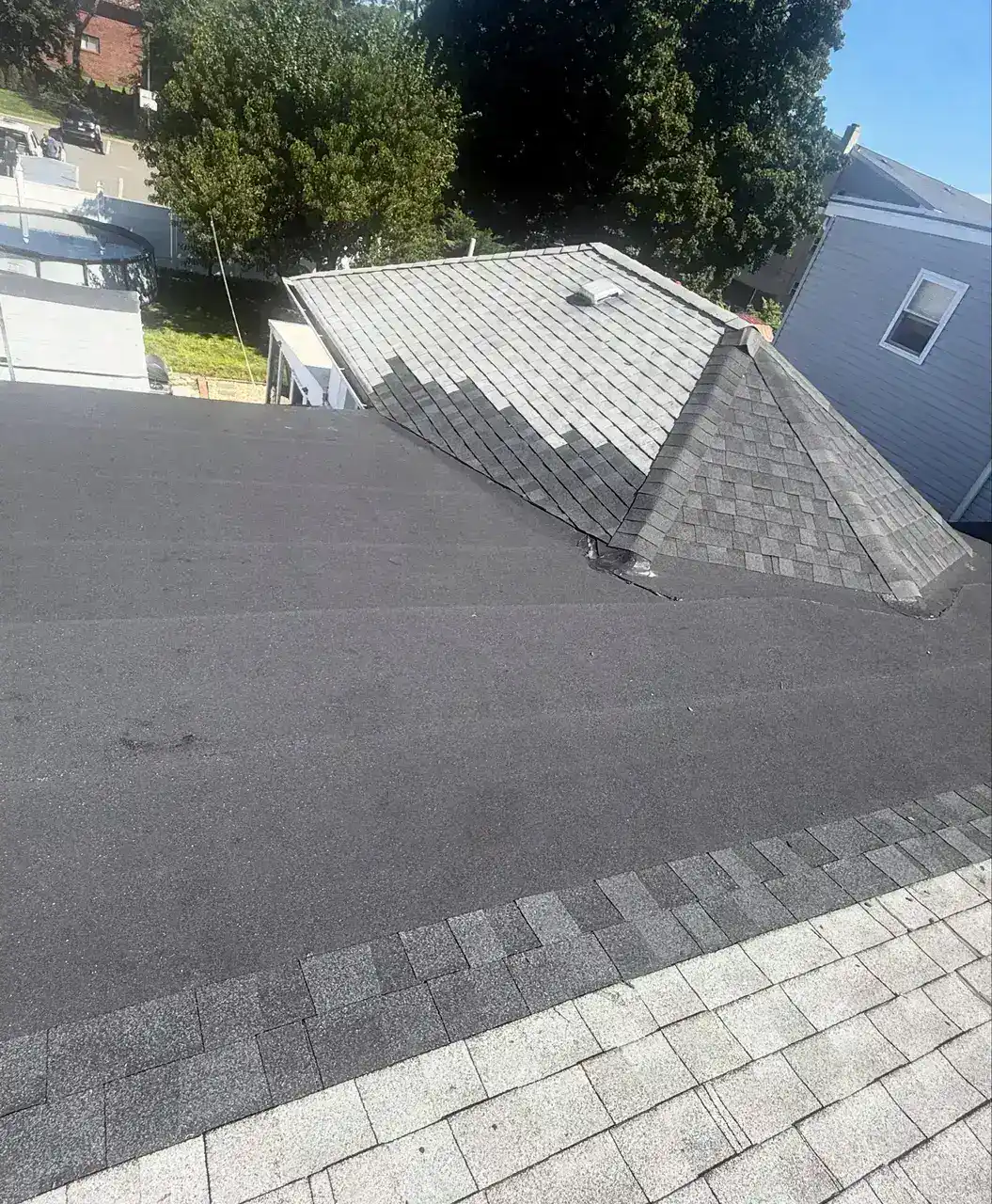
Typical Cost
Temporary tarping commonly costs $300 to $1,200 depending on size, height and access. Permanent repairs are priced separately.
These are planning ranges for the Tulsa area, not a quote. Your written estimate is based on the actual roof.
Request an EstimateEmergency Roof Repair prices
Planning ranges for the Tulsa area, updated November 2026. They include typical labor and materials, but they are not a quote. Your written estimate is based on an inspection of the actual job. See every category on our price list.
What counts as a roof emergency
Not every leak needs a same-night call, but some situations should not wait. Call right away if any of these apply:
- A tree or large limb has come through or onto the roof.
- Wind has removed shingles, sheathing or a section of metal or membrane and rain is on the way.
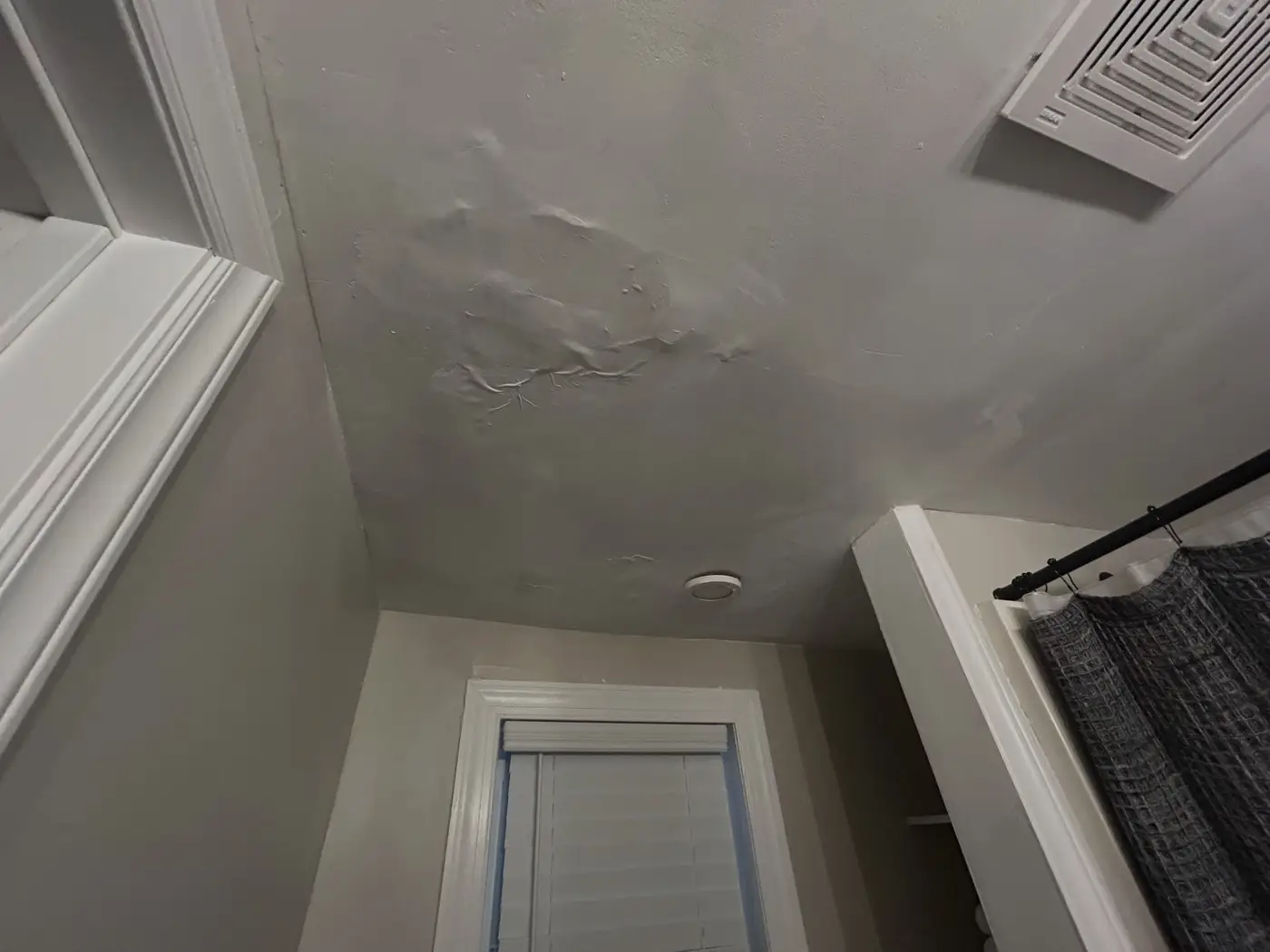
- Water is running through a ceiling or near electrical fixtures.
- A ceiling is sagging or the roof deck looks like it has moved.
- A fire or vehicle impact has opened part of the roof.
If you see sagging, smell smoke or hear arcing, leave the area and call 911 or your utility first. Structural and electrical safety comes before any roof work.
What happens during an emergency visit
The first goal is to stop more water from getting in. The second is to keep a clear record of what happened. A typical visit goes in this order:
- We check for hazards from the ground, including downed lines, unstable limbs and weakened decking.
- We photograph the damage before anything is moved, which helps your insurance adjuster.
- We remove loose debris that can be handled safely. Large trees may need a tree crew.
- We install a tarp or temporary patch, secured to shed water and resist wind.
- We check the attic and ceilings for active water and advise on drying.
- We give you a written scope for the permanent repair after the roof can be properly inspected.
A properly installed tarp is meant to hold until permanent work can be scheduled, but it is not a long-term fix. Permanent repairs should follow as soon as weather and materials allow.
Protecting your insurance claim
Most homeowners policies expect you to take reasonable steps to prevent further damage after a loss. Temporary repairs usually fall under that duty, so keep the invoice and your photos. Do not throw away damaged materials or sign over your claim rights before you understand them. Call your carrier when it is safe to do so, and ask for the claim number and the name of your adjuster. Our roof insurance claim page explains what happens next, and our guide on how a roof claim works in Oklahoma covers the timeline.
After a storm watch out for
Storms bring out door-knockers along with real contractors. Be careful with anyone who asks for a large payment up front, offers to cover your deductible, or pushes you to sign on the spot. Ask for a business name, a local phone number and proof of insurance. You can pause, get a second opinion, and still protect your home with a temporary repair. Our guide on choosing a roofing contractor in Oklahoma lists the questions worth asking.
From temporary fix to permanent repair
Once the weather clears we inspect the whole roof rather than just the opened area, since the same storm often causes damage that is harder to see. Depending on what we find, the permanent work may be a roof repair, storm damage restoration or a full roof replacement. Inside the home, wet insulation and drywall may need water damage restoration, and it is best to start drying within a day or two to limit mold growth.
Related services
Once the roof is protected, the permanent fix is planned separately. That may be a targeted roof repair, a documented storm restoration project or, after a serious loss, replacing the roof. Hail or wind claims can follow the steps on our roof insurance claim page.
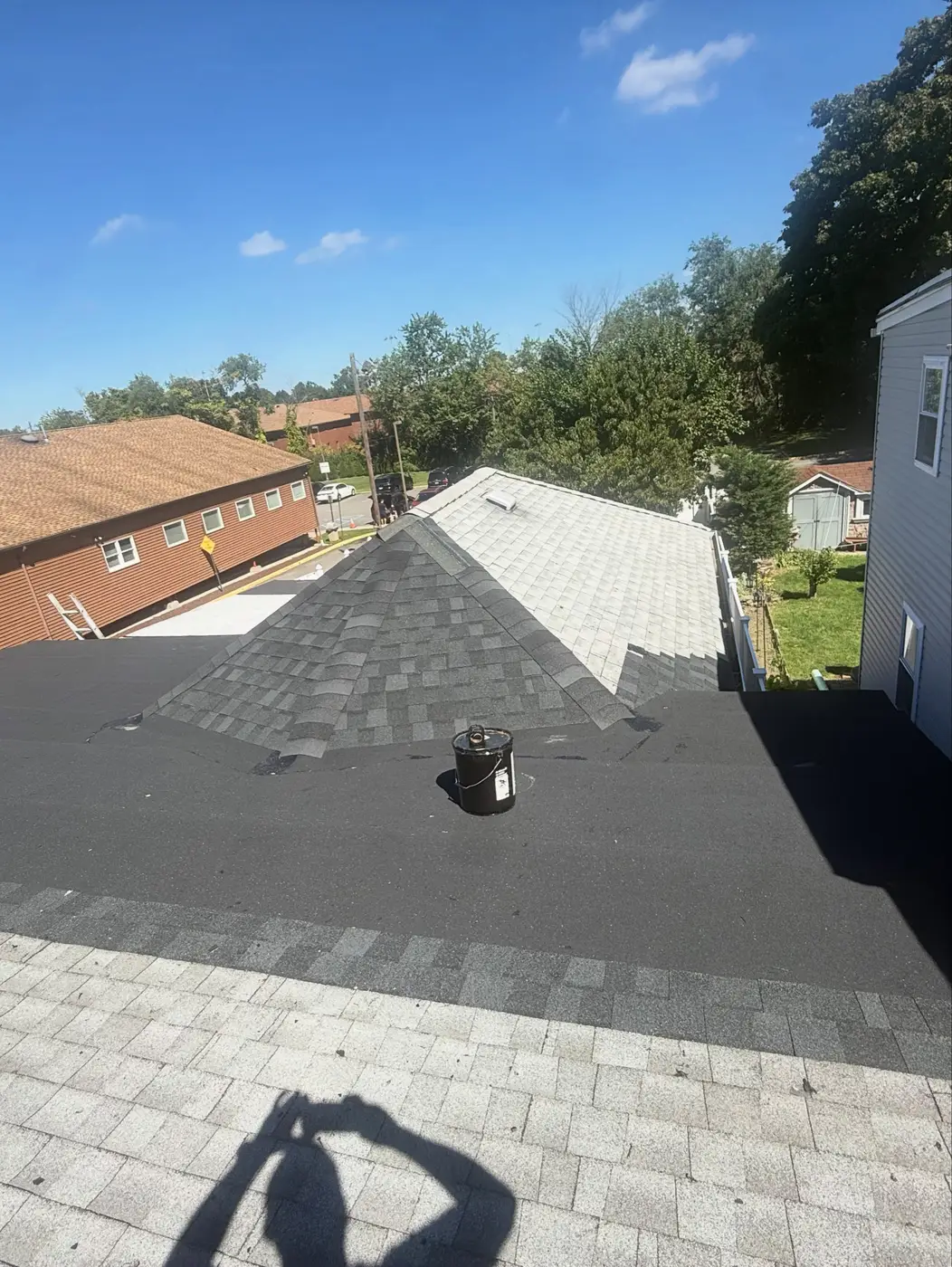
Recent emergency roof repair projects
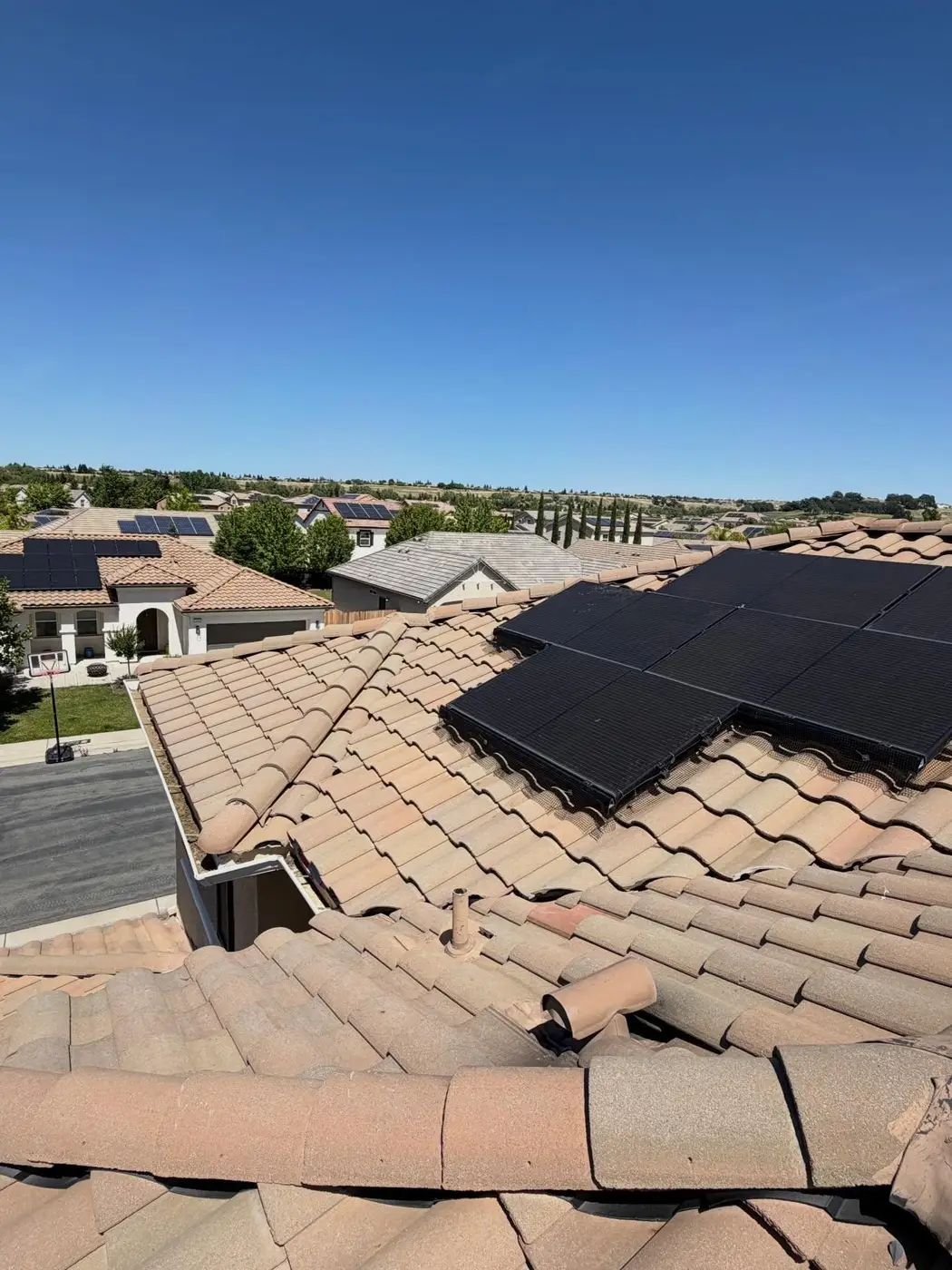
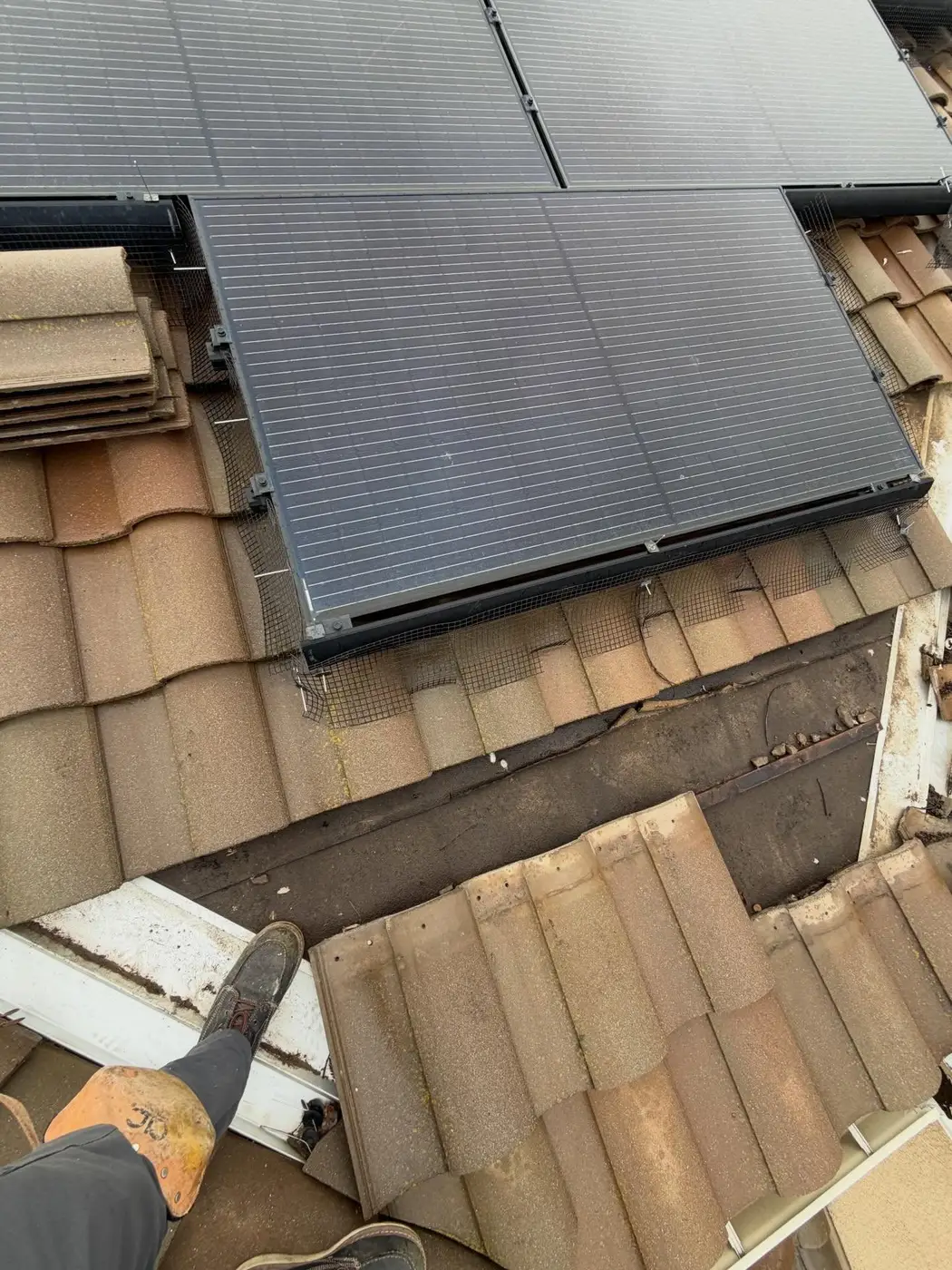
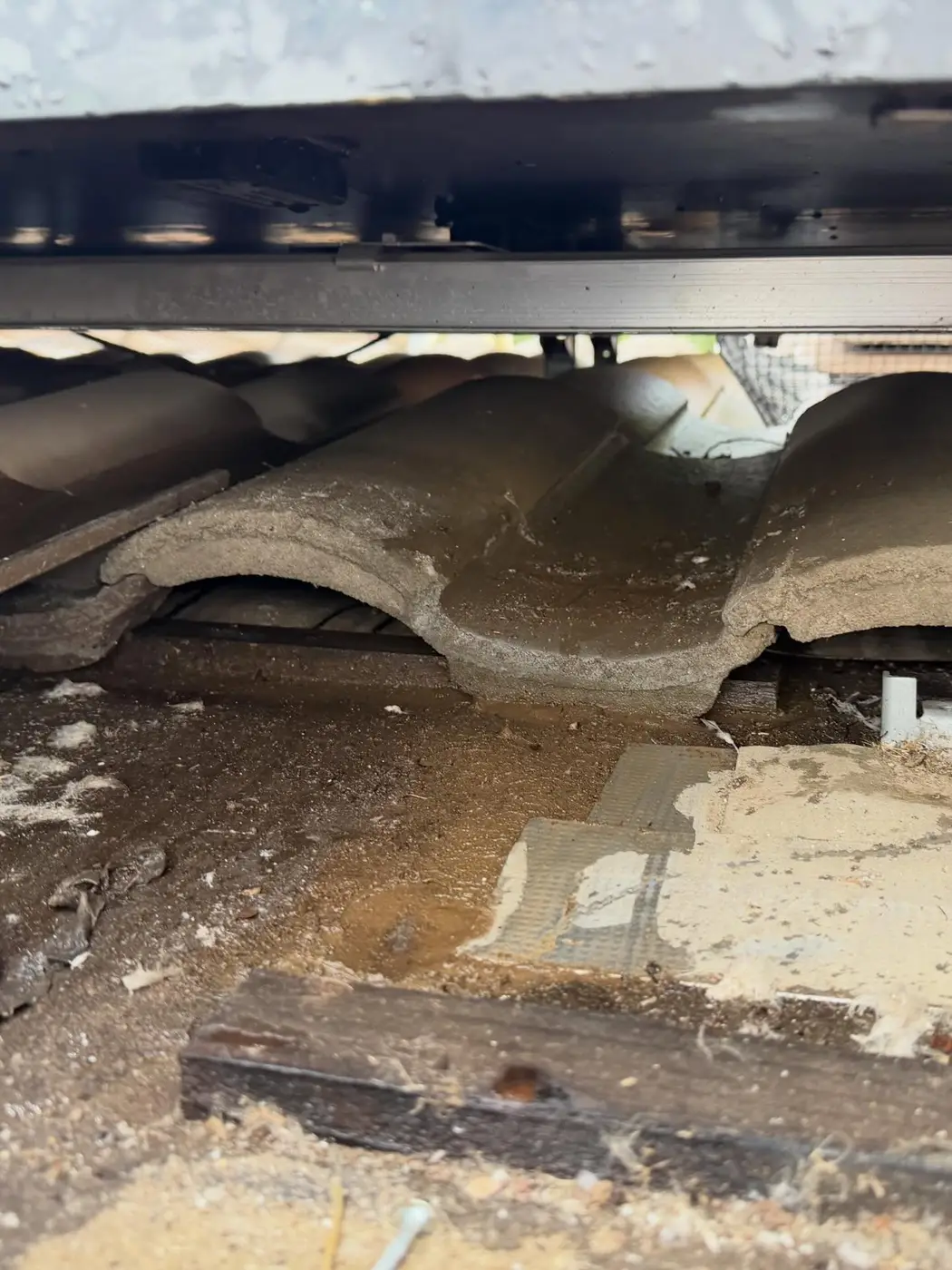
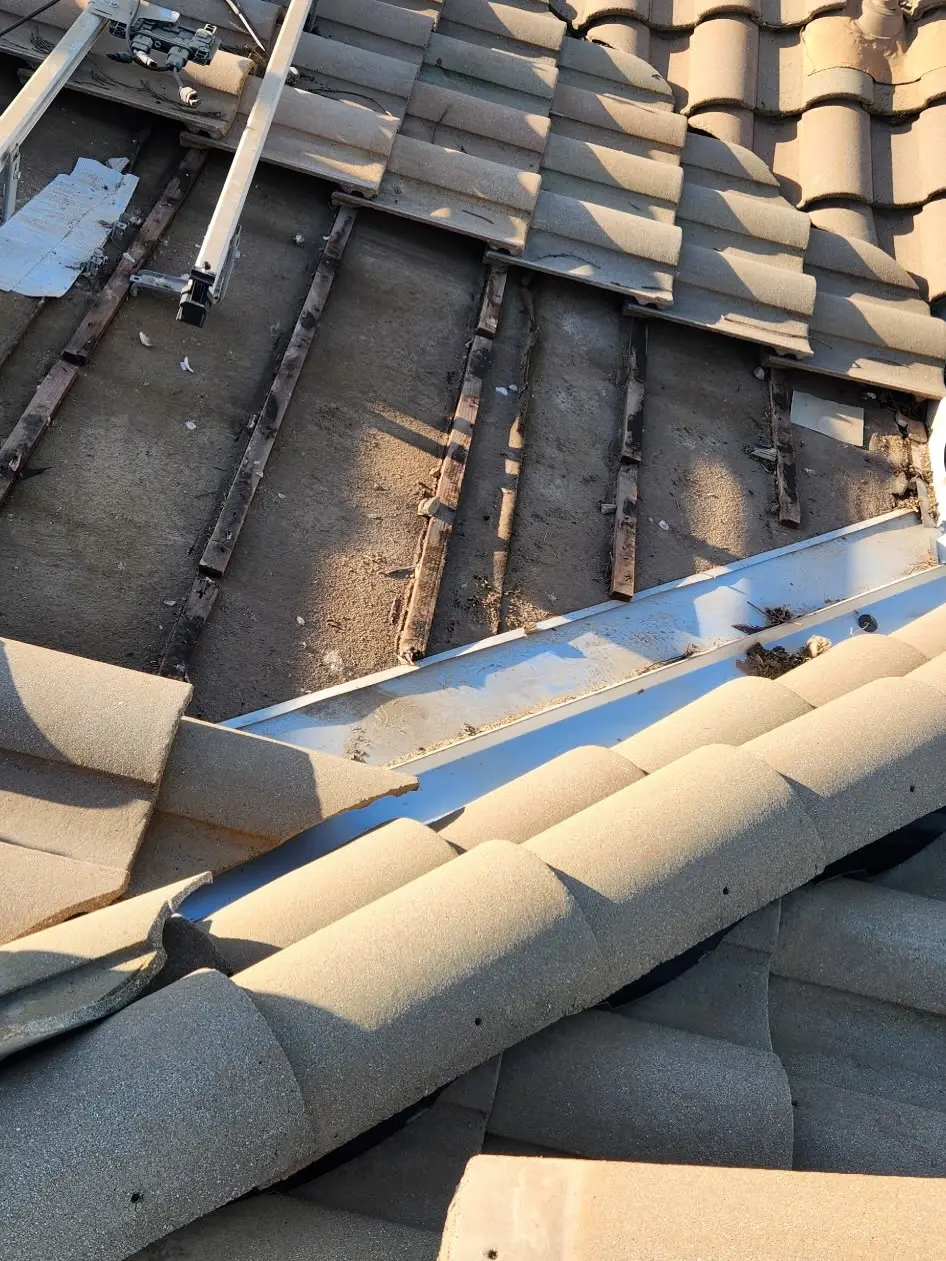
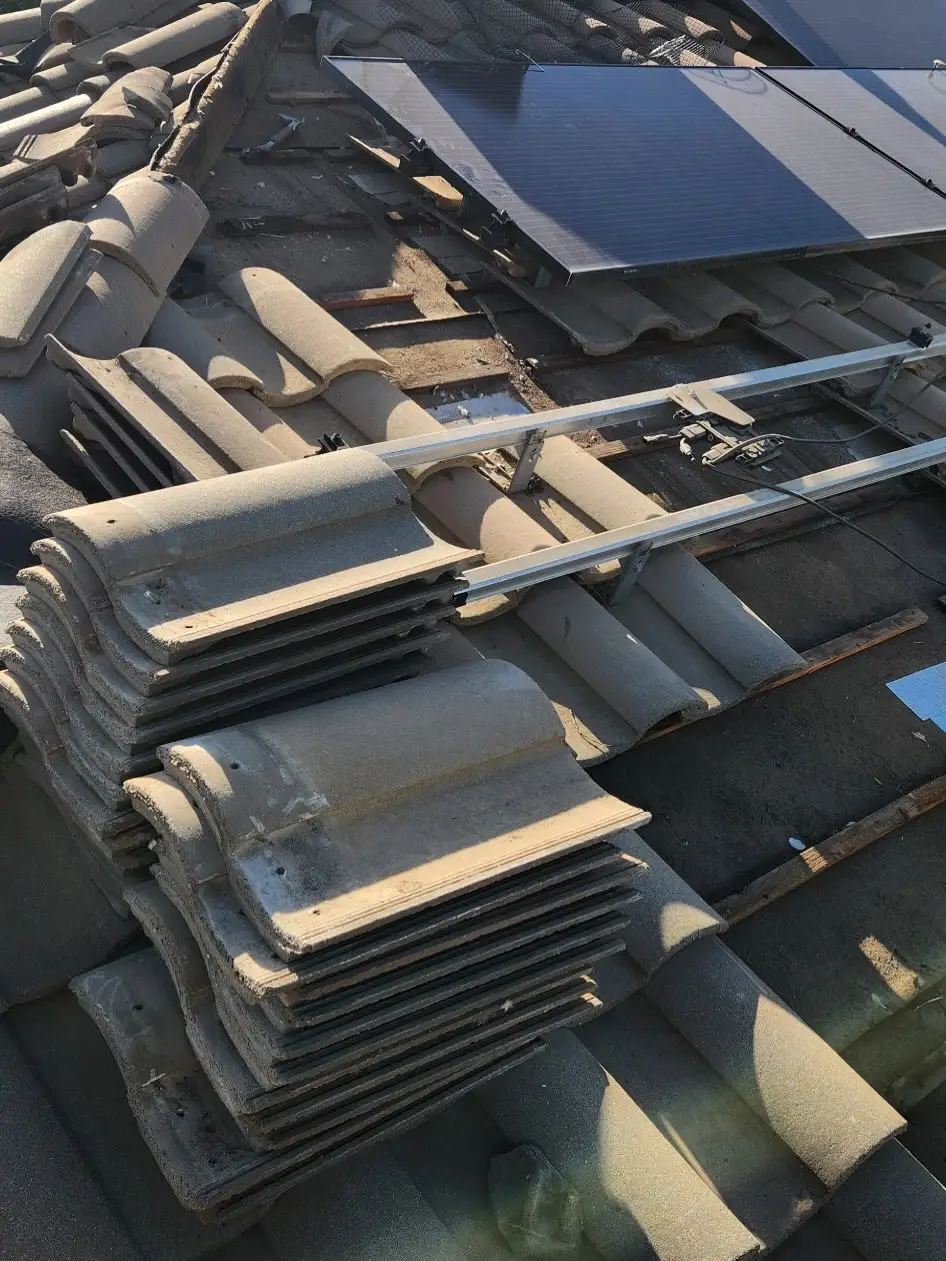
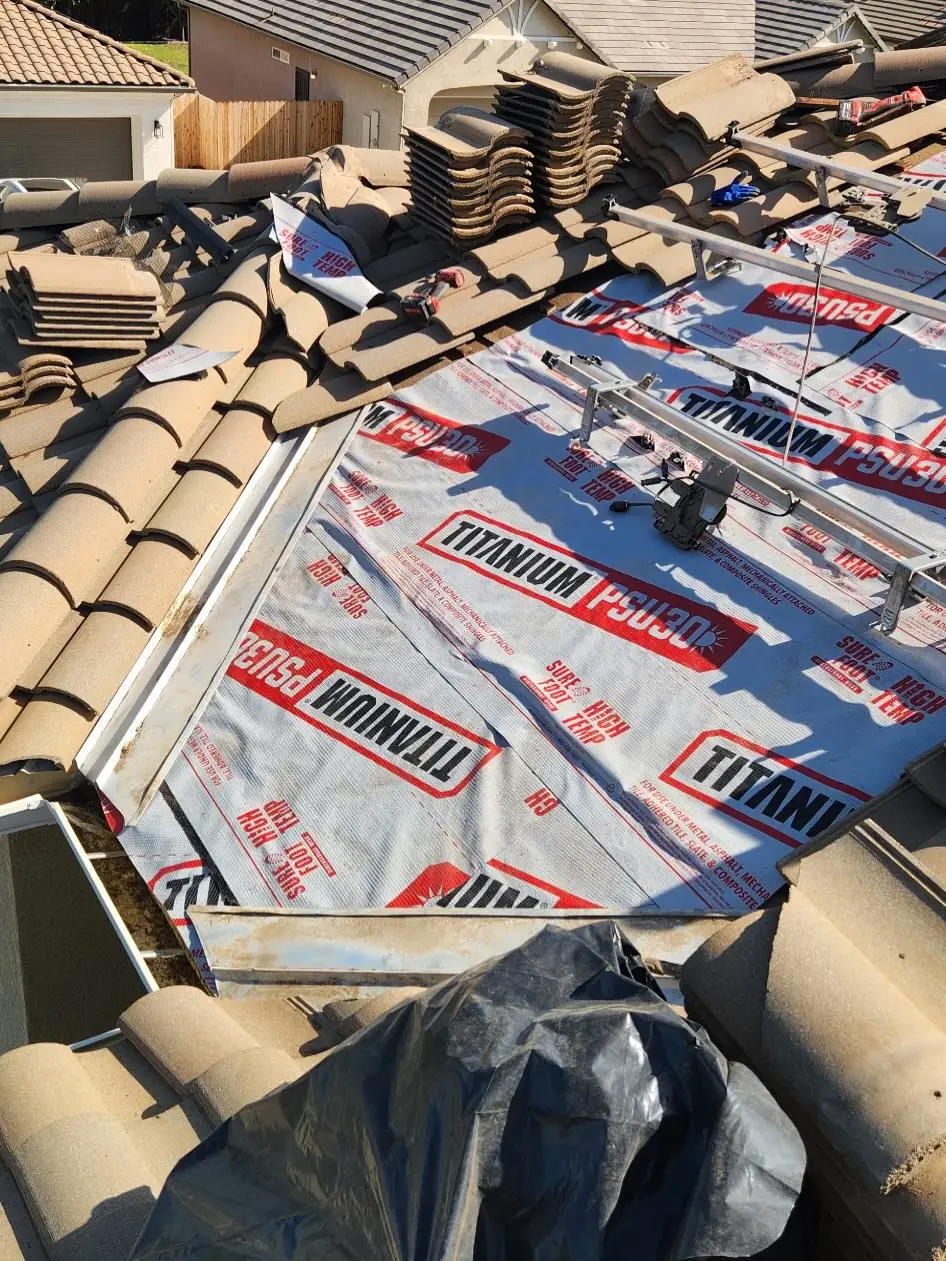
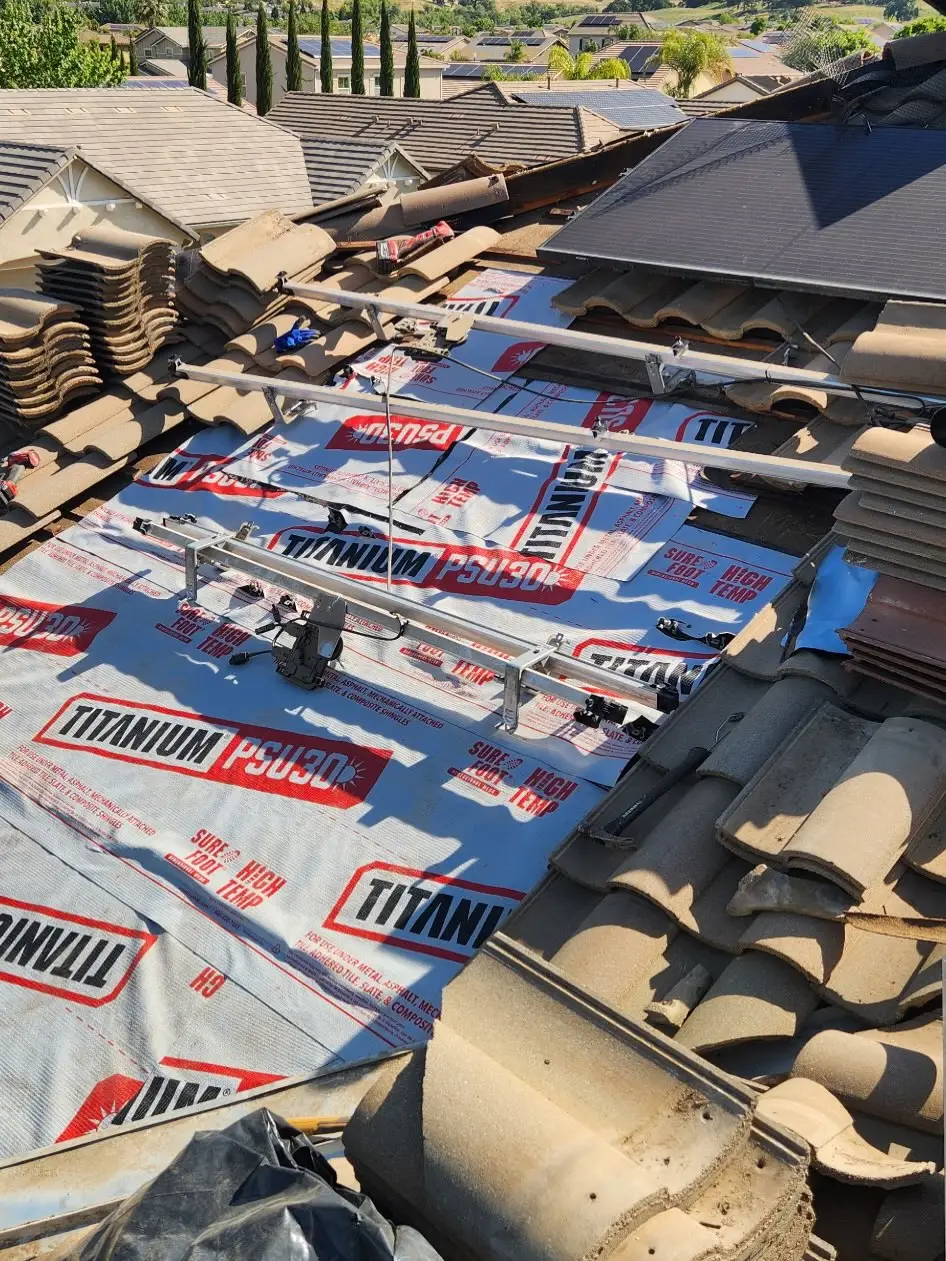
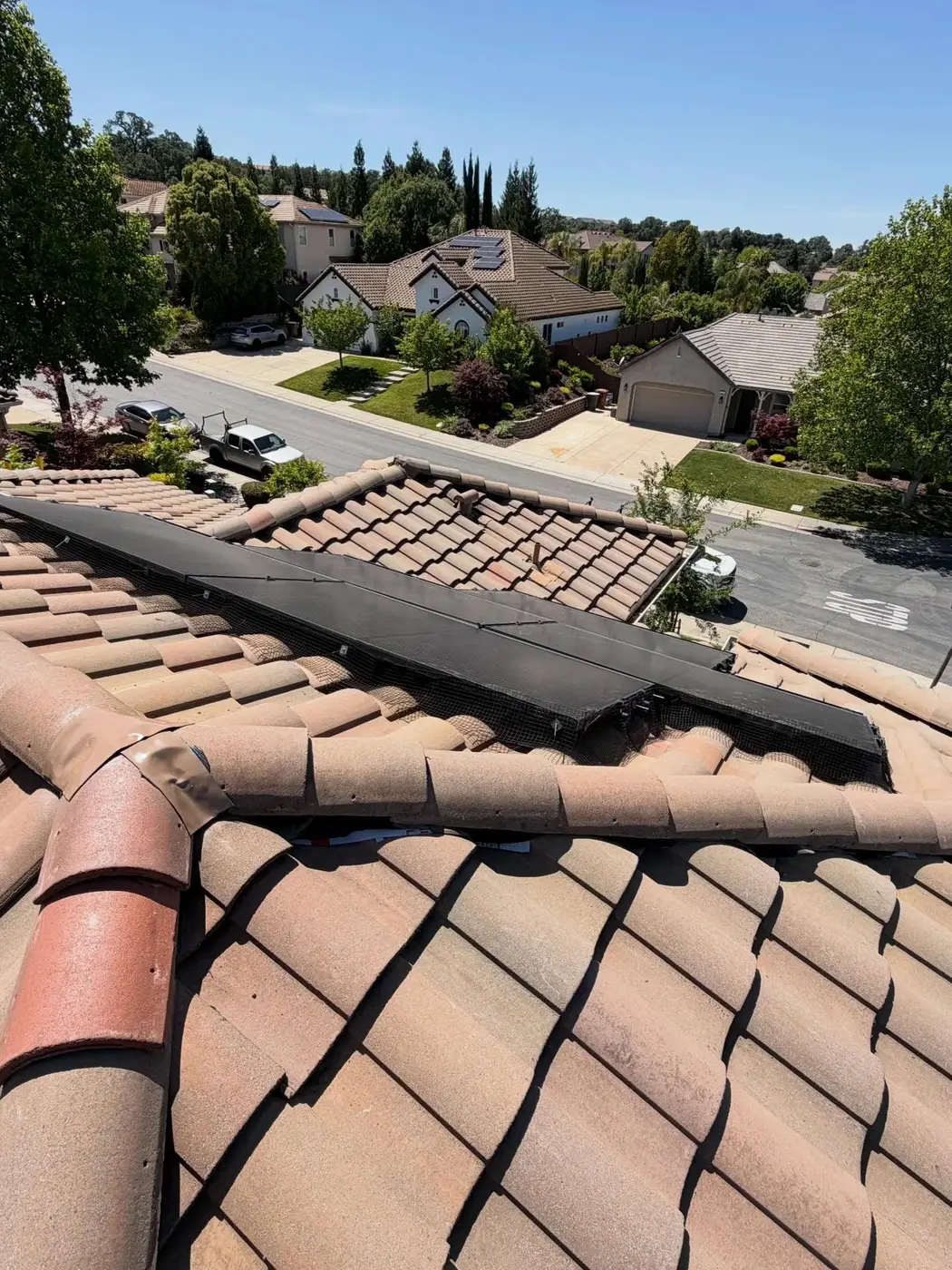
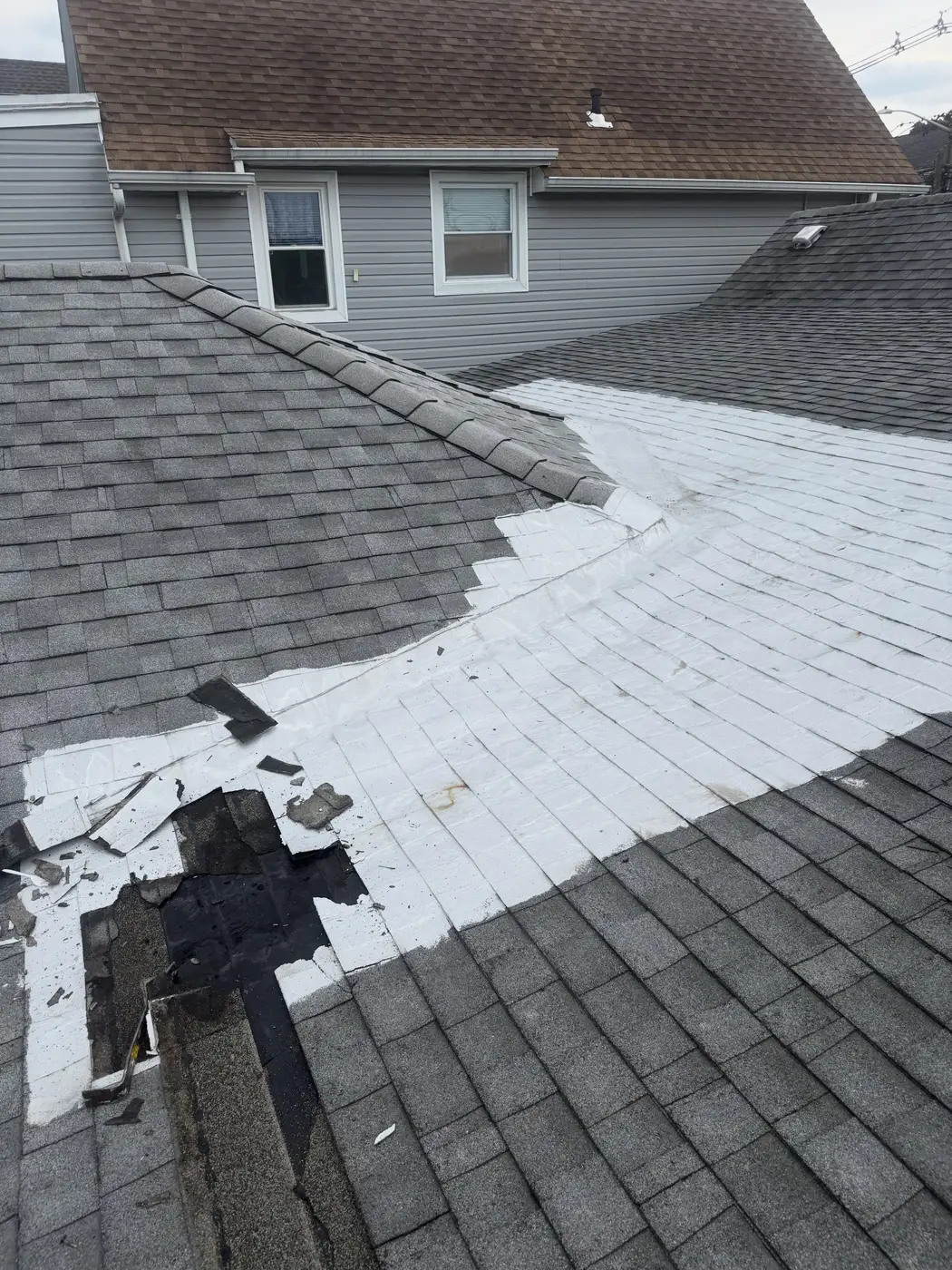
Tile Roof Repair Around a Solar Array
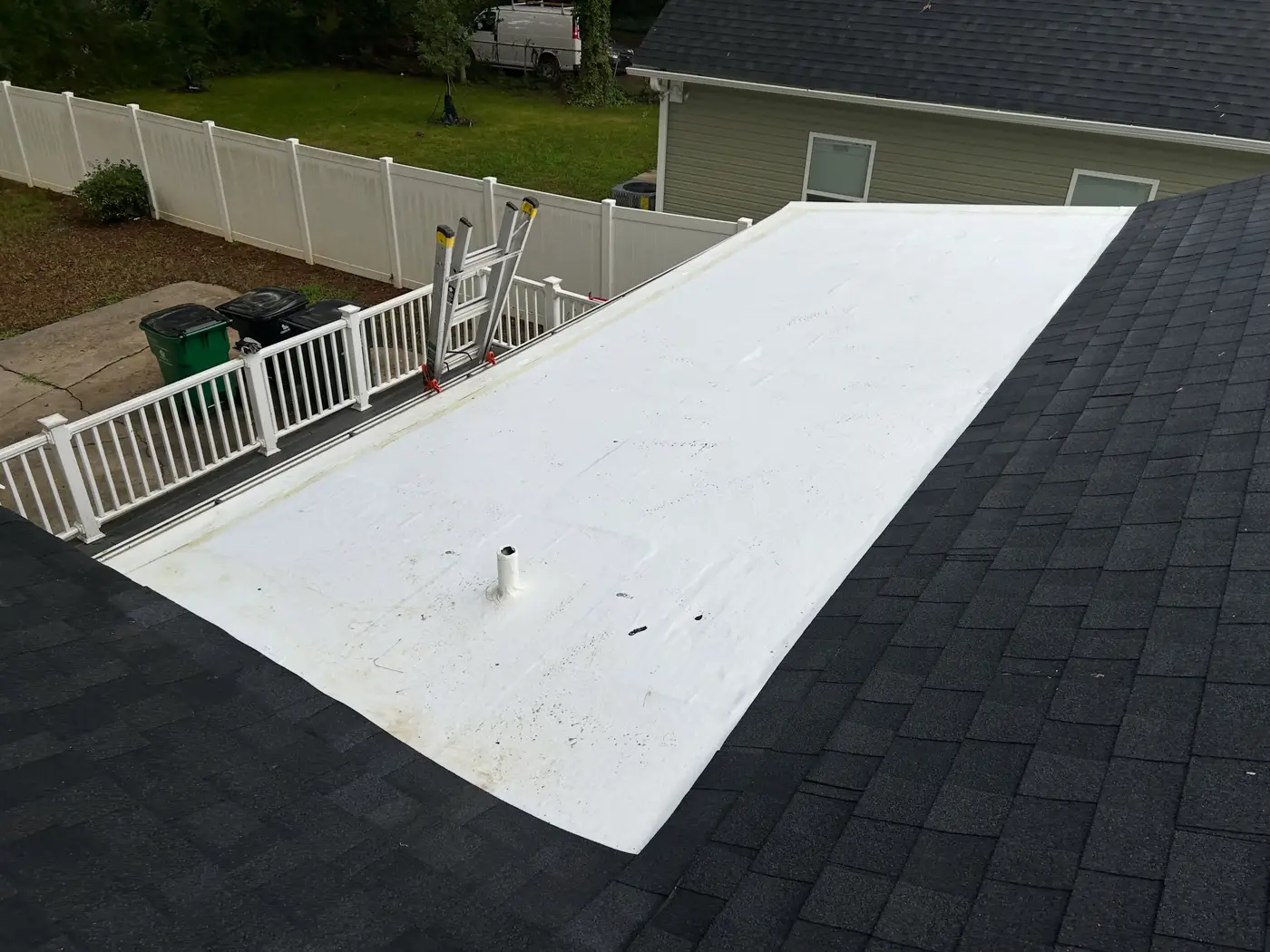
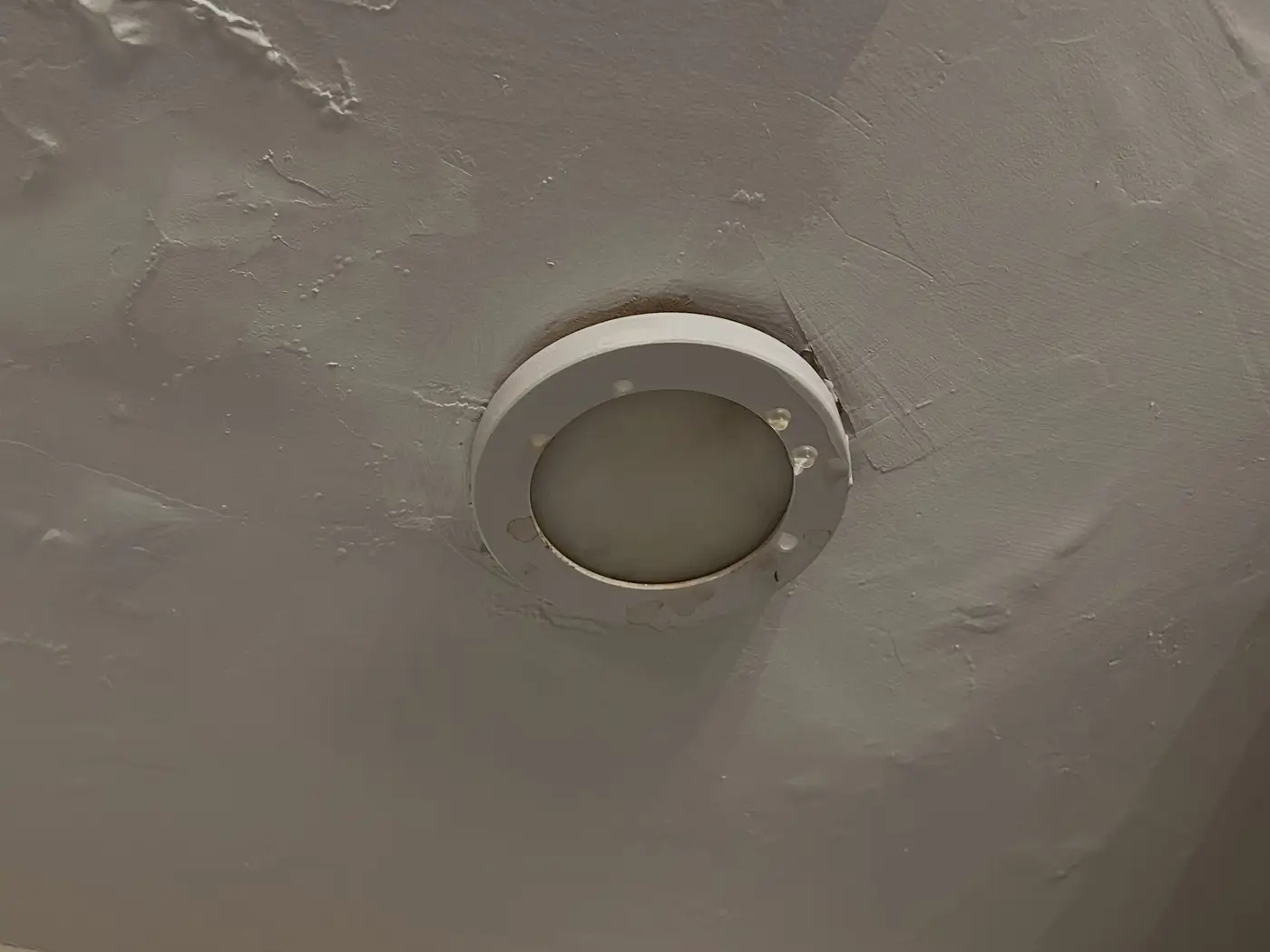
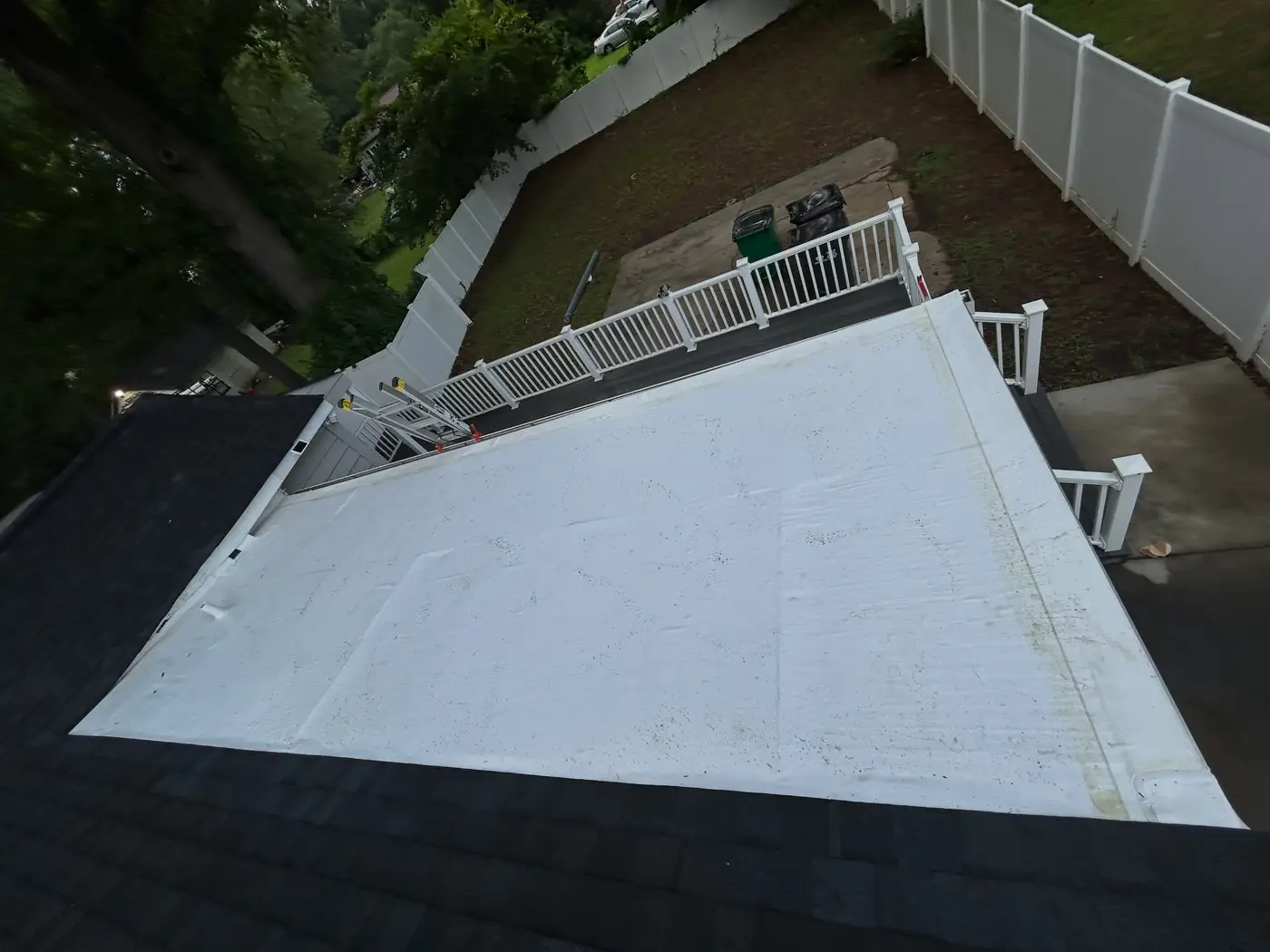
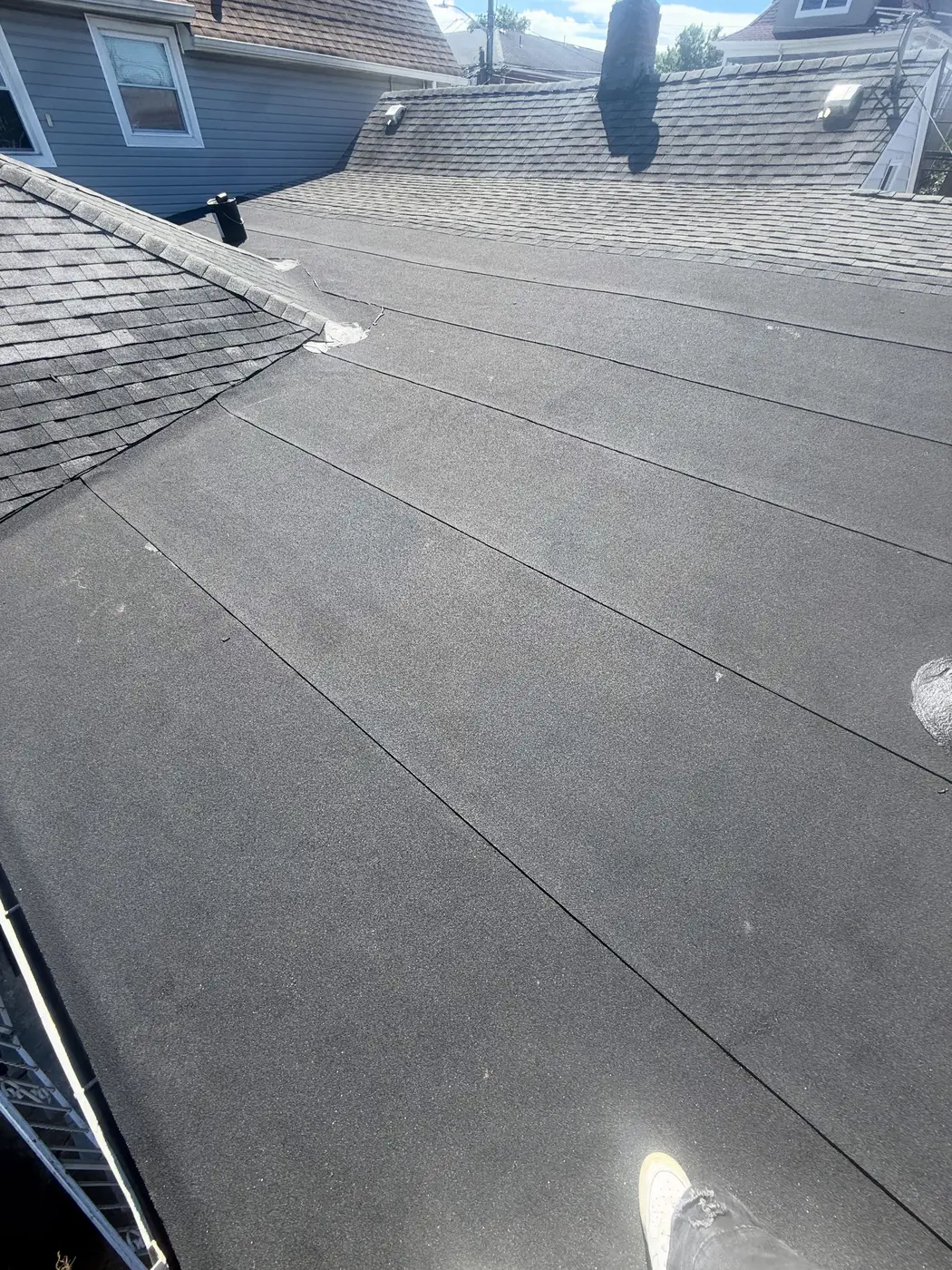
Ceiling Leak Traced to a Failed Low-Slope Section
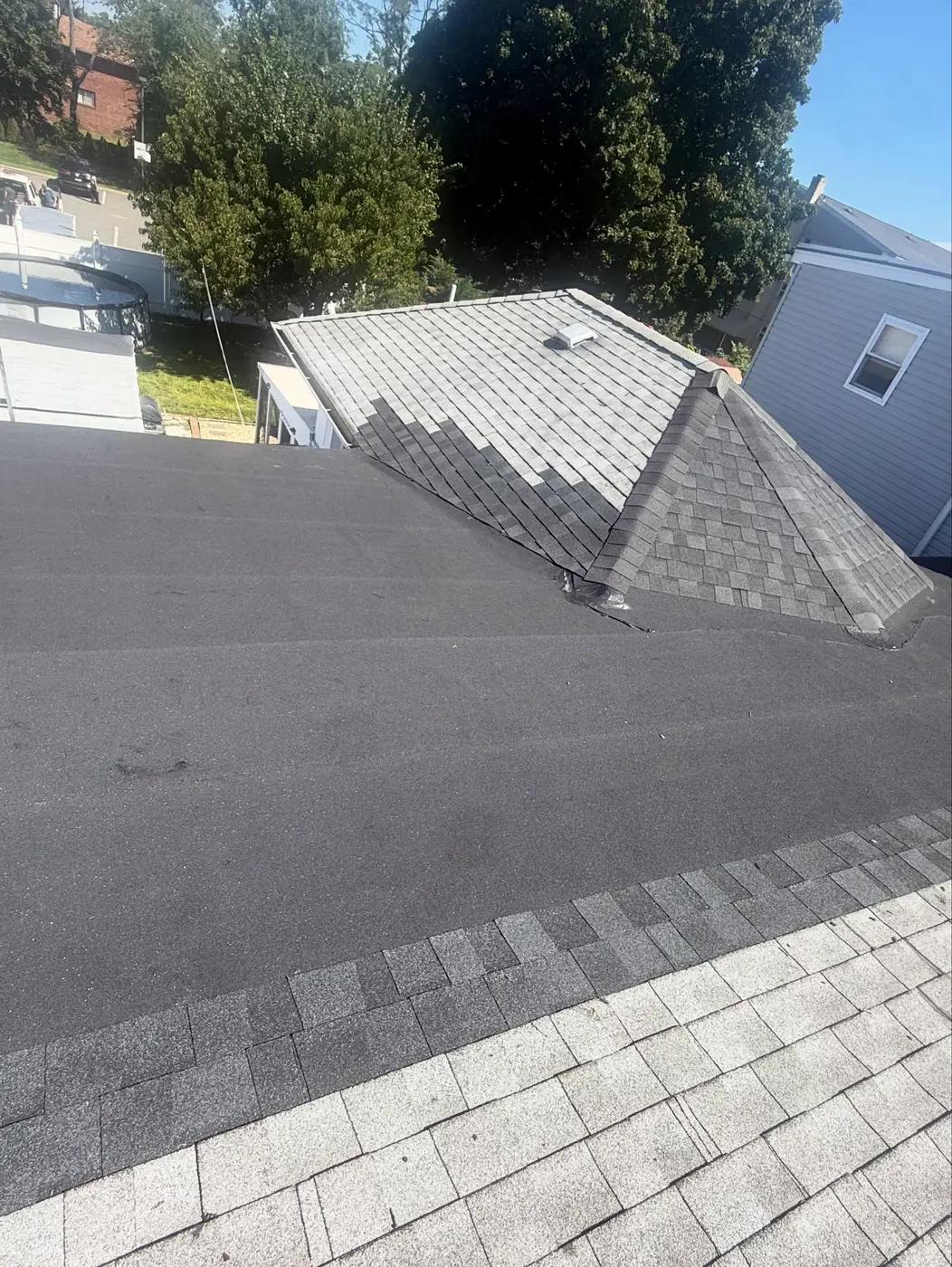
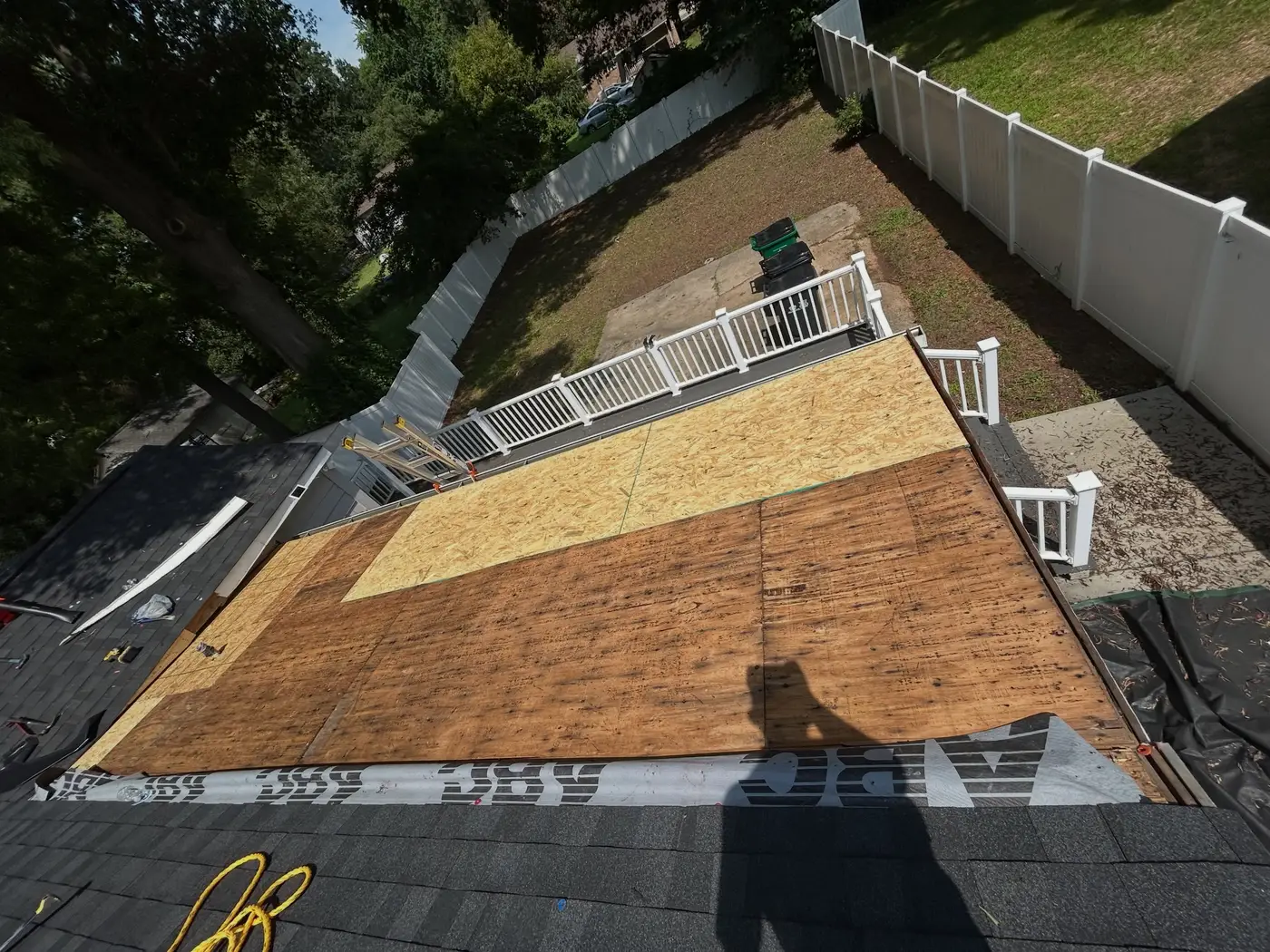
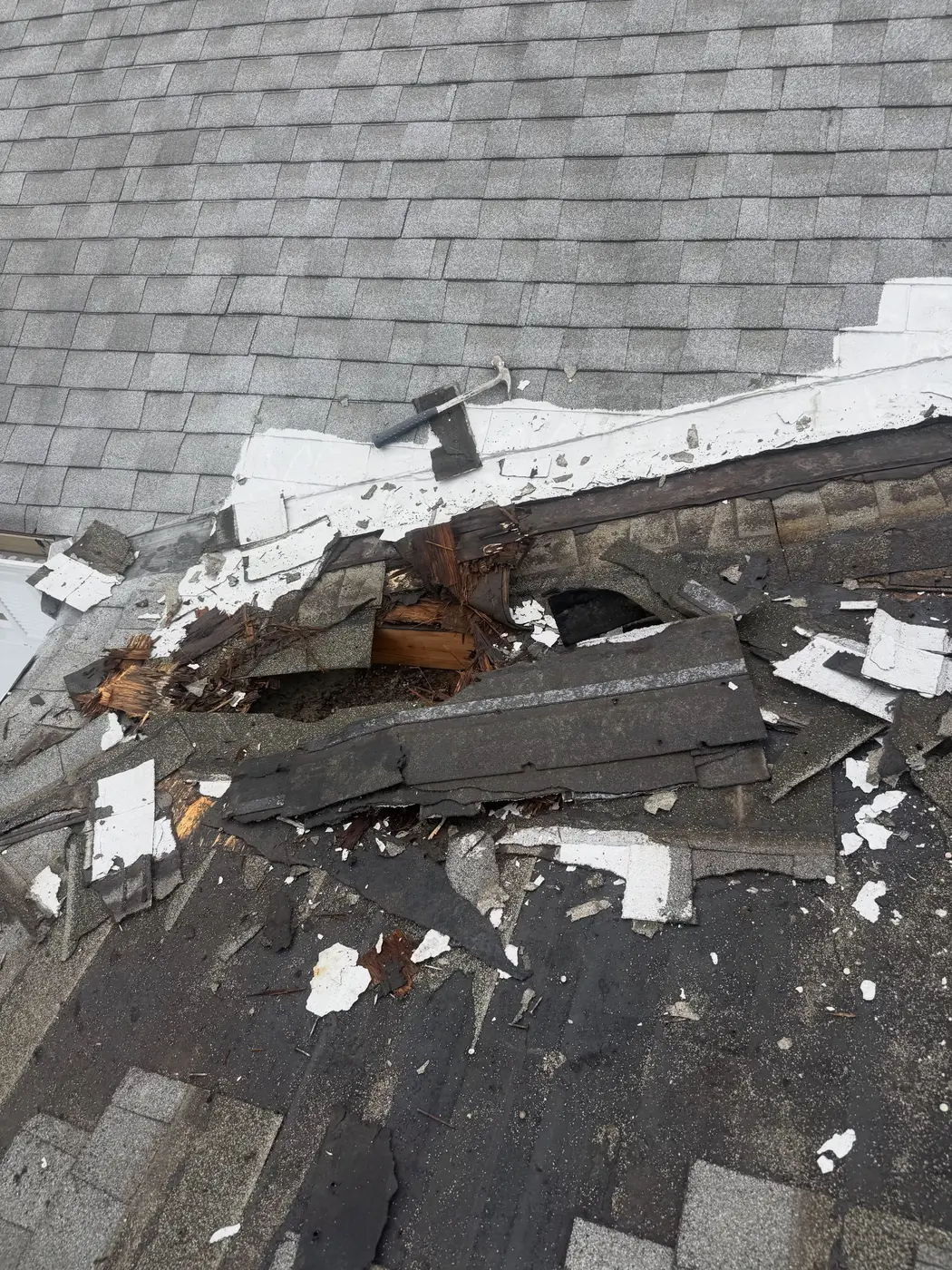
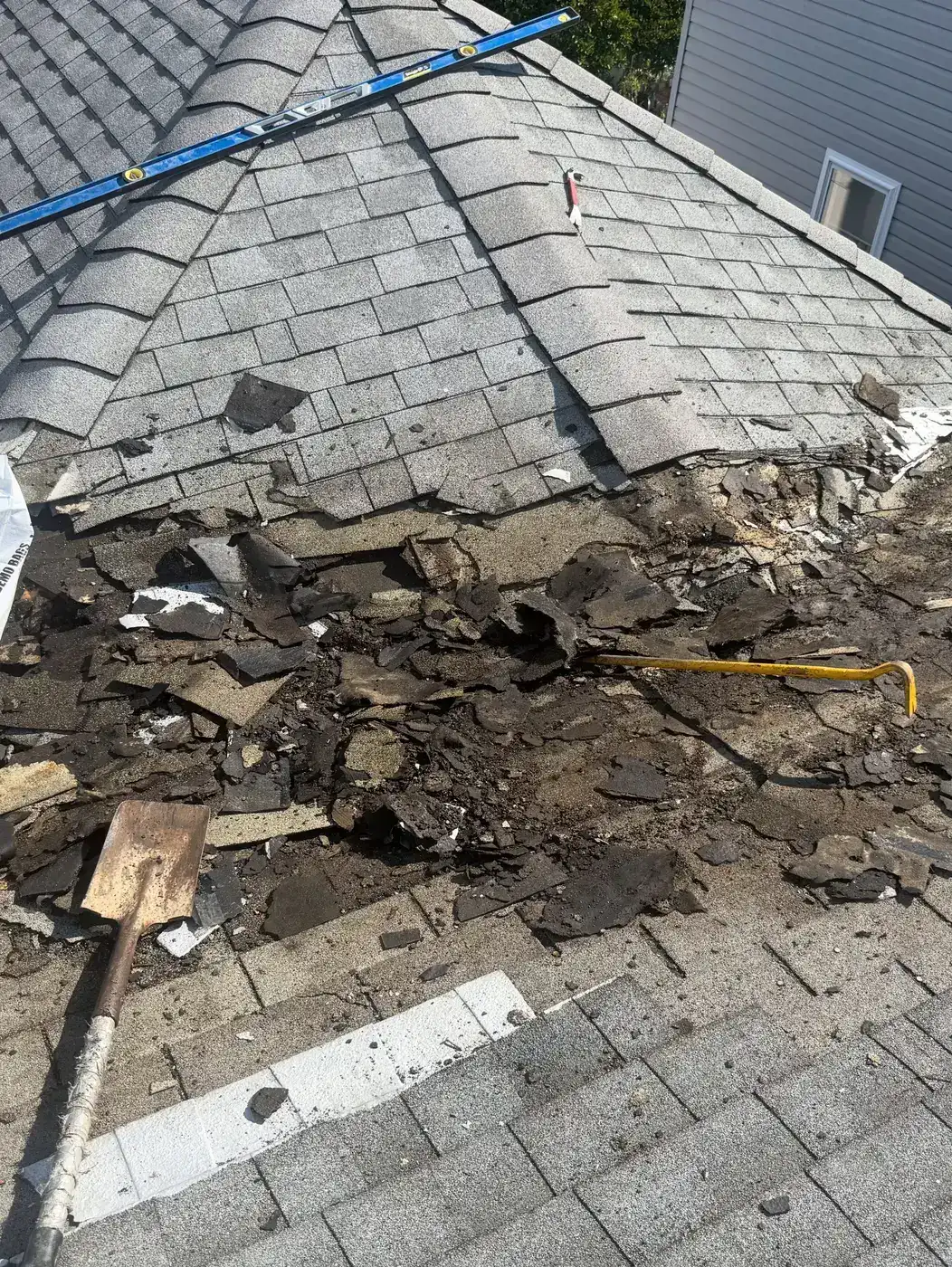
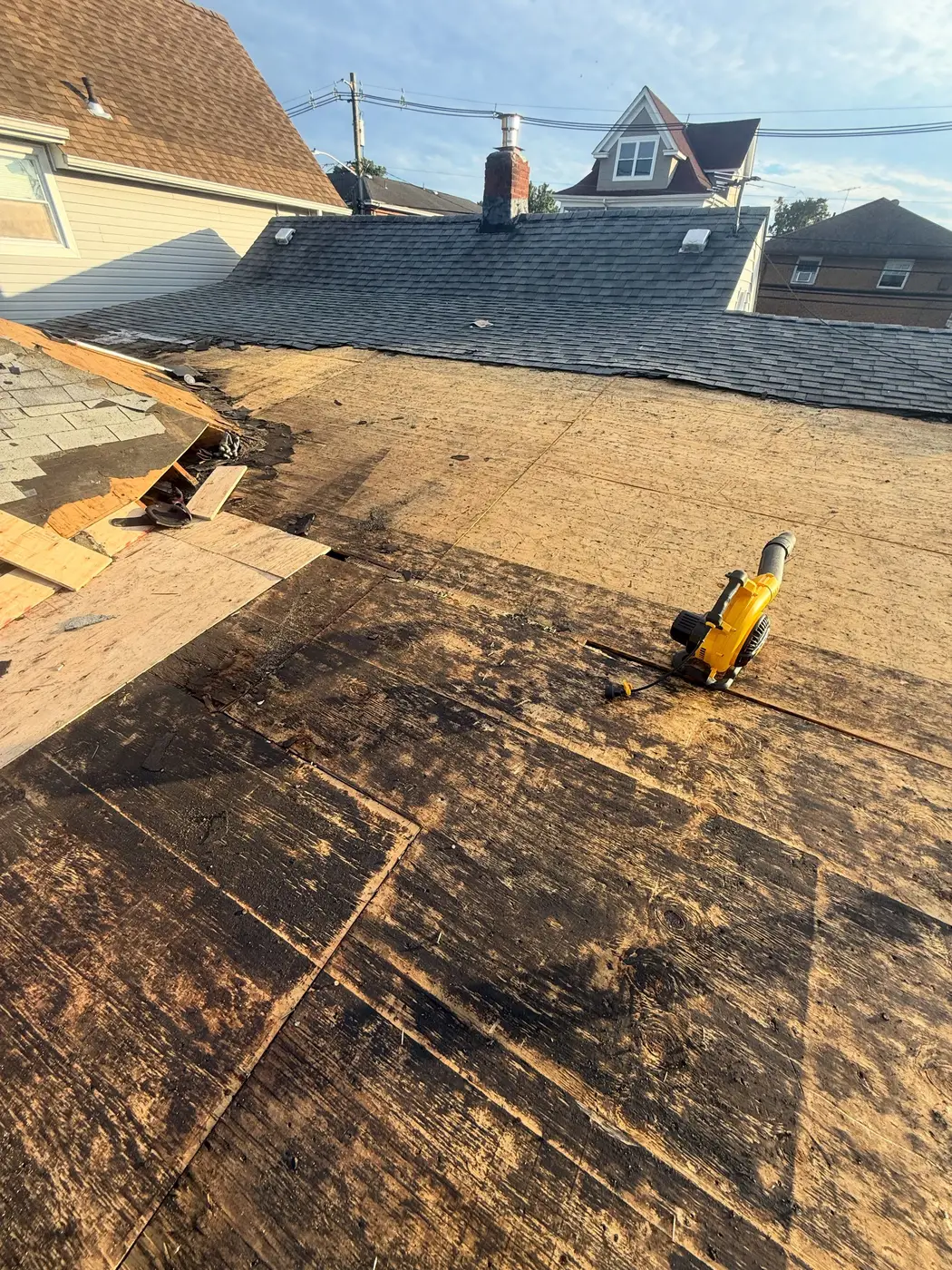
Emergency Repair of a Rotted Roof Section
See all of our roofing projects
Frequently asked questions
Can you work on a roof during a storm?
Should I go up and tarp it myself?
We don't recommend it. Wet, damaged roofs are dangerous. Protect the inside of the home instead and wait for a crew.
How much does emergency roof tarping cost?
Temporary tarping commonly costs $300 to $1,200 depending on the size, height and access. Permanent repairs are priced separately once the roof has been inspected.
How long can a tarp stay on a roof?
Treat a tarp as a short-term measure measured in weeks. Sun and wind wear it down and fasteners can loosen, so permanent repairs should be scheduled as soon as possible.
Will my insurance pay for an emergency repair?
Many policies cover reasonable temporary repairs after a covered loss, but it depends on your policy. Keep receipts and photos, and confirm the details with your carrier.
Should I go on the roof to check the damage?
No. Wet or storm-damaged roofs are dangerous and decking may be weakened. Take photos from the ground or from a window and let a crew do the rooftop assessment.