

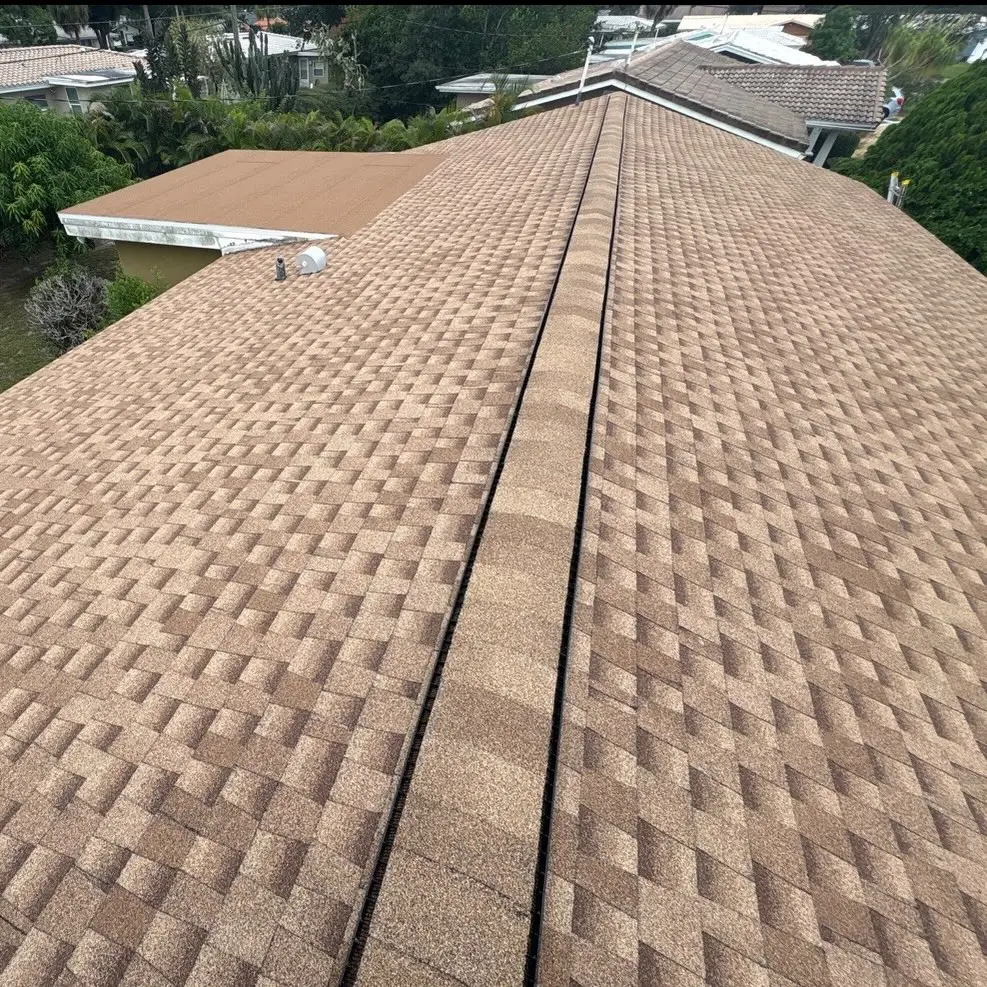
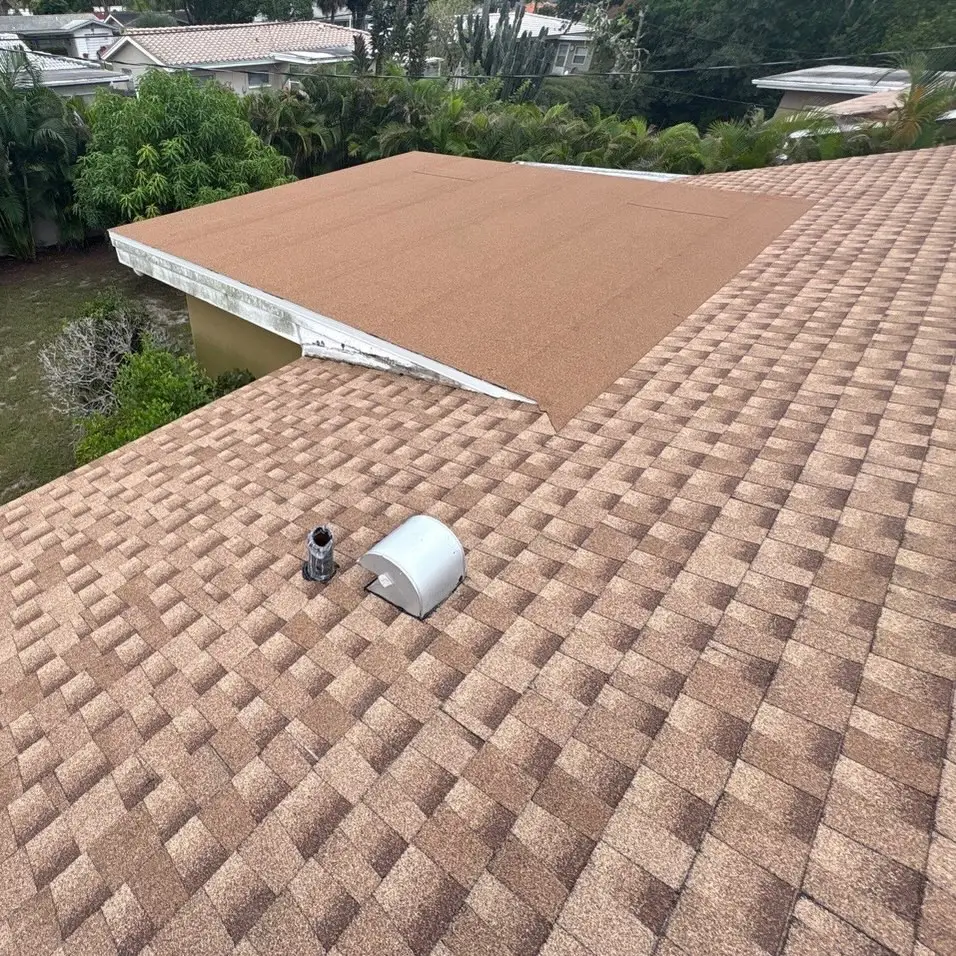
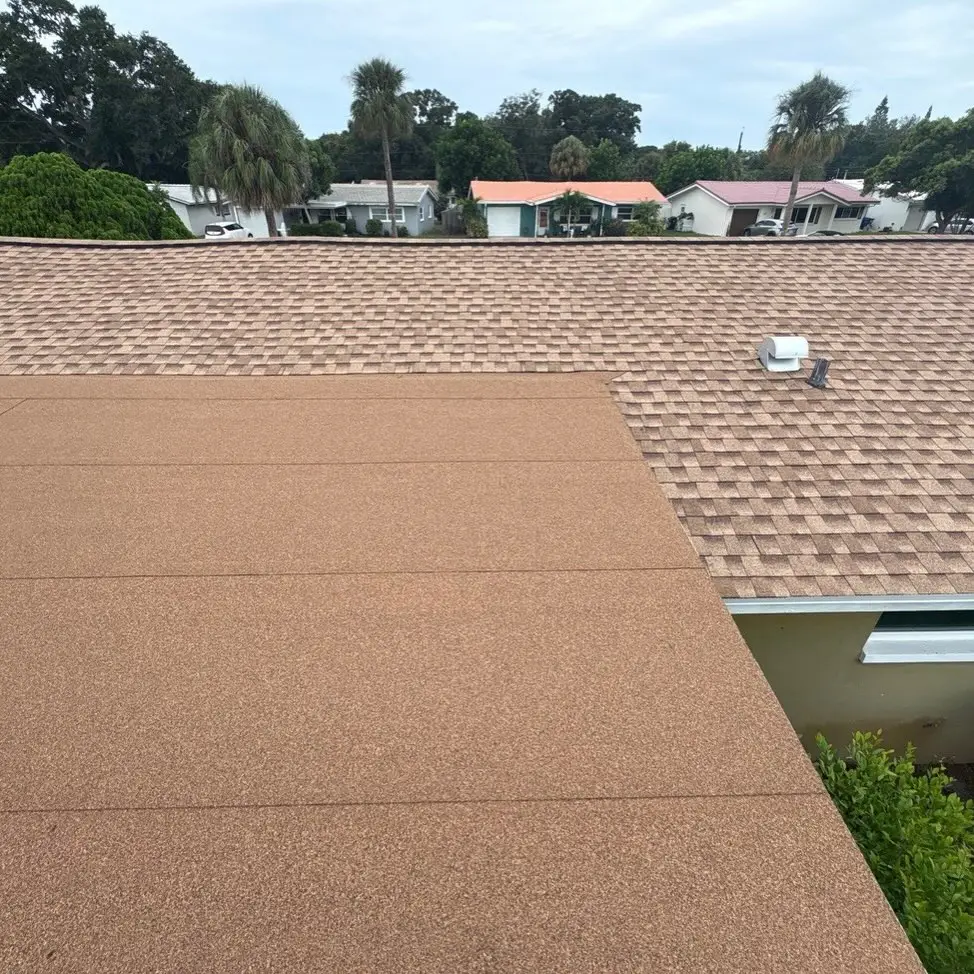
Once a year is a reasonable rule, plus after any significant hail or wind event. Commercial low-slope roofs benefit from checks twice a year.

Hail Damage Roof Repair
Storm Damage Restoration
Roof Insurance Claim Help
Roof Inspection
Water Damage Restoration
All Services
A roof inspection is the simplest way to know where you stand: before a home purchase, after a storm, or when a roof is getting older. The result should be facts you can use, not a sales pitch.
We check roof covering, flashing, ventilation, penetrations, gutters and accessible attic areas. Then we explain what needs attention now, what can wait, and what to keep an eye on over the next few seasons.
Common signs we check for:
- Buying or selling a home
- Roof older than 15 years
- A recent hail or wind storm
- Rising attic temperatures
- Previous repairs of unknown quality
- Annual commercial roof maintenance
How the work gets done
Exterior Review
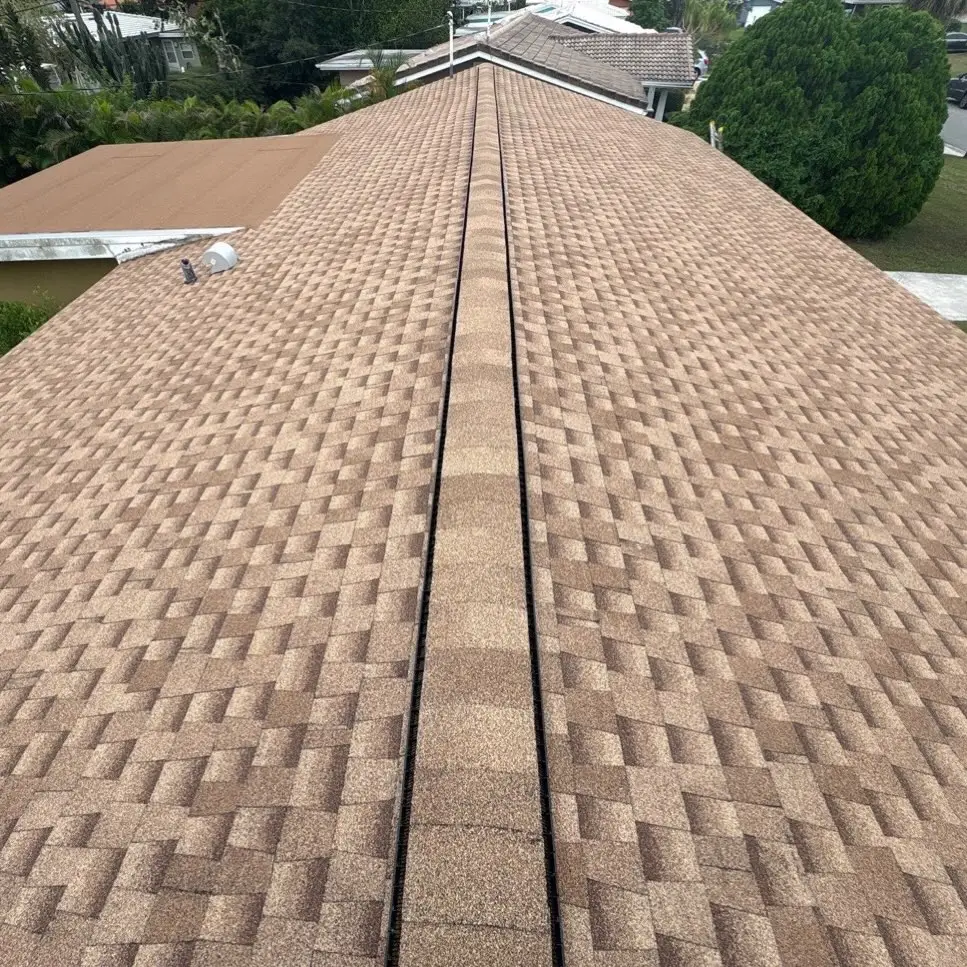
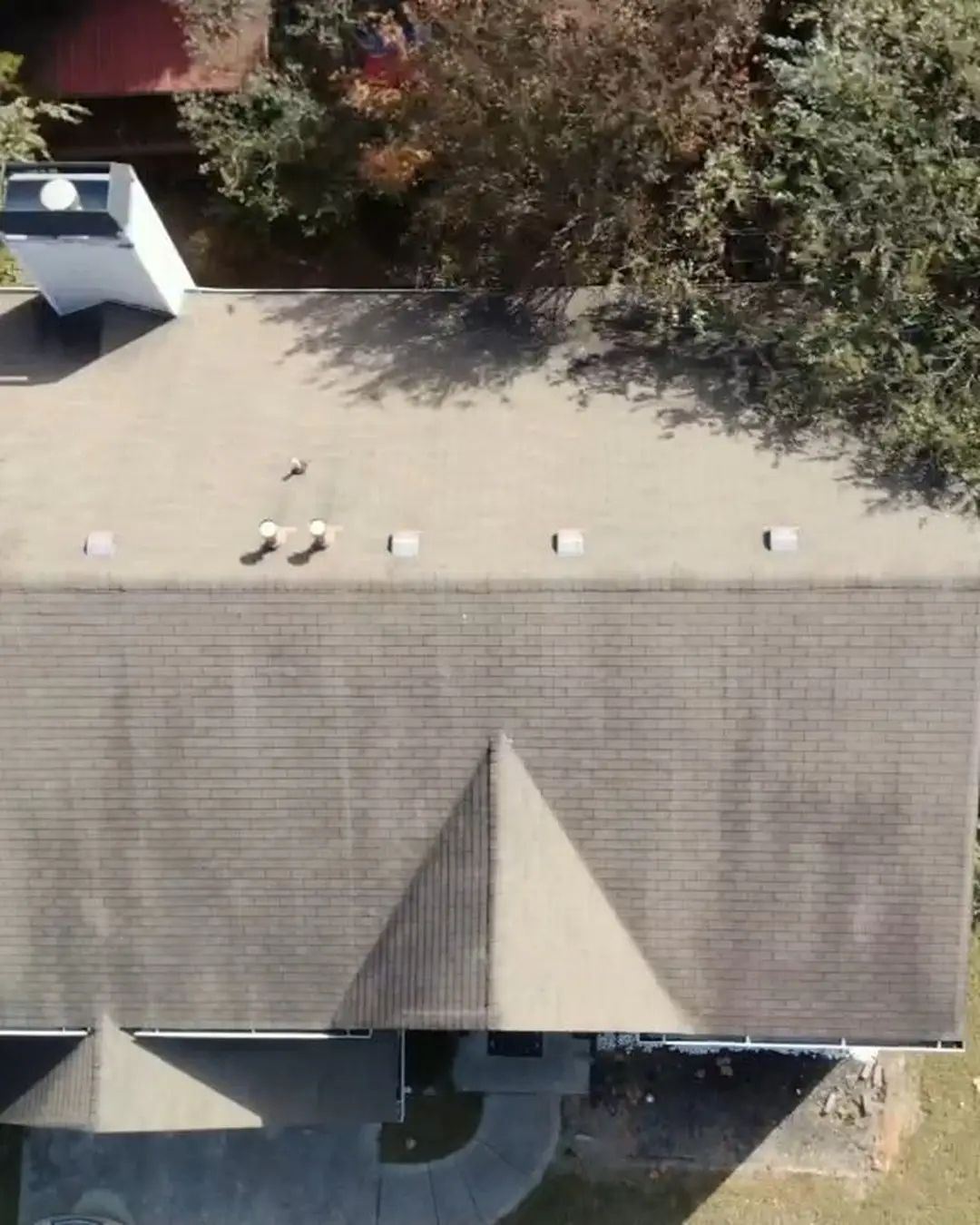
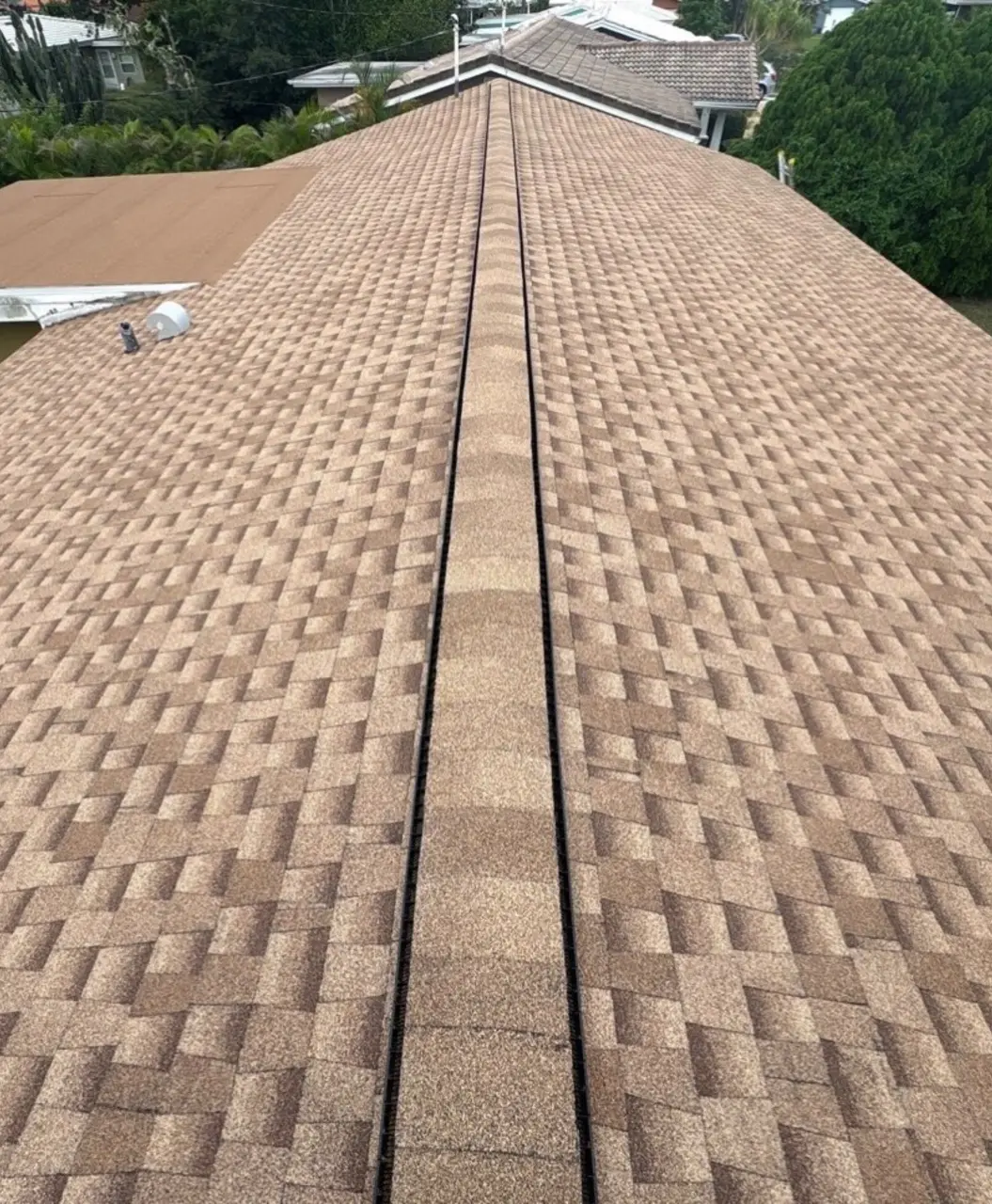
Each slope and detail is checked and photographed.
Attic Review
Decking, ventilation and insulation are checked where accessible.
Findings
You get photos sorted by urgency in plain language.
Options
Any recommended repair comes with a written price you can compare.
Typical Cost
A standard inspection often costs $100 to $350, with commercial and drone-assisted reports priced by roof size.
These are planning ranges for the Tulsa area, not a quote. Your written estimate is based on the actual roof.
Request an EstimateRoof Inspection prices
Planning ranges for the Tulsa area, updated November 2026. They include typical labor and materials, but they are not a quote. Your written estimate is based on an inspection of the actual job. See every category on our price list.
What our inspection covers
A proper inspection looks at the entire roof system rather than just the shingles you can see from the street. We work through it in the same order each time so nothing is missed:
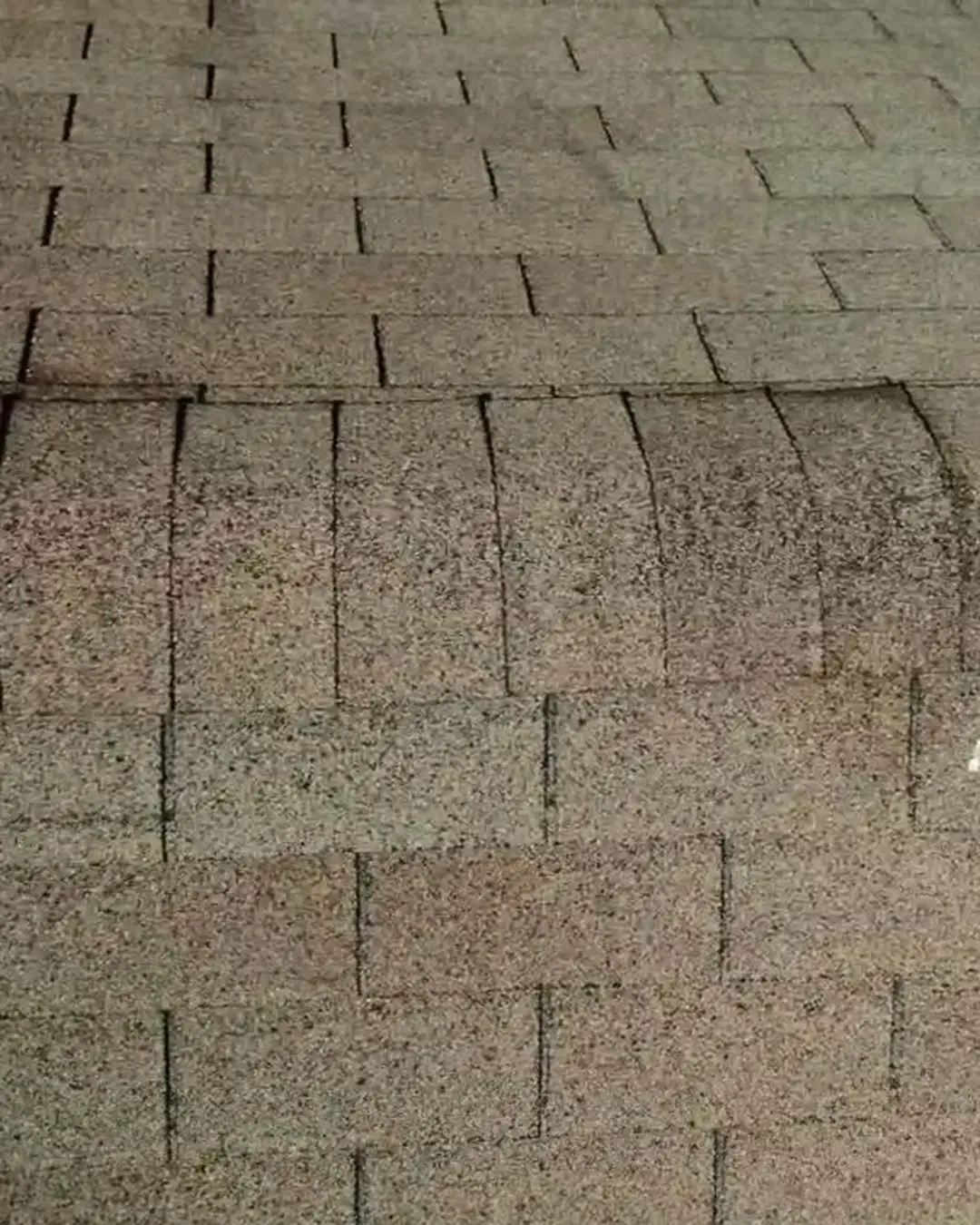
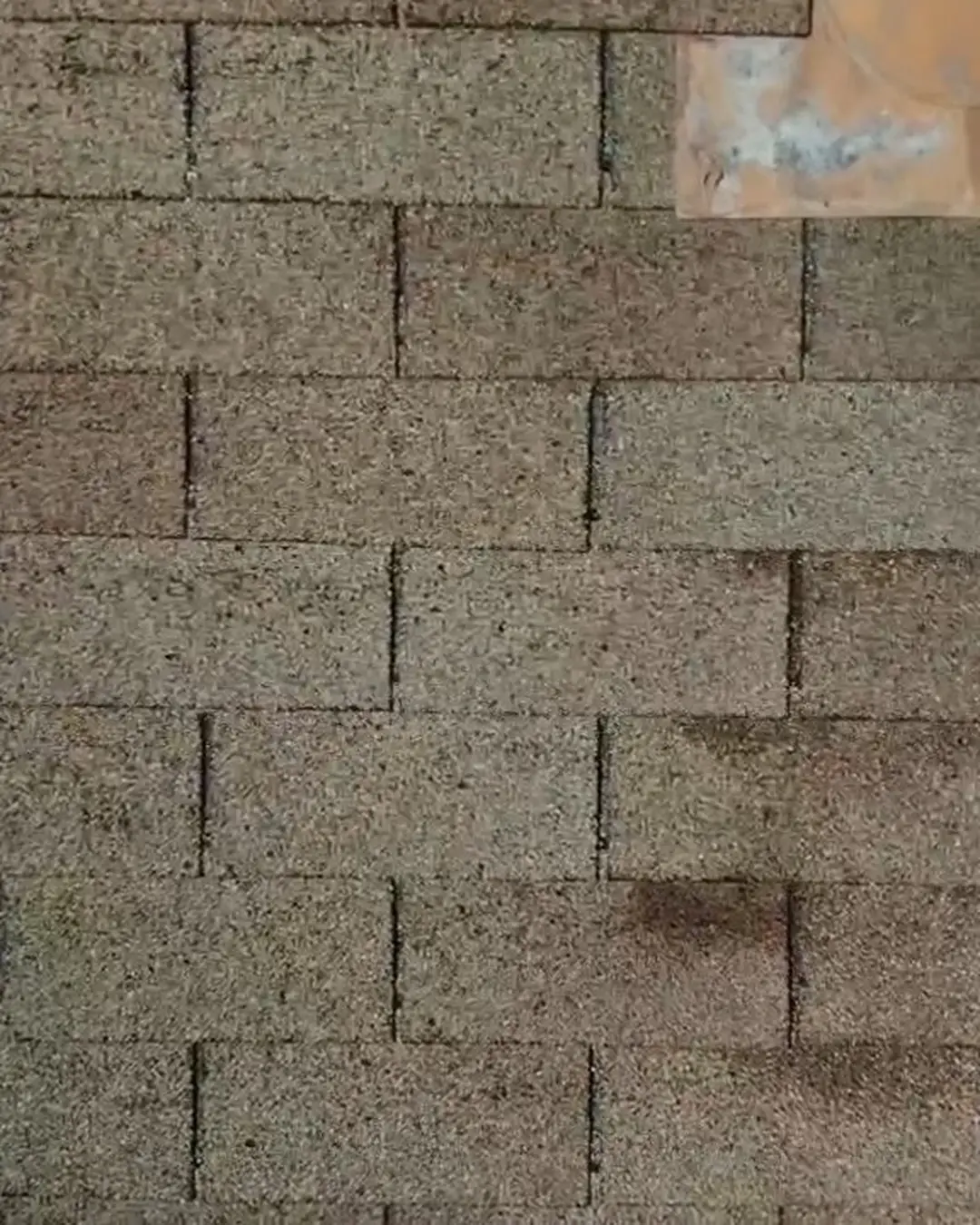
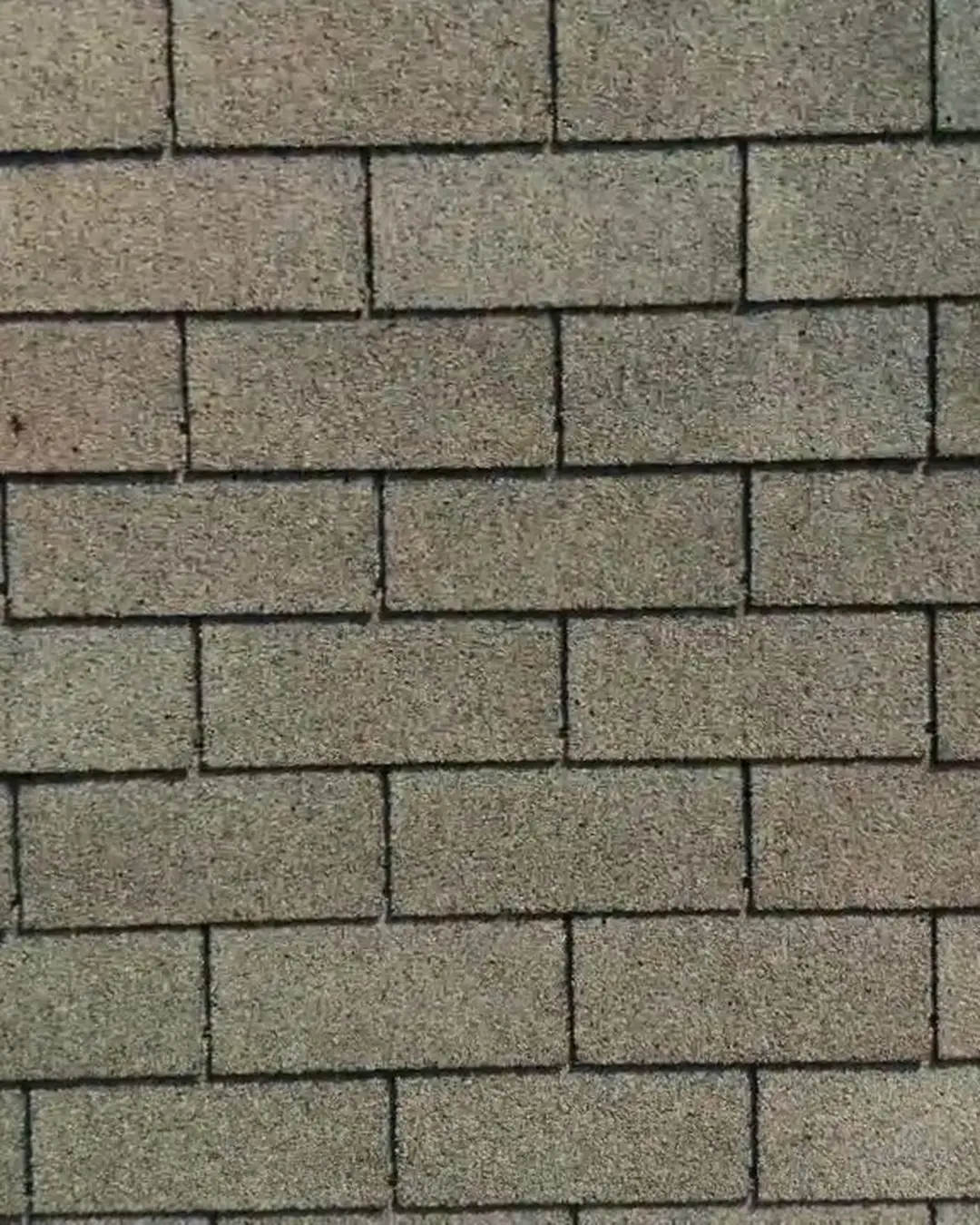
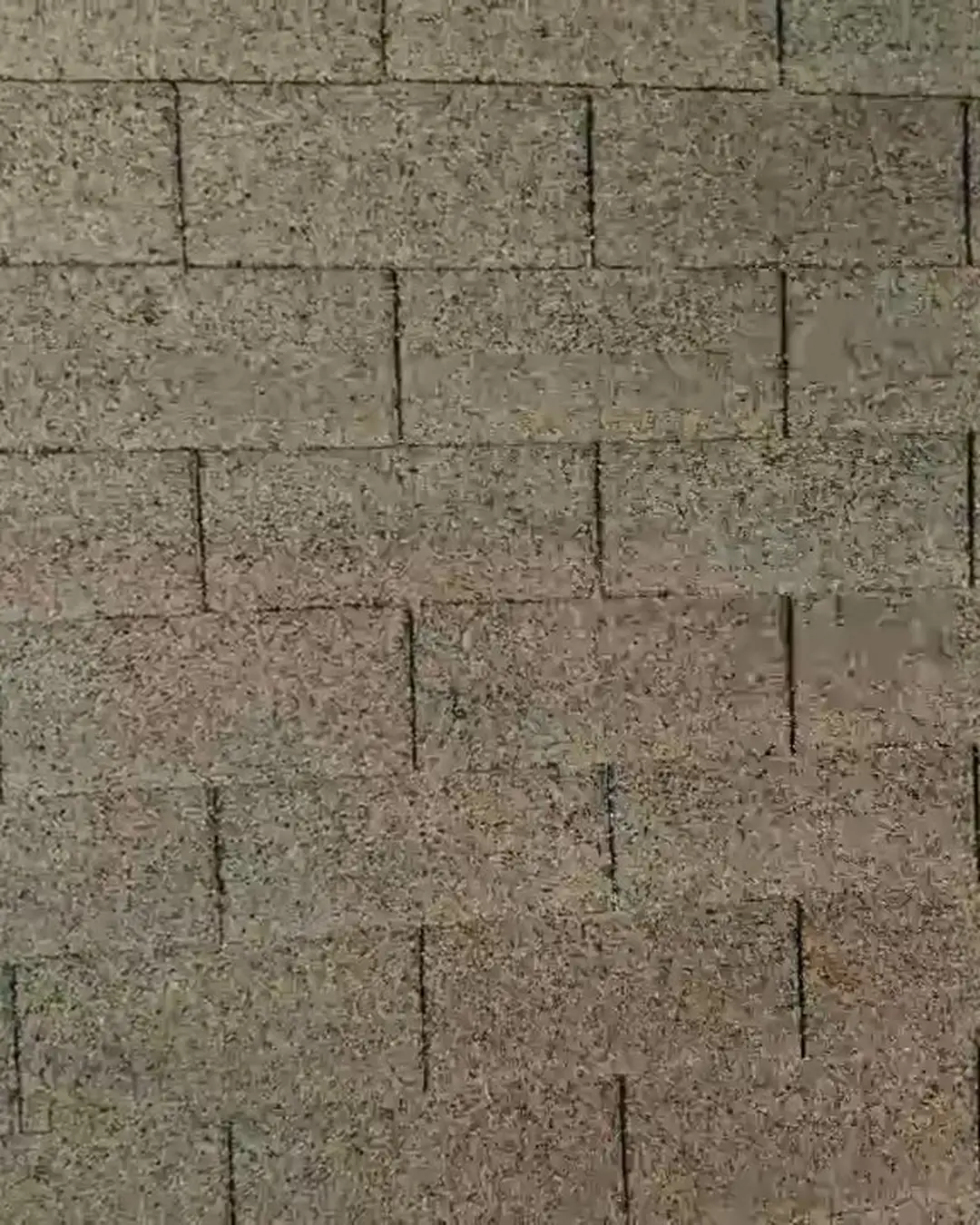
- Roof covering: shingle wear, granule loss, cracks, lifted tabs and earlier repairs.
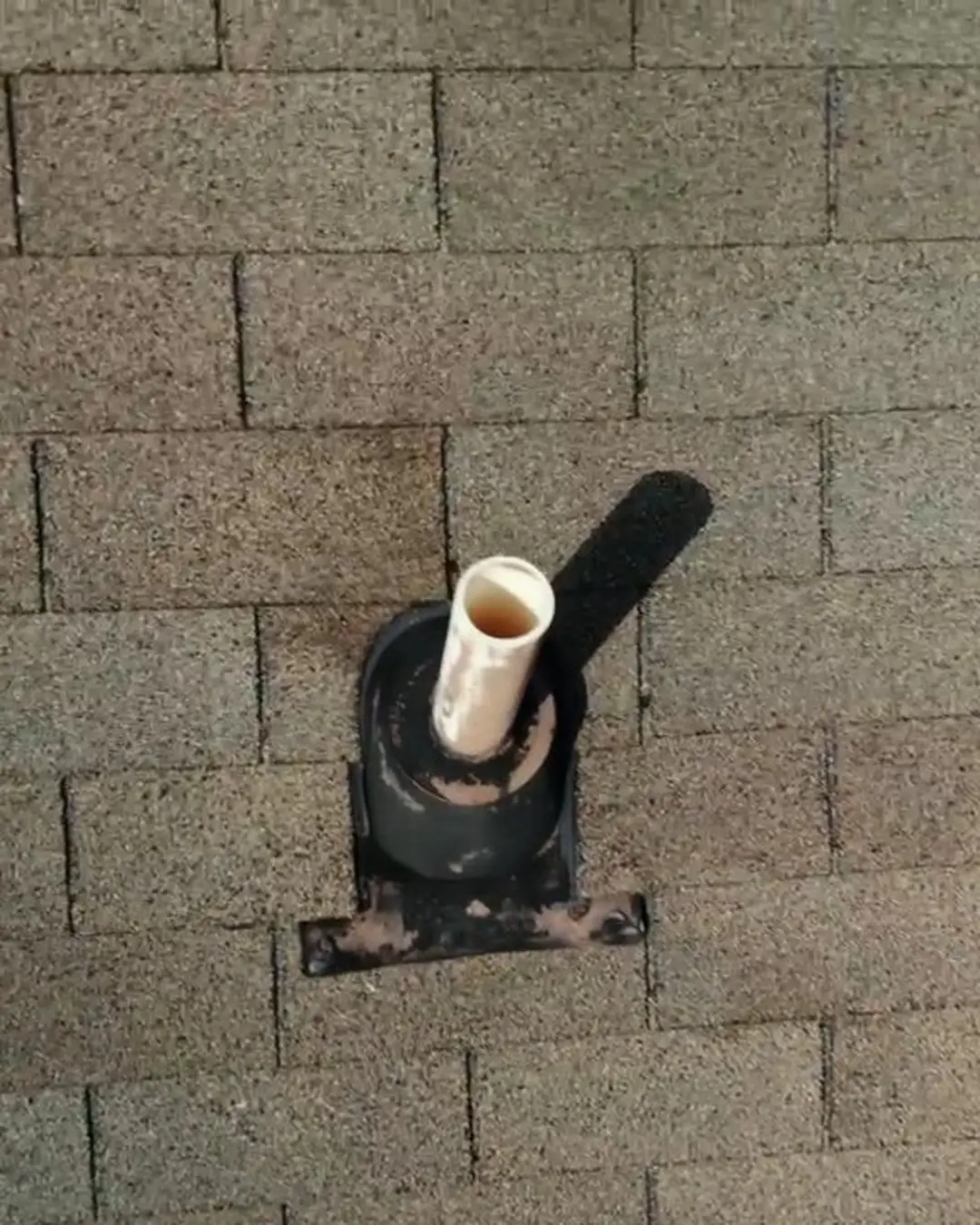
- Penetrations: pipe boots, vents, skylights, satellite mounts and anything else that goes through the roof.
- Flashing: chimneys, walls, valleys and drip edge, including sealant condition.
- Drainage: gutters, downspouts and any low spots where water sits.
- Attic: decking stains, daylight, ventilation, insulation and signs of condensation.
- Interior: ceilings and walls where stains could be related to the roof.
- Storm evidence: hail hits, creased shingles and collateral damage on soft metals.
When to schedule an inspection
Most homeowners only call about a roof when something is already leaking. There are better times to look:
- Once a year, ideally in spring or fall before severe weather.
- After any hail or high wind event, even if nothing looks wrong from the ground.
- Before you buy a home, because a standard home inspection may not include a rooftop review.
- Before you sell, so there are no surprises during negotiations.
- When a roof reaches about 15 years or if an insurer asks about its condition.
- Before installing solar panels, since they make later roof work more expensive.
What you get afterward
You receive a report with labeled photos, a plain-language description of each issue, and a rough sense of priority: what needs attention now, what can wait, and what simply needs watching. Where repair is needed, we provide a written scope and price. There is no obligation to hire us for the work, and you are free to use the report to get other bids. Most roof problems identified early are small, such as a pipe boot or a loose flashing, so a report often ends with a short list rather than a large project.
We also give an estimate of remaining service life where the condition allows. Estimates are not guarantees, but they help you plan and budget for a roof replacement before an emergency decides for you.
Inspections after a storm
After hail or wind, we use test squares on each slope, count hits, photograph collateral damage and note the direction of the storm. That gives you evidence to decide whether a claim is worth filing. If damage is minor, we tell you that too, so you do not spend a deductible for no reason. See hail damage roof repair, our post-hail checklist and roof insurance claim help for what comes next. Be cautious with free storm inspections from door-knockers who climb up uninvited, since some do more harm than good.
Commercial and low-slope inspections
Commercial roofs need a different approach. We check membrane seams, flashings, curbs, drains and rooftop equipment supports, take moisture readings and note ponding patterns. Twice-yearly inspections are a common recommendation for commercial roofs and may be required to keep certain warranties in force. Reports can be formatted for property managers, including a repair list and a budget outlook. Read more on our commercial roofing and flat roof repair pages.
Related services
An inspection tells you what comes next. Small findings become a roof repair in Tulsa, storm findings go to hail damage repair, and a worn-out roof becomes a plan for roof replacement. Building owners can also ask about inspection schedules through our commercial roofing services.
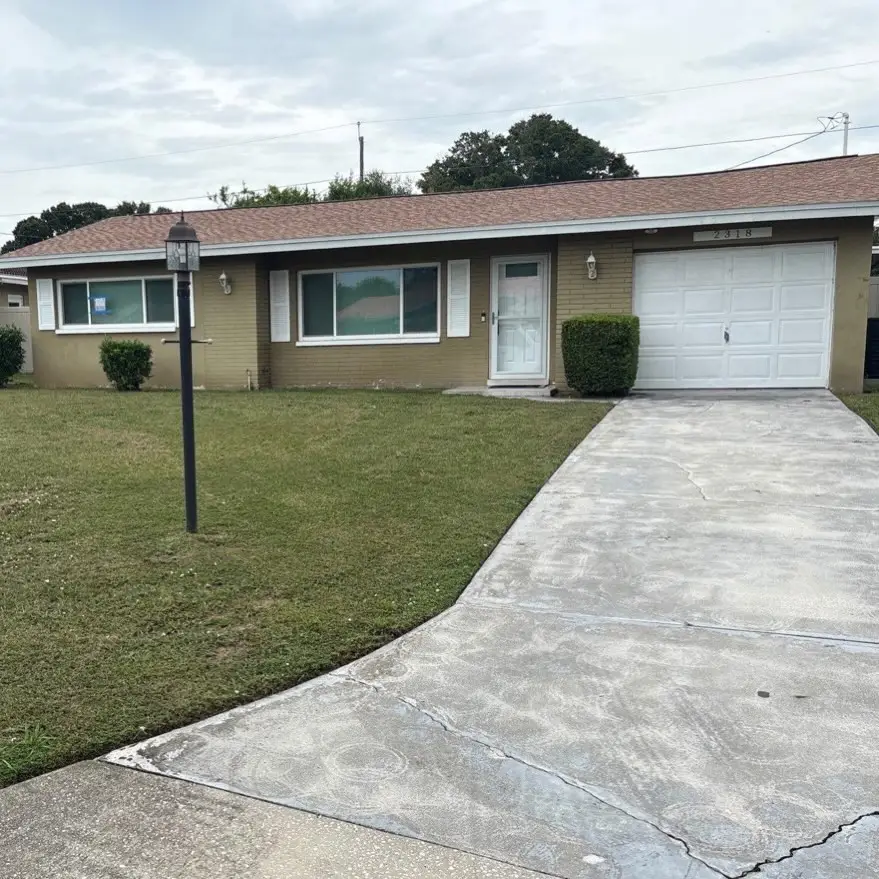
Recent roof inspection projects
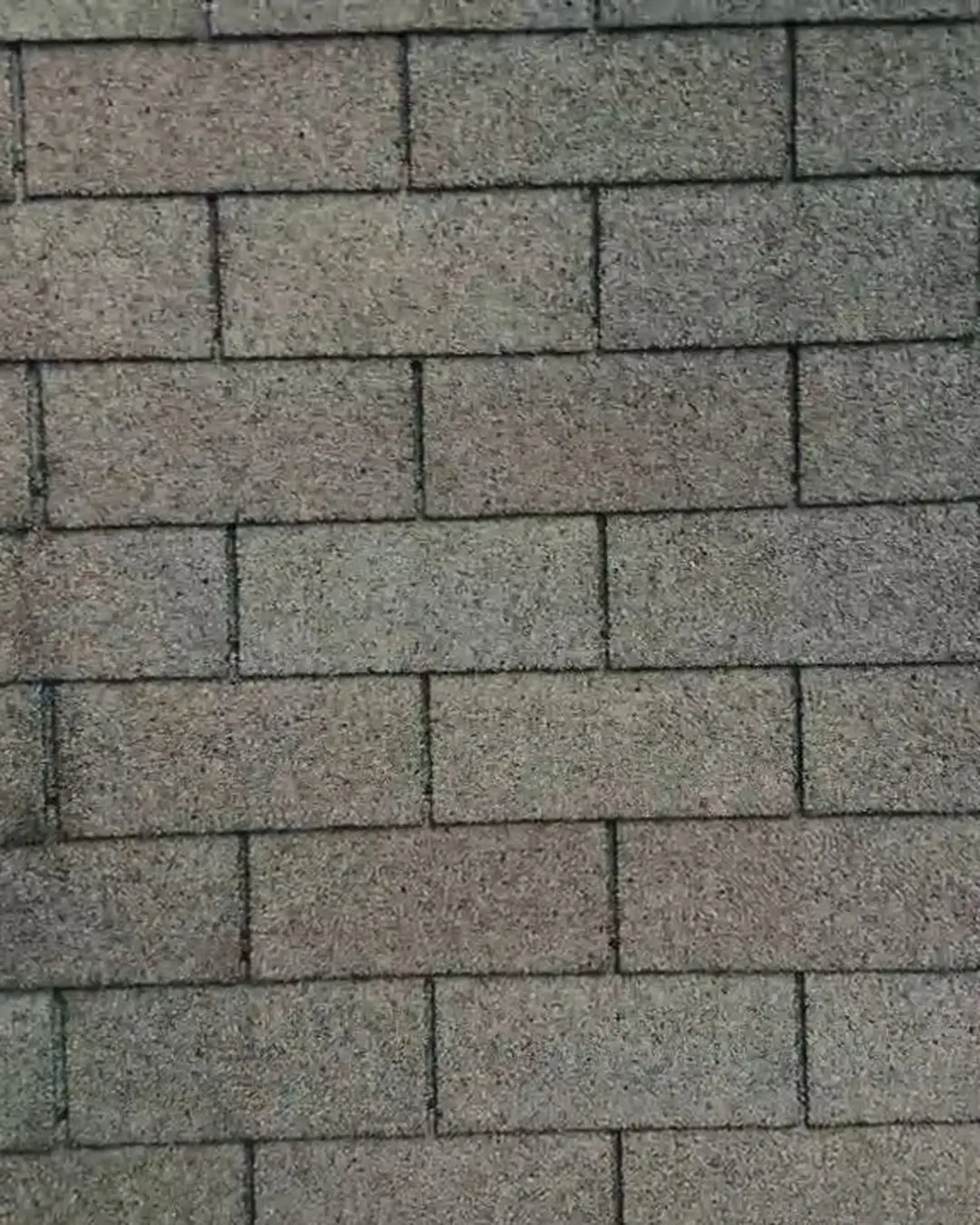
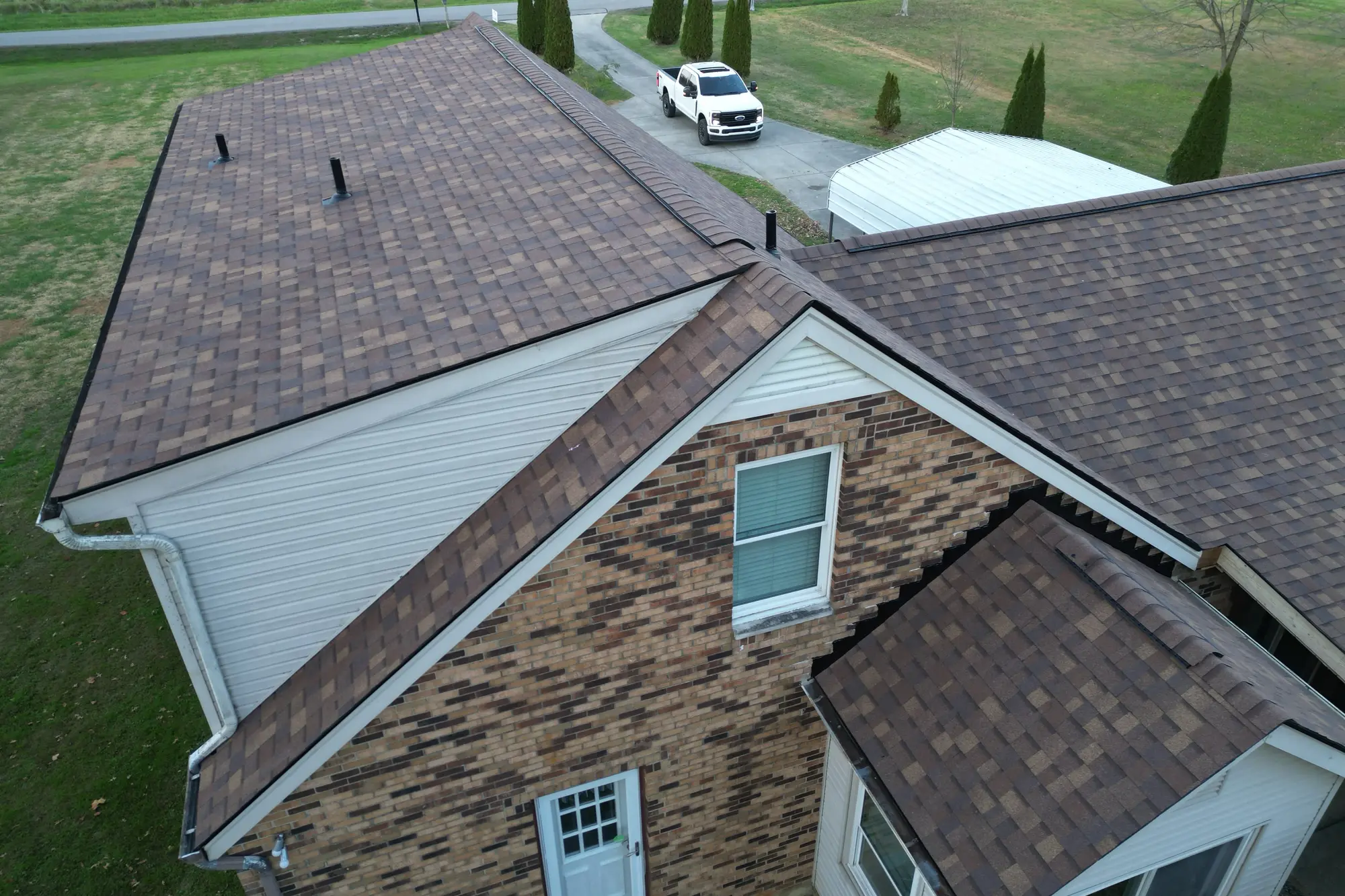
Close-Up Shingle Check for Wear and Granule Loss
See all of our roofing projects
Frequently asked questions
How often should a roof be inspected?
Is a home inspection enough when buying?
A general home inspector covers the whole house. A roofing-specific inspection goes deeper on remaining life and repair cost.
How much does a roof inspection cost in Tulsa?
A standard residential inspection often costs $100 to $350. Drone-assisted, real estate and commercial reports are priced according to the size of the roof and the report you need.
How long does an inspection take?
Most homes take about 30 to 60 minutes, including the attic. Large, steep or commercial roofs take longer, and the written report follows afterward.
Can a drone replace a walk-on inspection?
Drones are useful on steep or fragile roofs and for overview photos. They cannot test seals or feel soft decking, so we combine them with hands-on checks when it is safe.
Do I need to be home during the inspection?
Not for the exterior, although we need access for the attic and interior checks. Many homeowners like to be there to review the findings and ask questions.