

Many structural, roofing and addition projects do. Requirements vary by city, so we check before work begins.
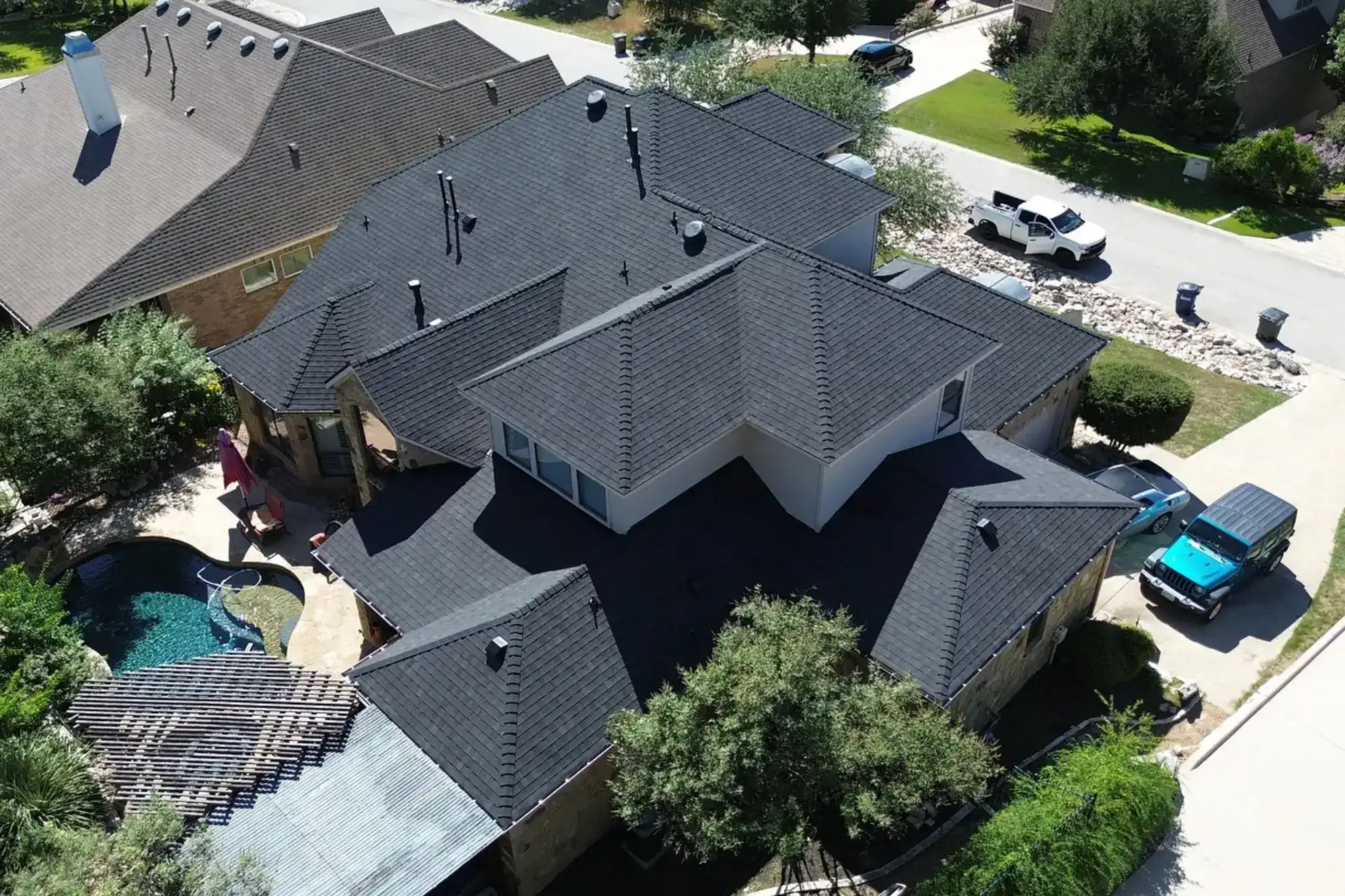

Roofing work often exposes other problems. Rotted framing, a damaged wall, an addition that needs tying in. A general contractor keeps those pieces moving in the right order instead of leaving you to manage each trade yourself.
Our general contracting focuses on exterior and storm-related work, along with the interior repairs they require. We build one scope, sequence the trades, handle required city permits and keep you updated as the work proceeds.
Common signs we check for:
- Roof tied into an addition
- Rotted framing or decking
- Siding and exterior trim repair
- Interior repair after leaks
- Multiple trades to coordinate
- Permit or inspection needs
How the work gets done
Define the Scope
We walk the project and write up exactly what's included.
Sequence the Trades
Framing, roofing, siding and finishes are scheduled in order.
Permits and Inspections
Required permits and inspections are arranged.
Closeout
A final punch list and walkthrough complete the project.
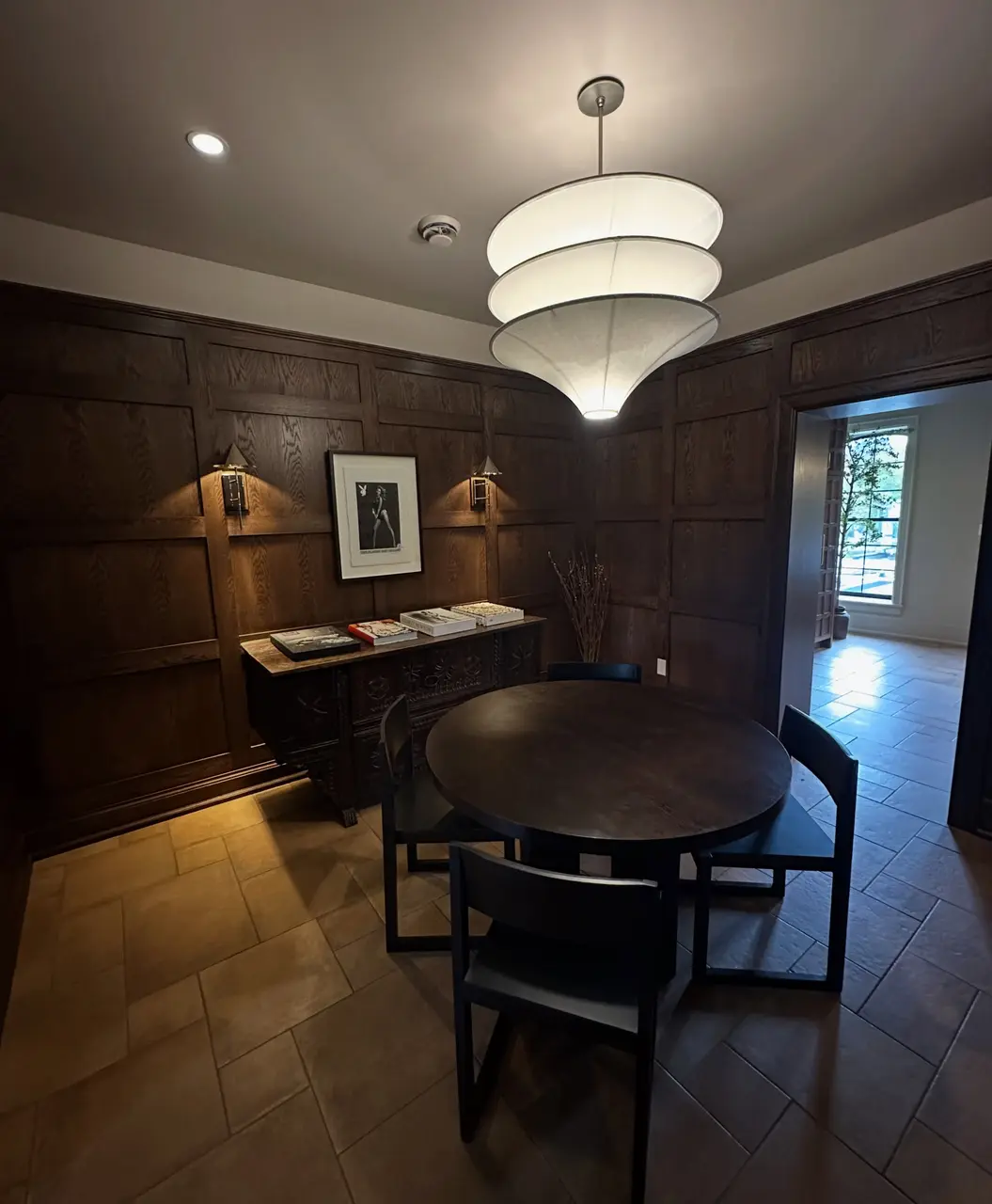
Typical Cost
General contracting is priced by scope. Exterior repair projects may start near $5,000, while additions often run $150 to $300 per square foot or more.
These are planning ranges for the Tulsa area, not a quote. Your written estimate is based on the actual roof.
Request an EstimateGeneral Contractor Services prices
Planning ranges for the Tulsa area, updated November 2026. They include typical labor and materials, but they are not a quote. Your written estimate is based on an inspection of the actual job. See every category on our price list.
Projects we take on
We focus on work connected to the roof and exterior of a building, plus the interior repairs that often follow. That keeps one team accountable when several trades have to fit together.
- Storm and water damage rebuilds, including framing, drywall, insulation and finishes.
- Room additions and second-story work, including tie-ins to the existing roof.
- Siding, fascia, soffit and trim repairs.
- Window replacement and door openings.
- Covered porches, patio roofs and exterior structural repairs.
- Interior finish work after water damage restoration.
What a general contractor actually does
A general contractor is responsible for the whole job, not just one trade. That includes planning the order of work, hiring and coordinating trades, obtaining permits, ordering materials, scheduling inspections and solving the problems that come up once walls are opened. On a simple job, you might not need one. If your project involves structure, more than two trades or any permit, having one accountable party usually saves time and reduces mistakes.
The sequence is where projects usually run into trouble. Framing, roofing, rough plumbing and electrical, insulation, drywall and finishes all have to happen in a specific order, and each depends on inspections and the previous step. One late trade or material can push back everything behind it.
Stages of a typical project
Every job is different, but most of them follow this path:
- Walkthrough: we look at the space, talk about your goals and set a realistic budget range.
- Scope and design: drawings where needed, with materials and allowances written out.
- Estimate and contract: a clear price, schedule and payment plan tied to milestones.
- Permits: applications are filed with the city, along with any required engineering.
- Construction: site protection, demolition, framing, roofing and rough-ins, then inspections.
- Finishes: insulation, drywall, trim, paint, flooring and fixtures.
- Closeout: final inspection, punch list, warranty documents and photos.
Budgeting and change orders
Accurate budgets start with a clear scope. Allowances are estimates for items you have not chosen yet, like tile or fixtures, so check that they are realistic for your taste. Keep a contingency of roughly 10 to 20 percent for hidden conditions, particularly in older homes where opening walls can reveal rot, outdated wiring or framing issues. Any change after work begins should be priced and approved in writing before it is carried out. That one habit prevents most end-of-project arguments. Be cautious with large upfront deposits, and tie payments to completed stages.
Permits and hiring carefully
Structural, roofing, electrical, plumbing and mechanical work commonly require permits in Tulsa and nearby cities, and requirements differ by location. Permits and inspections protect you when you sell or file an insurance claim. In Oklahoma, trades such as electrical, plumbing and mechanical are licensed through the Construction Industries Board, and roofers register with the board as well. Ask any contractor for proof of insurance, current registrations and licenses for subcontractors. Our guide on choosing a contractor in Oklahoma gives further questions. If your project began with storm damage, see storm damage restoration. If it is mainly a new roof, see roof replacement.
Related services
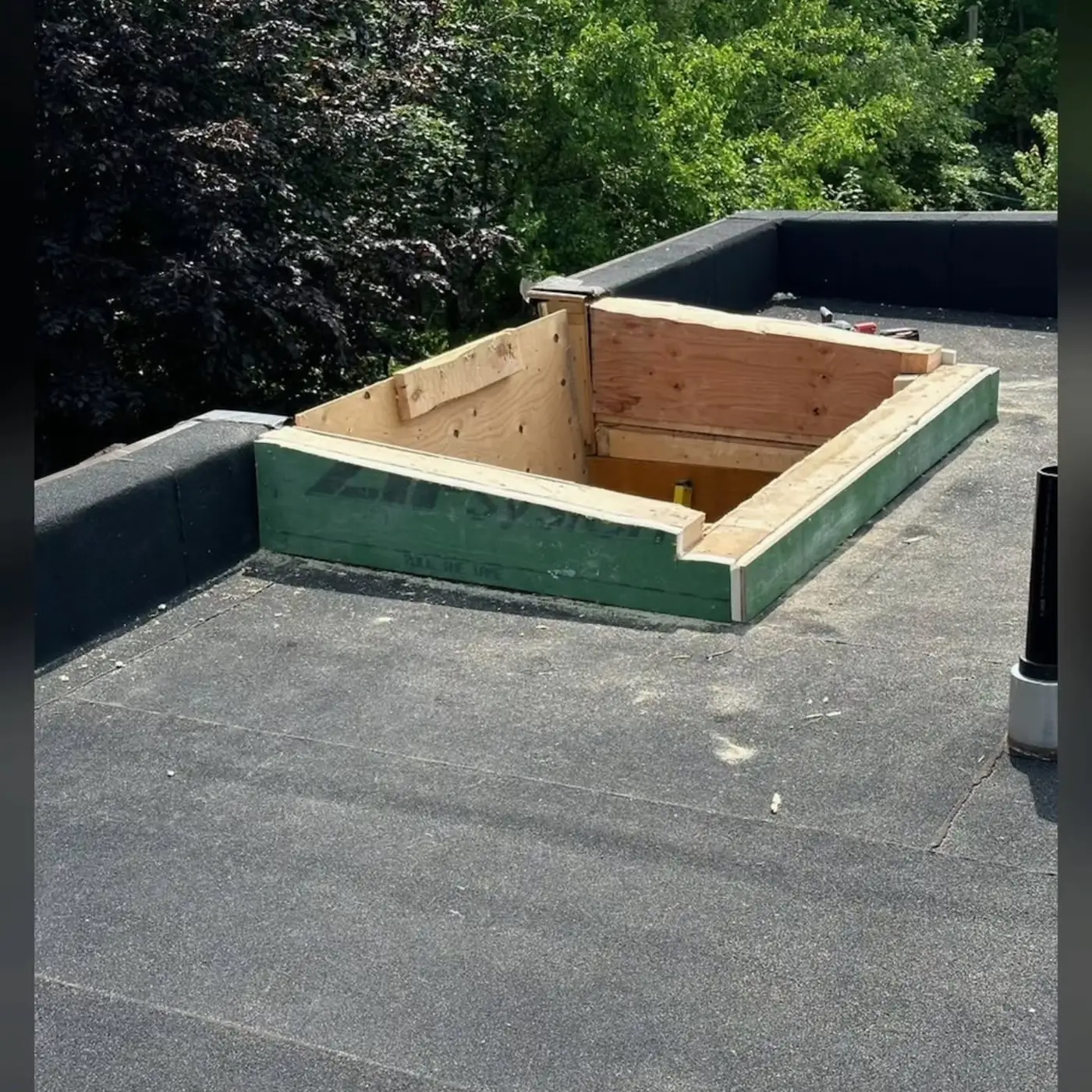
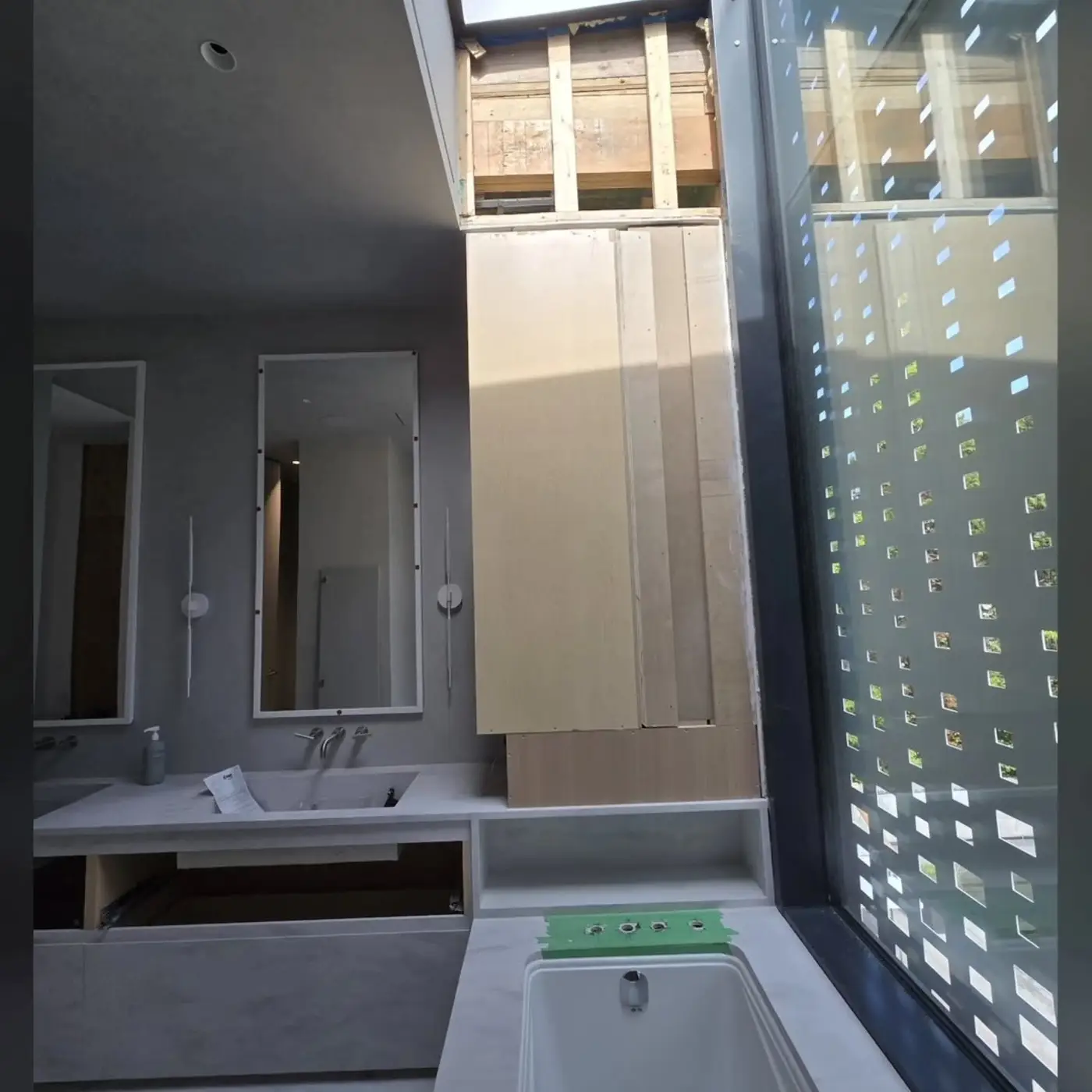
Many of our general contracting projects start on the roof. Common examples include rebuilds after storm damage, interior repairs after water damage, and additions that tie into a new roof. Exterior items can include windows and gutters.
Recent general contractor services projects
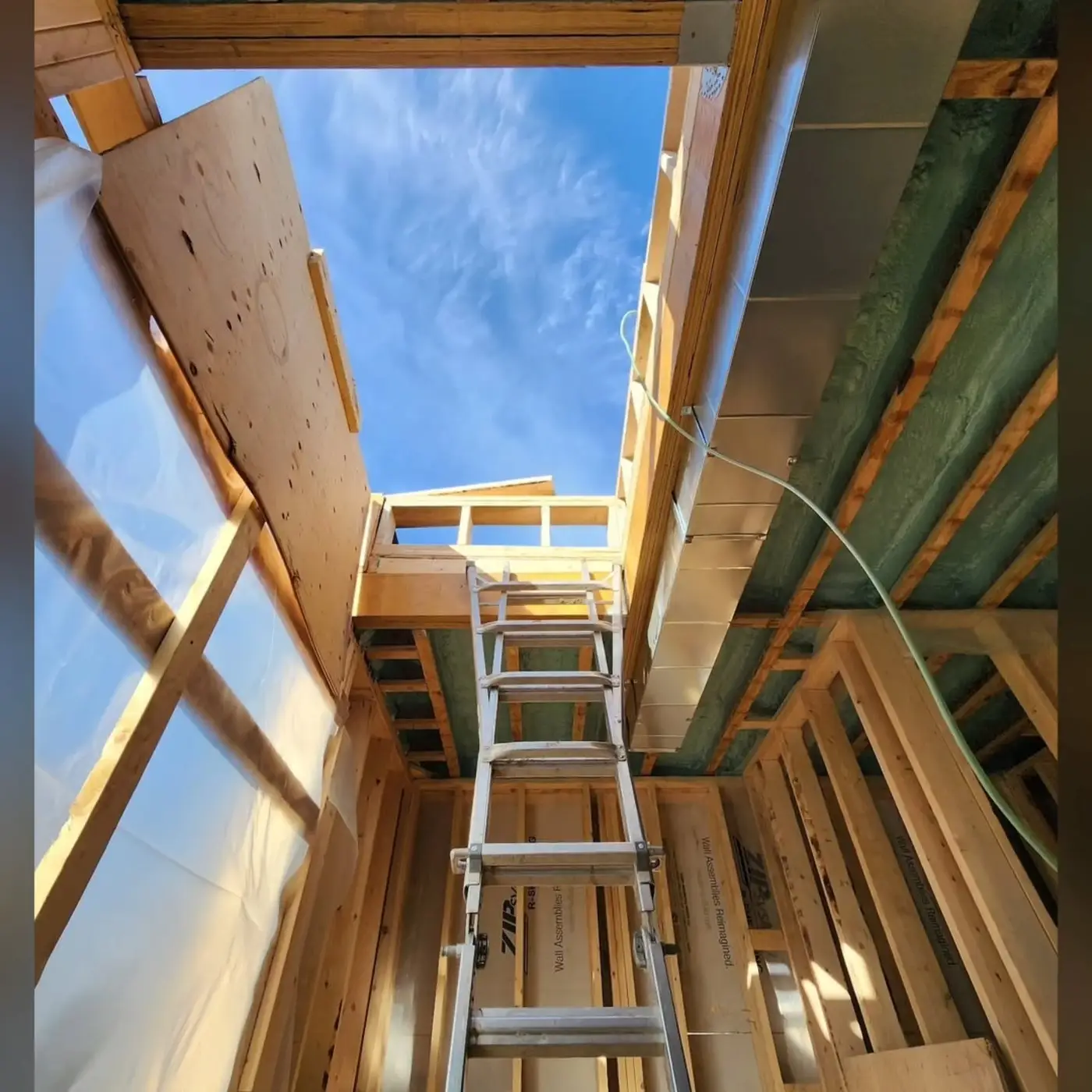
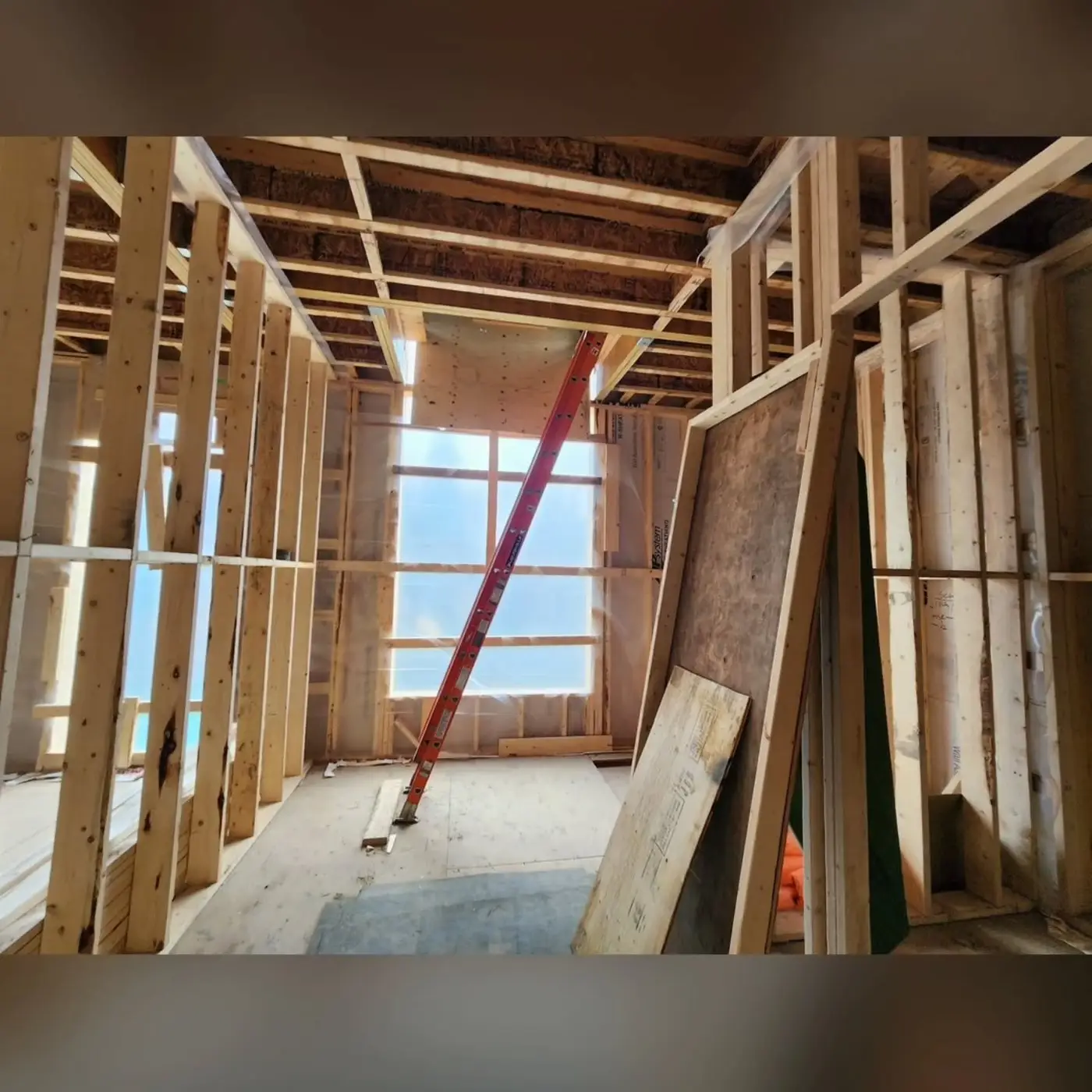
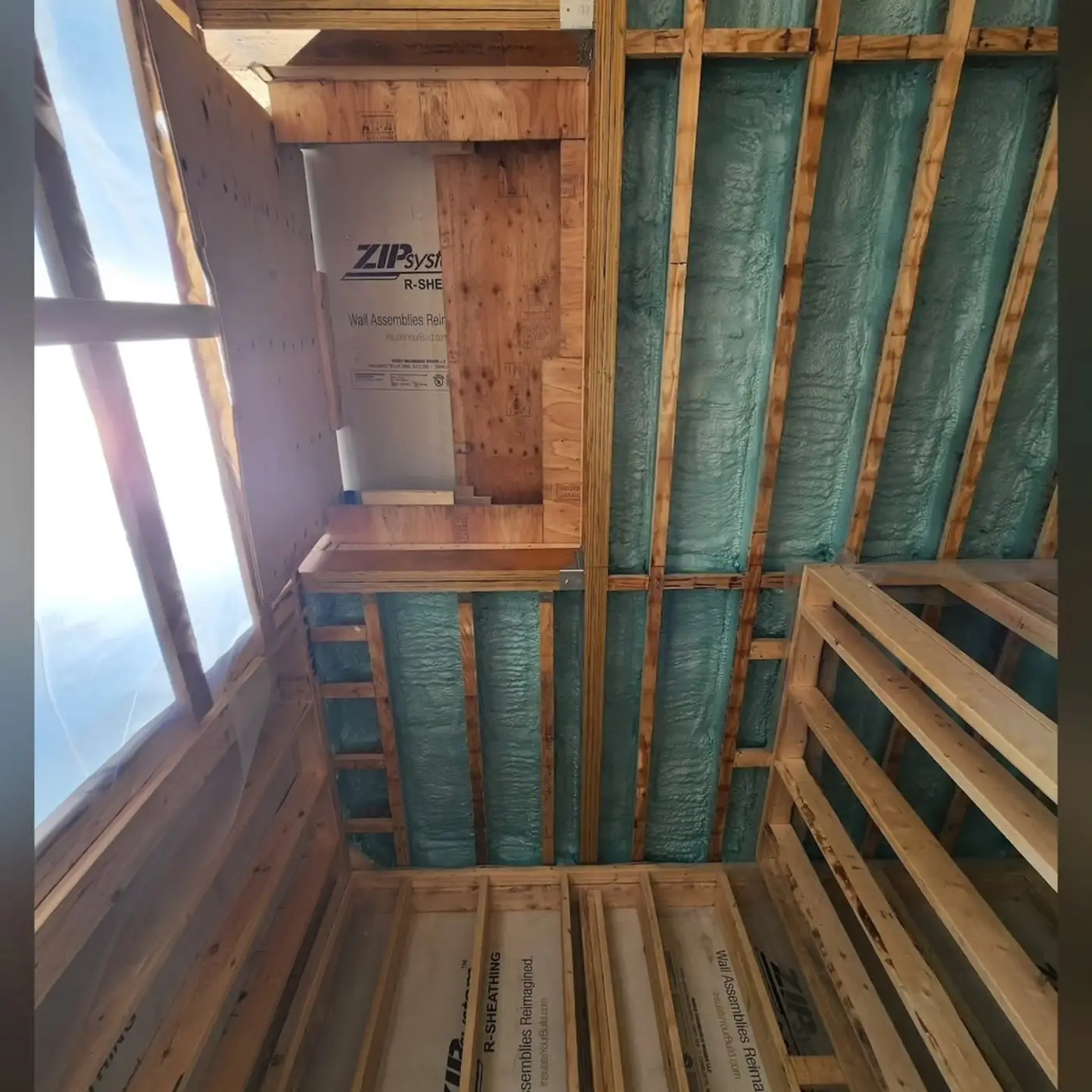
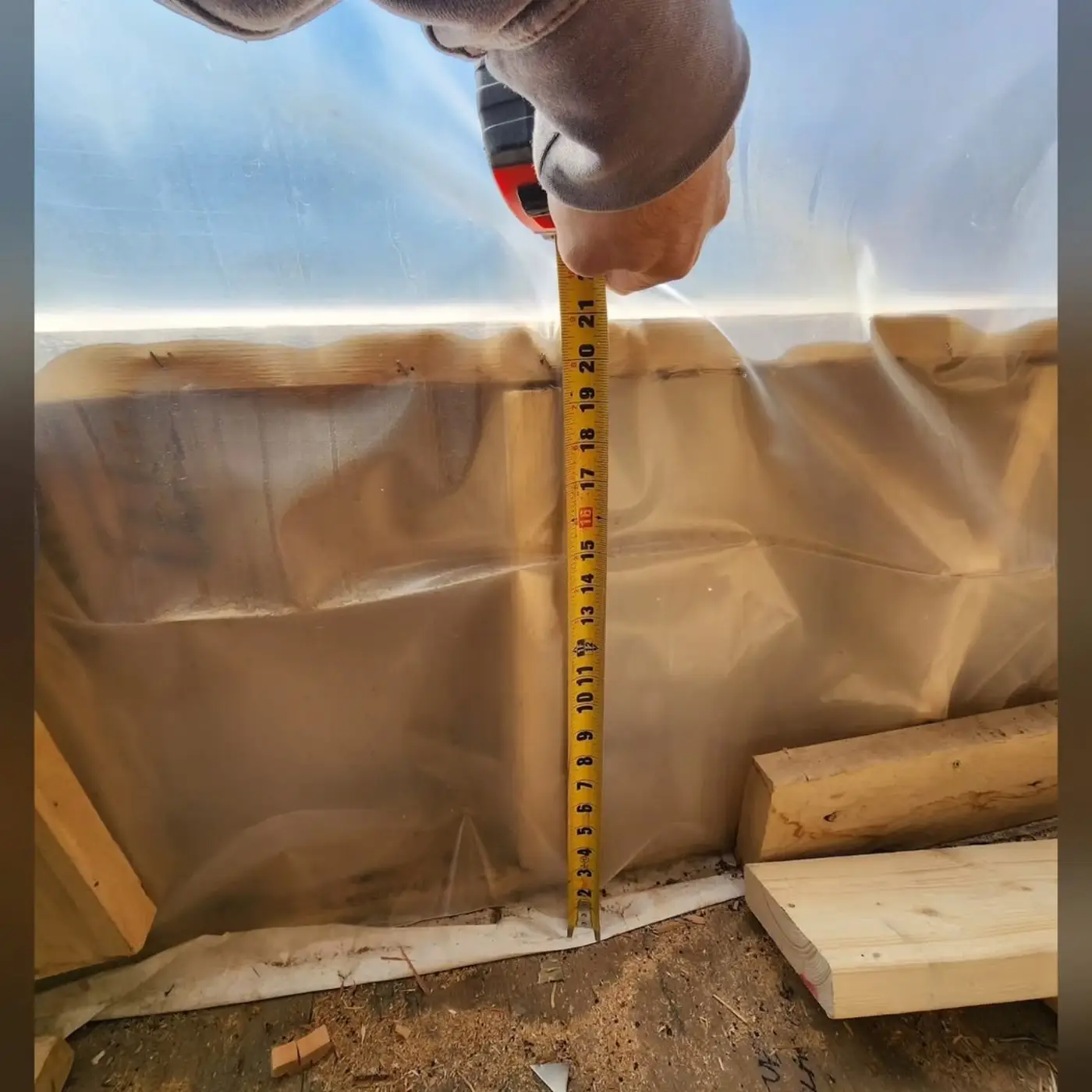
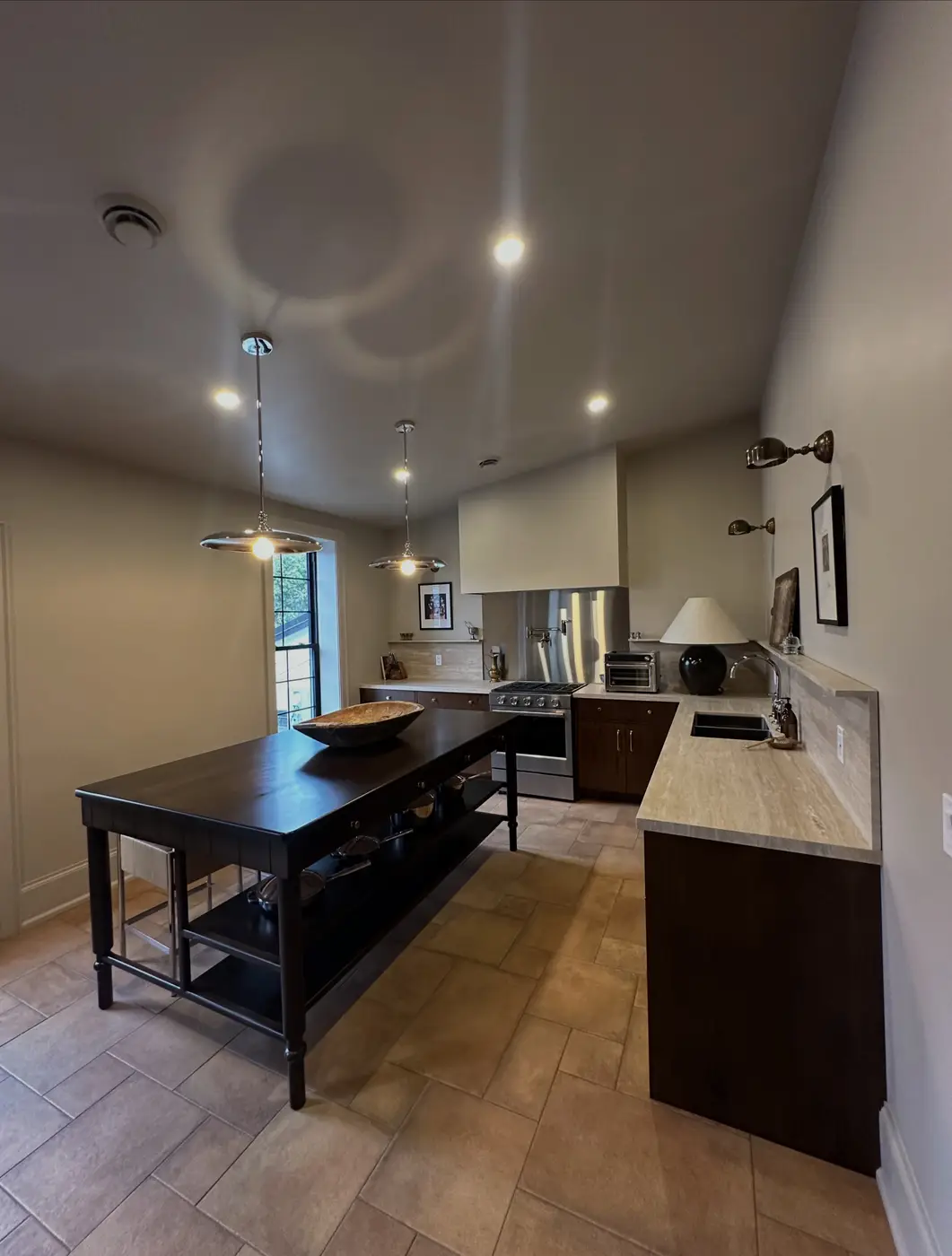
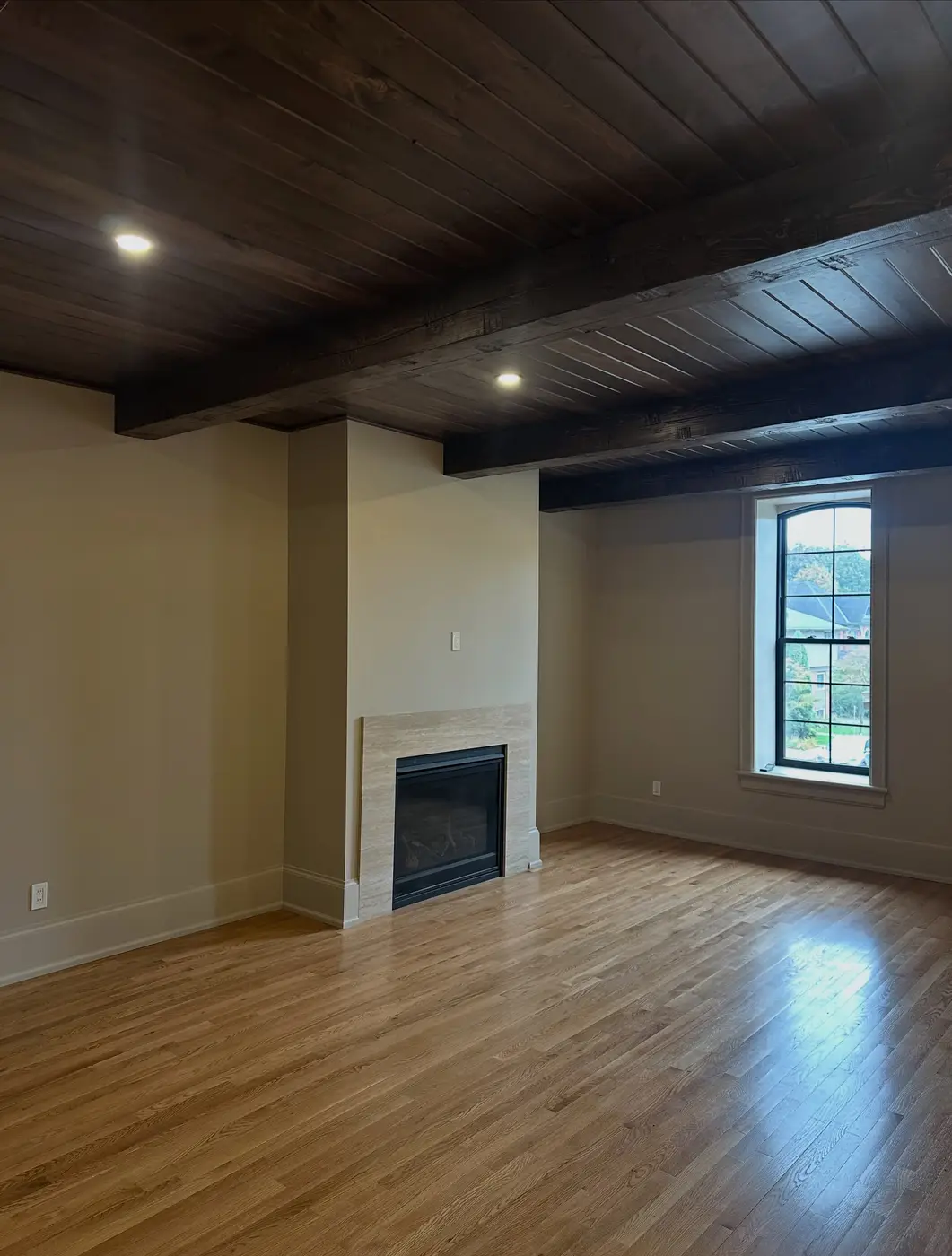
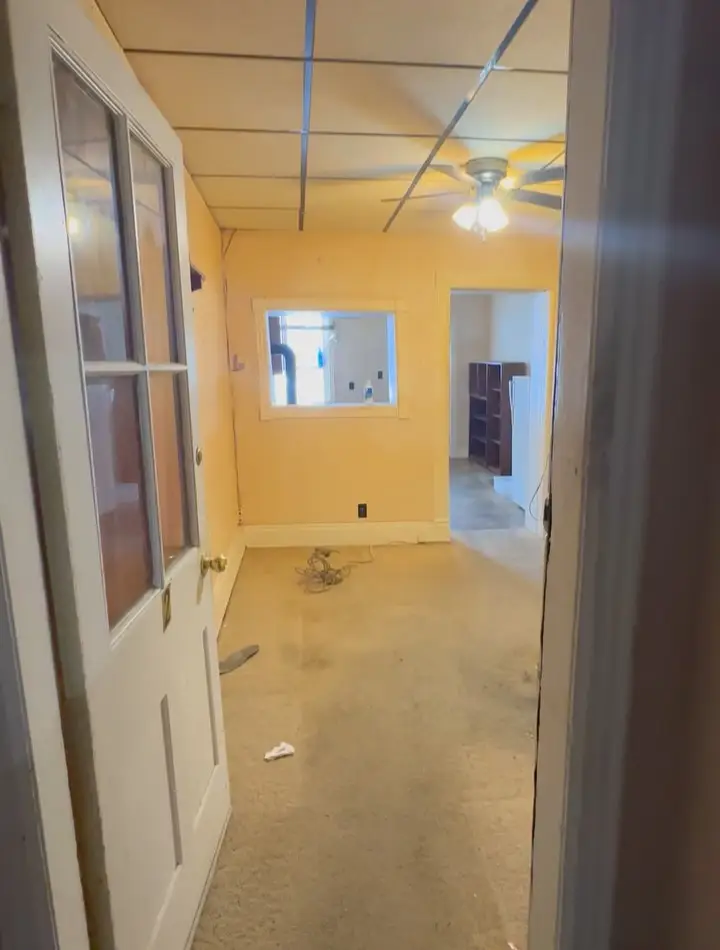
Second-Story Framing and Insulation Build
See all of our roofing projects
Frequently asked questions
Do I need a permit in Tulsa?
How does payment usually work?
Larger jobs generally use a schedule of draws tied to milestones, spelled out in writing. Be cautious with anyone asking for full payment up front.
Do you take on interior remodeling?
We take on interior repairs tied to roofs, leaks and storm damage. Purely cosmetic remodels may be referred elsewhere.
How much does a general contractor cost in Tulsa?
General contracting is priced by scope. Exterior repair projects may start near $5,000, while additions often run $150 to $300 per square foot or more, depending on finishes and structure.
How long do additions take?
A room addition often takes a few months, including design and permits. Second-story work takes longer. Weather, inspections and material lead times all affect the schedule.
Can I live at home during construction?
Often, yes, with dust barriers and planning. Large remodels, kitchens or work that opens the roof may make a temporary move more comfortable. We discuss this before starting.
Do you handle design and engineering?
We coordinate drawings and engineering when a project needs them. Simple repairs usually need only a written scope, while additions and structural changes need more.